MobileSyrup
News

Here’s how the iPhone X compares to the Essential Phone, the Samsung Galaxy Note 8 and the LG V30

WordPress article content

By Sameer Chhabra
Here’s how the iPhone X compares to the Essential Phone, the Samsung Galaxy Note 8 and the LG V30

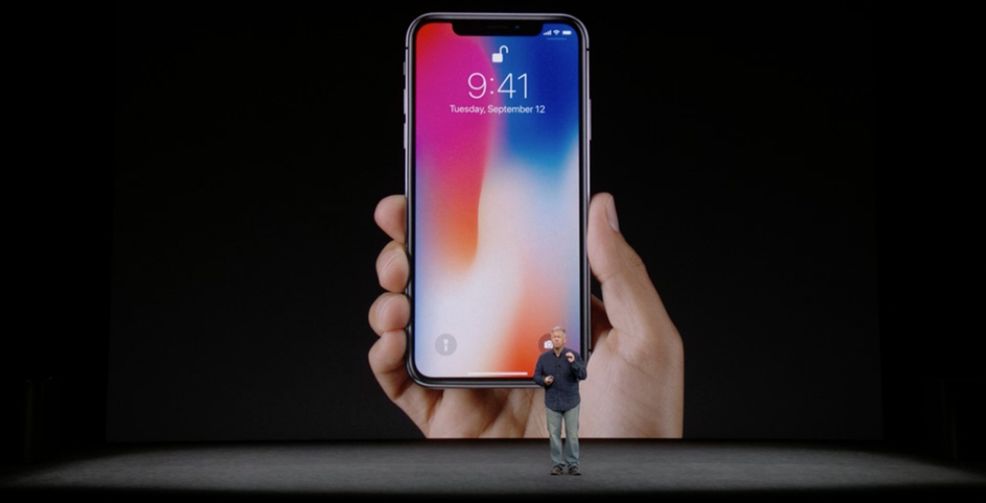
The Apple iPhone X is, without a doubt, the most powerful, capable, and well-designed phone the company has ever released. That being said, while it’s certainly impressive in comparison to its new iPhone siblings, it’s important to put the iPhone X into context with its mobile competitors.

To begin with, the iPhone X’s most obvious differentiating factor is that it runs Apple’s latest iOS 11 software, whereas the Essential Phone, Galaxy Note 8 and LG V30 all run variations on Android 7.1 Nougat.
Specs
iPhone X
iPhone X
Essential Phone
Essential Phone (PH-1)
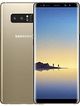
Note 8
Samsung Galaxy Note 8
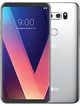
lg v30
LG V30
Display
5.8-inch, OLED True Tone display, 2436 x 1125 pixels
5.71-inches, IPS LCD display, 2560 x 1312 pixels, 19:10 aspect ratio
6.3-inch, Super AMOLED display, 1440 x 2960 pixels, 18:5:9 aspect ratio, HDR 10
6.0-inch, Quad HD+ display, 2880 x 1440 pixels, 18:9 aspect ratio
Processor
A11 Bionic chip
Snapdragon 835
Snapdragon 835 (Exynos 8895)
Snapdragon 835
RAM
3GB of RAM
4GB of RAM
6GB RAM
4GB of RAM
Storage
64GB, 256GB
128GB
64GB (expandable up to 256GB)
64GB (expandable up to 2TB)
Dimensions
143.6 x 70.9 x 7.7mm
141.5 x 71.1 x 7.8mm
162.5mm x 74.6mm x 8.5mm
151.7 x 75.4 x 7.3mm
Weight
174g
185g
195g
158g
Rear Facing Camera
12-megapixel (f/1.8, OIS) + 12-megapixel (f/2.4, OIS), quad-LED 'True Tone' flash
13-megapixel, (f/1.85)
12-megapixel (f/1.7) + 12-megapixel (f.2.4, OIS, AF) dual-LED flash
16-megapixel (f/1.6, OIS) + 13-megapixel (f/1.9)
Front Facing Camera
7-megapixel (f/2.2)
8-megapixel, (f/2.2)
8-Megapixel (f/1.7)
5-megapixel (f/2.2)
OS
iOS 11
Android 8.1.1 Oreo
Android 7.1 Nougat
Android 7.1.2 Nougat
Battery
2,716mAh
3,040mAh
3,300mAh
3,300mAh
Network Connectivity
GSM / HSPA / LTE / Band 66
GSM / HSPA / LTE
GSM / HSPA / LTE
Sensors
TrueDepth Camera Sensor, Face ID, accelerometer, gyro, proximity, compass, barometer
Rear Fingerprint Sensor, Gyro Sensor, Proximity Sensor, 10 finger multitouch, Accelerometer, Magnetometer , Compass sensor, Ambient light Sensor
Iris scanner, fingerprint (rear-mounted), accelerometer, gyro, proximity, compass, barometer, heart rate, SpO2
Fingerprint sensor, Barometer, Three-axis gyro, Accelerometer, Proximity sensor
SIM Type
Nano SIM
Nano SIM
Nano SIM
Nano SIM
Launch Date
November 3, 2017
May 30, 2017
August 23, 2017
September 21, 2017
Misc
Colours: space grey and silver| Glass front and back, IP67 water/dust resistant, calibrated for AR, Qi wireless charging
Colours: Black Moon, Stellar Grey, Pure White, Ocean Depths | Modularity, USB Type-C, No headphone jack, Bezel-less, Titanium build
Colours: Black, Blue | IP68 water/dust resistant, S-Pen, 18:9 aspect ratio, wireless charging, USB type C
Colour: Cloud Silver | Bluetooth 5.0 BLE, NFC , USB Type-C 2.0 (3.1 compatible), IP68 water/dust resistant, 32-bit Hi-Fi Quad DAC, Daydream Certified

Indeed, for many potential smartphone owners, the differences in the processor, battery size, screen size, SD card slot, RAM, and total onboard storage are secondary factors. Ultimately, the differences between the iOS and Android ecosystems might be enough to determine whether one invests in the latest iPhone or the latest premium-tier Android flagship.

For those looking past software differences, however, the physical differences between the iPhone X, the Essential Phone, the Note 8 and the V30 might not be as surprising as one might assume.

All three phones feature a beautiful, bright, relatively bezel-less, edge-to-edge display. All four phones feature dual-camera set-ups. All four phones have more than enough RAM to perform power-heavy tasks. All four devices come with plenty of onboard storage for most people. Not to mention all four devices also support wireless charging.

As for the processor, the three Android devices feature the latest Qualcomm Snapdragon 835 chip, while the iPhone X features Apple’s latest A11 Bionic chip.

Of course, if there’s any one particular difference of note, it’s not ecosystem — it’s security. The iPhone X is the only one of these devices without a dedicated fingerprint sensor, instead allowing users to unlock their phones using facial recognition, dubbed ‘Face ID.’ That being said, both the Note 8 and V30 have some form of facial recognition (V30 has facial and voice recognition while the Note 8 has Iris scanning), so it’ll be interesting to see how Apple’s software compares to Samsung’s and LG’s.
The top technology news, delivered to your inbox every Friday.

By submitting your information, you agree to receive electronic communications from MobileSyrup, containing news, updates and promotions regarding MobileSyrup's products. You may withdraw your consent at any time.

Antenna. Get the signal.