


In many ways, Insomniac Games’ work on the Marvel’s Spider-Man series has been rather definitive. Besides being some of the best licensed games ever made, they’ve come to represent a new era for one of the most prolific developers in the business while also even having clear influences on such massive pieces of media as Spider-Man: Brand New Day.
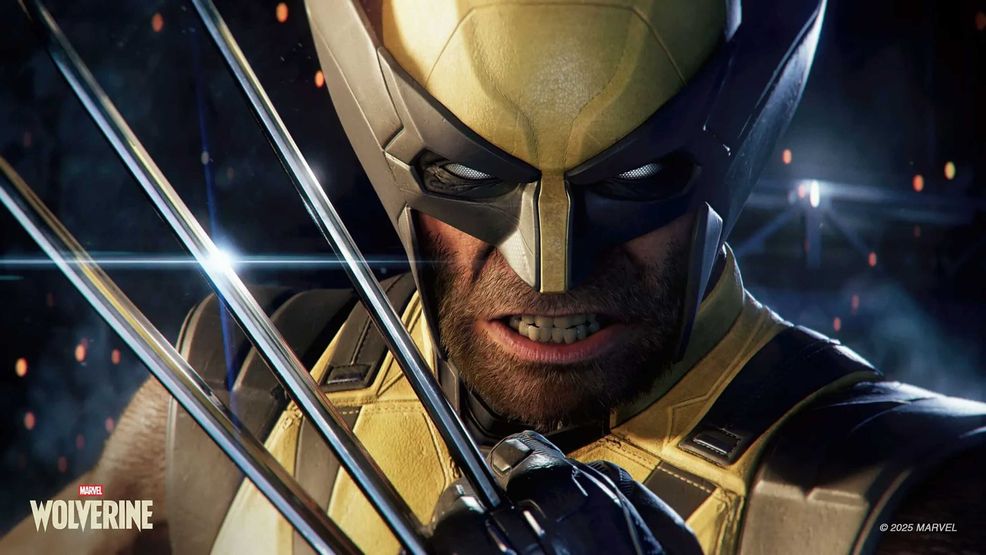
Naturally, then, people were wondering how the storied PlayStation studio would fare with another, decidedly bloodier Marvel character: Wolverine. Now, five years after the official unveiling of Marvel’s Wolverine, we have an answer. While the game doesn’t quite reach the highs of Marvel’s Spider-Man, it’s very much a worthwhile superhero outing in its own right, offering an exceptional take on the Canucklehead that stands among the finest.
The best there is at what he does
Above all else, Marvel’s Wolverine succeeds, as Marvel’s Spider-Man did before it, in nailing its characters. Through Liam McIntyre’s equal parts ferociously intense and remarkably subdued performance, James “Logan” Howlett is an outstanding lead character. From the very first scene, we see him in an incredibly raw and vulnerable state in the jungle before he’s rescued by biologist Nathaniel Essex (Troy Baker), effectively setting the stage for the rest of the game.
This pairing doesn’t prove quite as emotionally charged as the one between Peter and Otto in Marvel’s Spider-Man, but it’s nonetheless a fascinating inverse of Logan’s longtime dynamic with Charles Xavier in Insomniac’s vision of a Marvel universe before the X-Men. What if, instead of the hopeful and empathetic professor, the perennially lost Logan was guided by a more world-weary and morally dubious Englishman? It’s particularly captivating to see their ideological clashes over how to attain their mutually shared goal of protecting mutants — who are currently largely unknown to the public — from the genocidal Dr. Bolivar Trask (Jason Spisak) and his deadly, cybernetically-enhanced Reavers.
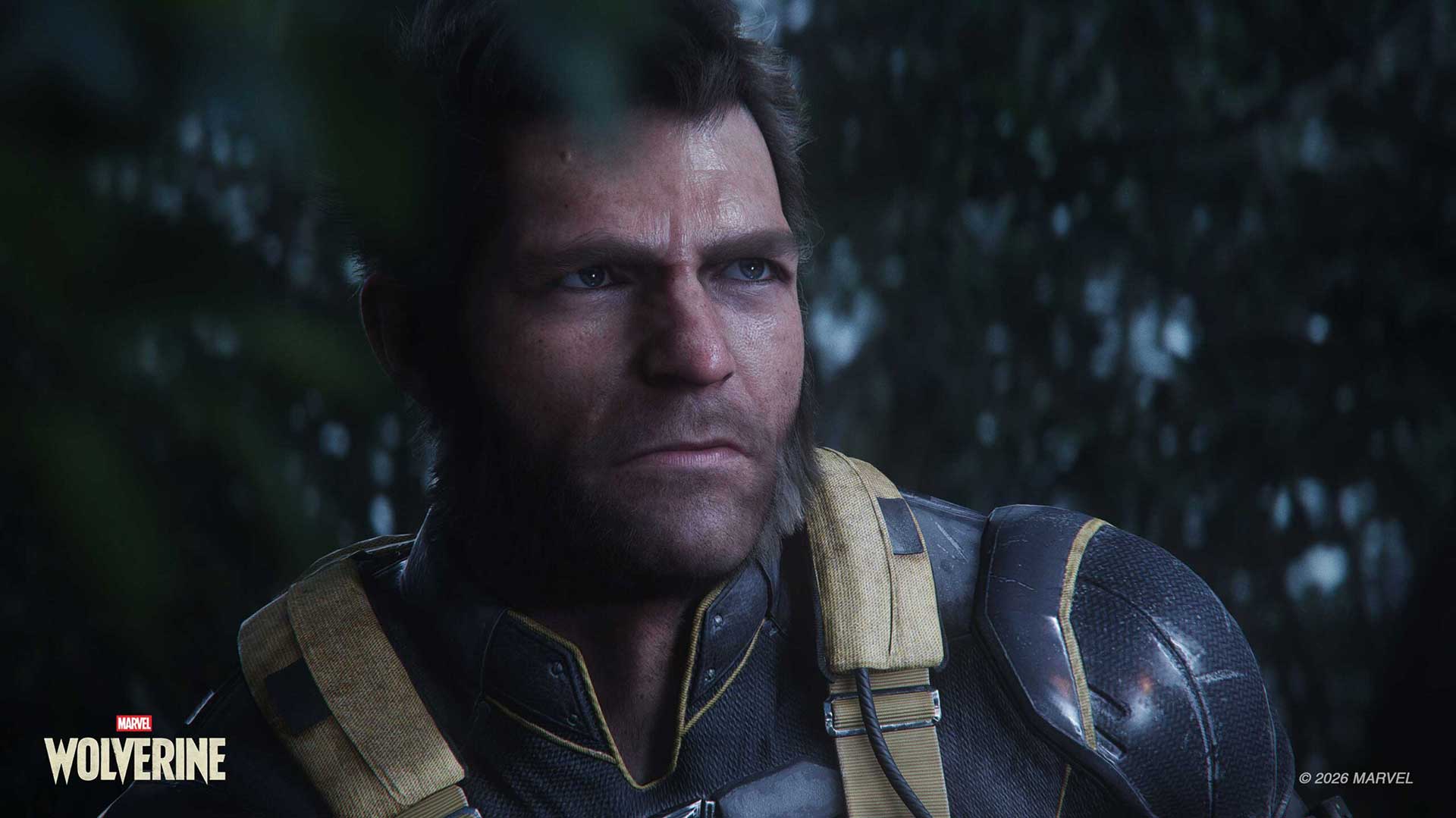
But the beating heart of Marvel’s Wolverine actually lies in his relationship with Jean Grey (Krizia Bajos). While her role in the game has led to much consternation from some comic fans, Insomniac nonetheless tells a meaningfully poignant story about second chances through Logan and Jean.
They’re both reluctant to get close; for him, it’s a sense of self-loathing and fear over his unknown past, and for her, it’s her unrelenting efforts to escape her abusive mother and save her found family of fellow hunted mutants. Seeing them slowly bond over the course of the game, and then having that bond tested amid great adversity, proves to be truly affecting, especially in the finale and its implications for potential future games.
Mr. Worldwide
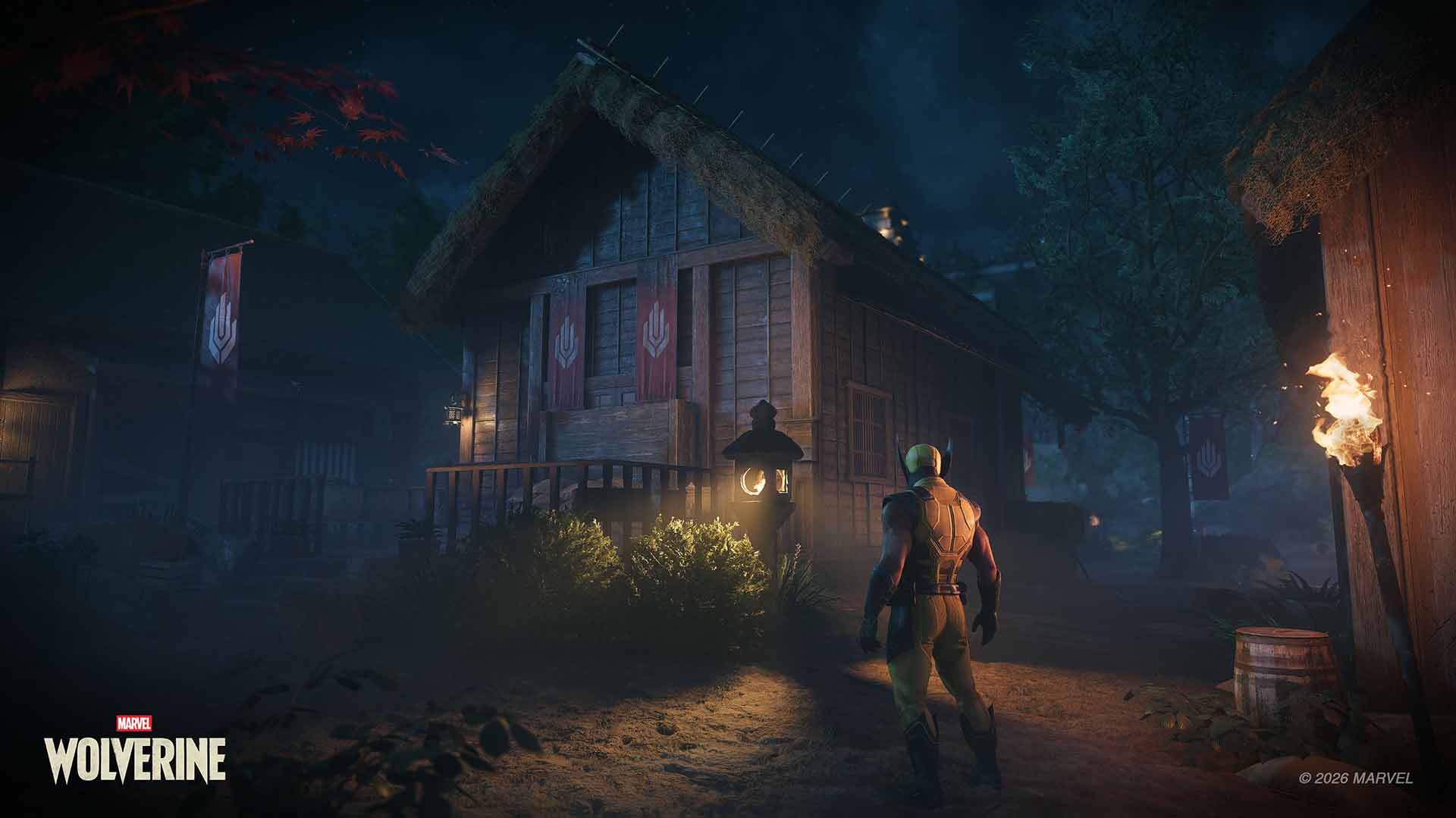
The strength of that relationship and the narrative pacing as a whole are aided immensely by the game’s structure. Where the Marvel’s Spider-Man series lets you swing around an open-world NYC, Marvel’s Wolverine is a tightly-crafted globe-trotting adventure that takes you to the likes of Telembang, Japan, Madripoor and, yes, even Wolverine’s native Canada. (Vancouver is the game’s main Canadian location, and it’s substantial, but Wolverine’s Team X, which is led by Essex and includes Sabretooth, Mystique and fellow Canuck Walter Langkowski, is actually based in Yukon. Kudos to Canadian art director Gavin Goulden and the rest of Insomniac for this wonderful — and all-too rare — opportunity for Canada to play itself.)
Because of Marvel’s Wolverine‘s linearity, Insomniac is able to dedicate significant amounts of time to Logan and his allies working together closely to traverse immaculately detailed areas to the tune of David Fleming’s sublime Western- and Asian-infused score. Nothing endears you to Logan and Jean more than seeing them saunter through the rich neon-soaked streets of Japan’s Kabukicho entertainment district as they bicker like an old married couple.
All the while, it’s refreshing to have a more purposeful, focused experience, especially as other recent action games like Onimusha: Way of the Sword arguably overstay their welcome. I rolled credits after around 15 hours, which is a decent length after having taken my time soaking in the sights, and unlocked the Platinum trophy about seven hours later.
And honestly, that optional content is absolutely worth your while. The biggest of these sidequests, Nightmare Doors, are various challenges scattered throughout each level that centre around traversal and combat. Clearing them will unlock short narrated stories that unravel scenes from Wolverine’s tragic past in sombre and even harrowing ways.
And picking up from Insomniac’s stellar work on Spider-Man, the collectible whisky bottles that you can find for stat-boosting Adaptations all have juicy bits of narrative injected into them, with Logan recalling fond memories he associates with each drink, such as one gifted to him by Essex when he was welcomed into Team X.
All killer, (somewhat) no filler
If you’ve been wondering why I’ve waited this long to talk about the combat, it’s because it is, lamentably, the weakest part of Marvel’s Wolverine. To be clear, it’s by no means bad, with Wolverine’s barrage of claw attacks packing a viscerally satisfying weight as you skewer foes left and right. This cinematic flair is only enhanced by dramatic camera effects that focus on close-ups of Wolverine’s claws piercing enemies, intense feedback from the DualSense controller and McIntyre’s deafening battle cries. What’s more, pressing Triangle to instantly leap towards enemies in range like a pouncing animal is undeniably thrilling, particularly when Wolverine fully tackles wounded foes to the ground to allow you to repeatedly stab them.
Unfortunately, a sense of weary repetition eventually settles in due to the relatively small lack of variety in Wolverine’s moveset. Indeed, there’s a glacial pace at which you unlock new Techniques, including a crowd-controlling flurry attack, screwdriver horizontal launch and a few others, including one surprise I won’t spoil. To Insomniac’s credit, the enemy variety is unexpectedly vast, from basic firearm-equipped Reavers to the frenetic Hand ninjas and even frighteningly resilient Sentinel Bots, as well as hazards like healing-stunting blades and mutant inhibitor generators. But even then, they feel squandered when they’re pretty much all overcome by mashing Square.
Because of this, the otherwise optional stealth just never feels worth pursuing, even with the incredibly cool effect of Wolverine’s primal hunter senses creating a ghastly blue highlight around enemies’ skeletons.
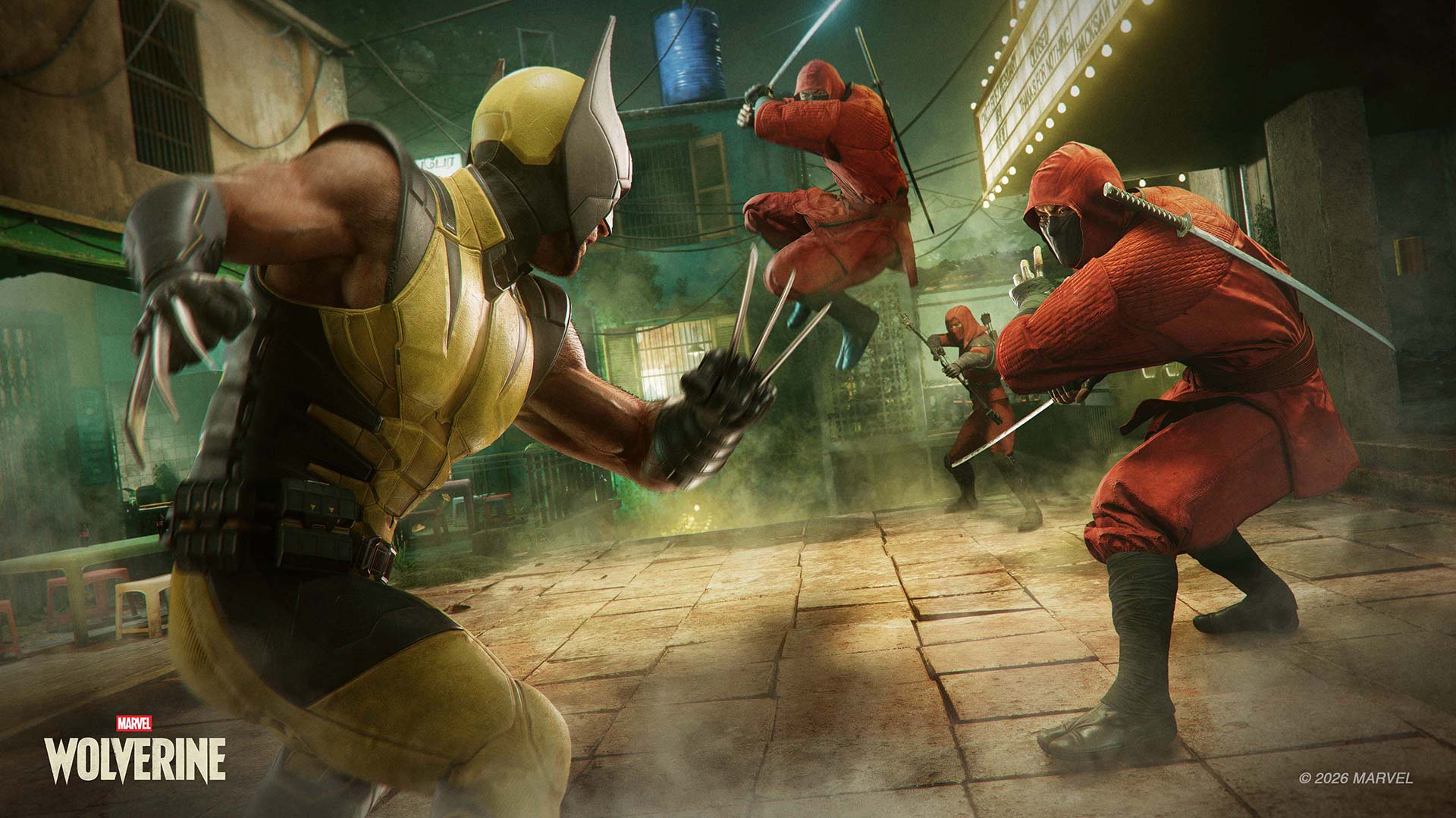
Ironically, the combat really comes alive in the aforementioned late-game Nightmare challenges once you have Wolverine’s full arsenal unlocked. One of them in particular, a series of wave-based gauntlets, throws all kinds of these enemies at you, creating a welcome level of tension. Here, you have to actually balance Wolverine’s tier-based Rage Mode (the third of which paints the world in sumptuous grey-and-black hues while unlocking brutal insta-kills) with its Last Stand ability to expend the full metre to provide a fatally wounded Wolverine with a burst of health.
All of this — accompanied with juggling cooldowns on all of your unlocked special Techniques and their associated invincibility frames, the various kinds of contextual parries, that aforementioned special late-game ability and Adaptations — actually lends a dynamic, balletic rhythm to fights. Here, I found myself actually dying several times because I missed a parry, failed to take out a supernatural Hand threat or didn’t use my Technique that temporarily boosted my healing factor at the right time. It added a layer of depth to the combat that I wish was present beyond the game’s final stretch.
The setpieces in Marvel’s Wolverine are also sadly hit-or-miss. Even removing my Canadian bias, the standout is actually the convoy chase on B.C.’s Sea-to-Sky Highway, with Wolverine zipping along the roads to slash at foes while lovingly rendered Squamish signs pass overhead. But other setpieces, like an escape from an exploding factory with Jean or an assault on an aerial plane, are painfully rigid and, worse still, have several dated slow-motion quick-time events. While I don’t fault these segments for being highly scripted and cinematic, even a bit more freedom to run and jump instead of often just moving in a literal straight line would have gone a long way.
Ain’t no hero
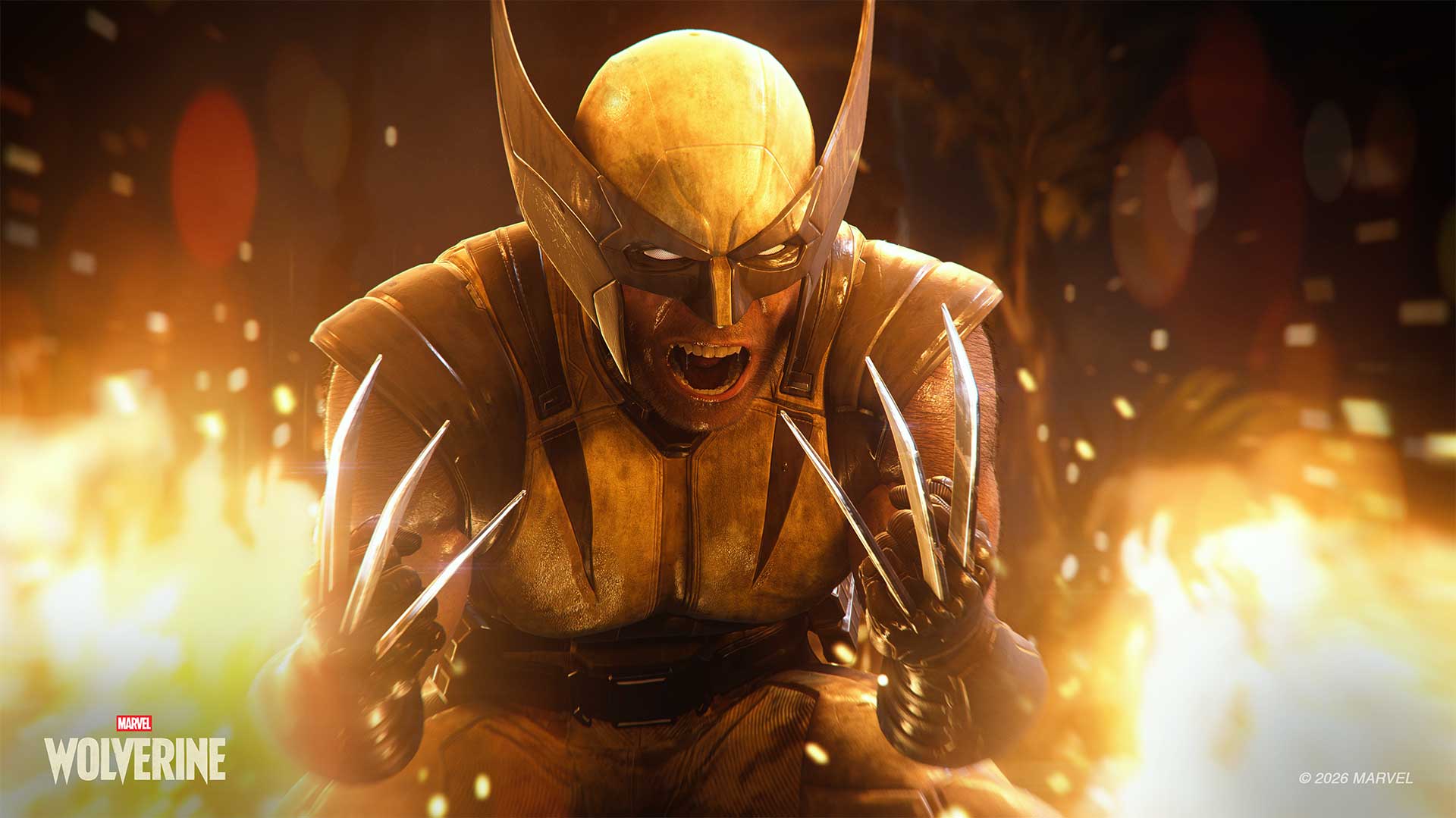
Marvel’s Wolverine is a worthy follow-up to Insomniac’s Marvel’s Spider-Man series. Although the game’s uneven action leaves it unable to fully reach those amazing highs of its predecessors, it tells a genuinely heartfelt story of Wolverine, Jean Grey and this first generation of mutants while teeing up a tantalizing future for them. Only time will tell where Insomniac may next take all of these characters, but after this strong first outing, I, for one, am X-cited to go along for the ride.
Marvel’s Wolverine launches exclusively on PS5 on September 15.
Image credit: PlayStation
 Reviews
  Reviews
  Reviews
  Reviews