


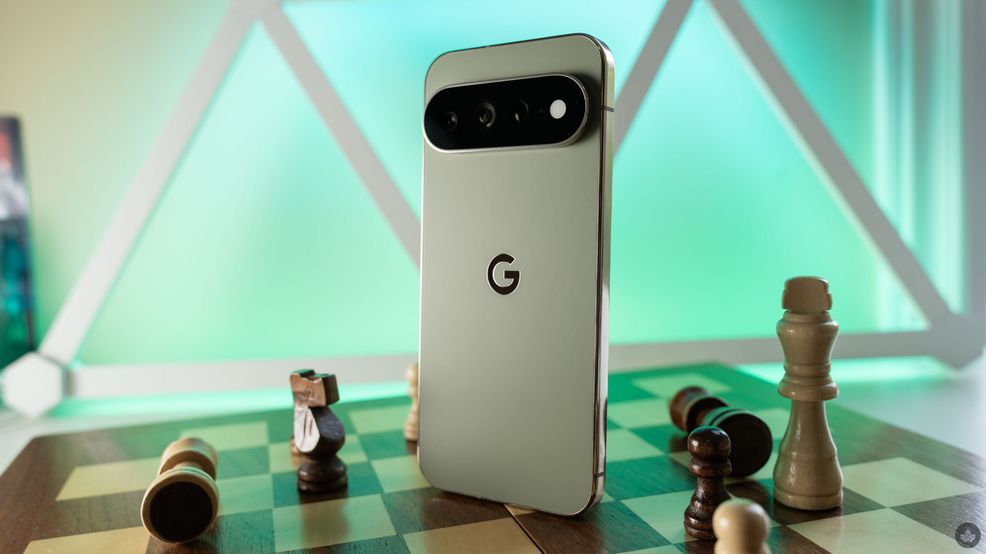
Google’s Pixel 11 Pro and Pro XL are the company’s latest flagship phones, and I’ve been putting the XL version through its paces for the past couple of weeks.
Most of the below review will apply to the Pixel 11 Pro as well, since it’s just a smaller version of the 11 Pro XL, but some things — like battery life — will differ.
While I used to consider myself a Google fanboy, I wasn’t a fan of this launch. Google has essentially released the same product for the third time in a row, continuously choosing small iterative updates and AI over hardware and innovation.
Of course, AI can come in handy for some, but what we have here isn’t enough to set it apart from other phones in the market or even its predecessors. Especially when many Gemini AI features aren’t locked to Pixel devices and trickle down to other Android devices — in some cases, Samsung sees these updates first, like Circle to Search and automation via agentic AI (which still isn’t available in Canada).


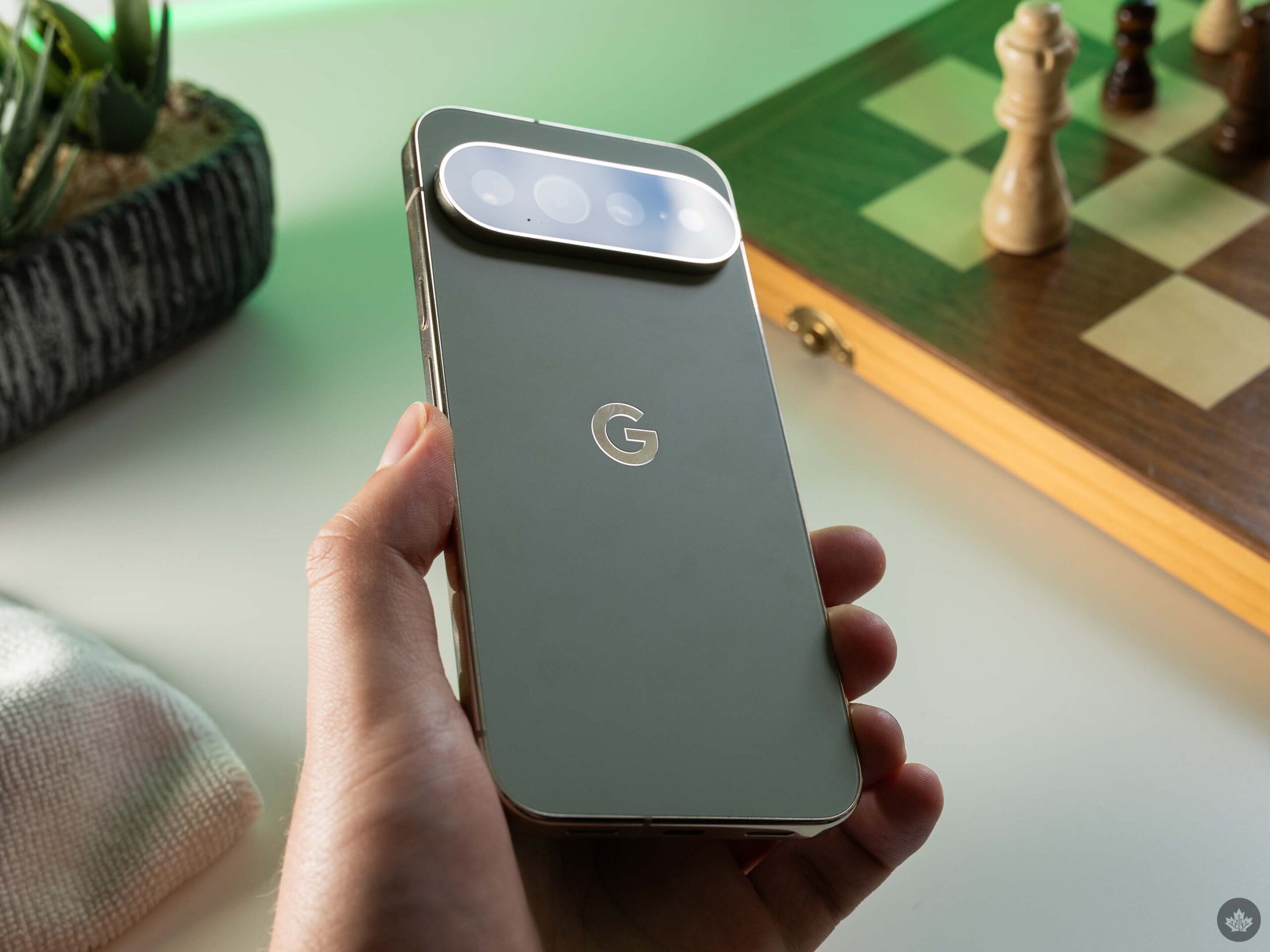
Google didn’t make a crappy device by any means. The handset still looks and feels premium. Gorilla Glass Victus 2 on the front and back, along with an aluminum frame and the wonderful matte back panel. I especially like the matte sides on the Obsidian colour variant, and the Canyon model is iconic with a pink rear and golden frame.
HiLight, low light
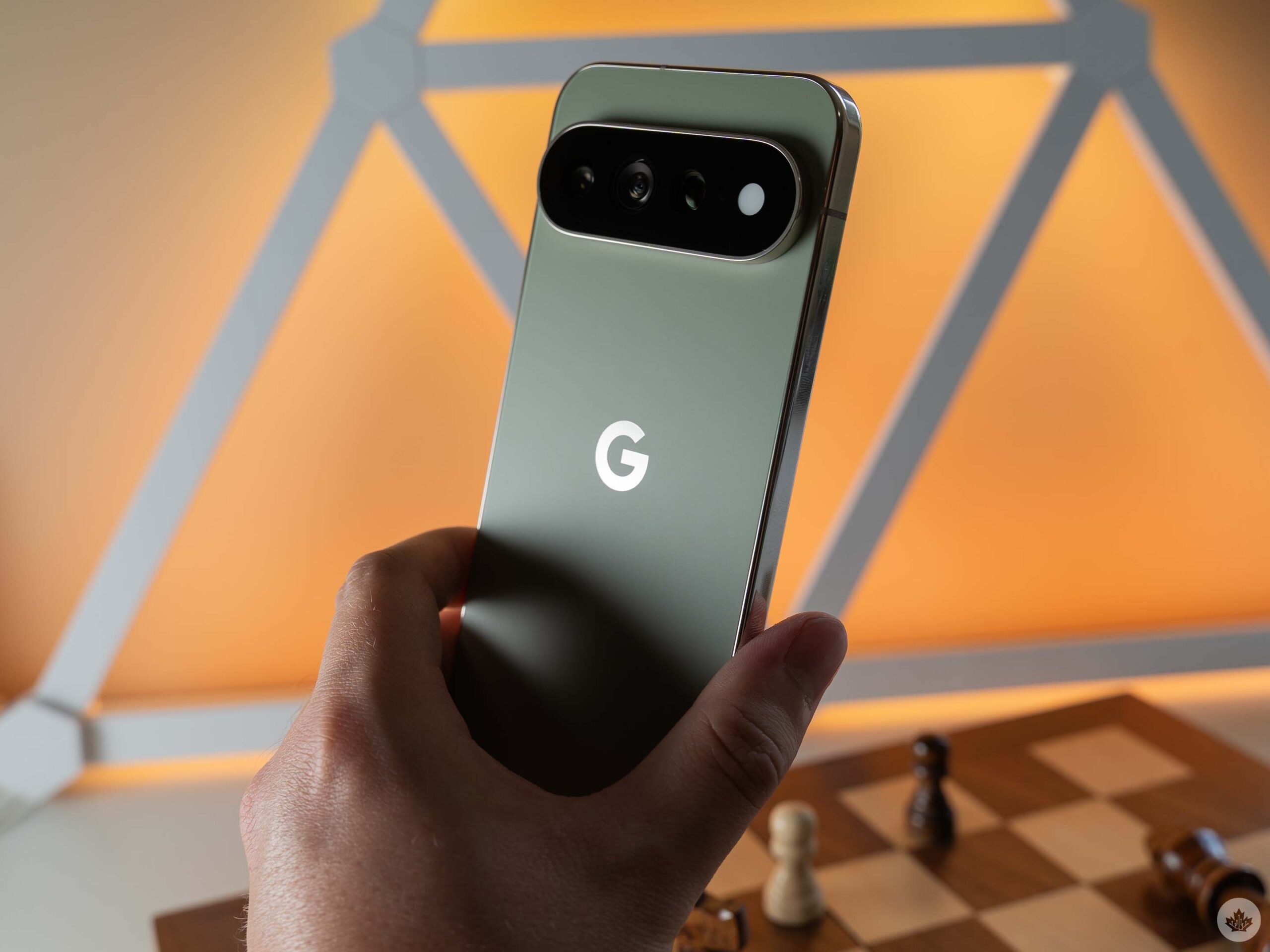
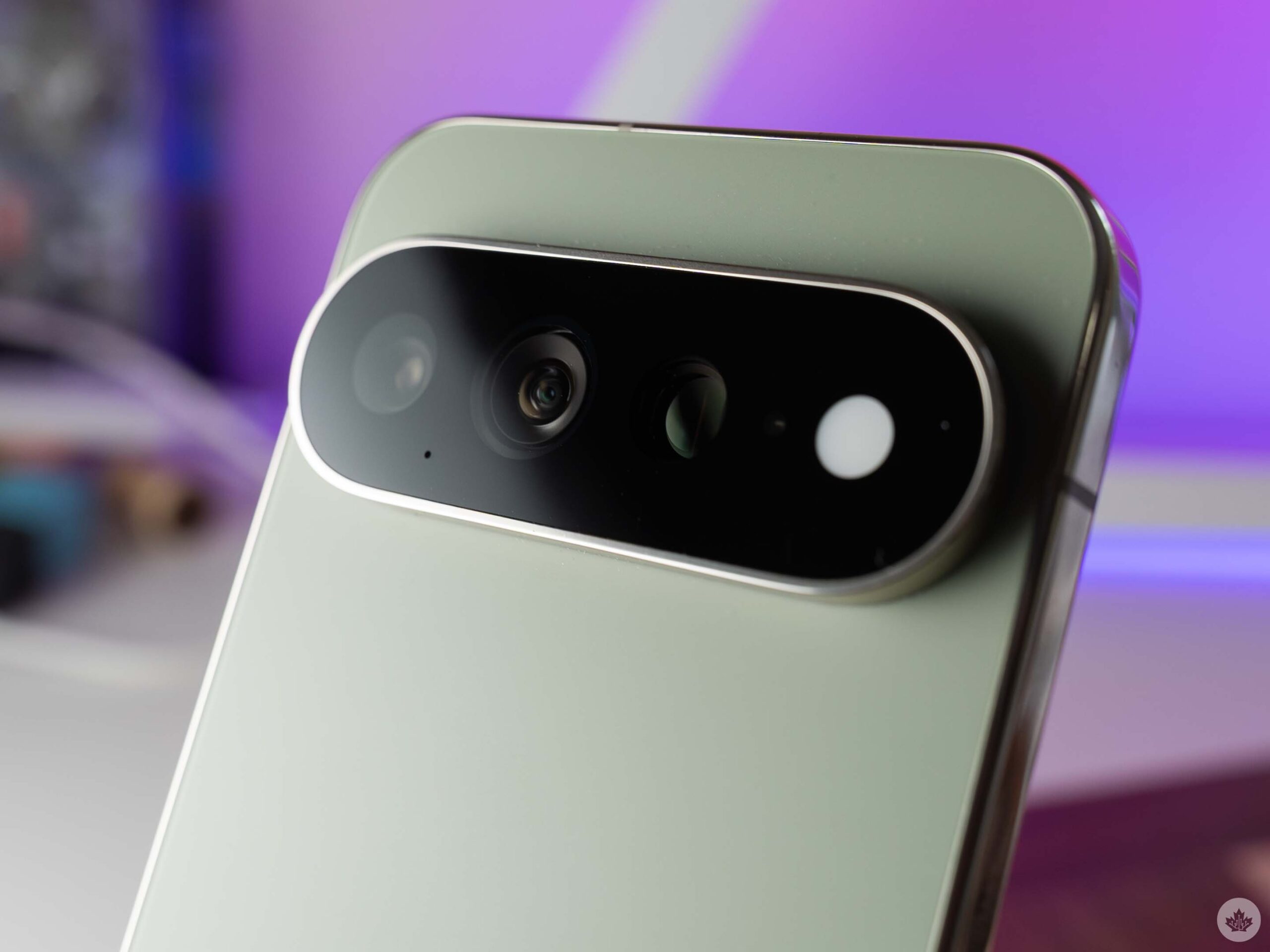
It’s not that the design is bad by any means; it’s just that it’s the same as last year, and the year before. There are very few hardware changes, aside from the addition of HiLight replacing the old LED flash.
HiLight is an array of ambient LED lights built around the camera’s flash that offers visual cues when you need to pick up your phone. It’s fun and a bit gimmicky; my partner loved using it, but a light that only works with Gemini and favourite contacts isn’t enough to put it over the edge. I like the idea, and it’s going to be a bit of a Google signature, I believe, with Googlebooks and the latest Google Home speaker offering similar coloured light features.
However, I wish it could do more. Maybe it will in the future. But right now, HiLight barely justifies its own existence.
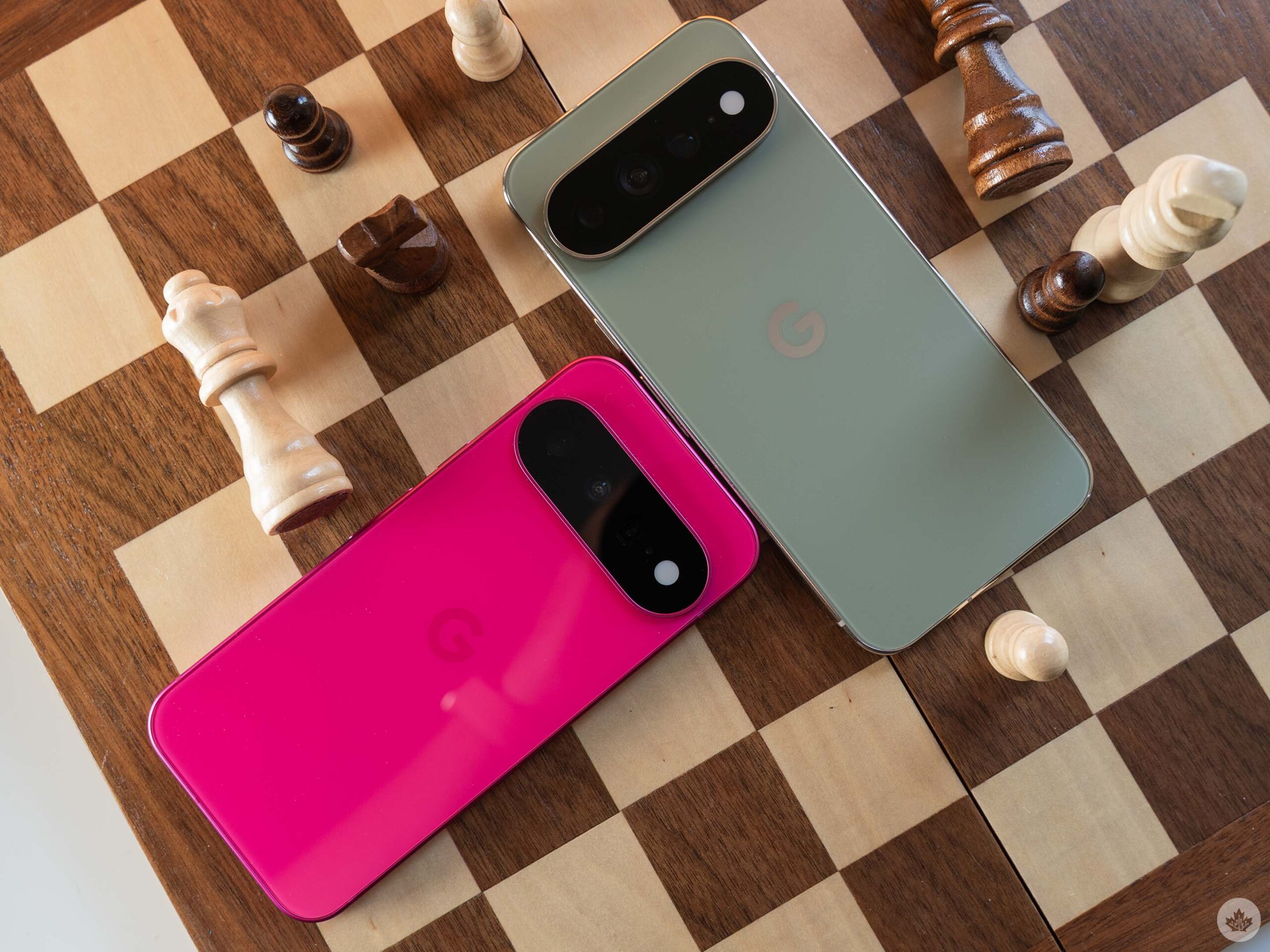
Pixel 11 (left, pink) and Pixel 11 Pro XL (right, green).
Moreover, a feature like this isn’t exactly revolutionary; the London-based phone maker, Nothing, has done visual indicators on most of its devices, and it has more functionality. And that’s not even getting into how notification lights dominated Android handsets for years. (They also had significantly more customizability than HiLight!)
Also, HiLight only works when your phone is lying face down. I tend to hold my phone in my hand when I’m talking to the Assistant, so the visual indicator could be more useful to me if it worked in my hand too.
I have gotten used to the white HiLight circle; I still think I prefer how a regular LED flash looks, but maybe I’m getting used to it. I still enjoy the design of the Pixel camera bar, and it’s great for when you’re lying the handset on its back, so it doesn’t wobble.
Reliable performance
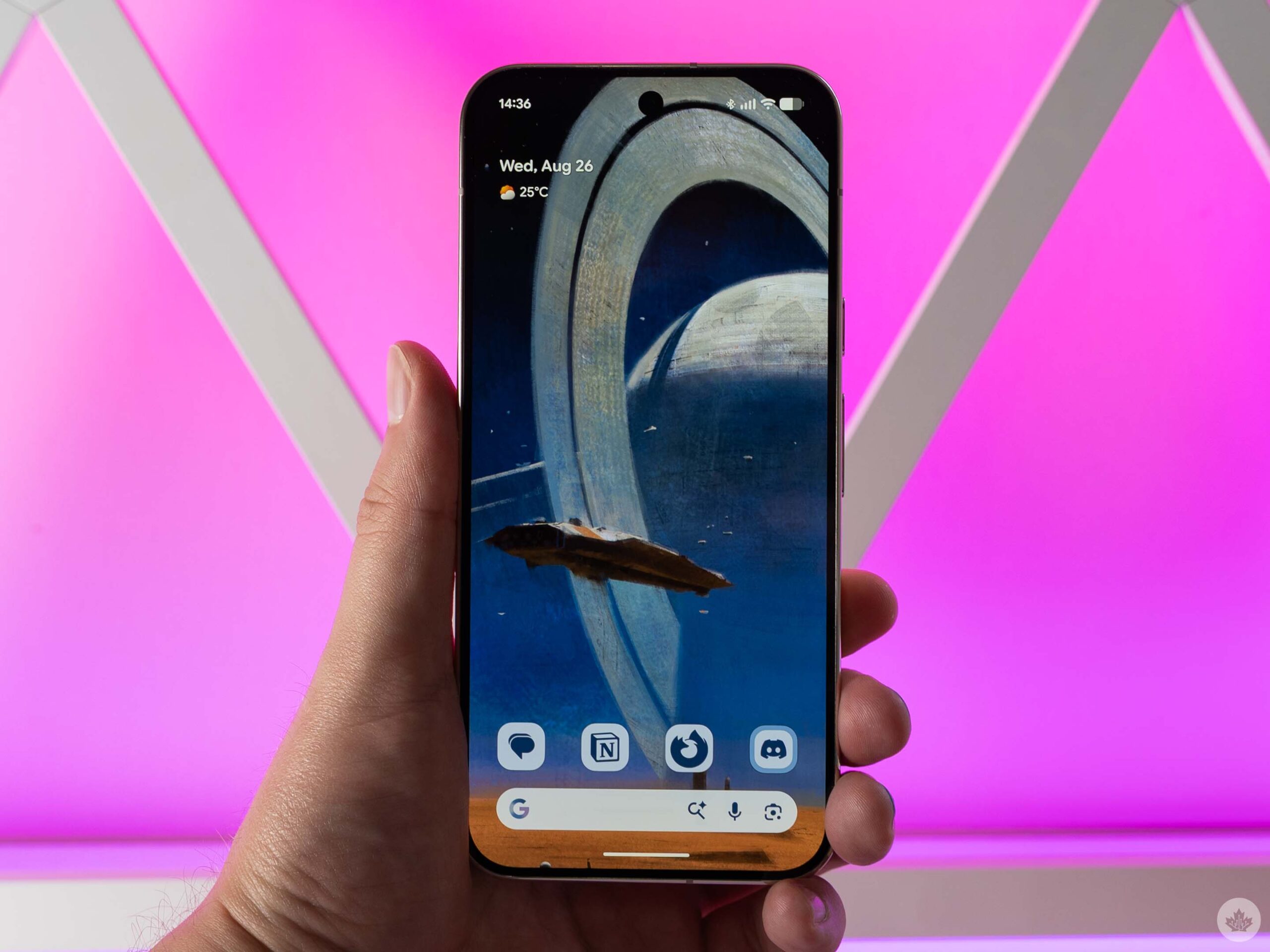
The Pixel 11 Pro is powered by the Tensor G6 processor that isn’t the most powerful SoC, but it focuses on AI and power efficiency. During my testing, I haven’t noticed any issues in terms of power. I’ve been reading, watching YouTube, playing Slay the Spire, writing this article, and it’s been issue-free.
I ran it through Geekbench 7, where it only achieved a single-core score of 2,261 and a multicore score of 6,638, which paled in comparison to the Z Fold 8. We always take benchmarks with a grain of salt, and I think most users won’t have an issue. It’s worth mentioning that if you want the same 16GB of RAM, it’ll cost you a pretty penny since that’s now only available on the 1TB model.
The Pixel 11 Pro XL’s battery is top-notch, and you don’t typically need to ever worry about it if you habitually charge your phone at night. And if you don’t, you probably won’t need to charge until noon the following day. That’s considering how I use the device; hardcore users or if you’re hotspotting all day will definitely have a different experience, but I’d be surprised if you couldn’t make it through a whole workday.
Rambler is great
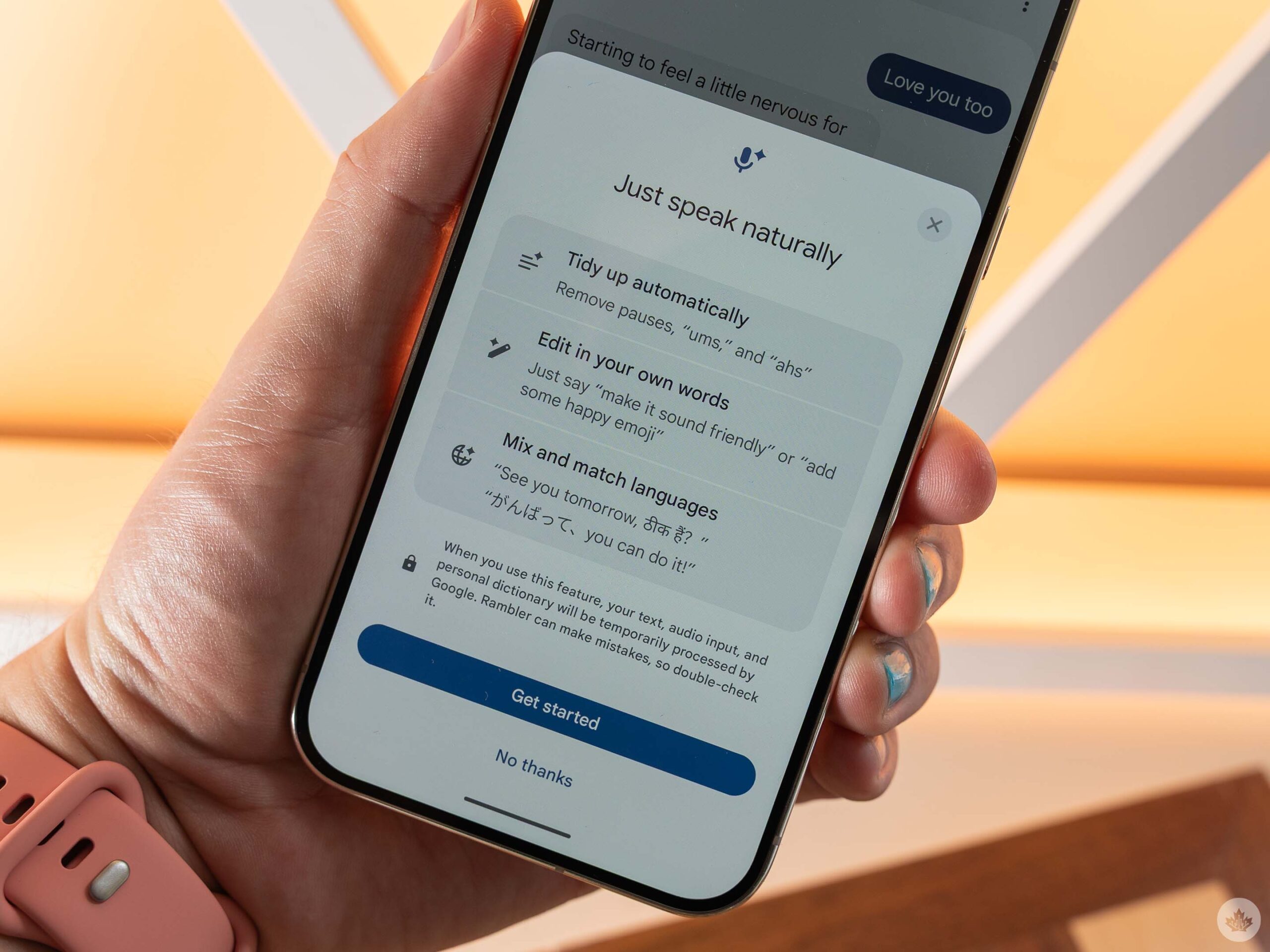
Introduction to Rambler on Pixel 11 Pro XL.
A cool Pixel-only feature is Rambler, which allows you to speak to the Gboard keyboard with natural language, and it will turn it into readable text. You don’t need to filter your words, and can say all the ‘uhms’ and ‘ahs’ you want. I found this surprisingly useful when typing to text.
During this review period, my eyelid got incredibly swollen due to an infection. I literally couldn’t see out of it, and my other eye was pretty strained from doing the work of two, so it was nice to close my one good eye and just ramble at Gboard and have it figure out what I want to say, despite all the uhms (I don’t say ahs).
Pixel shooters are always fab
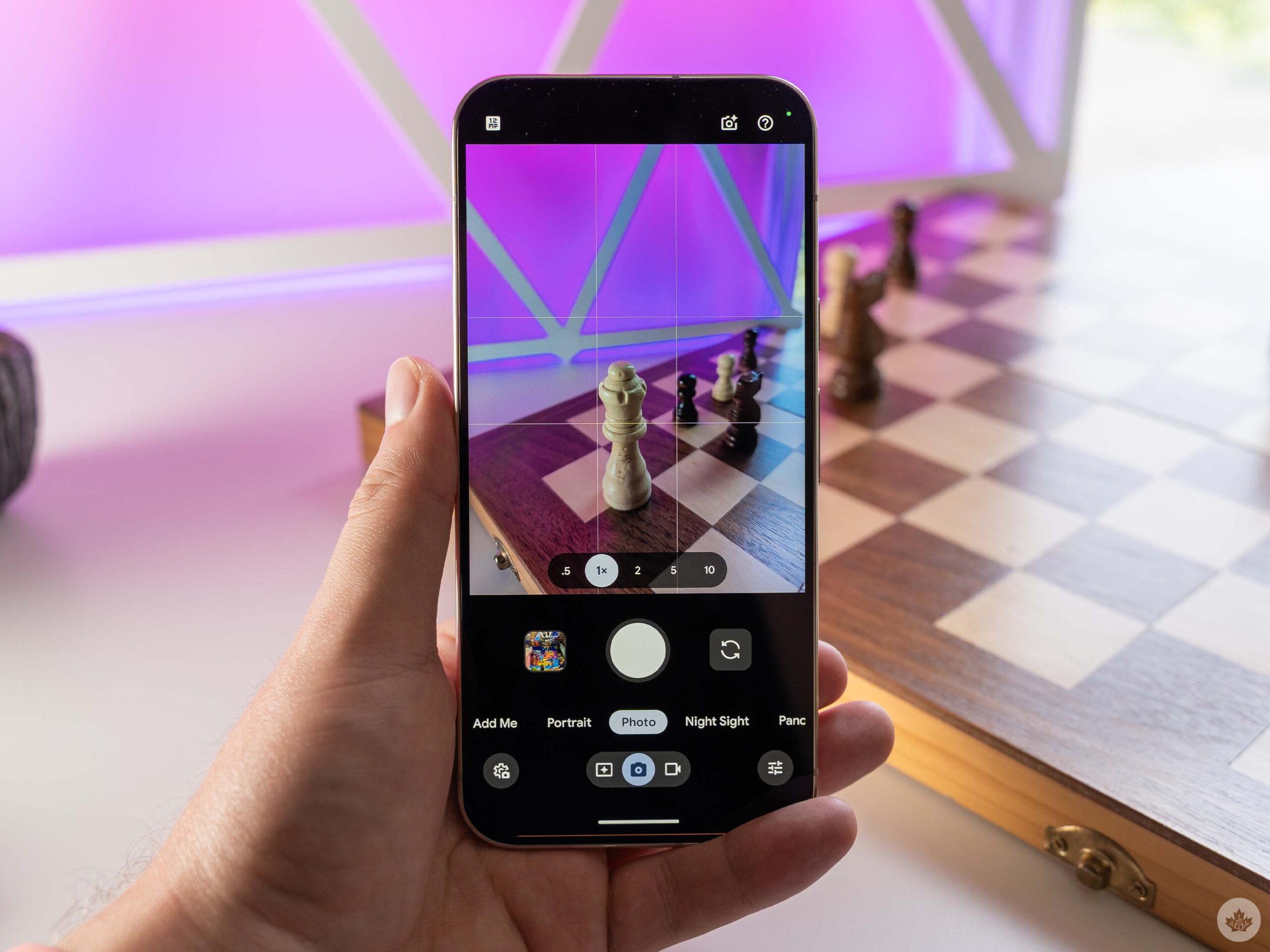
If you know about the Google Pixel lineup, you’ll know that the brand is iconic for its cameras. Google hasn’t done a lot to change this experience, but pictures still look great. Take a look below. Colours pop, detail is great, and the photos can still compare to the best out there.
Google has added Camera Looks that offer four professional-grade film presets, which is pretty much a copy of Apple’s Photographic Styles. Honestly, I don’t use Apple’s version, and I didn’t really use this either. I didn’t see any preset that I actually would consider using, and when I tried it, it was a little more annoying to change on the fly compared to using Apple’s Camera Control. Plus, as you can see from the examples in our Pixel 11 review, the four camera styles aren’t that different.


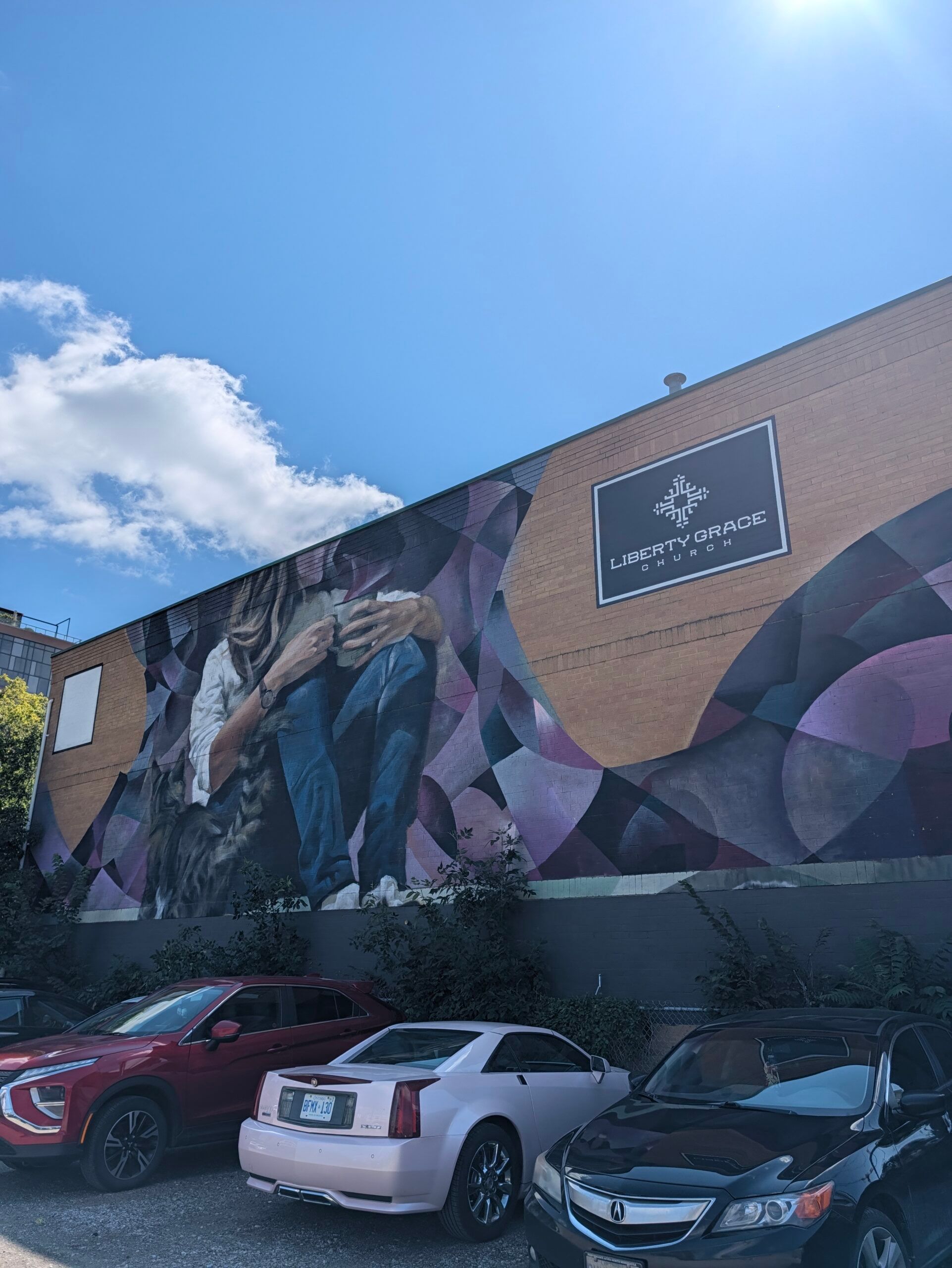
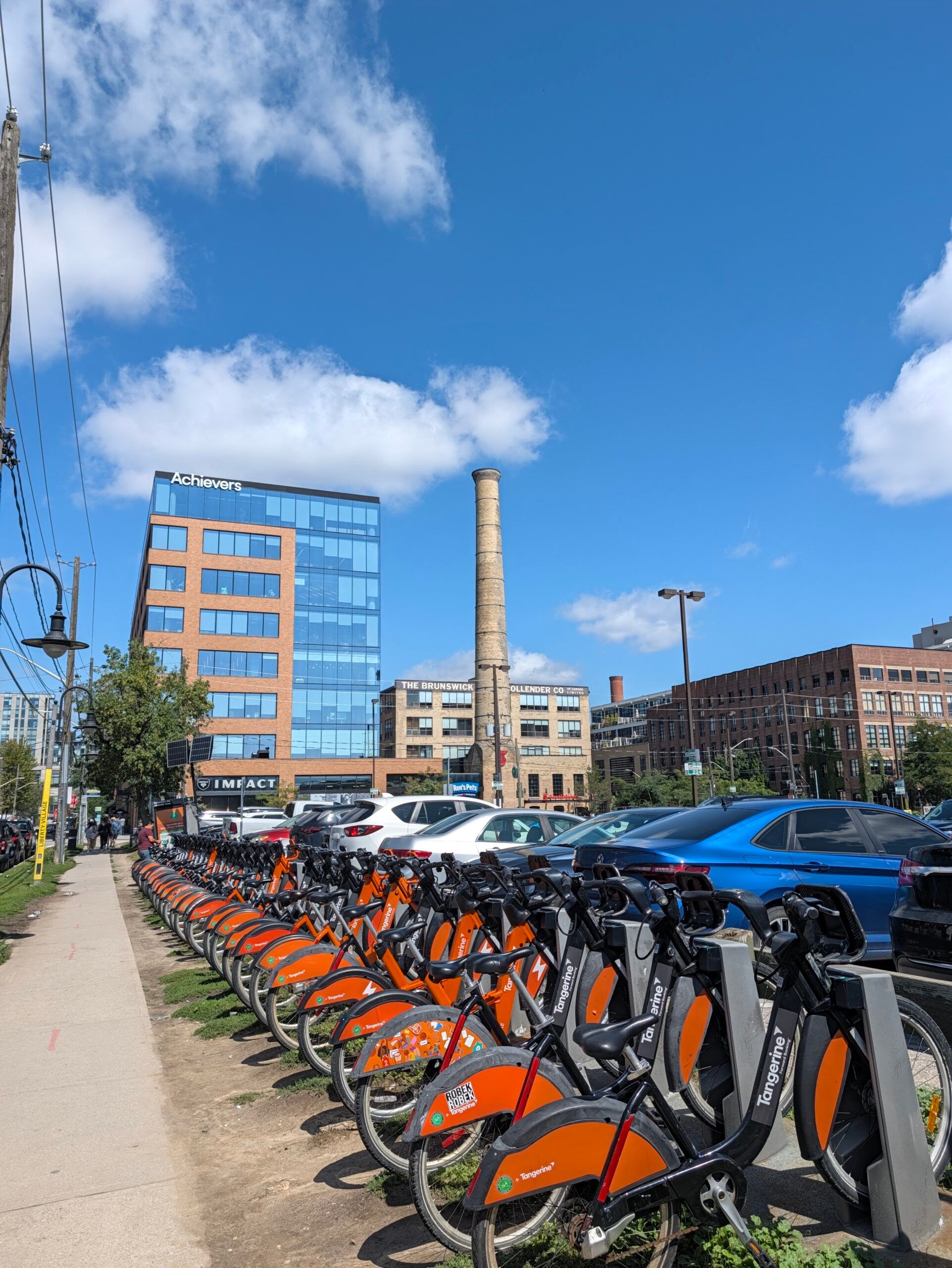




Google’s Pixel lineup also offers a new feature called Magic Capture, which starts a video-like capture, and the ‘Magic’ is that Google is using AI to pull out some of the best scenes. Personally, I didn’t find this to be useful for me, but I think someone with kids, waiting for their child’s first steps or watching them during a soccer game, might enjoy this feature more.
The Pixel 11 Pro also has 120x Super Res Zoom, which I thought worked pretty well. Look at the zoom below; the details aren’t great, but it’s pretty clear, and it’s an improvement from a lot of other devices that claim 100x zoom. Of course, this isn’t done with new lenses, but with AI and a better image processor.
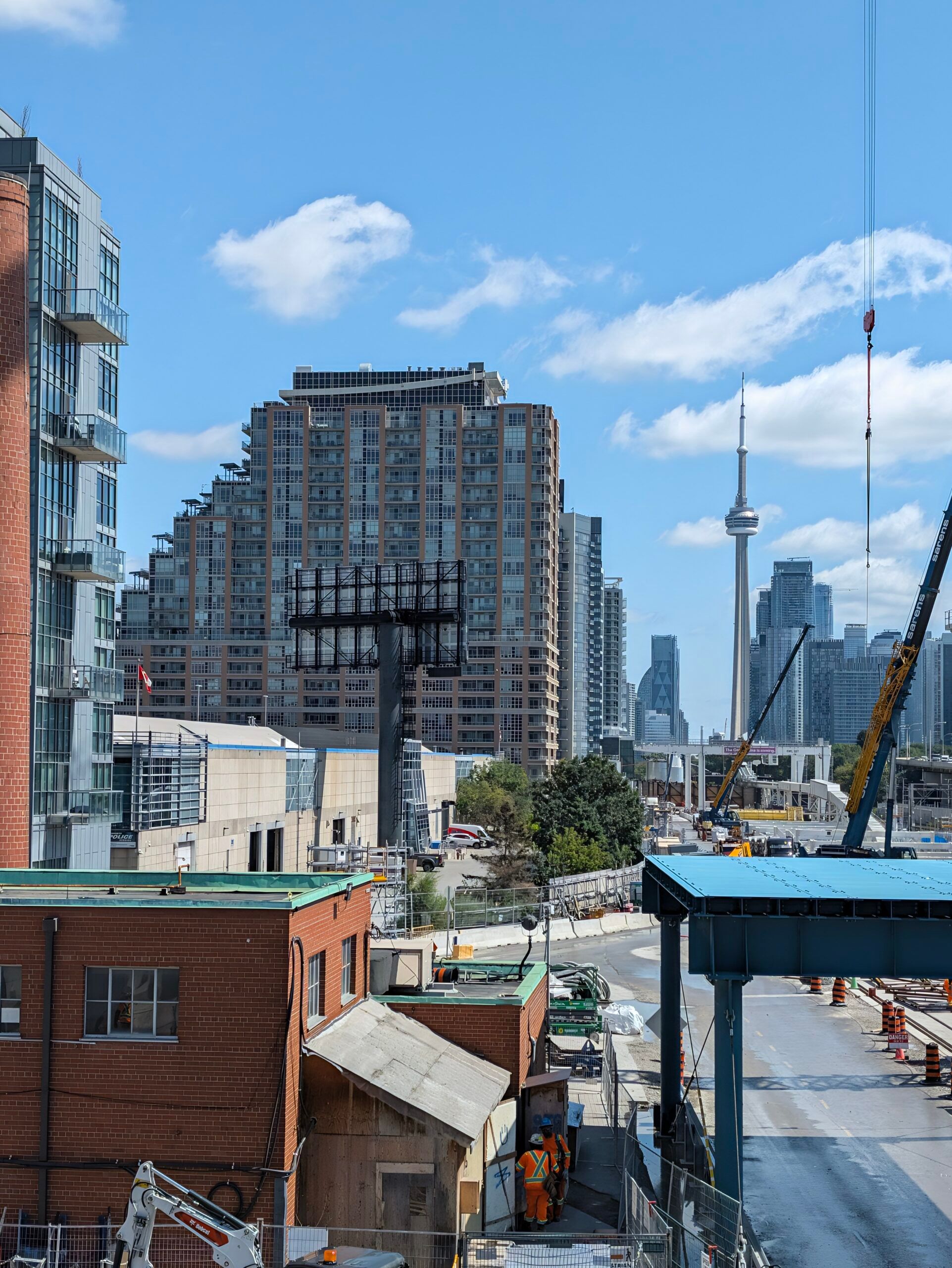
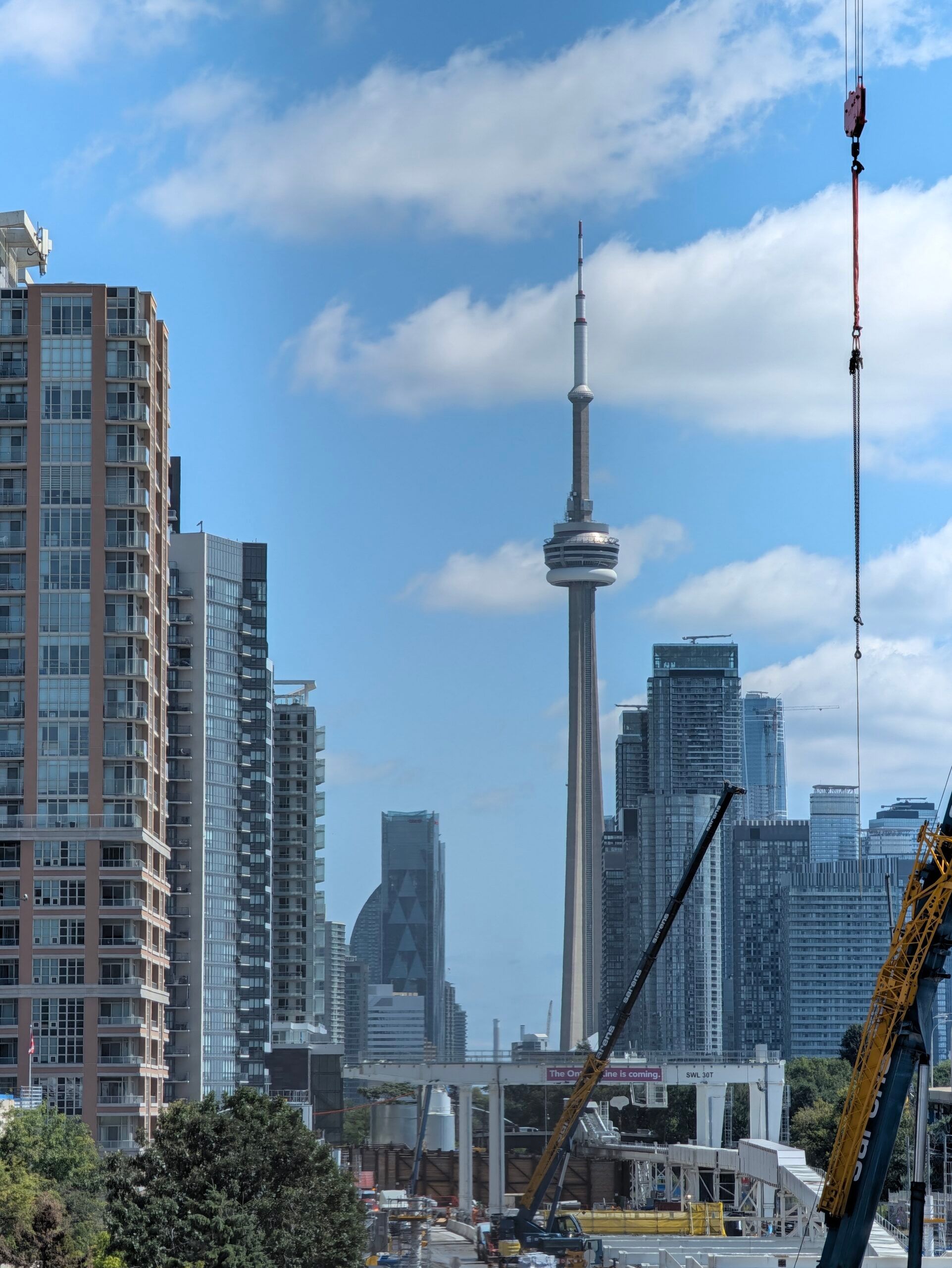


Honestly, if you’re getting this device for any reason, it’d be the very reliable camera experience. Whether it’s in the dark, during the day, or with 10x zoom, you’re getting a fantastic shot; that’s probably what I appreciate most about these devices. However, is it much better than the Pixel 10 Pro XL? Maybe a little bit; definitely not enough to warrant an upgrade.
Maybe skip this one
Which is pretty much the whole point of this review: the Pixel 11 Pro / Pro XL is not enough to warrant an upgrade. The handset is good, but if you’re in the market for a new device, the Pixel 10/ 10 Pro XL is also good.
Frankly, the devices are so similar, they’re easy to confuse. Literally, I brought the Pixel 11 Pro with me to the kitchen, and it took me five minutes before I flipped the phone, saw the lack of HiLight, and it was the Pixel 10 Pro XL instead.
And the biggest reason for grabbing a Pixel 10 Pro over the Pixel 11 Pro is that unfortunate price jump. The Pixel 11 Pro and Pro XL start at $1,499 and $1,799, respectively, but have less RAM than their 10 Pro variants. Of course, 16GB of RAM is a bit overkill, but it was nice and a great selling point to the Pixel lineup. The Pixel 10 Pro models started at $1,349 and $1,629, and for a very similar camera and battery experience, updates until 2032, and many of the same AI features, I’d probably recommend that a person purchase last year’s model over this new one — HiLight just isn’t enough.
But I wouldn’t give up on Google; I’m hoping for big upgrades next year, but sometimes companies have years of small iterative updates before true innovation — look at Samsung; it was boring for years, and now it’s the Android maker to watch out for (in Canada), and that can easily be Google once again.
 Gaming
  Reviews
  Reviews
  Reviews