


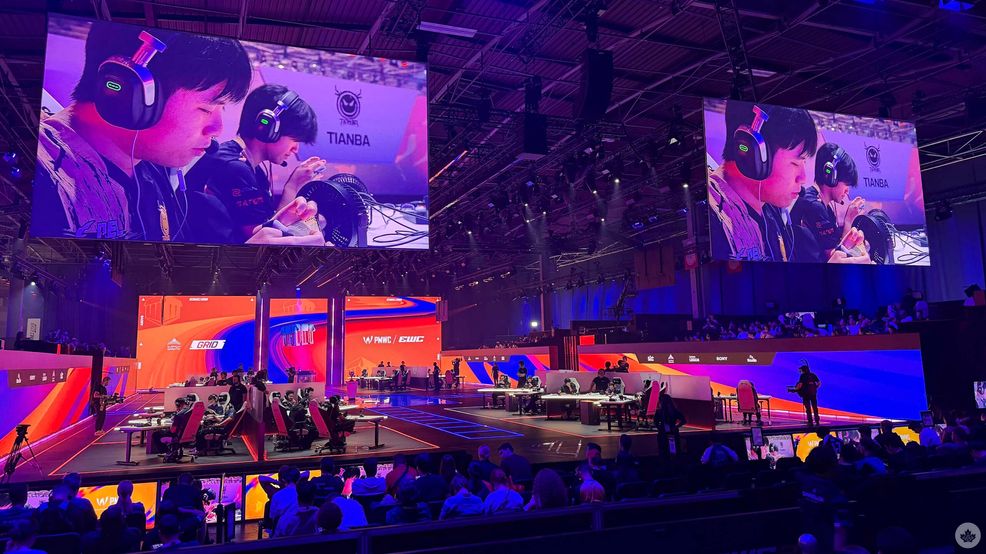
You probably don’t know it, but the world of PUBG Mobile esports is huge. For events like the PUBG Mobile World Cup (PMWC) in Paris, millions of dollars are spent on prize pools and logistics, while tens of thousands attend in person and millions more tune in from home.
To learn more about what goes into all of this, MobileSyrup spoke with Alban Dechelotte, CEO of major esports brand G2, and Sivan Chen, publishing director of PUBG Mobile. Over email, the pair unpacked common misconceptions surrounding esports, their collaboration to expand PUBG Mobile esports around the world and where they hope to see the game go in the years to come.
What are common misconceptions that you hear about esports?
Alban Dechelotte: One misconception is that esports is a digital version of traditional sport. It is its own form of
competition, with its own culture, audiences and ways of building fandom. When traditional sports organizations treat it only as a simulation of what they already do, they can miss the opportunity to reach completely different communities.
You also still hear the stereotype that esports athletes just sit in front of a screen all day and do not take their health seriously. At the highest level, that could not be further from reality. Training, recovery, nutrition and physical and mental fitness all matter. At G2, we are taking that further through the G2 Performance Lab, because unlike traditional sport, esports still does not have decades of established performance science behind it. There is a real opportunity to build that understanding from the ground up.
Sivan Chen: Some still have the idea that esports is somehow less impressive or less “real” than traditional sports. Of course, for the average person, they don’t see the behind-the-scenes of the qualifiers, the finals, the team organizations, support staff, and all the rigorous training players and backup players go through. There’s an entire infrastructure behind the scenes that mirrors, and in some ways exceeds, what you’d find in traditional sports.
The second misconception is that the scene is small and under-invested. That’s just not true anymore, at least not for PUBG Mobile. Our two flagship events, the PUBG Mobile World Cup (PMWC) and PUBG Mobile Global Championship (PMGC), each individually carry a US$3 million prize annually, and that’s on top of strong prize pools running through local and regional tournaments. What we’ve built is a full, extensive ecosystem, from grassroots all the way up to a global championship.
When I talk to a lot of people, even on the gamer’s side, they don’t know much about PUBG Mobile. I have to explain to them that it’s very much still popular, especially in Asia. To what do you attribute this enduring popularity of the game, especially in Asian markets?
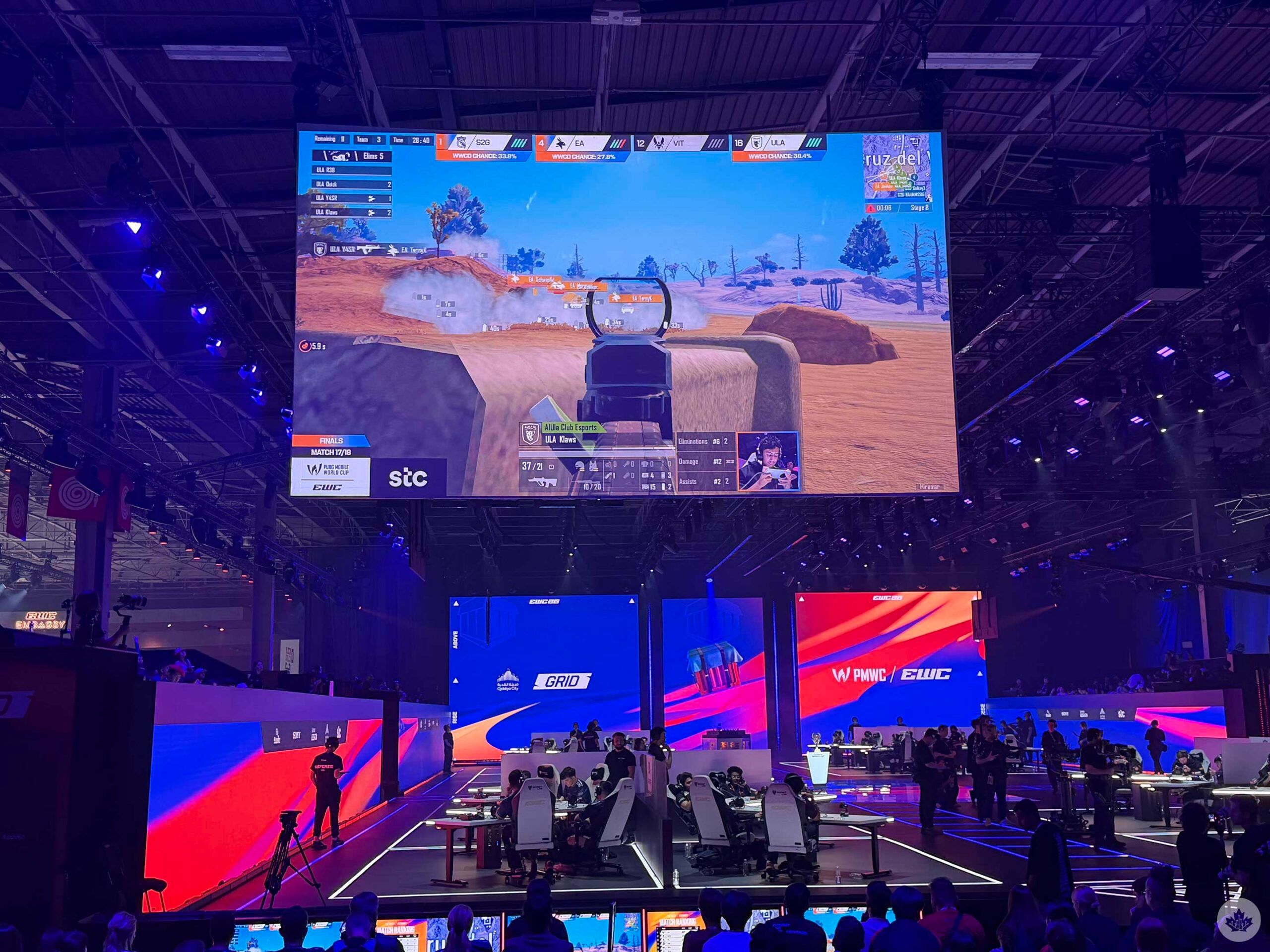
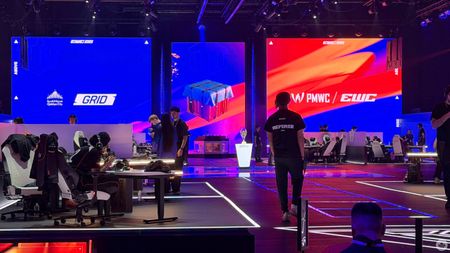
A match at PMWC 2026.
Dechelotte: Accessibility is a huge part of it. Mobile is the dominant gaming platform across much of Asia, and PUBG Mobile is free-to-play, so the barrier to getting involved is incredibly low. But accessibility only gets people through the door. The game has stayed relevant because it keeps evolving through regular content, while the competitive ecosystem gives players and fans something bigger to connect with. When you combine those things, you have a strong foundation for long-term popularity.
Chen: A big part of it is simply that mobile phones are already in everyone’s pocket across the region. We’re not asking players to buy expensive new hardware; it’s a completely free app, meaning we’re simply offering a quick download to access everything PUBG Mobile has to offer. On top of that, we have an upcoming update that will further address accessibility on devices, so keep an eye out for that!
Beyond that, accessibility is really the foundation of everything we do on the esports side. That’s everything from making sure the game runs well and is easy to pick up on any smartphone, to building in-game registration systems that make signing up for tournaments simpler and quicker. We’ve seen players of all abilities pick up their phone and engage with the action-packed ecosystem we’ve crafted over time, which speaks to the work we’ve done behind the scenes.
Esports in general is something that a lot of people don’t know much about, and I’d suspect even less so for mobile esports. What goes into the mobile format vs. console/PC?
Dechelotte: The fundamentals are the same: these are elite players training to perform under pressure, but
the demands of the game and the device are different. On mobile, you are dealing with a handheld device, so posture, ergonomics and managing physical strain become really important over long training periods. The game can also evolve quickly, so players have to be extremely adaptable when the meta changes. That means the way you structure practice, recovery and performance support can’t be copied across from PC or console — it has to reflect how mobile players actually compete.
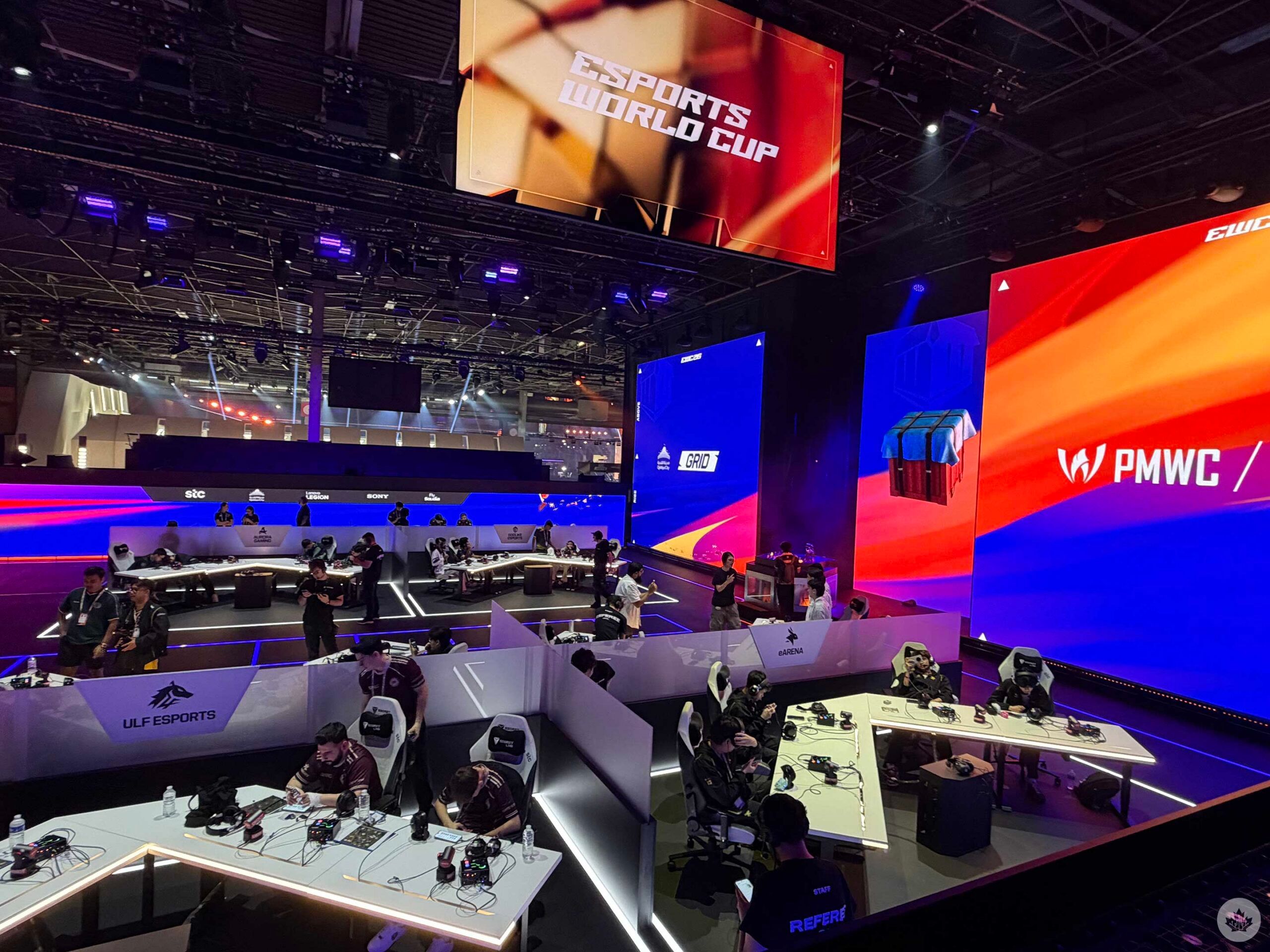
Players practice at PMWC 2026.
Chen: Preparing and running mobile esports tournaments takes a significant amount of preparation, with even more potential players feeding into the pro scene due to the lower barrier to entry. Managing this and ensuring that hopeful amateur and grassroots players have the chance to break into the scene has been a key focus for us, which is why we’ve consistently developed our approach to account for the road to pro play that players walk.
For instance, we created an accessible and dedicated platform for third-party tournaments to be organized, allowing organizers to get support in creating more grassroots events where players can get an opportunity to shine. We also shifted our major tournament circuit, introducing a second PMGO that players can access through open qualifiers to get more amateurs on the global stage. This has been a long journey that PUBG Mobile Esports has been embarking on for years, and we’re still introducing new ways for players around the world to get involved with the competitive experience.
How did you start partnering together, and what does that ongoing collaboration look
like?
Dechelotte: The partnership started from a shared ambition to grow competitive mobile esports in Western Europe. PUBG Mobile already has the global ecosystem and expertise, while G2 has spent the last decade building esports communities in this region and understanding how to turn competition into fandom. That made the fit quite natural.
The important part for us is that this is not about one campaign or one tournament. We want to help create a long-term home for PUBG Mobile Esports audiences in Western Europe through competition, creators, content and community experiences. Our media house, 62, delivering PMCO Western Europe, is a good example of what that looks like in practice — we are actively helping build the ecosystem around the partnership.
Chen: We knew that expansion in Western Europe would be best achieved by connecting with an established partner with an authentic relationship with their community. PUBG Mobile offers the most popular global mobile battle royale esports ecosystem; however this mobile esports scene still hasn’t developed to its full potential in Western Europe, and G2 has a history of experience in the region. G2’s expansive community fits naturally with PUBG Mobile’s huge global player base, so it just made sense to take on G2’s considerable industry knowledge when continuing our expansion to create a dedicated community in Western Europe.
We’ve already kicked off an ambassador program, with JanickaGaming being the first creator, but we intend to continue building out with more ambassadors from the region. We’re also holding the 2026 PUBG Mobile Global Open Western Europe Finals, with a slot in the 2026 PUBG Mobile Global Open Season 2 available to the winners. G2 has demonstrated their commitment to developing the esports ecosystem in Western Europe with these activations, and we’re looking forward to continuing to work together in this partnership.
I know you’re talking about Western Europe. Our audience is primarily North American — particularly Canada. What can you say about supporting grassroots initiatives or similar efforts in that market?
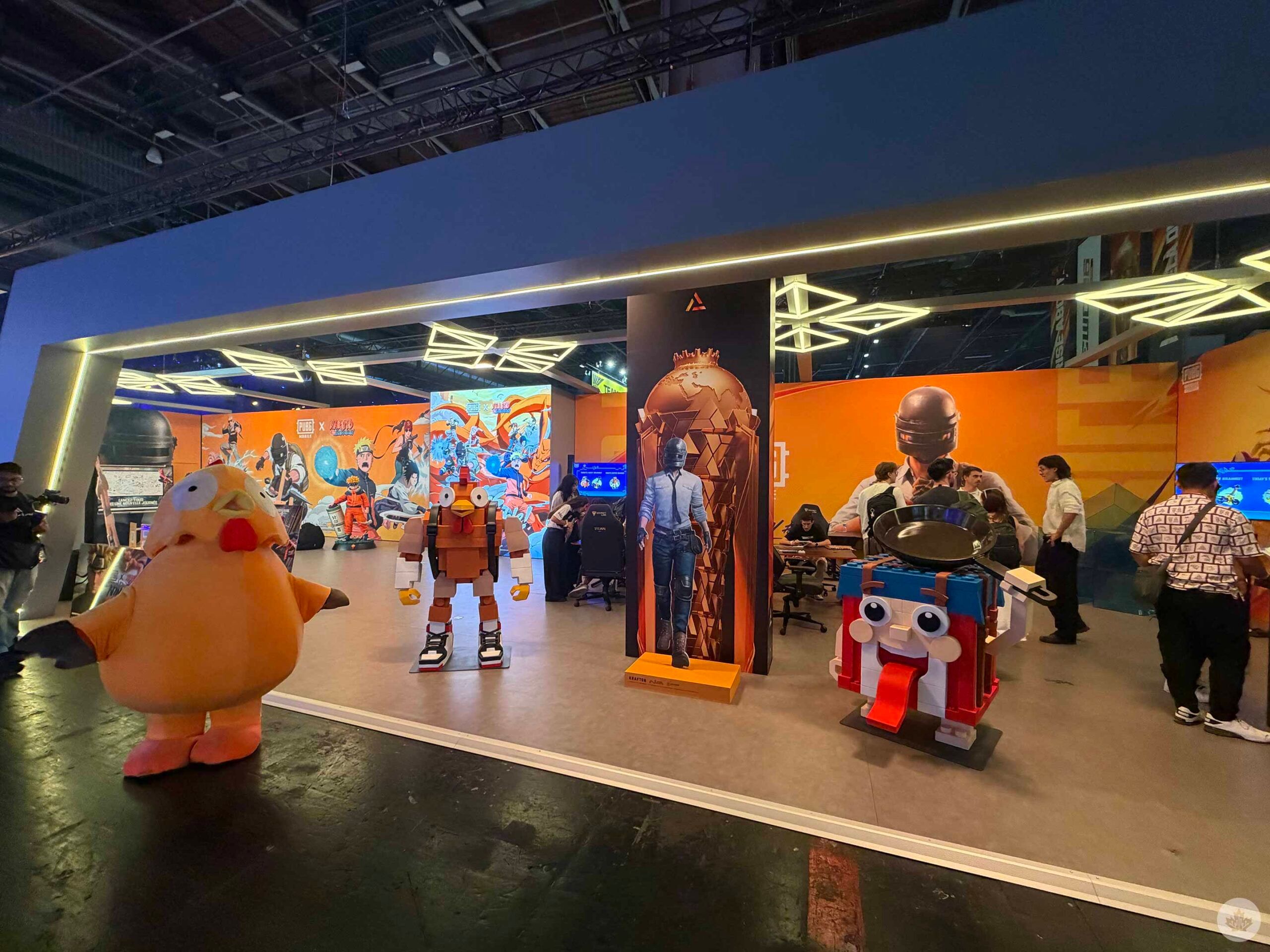
PUBG Mobile booth at PMWC 2026.
Dechelotte: Grassroots development is something we have invested in across different games and regions. In North America, for example, our partnership with Stride in 2023 supported the Rocket League community and helped create more opportunities around the competitive scene. More recently in Europe, we launched G2 NORD to give young talent a high-performance academy environment and a clearer development pathway.
The game and the market might change, but the principle is the same: healthy esports ecosystems need opportunities below the very top level. Players need somewhere to develop, compete and see a realistic path forward. That is what keeps new talent coming through and gives fans new stories and personalities to follow.
Chen: We have a couple of pathways built specifically for this. Our Third-Party Tournament Program gives local organizers the licensing, assets, and support they need to run their own PUBG Mobile esports tournaments. We recently streamlined that system to make it even easier for anyone to get one off the ground. On the competitive side, our 2026 PUBG Mobile Global Open (PMGO) Season 1 and Season 2 tournaments offer key pathways for players globally. That means amateur players there have a real route to climb the ladder and eventually compete against seasoned veterans.
Where do you hope to see the PUBG Mobile esports market globally over the next few years?
Dechelotte: PUBG Mobile has already shown what mobile esports can look like at scale in Asia. Over the next few years, I would love to see Europe close some of that gap – not by copying another region, but by building an ecosystem that makes sense for European players and fans. That means stronger grassroots pathways, more opportunities to experience major competitions locally, and creators and teams helping make the scene culturally relevant. If we can build those foundations properly, there is a huge amount of room to grow.
Chen: We’re currently running two PMGO seasons a year, available in more than 200 countries and regions, and we’ve already seen over 1 million sign-ups in 2026 alone. That scale is something we want to keep building on. Ultimately, our goal is to be the most-participated global esports ecosystem. We’ve made great headway with viewership, as seen in the 2026 PMWC, but we’re continuing to build on engaging players worldwide. The collaboration with G2 in Western Europe is a good example of the kind of investment we want to keep making in new markets, and we’re looking to continue developing this globally in the future.
PUBG Mobile is free-to-play on Android and iOS. More information on PUBG Mobile esports can be found on the game’s official website.
 Features
 Features
 Features
 Features
