


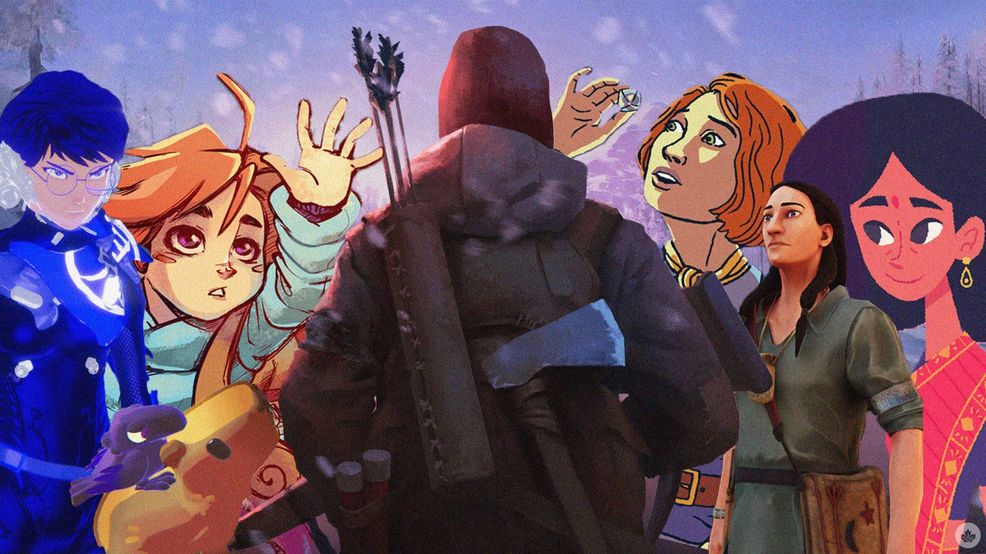
Canada’s storied history in games is a bit paradoxical.
On the one hand, we’re one of the largest producers of games in the world, our $5.1 billion industry responsible for such beloved hits as Mass Effect, Assassin’s Creed, Cuphead and Balatro. But on the other hand, we rarely see Canada itself actually represented in the games we create. All too often, our incredibly talented and prolific developers produce games set in other places, like Ubisoft Montreal‘s Assassin’s Creed series taking us to the likes of historical Florence, Egypt and Japan, EA Vancouver‘s EA Sports FC games featuring iconic soccer stadiums from around the world or Montreal-based Behaviour Interactive’s Dead by Daylight basically being a Fortnite-sized crossover between juggernaut global horror properties.
Historically, the rare times that Canada actually does get to feature in games have generally been less pronounced and from non-Canadian developers, like Obsidian’s South Park: The Stick of Truth having a “Canada” level, Supermassive’s Until Dawn being set in the fictional Blackwood Mountain in Alberta or Blizzard’s Overwatch 2 featuring a Toronto map.
But the times are changing. In recent years, we’ve seen many Canadian developers prominently feature Canada in their games. In fact, there’s probably more than you’d think! Over the past few months, we spoke to nearly 20 game makers who commendably did just that.
Admittedly, making these games about Canada wasn’t exactly easy. As many devs pointed out to us, distinctly Canadian media is often not seen as “commercial,” especially since Canadian artistic productions are regularly published and consumed by American and other foreign parties who naturally prioritize their own settings. (“American hegemony” was mentioned to us more than a few times.) As a result, it’s often a “safer” bet to have something made in Toronto or Montreal or Vancouver to leverage our lucrative tax credits and talent pools, but then actually set it in somewhere like New York or LA. Other developers, meanwhile, pointed out that a lack of media set in the Great White North also stems from the fact that Canadians often “undersell” ourselves, especially compared to our loud and proud neighbours.
But despite all of that, these developers still took a chance on Canada in their games. Representing the country’s stunning geography. Telling diasporic immigrant stories. Exploring rich Indigenous culture. Protesting issues in big cities. These games all show how making your art even more personal can actually allow it to stand out all the more. Below, you’ll learn more about each of these games through valuable insight from their creators in a sort of “museum exhibit” format. So, in that spirit, please enjoy this leisurely stroll through a curation of wonderful — and quintessentially Canadian — gaming experiences.
Beautiful and distinct nature
As one of the world’s largest countries by total area, Canada is home to some truly breathtaking scenery. Banff National Park, Vancouver Island, Niagara Falls… The list goes on. Because of that, Canada is often a stand-in for stories that require beautiful outdoor environments but are otherwise set somewhere else. Thankfully, we have these games to better represent Canadian geography in all of its picturesque glory.
The Long Dark (2017)
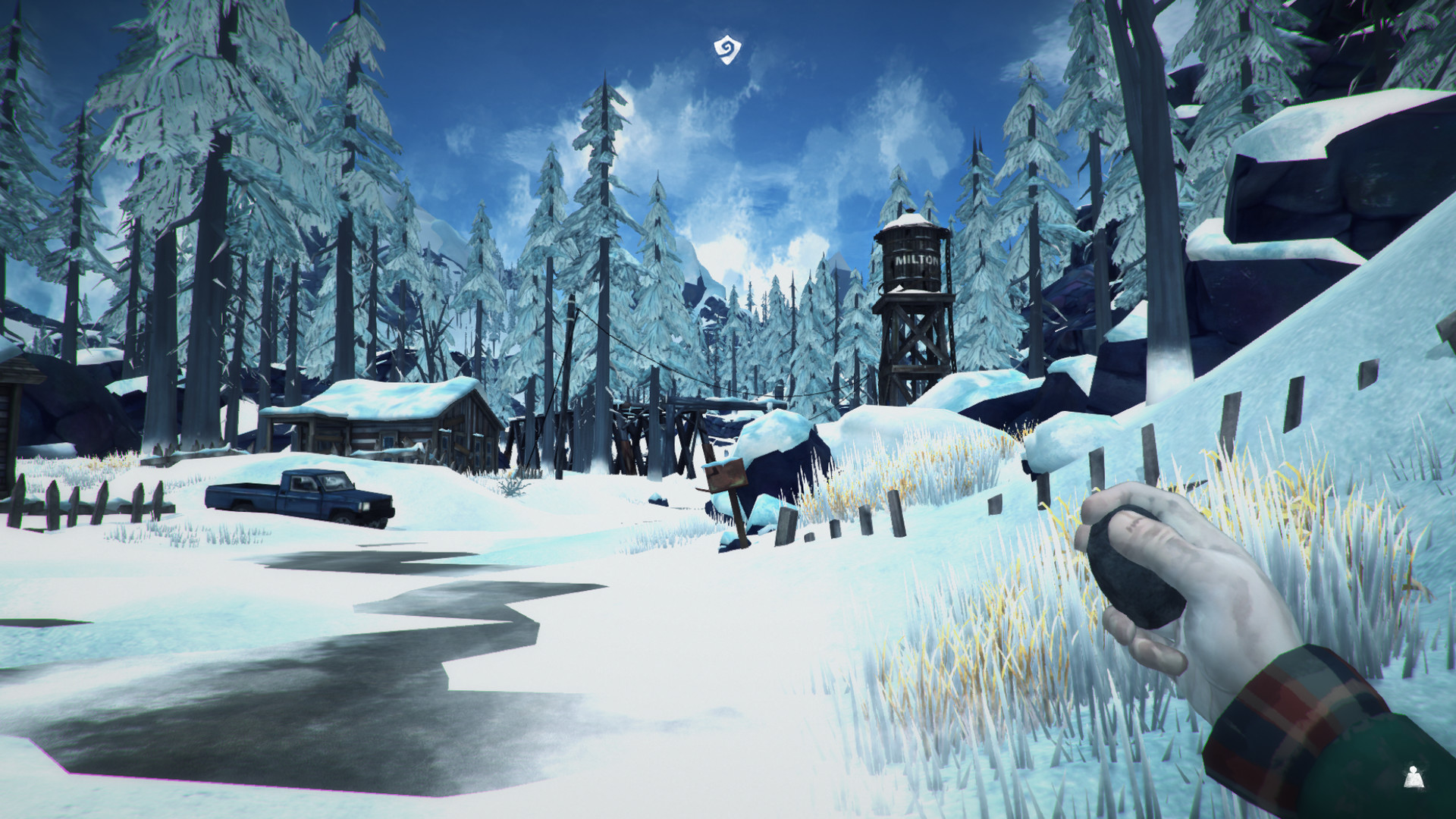
Image credit: Hinterland Studio
Studio: Hinterland Studio (Vancouver, B.C.)
Description: Since launching in early access in 2014, The Long Dark has challenged players with surviving in the frigid Canadian wilderness. Drawing from the surrounding B.C. nature, Hinterland admirably decided to set the game in a fictional island off the northwestern coast of Canada. That decision clearly paid off, as The Long Dark has remained one of the most popular survival games for over a decade, leading to multiple expansions and even an upcoming sequel.
Featured developer: Raphael van Lierop (Hinterland founder, CEO and creative director)
Why it’s set in Canada: “When I started Hinterland, my first rule was that I wouldn’t make a game I didn’t believe in. Second was I would set a game in Canada, even if that made it less popular. Fortunately for The Long Dark, it didn’t make the game less popular. In fact, it gave the game a unique identity. Then working with as many talented Canadian actors as possible was just part of what felt right about a game that is deeply Canadian. All our actors are Canadian. I don’t know if wearing your “Canadian-ness” on your sleeve would work for every game, and it might not even work for every game we make at Hinterland, but it sure works for The Long Dark. And as long as I’m making games and as long as Hinterland continues to exist, we’ll always find a way to weave some bit of Canada into our work.”
What Hinterland wanted to depict with this setting: “That ours is a vast and beautiful country, much of it can kill you, and it’s only by working together and taking care of each other that we can ultimately succeed, and survive. You won’t make it alone.”
The Long Dark is available on PS4, PS5, Xbox One, Xbox Series X/S, Nintendo Switch, PC and Mac.
North Shore (TBA)
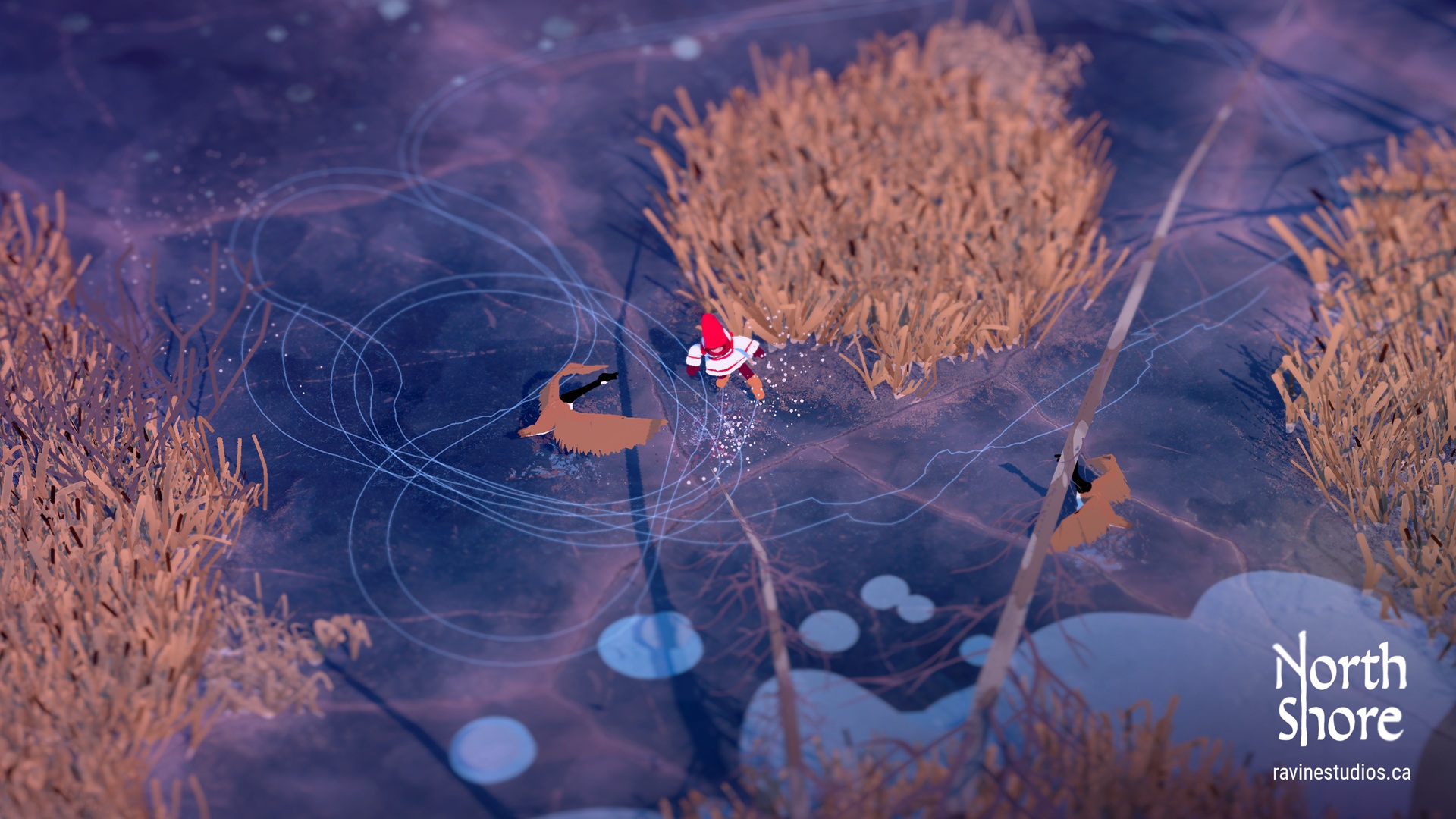
Image credit: Ravine Studios
Studio: Ravine Studios (Toronto, Ont.)
Description: This top-down skating exploration game draws heavy inspiration from creative director and studio co-founder Nick Counter’s formative years in the Lake Huron and Rideau Lakes wilderness and art education at Toronto’s OCAD University. Created alongside programmer and co-founder Dante Camarena, North Shore aims to capture the evocative beauty and spiritualism of both Canadian nature and artists like the Group of Seven and Cornelius Krieghoff.
Featured developers: Nick Counter, Dante Camarena
Why it’s set in Canada: “I think it goes back, purely, to just growing up and what I have access to and what’s important to me. I’m not a religious person — I grew up religious — but I’m a very spiritual person. And Group of Seven, they’re spiritual-esque paintings. It’s just what I know, more than anything. And I just want to be in that space all the time, and I made this game so I can be out there more almost. […] We see the Canadian landscape painted at the AGO and at the National Gallery and stuff. But I don’t know how many games — there’s a few of them — that capture that in the same kind of way.” — Counter
What Ravine wanted to depict with this setting: “The Canadian landscape, especially the one we know from the Group of Seven, is actually quite unique. The rock formations, the Shield, has a look — a lot of diverse looks. The rocks aren’t grey, the rocks are red. The rocks are deep purple. They roll. They can be sharp. There’s just so much to the horror elements and seeing things like darkness sometimes.” — Counter
“There’s a deep darkness in the Canadian space that’s very unique. It’s not just the darkness of nature, but there’s a history of the way that this space has been developed over the years. And part of that is a very human darkness. And being able to touch on some of that is very important.” — Camarena
North Shore doesn’t yet have a release date, but it’s confirmed to launch on PC (Steam).
Immigrant stories
Canada is an incredibly diverse country, and that’s often reflected in our entertainment, from the titular Toronto Korean family in Kim’s Convenience to the Nunavut Inuk community in North of North. The Canadian gaming space is no different, especially in recent years as we’ve seen some indie developers tell deeply personal stories that draw from their experiences as immigrants. What’s more, they’ve often been some of the most globally acclaimed indie releases of their respective years, dispelling long-running myths that either diversity or directly featuring Canada will make it less marketable or popular to those in other countries.
Venba (2023)
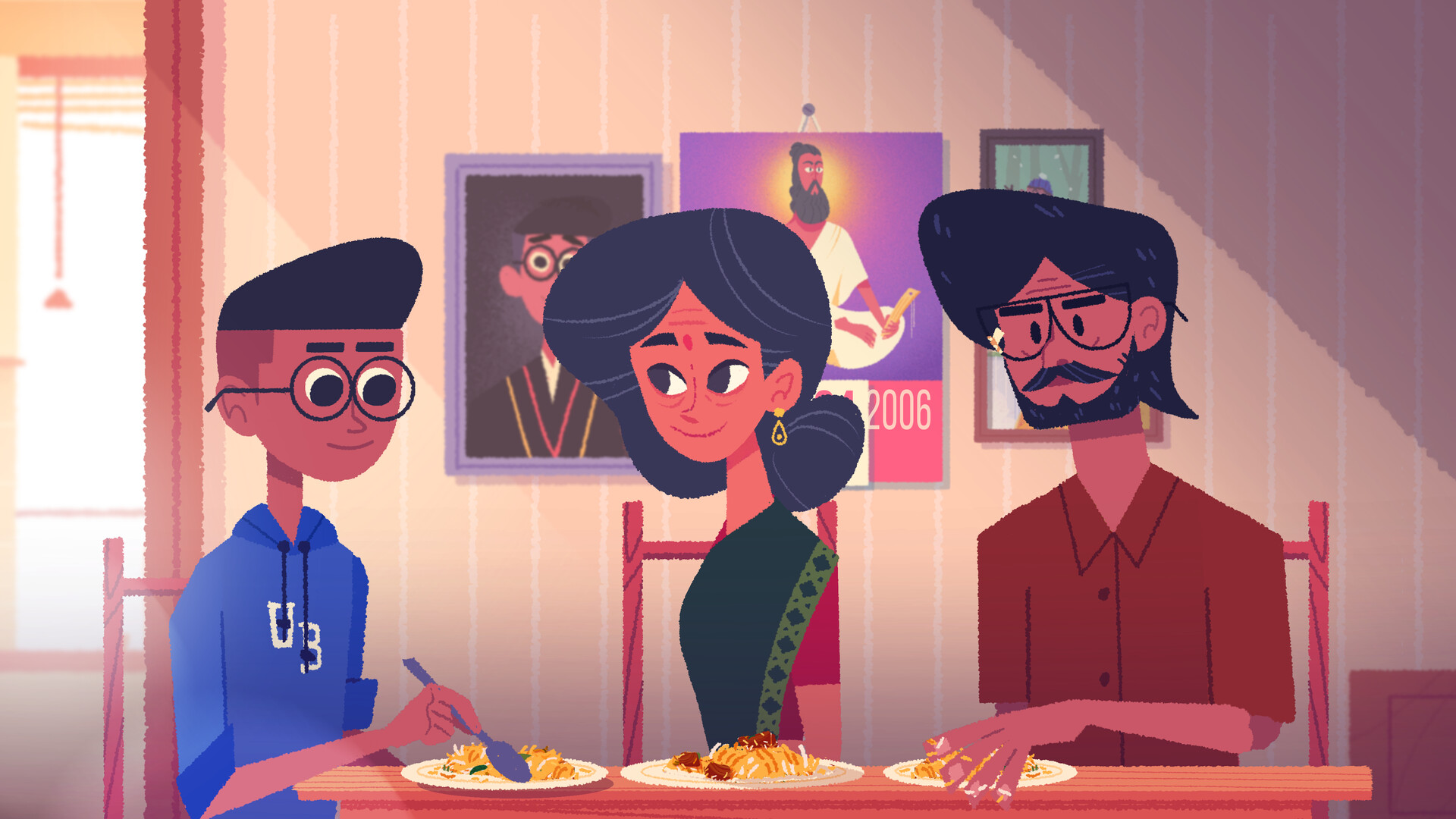
Image credit: Visai Games
Studio: Visai Games (Toronto, Ont.)
Description: A lot of media about immigrant families focuses on the children. With Venba, Abhi Swaminathan wanted to shine a light on the oft-unseen perspective of parents. Drawing inspiration from Swaminathan’s own life, the award-winning narrative cooking game explores the challenges that an Indian woman faces in 1980s Toronto. In so doing, Venba paints a heartfelt portrait of a hard-working mother who attempts to reconnect her family to their culture through the love language of food.
Featured developer: Abhi Swaminathan (lead designer, writer)
Why it’s set in Toronto: “The answer to this is very simple for me. Venba is set in Toronto for the same reason Venba is about a South-Asian, South-Indian family. It’s because it’s closest to my experience and therefore, I had the highest confidence that I could capture this setting authentically. Venba is not autobiographical at all, but authenticity is extremely important to me. The more specifically you capture something, the more universally it’ll resonate, in my opinion. To capture anything specific, you need a lot of research and a lot of preproduction. When your life mirrors the experience you’re trying to capture, it can act as a very strong source of research.”
What Visai wanted to depict with this setting: “Toronto is home to one of the largest Tamil diasporas in the world — specifically, the Eelam Tamil diaspora. Their support in making Toronto accessible for new immigrants cannot be overstated. There are a lot of subtle hints in Venba about how the household benefits from this community. For example, the calendar that is shown at the beginning of each level has a store branding on it. This sort of thing is very common in Tamil stores. In the Biryani level, Venba directly credits this community in one of the optional pieces of dialogue for access to all the specialty ingredients she would need to make the dish!”
Venba is now available on PS5, Xbox One, Xbox Series X/S, Nintendo Switch, PC (Steam) and Mac.
1000xResist (2024)
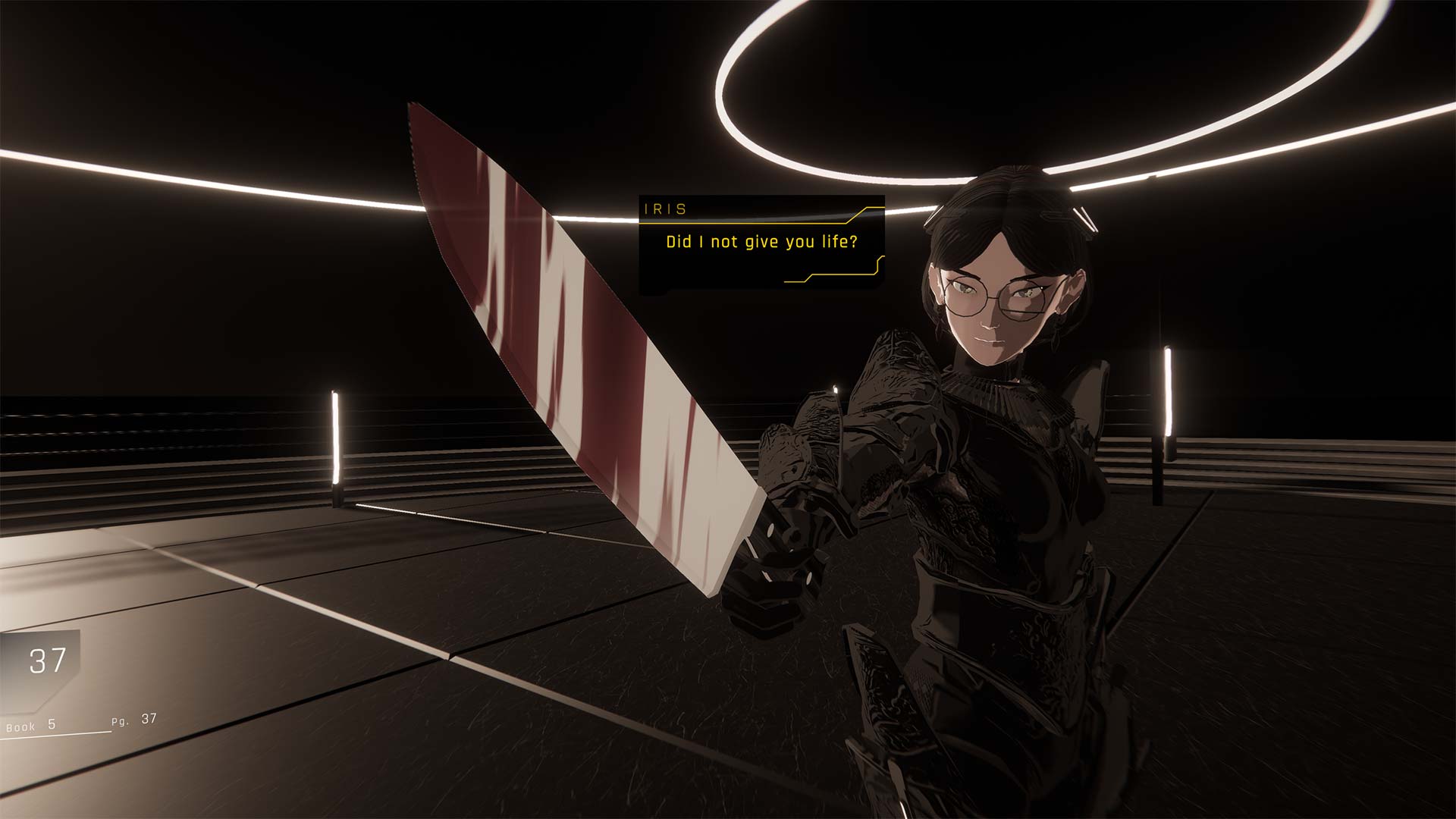
Image credit: Sunset Visitor
Studio: Sunset Visitor 斜陽過客 (Vancouver, B.C.)
Description: This debut game from a small team of Vancouver performance artists has quickly gone on to become one of the most celebrated indie titles in recent memory. Set in a post-apocalyptic future ravaged by an alien pandemic, it follows a small group of surviving clones who must grapple with a shocking secret. It’s an incredibly dense and poetic sci-fi narrative adventure that’s brought to life through impeccable art direction, but at its heart, it’s really just a moving story about a small Asian-Canadian family in Vancouver.
Featured developer: Remy Siu (studio co-founder, creative director, writer)
Why it’s set in Vancouver: “Before starting the company, we were performing artists here in Vancouver, and we always asked ourselves, in our work, how we could express locality. Vancouver has a very live and direct link to many parts of Asia, in a way very few cities in the West have, and specifically, is an important place for the Hong Kong diaspora. For just one example, so many Canto pop stars began or ended their journey in Vancouver! We were also exposed in really big ways to the waves of immigration from Hong Kong, especially during 1997. So we ultimately went with Vancouver because it couldn’t be anywhere else and mean the same thing.”
What Sunset Visitor wanted to depict with this setting: “If I think broadly, being Hong Kong diaspora, I got front row seats to the waves of immigration. My family is here because one of those waves of immigration. But also, just as importantly, Vancouver was part of the personal computer software revolution. I got to see that happen throughout the 90s growing up. My dad was a part of that. So software, and by extension, games, was something that was always very close to me. In the arts, when working in digital media, I mostly focused on software as a means, as opposed to, say, DIY hardware electronics.
We didn’t get to depict that many specific Vancouver things in the game. I was always trying to think of more things to include. However, we did reference how sleepy a town it can be, and its location beside the Pacific Ocean. Canonically, in 1000xResist, Iris’s family moved from Hong Kong to Vancouver. In the writer’s room, there’s a lot of detail in our minds that we didn’t have time to talk about, say, more specific Vancouver references like Iris’s mom working at Vancouver General Hospital. Outside of the game, we’ve been creating artwork with SpilledTe that specifically features the 1000xResist characters in a Vancouver environment. We take a lot of pride that 1000xResist is of this city.”
1000xResist is now available on PS5, Xbox Series X/S, Nintendo Switch and PC (Steam).
Indigenous perspectives
No holistic conversation about Canada can be complete without acknowledging the country’s significant Indigenous history. As we continue to work towards truth and reconciliation amid historic — and continued — mistreatment of Indigenous peoples, some creators have done commendable work to represent these stories in gaming. From celebrating language and culture to showing often unseen sides of history, these games help spotlight the original stewards of Canada’s land.
Two Falls (Nishu Takuatshina) (2024)
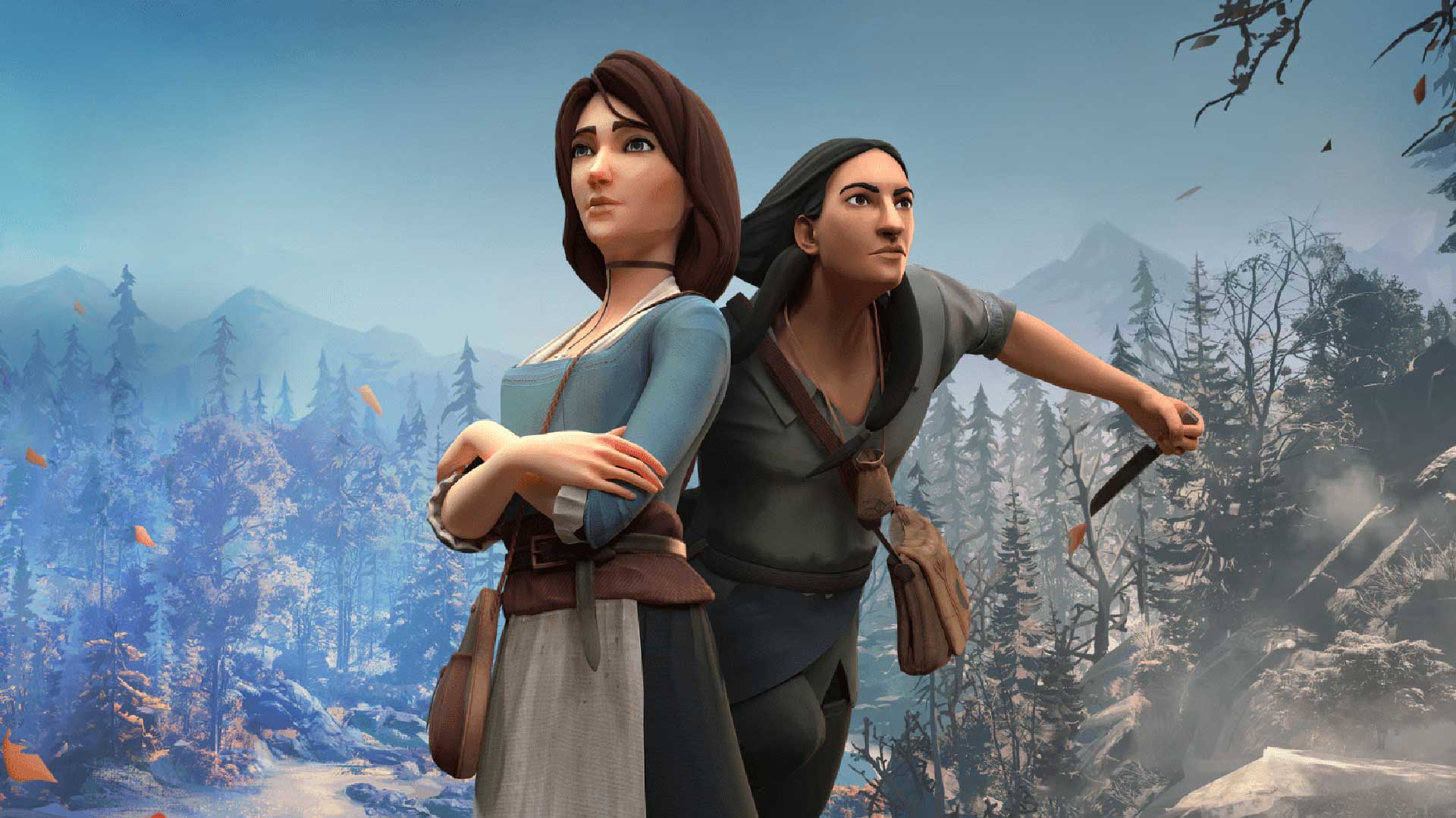
Image credit: Unreliable Narrators
Studio: Unreliable Narrators (Montreal, Que.)
Description: Video games have the unique ability of putting you into the shoes of people from radically different walks of life, and in Two Falls (Nishu Takuatshina), that experience is twofold. Set in the Canadian wilderness in the 17th century, Two Falls tells the interlocking stories of Jeanne, a French woman who crossed the Atlantic to start a new life in Quebec, and Maikan, an Innu hunter investigating a disturbance that threatens his people. Crucially, several of the main developers were Indigenous, in addition to a Council of Elders composed of First Nations members who consulted on the game.
Featured developers: Francis Rufiange (Unreliable Narrators lead designer), Louis Nantel (Unreliable Narrators designer)
Why it’s set in the Canadian wilderness: “The concept came about because there was a desire to represent local history that we all learn in high school here, and sort of show it from a side that isn’t much talked about. Because usually when we learn about it in schools, especially at the time that we were growing up, it’s told from the perspective of the settlers of the French settlers who came in and colonized the land and made New France and all of that. And there was a desire to show the side of history that was a bit more inclusive of the peoples who already lived here at the time. It wasn’t born of a desire to just make any kind of game, and then we picked something that was local. It was more like it was an idea to make something local, and then that turned into a game.” — Nantel
“The premise of the studio, Unreliable Narrators, has always been about finding these lesser-known stories or historical settings or sides of history or cultures that are not often represented, and bringing them to a more mainstream audience to make everybody realize that there’s amazing stories that can be told in those historical settings. It doesn’t have to be the usual settings, like a more ‘commercial’ or American setting or anything like that. Even though you might not have heard about it, there’s still some great, intimate, personal, cultural, societal stories that can be told in these lesser-known sides of history.” — Rufiange
What Unreliable Narrators wanted to depict with this setting: “Historically, Canada is very much a meld of cultures. It is very much a story of different cultures coming together and learning from each other, and that is what the story of Two Falls is about. It’s not necessarily all about the strife and the conflict, but it is also about learning to understand each other. And I think that is a core part of the Canadian culture and the desire to co-mingle and live together harmoniously. That is definitely a core theme of the game.” — Nantel
“In the game you have some Wendat characters, you have some Inu characters, as well as the settlers. So there’s all these different cultures that interpret their relationship to the outsiders differently, and we wanted to navigate this and not put everything in the same pot of ‘Indigenous’ and ‘the settlers,’ and it’s one faction against another. It’s not that at all. It’s much more rich and subtle and nuanced than that. And in terms of inspiration, there’s more obvious territory stuff in Canada. You go through a change of season, and the game is structured around this coming of winter and what it means both in terms of pure survival and adapting to a land that half of the year is welcoming and half of the year wants to kill you. And there’s also the folklore and the cultural aspect of the meaning of winter and how it affects the lives of the Indigenous peoples that are there.” — Rufiange
Métis Life (2026)
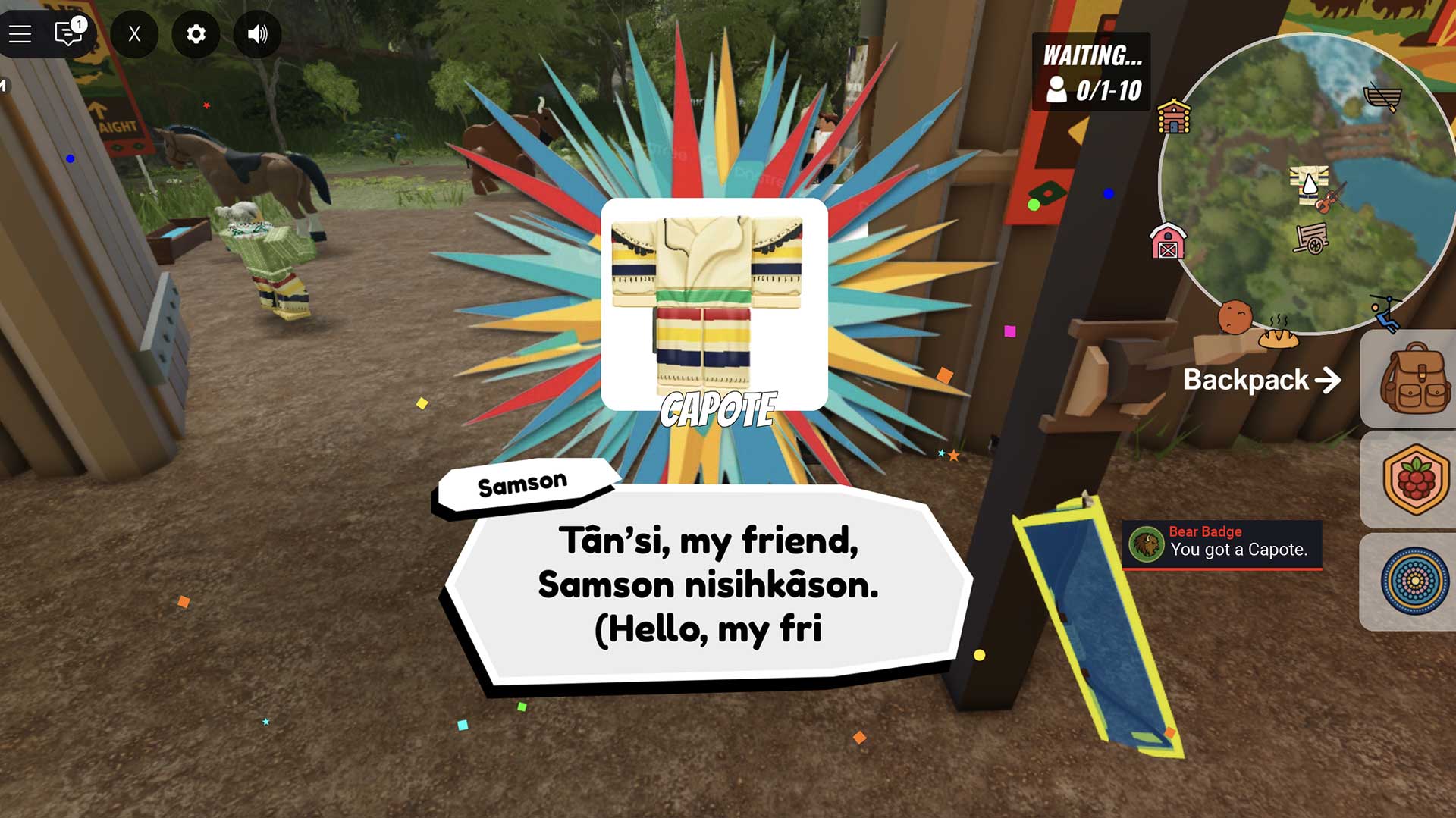
Image credit: Maskwa Games
Studio: Maskwa Games (Vancouver, B.C.)
Description: Among the tens of millions of user-generated experiences in Roblox, Métis Life is particularly special. Developed in partnership with the Métis National Council, the game provides a family-friendly way for kids and adults alike to learn the distinct and endangered Métis language of Michif. An evolution of Maskwa’s Michif RP pilot project, the game showcases rich Métis culture through traditional foods and clothing, authentic music and NPC interactions, allowing for a more immersive educational experience.
Featured developer: Joshua Nilson (Métis, studio founder, game director)
Why it’s set in Canada: “The world that you explore is very cultural and you learn three languages (Northern Michif, Southern Michif and Michif French) and it’s based more on the Prairies vs. the first game. There are more quests, growing of medicines and traditional foods. We got to work with [Métis educator] Monok Samson, too, to help with audio and he is very much in the game. We also have a focus on taking care of our land, of nature, and to continually learn about that.”
What Maskwa wanted to depict with this setting: “The main thing is to start your language journey. We want people, especially children, to have fun and play, and to learn about the Métis culture and language. I would love for players to come away and want to build their own experience. Keep building and sharing.”
Métis Life is available for free through Roblox.
Akiiwan: Relaxing Survival (TBA)
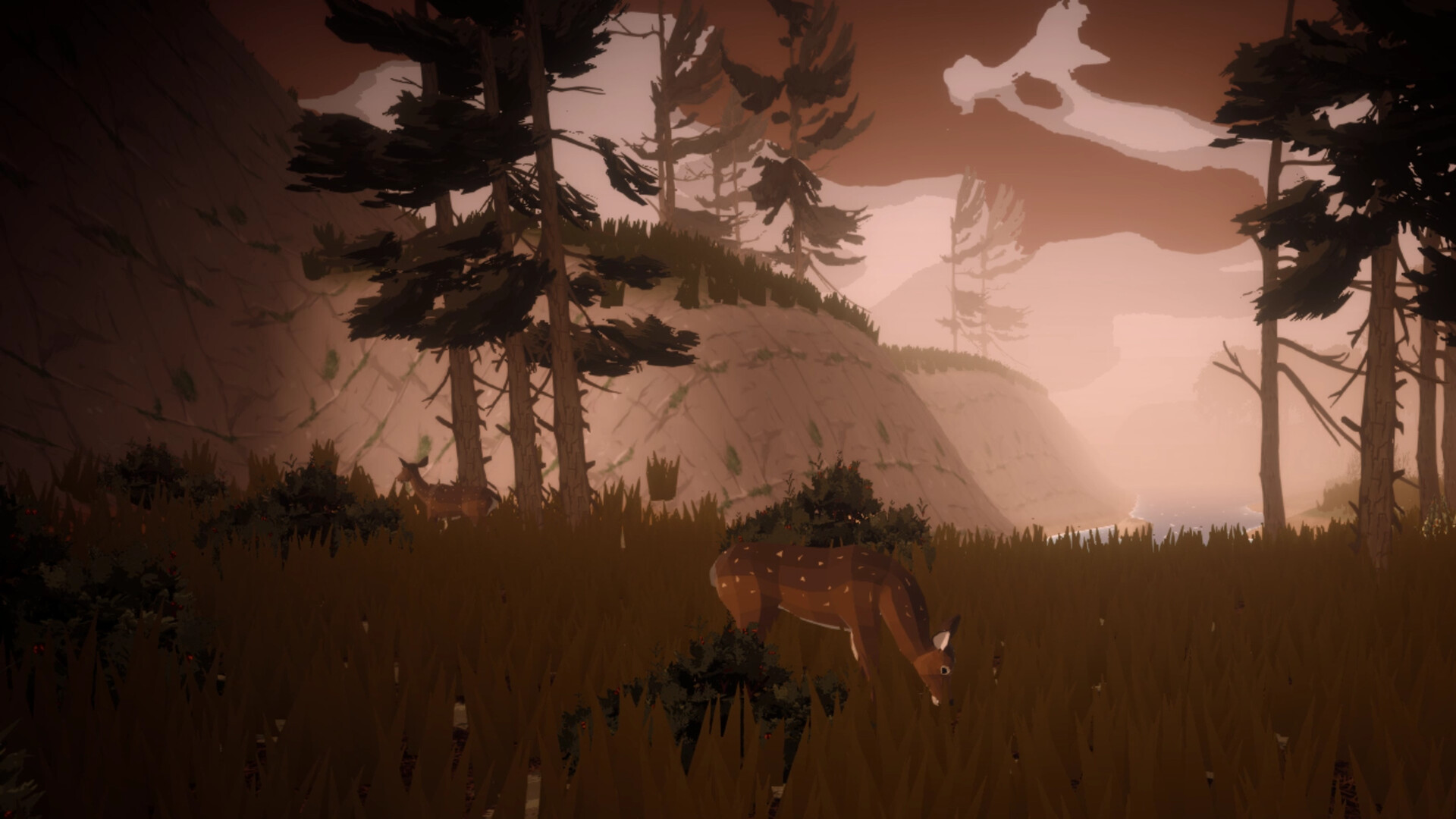
Image credit: Little Buffalo
Studio: Little Buffalo (Toronto, Ont.)
Description: As its name suggests, Akiiwan isn’t meant to be a challenging survival game. Instead, it’s focused on immersing players in a wilderness setting that’s based on the Great Lakes and the Canadian Shield. It’s all rooted in an Indigenous experience of exploring, hunting, and crafting during the day and connecting with the animal spirits at night as they tell the stories of their respective clans.
Featured developer: Jeremy Nelson (Red River Métis, Little Buffalo founder, designer and producer)
Why it’s set in Northern Canada: “Even though I grew up on the flat Prairies, it was always a short drive to the edge of the Shield, and we’d spend huge amounts of our summers there camping, fishing and canoeing. To this day, the second my feet are on that bedrock, I just feel calm and happy. The broader Great Lakes mean a lot to me, especially moving to Toronto in 2000s and finding it weird how completely disconnected the city was from the lake. (The waterfront has changed a lot, but it still feels a little disconnected in the sense that the streams that all fed the lake are underground and I don’t think we really think about the fact that the lake is literally the reason we are here, to say nothing of the millions of others who have lived around them for millennia.)
In some way by telling the story of this place, I guess I wanted to honour them and help us feel more connected to them. I feel like picking something you care about and know and then figuring out how to share that passion with others actually has the potential to make it more commercial since it is surprising and new, and the players sense the love that goes into it.”
What Little Buffalo wanted to depict with this setting: “Akiiwan: Relaxing Survival is really a game that puts relations at its core, since it slows down the survival game and makes it less about random moose or zombie attacks and more about seeing what you would really need to see and understand to live from the land. The gameplay is also set against the backdrop of a coming winter and the need to prepare for it, which is both Indigenous and broadly Canadian. We lose sight of the fact that up until recently, it was basically impossible to get through winter without the help of others, and even today, you can’t make it far in the cold without help. I even had a Canadian Studies professor once put forward a theory that ‘eh’ evolved from our long winters and was a way to maintain connection even when we’d completely run out of anything new to say. (‘Cold day eh?’ ‘Yeah, eh?’ ‘Looks like tomorrow will be about the same, eh?’ etc.).”
Akiiwan: Relaxing Survival doesn’t yet have a release date, but it’s set to come to PC (Steam).
Slices of Canadian life
Canada’s cultural mosaic is one of its defining characteristics, and it leads to cities and towns having remarkably distinct identities. The elegant European influences on Montreal. The bustling cityscapes of Toronto. The scenic waterfront views of Vancouver. The welcoming, close-knit communities of Halifax. These games offer a look at everyday life in Canada and, through that, the Canadian spirit.
Celeste (2018)
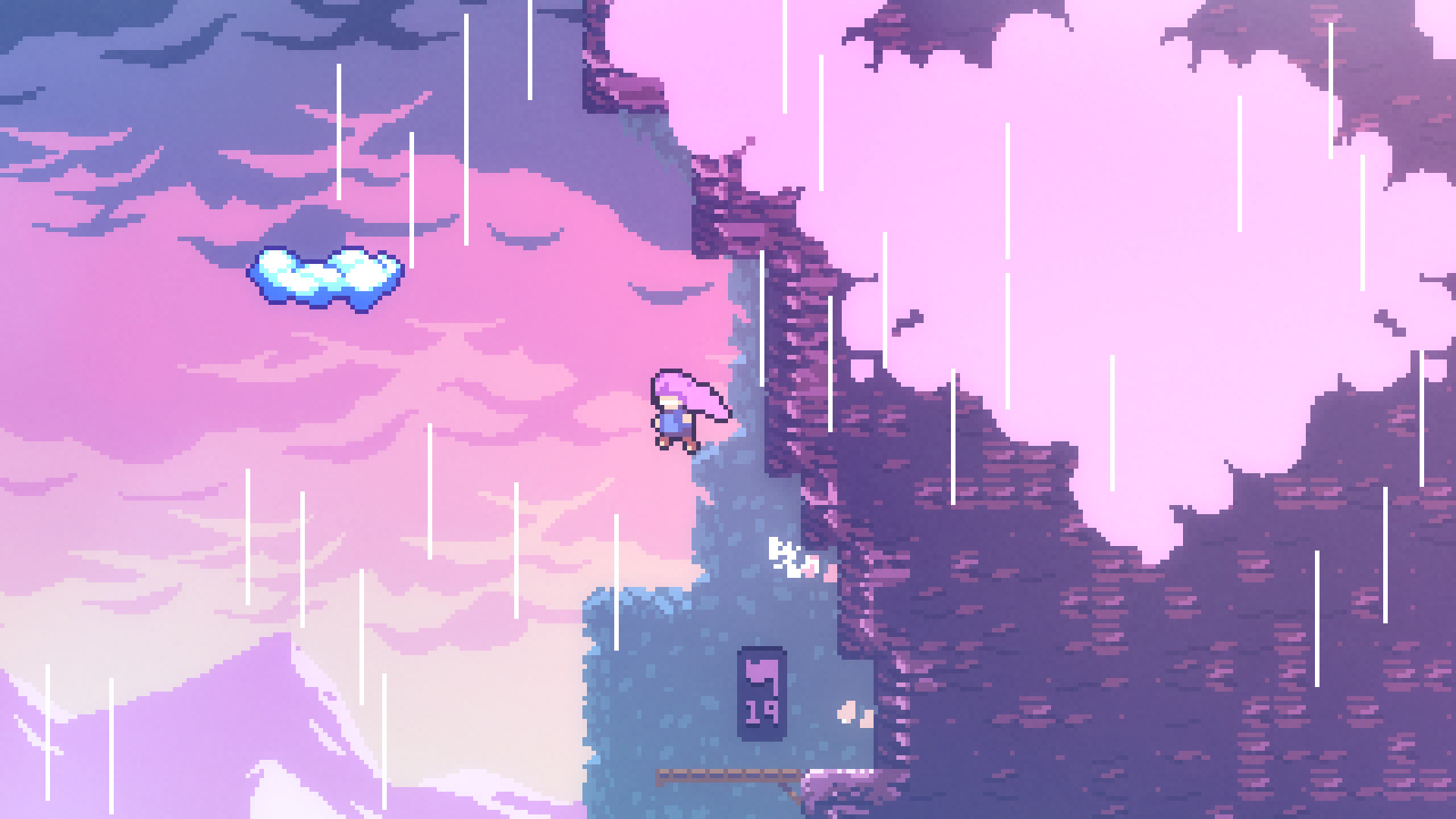
Image credit: Extremely OK Games
Studio: Extremely OK Games (Vancouver, B.C.)
Description: One of the most beloved indie games ever actually derives its title from the Vancouver Island mountain of the same name. It’s a nice touch from its B.C. developer, while protagonist Madeline’s journey to ascend the mountain serves as an allegory for overcoming mental health issues and one of gaming’s most prominent — yet sadly still uncommon — examples of trans representation. All of that is wrapped in a remarkably tight platforming experience that’s enhanced by exceptional pixel art and music.
Featured developer: Maddy Thorson (studio founder, creative director, writer)
Why it’s set in Vancouver: “We wanted to tell a personal, contemporary story that was unmistakably ours. We didn’t like the idea that stories should try to be ‘timeless,’ so we embraced the specific time and place Celeste was made in.”
What Extremely OK wanted to depict with this setting: “Amora [Bettany, artist] made Theo’s Instagram which tells the story of Theo before, during, and after the story of the game. She used some local Vancouver details to sell the fiction of the story and I love how she did that from her perspective as a visitor who ended up immigrating here after release. The qualities of Celeste that feel most Canadian to me are its difficulty tempered by its compassion and its straightforwardness. The Granny character in particular embodies these positive qualities of the worldview I experienced growing up in northern Alberta.”
Celeste is now available on PS4, Xbox One, Nintendo Switch, PC (Steam), and Mac.
Tails Noir and Tails Noir Preludes (2021, 2023)
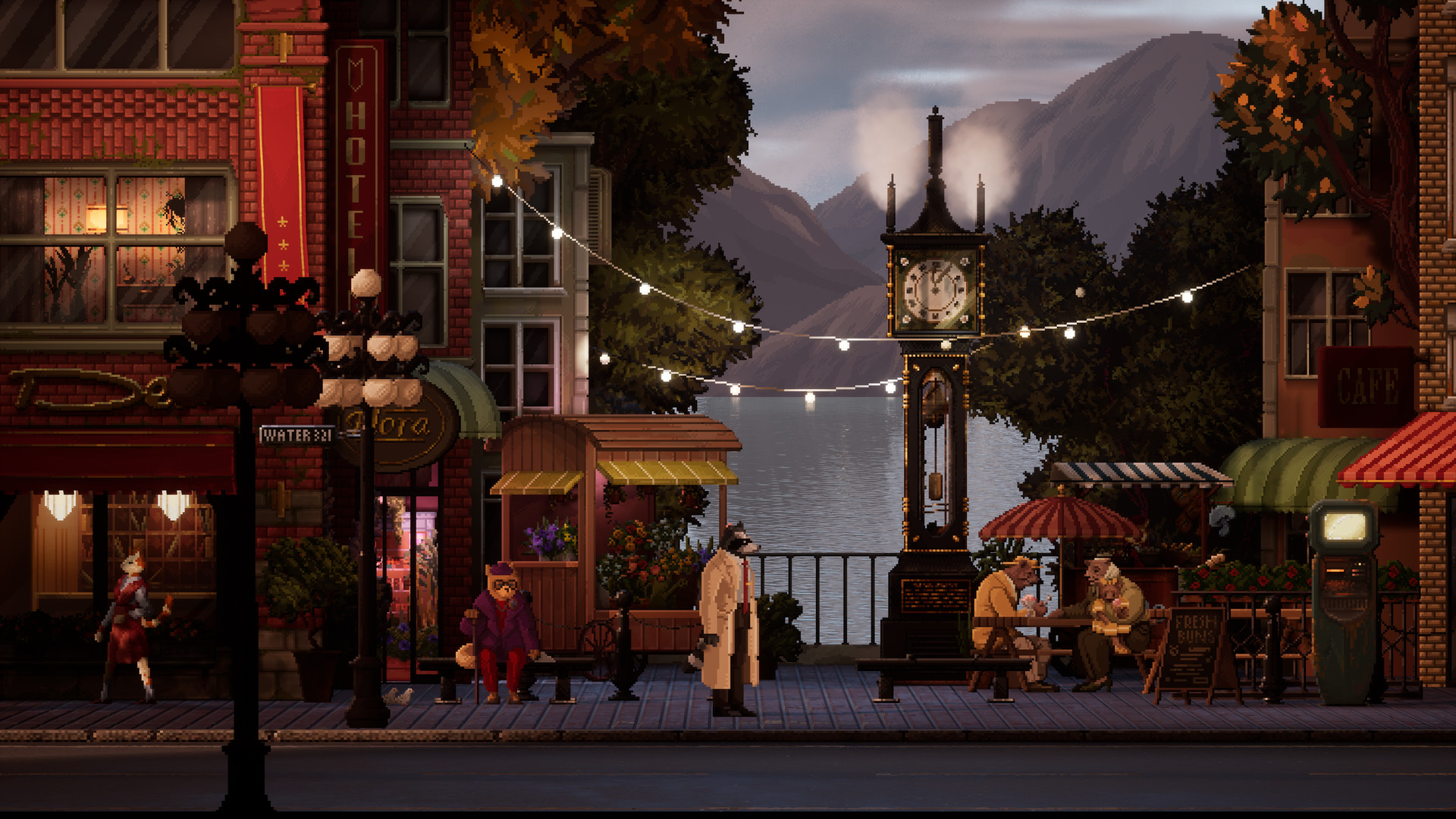
Image credit: Eggnut
Studio: Eggnut (Vancouver, B.C.) [now defunct]
Description: Amid a trend of many indie games featuring beautiful pixel art, Tails Noir stood out with its focus on a post-noir narrative set in a dystopian version of Vancouver. As raccoon private eye Howard Lotor, you’re tasked with navigating this bleak world and making CRPG-style choices along the way. It’s rich in atmosphere and mood, and Eggnut expanded on these feelings with Preludes, a prequel following four different characters years before the events of the main game.
Featured developer: Nikita Danshin (studio co-founder, game designer, composer)
Why the games are set in Vancouver: “I think the very first reason was that I lived in Vancouver at the time. Considering we started making a raccoon detective simulator, I wanted to use some new place here. Then, Vancouver has so many opportunities, but never plays itself in the media, so that was an extra reason. Plus, after some time we found Vancouver Noir: 1930-1960 by Diane Purvey and John Belshaw, and that did it completely. A lot of cities with mixes of different societies and cultures have had strong “noir” backgrounds, but we simply don’t hear about those due to lack of awareness. Social injustices in the mid-20th century are very common in North American cities due to racism and classism, and Van City is just another example, not an outlier. Placing all legal but ‘unwanted’ immigrants in a polluted area, thus creating our own Canadian premise for social clash, is so noir. So why would we go anywhere else, if there are untold stories here?”
What Eggnut wanted to depict with this setting: “There was no original intent outside of ‘proper representation.’ We wanted places to be recognizable, yet having our own twist on them. Show how places could be re-utilized by a different society (like how Gastown became a higher-class living place), or show them in a different light (the community under the broken Burrard Bridge). Stanley Park became a complicated farm land, the whole downtown is now separated from the surrounding world by a giant wall and the BC Place is an army warehouse now. Turning known West End streets into overpopulated low-income areas is not a particular take on Van City, but is a discussion of where socioeconomic injustices could lead.
In Preludes we showed more of Gastown, allowed ourselves to make a proper snowy winter (that works pretty well within our world, as the global climate has changed). Fraser River doesn’t freeze anymore in the real world, but it creates a great perspective for people who know of the local weather. We were also able to show what is happening behind ‘The Wall,’ and turn the mainland into a vast desert. Our impact on the world is here, it’s seen, and we need to show it more. Players who played Tails Noir and know our lore did expect the world behind the wall to be different, but I like imagining Vancouverites being stunned by the imagery they see out there. Unfamiliar and empty, these lands reflect the harsh realities of what Tails Noir‘s world has become.”
Tails Noir and Tails Noir Preludes are both available on PS4, PS5, Xbox One, Xbox Series X/S, Nintendo Switch and PC (Steam).
Été (2024)
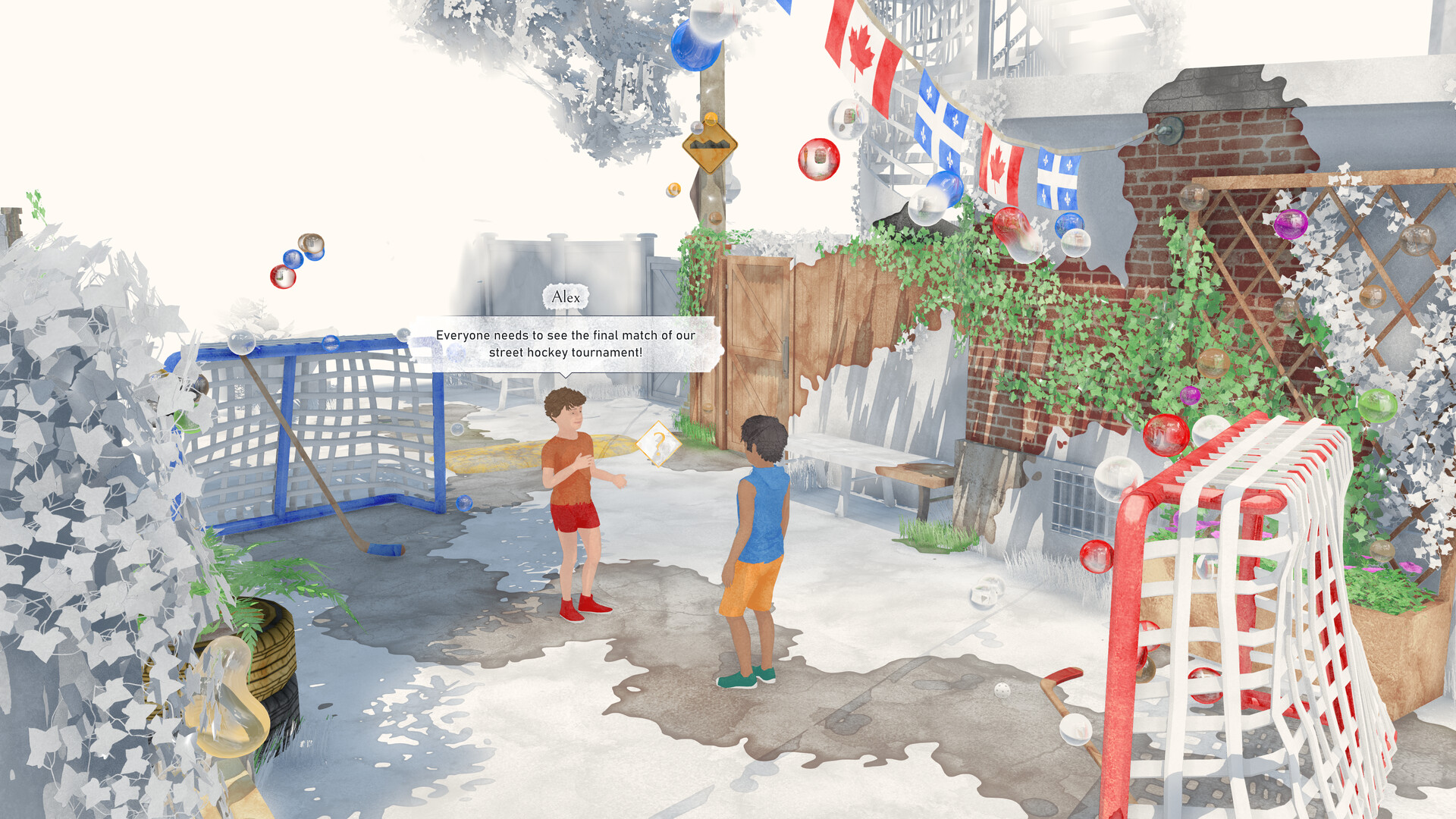
Image credit: Impossible Studio
Studio: Impossible Studio (Montreal, Que.)
Description: There’s nothing quite like being in Montreal during a cozy summer, and that’s exactly what Été is all about. Through an inventive painting mechanic, you’ll get to watercolour vibrancy to the world as you explore and meet local artists and develop your own studio. Without any form of combat or fail state, players are encouraged to just relax and soak in the luscious sunny views. Isn’t that what summer is all about?
Featured developer: Lazlo Bonin (studio founder, creative director)
Why it’s set in Montreal: “First, it’s important to know that Été was never intended as a commercial game first and foremost; of course, because of its scope and the way games are distributed, it grew to be de facto ‘commercial,’ but the initial intent behind the game was rather to make a more alternative, poetic experience. As such, the thought of choosing the setting based on how well it would sell never really crossed my mind. In fact, I never even decided to have it set in Montreal. There really was no other option; it was part of its essence from the get-go. Été is quite literally a game about the beauty of wandering in a fleeting Montreal summer. The location was as much a part of its inception as the season or the activity.”
What Impossible wanted to depict with this setting: “I wanted to depict Montréal as I knew it from growing up in its residential neighbourhoods; from the perspective of a local, not that of a tourist. I think Montreal draws a lot of its beauty from ultimately mundane but perfectly balanced, human-scale urban design. Some of my favourite aspects that I wanted to depict were the lively community alleyways (especially the so-called ‘green’ ones), the intersection of small-scale shops with unique residential architecture like the plexes, and its larger parks that are natural community spaces. Ultimately, though, as much as I love my city and culture, my hope is not that people playing Été remember anything specific about Montreal or Quebec at large; rather, I hope that they get inspired to take a closer look at the everyday beauty of ordinary life in their own hometown and appreciate it a little more than before.”
Été is now available on PC (Steam).
Loser Lane (2025)
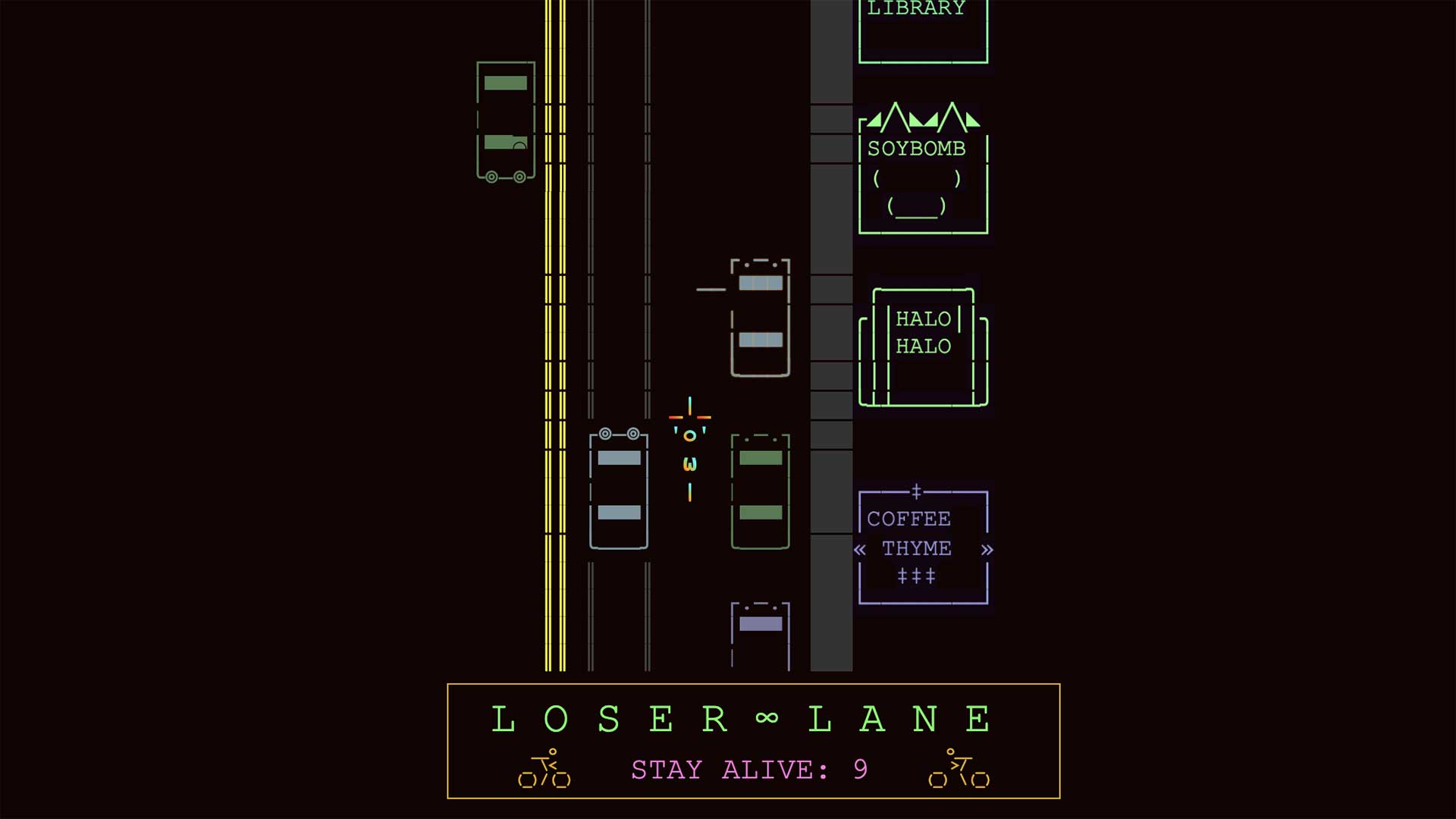
Image credit: Marie LeBlanc Flanagan
Description: As a multi-disciplinary artist, Marie LeBlanc Flanagan has a major interest in experimental game design. In some cases, that means co-running unique grassroots events like Toronto Games Week, and in others, that means creating brief gaming experiences that actually double as acts of protest. Loser Lane is very much the latter, a browser game in which you attempt to safely guide a cyclist through the cities of Toronto and Montreal. However, it’s an impossible task, as you will inevitably die very quickly due to various vehicular hazards, a fascinating way to articulate the wider push for more bike lanes in metropolitan areas.
Studio/featured developer: Marie LeBlanc Flanagan (Montreal, Que.)
Why it’s set in Toronto and Montreal: “I heard that Doug Ford was talking about ripping out the bike lanes, and I was immediately flooded with bad feelings — anger, sadness, frustration. Why are we moving backwards. I was just overcome with feeling, and I started making something […] I lived on Queen West, and I found it terrifying. Every day I would bike, and every day I thought I would die, and I started calling it the ‘Loser Lane’ to my friends. I was like, ‘Oh, I was in the Loser Lane,’ as in this space between the parked cars and the streetcar and the oncoming traffic with the pedestrians. So I saw it as a game before I even made games […]
[The new Montreal mayor, Soraya Martinez Ferrada] said that she’s going to review bike paths, review the bike infrastructure. And this, to me, seems like a dog whistle that she would like to remove bike paths. And there’s a lot of anger, especially from people outside of the city core, about there being a lot of bike lanes in the city core. So I made a Montreal version in the hopes, as the election was going on, of bringing this as one of many important topics.”
What Flanagan wanted to depict with these settings: “We should all be aware at this point that we’re in the point of climate crisis that we have a critical mass of energy moving in the wrong direction, and that we need to make changes in our lives environmentally. I also feel with the rising rates of anxiety — [there’s] depression and loneliness that for many of us, some movement, some activity, some being in spaces with each other would be great. And so I hope that Toronto and all cities will prioritize more infrastructure for pedestrians and for cyclists.”
Both the Toronto and Montreal versions of Loser Lane are available for free via Flanagan’s website.
Echo Generation and Echo Generation 2 (2021, 2026)
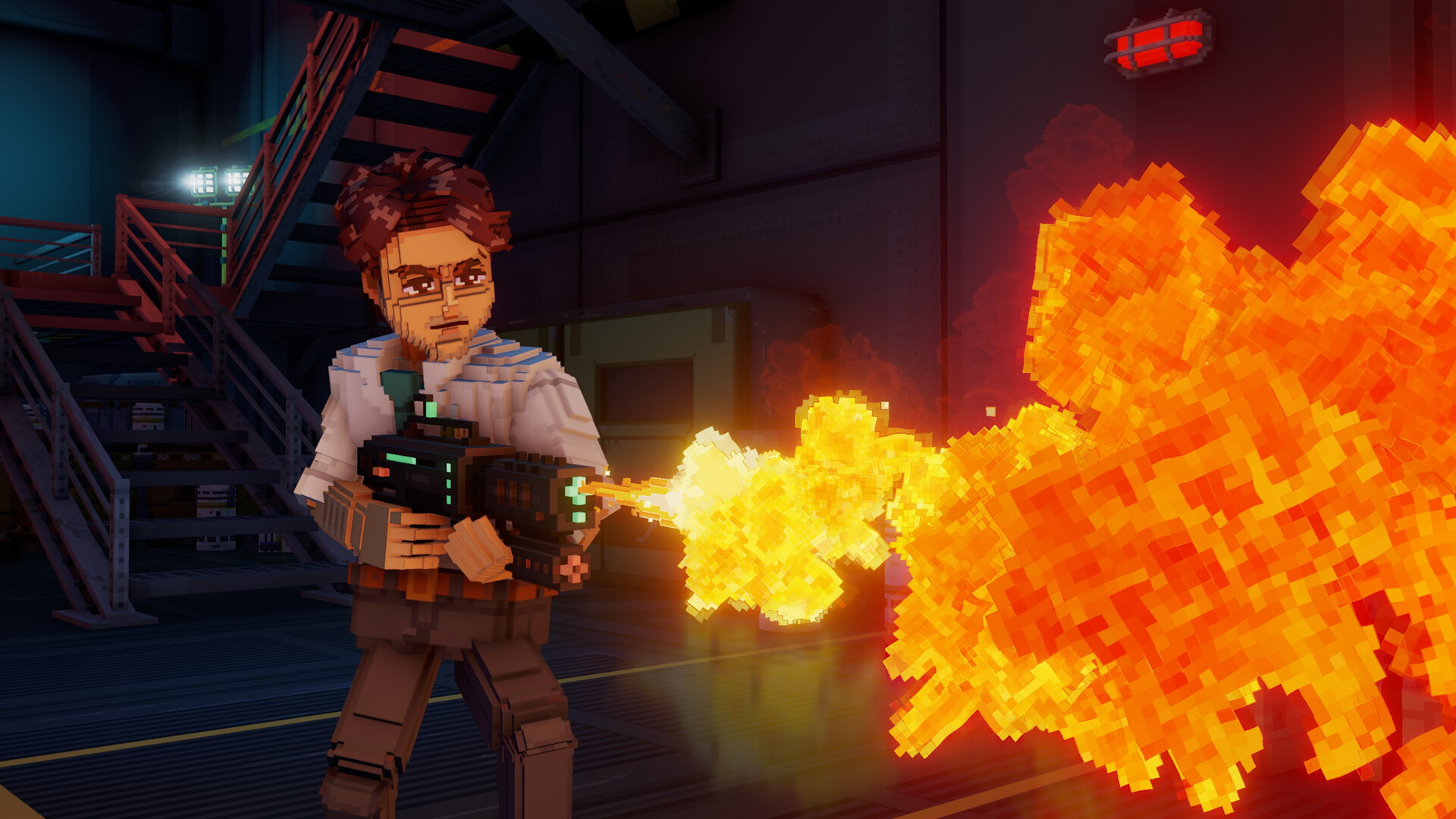
Image credit: Cococucumber
Studio: Cococucumber (Toronto, Ont.)
Featured developers: Martin Gauvreau (studio co-founder, Echo Generation and Echo Generation 2 game director), Vanessa Chia (studio co-founder, Echo Generation and Echo Generation 2 designer and producer)
Description: In 2021, Cococucumber released Echo Generation, a retro-inspired turn-based RPG set in a fictional small Ontario town, to critical acclaim from many, including, even, one of the heads of Xbox. Now, the team has returned with a time-hopping sequel about a dad who gets trapped in another dimension and has to find a way home. It’s kind of like a Canadian Stranger Things, but with its own original sci-fi world, deck-building combat and delectable voxel-based art style.
Why it’s set in Canada: “Do you think about Stephen King stories happening in a small town? And I think a lot of them are happening near the border. But they could perfectly happen in a small town in Quebec or Ontario […] Of course, we have our own different culture and identity, and Americans are very good to build mythology about themselves about their cities, about their history, even if it’s not fully accurate all the time if you look at the Hollywood movies. But they build this mythology, so why don’t we build our own mythology, too?” — Gauvreau
“Canada has always been a huge inspiration for us, especially with the Echo Generation series. In the first game, Dylan has a maple leaf on the back of his jacket and fights with a hockey stick. It’s a very direct nod and it resonated. We had people from across Canada reach out right away, which was a really special moment. Beyond the obvious references, we wanted to reflect the multicultural reality of growing up in places like Toronto. In the original game, your choice for your character’s skin colour carries through to your whole family. It is a small detail, but it helps players feel seen and mirrors a diverse city like Toronto.
With Echo Generation 2, we are expanding that idea by telling the story from multiple perspectives. It lets us explore a more diverse cast and ask who gets to be the hero, while still keeping that sci-fi tone. We also wanted to capture a specific Canadian feeling of going to a cabin in the woods by the lake. Places like Elmerlake [in the first game] are inspired by those nostalgic vacations and the big summer sunsets.” — Chia
What Cococucumber wanted to depict with this setting: “We like to include Canadiana in ways that feel natural. In Echo Generation, the maple leaf jacket and hockey stick are the most obvious examples, but there are also smaller details that Canadian players tend to recognize right away. With Echo Generation 2, we have continued that approach. There are more nods to Canadian life and landscapes, but we prefer to let players discover them for themselves. It is always more meaningful when someone finds something and immediately recognizes it from their own experience.” — Chia
Echo Generation 2 will launch on Xbox Series X/S (plus Xbox Game Pass) and PC on May 27.
Scott Pilgrim EX (2026)
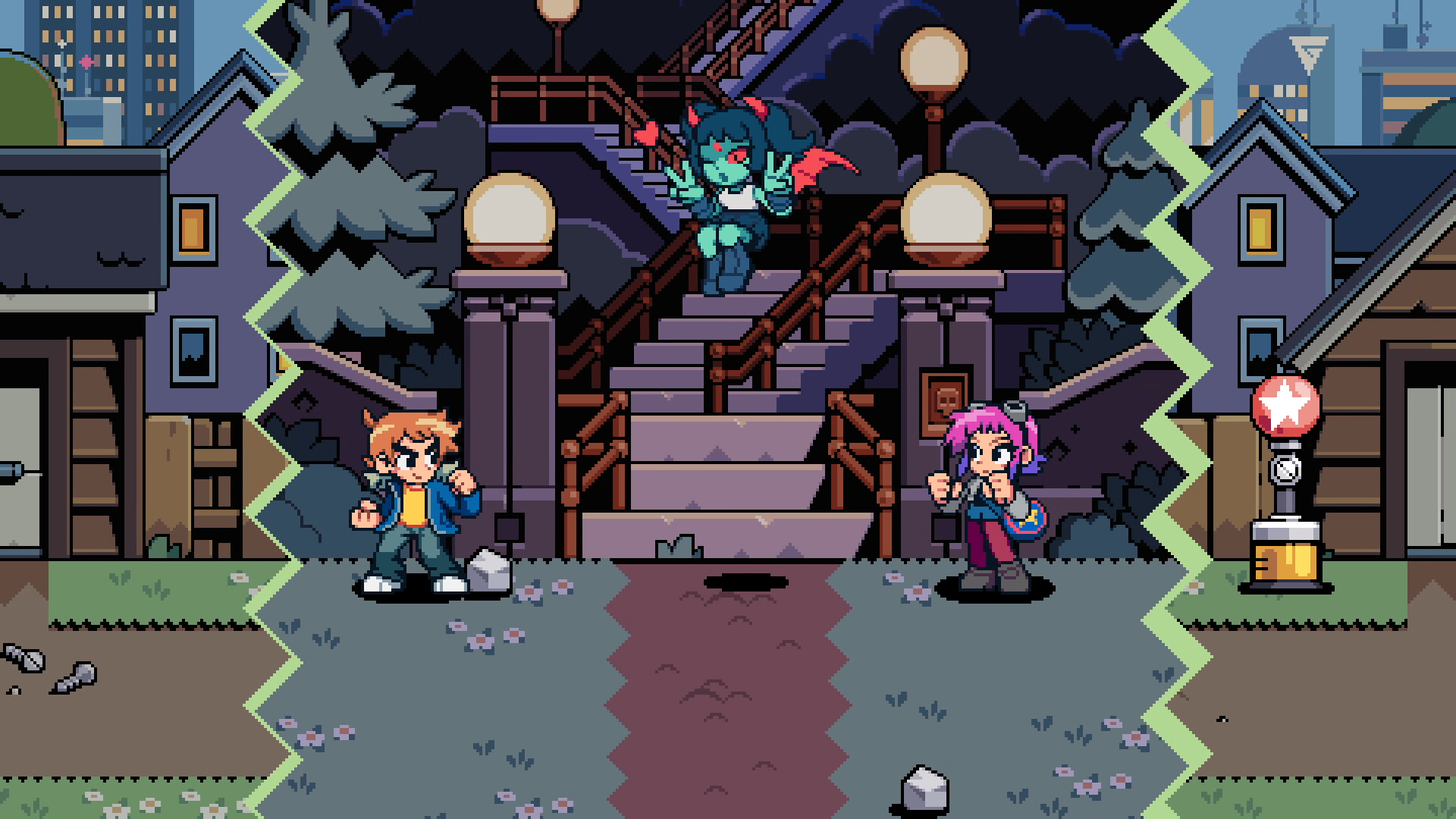
Image credit: Tribute Games
Studio: Tribute Games (Montreal, Que.)
Description: Few characters in pop-culture are as synonymous with Canada as Scott Pilgrim. Everyone’s favourite nerdy, Evil Ex-battling Torontonian was the star of his own Ubisoft game in 2010, and over 15 years later, some of those original developers re-teamed at Tribute Games to make a spiritual successor beat ’em up adventure. Crafted in close collaboration with series creator Bryan Lee O’Malley, Scott Pilgrim EX sees Scott, Ramona and several other fan-favourites teaming up to fight a new threat across time, space and the streets of Toronto. After years of honing its skills on the likes of TMNT and Marvel, Tribute gives Scott a gloriously retro-inspired romp featuring loving nods to everything from the CN Tower and Honest Ed’s to Shopper’s Drug Mart and even Nirvanna the Band the Show.
Featured developer: Yannick Belzil (narrative director)
[Note: Since this game is an adaptation, the question of “why Canada” was already answered, so we instead asked how Tribute and O’Malley wanted to tackle EX‘s particular take on Toronto compared to what we’ve seen in other Scott Pilgrim media.]
How EX‘s approach to Toronto was decided: “First, what can be there is what can fit through our sort of skewed, shoebox type of perspective of the game. So that’s why you only see the CN Tower from pretty far in the horizon, because that becomes a hard one to fit into the perspective. But there’s a lot of stuff like that. Like High Park — our art director, Stéphane Boutin, had seen it on a trip to Toronto and he thought it was beautiful, and that’s why there is this sort of medieval type of era in the game, because he saw High Park, he saw a castle there, and he really liked it. And that’s how it became some sort of a White Castle, Burger King-type of place with all that stuff — that’s how that fed together. And so that’s how we chose these places.
But other things, like, say, later on in the game — there’s the Vegan Police Department, which has a pan-up, and it’s sort of based on the Robarts Library Building. But that was something that Bryan suggested to us because we were like, ‘Oh, what kind of building would be good for the VPD? What has sort of that visual pizzazz?’ And he suggested it to us because it has such an awesome brutalist shape — it looks like a building that OCP might build in Robocop. So we thought, ‘Oh, that would fit really well!’ That’s how that made its way into the game. So it’s a mishmash of all that stuff.”
What to depict in Tribute’s version of Scott Pilgrim‘s Toronto: “Just the fact that you beat up these bad guys, and you can pick up Canadian coins — we get something out of that, we relate to it a bit more. It’s really, really fun to be able to add that colour. Because again, we worked on TMNT, so you do the iconic cartoon New York that almost becomes somewhat of a default action-adventure setting. And we have some New York levels in Marvel Cosmic Invasion as well. We’ve done those, and they’re great, but sometimes you’re like, ‘Oh, it’d be fun to have a different cityscape that looks different.’ And it could be from anywhere else in the world, but we’re really happy to have ours with recycling bins that are a different colour and with signage that feels more like the ones we grew up with. So that’s always a fun detail.”
Scott Pilgrim EX is now available on PS4, PS5, Xbox One, Xbox Series X/S, Nintendo Switch and PC (Steam).
Capy Castaway (TBA)
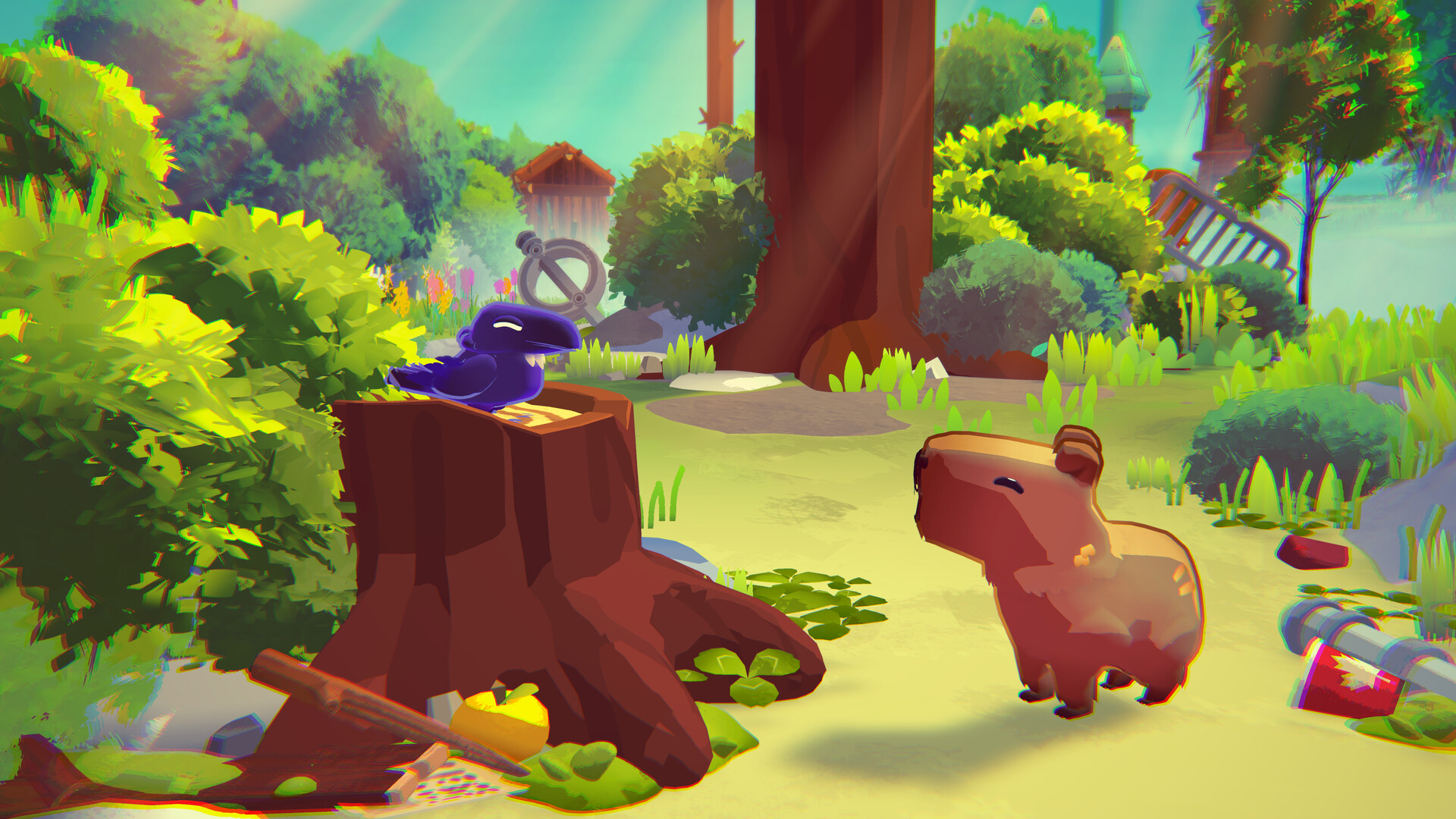
Image credit: Kitten Cup Studio
Studio: Kitten Cup Studios (Toronto, Ont.)
Description: A decade ago, two capybaras affectionately dubbed “Bonnie and Clyde” escaped Toronto’s High Park Zoo, leading to a big search that thankfully resulted in them being returned. This amusing bit of “Toronto lore” also serves as a key inspiration for Capy Castaway, a cozy adventure game in which a capybara pup and clever crow team up to explore a mysterious island in the backdrop of a flooded Toronto. It looks to be a wholesome and colourful romp that features laidback puzzles, exploration and more than its fair share of Canadiana, from Tim Horton’s-inspired cups and old TTC tokens to Ananas (the talking pineapple from the French-Canadian ’80s children’s show Téléfrançais) and even a hilarious three-headed goose creature, Gooseberus, whose heads are named Loonie, Toonie and Buck.
Featured developers: Saffron Aurora (Kitten Cup CEO and creative director), Bee Zelda (community manager)
Why it’s set in Toronto: “A lot of the game is trying to preserve parts of Toronto that have disappeared. It’s very much a love letter. It’s also a big part of the narrative as well. Like, the Honest Ed’s sign is no longer with us — RIP!” — Aurora
What Kitten Cup wanted to depict with this setting: “Toronto used to have a big population of crows, and then during the 70s, like a big crow culling. And since then, crows have not really come back to the city, presumably because they are social animals that talk about things. You can see them on the very outskirts, but there’s basically not been a crow population since that in the city.
One of the things that I think about a lot for the city of Toronto — the municipal pastime is ‘apathy.’ It has a lot of difficulty being excited about the city that it is and not the city that it could be or just is. Like, when ‘Chicago’ is always filmed in Toronto, when ‘New York’ is always filmed in Toronto, it has the air of, ‘It’s cooler to be something else.’ And so a big part [of Capy Castaway] — at least in how I feel about the game — is very much celebrating Toronto as Toronto over it being something else […] Because it’s very seldom that you get to actually see Toronto get to be Toronto.” — Zelda
Capy Castaway doesn’t yet have a release date, but the game is confirmed to be coming to PC (Steam).
Retroronto (TBA)
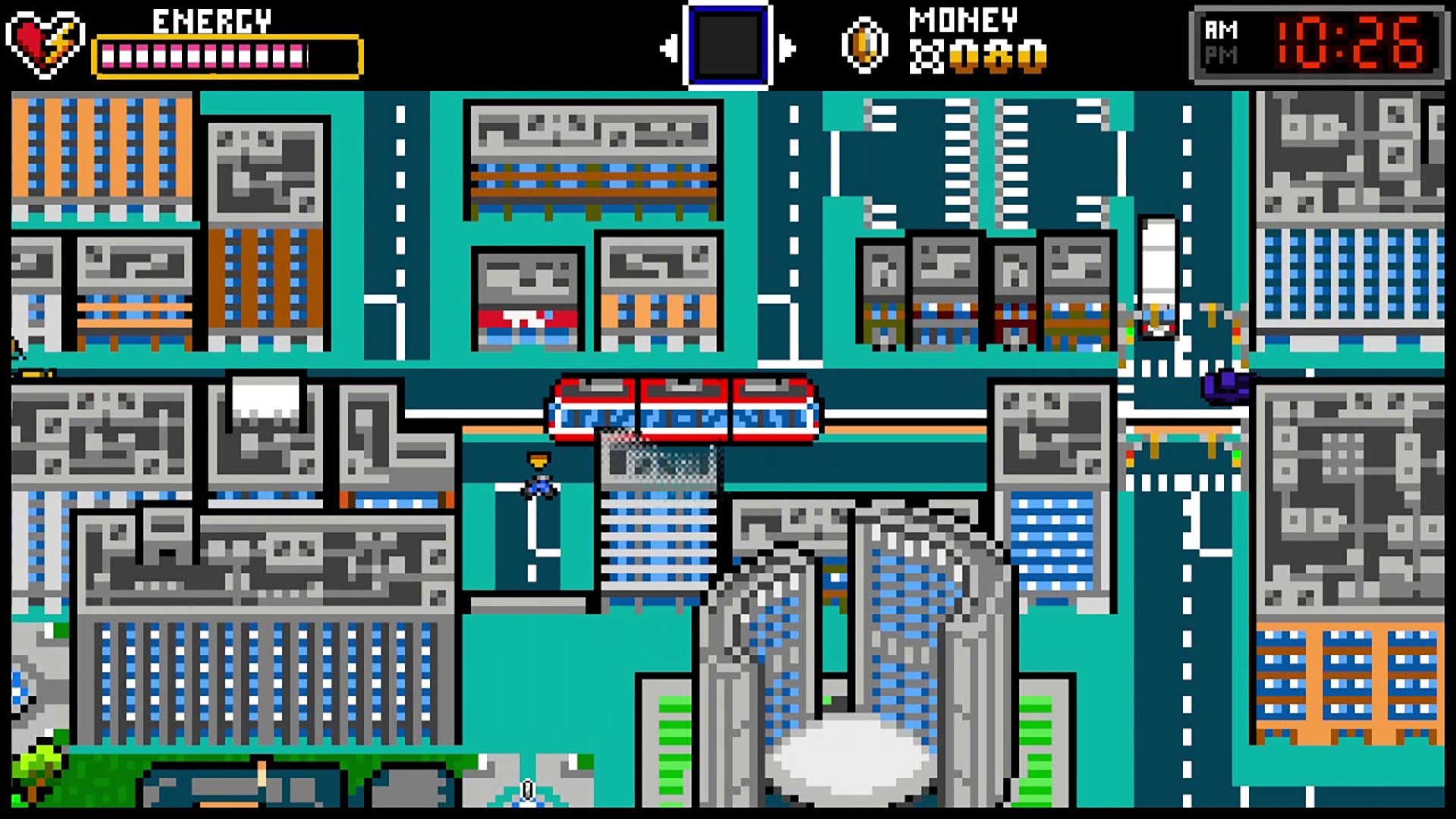
Image credit: Starspray Studios
Studio: Starspray Studios (Toronto, Ont.)
Description: Inspired by Scott Pilgrim vs. the World: The Game, Toronto animator Sean Browning wanted to make his own retro-inspired version of the city. In Retroronto, you play as an everyday Torontonian who has to get a job and pay the bills while exploring the bustling streets and seeing recognizable landmarks ranging from the CN Tower, Rogers Centre, and City Hall to the Art Gallery of Ontario, Moss Park Armoury and OCAD buildings. A nostalgic pixellated Toronto is certainly a novel twist on the classic life sim genre.
Featured developer: Sean Browning (studio founder, game director)
Why it’s set in Toronto: “I don’t think a lot of games do that, where you get to learn about a city. There’s no ‘virtual tourism,’ if you will, about that. And so one of my marketing buzzwords there is, ‘Let’s make this little game that is set in Toronto, but doesn’t just have it be a setting and mean nothing and just be this big empty space that you can just exist in. Maybe we can learn more about it.’ And I feel like there’s something there, especially for [that] underrepresentation in Canadian games. Let’s represent these cities!”
What Starspray wanted to depict with this setting: “I like to tell people about Toronto, of course, but also about city living in general. I talk to a lot of people who have come to Toronto for schooling or even to just start fresh, to make a new life for themselves. And I think there’s something really inspiring that Toronto can kind of give that. Maybe it’s ‘the Canadian Dream,’ if you will. And I feel like that’s worth trying to make a game around […]
[But] I don’t want to make some game that lauds Toronto as the beacon of ‘everything is awesome.’ I think there’s already that stereotype that Torontonians think they’re the centre of the universe.’ I really want to work against that stereotype. It’s something that I think will add a lot of character. It has its flaws. It has its problems. And I’m working to really try to add that, but also add the icing on the cake as well in regards to what’s really great about Toronto, but these are the problems that Toronto faces — [back] then as well as now.”
Retroronto doesn’t yet have a release date, but it’s set to launch on PC (Steam).
RollerGirl (TBA)
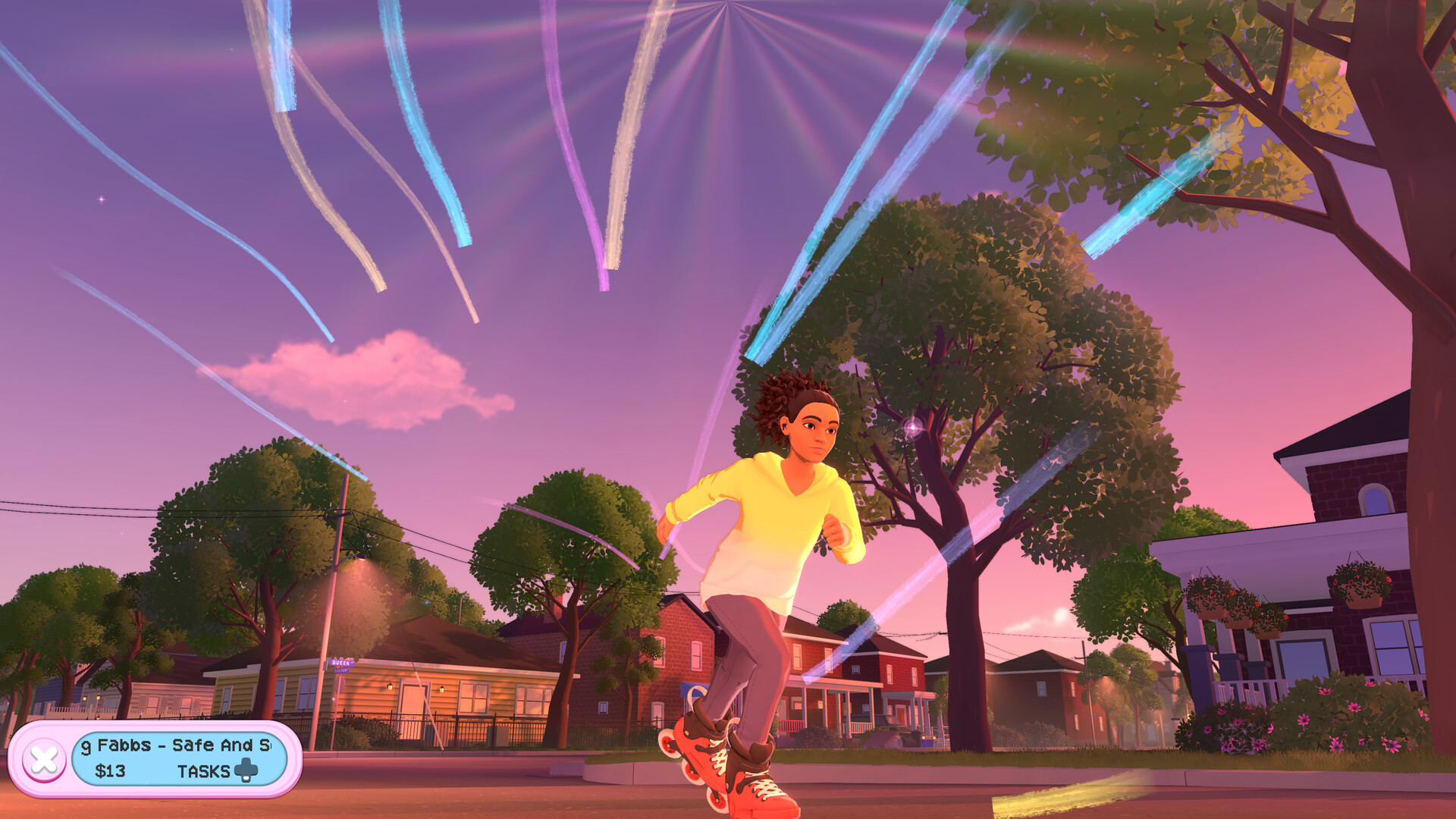
Image credit: Pushing Vertices
Studio: Pushing Vertices (Toronto, Ont.)
Description: Like many people, Belleville, Ont. native Indigo Doyle felt a bit trapped growing up in a small-town. Years later, that feeling would lead to her making a game inspired by that upbringing. Set in an unnamed rural Ontario town and featuring landmarks inspired by Belleville, RollerGirl follows 16-year-old Naomi as she rollerblades around to raise enough money to repair her broken car. With in-depth skating mechanics set to music from Canadian artists, a teen romance and even a larger mystery, this slice-of-life adventure holds a lot of promise.
Featured developer: Indigo Doyle (studio founder, creative director, writer)
Why it’s set in small-town Ontario: “It goes back to [the saying of] ‘write what you know.’ I was just sort of like, ‘Hey, I want to come up with this town, and let’s make it personal, since the whole story is personal.’ It’s really exciting to watch people play as me and skate by my house. It’s kind of surreal. It’s like you’re watching yourself in a different setting. It’s crazy. So the importance is definitely to just have it feel like it works with the story, and it feels, to me, like a nostalgic time and place. Then aside from that, it’s just also a great place to skate as well. Like rollerblading around, slightly empty roads that are just very smooth and kind of winding is just the best experience to me. When I’m rollerblading now in bigger cities, I’m like, ‘It’s not the same!’ It’s not the same because it’s not as quiet, it’s not as expansive, there’s not as much space. And so I think having that as the setting makes a lot of sense.”
What Pushing Vertices wanted to depict with this setting: “The small-town experience, I really wanted to have people experience because it lends to the whole narrative of the game of feeling slightly trapped in a small town when you’re 16. Being like, ‘Oh, I really want to explore past this and see what the world has to offer,’ but then not having a means to do so, and so the small-town experience is kind of quintessential to the entire story and the entire setting […] So I find a lot of people, when they’re playing the game, if they’re from pretty much anywhere in Canada, they’ll be like, ‘Oh my god, the water tower and the waterfront trail!’ They point out these areas that feel familiar to them, which is really cool to see that sort of shared experience.
RollerGirl doesn’t yet have a release date, but it’s set to launch on PC (Steam).
Often unseen Canadian history
Because of their interactivity, video games can be powerful educational tools. It can make learning about history, which can sometimes be dense or dry for people, much more engaging. With the following games, developers used the signature strengths of the medium to transport players to different periods in Canada’s history.
The Crimson Diamond (2024)
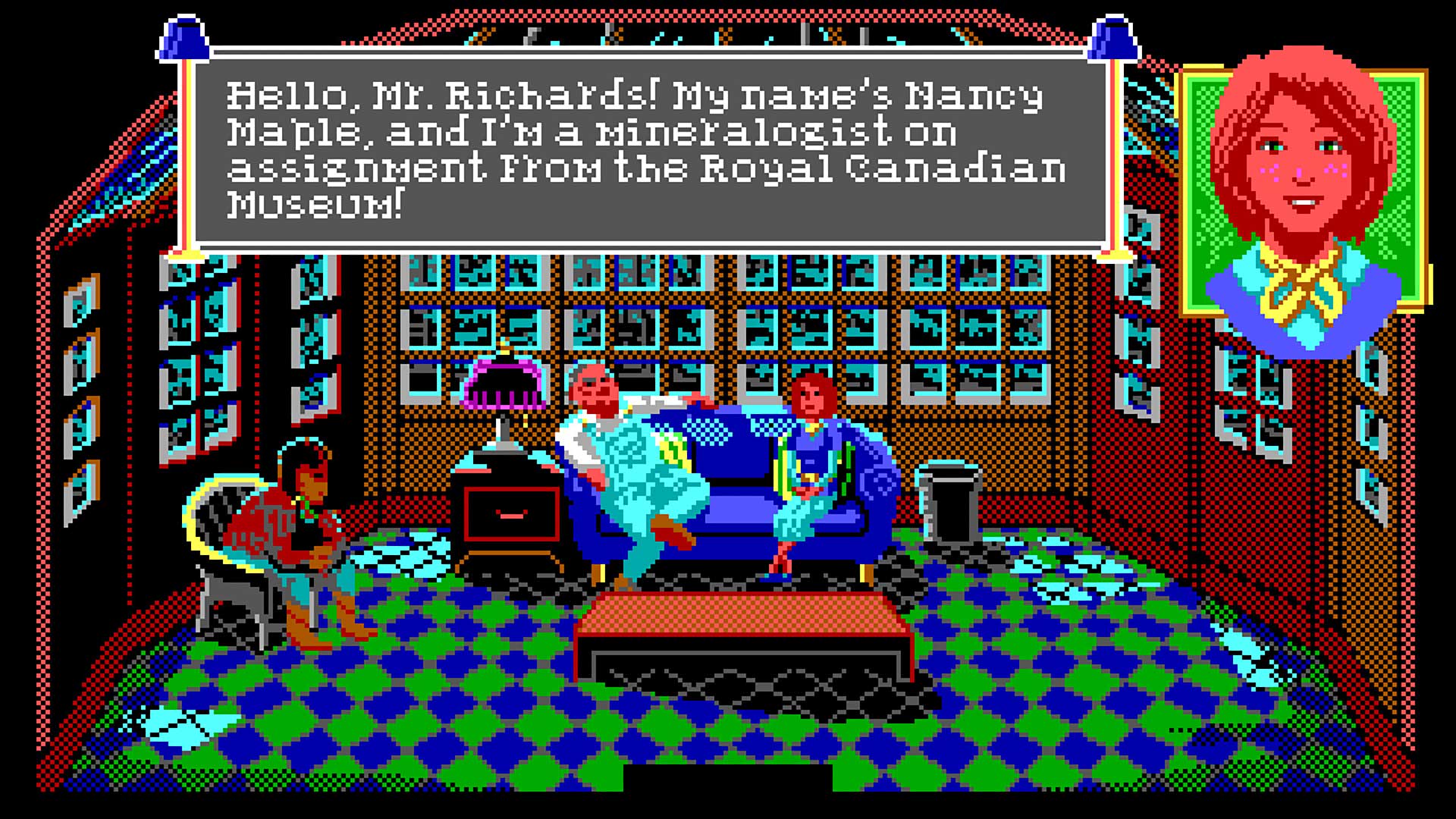
Image credit: Julia Minamata
Studio and featured developer: Julia Minamata (Toronto, Ont.)
Description: This mystery adventure game has garnered significant acclaim for its focus on cozy, retro-inspired, EGA text parser gameplay. You play as Nancy Maple, a clerk at the Royal Ontario Museum, as she travels to the fictional ghost town of Crimson, Ontario, to investigate the discovery of a massive diamond. So successful is The Crimson Diamond at capturing the spirit of its forebears that it even got a ringing endorsement from adventure game legend Roberta Williams (King’s Quest).
Why it’s set in rural Ontario: “I’m proudly Canadian, born and raised! My inspiration to showcase Canada, and northern Ontario specifically, was the Canadian Shield and its fascinating geology. Anyone who’s driven in that area will have noticed the jagged rocks jutting out from the ground along the highway. The Canadian Shield is one of the oldest geological formations on Earth. It just so happens that all of the world’s kimberlite diamond deposits are found in this type of shield area, really ancient rocks, be it in Africa, Australia, or elsewhere.
I knew I wanted to write a story about discovering a precious resource that would cause characters to converge on a location. Canada is blessed with tremendous amounts of mineral wealth, and gems are an appealing choice for a mystery story. Canadian diamond mines are a relatively modern development, but obviously the diamonds would’ve still been in the ground when The Crimson Diamond is set. Setting the game in Canada felt like a very natural choice, grounded (no pun intended!) in scientific and historical facts.
I actually think setting the game in Canada added to its appeal! Quite a few people have gotten excited when I mentioned this aspect. There aren’t that many games set in Canada, and players were eager to experience a new setting. Setting the game in Canada was also an opportunity for me to learn more about Canadian history. To be honest, when I set The Crimson Diamond in Canada, I wasn’t thinking of commercial appeal. It’s a retro-styled text parser cozy mystery adventure game. I made the game and set it in Canada because that’s what I wanted to make.”
What Minamata wanted to depict with this setting: “It was important to me to situate the story of The Crimson Diamond within an accurate historical context. I did a fair amount of research to make Crimson, Ontario, feel like a real place. I modelled the backstory for Crimson after the stories of Ontario ghost towns that actually did exist, booming and busting. Because the fictional history of Crimson closely resembles actual history, players may find that it feels familiar and realistic.
Canada not only has a wealth of mineral resources, but also lumber and fresh water, among many natural assets. So many of our policies and settlement patterns have been dictated by the management (or mismanagement, as the case may be) of these resources. I made sure to include a bit of discussion about the environmental impact of resource extraction in The Crimson Diamond. Diamond mines are open-pit mines, which have a huge environmental impact on an area. Not to mention mine tailings and overburden, which have too often been left behind long after a mine has been shut down. I wanted to depict the consequences that short-sighted planning and lack of oversight can have on an area. Players can see this in the epilogue of the game, depending on their choices.
Culturally, it was crucial to address First Nations issues in a well-informed and sensitive manner. It would be impossible for me to write a story about Canadian settlement in the early 1900s without including the treatment of First Nations peoples by the government. One of the characters in The Crimson Diamond, Nathan Cardinal, is Swampy Cree. I hired Sonya Ballantyne, a Cree cultural sensitivity consultant, to ensure I told his story and history authentically. I strongly recommend that if you’re planning on writing a story that includes perspectives that aren’t your own, to hire people who do have those perspectives. Your story will be better for it.”
The Caribou Trail (2026)
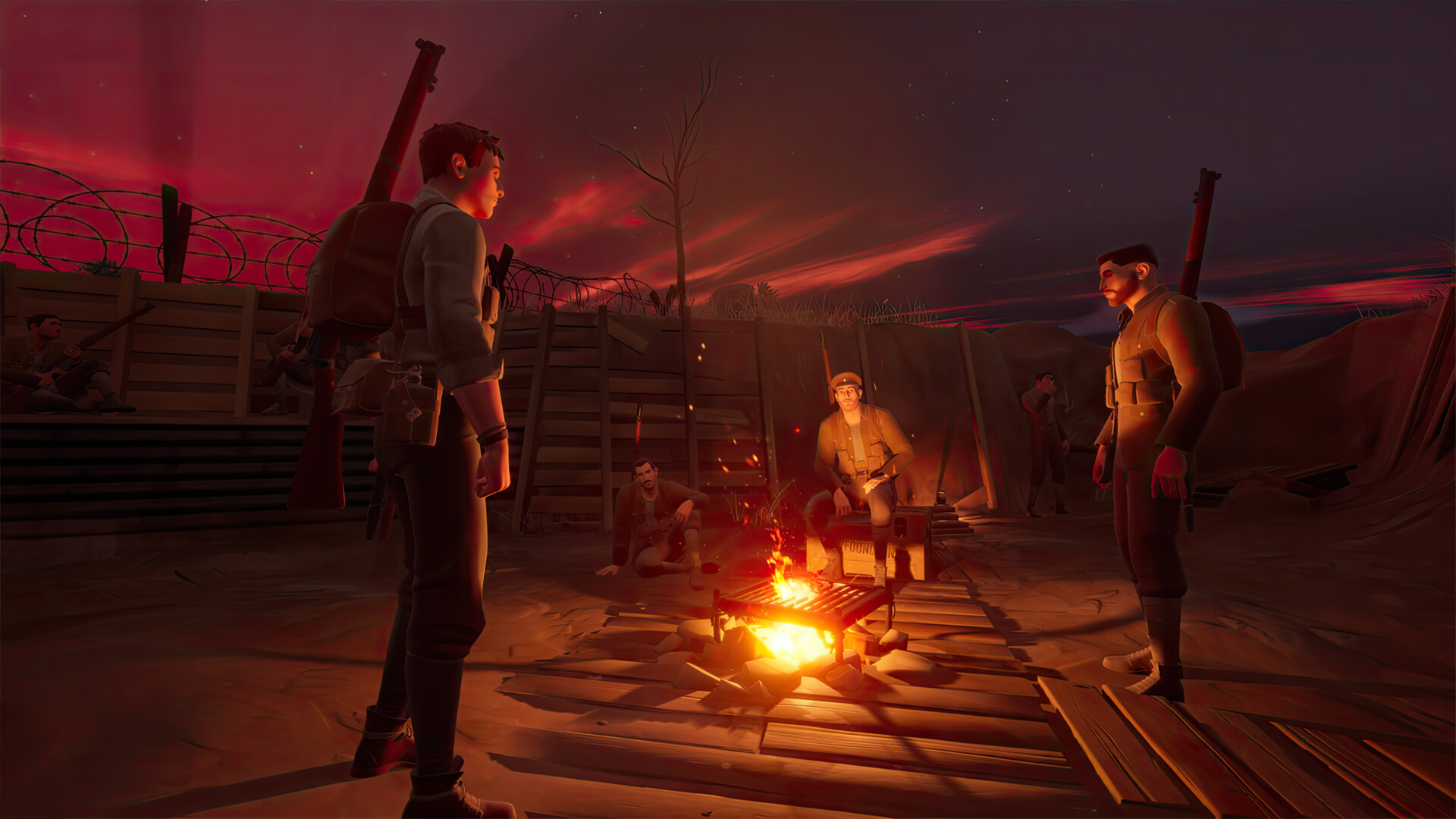
Image credit: Unreliable Narrators
Studio: Unreliable Narrators, Manavoid Entertainment (Montreal, Que.)
Description: The Caribou Trail is a unique entry on this list for several reasons. While it’s not actually set in Canada, it tells the riveting story of the Newfoundland Regiment in 1915 as it takes part in the Gallipoli Campaign in the Ottoman Empire (what’s known today as Turkiye). Many gamers likely don’t realize that Newfoundland wasn’t actually yet a part of Canada during this time, and on top of that, the then-British colony was populated by entirely inexperienced soldiers. The Caribou Trail is a powerful tribute to their bravery and resilience.
Featured developers: Francis Rufiange (Unreliable Narrators lead designer), Louis Nantel (Unreliable Narrators designer)
Why it’s about Newfoundland: “What’s interesting about that story and why we chose to do it is that Newfoundland, at the time of the Great War, didn’t have an army at all. It’s just a bunch of fishermen and lumberjacks and whatnot who just arose to the occasion. And so it was the sense of these people who should not have been there. They’re not experienced soldiers. There wasn’t any military in Newfoundland. But yet, they formed a regiment […] That a story worth telling in itself, about all the sacrifices that they made. They accomplished a lot, and it wasn’t expected of them to do so.” — Rufiange
“They were this tiny fishing community isolated from their European main central power. And they had this strong desire to prove themselves. When the news of the war came over the Atlantic and all of that, there was this great push to show that, yes, Newfoundlanders are capable, and they can contribute to their nation.” — Nantel.
What the developers wanted to depict with this setting: “We didn’t want to tell a traditional story that you would find in an FPS about making these huge advancements and conquering this part, or moving the line for capturing or recapturing this village, or whatever. It was more about the human side, and the human toll of the war, and Gallipoli pretty much happens at the start of the war, and is such a disaster.
It’s such a disaster both in terms of lives lost, yes, but also just the complete mess that they were thrown in and the living conditions […] They’ve trained for months and months, and here they are, sent to this place — at the time, the Ottoman Empire, what is Turkiye today — thinking they’re going to accomplish a great thing. But then reality hits them in the face. So it was almost like a coming-of-age; they all matured immediately as they arrived there. It’s no longer a summer camp — it’s a disaster.” — Rufiange
The Caribou Trail is now available on PC (Steam/Epic Games Store) and will release on PS5 on July 7.
Button Man (TBA)
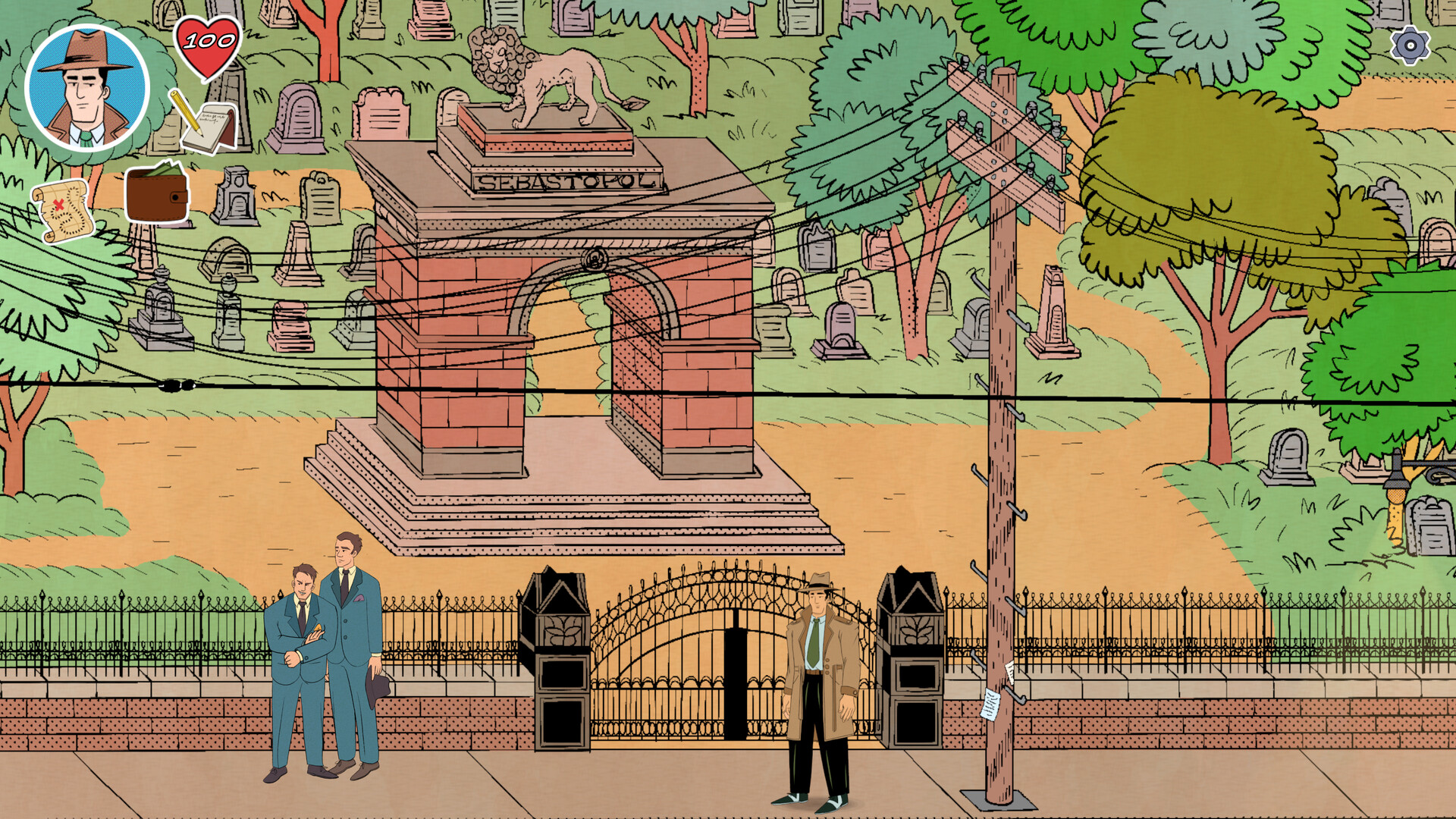
Image credit: Styrax Studios
Studio: Styrax Studios (Halifax, N.S.)
Description: We’ve gotten countless gangster stories over the years, but how often can you say you’ve seen one take place in Nova Scotia? Enter Button Man, a side-scrolling adventure set in a fictional prohibition-era Halifax. As Bruce McKenzie, you’re tasked with investigating the murder of your boss, the local kingpin, through a compelling mix of beat ’em and point-and-click gameplay. If all of that weren’t enough, the game’s version of Halifax is brought to life with ample colour and personality through its delightful comic book-inspired hand-drawn aesthetic.
Featured developer: Ron Ismach (studio founder and game director)
Why it’s set in Halifax: “From the start, I was looking to make a mafia-inspired game but set in a place that’s truly unique. I wanted to purposely avoid setting it in the usual places since they are oversaturated with stories. The more I developed the story, the more Halifax just started to seep into it, first by providing us the look and feel and later the rich history that is tied to bootlegging, organized crime, and conspiracy. The game’s world started to adapt to the history of Halifax, and I for one am glad for it, because Halifax has so much unexplored history in this type of media, and it deserves to be shown to the world.”
What Sytrax wanted to depict with this setting: “Halifax became the first place I really called home, and where I settled down, married, and found a community of like-minded people here. Aside from showing the landmarks of Halifax, I wanted to depict the feeling and warmth that you get walking the streets and talking to people. I found the friendliest people in Halifax, ones ready to help one another, share their stories, and complain together in harmony. That is part of what I want to explore in the game alongside its history and aesthetics.”
Availability: Button Man doesn’t yet have a release date but it’s confirmed to launch on PC (Steam).
Honourable mentions
When you factor in games that feature Canada in some capacity, especially from non-Canadian developers, this already big list could have gotten even bigger. But we still want to give a few others a brief shoutout:
- Clarevoyance (Clare, N.S.-based Fring Frang) — an adventure game set in the mythic Acadian region of Clare, N.S.
- Crosscountry Canada (Vancouver’s Ingenuity Works) — educational games from the 80s onward set in Canada
- Dawn of the Monsters (Toronto’s 13AM Games) — a kaiju beat ’em up featuring Toronto as one of its five major locations
- Dungeon Lurker (Toronto’s 13AM Games) — a retro action roguelike featuring fully hand-crafted levels
- The Eventine (Studio Reset, founded by a trio of former BioWare developers) — set in a TBA part of Canada
- Kona and Kona II: Brume (Montreal’s Parabole) — both games are set in ’70s Northern Quebec
- Mass Effect 3 (BioWare Edmonton) — the opening level is set in Vancouver
- Open Roads (Open Roads Team) — part of the game is set in Ontario
- Rainbow Six Siege (Ubisoft Montreal) — one of the playable Operators is Thunderbird, a Nakoda woman from Saskatchewan
- A Short Hike (Toronto’s adamgryu) — heavily inspired by creator Adam Robinson-Yu’s childhood experiences visiting Ontario’s Algonquin Provincial Park
- Soma (Frictional Games) — begins in a futuristic, dilapidated Toronto
Because this piece ended up being so long, we also have a (shorter) companion piece featuring commentary from these developers — plus a few others — about how to continue this trend of games set in Canada.
What are your favourite games set in Canada? Let us know in the comments.
Image credit: Sunset Visitor/Extremely OK Games/Hinterland Studio/Julia Minamata/Unreliable Narrators/Visai Games
Update: 20/05/2026 at 11 a.m. ET — Added Clarevoyance and a new project from Edmonton-based Studio Reset in the honourable mentions section.
 Features
  Sponsored
  Features
  Features