


Reviewing something like The Legend of Zelda: Ocarina of Time (2026) honestly feels a bit pointless.
It’s a remake that hews so close to the all-time classic upon which it’s based that there’s not all that much to say. Ocarina of Time was a groundbreaking game on the Nintendo 64 in 1998, and it remains an incredible game to this day. And so, a Nintendo Switch 2 remake that basically just gives you that exact same experience again, but with a few extra bells and whistles, more or less sells itself. That will be more than enough for most people.
But I come from the camp of wanting just a bit more from a gaming remake, especially when the source material is still readily available. (In this case, Ocarina of Time already got a big 3DS remaster, while the original version of the game is available on Nintendo Switch and Switch 2 via Nintendo Switch Online.) Indeed, I would have liked to see some creative ambition here. Legendary Zelda producer Eiji Aonuma (who directed the original Ocarina of Time) even recently said he was surprised the remake team didn’t make more changes.
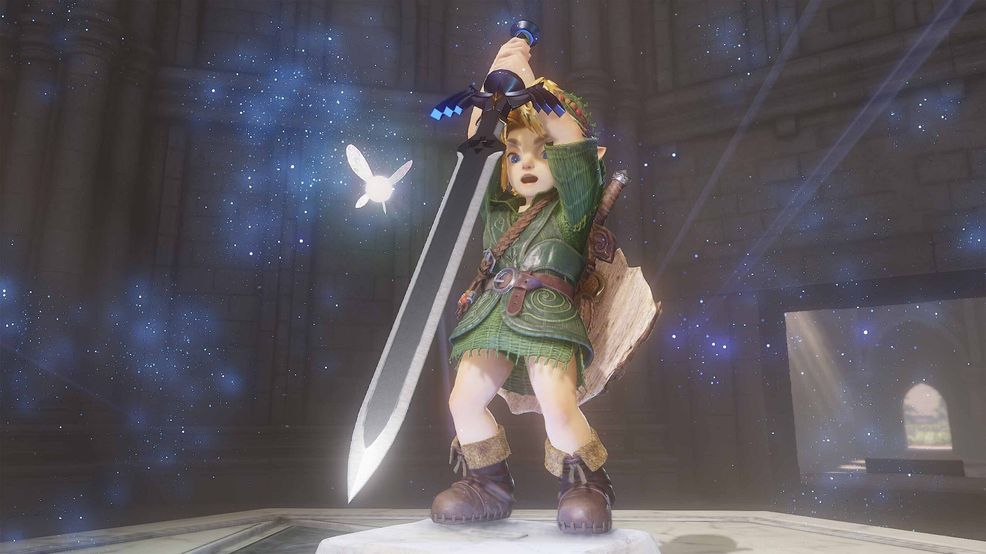
All of that is to say that my thoughts on the remake are pretty minimal. If nothing else, I will give Nintendo credit for the visuals. I was initially put off by the puppet-inspired character models, but I’ve warmed up to them, and on a wider level, the vibrancy and texture that it brings to Hyrule is undeniably impressive. The smooth patterned fabric of Link’s green tunic bobbing left and right as he runs. Lush grass, flowers and tree leaves softly blowing in the wind. Navi’s glow glistening on pots before you smash them into a million jagged little pieces. From a graphical perspective, it’s a proper reimagining, not just a facelift of the N64 or 3DS versions.
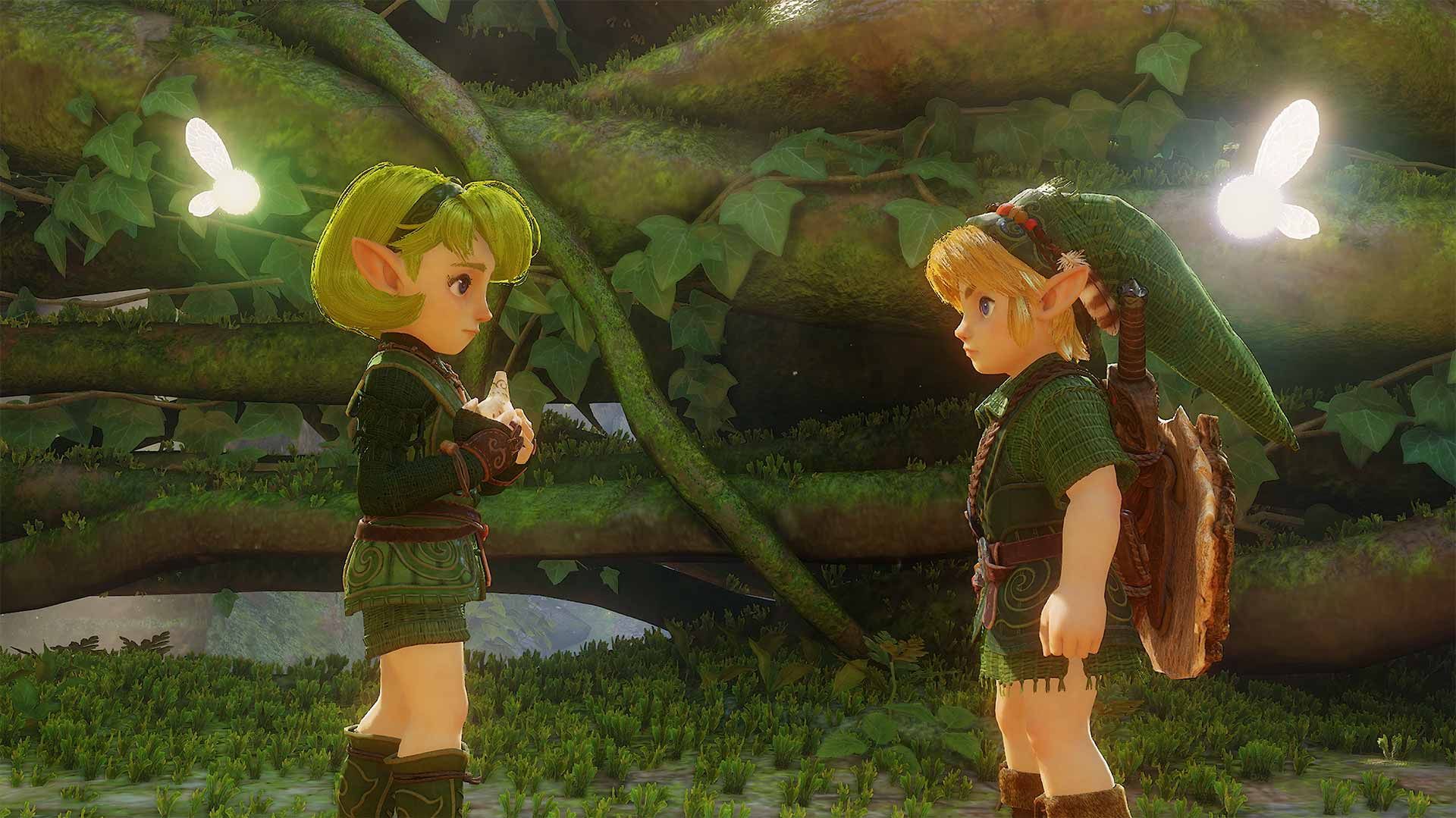
And I do appreciate some of the gameplay tweaks. You can manually jump as opposed to automatically doing so on ledges, which affords you a newfound level of control over Link. A new Breath of the Wild-esque inventory system streamlines item management. Intuitive gyro controls can now be used to aim your bow. There’s even some expanded dialogue (and some voice acting) for certain characters, even if this is still a pretty thin narrative on the whole. All of this stuff is certainly nice to have.
But fundamentally, I was hoping to be even a little bit surprised beyond surface-level things. Sure, a litany of small tweaks have been made across the board — different enemy placements here, altered Hookshot targets there. Diehard fans will no doubt argue about how much of a difference these subtler changes make, for better or worse. But for me, it’s still fundamentally the same game, which isn’t as exciting as the many other remakes we’ve gotten.
I’m certainly not immune to nostalgia, but remakes are most exciting to me when the developers take a more thoughtful approach with them. Take 2019’s Resident Evil 2, which dramatically reinvented a PS1 classic with modern third-person shooting mechanics and a completely expanded story.
And in the years since, Square Enix has been releasing its Final Fantasy VII Remake trilogy, a meta deconstruction of both Final Fantasy VII and the concept of remakes entirely. The original games will always exist if I want to experience them, so I greatly appreciate those bold swings with the remakes. They let me simultaneously appreciate the original creative visions while recontextualizing and reimagining what I loved about them in the first place.
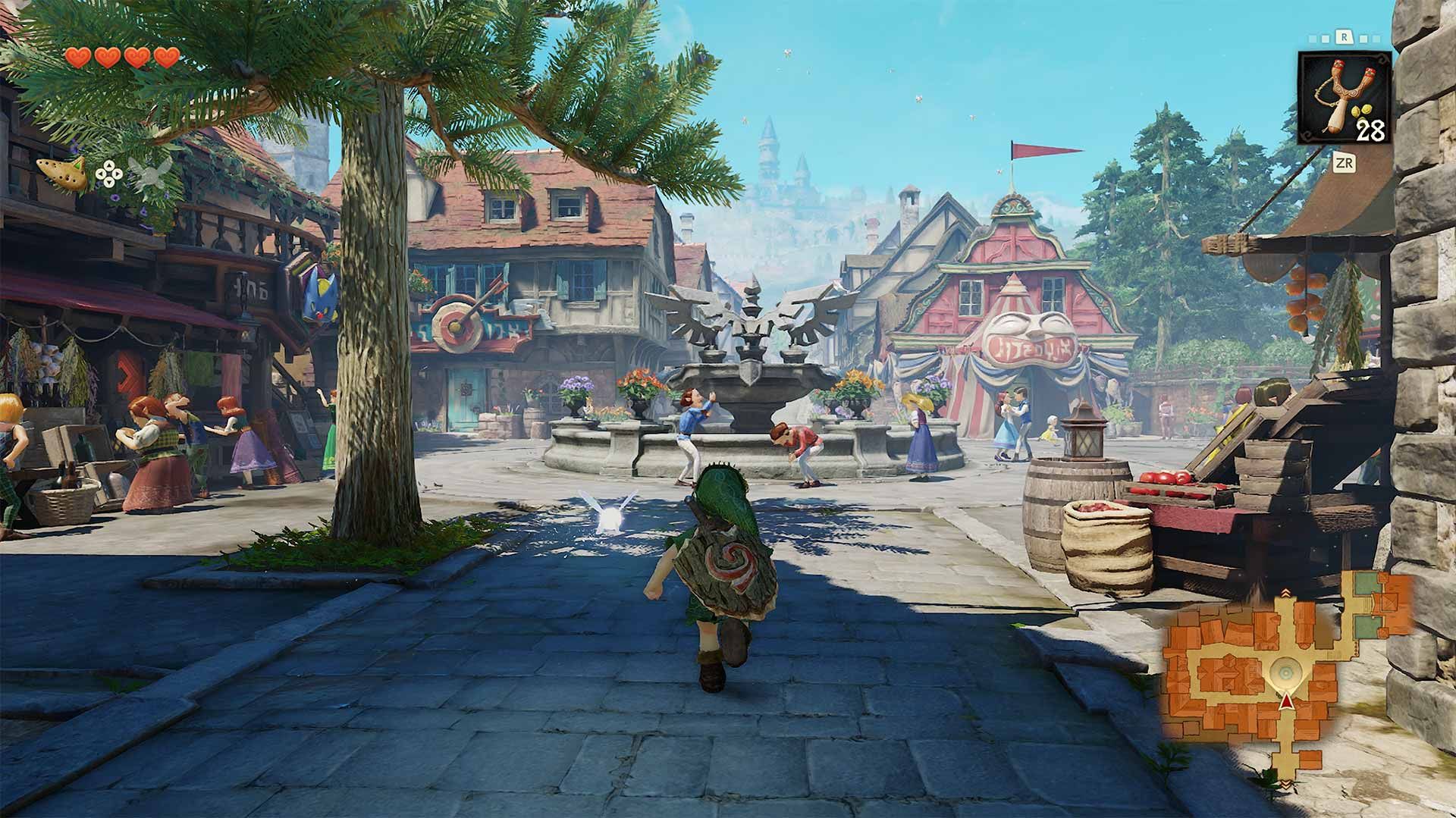
And so, this new Zelda remake leaves me feeling not unlike Aonuma, who had said: “they could be making more changes.” Yes, Ocarina of Time (2026) looks pretty, and some of the gameplay tweaks are most welcome, but the experience is ostensibly the same. For many, it’ll be comfortably safe; for me, it’s boringly safe. And personally, I don’t think that’s enough for $100 (or $85 if you buy digitally). But of course, so many people have so much nostalgia for that N64 classic that they’ll happily spend that much, and I can’t begrudge them that.
Anyway, see you all back here in a few years when Nintendo inevitably uses these assets to remake Majora’s Mask, the very best Zelda.
The Legend of Zelda: Ocarina of Time launches exclusively on Nintendo Switch 2 on Nov. 5.
Image credit: Nintendo
 Reviews
 Gaming
 Reviews
 Reviews
