


I’ve never been much of a Black Friday shopper, but I’m usually able to find at least one deal that seems worthwhile. This year, not so much.
With Black Friday and Cyber Monday in the rear view now, I’m left wondering what happened to the good deals. I’ve been monitoring sales, particularly in tech, for years as part of my job here at MobileSyrup. And even before that, I worked at Best Buy and other retailers, so I’ve got over a decade of experience with Black Friday and other holiday sale periods. This year, very little caught my eye, and I had a tough time finding offers worth recommending.
Take wireless, for example. At best, deals were the same as last year, and in many cases, offers were worse. Last holiday season, I picked up a great $35/50GB plan (which later got bumped up to $35/75GB), and there were other plans like $34/60GB and $39/100GB options.
This year, however, the main “deal” on offer from various providers was $40/60GB. There were also some $39/70GB offers from the likes of Freedom, which is better, but not as compelling as what we saw last year.
Moreover, we know the average Canadian only uses about 9GB of mobile data per month, yet carriers keep pushing plans with larger data buckets that most people won’t use. I don’t want to pay more or get more data; I want to pay less and get less data, and I imagine most people feel similarly.
Somehow, carriers made $0 smartphones cost more than buying outright
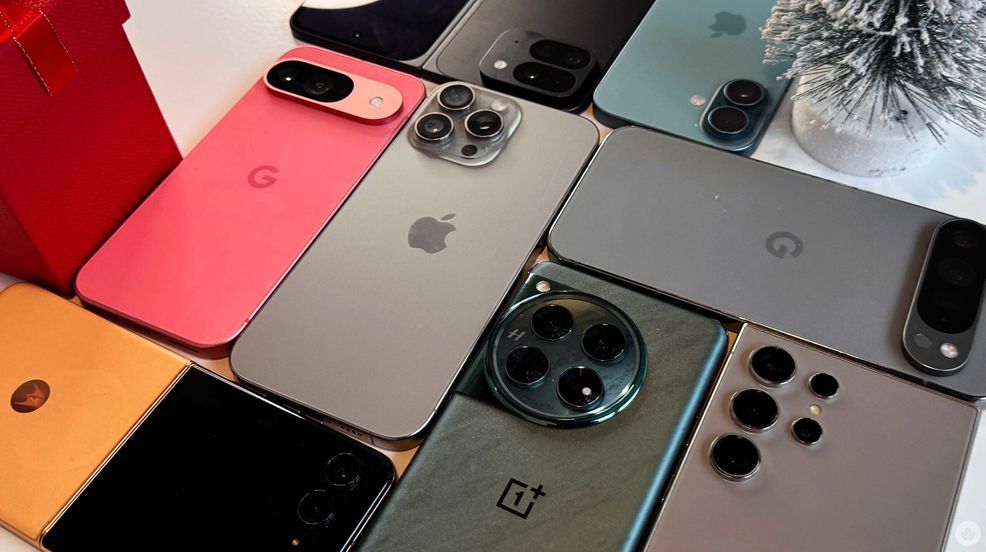
Worse, when it comes to buying phones, many of the deals didn’t actually offer much in the way of savings. Several providers offered “free” phones, but in most cases, those deals were tied to exorbitantly expensive wireless plans.
Take, for example, the iPhone 16 — it was listed for $0/mo financing, but only on a $115/mo plan at the likes of Bell and Rogers. That totals $2,760 over 24 months, not including the fact that you need to return the phone at the end of the contract or pay more to keep it. But the iPhone 16 only costs $999 if you buy it from Apple, which means if you buy it outright from Apple and get any plan at $70/mo or less, you actually save money compared to the carrier “deal.”
Of course, not every deal was that bad — Freedom Mobile, for example, had the iPhone 16 for $0/mo on a $69/mo plan if you return the device at the end of your contract, but I’d argue most people are still better off with an outright purchase and a cheaper plan.
Looking beyond telecom, Black Friday sales as a whole did see a six per cent increase in Canada, per Salesforce data reported by Retail Insider. However, use of buy now, pay later (BNPL) programs also climbed from 2.8 per cent last year to over five per cent this year, suggesting more people are relying on financing services to afford deals. The average discount remained mostly flat, climbing one per cent to an average of 28 per cent this year. And we did see some good offers, such as the deals on PlayStation 5 — a welcome discount while Nintendo and Microsoft raised prices on their respective consoles this year.
Unfortunately, this situation isn’t likely to improve any time soon. Ahead of Black Friday, executives from Telus and Bell spoke at the Desjardins Toronto conference — they seemed confident that wireless deals were cooling off and going back to normal, with both companies focusing on home internet deals instead. Unfortunately, that likely means Boxing Week will also be a dud for wireless deals.
 Features
  Features
  Features
  Features