


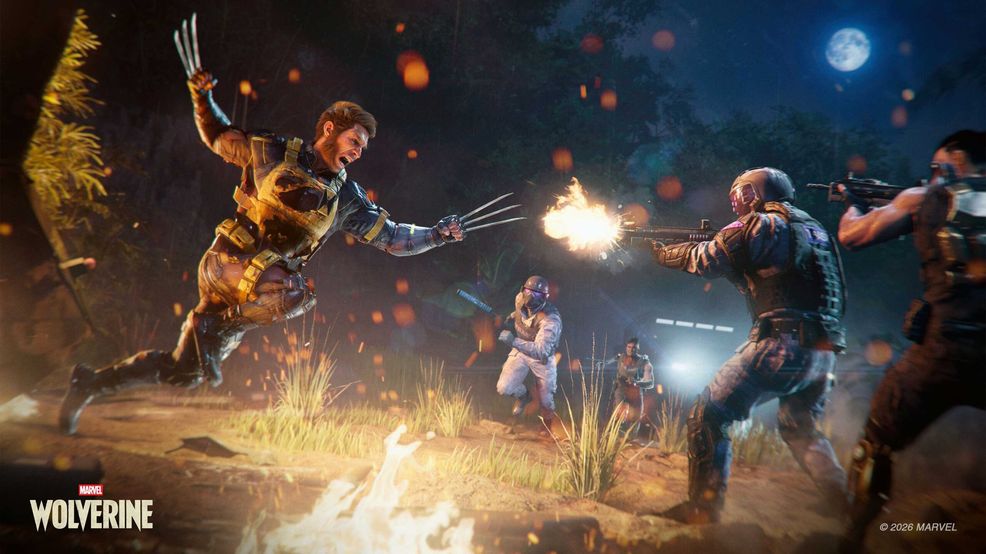
Marvel’s Wolverine is nearly upon us.
Five years after its initial reveal, developer Insomniac will launch the action-adventure game next month. Besides being the first big game in many years to star the ever-popular Wolverine, there’s been particular excitement over this project due to Insomniac’s work on the beloved Marvel’s Spider-Man series.
Last month, MobileSyrup visited Insomniac in Burbank, California to go hands-on with Marvel’s Wolverine and hear from the development team. You can check out our preview for full impressions, which includes some sequence-specific insights from creative director Marcus Smith. For this piece, though, we sat down with Smith for a wide-ranging chat. In it, we talked about the differences between working on Wolverine vs. Spider-Man, landing on this particular pre-X-Men story, how the team designed combat around the “unkillable” Wolverine and buzzworthy Canadian locations in the game.
Insomniac has made three Spider-Man games at this point. What were the biggest lessons you learned working on those that you’re bringing into Wolverine?
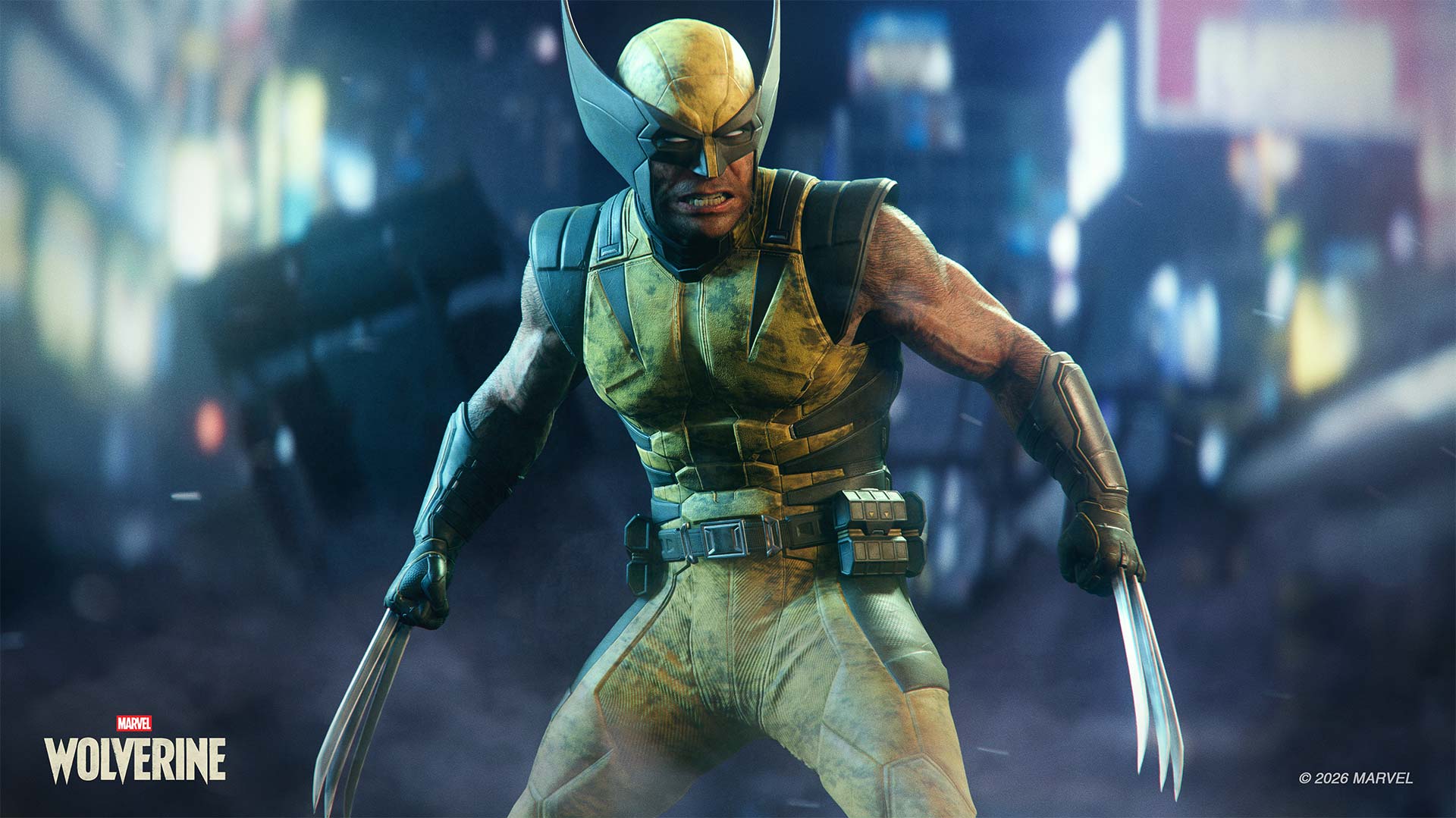
Marcus Smith: I think that our take on making the combat more cinematic and those moments where you get in close and you really feel the visceral nature of it. Obviously, authoring with haptics helped us a lot. So every project we do here is always built on the shoulders of the projects before. Spider-Man, obviously, was huge for us to be able to build off of. But then, of course, we branch into very different aspects as well. While Spider-Man is a “Friendly Neighbourhood Spider-Hero” and he is in New York, we are telling a tale [in Wolverine] that is globe-hopping, so that precipitated us to do a lot of smaller areas instead of one big open-world. Wolverine is not necessarily a hero known for his traversal abilities; he doesn’t swing across cities or anything. So that meant that our layouts and designs, our missions, were much more consolidated than they were [in Spider-Man]. So we base everything off of what we had built, but then we deviate pretty heavily, pretty quickly.
In that same vein of basing off of things, but then deviating as well… There’s decades and decades of Wolverine comics and media and all these things that you could draw from. Are there any particular storylines that were a source of inspiration before you put on your own spin?
Smith: Hopefully, hardcore fans will appreciate the nods that we do in comic book cover reenactments in some of our shots. We really were looking for a unique spin on it. So while we did do a lot of reference-digging, and we looked at all of the media of which Wolverine has been a part of, we really did try to tell an original story. So I couldn’t point to one particular run.
You’ve made it clear that the X-Men aren’t around at this point in your story; you’re focusing on Team X before all of that. What was the inspiration behind going with that storyline and having him paired with people like Mystique and Sabretooth?
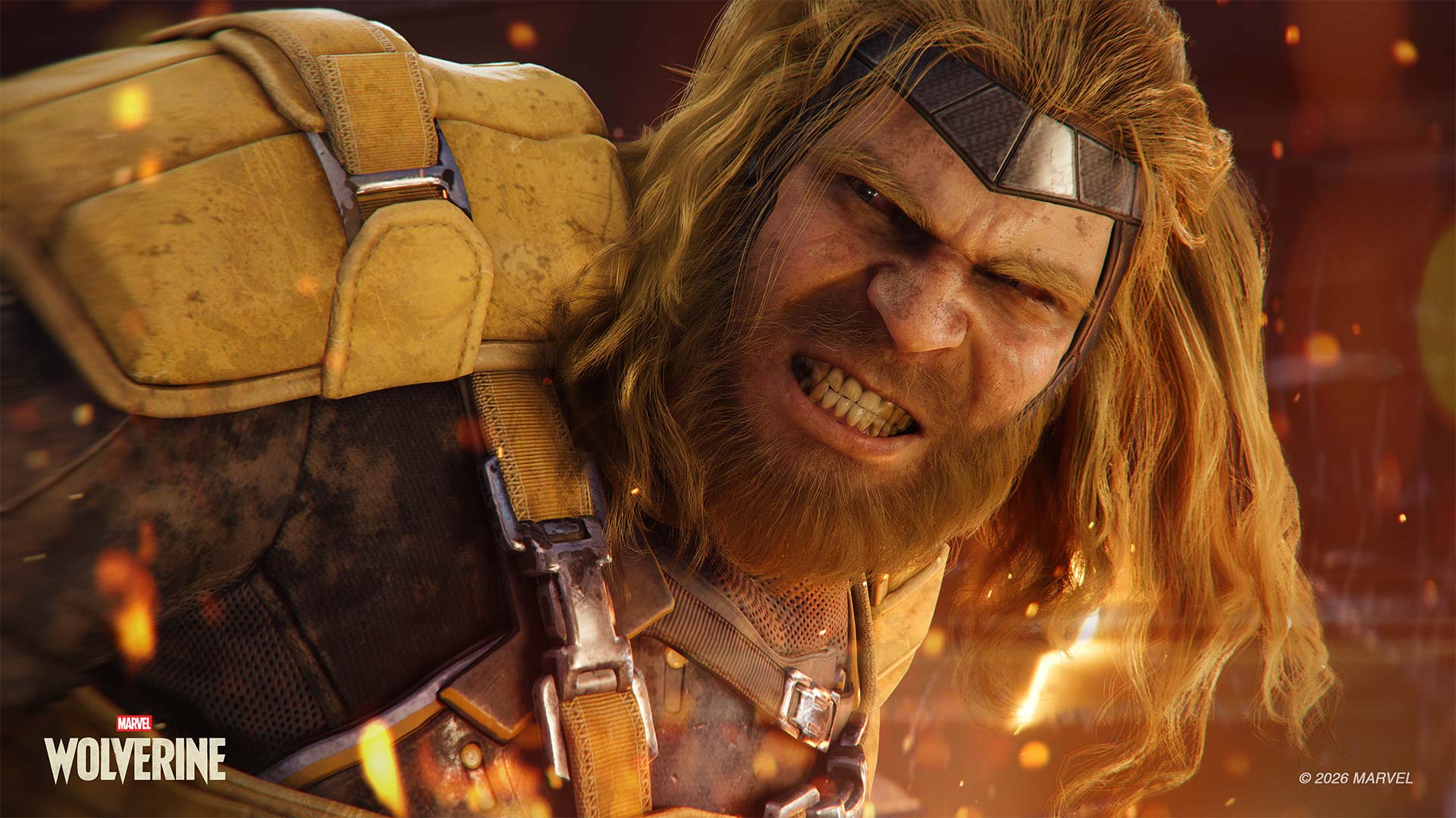
Smith: Our goal always is to be as true to the character as possible, with some exceptions. Obviously, given a choice, Wolverine would rather be in the woods in a cabin alone, not talking to anybody. So we need to pair him with strong personalities to bring out the best. Ultimately, we’re telling a Wolverine game. It’s called Marvel’s Wolverine, so we need him to be the star of his game, and that means that we wanted to not suck the oxygen out of the room by having a broader cast of even bigger characters, and really just focus on Wolverine and his relationships with the characters that we’re bringing to the table in this story.
In the second half of the demo, Essex (AKA Mr. Sinister) played a big role. I’m sure you can’t say too much about him, but in a larger sense, seeing that kind of reminded me of playing Spider-Man with Doc Ock, which was a cool surprise. What was the idea behind bringing Essex into the story?
Smith: There are certain characters that you have to have when you’re talking about building a Wolverine game. Essex, again — how do we stay true to a character but bring something new? The idea that he’s the one who forms Team X, and he’s the one who really brings this family together, I think, is really important to draw out that personality and that conflict of how his moral code and Wolverine’s moral code can run afoul of one another.
I’m from Toronto, so thank you for including all that Canadiana in the game. People really popped off when they saw that in the State of Play demo — Squamish, North Vancouver, everything. I know this is a globe-trotting adventure, and there’s a bunch of places you go to, but Wolverine is a Canadian character, and we don’t often actually see that reflected in media. How did you settle on him actually going to Canada and that it would be a major part of some of the sections of the game?
Smith: First of all, one of our art directors, Gavin [Goulden] — he lives in B.C., so we had to have Vancouver represented properly, or he wouldn’t be able to go home. [laughs] Wolverine’s Canadian, so we obviously need to spend time there. In our case, I don’t want to reveal too much, but we knew that Canada was one of the locations you had to spend time in. So you’ll spend more time in parts of Canada.
Was that up to Gavin to decide some of the things that you wanted to include there? Because people were pointing out, “Oh, there’s the sulphur pile, there’s Canada Place, Squamish” — all that background stuff. How did you guys land on those little touches? Was that all Gavin just pulling from his back area?
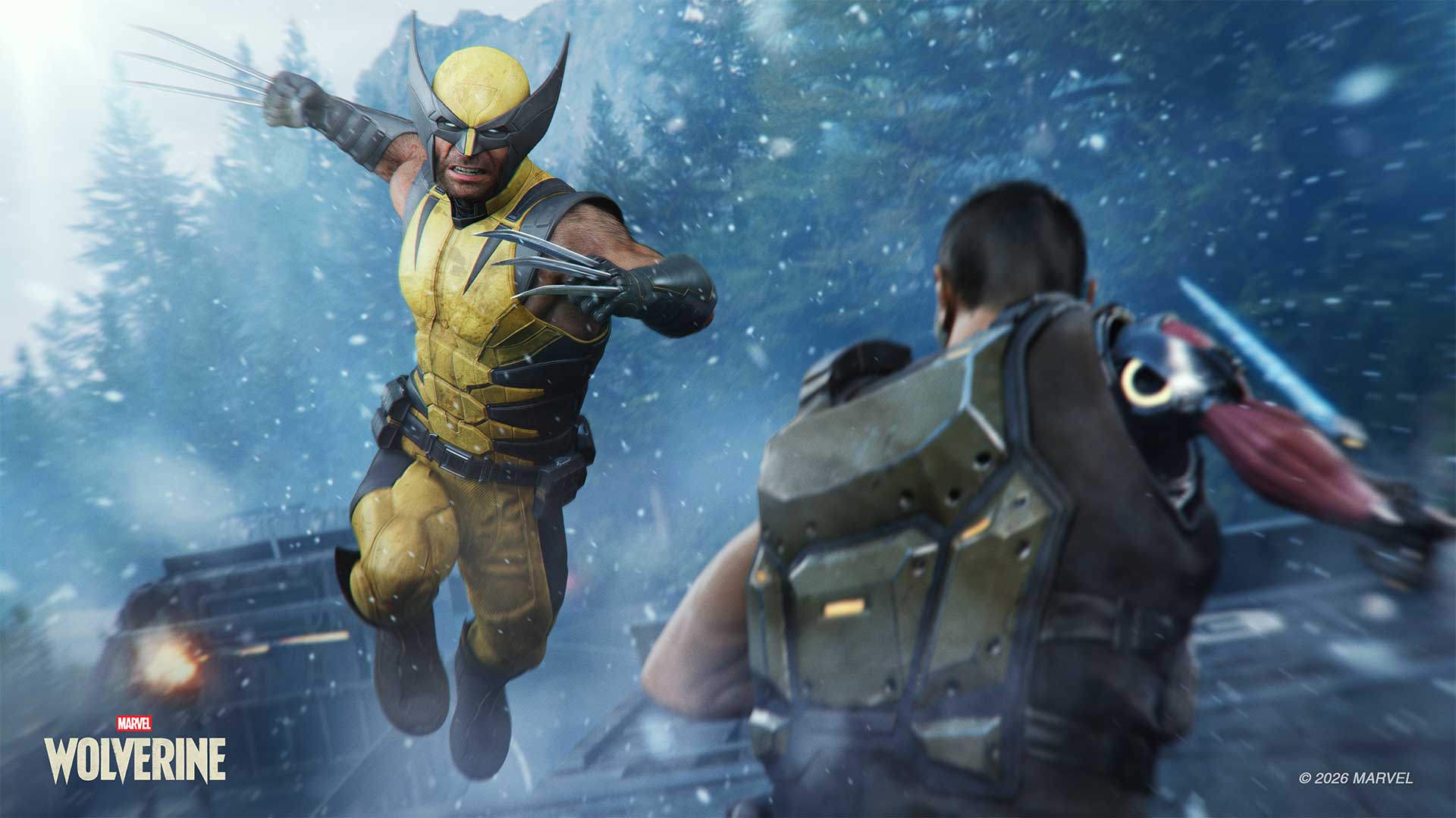
Smith: I don’t want to give him all the credit because certainly it was a whole team effort! We had decided that we were going to be using Vancouver for one of our mission areas. It is funny; we weren’t sure if everybody was going to understand the sulphur piles outside of [people from] that area. [laughs] It’s confusing to see this giant yellow pile! But it’s also great because one of our artists went on vacation up there recently and took a picture of the pile and was like, “There it is!” So it really was, we figure out first where we’re going to go and how it fits into the narrative, and then we just do a ton of research to make sure that we’re representing it properly.
I saw it was also teased that there’s frozen Canadian wilderness as well in the game. Is that part of Alberta? [Wolverine is originally from Cold Lake, Alberta.]
Smith: No. That’s my only answer. [laughs] We’re mostly West Coast, is what I’ll say.
Totally fair! Another thing that people really loved when they saw the State of Play demo is the hair on Wolverine.
Smith: [laughs] He’s a hairy dude, yeah!
Not just on his head, but the arm hair, specifically — people were really excited about in terms of fidelity and detail. I’m curious — what goes into “arm hair tech?” Especially because this is a character who’s getting torn to shreds as he’s fighting and regenerating — what actually goes into making a very realistic hairy arm?
Smith: Honestly, our technology groups and our art tech groups do witchcraft. I have no idea — it’s a black box to me how they’re able to pull it off. But a lot of time and effort went into body hair and what is enough and not enough. Man, I can’t tell you how many meetings were involved talking about body hair. [laughs] It’s more than I thought I would ever be in in my life, honestly.
We’ve come a long way because I remember there’s that great gag in Spider-Man where he says he has three chest hairs and you zoom in and see three chest hairs. [laughs] And now you have Wolverine whose body is half hair.
Smith: [laughs] It’s all hair, yeah! It’s blood and body hair that you know you had to do a good job on.
Speaking of blood… There’s this three-tier rage system and healing. And you were talking [in the pre-demo presentation] that he’s seen as an “unkillable” character, even though he can die. From a design perspective, how do you strike that balance where you want there to be stakes, you want him to be able to be vulnerable and be able to die, but also including that health bar and rage — how did you settle on that fine line?
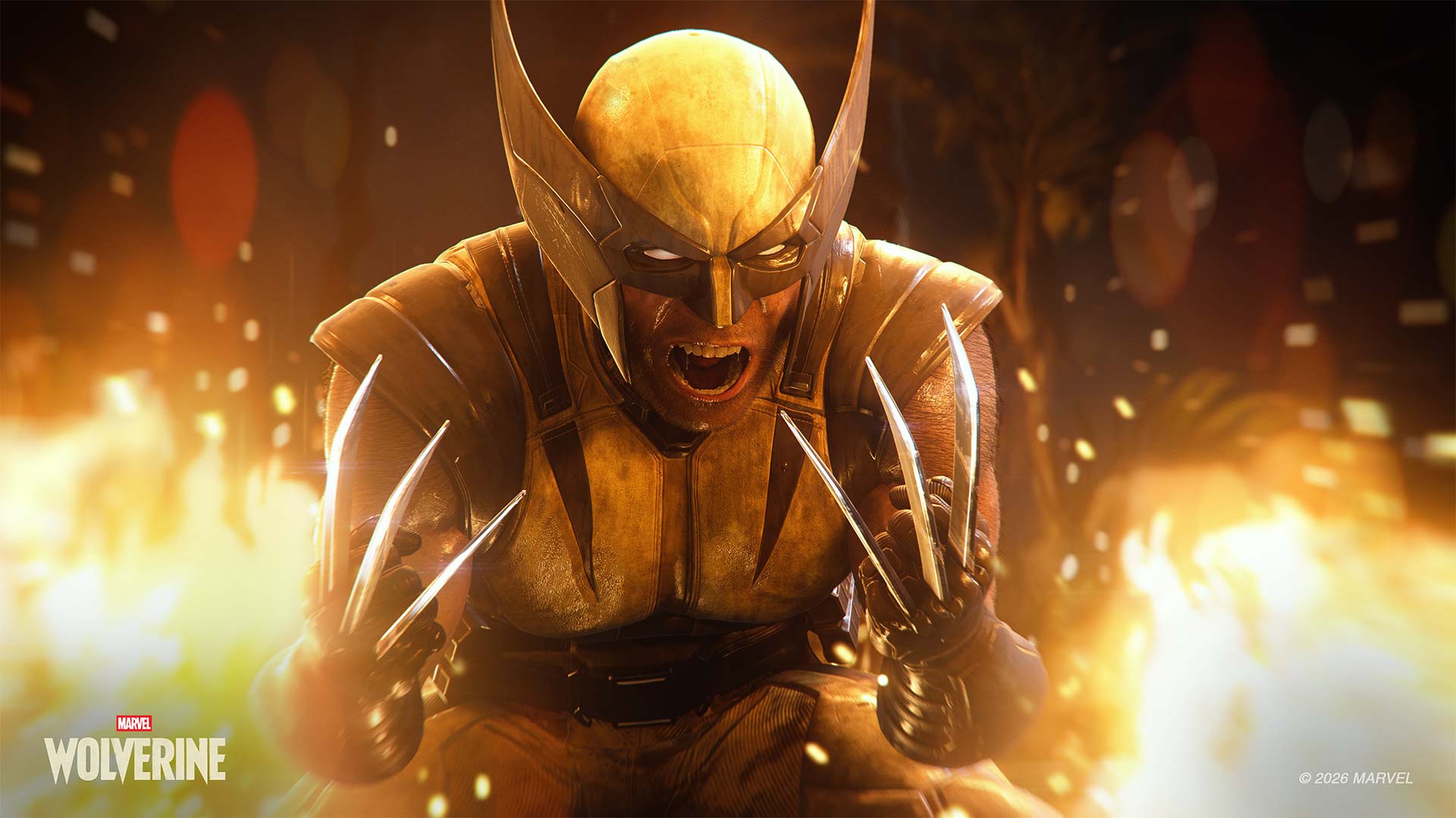
Smith: It’s an iterative process. All of game development is an iterative process. We throw all of our ideas into the game, and then you just slowly whittle things out. I’ll say that about the way that we incorporate both the health regen and rage — the difficult part was, “How do you not make this seem like every other game?” Because so many games have regenerative health, even if it doesn’t make sense. [laughs] And there’s a lot of different versions of rage in gaming mechanics.
And for us, it was, “How do we balance the fact that he is basically invulnerable and he does gain rage?” In earlier incarnations, we were doing sort of a more standard health increase. But what people were doing was you go away from combat to heal up, and so the model that we fell on was, “How do we promote the ‘always moving forward’ nature of Wolverine?” And that’s how you gain your rage, and that’s how you are preventing yourself from losing health by way of being able to trade the rage in for health in the Last Stand. It all just comes back to, “How do we make a game that actually has stakes with a character that is almost invulnerable?”
Something else that was really cool in the demo was the Nightmare Doors [optional challenge areas] that you could find. Where did the idea for those come about, and will the types of gameplay experiences within those evolve and differ over time? In the demo, it was platforming-focused.
Smith: Yeah, that was much more traversal-oriented. We have a few different categories of Nightmare challenges. Going back to the initial idea, we knew we’re telling a very linear story, but we want to promote you replaying missions. And so having collectibles, having optional content that you can do, trials came up and fit very well. Because know we’ve got a lot of different challenges in the game, we want to make sure that players can test themselves on those skill sets.
So, the three major ones that we have are traversal, and then combat-focused ones, and then there’s a gauntlet that is a wave-based combat one that incorporates all different skill levels, and those are really super fun. I really, really enjoy those. So that’s kind of the palette with which we created those. And then how we incorporated it into the narrative being an optional element — I thought our writers did an amazing job of making those reward stories meaningful, and as you gain them, you start to get a better glimpse of Logan’s past lives that he has sort of forgotten about.
You’ve confirmed that this is a shared universe with Spider-Man but that it’s more of an Easter egg type thing. Which is really interesting because cinematic universes are sort of all the rage with all these direct crossovers. But I actually find it refreshing that it’s not so overbearing with crossovers, at least for now. From your perspective, how did you settle on, as you’re building out this Marvel universe, keeping it more in the background? As in, there’s some rewards in there if you’ve played all the games, but it’s not essential?
Smith: Yeah, it’s interesting. There’s a few natural boundaries. One, of course, is the two different games and universes have different tonalities, different ESRB ratings, and things like that. So that makes it very hard to do any sort of true crossover element. Also, we’re just not building crossover, and we don’t want to set expectations. That’s the big thing. The primary motive for us, I think, is we’re just so focused on bringing mutants into this world, and then that opens up so many doors in the future. So the idea of sharing the universe, I think, was we just were so excited that Marvel gave us a universe of our own. [laughs] And that gives us a certain amount of freedom to build in that world. And once we had that playground, it was like, “Okay, we’re just gonna like set the stage for anything can happen.” That way, we have future plans that can go in a lot of different directions.
Something that was really interesting playing the game is there are moments here and there where the other mutants will help you out, and that comes in different ways. There’s more direct team-ups with Jean Grey or Sabretooth, but even in the Sentinel fight that we got to play, Mystique is there shooting her gun and you can kind of command her. But it’s obviously not a co-op game or even like other Insomniac games where you’re switching between them, like Spider-Man 2 or Ratchet and Clank. So how did you sort of settle on what role you wanted the other characters to have in gameplay and finding that balance?
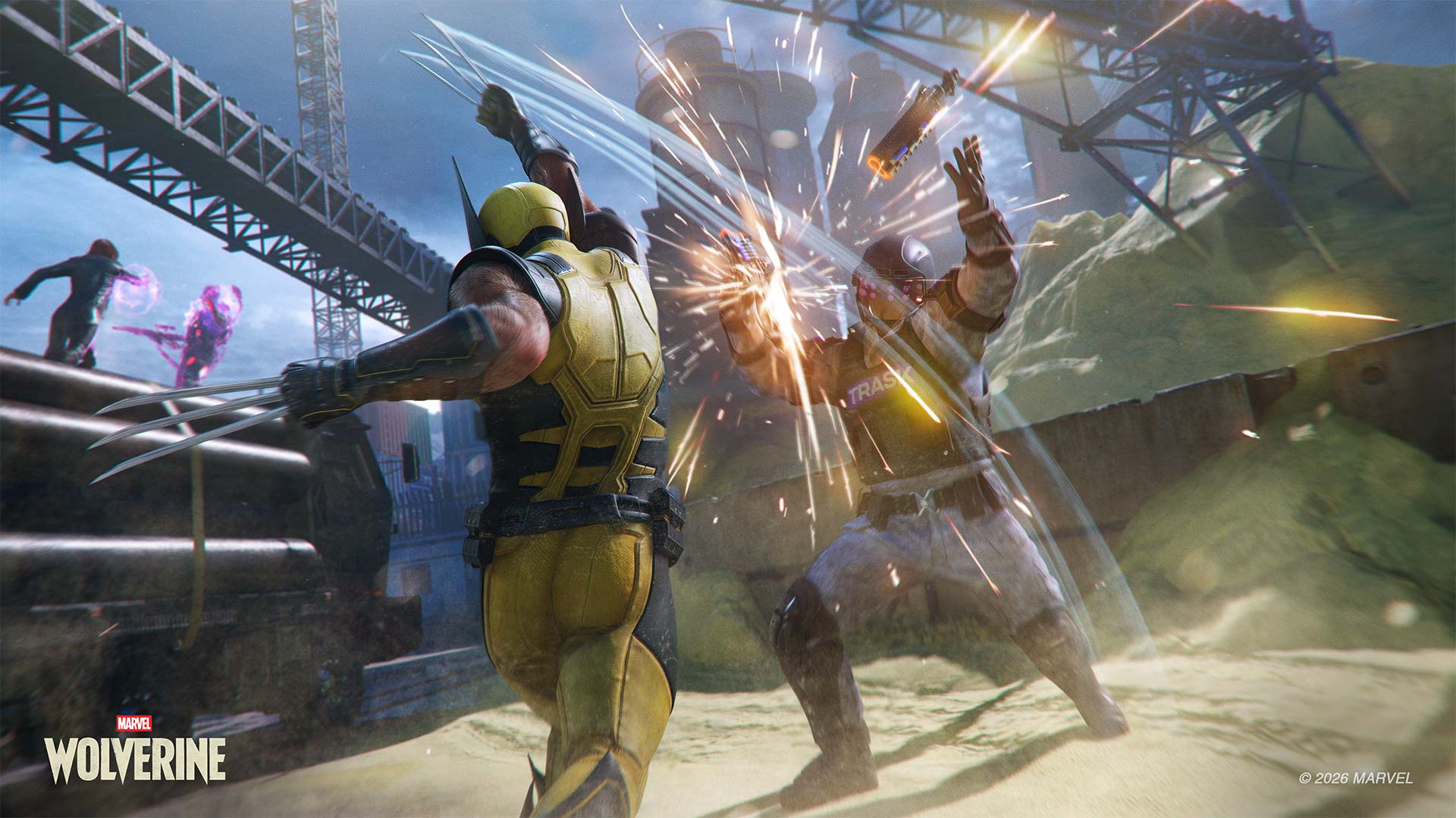
Smith: It’s interesting. We always wanted our allies to be important because you’re you’re teamed up with different characters along the way — always want to make them feel like they’re useful but not that they’re taking anything away from you. Because at the end of the day, you’re playing Marvel’s Wolverine; you want to be Wolverine. And so I think something that Spider-Man helped us out a lot in is when we were working on Spider-Man 2, we would do setups where Miles would come in if you’re playing as Peter and seeing him on-screen, or when you’re fighting with Black Cat and seeing her on-screen and doing the dual team-ups.
That really sold working together more than if we had done this “really elaborate, they’re always syncopated [thing].” So we did that a lot with some of our characters, and then later, we brought some of that back to Sabretooth. And the fact that our other allies are super helpful in their way, and then Sabretooth is like stealing your kills? It felt so good, and it felt like all of those ally team-ups were just so perfectly based on their personalities. And so it brings out a lot of personality as well as helping you in combat.
The shout to Spider-Man is great. I always loved when you’re fighting in the open-world, and then Peter will just like swoop by, help out, give you finger guns. I love that shared DNA there. I’m curious. Obviously, you all are big Marvel fans. Besides getting to work on Wolverine himself — and maybe it’s like picking a favourite child sort of thing — is there a particular character from the comics that you were particularly excited to get to bring to life in your unique Insomniac way?
Smith: I think Mystique. I think Raven Darkhölme is a really interesting character, and there’s so much potential with her. I feel like I was probably most excited and maybe a little intimidated by having her as a Team X member. Right off the jump, we have to really invest in making sure that we’re hitting her right, and I think we did a good job.
Intimidated in terms of there’s a lot to hit there?
Smith: She’s such a fan-favourite. There’s such a varied past. There’s all of the great things about long-running beloved Marvel characters, and all of the things that are scary about it, which is they’re long-running, and everybody has their own versions of what their favourites are. So I think her, above everyone else, was intimidating — just personally.
You’ve mentioned how this game, being M-rated, being more gory, it presents the opportunity to tell a darker, more mature story than you could with Spider Man. On an overt level, that’s the blood behind it. But on on a deeper level, what does it mean to tell a more “mature” Wolverine story?
Smith: I think it’s realistic, complicated relationships. From the difficulty of your coworkers, which, obviously, Sabretooth is a walking HR violation… [laughs] To bringing down your defences and being vulnerable with other people. And those are just topics that don’t play as well to younger audiences. You can add an element of subtext and let the actor’s performance bring out the underlying feelings. I think that’s the palette that we got to play with by having a more mature game.
This interview was edited for language, length and clarity.
Marvel’s Wolverine launches exclusively on PS5 on September 15.
Image credit: PlayStation/Marvel Games
 Features
  Features
  Features
  Features