


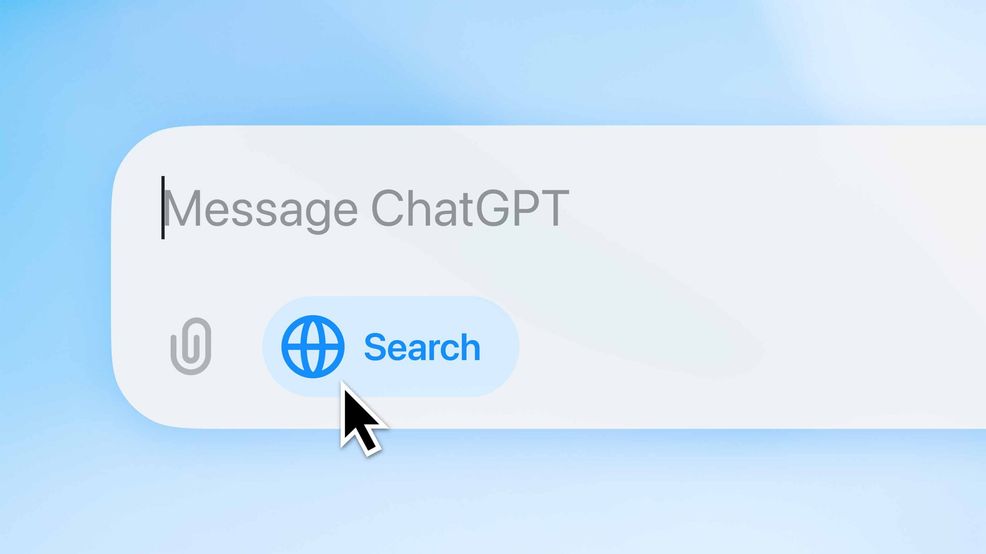
OpenAI allows anyone to insert ads into ChatGPT users’ sessions based on their personal data, according to a new report from 404 Media.
The publication, which ran a series of tests, concluded that the chatbot leverages users’ email addresses, phone numbers and unique phone identifiers for targeted ads. While 404 Media acknowledges that this is standard practice in the advertising business, there are undoubtedly many among ChatGPT’s monthly user base of one billion who aren’t aware of this.
To test how this all works, 404 Media says it ran two ads in ChatGPT that, amusingly, promoted the fact that the service isn’t private because humans are hired to read chats. From there, the outlet was instructed to provide “context hints” for conversations, topics or keywords to allow the ad to better target people. To that point, 404 Media added “people searching for topics that discuss privacy, or the privacy of ChatGPT chats themselves, or people who are asking about current technology and AI topics.”
But to make matters worse, OpenAI allows advertisers to target specific people by inputting “raw” email addresses and phone numbers. OpenAI will check if this data corresponds to a real ChatGPT user who can then be targeted by advertisers. 404 Media reports that “hashed” (digitally obscured rather than raw data) versions of emails and phone numbers, as well as unique Android phone identifiers, are also being shared to advertisers through ChatGPT. It also doesn’t help that sites like “Chat GPT Ad Library” exist to make this whole process easier for advertisers.
OpenAI told 404 Media that this info is deleted after 24 hours while also mentioning that “being on an advertiser’s list does not, by itself, cause an ad to be shown.” Instead, it notes that people can only be “included” in targeting if lists contain more than 25,000 users. ChatGPT also provides the ability to opt out of “ads personalization,” but as 404 Media points out, this setting explicitly states that “ads may still be based on your current chat.”
In other words, this is yet another knock against OpenAI. In recent weeks alone, we’ve seen ChatGPT putting real artists’ signatures on AI-generated art, OpenAI get sued by U.S. states for allegedly hurting children and deceiving adults and, worst of all, the disturbing ways in which it helped the Tumbler Ridge shooter.
But hey, OpenAI CEO Sam Altman said we should accept “bad things” in return for AI benefits. (Still waiting to hear a good case for what those supposed benefits even are, Sam!)
Source: 404 Media
 News
News  News
News  News
News  News
News 