


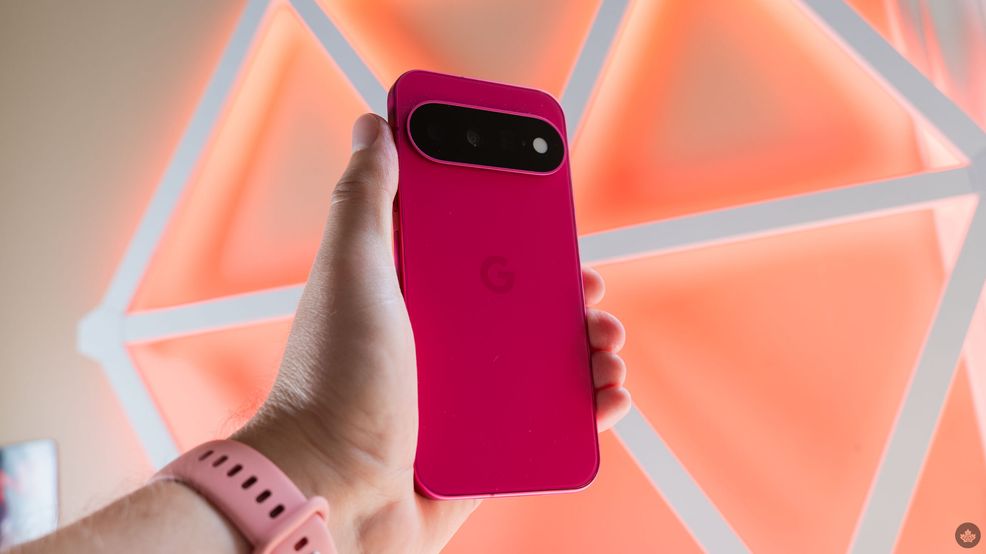
This year, Google is continuing its trend of subtle refinements with its Pixel line. The new Pixel 11 sports a handful of new features and enhancements, but at first glance doesn’t seem that different from its predecessor.
Moreover, the base Pixel model remains in a somewhat awkward spot, squeezed between a more budget-friendly ‘A’ model — currently the Pixel 10a and presumably the 11a that’s likely to come next year — and the more capable Pro models. (Update Aug. 26, 2026 at 3:31 p.m. ET: Our Pixel 11 Pro XL review is now live, check it out here.)
But it’s not just an internal squeeze. The Pixel line (and most smartphones coming out this year) also have to contend with ongoing component shortages, such as RAM, thanks to AI companies and other factors.
The result? A base Pixel model that costs a little more than before without doing much to change the formula. For the Pixel fans out there, the Pixel 11 is more of the same great phone you’ve come to know and love, with a few new features and not much else.
What’s actually new
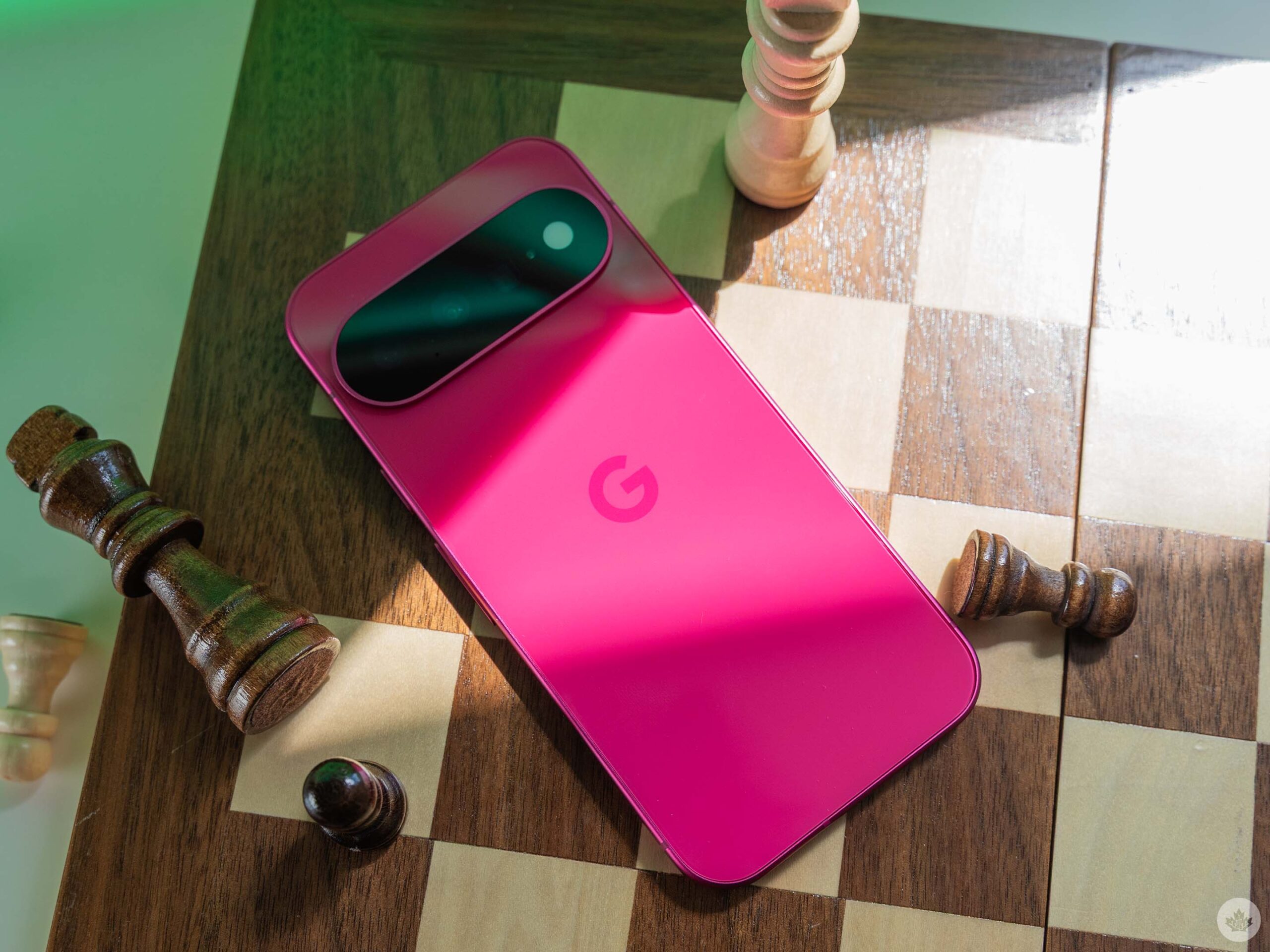
So, what’s actually new this year? Well, there are a few things. Starting with the hardware, there are some external changes including some awesome new colours (I’m a huge fan of the Hibiscus shade pictured in this review) and Google significantly cut down the thickness of the camera bump compared to the Pixel 10. (The Pro models retain their larger camera bump, however.) It’s also a bit lighter than the Pixel 10, which is always welcome.
The only other noticeable external change is the layout of the camera bar, which trades the Pixel 10’s dual-tone metal and glass approach for a uniform black glass, and a new LED flash that looks like HiLight, but isn’t — HiLight is exclusive to the Pro models.




There are some internal hardware changes as well, including a slightly larger battery (4,985mAh to the 10’s 4,970mAh), more storage (the Pixel 11 starts at 256GB instead of 128GB), and the new Tensor G6 chip and Titan M3 security coprocessor.
Camera hardware also remains relatively unchanged, with the Pixel 11 sporting a 48MP main camera with an 85-degree field of view (the Pixel 10 was 82-degree FOV), a 13MP ultrawide camera, and a 10.8MP telephoto camera offering 5x optical zoom. Aside from the slight FOV change, the main sensor is also larger, which should improve performance in low-light scenarios. The Tensor G6 sports an upgraded imaging signal processor (ISP) that should help improve capture speeds, with Google touting 4.5 times faster Night Sight processing.
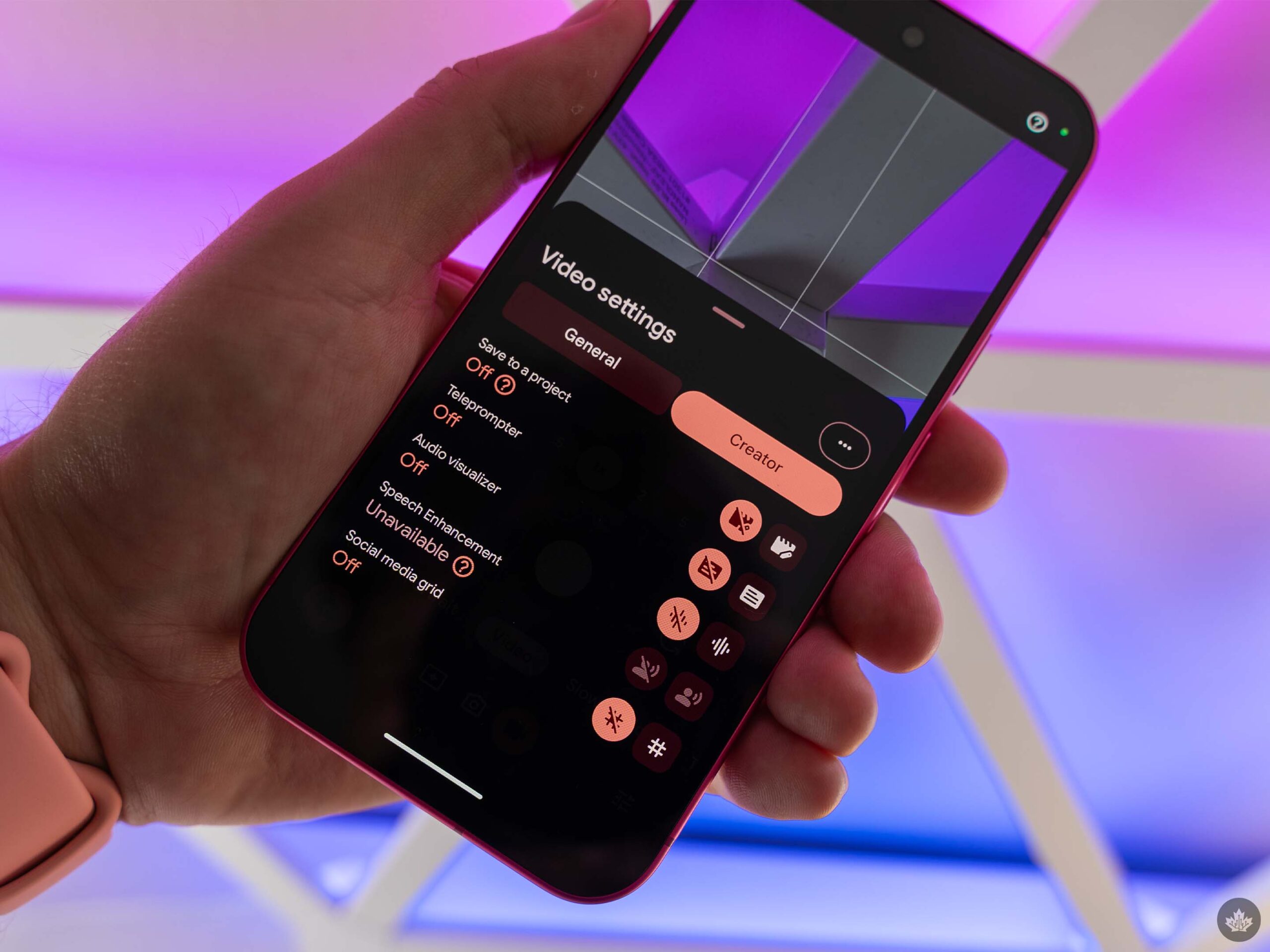
There are a handful of new software features as well, like Magic Capture and Camera Looks, and a suite of tools aimed at content creators like grid lines optimized for social media and a built-in teleprompter feature. But we’ll get into these in more depth below.
Fly like a G6?
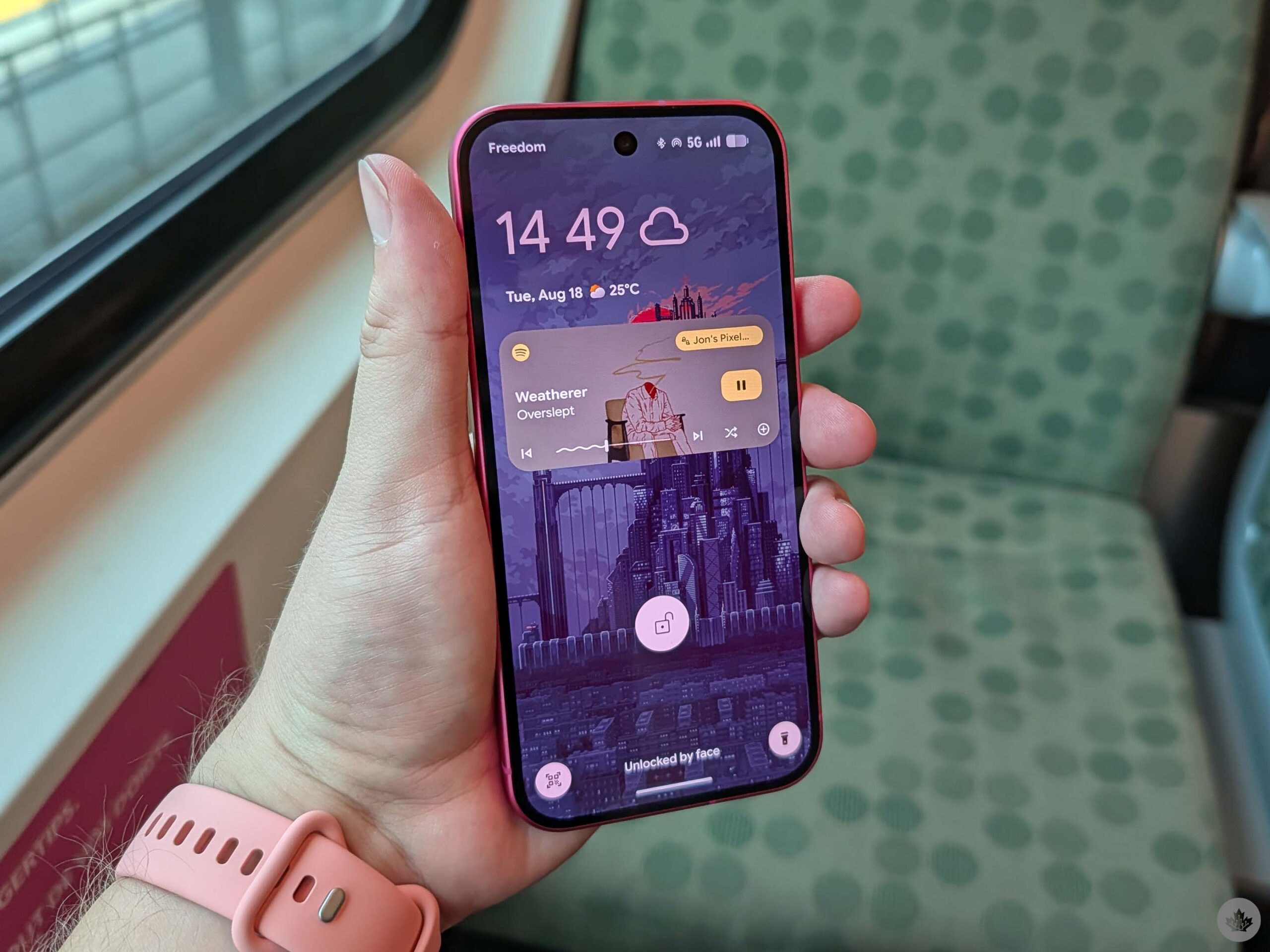
Google touted some major upgrades to the Tensor chip this year, noting that the upgraded CPU offers 25 per cent faster web browsing and 15 per cent quicker app launches. Tensor G6 also features 50 per cent more compute for running local AI like Gemini Nano — Google says it’s up to 3.5 times faster and uses 3.5 times less energy.
In my time with the Pixel 11 so far, it absolutely feels snappy, though I can’t say it’s noticeably faster than the Pixel 10 Pro I was using before. However, one area I did notice improvement was thermals. I find the Pixel 11 doesn’t get as warm as the 10 Pro during intensive tasks like gaming.
Update Aug. 26 at 3:33 p.m. ET: Ran benchmarks on the Pixel 11 using Geekbench 7. The phone had a 2,274 single-core score and a 6,941 multi-core score. That puts it slightly above last year’s models, but it’s not much of a leap overall.
Of course, it’s worth keeping in mind that benchmarks don’t tell the whole story. While the Pixel phones consistently underperform competitors in benchmarks, in real-world use I find they feel just as snappy. The only place I consistently notice performance issues is gaming.
Still, Pixel phones have never been benchmark champs and yet typically offer really solid performance in real-world use. During my testing time, I had no noticeable slowdowns or other performance issues.
Unfortunately, the Pixel 11 isn’t much better than its predecessors when it comes to battery life. With my typical usage, including messaging and emailing, streaming music, browsing social media, watching YouTube, and occasionally playing some games, it was able to make it from around 7 a.m. to around 11 p.m. There usually wasn’t enough to stretch into a second day if I forgot to charge overnight, however.
But on heavy-use days, like when I go into the office and use the Pixel 11 for hotspotting, the battery drains much more quickly. Obviously, hotspotting is a more intensive task, but on those days I was hunting for a charger by 4 p.m.
On the whole, I’d say performance is improved compared to the 10 series, but not by significant margins. Anyone coming from an older Pixel phone may appreciate these improvements more.
Capable cameras
Next up, let’s chat cameras. With the Pixel 10, I felt like the base model was able to produce results that were good enough despite having worse camera hardware than the Pro models.
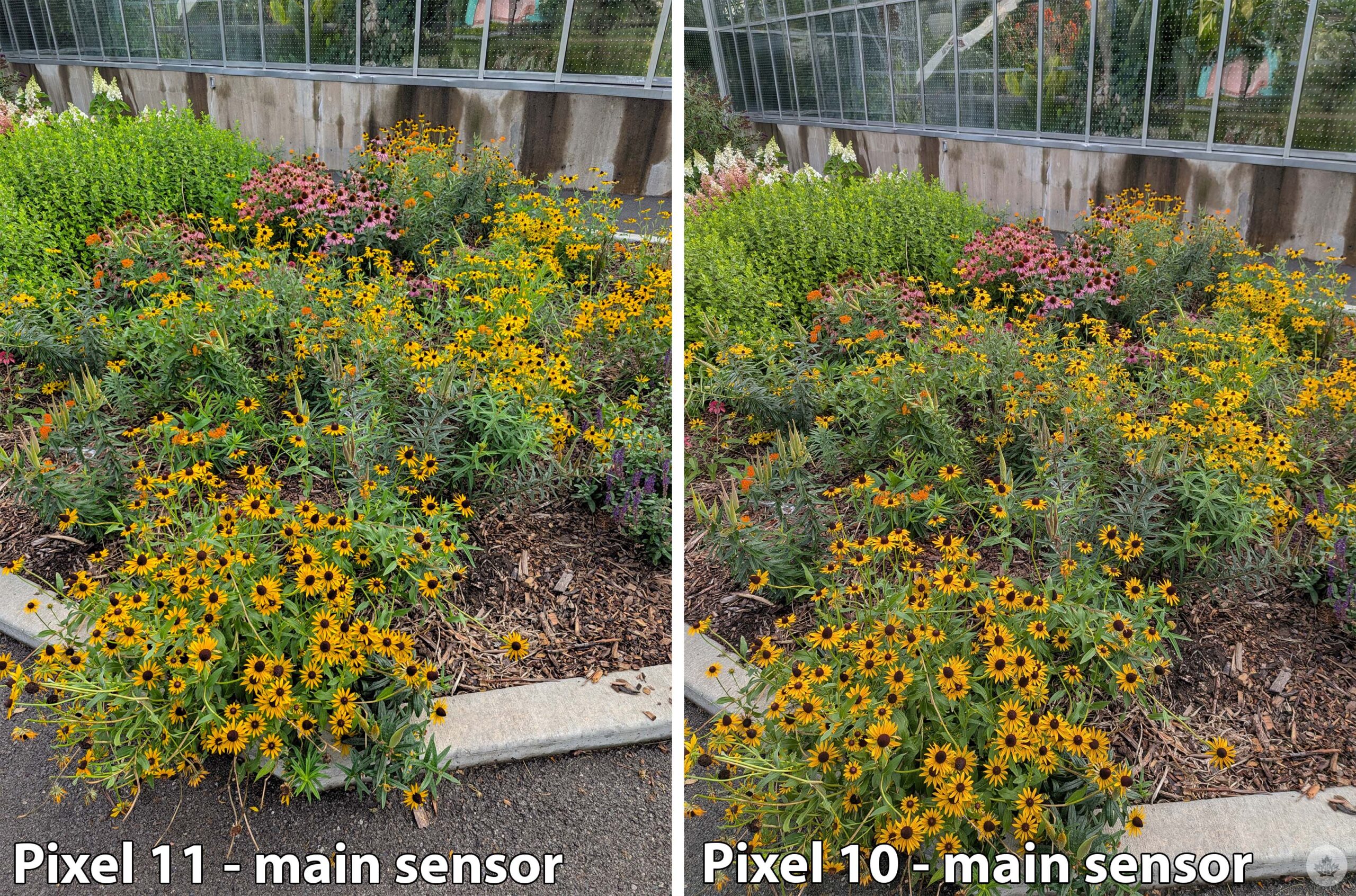
The same holds true with the Pixel 11, which is able to pump out some fantastic shots. The better hardware available on the Pro models can definitely help in more challenging scenarios, like lowlight or zoom shots, but Google’s computational photography is able to squeeze the most even out of lesser sensors.
In head-to-head comparisons, there’s not a ton of difference between the Pixel 11 and Pixel 10 main sensors. Both produce similar results with good colours and details.
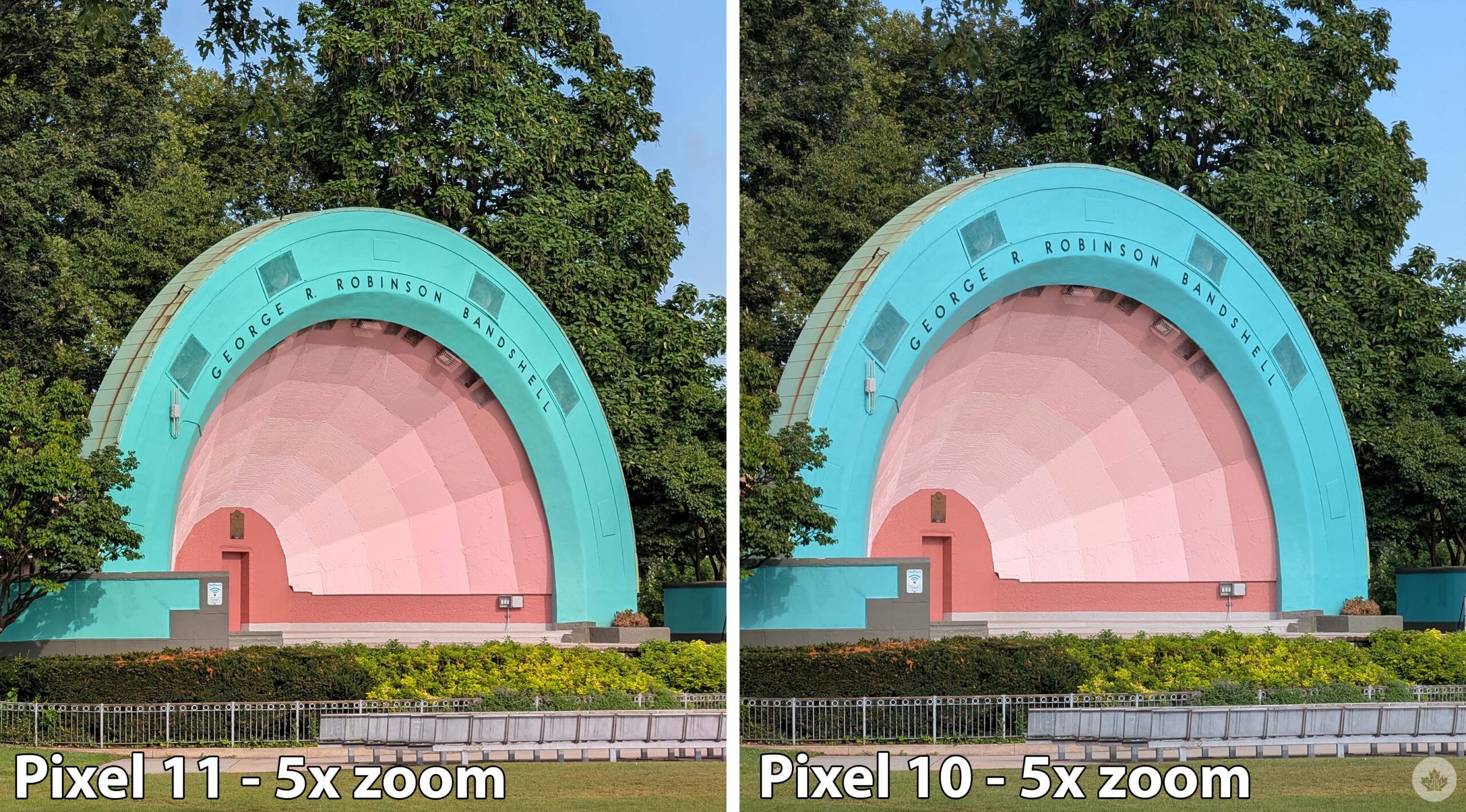
Things get a little more interesting with the telephoto camera. At the base bx optical zoom, results are very similar, although I will note the slight differences in colour. The Pixel 11 does a better job bringing out the green hues in the bandshell compared to the Pixel 10, but otherwise quality is about the same.
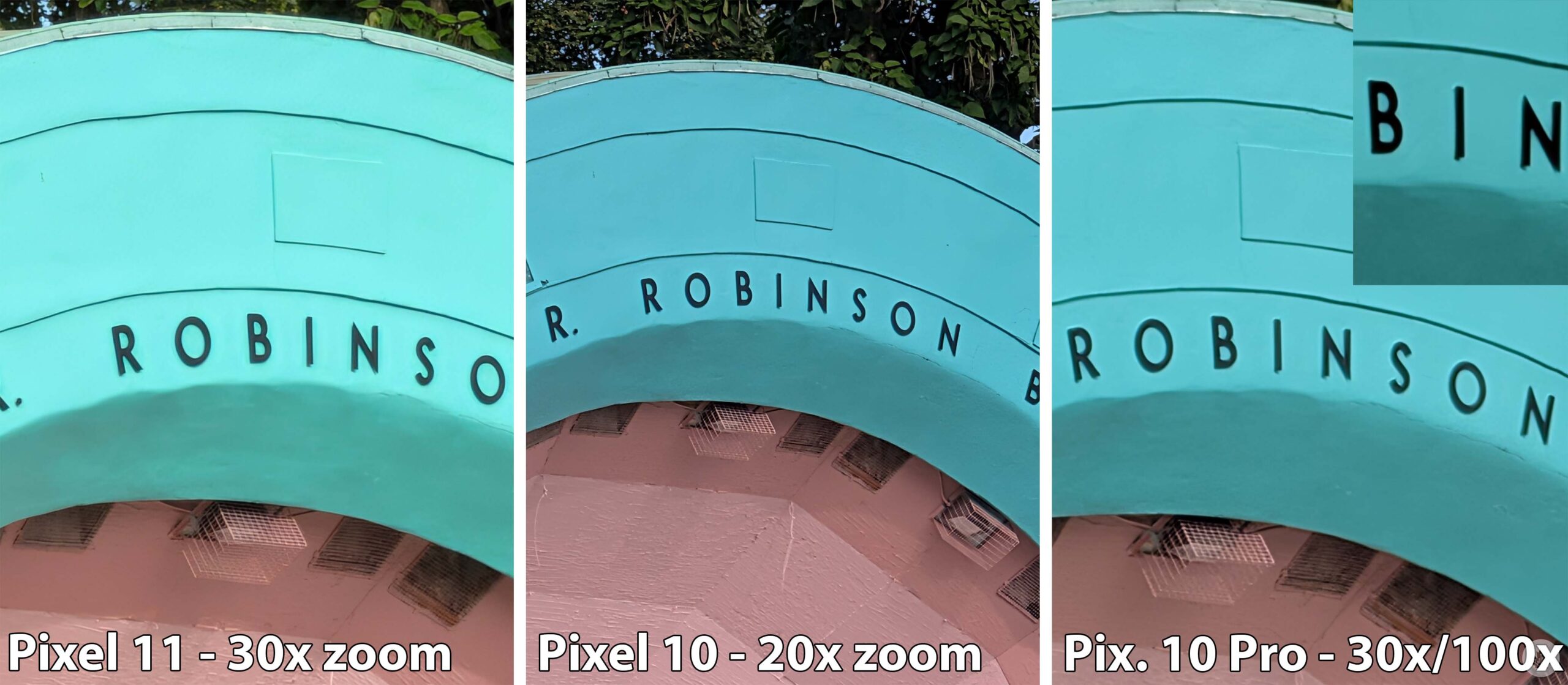
Google boasted that the Pixel 11 sports 30x ‘Super Res’ zoom, which uses the telephoto camera mixed with other techniques like AI to improve the quality loss from going beyond the optical zoom’s upper limits. Most of the time, I’d recommend that people stick to the optical zoom, or maybe go up to 10x Super Res — beyond that point, things start to fall apart. That said, the Pixel 11 does a pretty good job of keeping the lettering on the bandshell and other details clear with Super Res Zoom. I’d argue it comes pretty close to the 10 Pro’s 30x zoom in terms of overall quality.
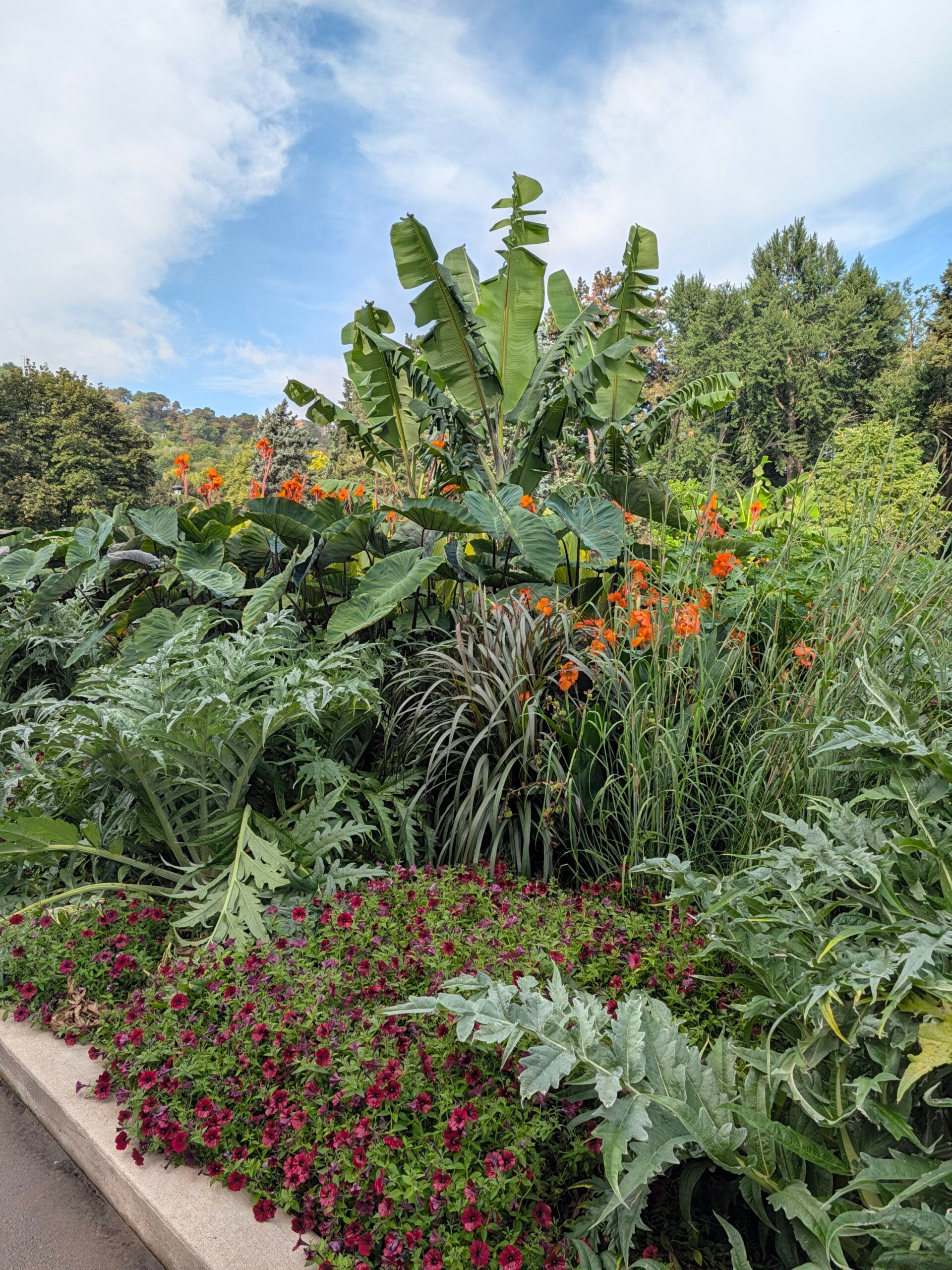

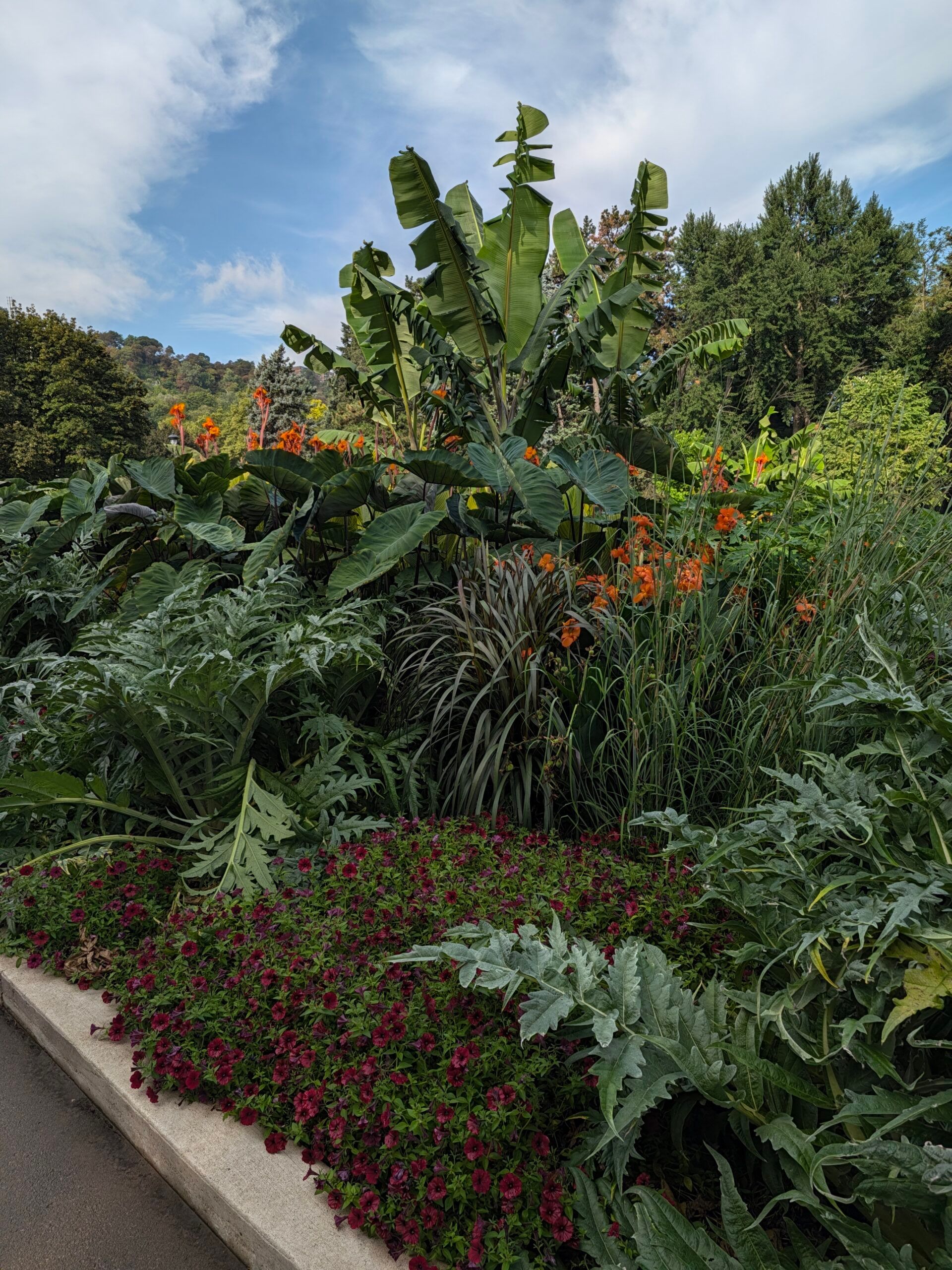
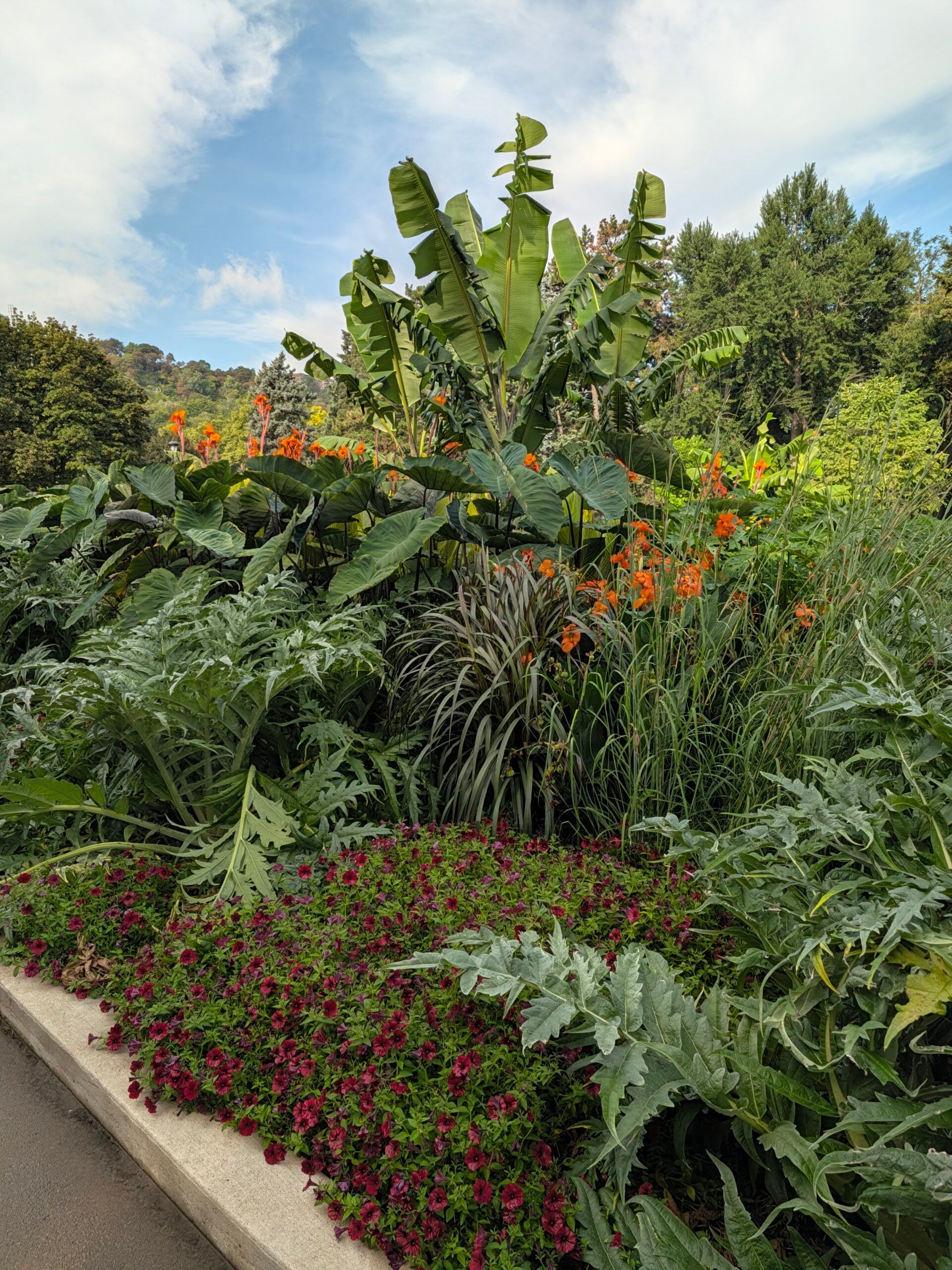
One of the other big additions this year is Camera Looks, which offers four “professional-grade film presets” and the option to create your own. This totally rips off Apple’s Photographic Styles feature that launched on the iPhone 16 series. Based on my testing, I don’t notice much difference between the styles. I also found them to be annoying to change on the fly, so I just stuck with the ‘Original’ style for my photos.





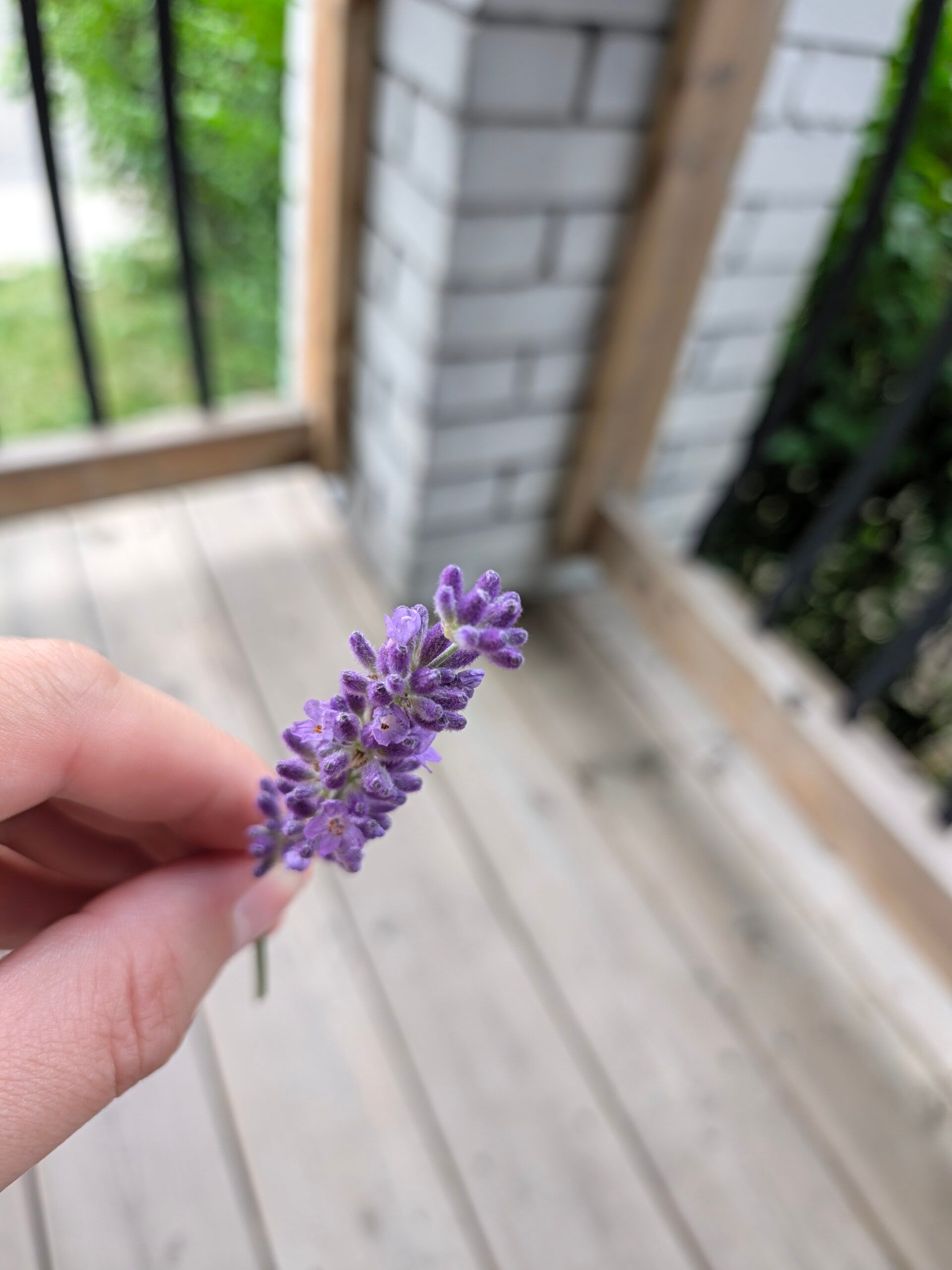





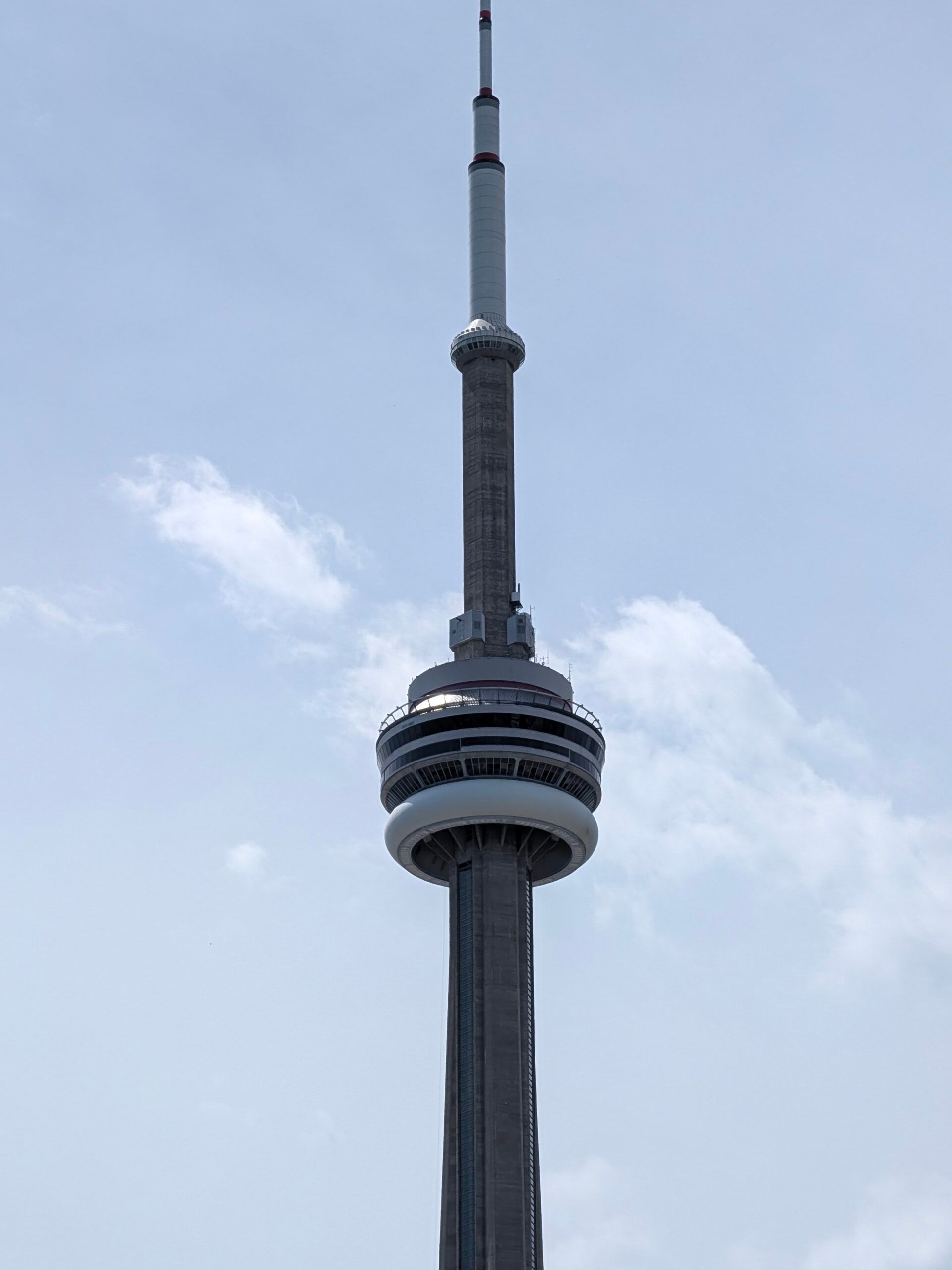
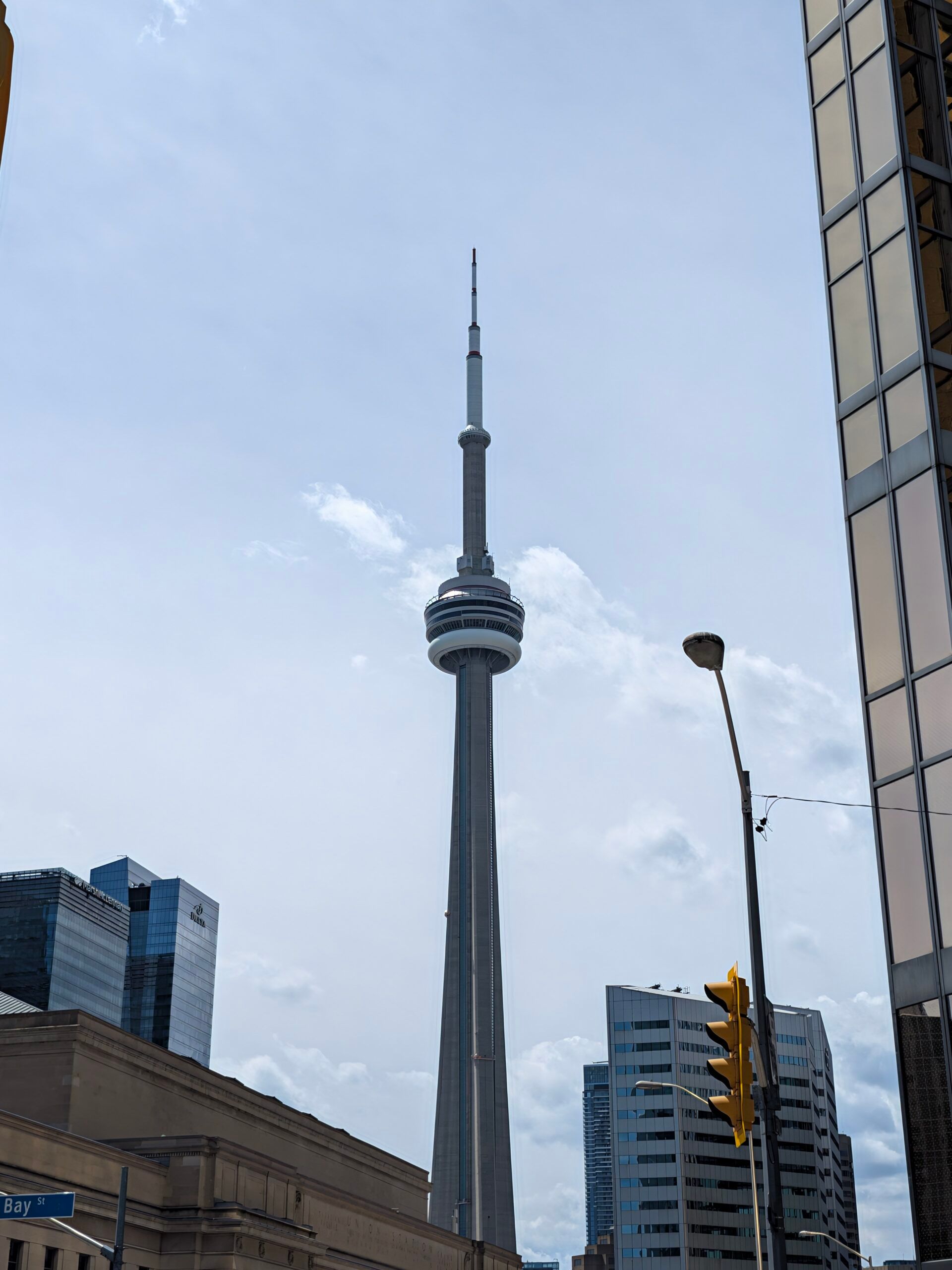






19 images
Other new camera features include Magic Capture, which offers a combination video and photography mode. Users can switch the camera into Magic Capture mode and tap the shutter button to start a video-like capture. In the background, the Pixel 11 analyzes the frames and automatically pulls out the best shots for you. On paper, it sounds really neat, but I haven’t had enough time using this feature yet to say if it works as well as promised.
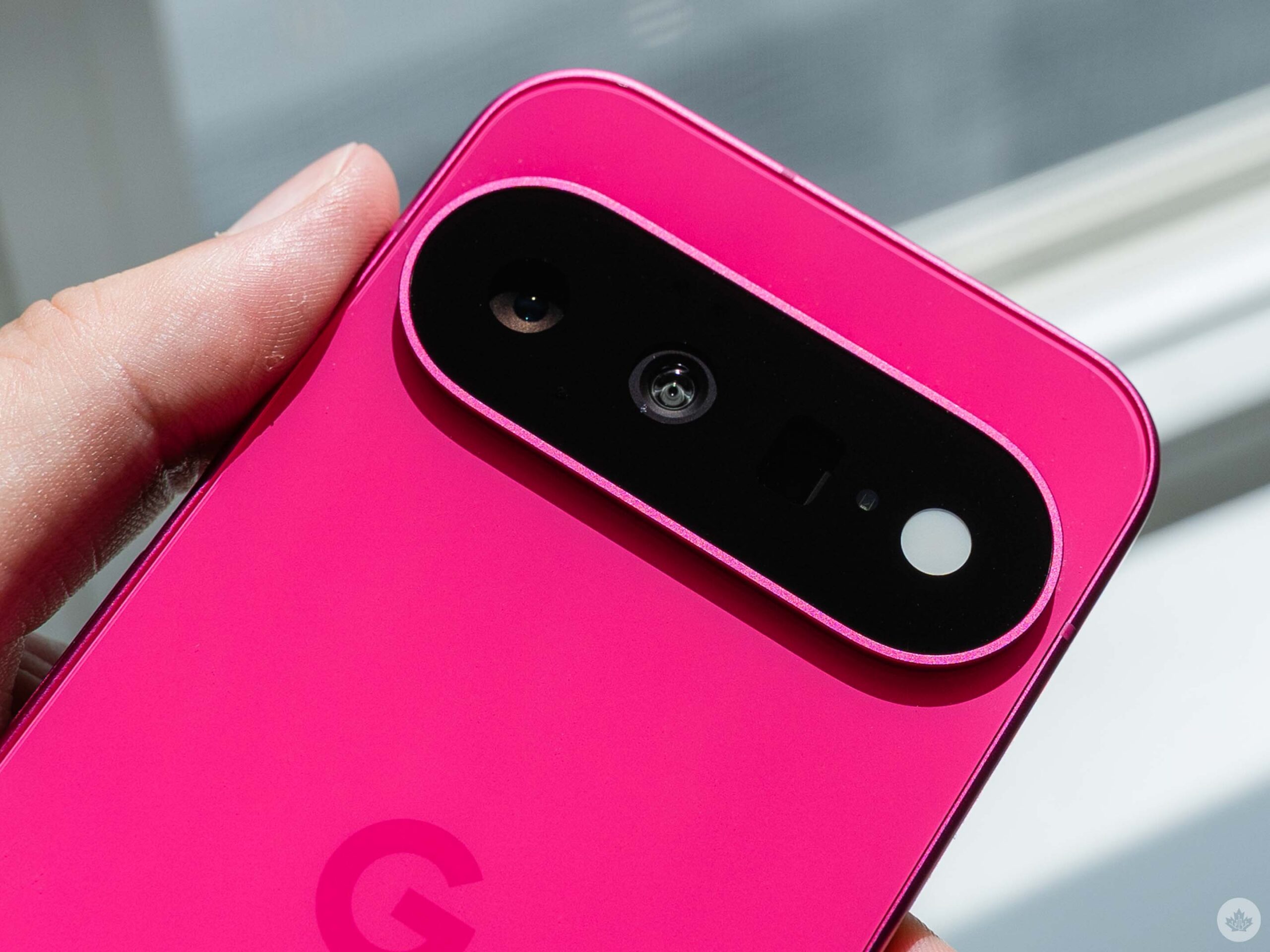
There’s also the aforementioned creator suite with storyboarding features, social media grid lines, audio visualizer, and teleprompter features. I’m not really one to make TikToks or other video content, but these features look great for those who are into doing that.
Overall, the Pixel 11 camera carries on the tradition of being pretty good. It’s not the best camera on a phone, but it’s quite capable and should be sufficient for the majority of users. While I appreciate the extra hardware capabilities of the Pro cameras for work purposes, the Pixel 11 makes a fantastic everyday camera.
Other software goodies
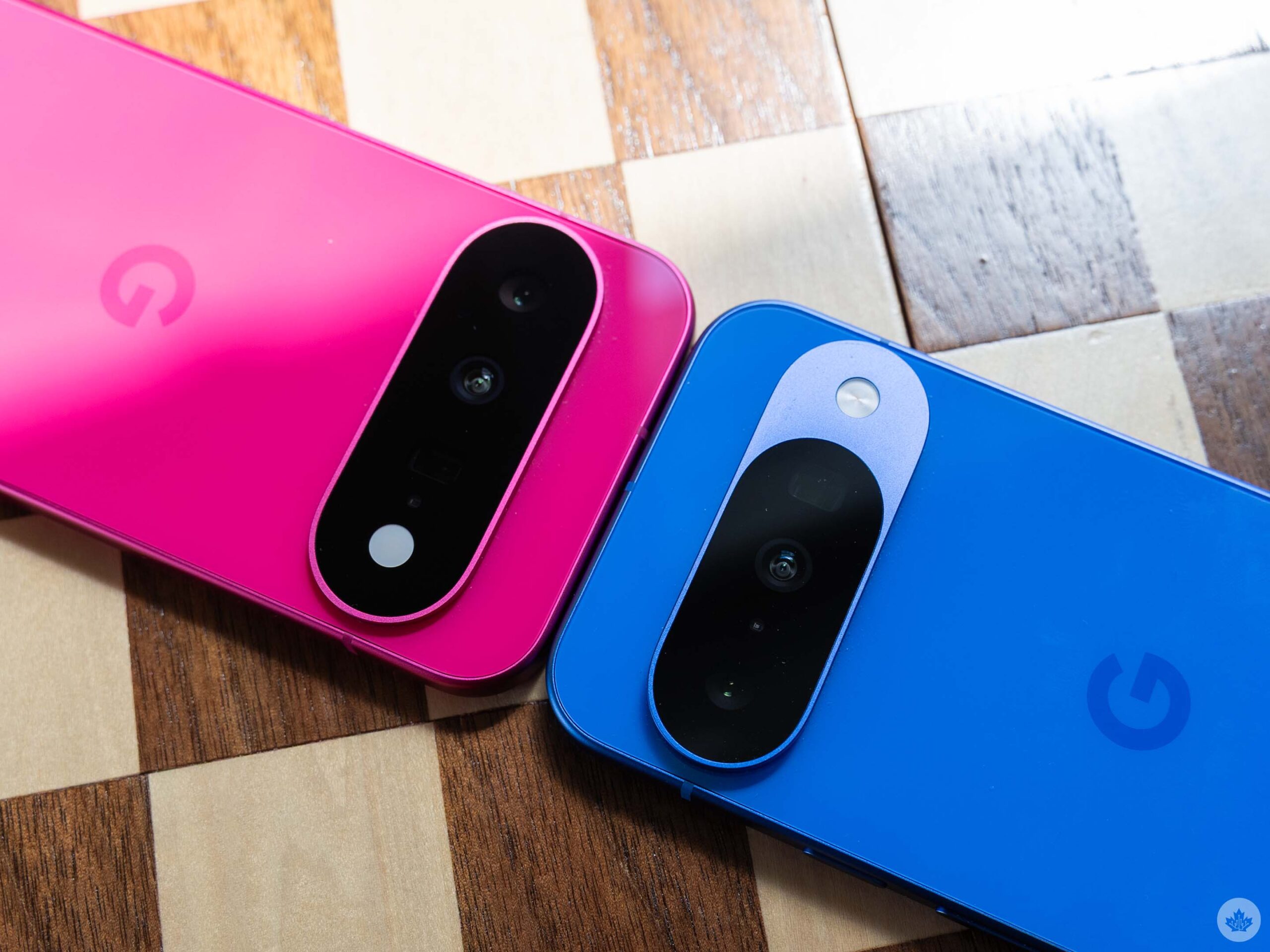
Pixel 11 (left, pink) and Pixel 10 (right, blue) camera bumps.
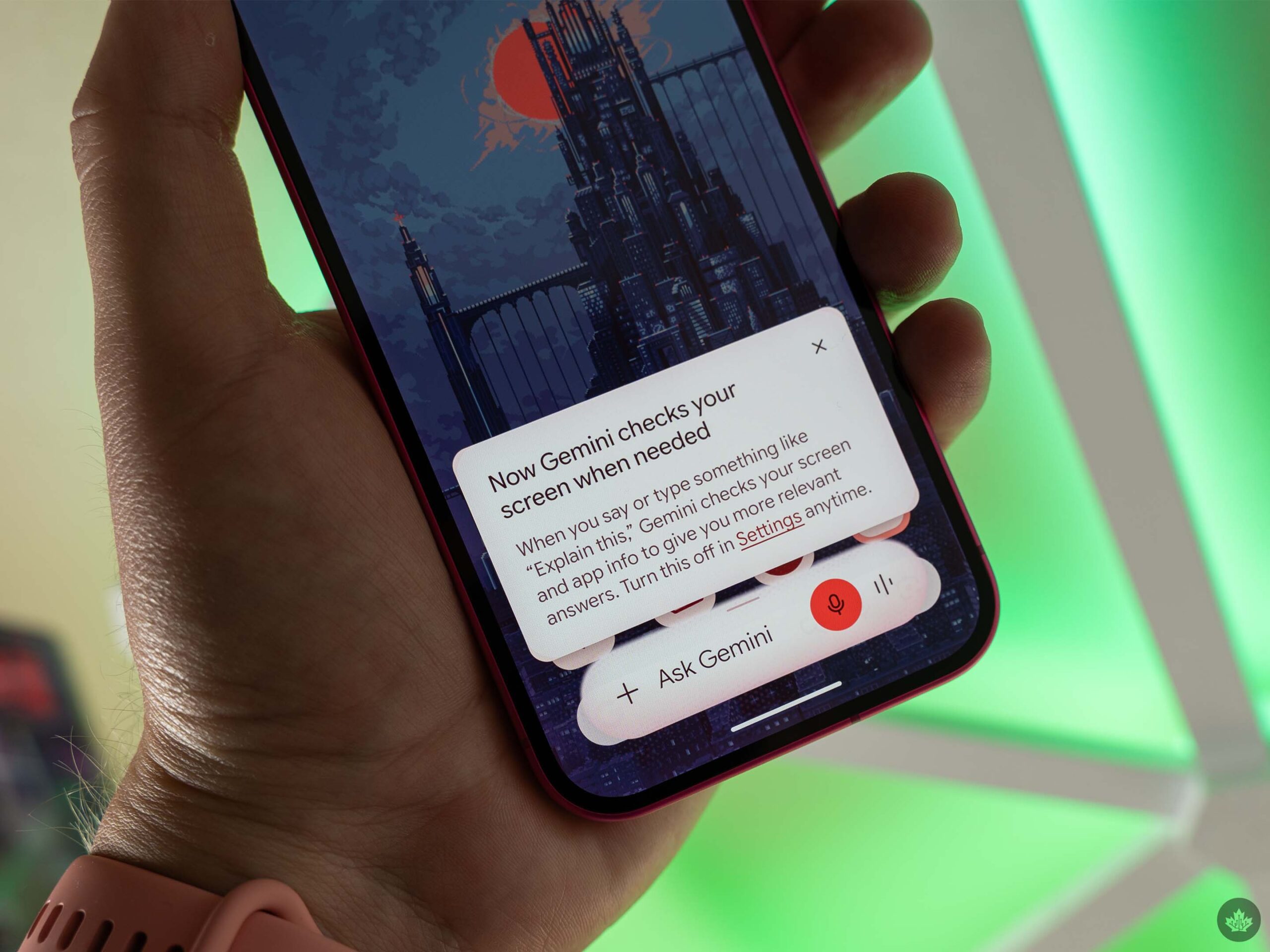
Finally, Google added a ton of new software goodies to the Pixel 11, some of which will likely make their way to older Pixels (if they haven’t already). Google’s Magic Cue system got an upgrade and is now called ‘Proactive Assistance.’ I still don’t find it as useful as Google thinks it is, but I’m definitely seeing it more often on the Pixel 11 than I did on the Pixel 10 or 10 Pro. I’ve already used it a few times to add events to my calendar, which is quite handy.
Proactive Assistance can also show up in new ways, such as location-based tips appearing in Pixel’s ‘At a Glance’ widget on the home screen. However, this capability is still in preview, and it hasn’t shown up yet for me.
Elsewhere, Google’s Live Translate got an upgrade that allows for real-time speech-to-speech translation, enabling the phone to automatically dub videos into your language.
And for speech-to-text enthusiasts, the Pixel 11 sports Rambler, which is better able to strip out filler words so you can speak more naturally when using voice input.
While the above changes are all welcome, I’m not sure any of these are compelling enough to drive a phone purchase. They feel more like nice bonuses that make an upgrade you’re already doing feel better, rather than must-have capabilities that will move phones.
Worth the upgrade?
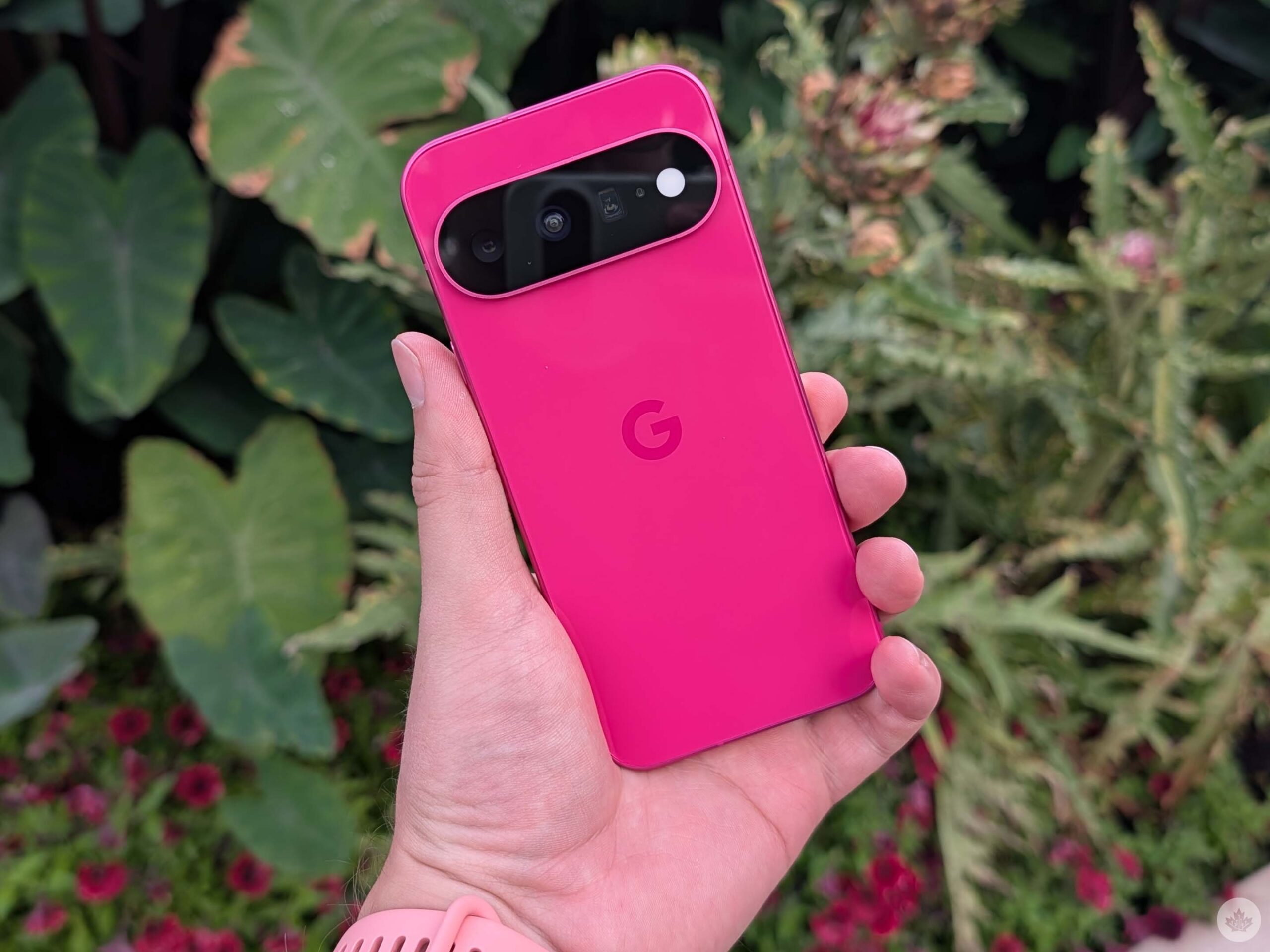
On the whole, the Pixel 11 is a really good phone. It gets a lot right, has a solid camera system, and a bunch of smart features that make the phone feel more helpful than competitors. At the same time, Google’s hardware remains a bit behind the curve, and price increases don’t help matters either.
The Pixel 11 retails for $1,249 for the 256GB model in Canada, or $1,419 for the 512GB. Last year’s Pixel 10, on the other hand, cost $1,099 for the 128GB model and $1,229 for the 256GB. So the price increase isn’t huge if you compare the 256GB options, but the lack of a cheaper 128GB model definitely hurts here.
While it’s generally a bad year to upgrade your tech thanks to all of the rising prices, I do think that those with older Pixel models like the 7 or 8 would see enough benefits to justify an upgrade. And if you’re trying to choose between the Pixel 11 and 11 Pro, I’d say stick with the 11 unless you’re a real camera snob.
For what it’s worth, this is the Pixel phone I would buy for myself if I were in the market for an upgrade.
The Google Pixel 11 is available for pre-order now, and launches on Aug. 20, 2026.
 Reviews
  Reviews
  Reviews
  Reviews