


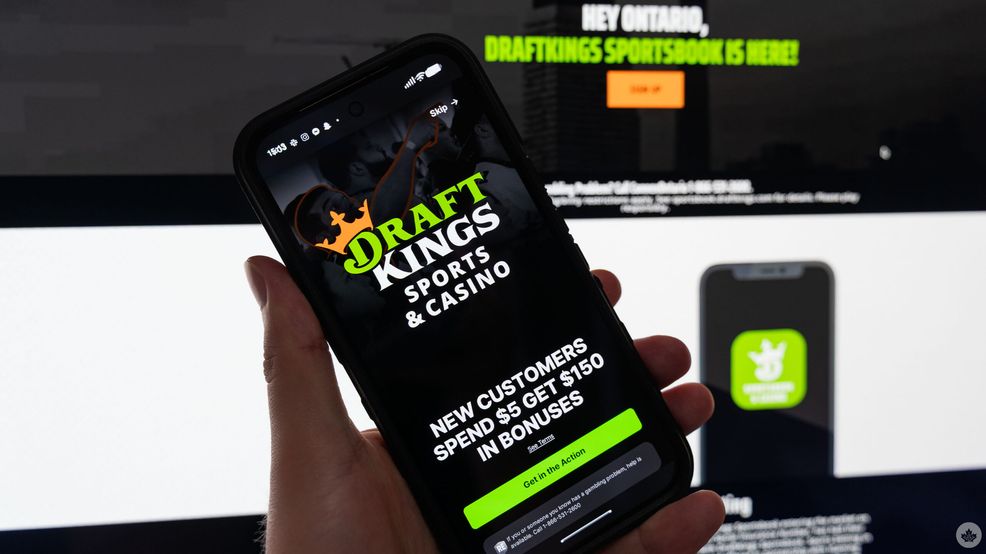
Online gambling companies like DraftKings are reportedly using AI and machine learning to target advertisements at customers with a history of losing bets.
According to reports from The New York Times and the Electronic Frontier Foundation, a non-profit digital rights group based in California, DraftKings uses its customers’ betting records to train a machine learning model designed to identify losing gamblers. Once it identifies these bettors, the sports betting company sends targeted advertising designed to make them place more bets—which the company thinks will be losing ones.
Now, as it was noted in both reports, DraftKings makes money off these losing gamblers — and those who are considered “problem gamblers” (those who are highly susceptible to addiction and gamble anyway despite harm to their finances, relationships, and themselves) are the most likely to be targeted by this model.
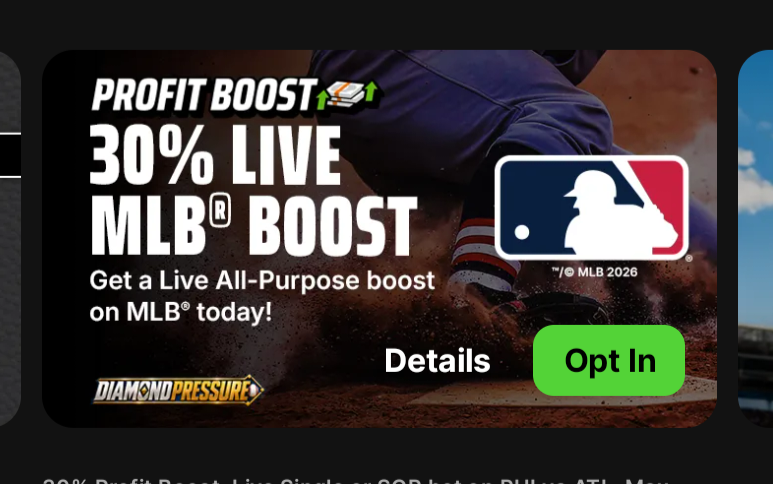
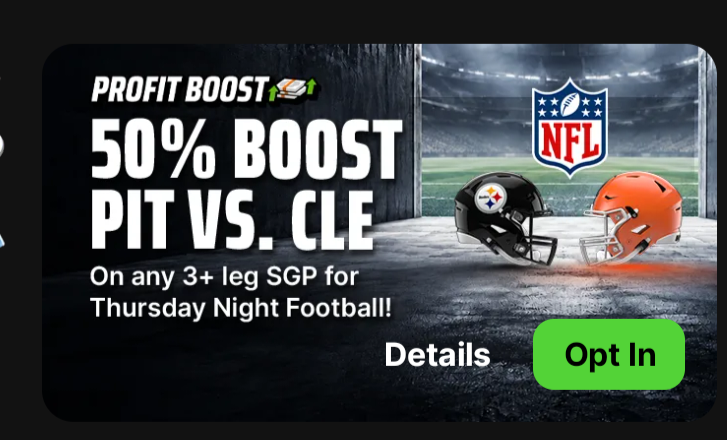
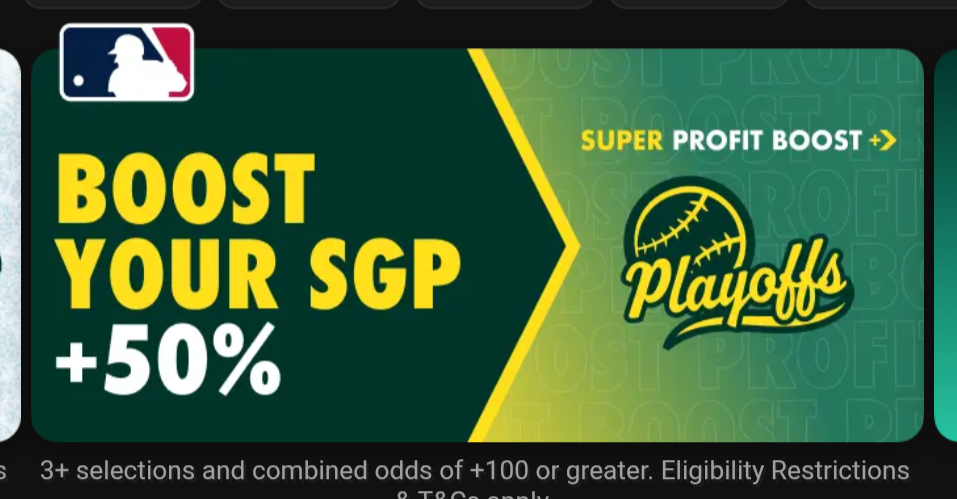
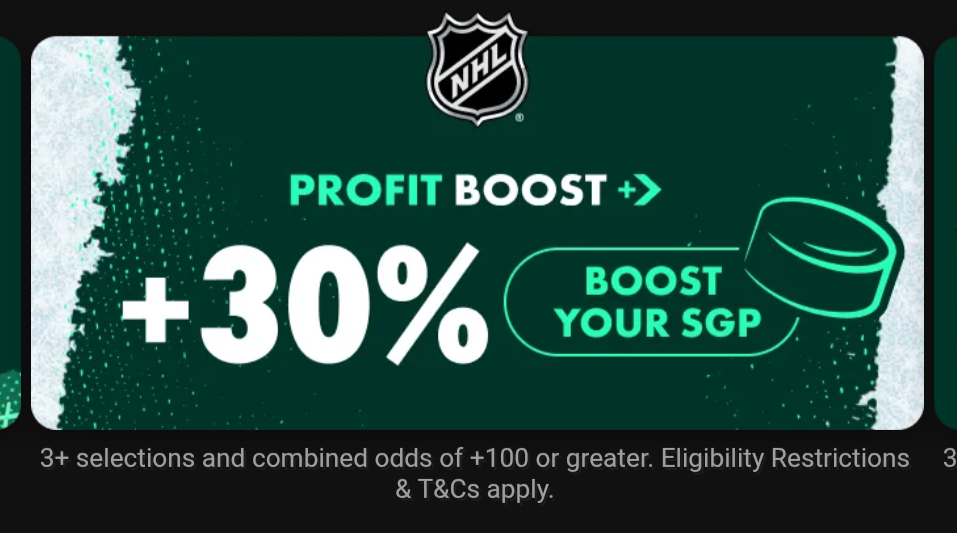
Many of these promotions are “free/bonus bet” or profit-boost ads—and most major sports betting companies (BetMGM, DraftKings, FanDuel, Bet365) run these types of promotions all the time. In fact, here are a few examples I found from DraftKings as well as other apps like Bet365 and FanDuel:







11 images
The New York Times noted that since the initial tests done by former DraftKings data scientist Jayden Butts (who was interviewed by The Times), six former employees have noted that the company has used data science to continue to hone its methods to target these losing gamblers, with four other employees noting that the company squashed efforts to use similar technology to predict who could develop a gambling problem based on their betting activity.
Interestingly, Butts said that DraftKings fired him in 2024 for performance reasons amid a dip in business, which led some in the company to believe the promotional experiments weren’t working. The data science work was briefly paused before restarting with a bunch of new machine learning projects.
Documents acquired by The New York Times show that the model analyzed multiple data points for each gambler, including how frequently they played, their daily account balances, and how much they typically lost compared to how much they bet. The company also incorporated another model which calculated how likely a gambler was to stop placing bets. Further, the company had a machine learning model that assigned “risk scores” to users, but it sidelined it.
In places like Ontario, which has strict regulations for online gambling, these kinds of targeted ads might violate the rules. The Alcohol and Gaming Commission of Ontario (AGCO) notes on its website that “public advertising of inducements, bonuses, and credits is strictly prohibited, including targeted advertising and algorithm-based ads.” The AGCO also defines inducements as an offer that might encourage someone to participate in gaming activity.
I reached out to the AGCO regarding these targeted advertisements, and the commission noted that it will take “appropriate action” if it finds evidence that operators aren’t complying with the rules:
“Ontario’s regulated igaming market includes strong player-protection standards that establish clear expectations regarding the treatment of high-risk players and responsible use of advertising and marketing practices within the regulated market. That includes requirements that operators proactively identify and assist players who may be at risk of gambling-related harm, reflecting the principle that operators have a responsibility to actively support player protection.
“Ontario’s approach reflects a broader commitment to ensuring that consumer protection remains at the centre of the regulated iGaming market and is one of the factors that differentiates Ontario’s framework from unregulated gambling sites that lack comparable safeguards. Where there is evidence of non-compliance, the AGCO will take appropriate action to ensure operators meet Ontario’s high standards for responsible gambling and player protection.”
If you, or someone you love, has a gambling problem, you can call ConnexOntario confidentially for free anytime at 1-866-531-2600, or text at 247247. You can also visit the Centre for Addiction and Mental Health (CAMH), which provides specialized services for those with a gambling problem.
Source: The New York Times, The Electronic Frontier Foundation
 News
News  News
News  News
News  News
News 