


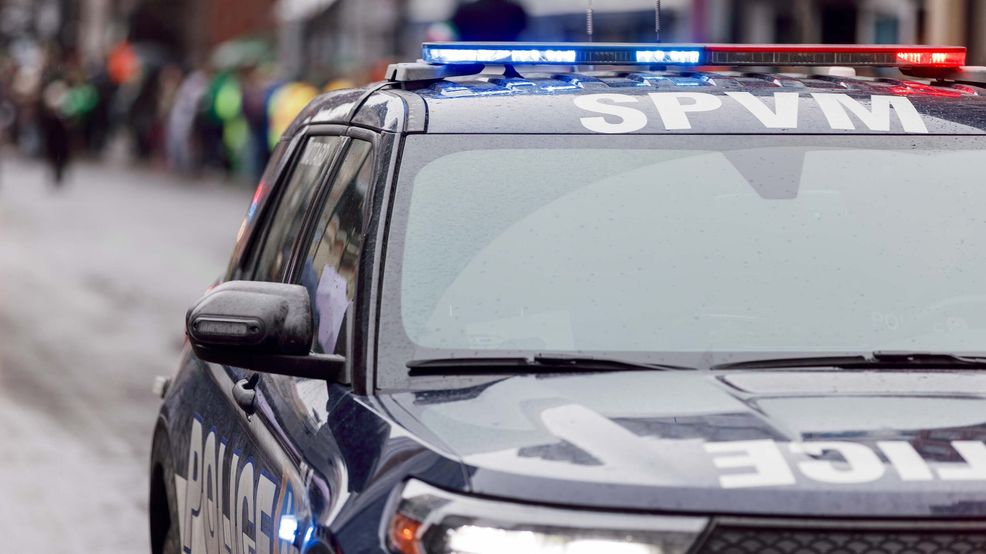
Canadian police forces are increasingly turning to smart cameras for AI-powered surveillance and facial recognition, raising significant concerns about privacy and transparency.
Montreal and Edmonton both recently started testing AI cameras with their respective police forces. Montreal installed an AI-powered camera to scan vehicles, while the Edmonton Police Service (EPS) announced earlier this week it would test AI-powered body cameras with facial recognition capabilities.
Radio-Canada first reported on the Montreal camera, which was quickly removed following the coverage. The camera in question was a Cloudrunner CR-H2, made by Montreal-based Genetec, and was capable of scanning and identifying vehicles. While it can capture licence plates, it can also go beyond to capture vehicle characteristics like colour, make, model, and more.
Alongside the camera, the Service de police de la Ville de Montréal (SPVM) told CBC News that it was using other AI technology, including Rank One Computing’s iMotion ROC AI software, to sift through video from 46 marked SPVM security cameras as well as private surveillance video gathered with consent or warrants. However, SPVM denied it was using the software’s facial recognition capabilities.
The EPS, on the other hand, is testing AI-powered body cameras from Arizona-based Axon Enterprise on up to 50 Edmonton police officers through the remainder of August. The trial aims to test the technology’s capabilities and will allow officers to use mugshots to identify individuals already in the system. It will also allow police to be aware of individuals with outstanding warrants for serious crimes like murder, robbery, or aggravated assault.
The system will capture detected faces within four metres of a body cam and send the data to the cloud to compare against persons of interest in the EPS database. Axon Enterprise’s director of responsible AI, Ann-Li Cooke, told CBC News that facial data is immediately discarded if there are no matches in the system. Moreover, trained EPS officers will review the footage to see if it’s working as intended.
However, both cases raise significant privacy concerns. The AI cameras could pose risks to civil liberties, such as potentially placing innocent bystanders under investigation. There are also discrimination risks from issues with the accuracy of facial recognition systems, which are known to have racial biases.
The use of AI-powered cameras comes amid the proliferation of controversial Flock cameras in the U.S., which have brought a host of problems. Issues range from concerning surveillance practices to the cameras being used to stalk people or look into a children’s gymnastics room, to nefarious contracts keeping regretful cities locked into using Flock.
With the myriad of issues coming out of U.S. surveillance, it’s no surprise that Canadian adoption of AI-powered surveillance systems is raising alarms.
Header image credit: Shutterstock
 News
News  News
News  News
News  News
News 