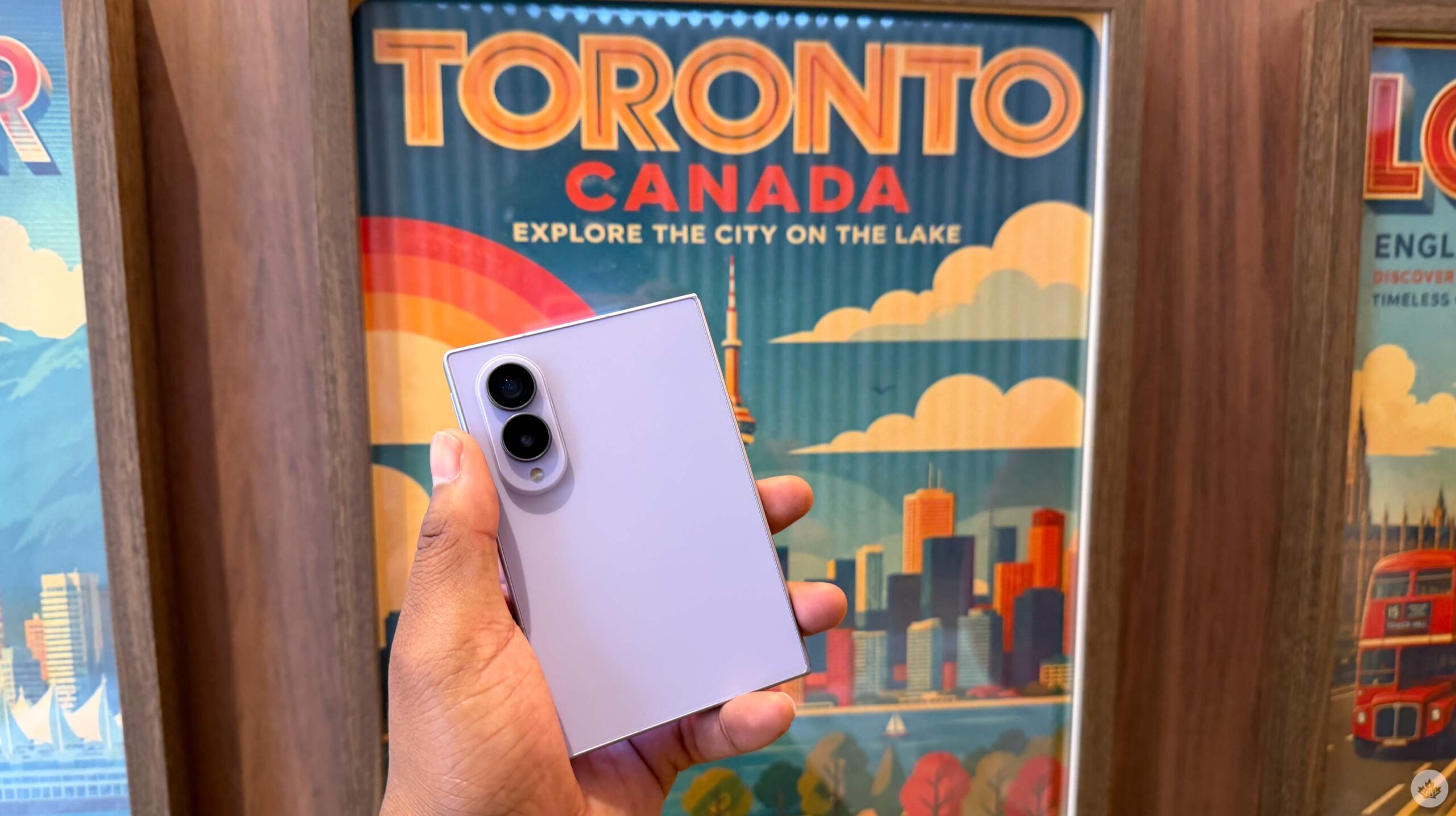
Over the past year, Samsung has impressed me time and time again with several hot launches such as the Galaxy XR headset, the impressively thin Z Fold 7 and the iconic Galaxy TriFold; however, the new Galaxy Z Fold 8 is definitely the most exciting launch so far, and that’s largely due to the device’s Canadian availability.
The newly designed Galaxy Z Fold 8 is coming to Canada on July 29, which is definitely a plus compared to the Galaxy XR and the TriFold, which never made it north of the border. Another pro for the Z Fold 8 is its adorable and very usable form factor, boasting a passport-style design that folds open to reveal a Samsung Galaxy Tab-like display. Since the original Pixel Fold and Oppo Find N2, I’ve been a fan of this form factor. While the Z Fold 7 and its new successor, the Z Fold 8 Ultra, offer the Samsung foldable design we’re accustomed to, I spent the last several years looking back fondly at this form factor, so I’m glad to see that it’s back. Still, if you’re looking for the Z Fold 7 update, then check out the Z Fold 8 Ultra hands-on.
Perfect design
There’s a big reason why I’m a fan of this passport-like design besides looking adorable – it’s incredibly compact. When it’s folded, the Z Fold 8 is nearer to a square than a rectangle, like a regular phone. Instead of the 19.5:9 of most phones, or the 21:9 aspect ratio of the Z Fold 8 Ultra, the Z Fold 8 has a 10:16 aspect ratio that’s incredibly wide and shaped like a passport. It’s actually so wide that holding it between my thumb and pinky is uncomfortable after a few minutes. Obviously, I don’t have to hold the phone like that; even one-handed, it’s perfectly wieldy, but it’s worth noting that it doesn’t fit perfectly in your palm. It is the lightest Fold-series device at 201g, so while it’s a bit too wide to sit perfectly in your palm, it still feels nice to hold.
The Z Flip 8 goes from a very small phone to a regular phone, while the Fold 8 Ultra goes from a large phone to an even larger tablet. The Z Fold 8 is that perfect middle ground, going from a small phone with a 5.5-inch display to a 7.6-inch tablet. While I didn’t have too many issues with the Z Fold 7 fitting in my pocket, I now won’t need to worry about it dropping out when I sit in a precarious position.
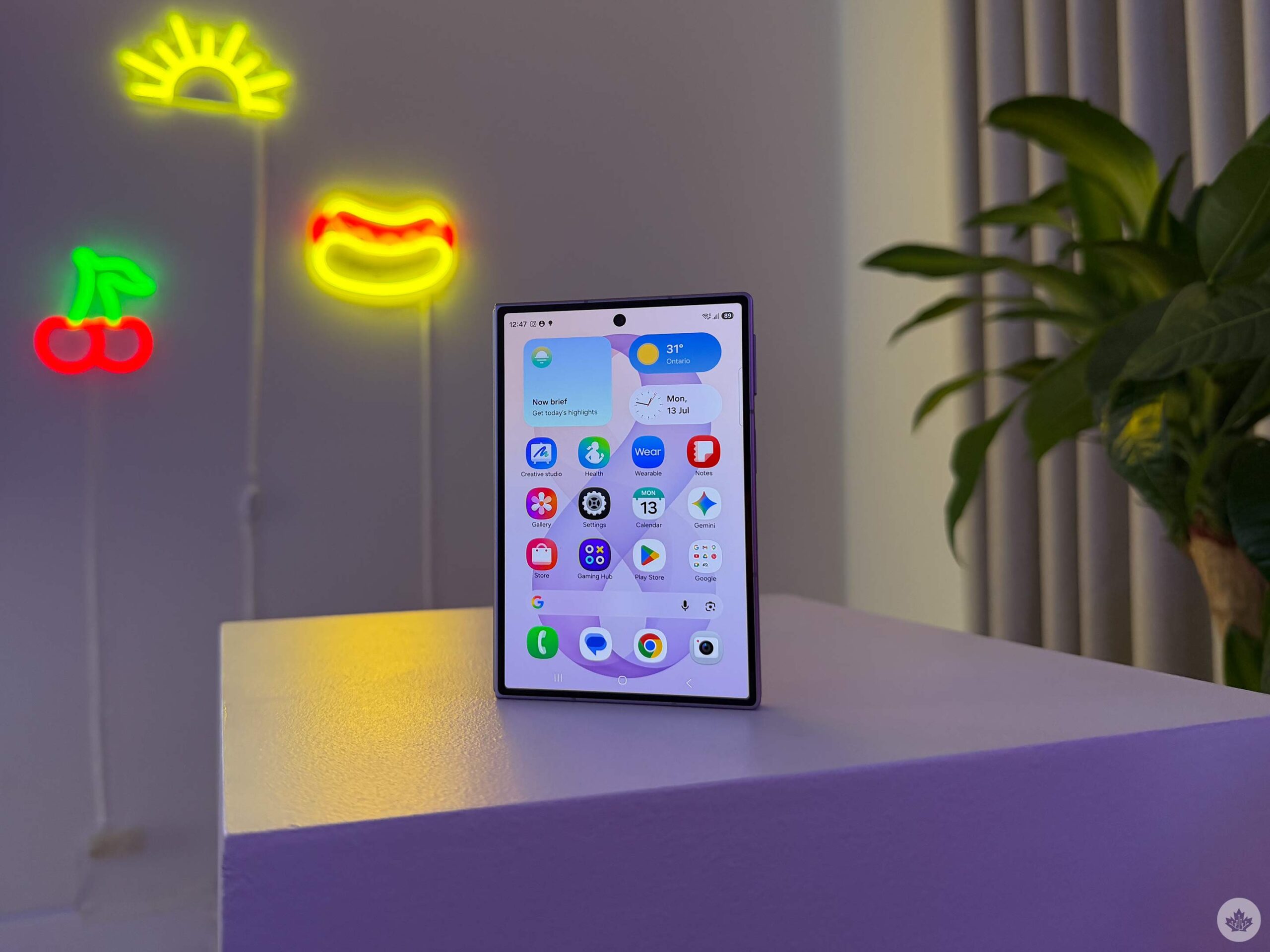
Samsung says this form factor is also better for watching content, and I think that’s a big selling point of this phone, as the company positions it to be the perfect entertainment phone. I want to spend more time with the Z Fold 8 before claiming it’s great for media, but in comparison to the Cover Screen for the Z Fold 8 Ultra, this Cover Screen would definitely be preferable for watching content than that awkward, long rectangular screen. With the Z Fold 8 Ultra, you’ll want to open up the large screen whenever you’re watching any long-form content, but now it won’t feel like you have to open up your phone to watch a minute-long video.
Samsung says that it designed the Z Fold 8’s front display for vertical content like YouTube Shorts and Instagram Reels, and when unfolded it’s perfectly designed for long-form horizontal content like watching a Netflix video. I kind of thought this was weird at first, like, why is it better than the Z Fold 8 Ultra; however, comparing the two side by side, you notice that the Z Fold 8 Ultra has so much more screen real estate that’s wasted, versus the Z Fold 8’s which has videos nearly reach the edge of the screen with no added space, making it a multimedia device.
And probably what’s most (or, I guess least, depending on how you look at things) notable about the Z Fold 8 is its crease; while unfolded, it’s unnoticeable. Even running my finger over the display, I can barely feel the crease.
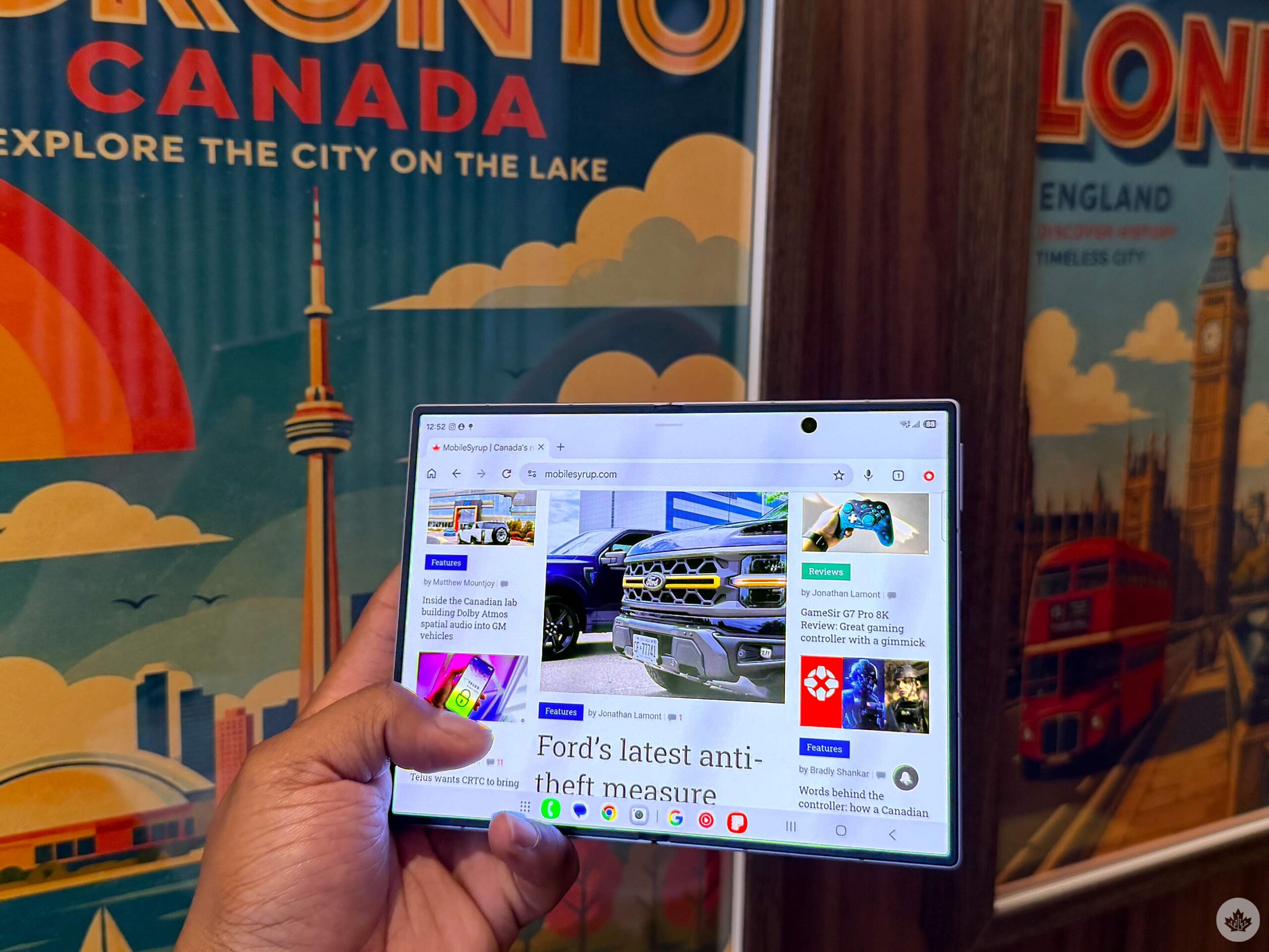
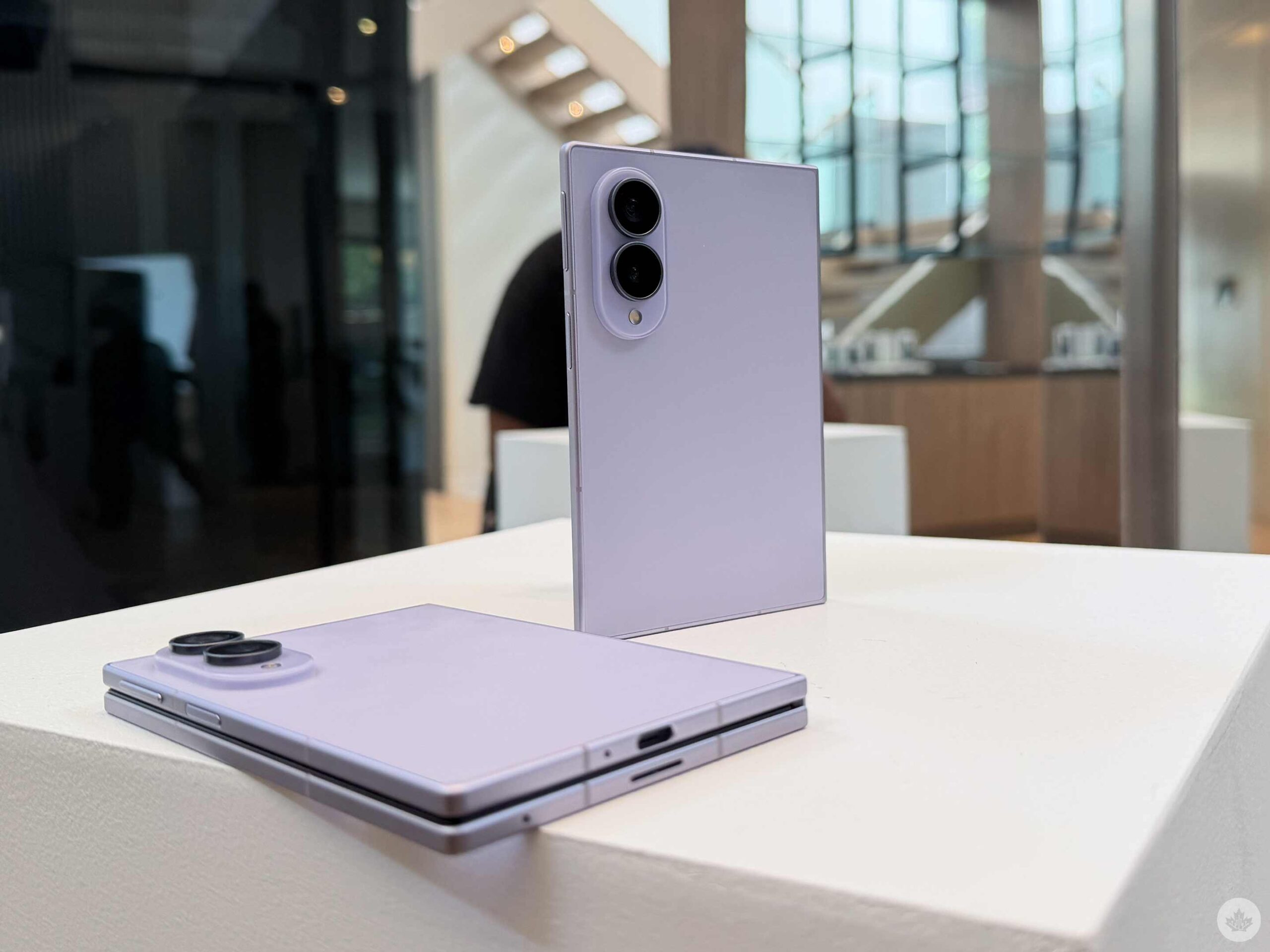
And thankfully, the phone is quite thin, so either when it’s folded or unfolded, it doesn’t feel like a brick. The Z Fold 8 is thicker than the Z Fold 8 Ultra and the Z Fold 7, but that’s mostly because these phones are impressively thin. The Z Fold 8 is still by far thinner than Google’s Pixel 10 Pro Fold and the Razr Fold. When the phone is unfolded, it’s even thicker than the iPhone Air and the Galaxy S25 Edge.
The Z Fold 8 also looks good from the back with a clean design and a camera bump that isn’t too big, but still makes the phone unstable when lying on a desk. I asked Samsung about this, and I was told that the camera bump has become an essential part of their design.
I didn’t get to spend too much time with the Z Fold 8, but my hands-on session was enough today; I’m already a fan of the design, and I haven’t been this excited for a review unit in a while.
Is it enough?
Design aside, I think the Z Fold 8 is definitely a handset to look out for. A Snapdragon 8 Elite Gen 5 for Galaxy, up to 16GB of RAM, and up to 1TB of storage are pretty much the same specs as the Galaxy S26 Ultra, and that phone ran wonderfully, so I’m expecting a similar experience. The Z Fold 8 also rocks a 4,800mAh battery, which I think is pretty small, but considering the 5.5-inch screen, it might be enough. The 4,400mAh battery on the Z Fold 7 made it through the day, so this battery, in theory, should as well, but I’ll have to put it through its paces to say for sure.
It’s hard to claim that any phone is worth the Z Fold 8’s $2,399 price tag, especially considering its meager 256GB of storage in the base variant. Samsung typically has a sale offering double the storage for the base pricing, but unfortunately the company isn’t offering this promotion this year. However, maybe we’ll see that deal around Black Friday,
The Samsung Galaxy Z Fold 8 is exactly the design I want, and I think it will encourage users to mostly use the front screen and only pull out the larger one for media consumption, which is exactly how I think one should use a foldable. And its compact design will definitely make it more enticing for many.
MobileSyrup may earn a commission from purchases made via our links, which helps fund the journalism we provide free on our website. These links do not influence our editorial content. Support us here.