


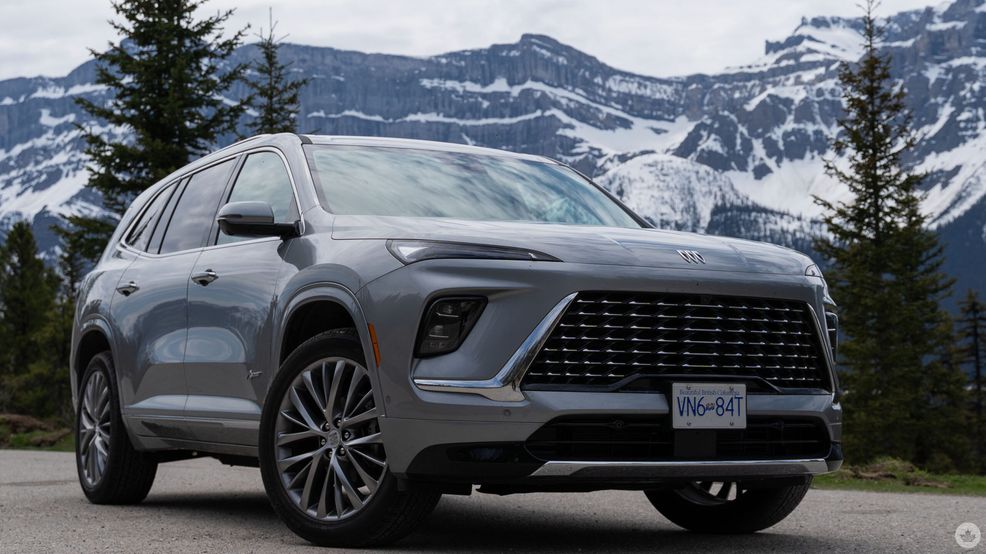
I love mountains. The scale, the beauty, the nature — there’s so much to love about them. For years, I’ve wanted to head out west to tour the Rockies myself.
I finally got that opportunity earlier this year when I joined GM on an early leg of its ‘Great Canadian Hands-Free Drive,’ where I drove on the Trans-Canada Highway from Vancouver to Edmonton through the Rocky Mountains. And honestly, it’s one of the best ways to do it, offering up plenty of sightseeing opportunities and a fresh new look at some of the most beautiful parts of Canada.
Well, saying I drove is a bit of a stretch. I did some driving, but mostly the vehicle drove me.
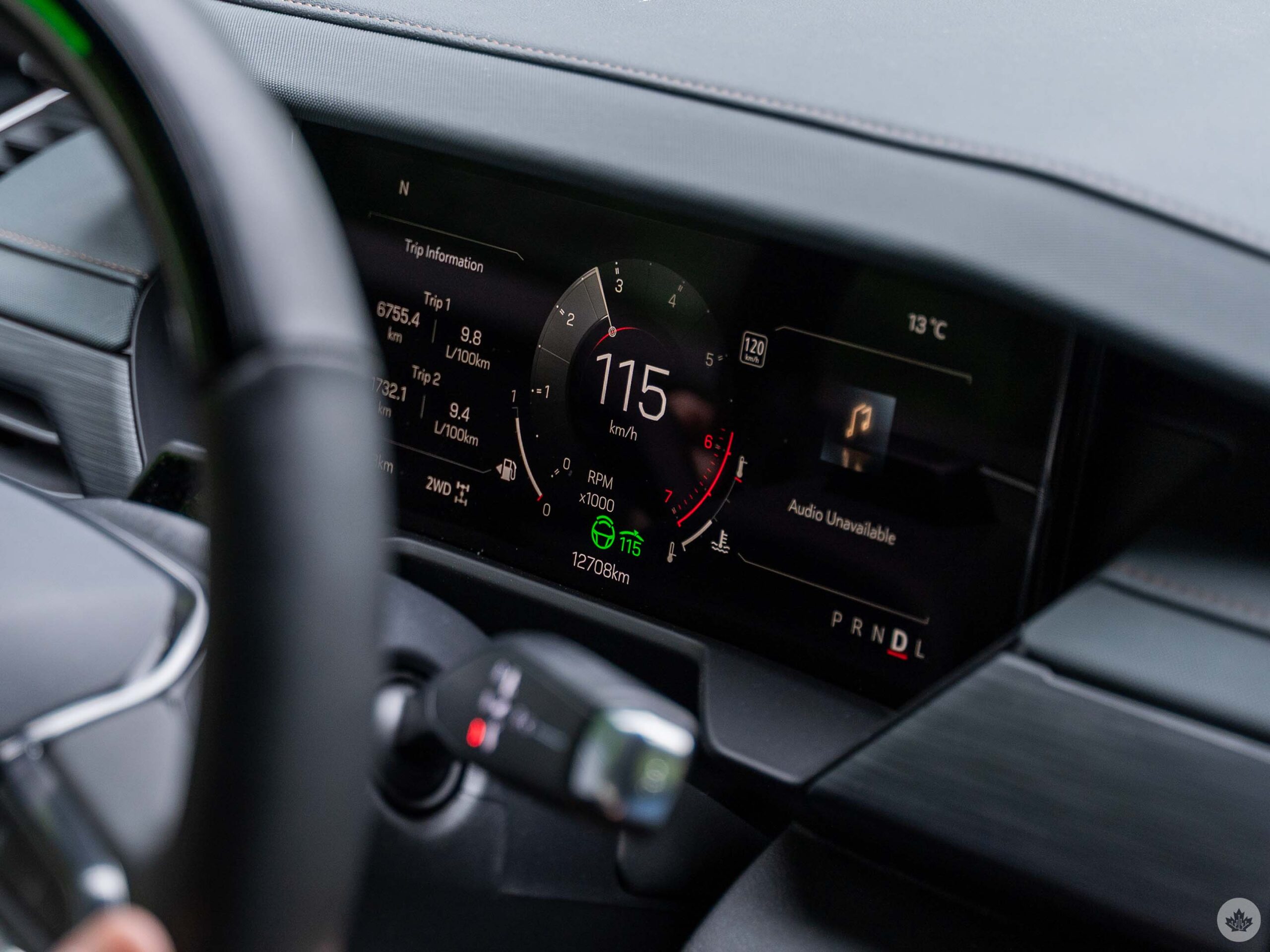
See, the Great Canadian Hands-Free Drive was actually a cross-Canada journey GM organized to show off its Super Cruise driver assistance technology. Various press (MobileSyrup included) and influencers got to tag along for the journey to see the country. Moreover, the Super Cruise experience was phenomenal, helping relieve the stress of driving for extended stretches and affording drivers an opportunity to take in the scenery as well.
Frankly, I’m not sure I could have done this drive without Super Cruise. Driving from Vancouver to Edmonton is no easy feat, and I had to do it in just three days. That meant hours of driving each day, and while frequent stops to take photos and enjoy the scenery help break up the kilometres, it was still quite taxing. But being able to hand off control to Super Cruise to give myself a break helped ward off fatigue and kept me feeling fresh and energized throughout the journey.
How Super Cruise actually works
Since this is a tech blog first and foremost, I want to start with the tech I tested on this drive, namely, Super Cruise. (And if you’re here for the cool sights, don’t worry — I’ll get into that further down.)
Super Cruise is a hands-free driver assistance feature which was actually developed right here at GM’s Canadian Technical Centre in Ontario. It’s available across 23 vehicle models from GM brands like GMC, Cadillac, Chevrolet, and Buick, and it uses a mix of LiDAR, GPS, cameras, and radar to keep the vehicle in its lane, plus tons of mapping data that GM collects from a third-party company and delivers to vehicles through regular over-the-air (OTA) updates.
GM says it has mapped over 960,000km of roads across Canada and the U.S., including Atlantic Canada as of February 2026 — part of what kicked off GM’s Hands-Free Drive, as the company says you can now “drive coast to coast hands-free with Super Cruise.”
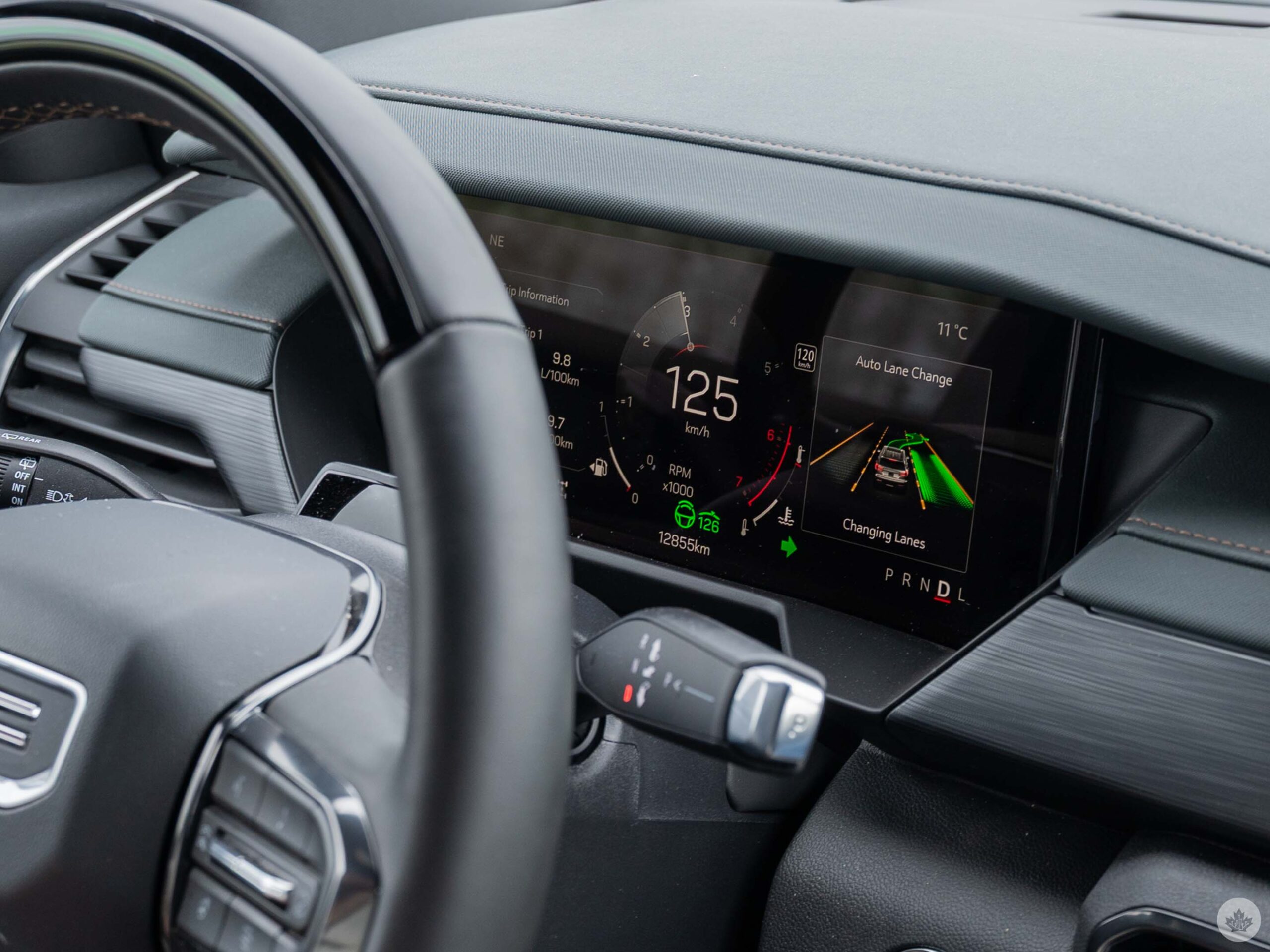
Changing lanes using GM Super Cruise.
However, the claim isn’t quite accurate, as you can’t drive on unmapped roads, and inevitably you’ll encounter those on a cross-Canada jaunt. Even on mapped roads, there are occasional map gaps where drivers will need to take control. Still, GM estimated about 80 per cent of the coast-to-coast drive could be done with Super Cruise, and that seemed accurate for the stretch I drove from Vancouver to Edmonton.
For example, on the first day of my drive in B.C., we were able to use Super Cruise without issue for most of the morning and afternoon. However, there was a lengthy stretch of road we drove in the evening where prior construction had disrupted the mapping process, leaving gaps where I had to take over driving from Super Cruise because it didn’t have the necessary road data.
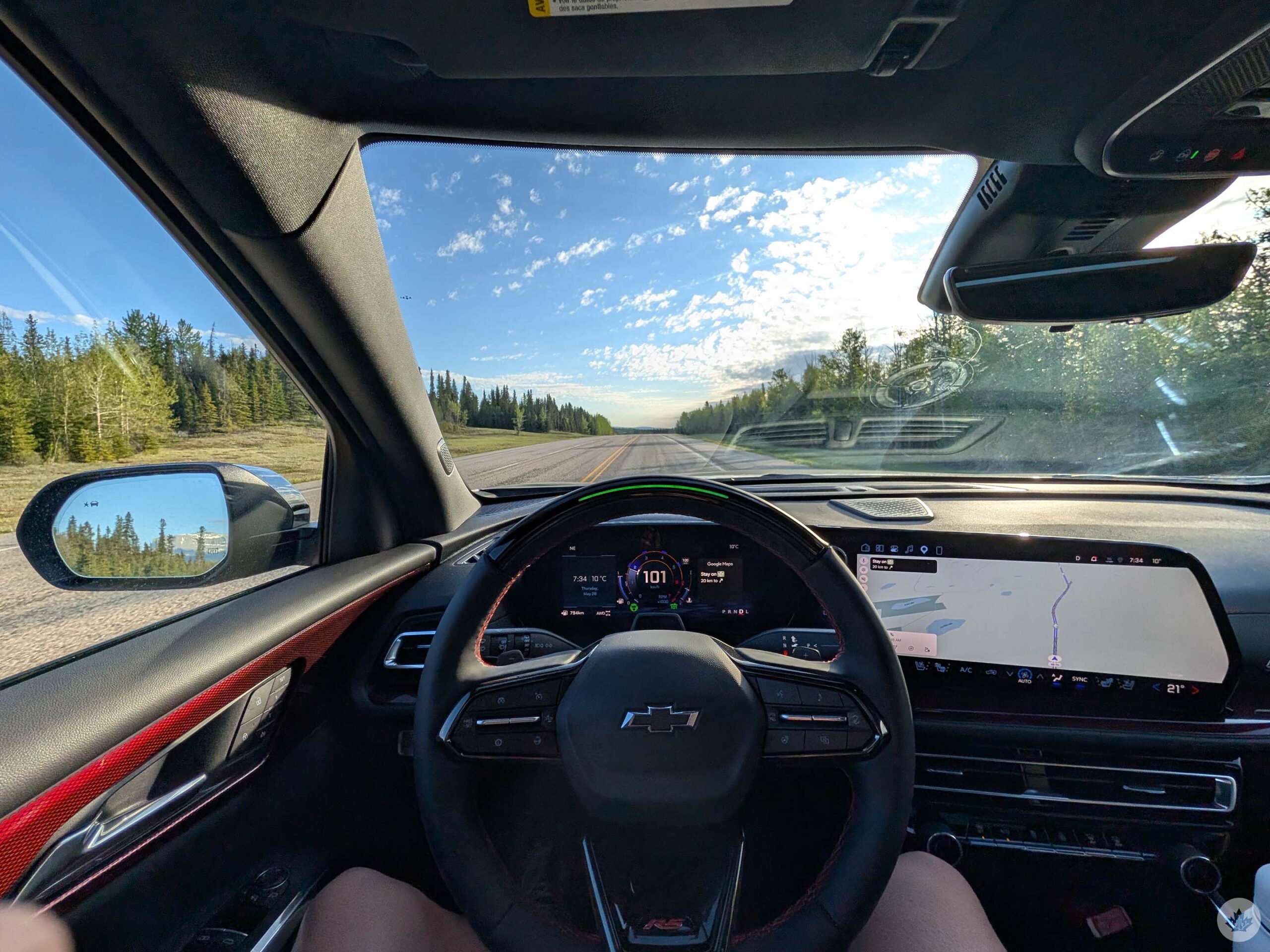
Eventually, those gaps will get filled in as mapping vehicles go back over that stretch, but it’s worth mentioning since the system is far from perfect, and drivers who use it must be prepared to intervene for reasons like this.
Still, out of a whole day of driving, there was maybe an hour or two total where we couldn’t actually use Super Cruise. So while not perfect, it’s good enough to handle large chunks of driving. It really helped offset the fatigue of a long drive.
Super Cruise can also steer, brake, accelerate, and change lanes — all without drivers needing to lift a finger. And perhaps most impressive is that GM says it works while towing a trailer (though I didn’t get to try this myself on this trip).
The in-car experience
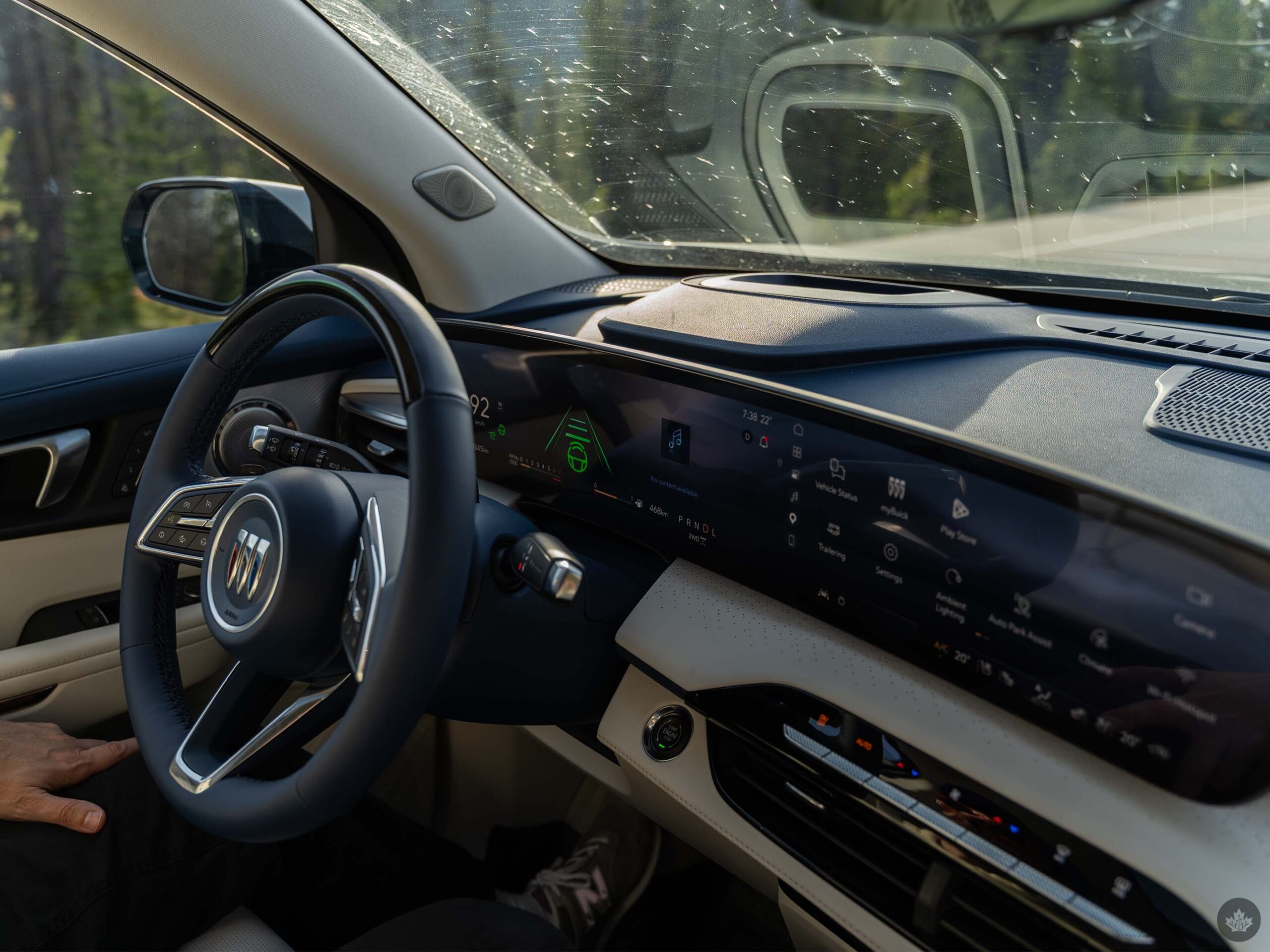
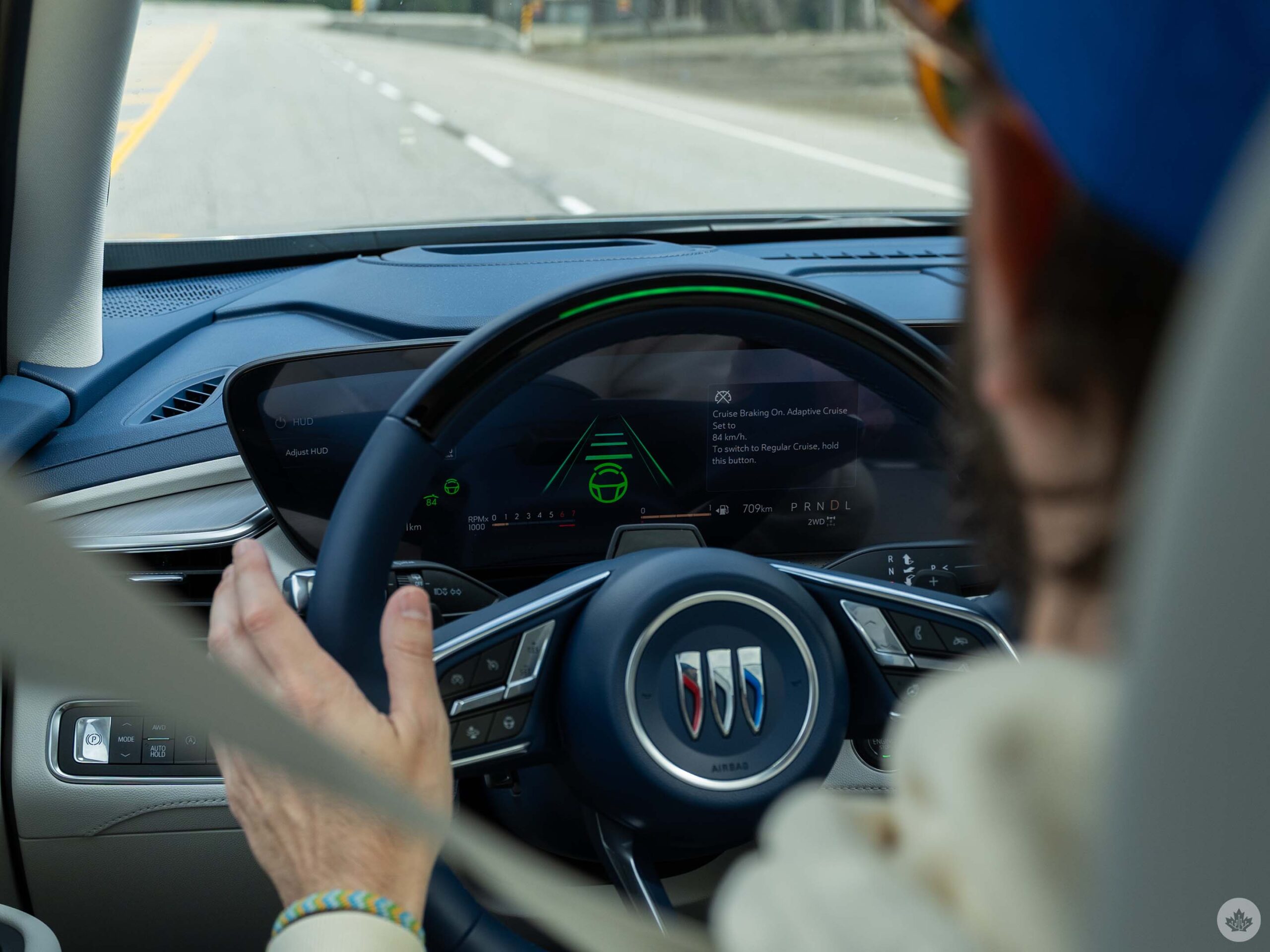
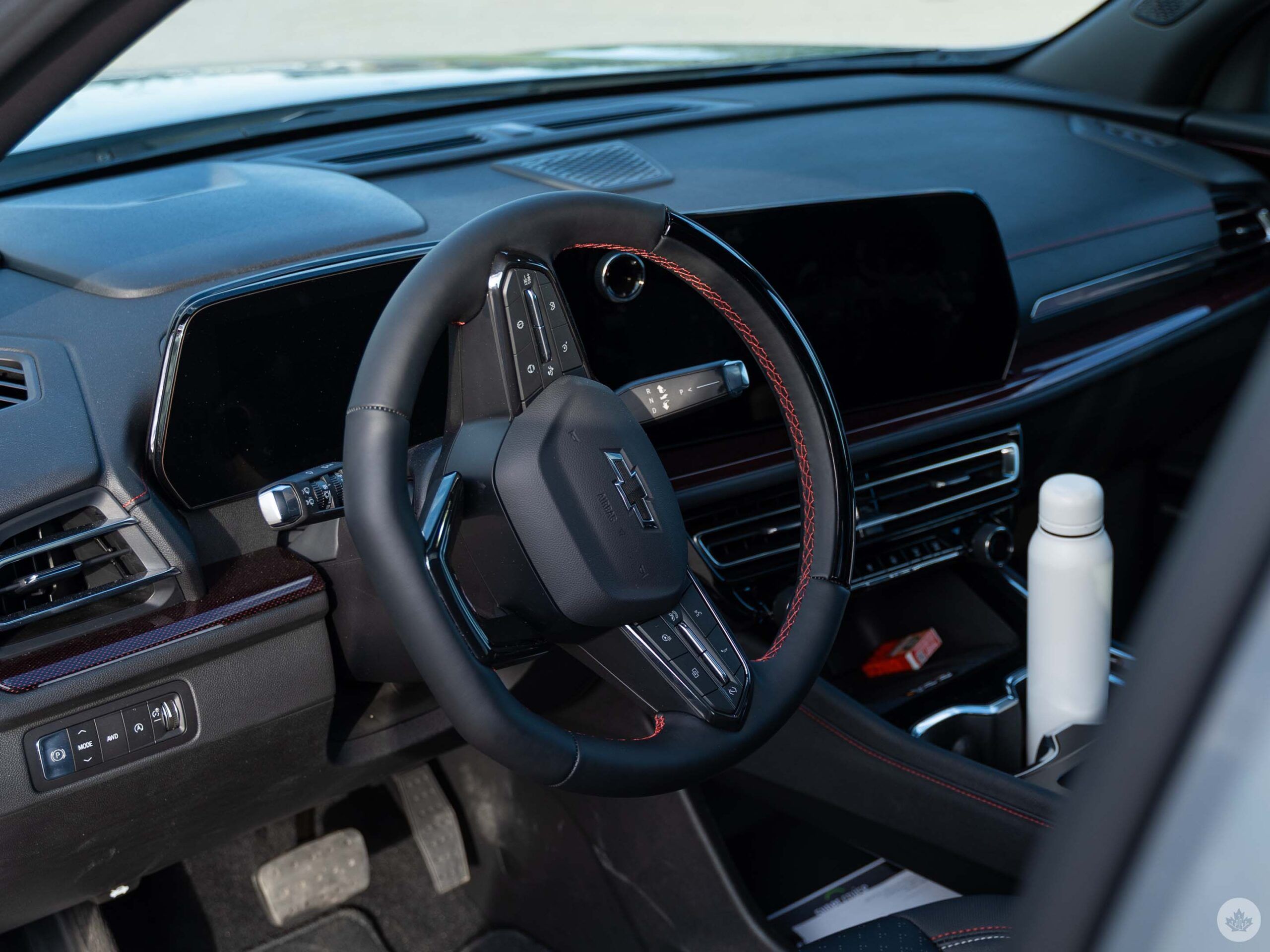
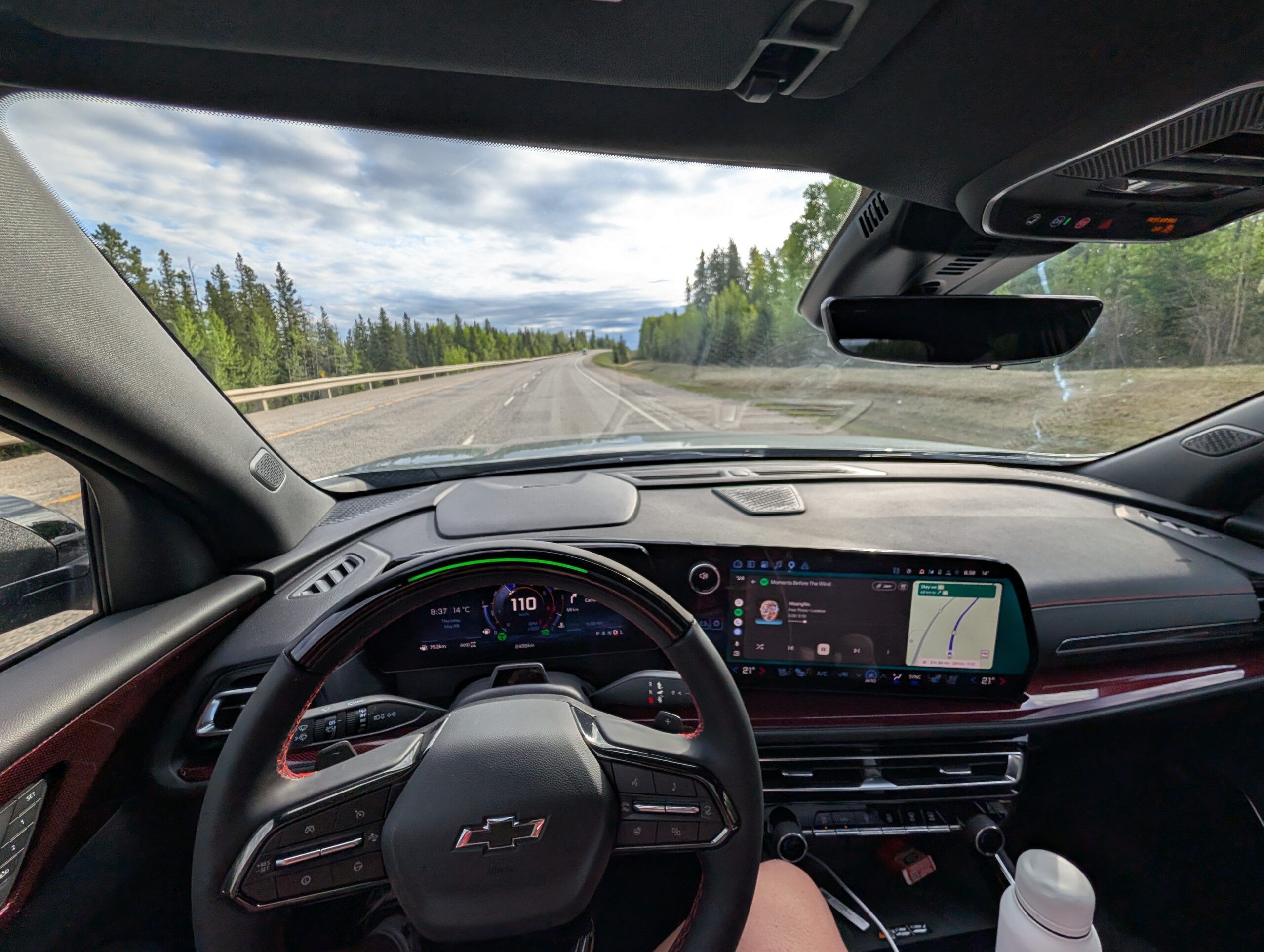
To enable Super Cruise on a compatible vehicle, drivers will need to first enable GM’s Adaptive Cruise Control. Once on, drivers can press the Super Cruise button on the steering wheel and set their desired speed. The car will take a few moments to adjust, and then the top of the steering wheel will light up green when it’s ready for drivers to let go of the wheel.
However, that first moment of letting go can be very nerve-wracking. For those like me who have tried other driver assistance systems, it was easy. But one of my car mates, who hadn’t used any such system before, had a tough time letting go of the wheel at first. It can be hard to trust the car to take over, but once you’ve transferred control a few times, it’s a breeze.
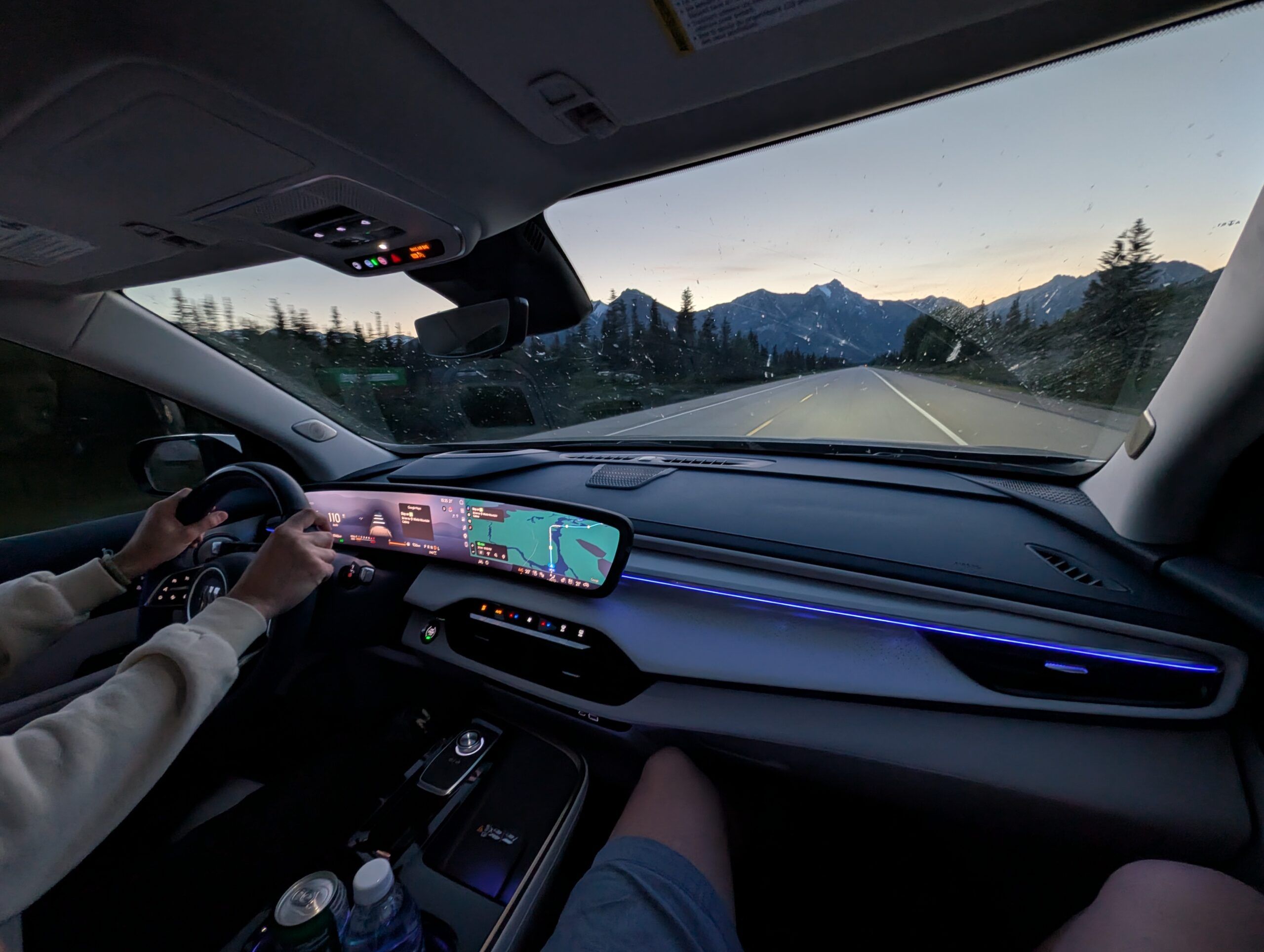
While GM’s in-car experience differs from vehicle to vehicle, there are a few elements of Super Cruise that remain consistent across cars. First is the aforementioned steering wheel light, which shows different colours depending on the situation (e.g. green if everything is working, or red if drivers need to take control). Most vehicles include a display of some kind on the dash, while others have a heads-up display (HUD) that you can see on the windshield with navigation details.
While getting in and out of Super Cruise is generally pretty easy once you know the steps, I found myself occasionally stumbling over the various buttons you need to press to activate it. I think GM could stand to streamline the activation process, especially given just how many buttons and controls dot the steering wheel.
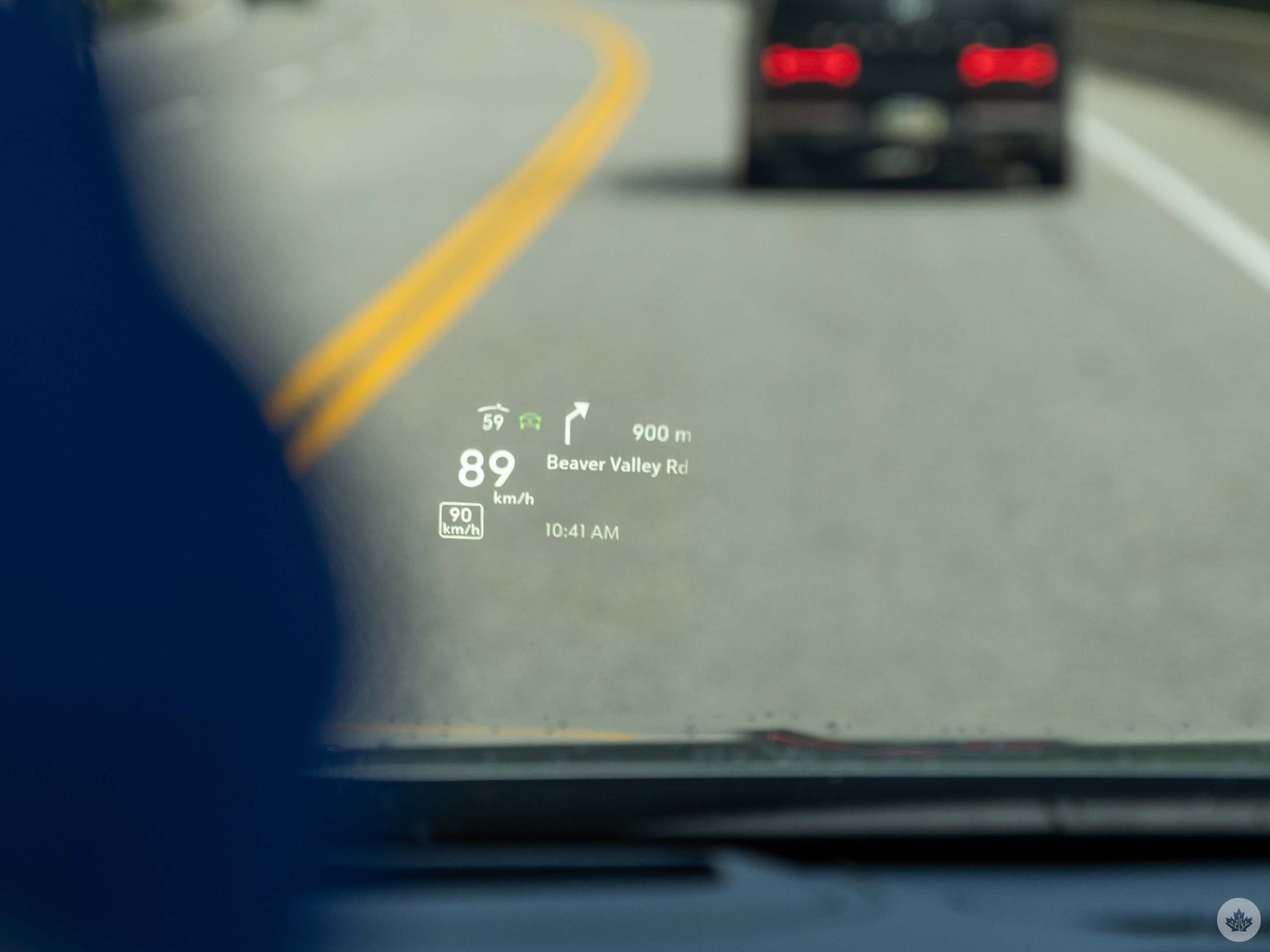
Heads-up display in the Buick Enclave.
In a similar vein, I found adjusting my speed in Super Cruise was a bit annoying. You press buttons to adjust your speed up or down by 1km/h, or hold the button to jump 5km/h at a time. But on occasions when the speed limit suddenly changed — such as when a highway passed through a town, and I suddenly needed to drop from 100 to 50km/h — adjusting my speed was quite tedious. Moreover, I often found myself needing to take my eyes off the road to make the changes, especially in vehicles that didn’t have a windshield HUD.
Finally, it’s worth noting that GM vehicles have lots of hardware dedicated to driver attention. There are sensors for monitoring whether a driver is paying attention, and the driver’s seat will vibrate to catch your attention. And if the car has to scold drivers for not paying attention multiple times, it will actually temporarily disable Super Cruise until the next time you start the vehicle.
Super Cruise impresses, even on harrowing mountain roads
Over the three-day journey, I was able to test Super Cruise in a variety of conditions, such as during heavy traffic on a multi-lane highway, in various adverse weather conditions like rain and fog, through construction zones, and more.
In almost every scenario, Super Cruise worked great, though I was particularly impressed by its ability to handle heavy rain and fog while ascending a winding mountain highway, including navigating around transport trucks kicking up tons of spray. For me, visibility was incredibly poor, but Super Cruise was nearly flawless.
The key word there, however, is nearly. The thing with Super Cruise (and similar driver assistance systems) is you still need to pay attention because Super Cruise can make mistakes.
In my experience, most of the issues stemmed from Super Cruise’s ability to change lanes on its own. Drivers can manually initiate a lane change by flipping on the turn signal — Super Cruise will change lanes in the specified direction once it’s safe to do so. However, Super Cruise can also automatically change lanes, such as when you approach another car that’s going at a slower speed. When it does this, Super Cruise will vibrate the corresponding side of the driver’s seat so you pay attention.
But I found Super Cruise’s automatic lane changing to be a touch aggressive, with the vehicle often changing lanes when it didn’t make sense to do so. In one instance, Super Cruise changed lanes to go around a driver who was only driving slightly slower than us. Other times, it would try to move out of the empty right lane into the equally empty left lane, for no clear reason at all. Thankfully, the lane change features can be turned off if drivers find them problematic. The feature mostly works fine, but can be a bit overzealous.
Ultimately, though, these issues are minor quibbles with an otherwise excellent system. While I had some experience trying driver assistance tech before, this was my first time using Super Cruise, and my first time using any driver assistance over such a long trip. It’s honestly a game changer for any lengthy drive, allowing drivers an opportunity to take a break and relax a bit. For any Canadians planning road trips this summer — which apparently many of you are planning just that — I’d argue Super Cruise is a very beneficial tool to have.
I’d also argue that driving through the Rockies is one of the best road trip experiences in the country.
Day 1: Vancouver to Revelstoke
Now, let’s get into the trip itself, because it was truly phenomenal. As mentioned up top, we drove over 1,400km over the course of three days, starting in Vancouver and ending in Edmonton. The first stretch of the drive was about 566km from Vancouver to Revelstoke, with some fun stops along the way.
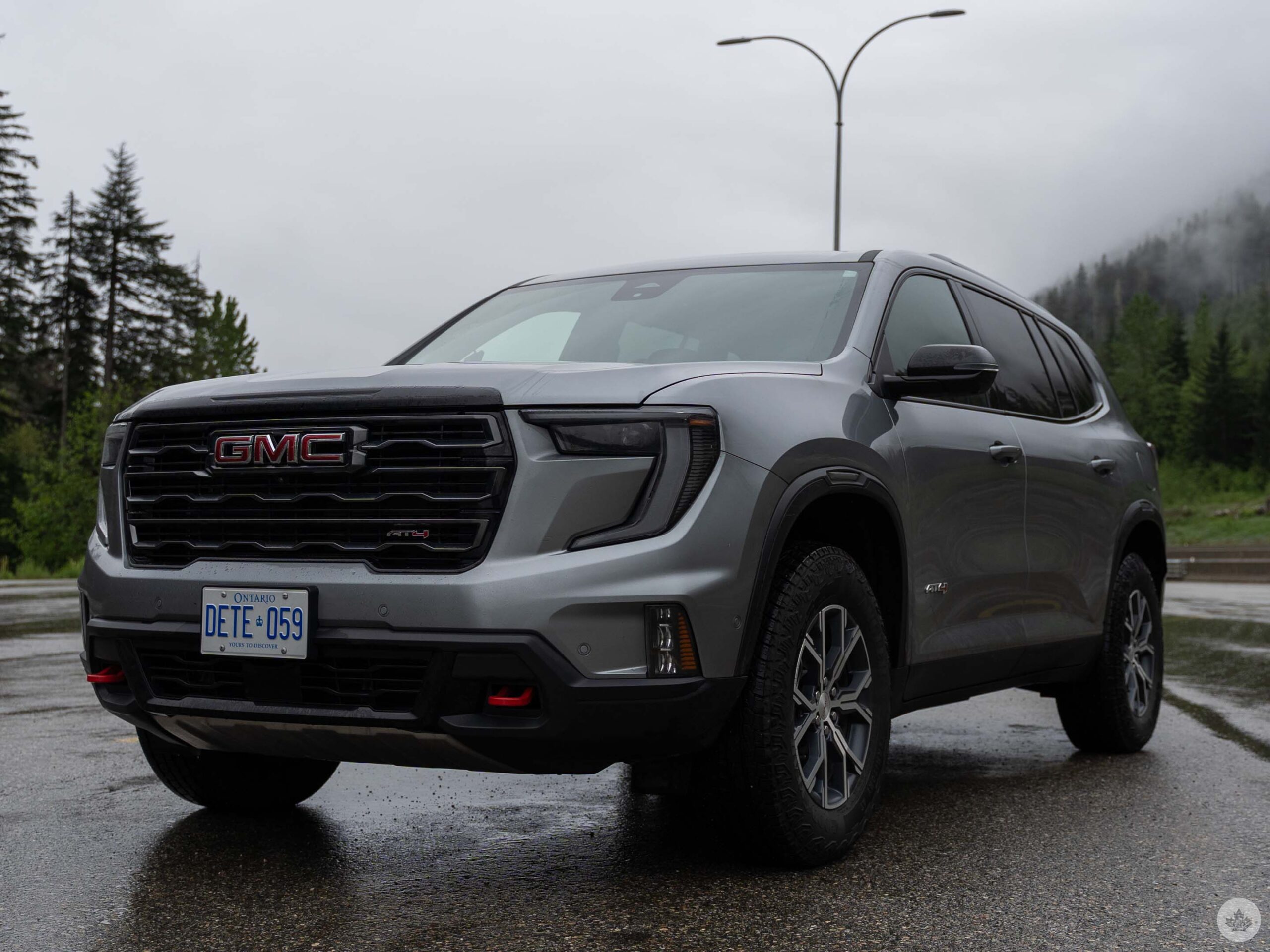
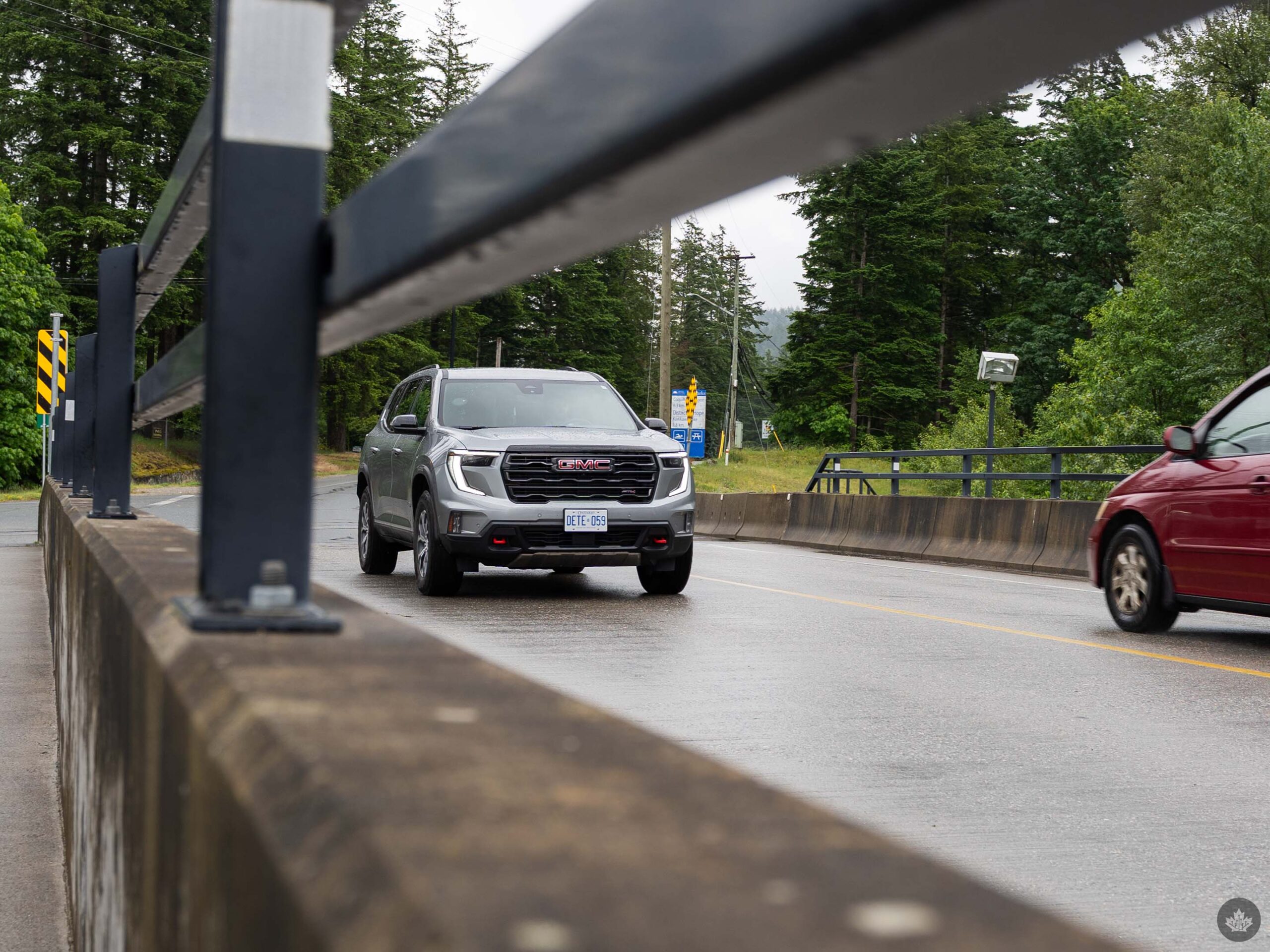
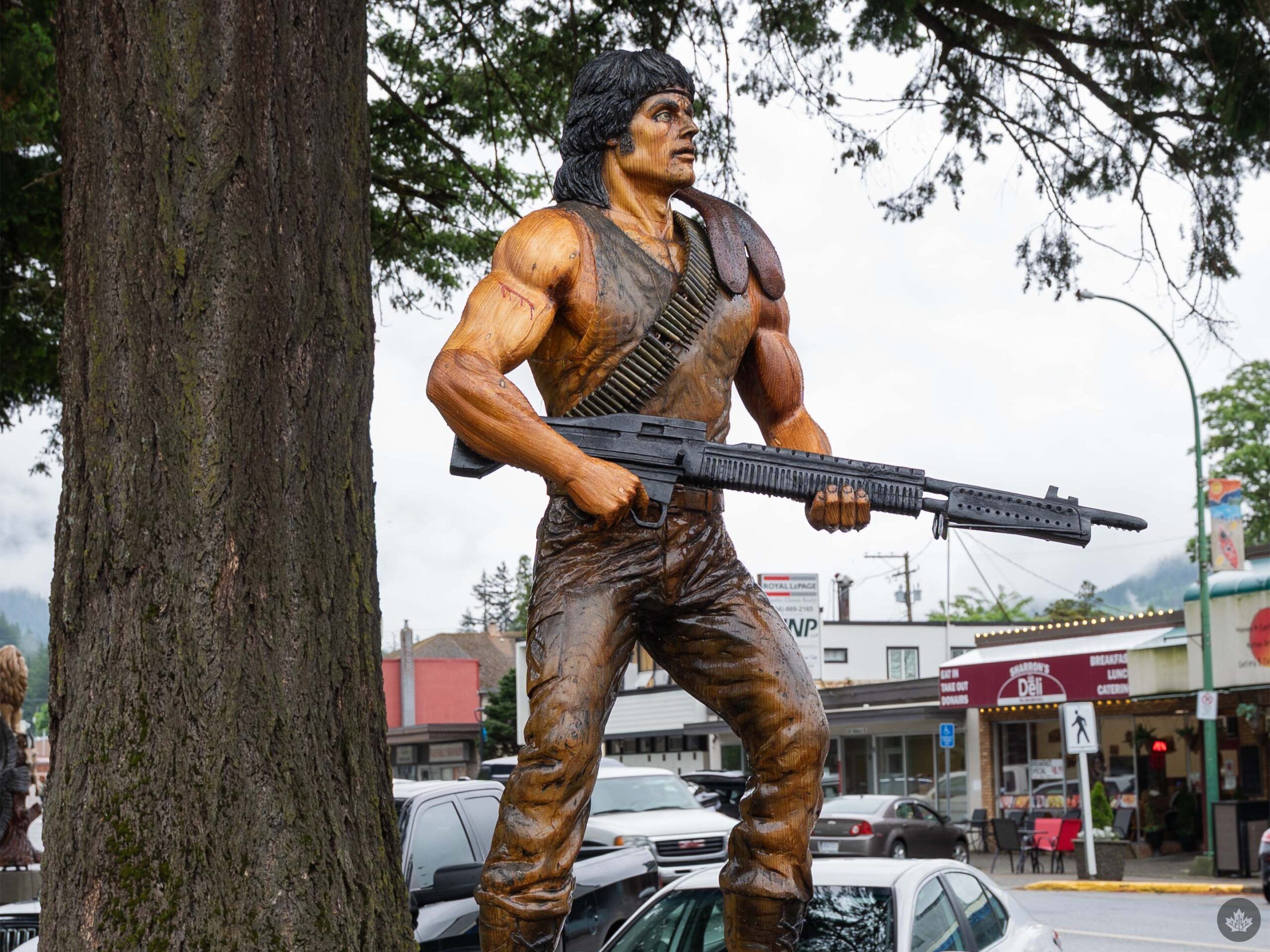
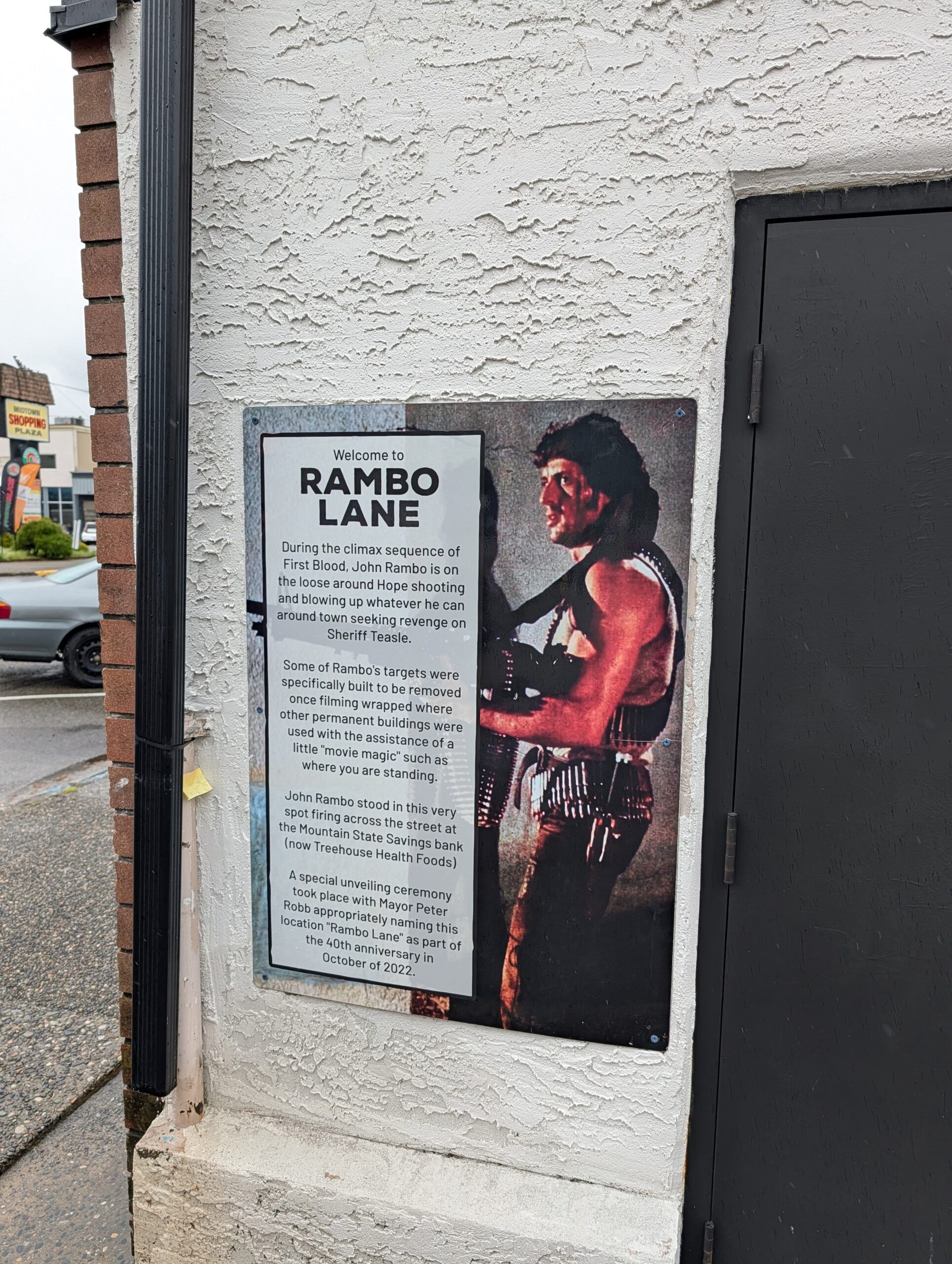
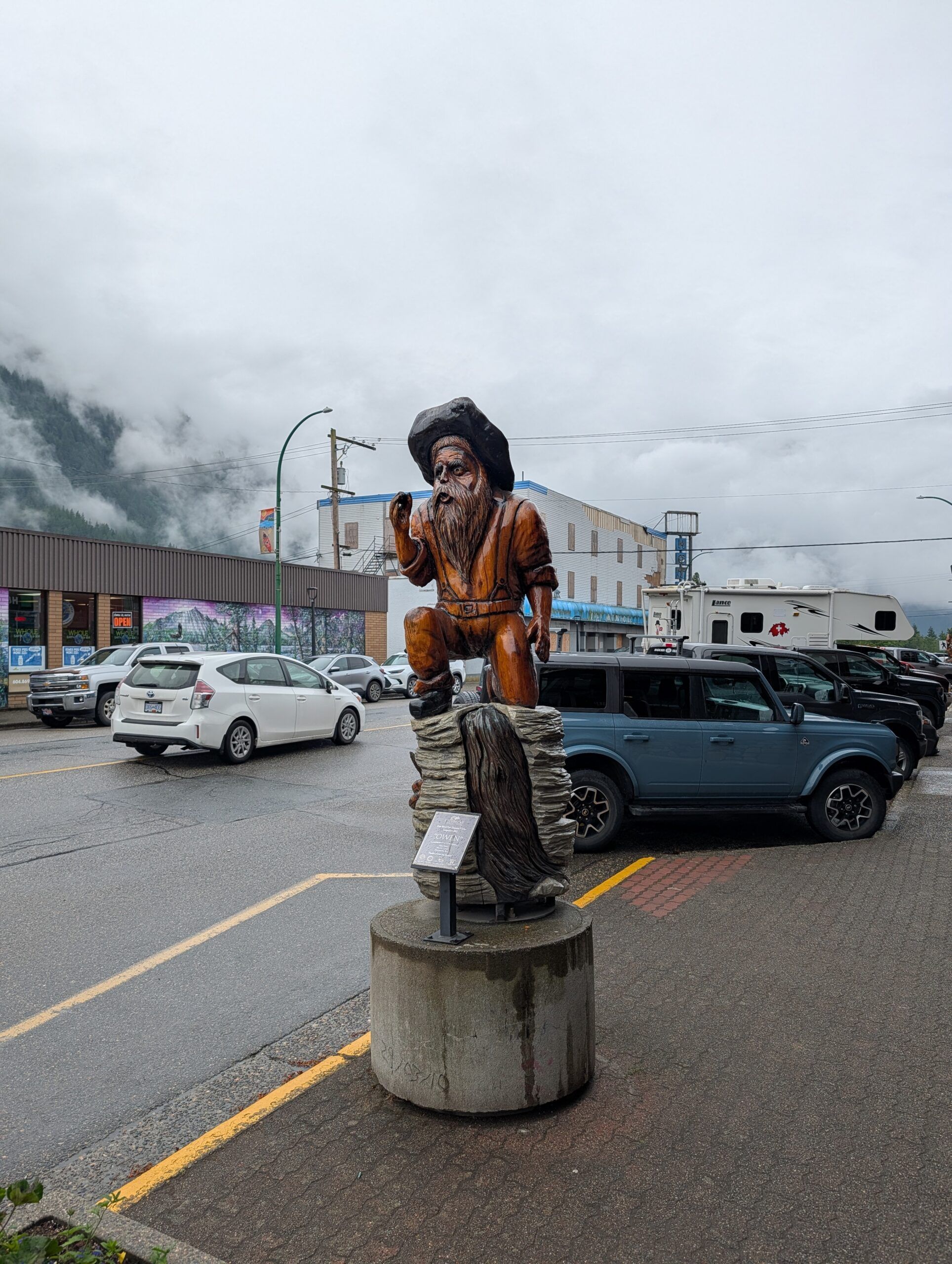
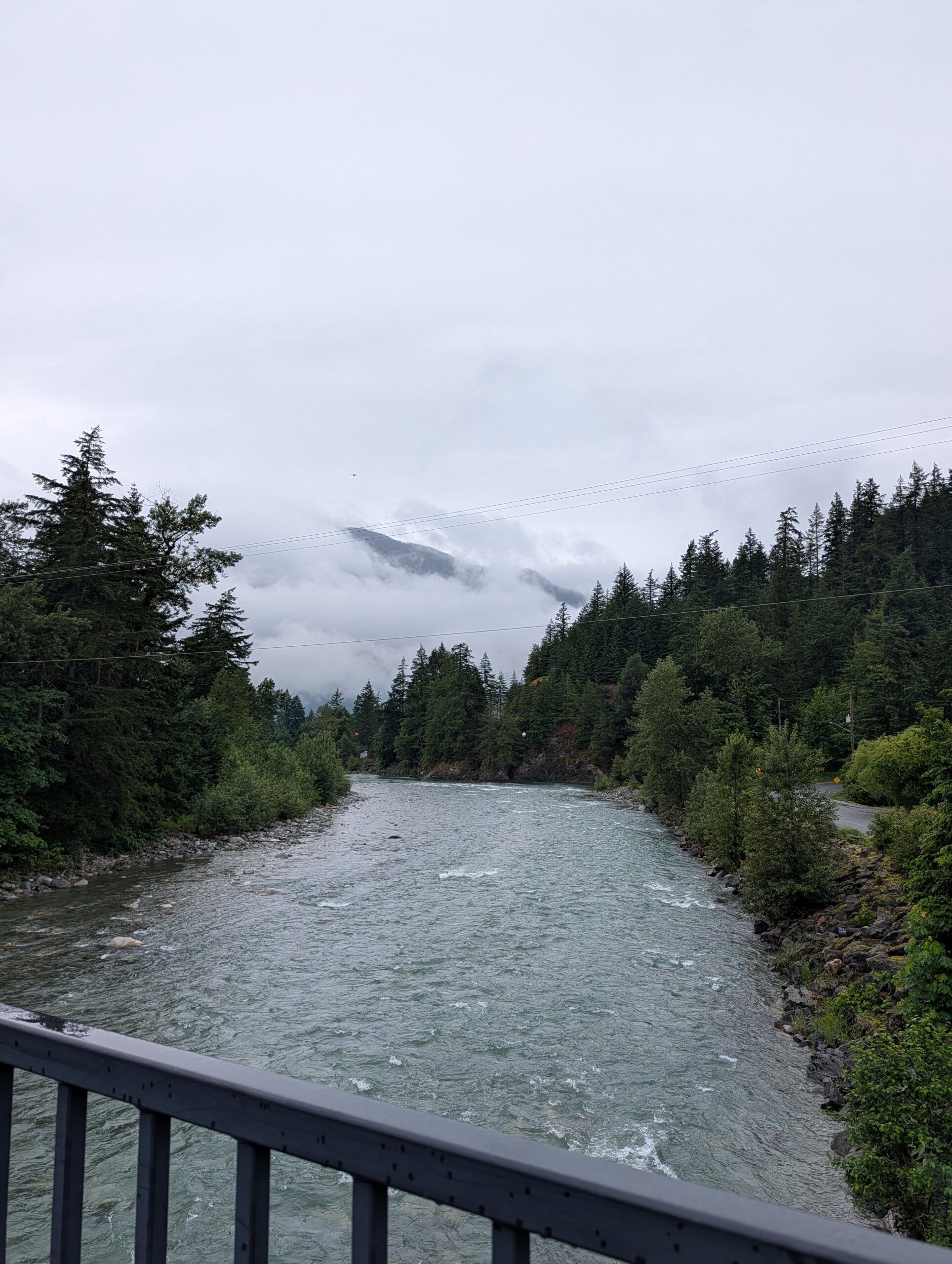
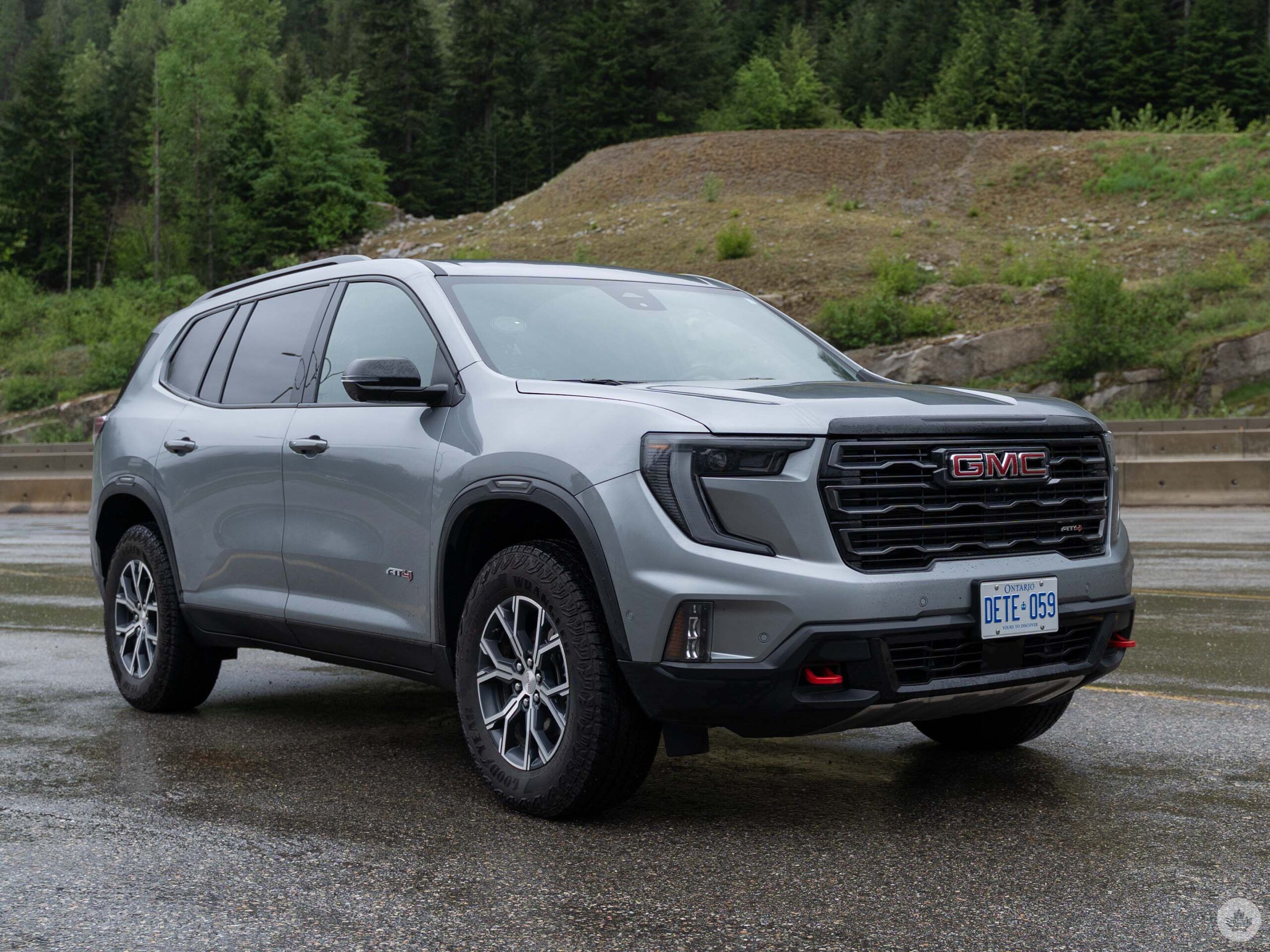
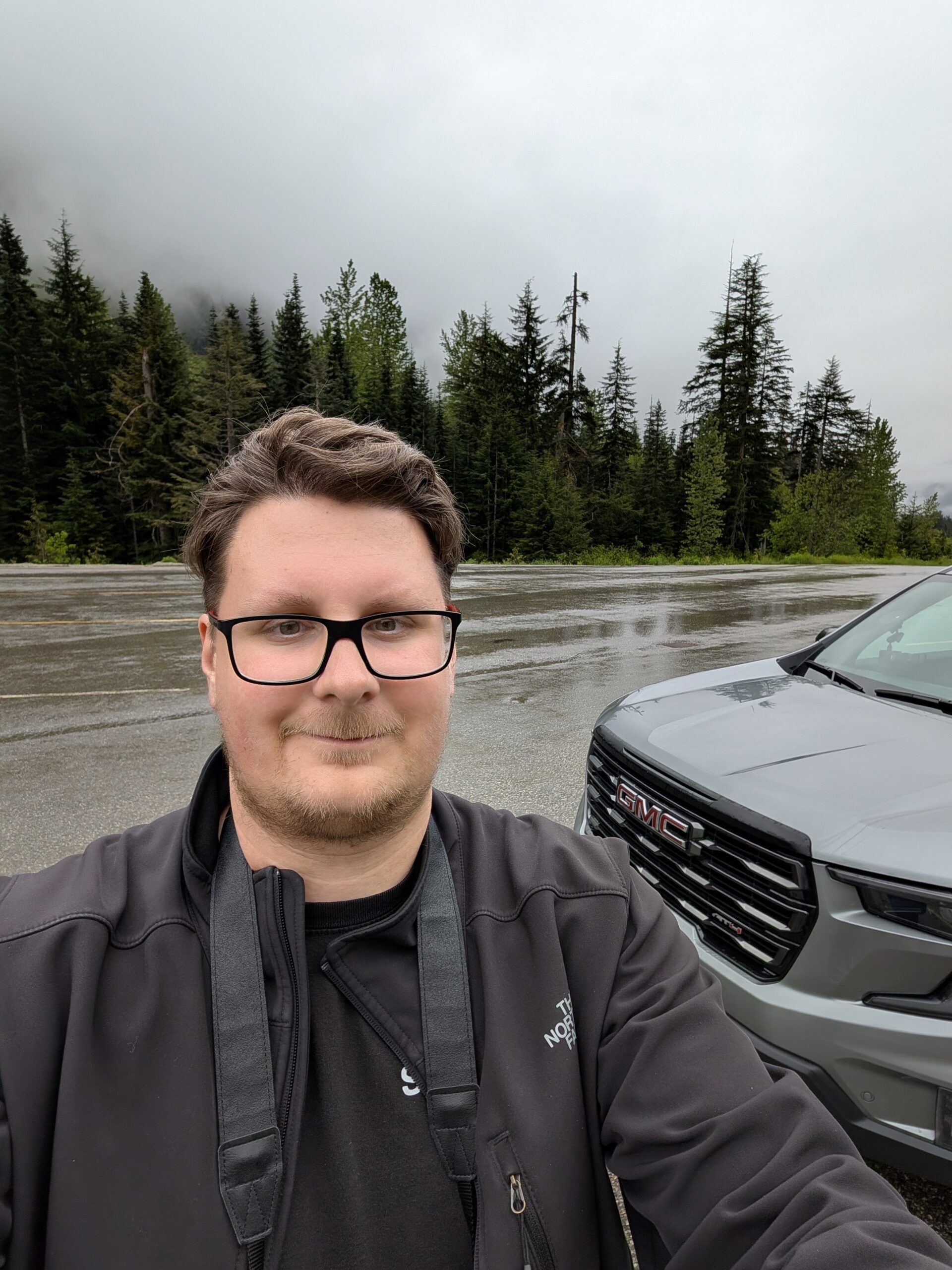
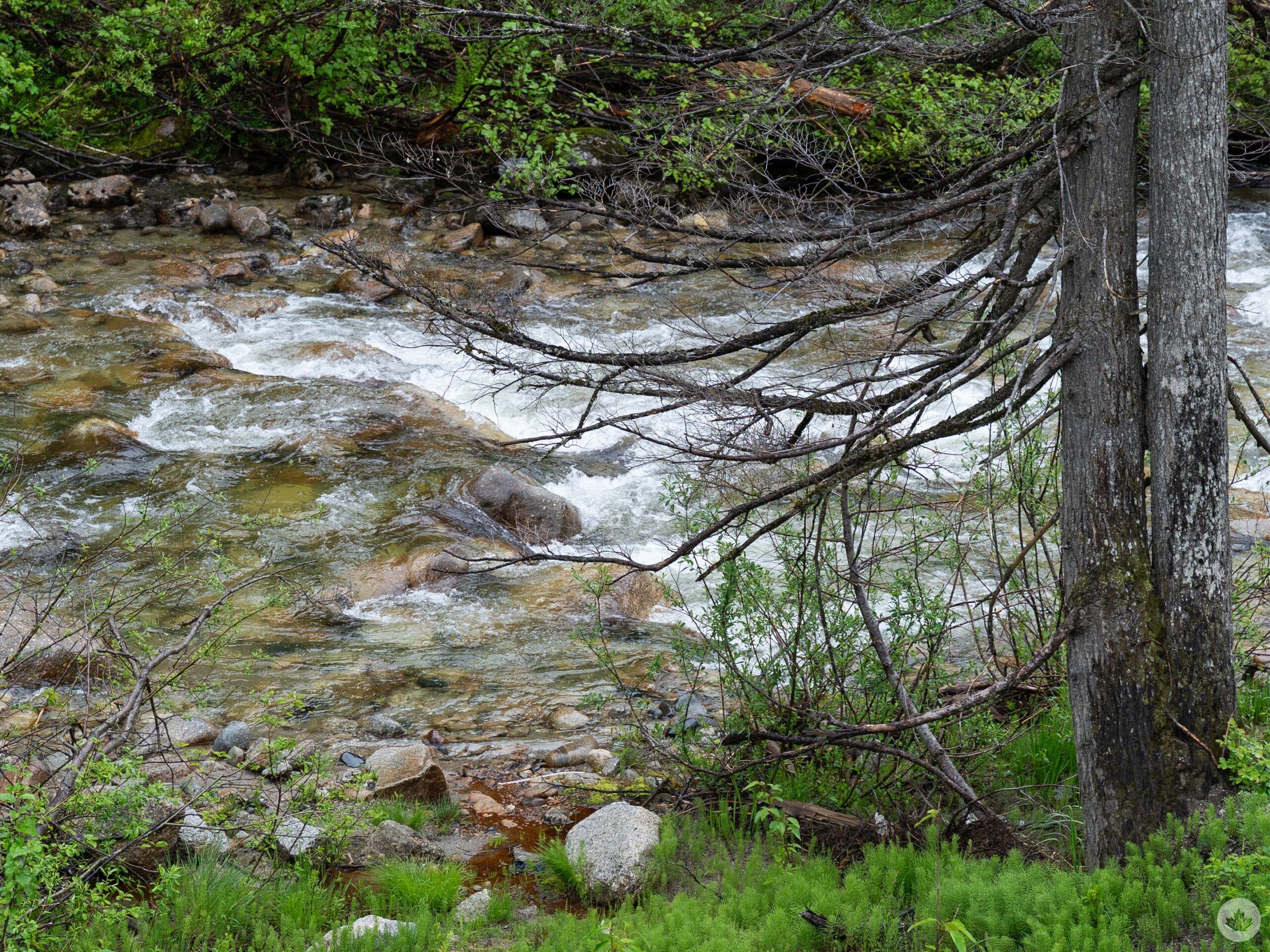
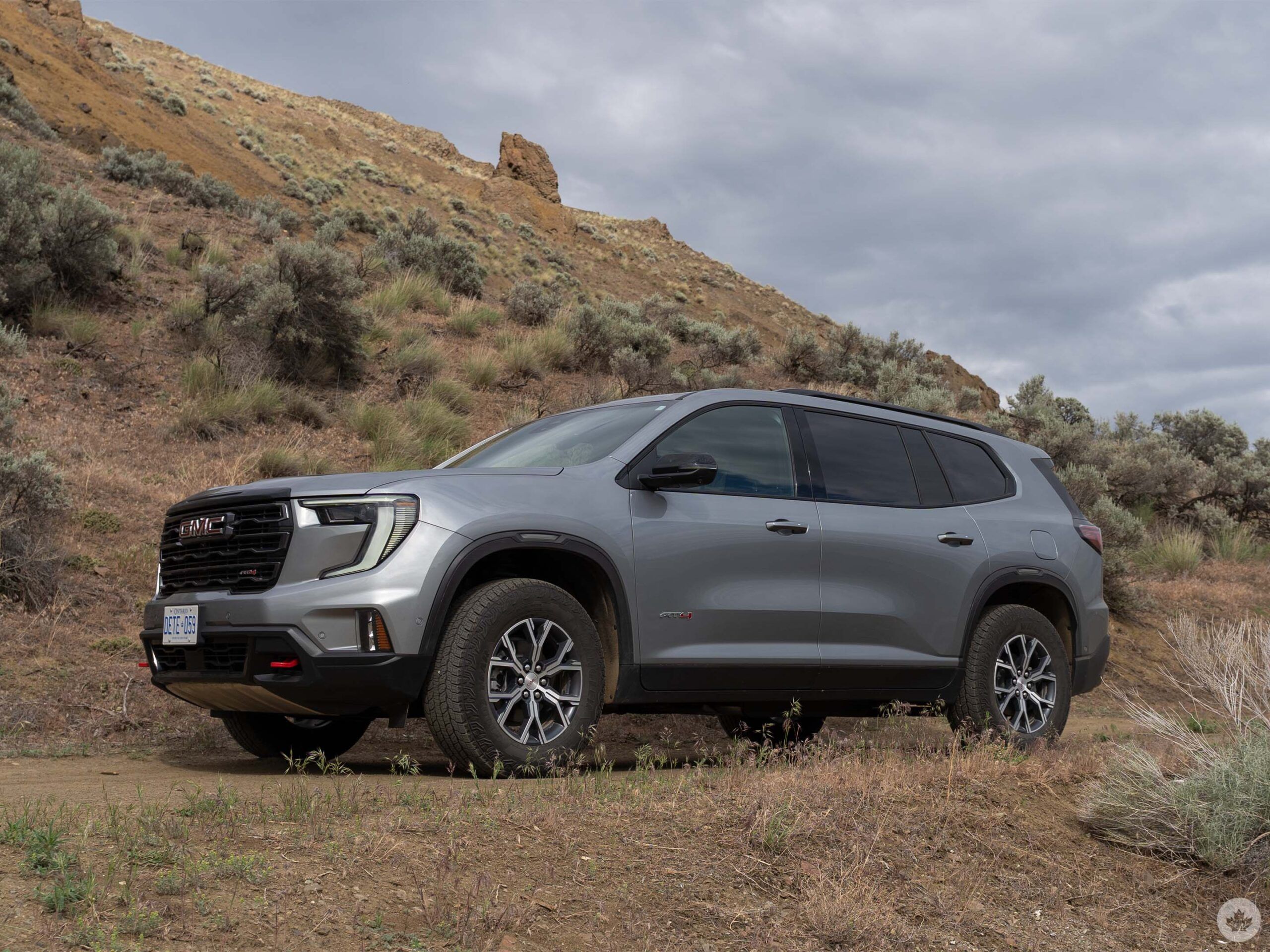
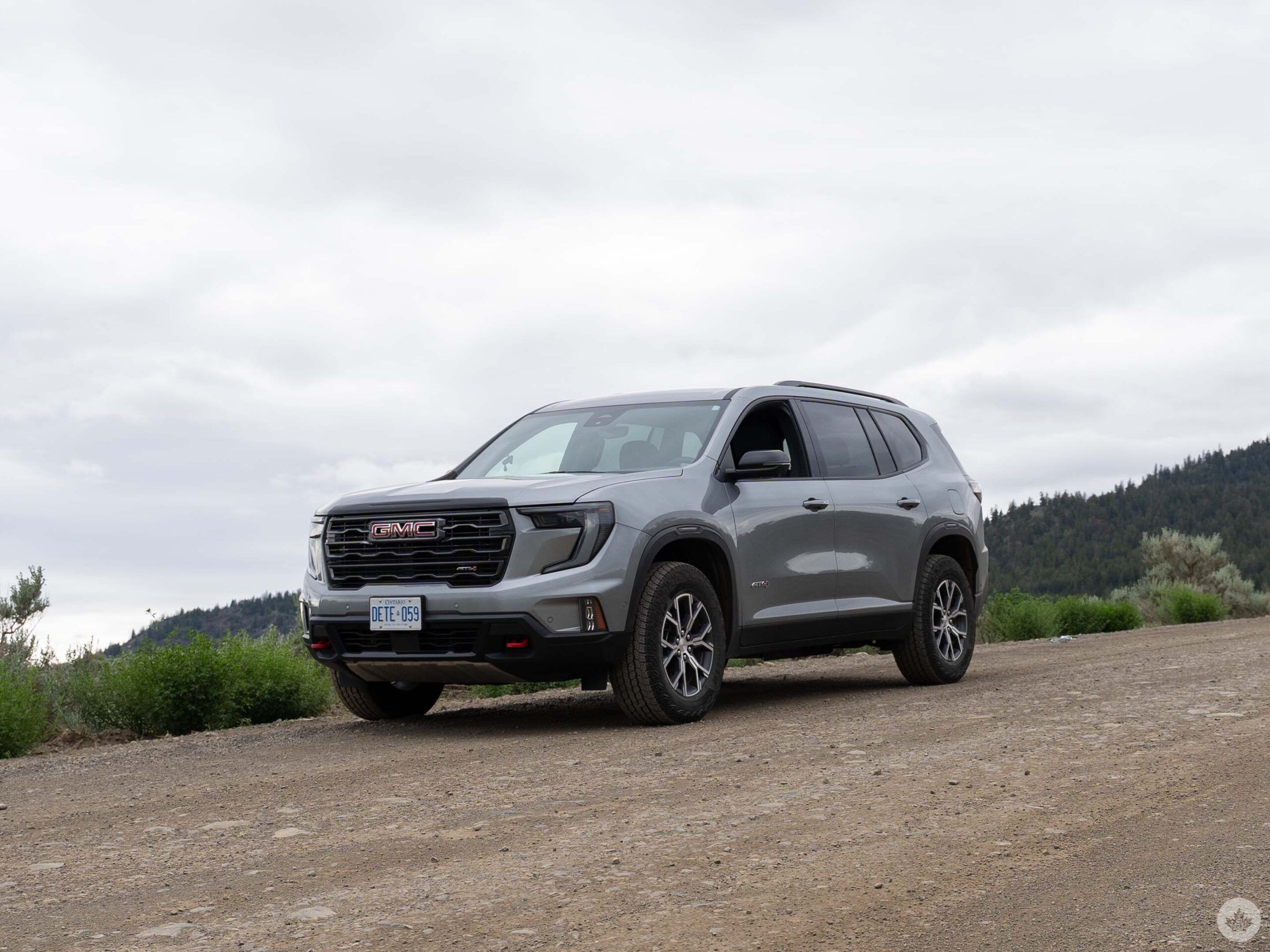
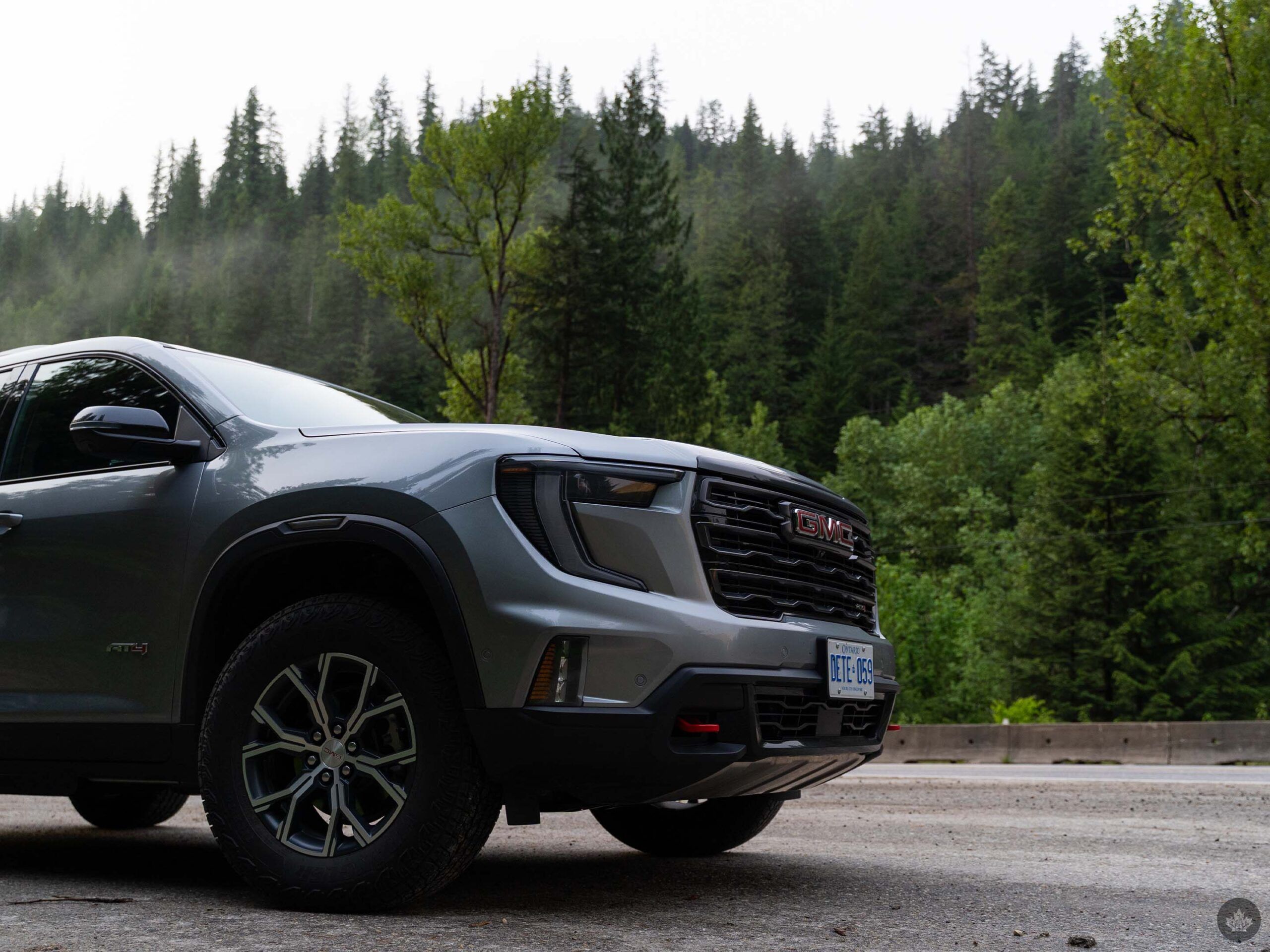
First, my group popped into the town of Hope, which was used for filming parts of Rambo: First Blood. We checked out some of the many amazing chainsaw wood carvings on display (including one of Rambo himself) and grabbed a bite at the excellent Hope Mountain Cafe. We also briefly stopped at the bridge on our way out of town to grab some sweet shots of the GMC Acadia AT4 we drove that day. Unfortunately, the metal Kawkawa Bridge used in First Blood was demolished in 2011, but we still got some sweet shots on the new bridge spanning the Coquihalla River.
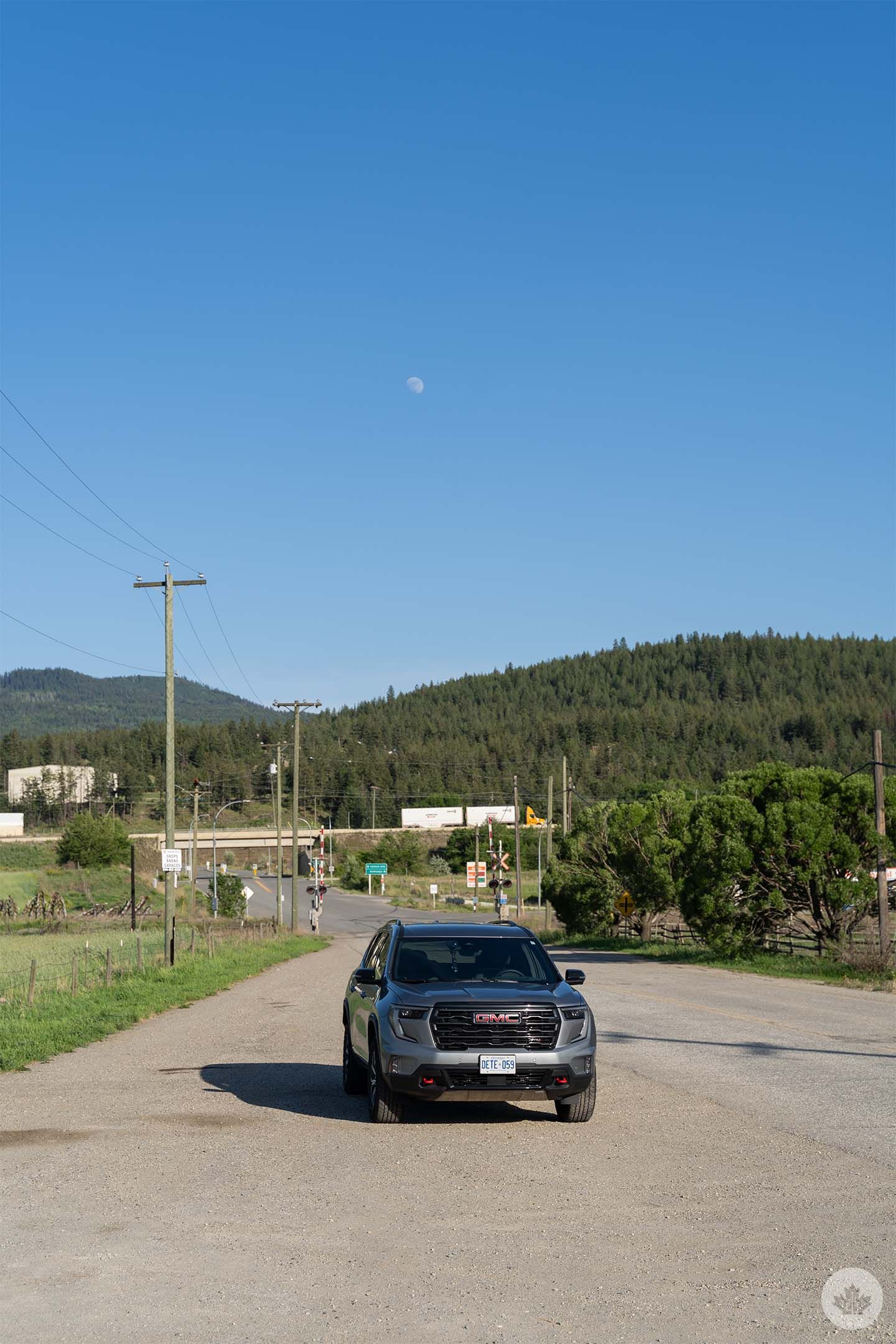
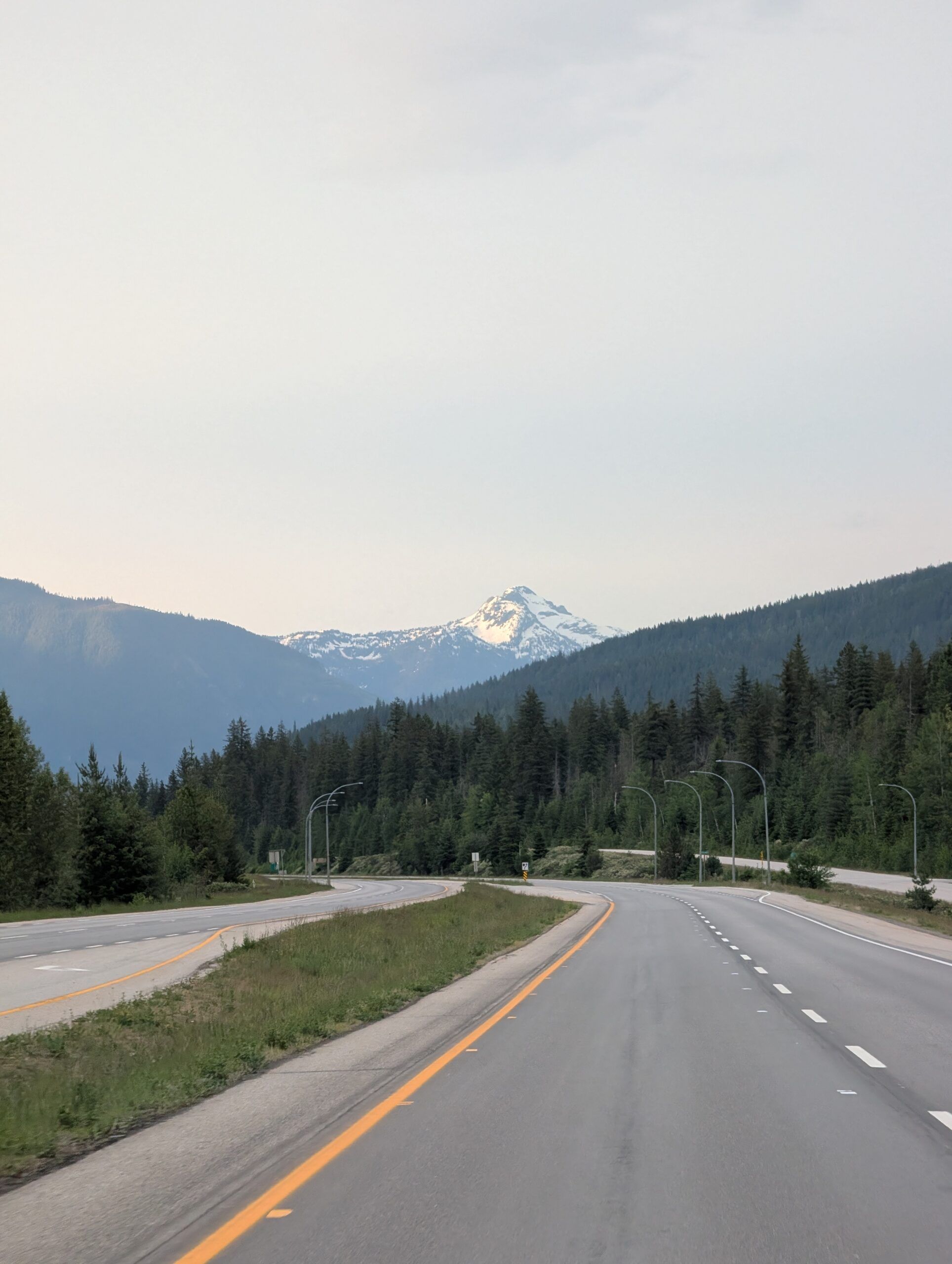
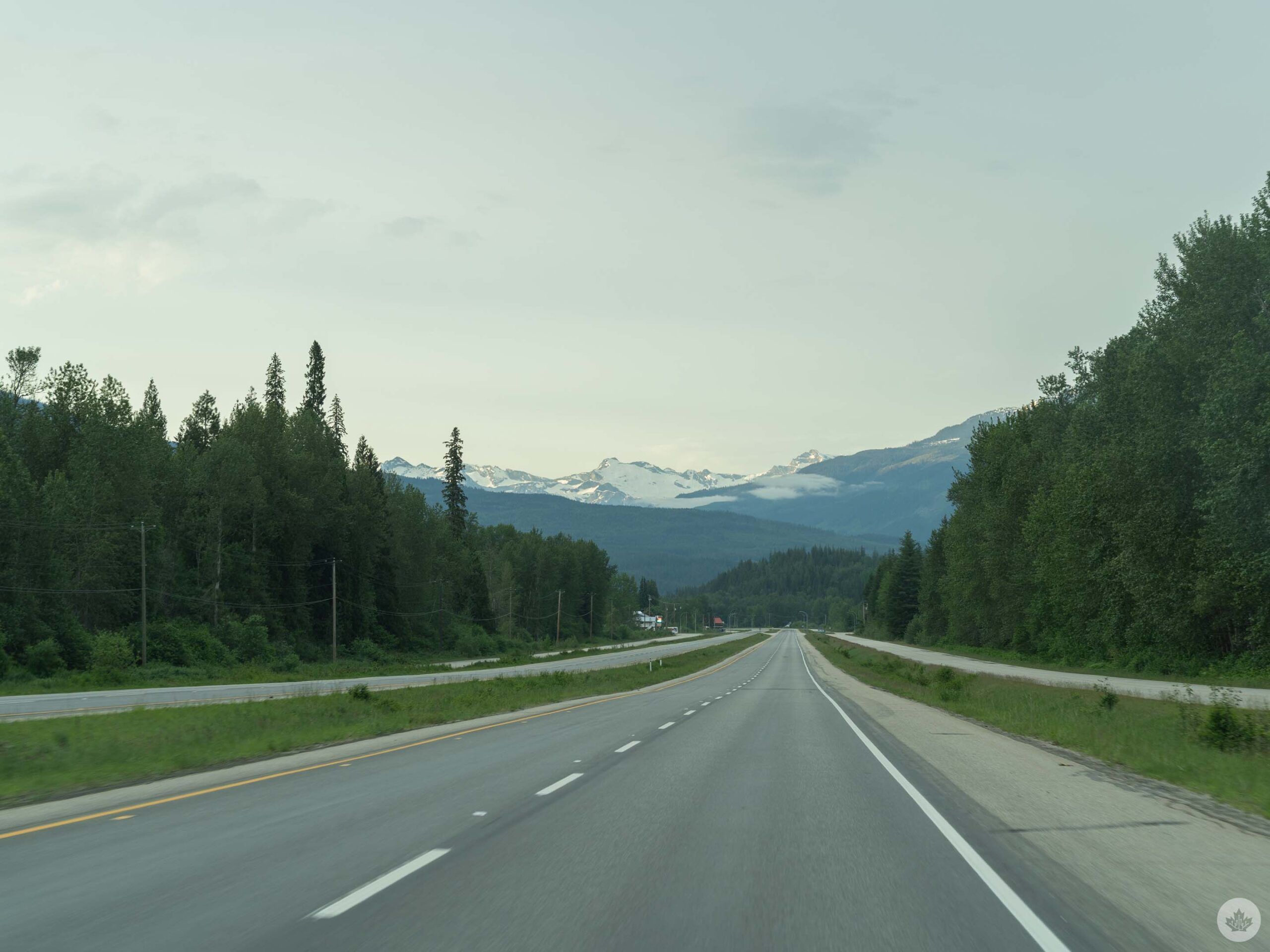
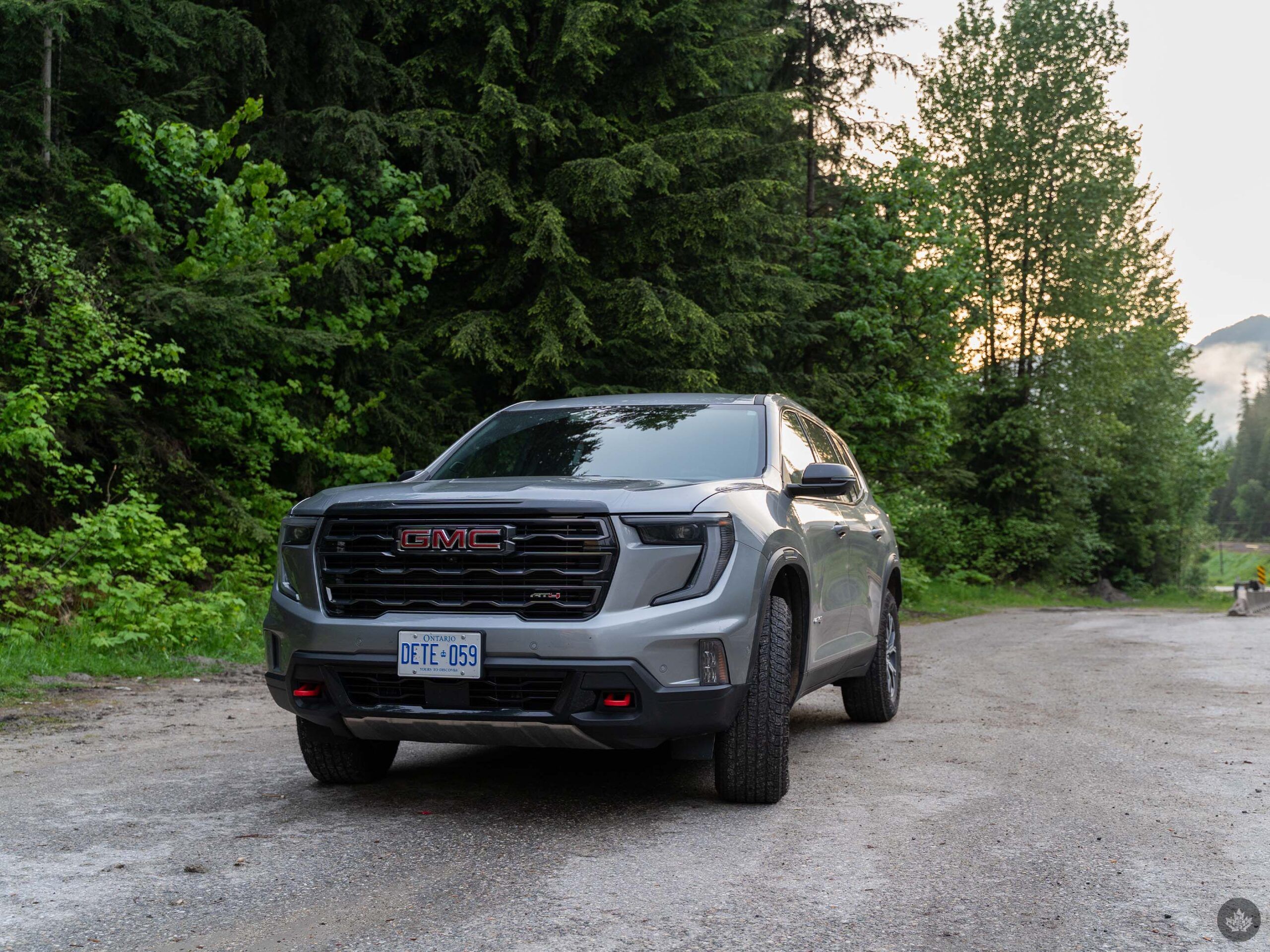
24 images
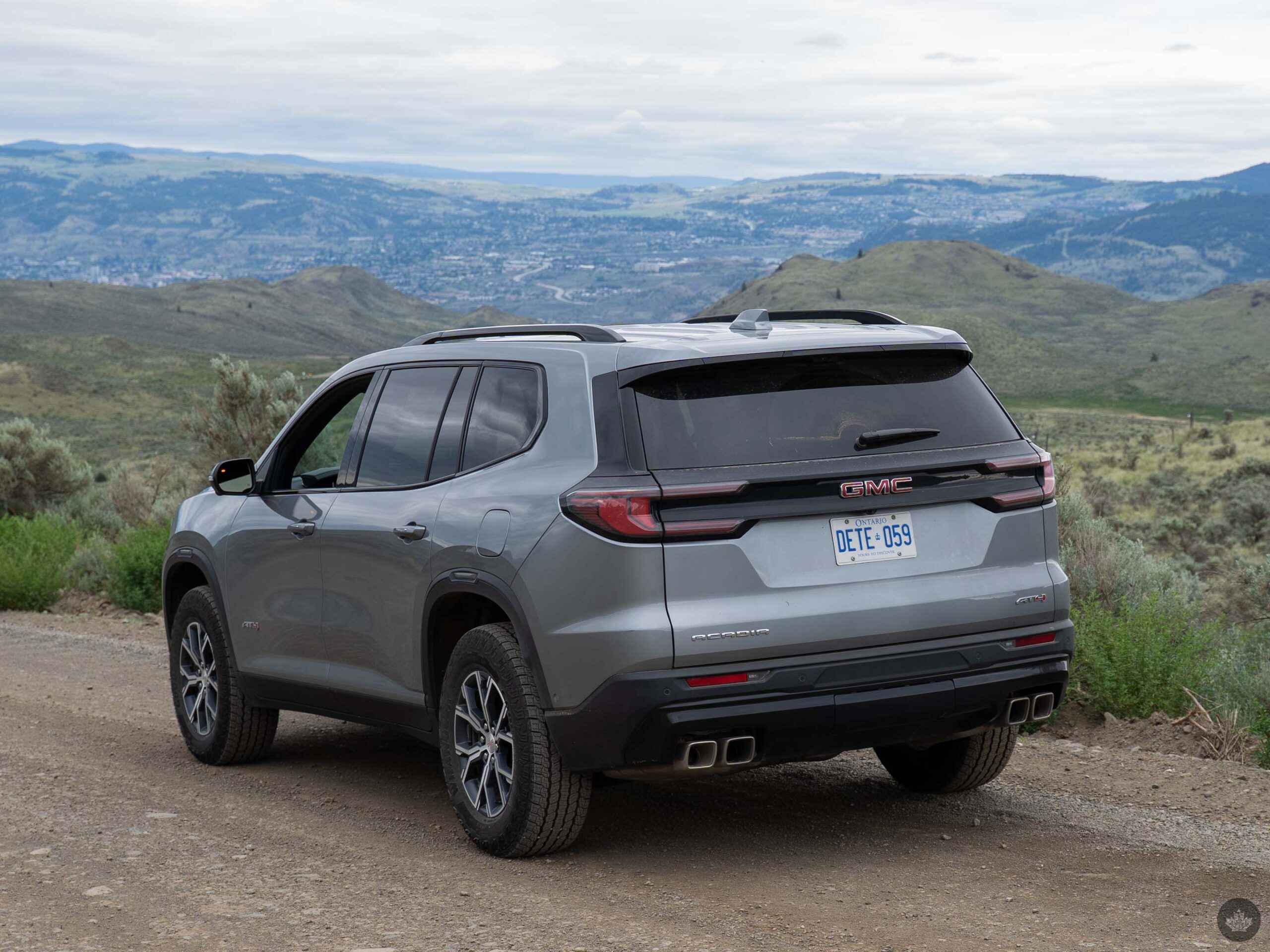
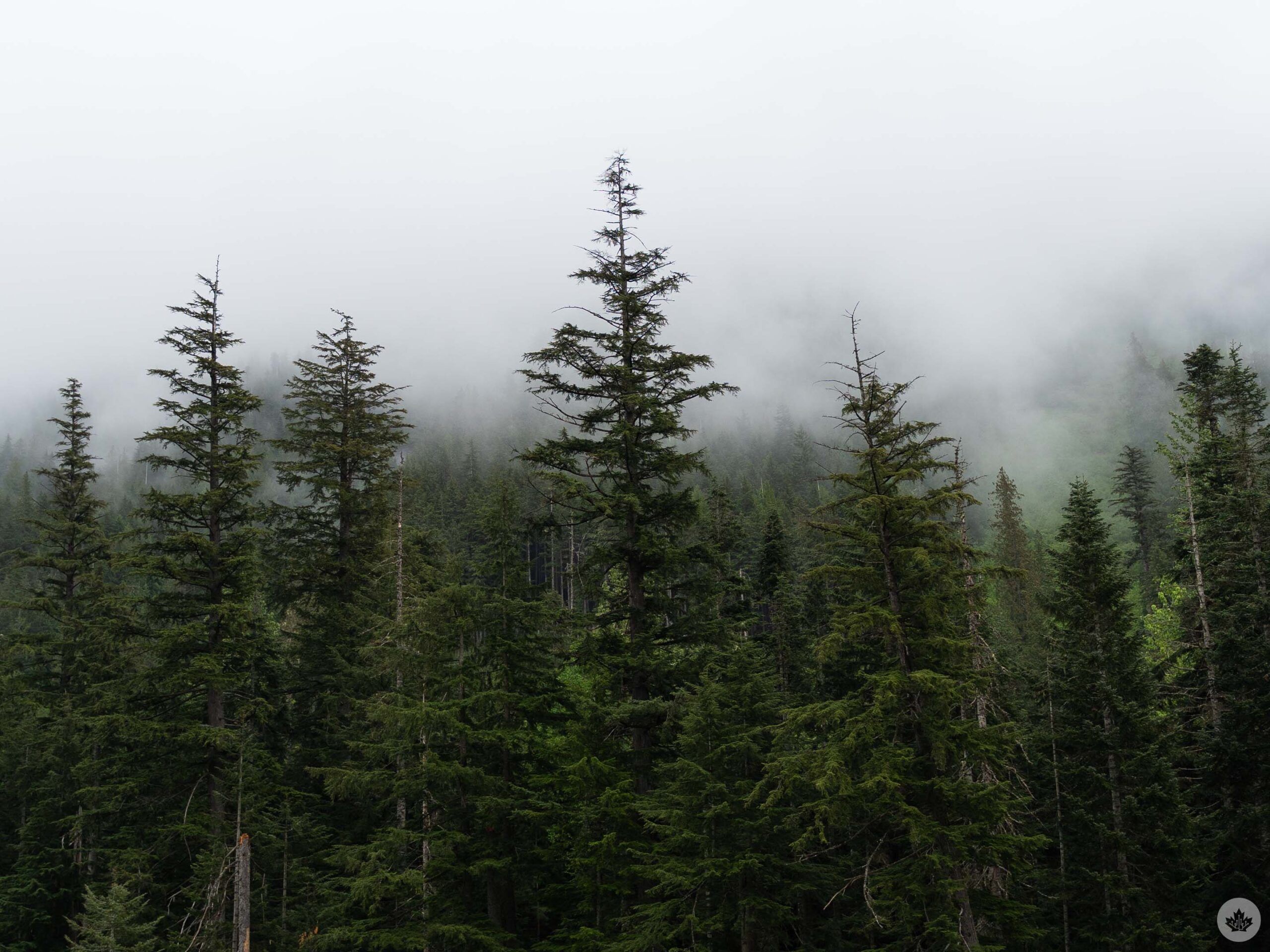
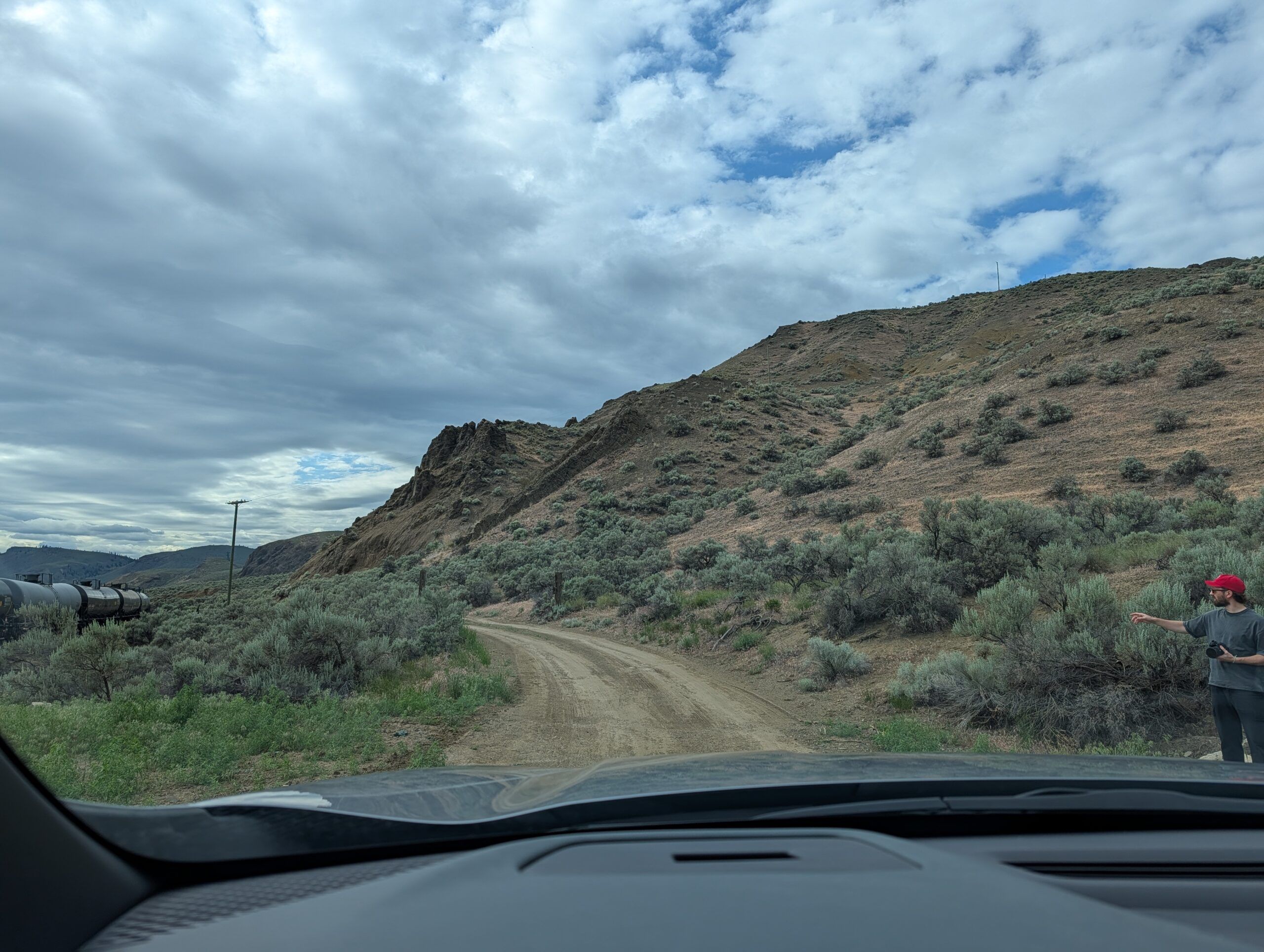
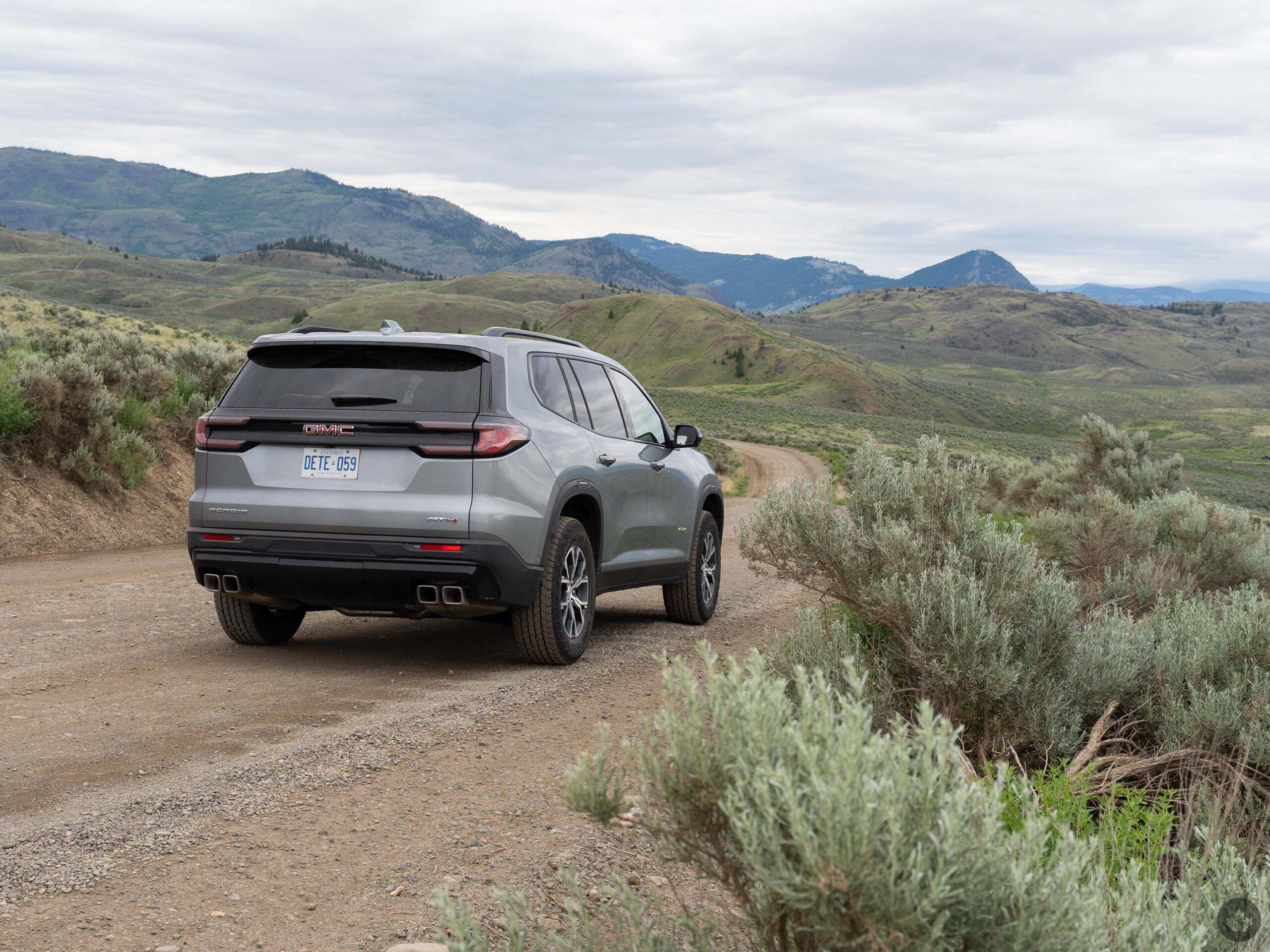
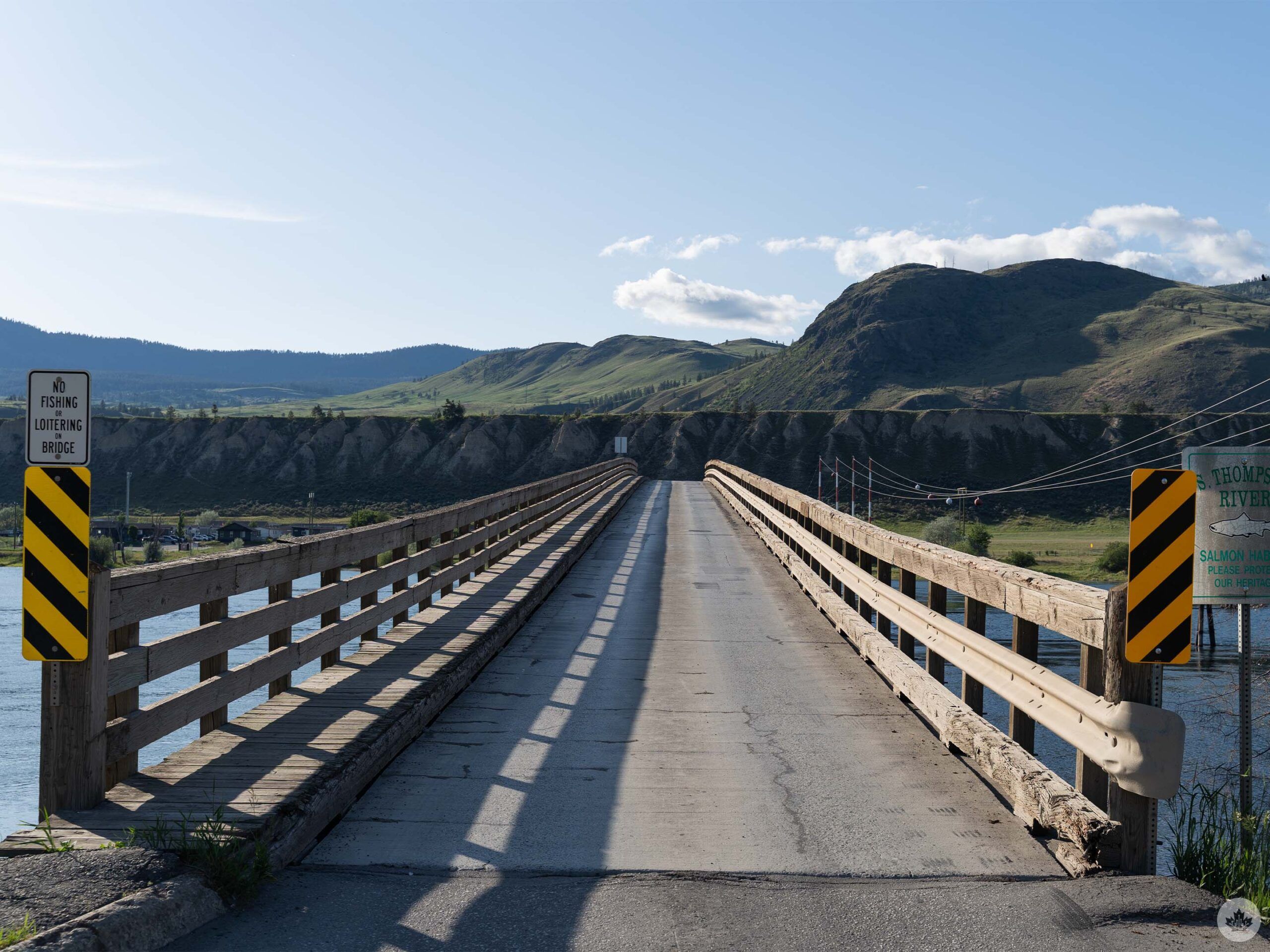
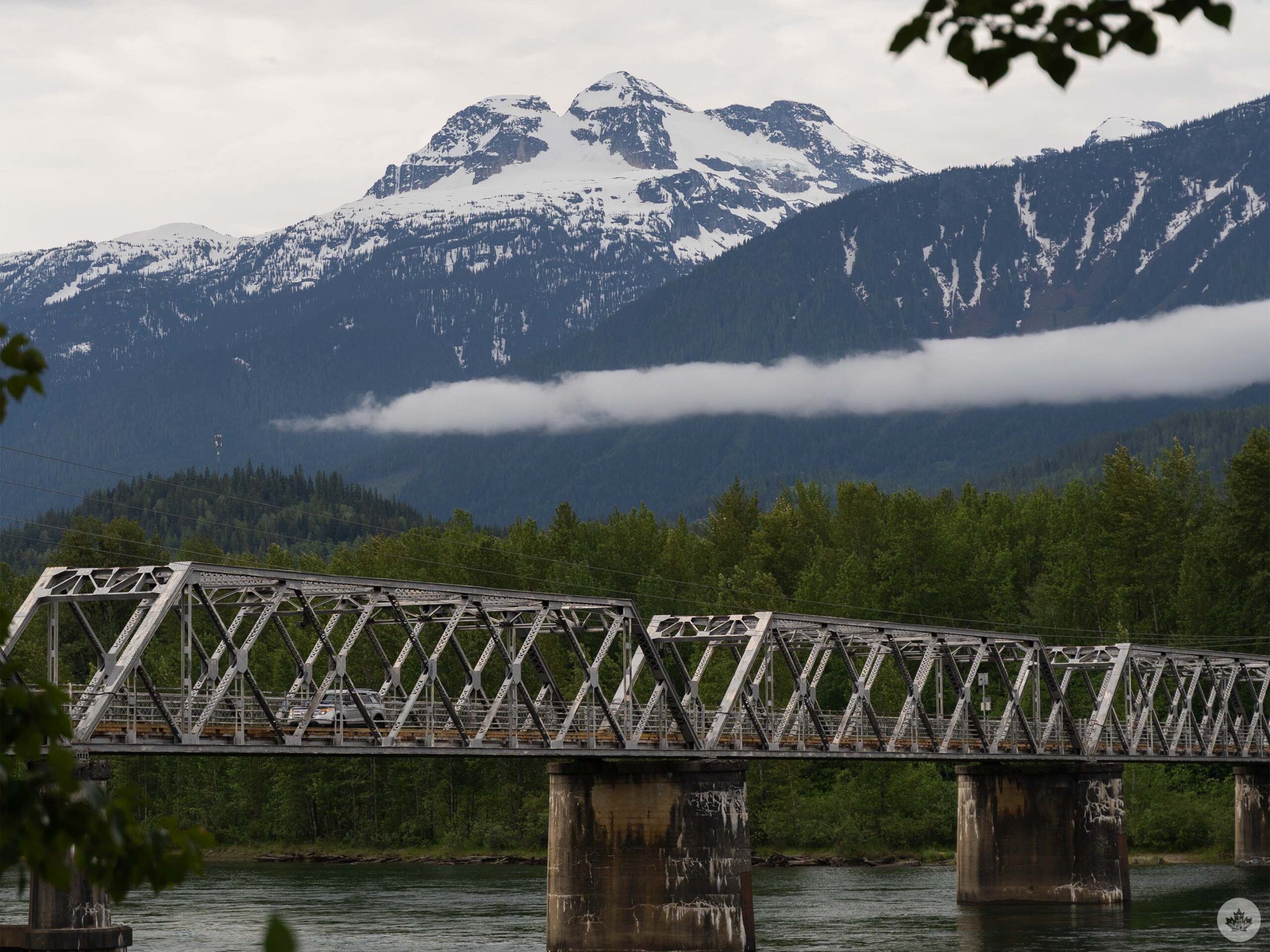
After that, it was back on the road for a while as we continued our ascent into the mountains. Throughout most of this stretch, we travelled through rain and fog before eventually breaking through into the more arid region around Kamloops. It was quite a dramatic shift going from wet, cool, rainy forest to dry and desert-like. We took some time in Kamloops to venture off-road to capture some fun action shots of the Acadia, and also hit up the old Pritchard Bridge spanning the South Thompson River before heading on.
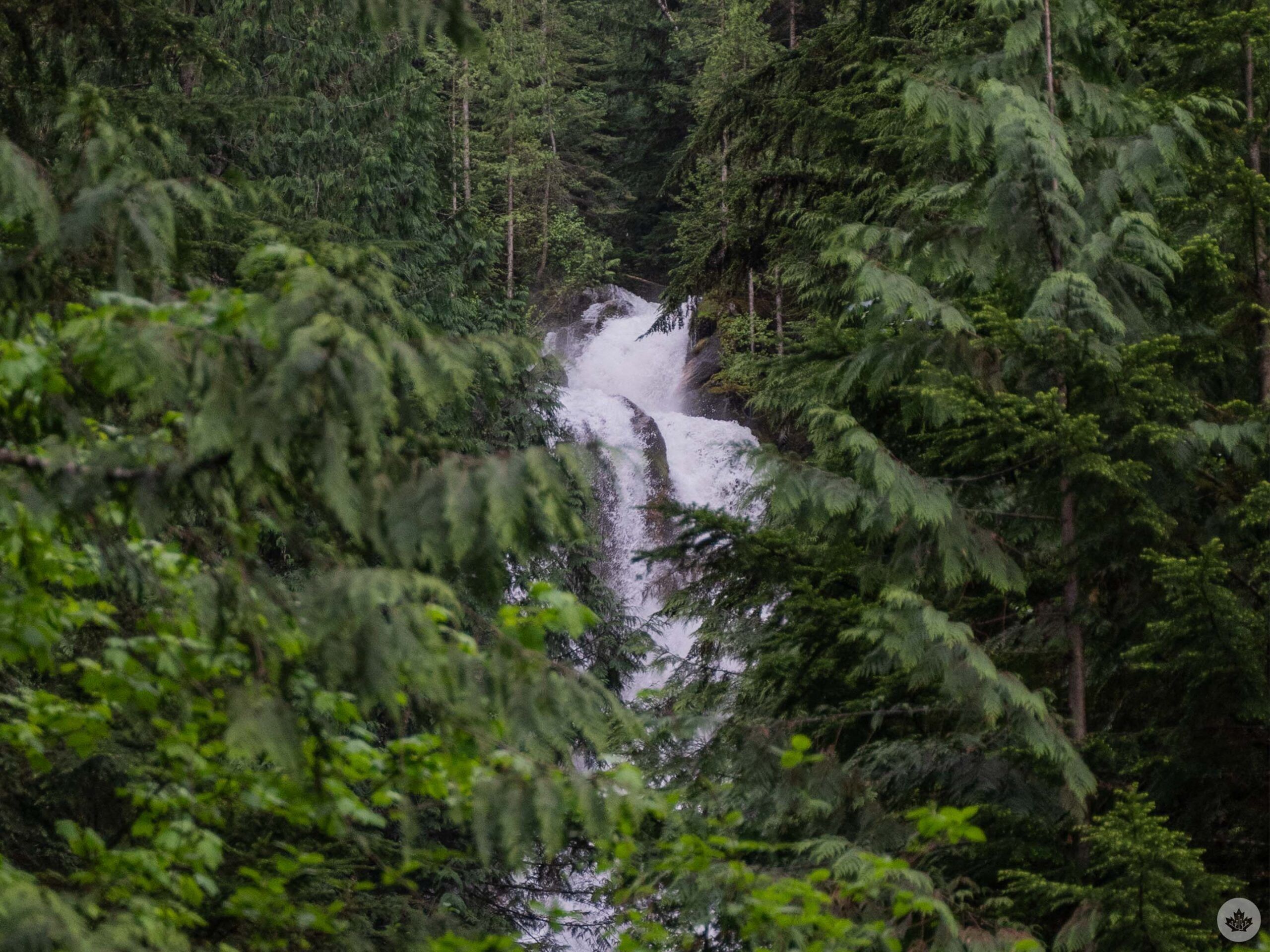
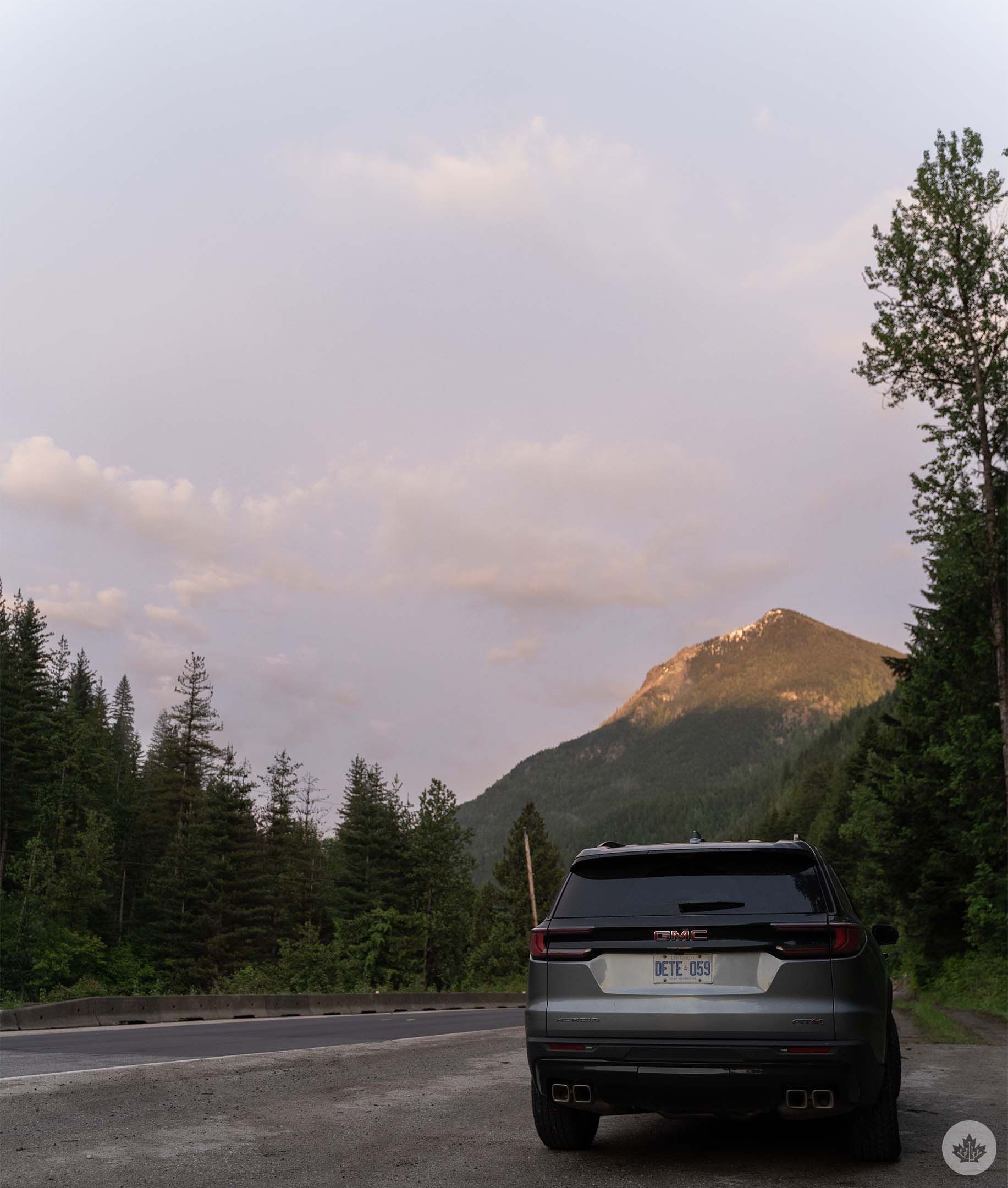
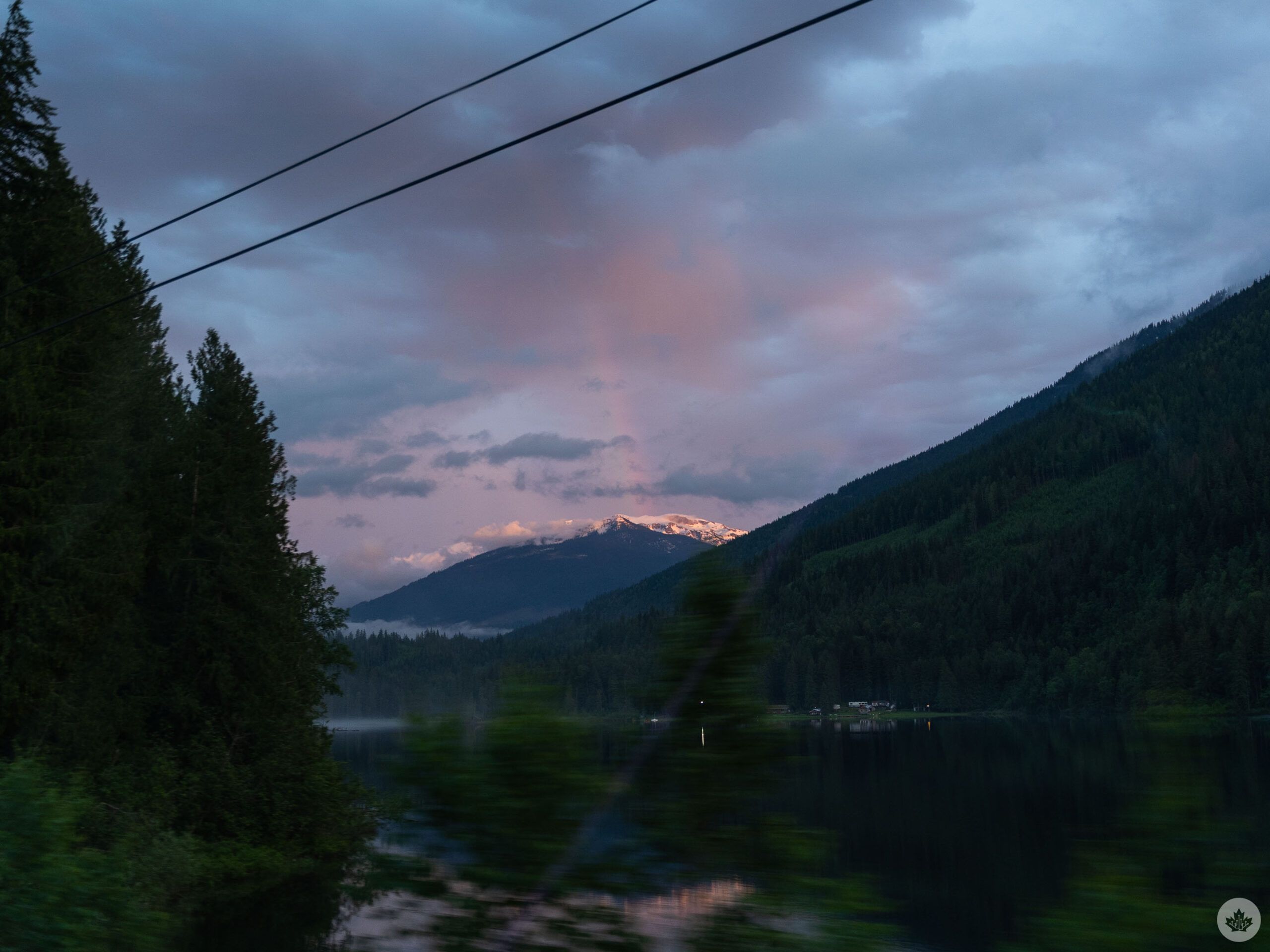
The rest of the evening saw intermittent stops to capture scenic views of waterfalls and mountain peaks, but darkness fell before we finally made it to Revelstoke for the night.
Day 2: Revelstoke to Jasper
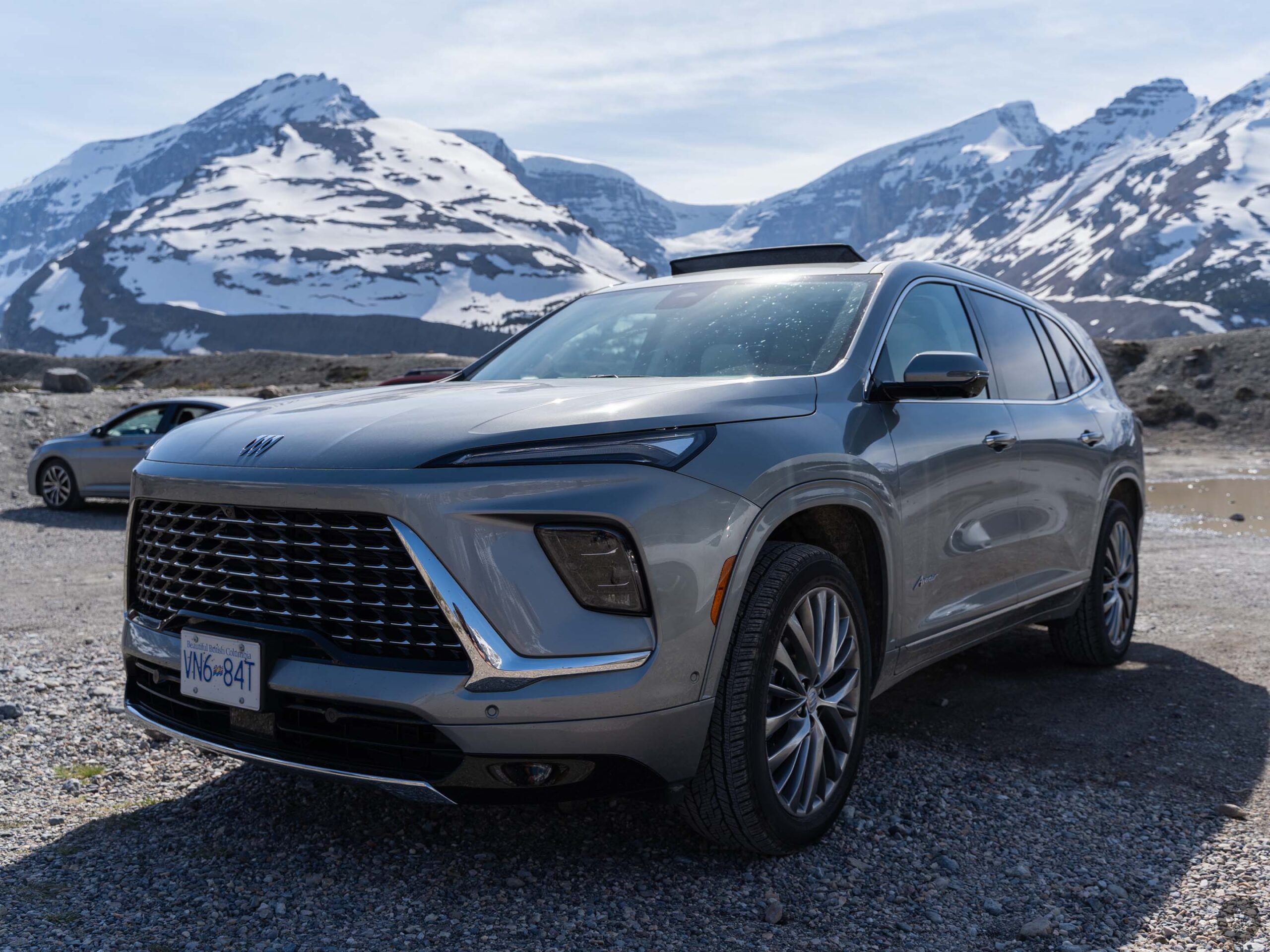
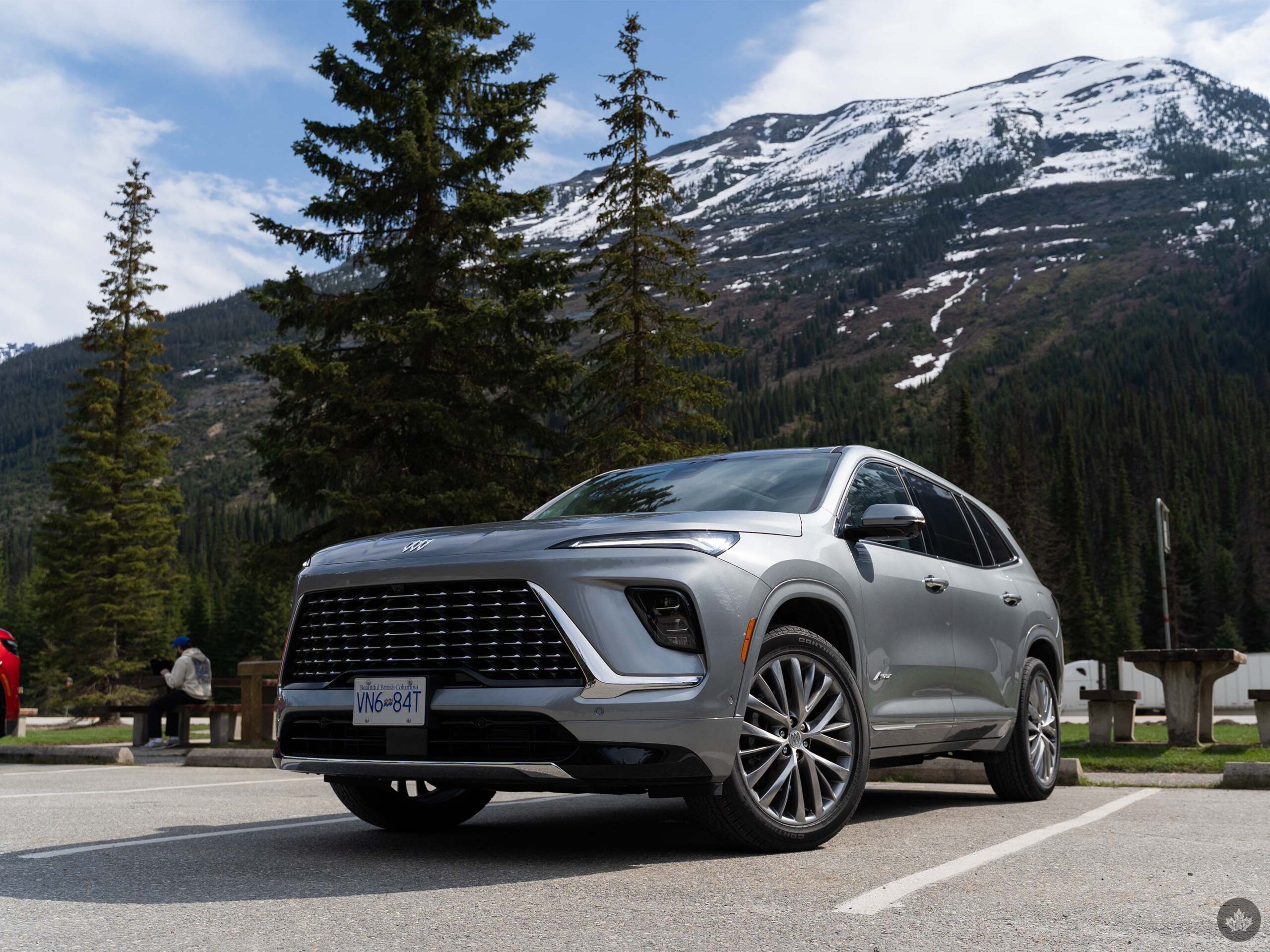
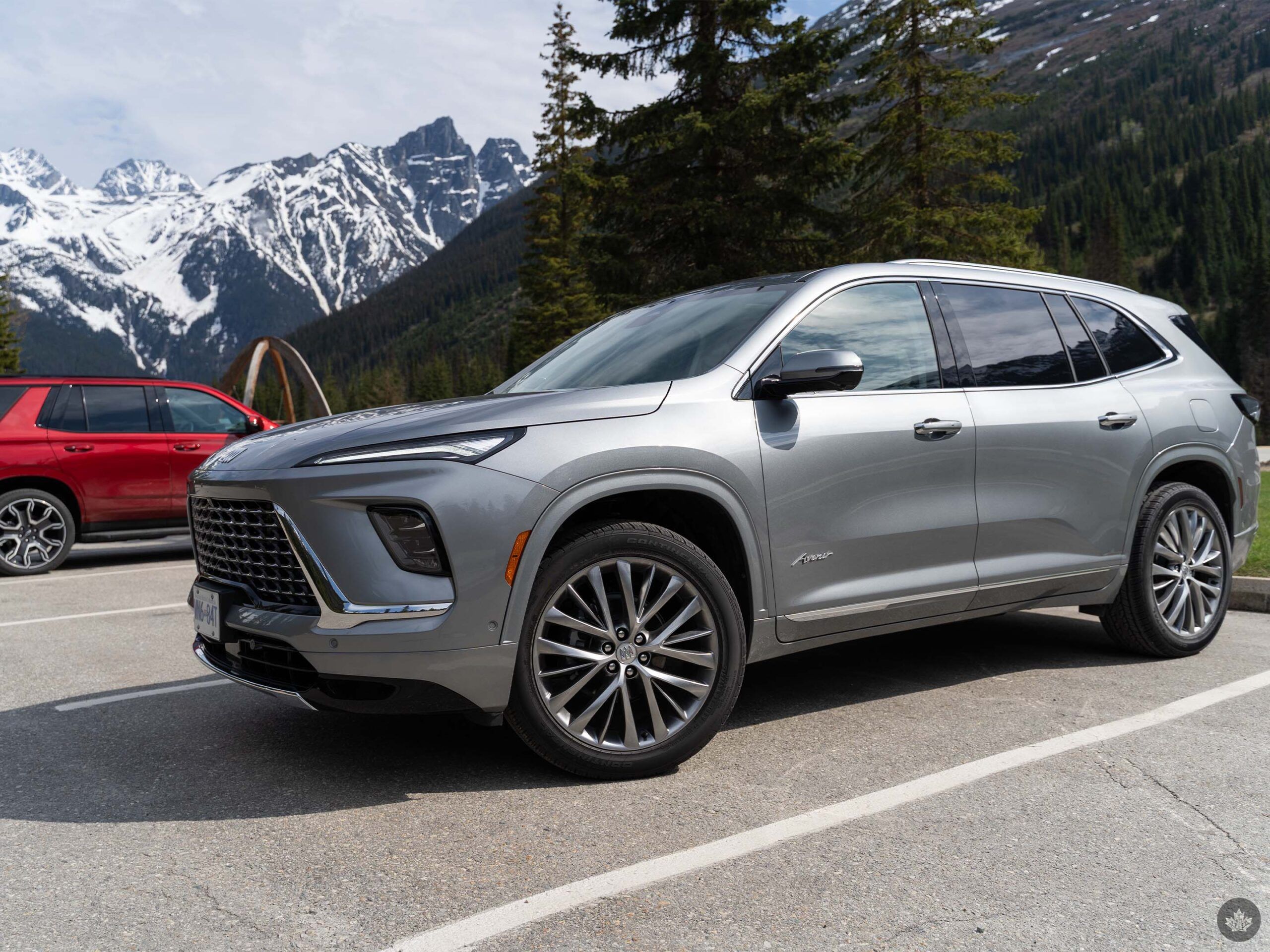
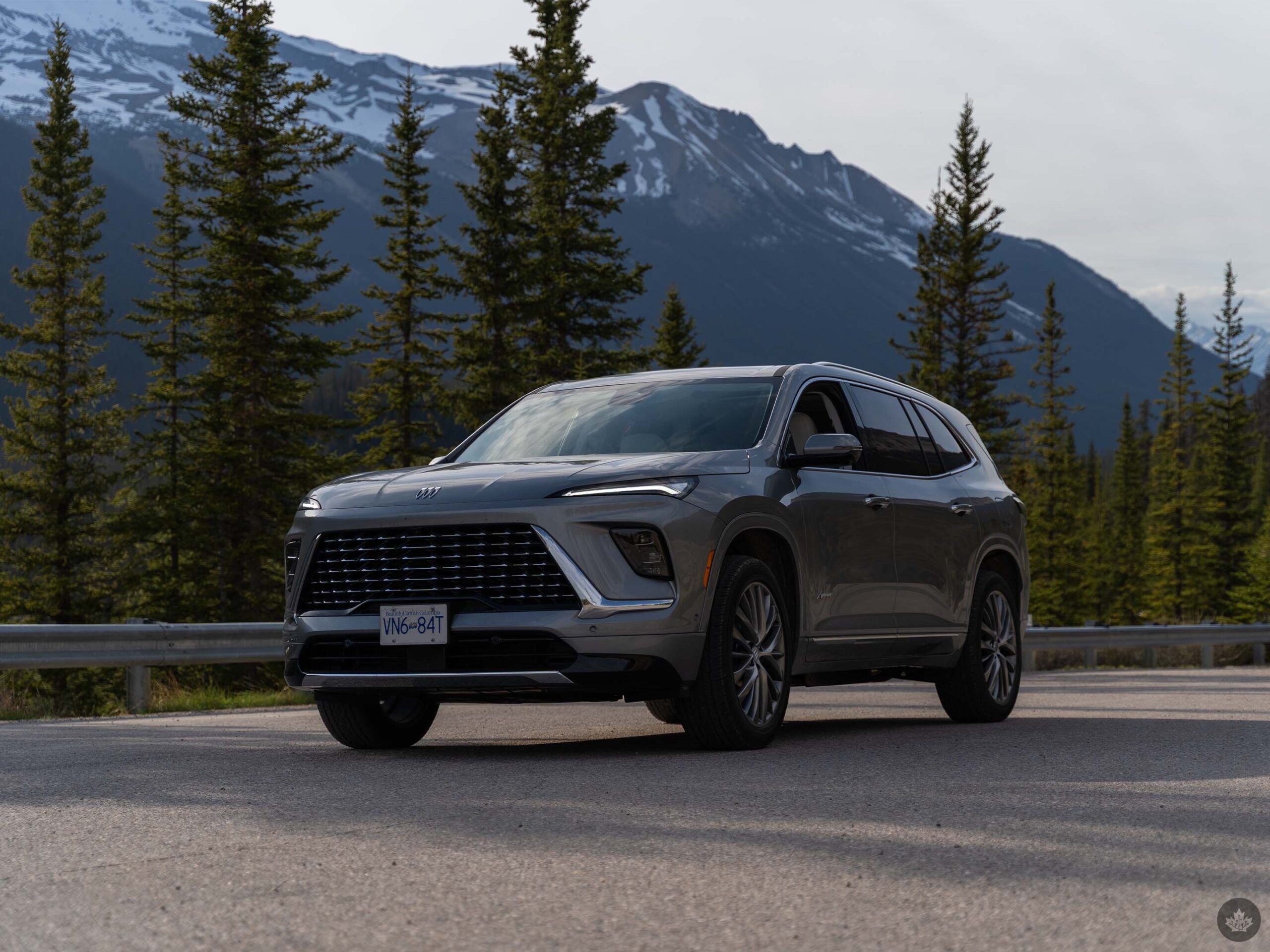
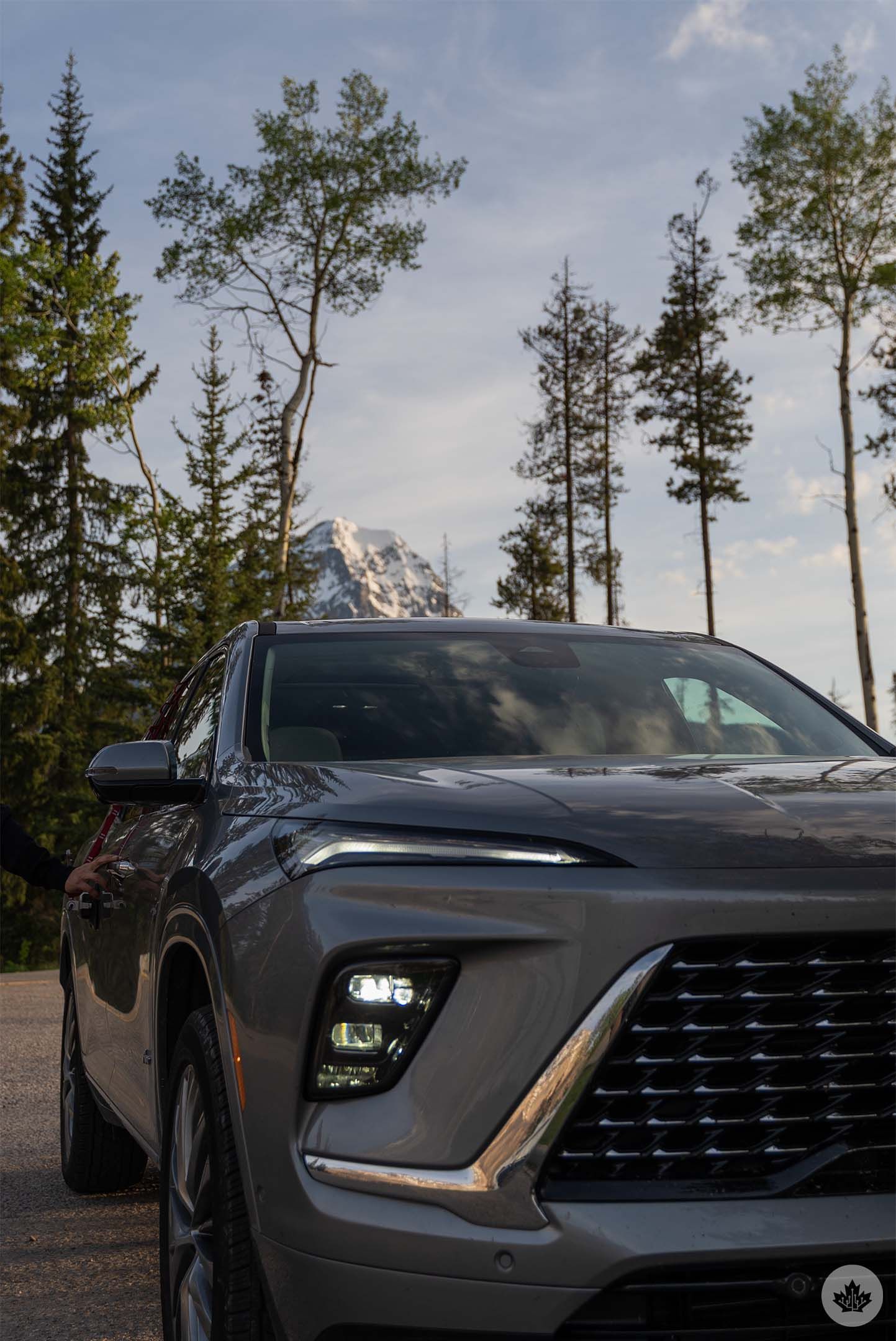
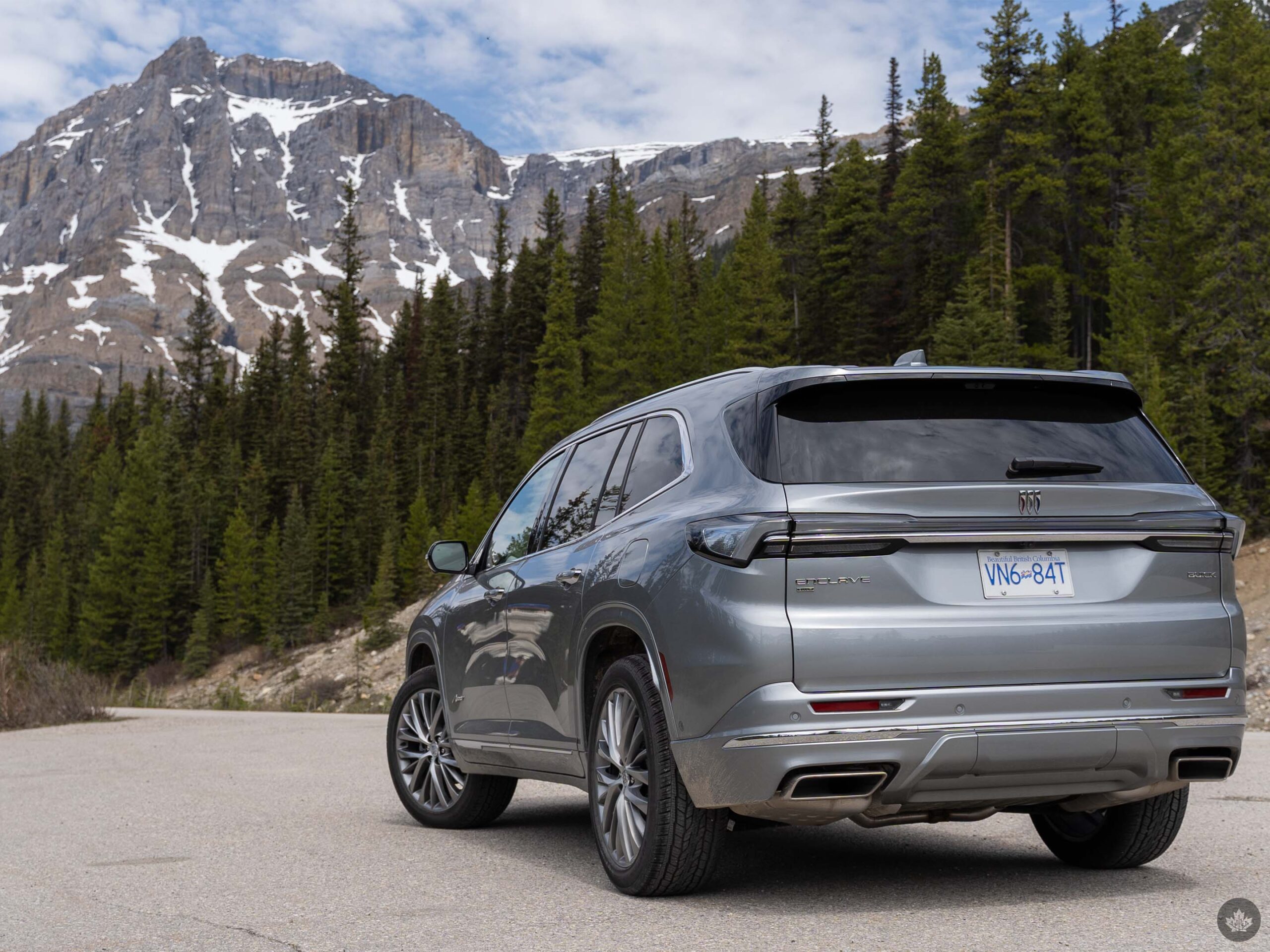
The morning revealed the stunning views we missed coming into Revelstoke the night before. Absolutely stunning, snow-capped peaks in every direction. We spent some time enjoying the scenery before hitting the road again, this time in the Buick Enclave.
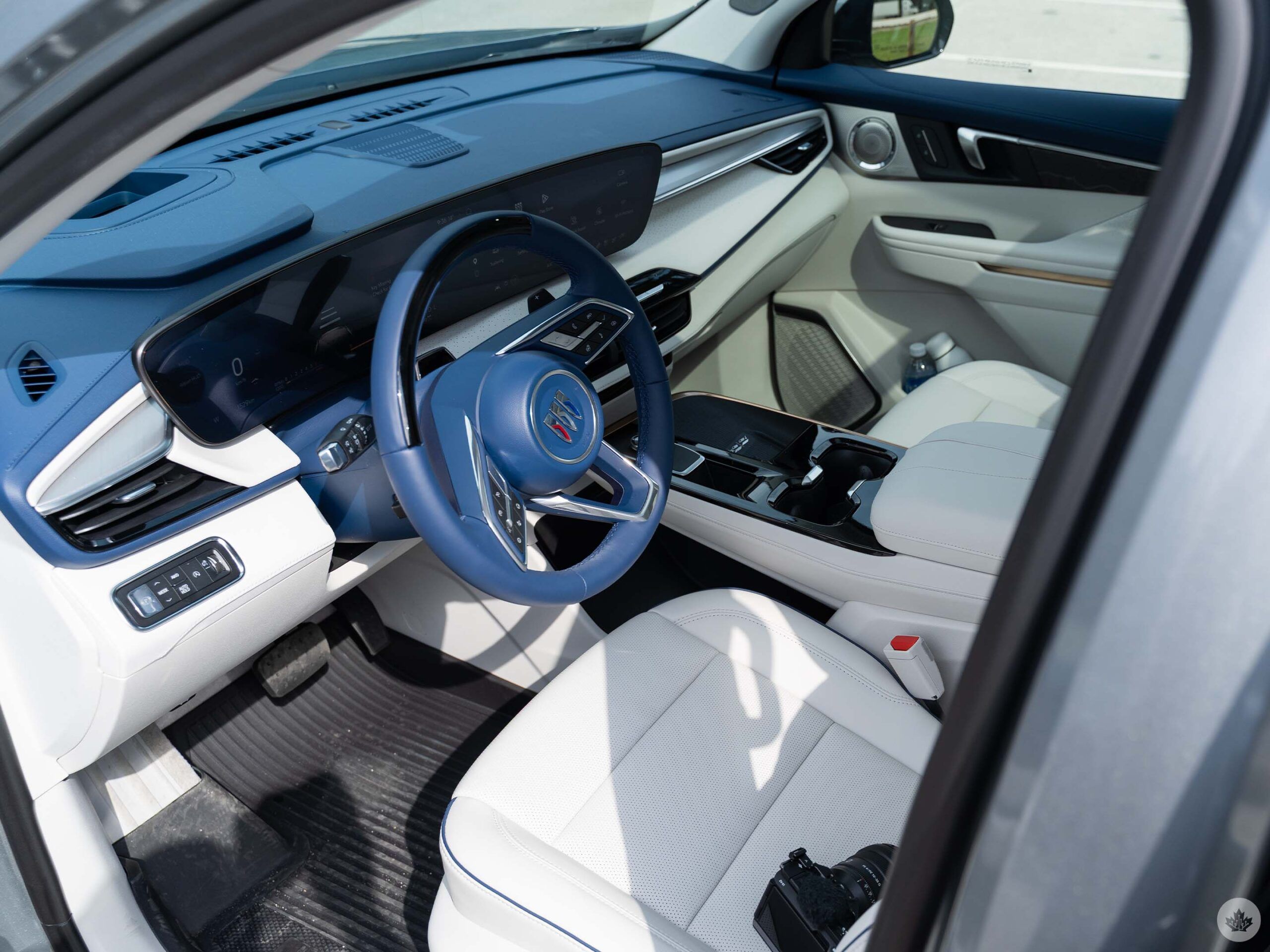
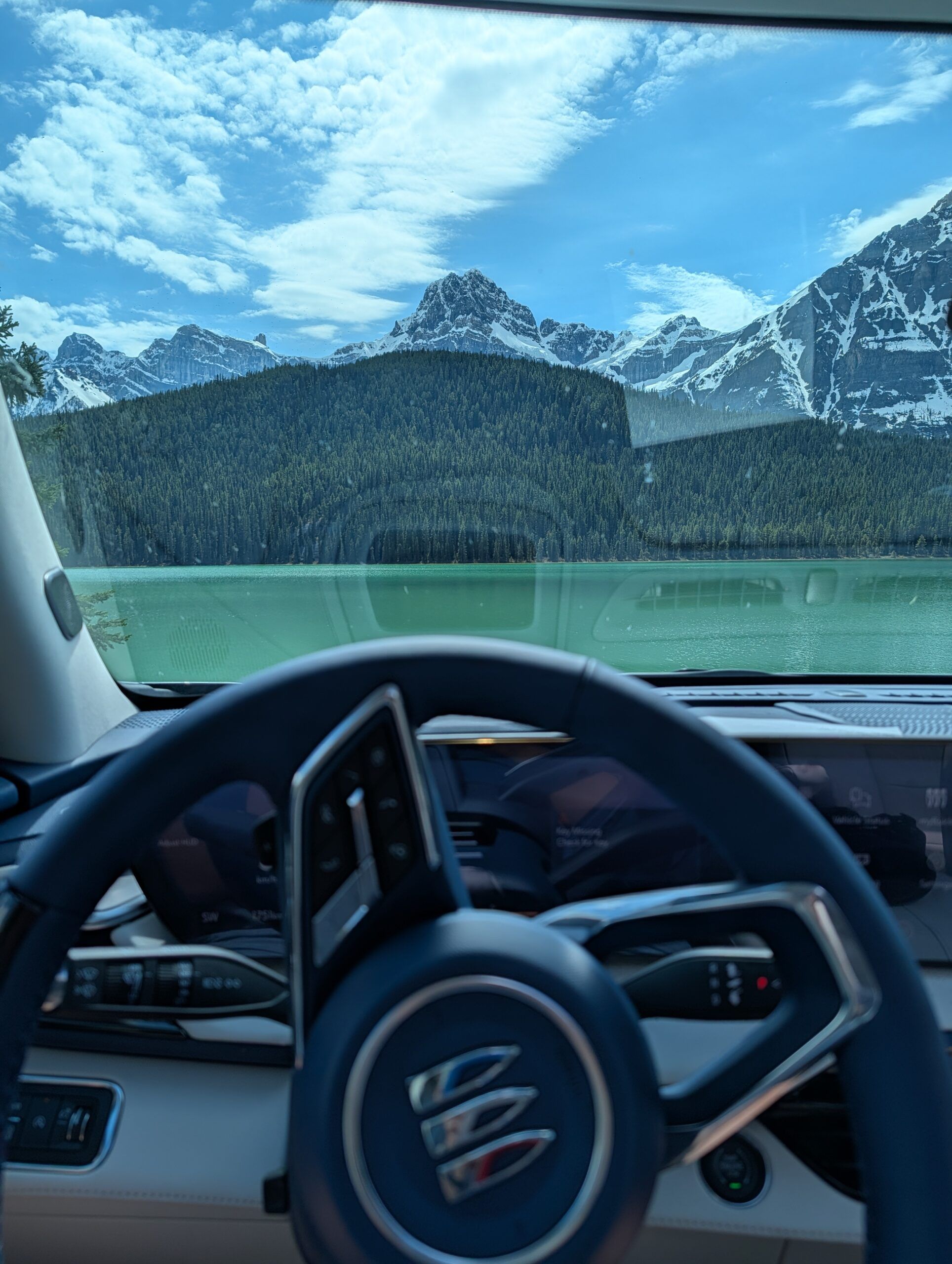
The second day of the journey ended up being my favourite for a few reasons. I really liked the Enclave — the interior was lovely and also felt futuristic; it had a HUD that put speed and navigation details right on the windshield for easy reference — and the route took us through some of the most jaw-dropping scenery of the entire trip.
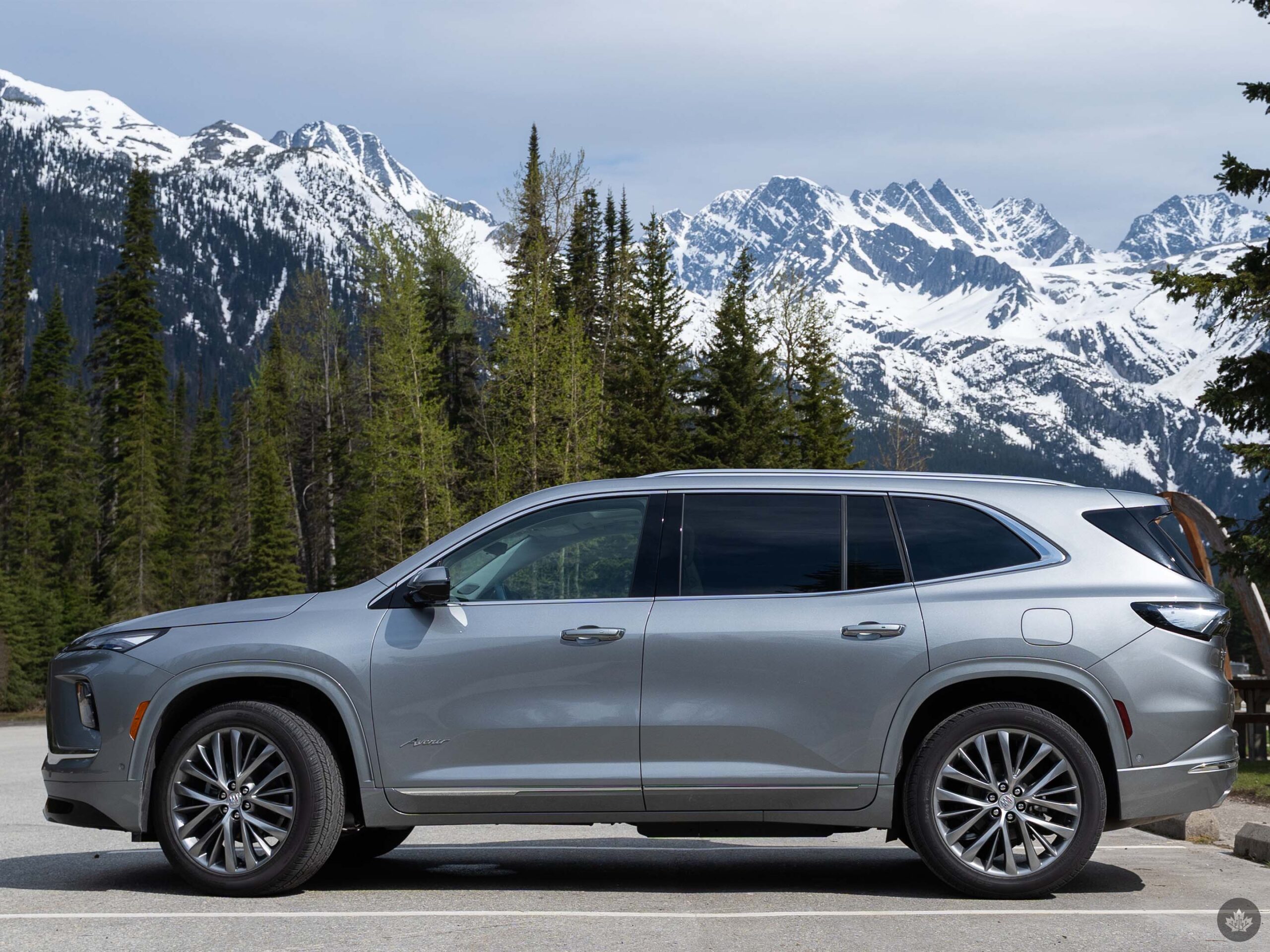
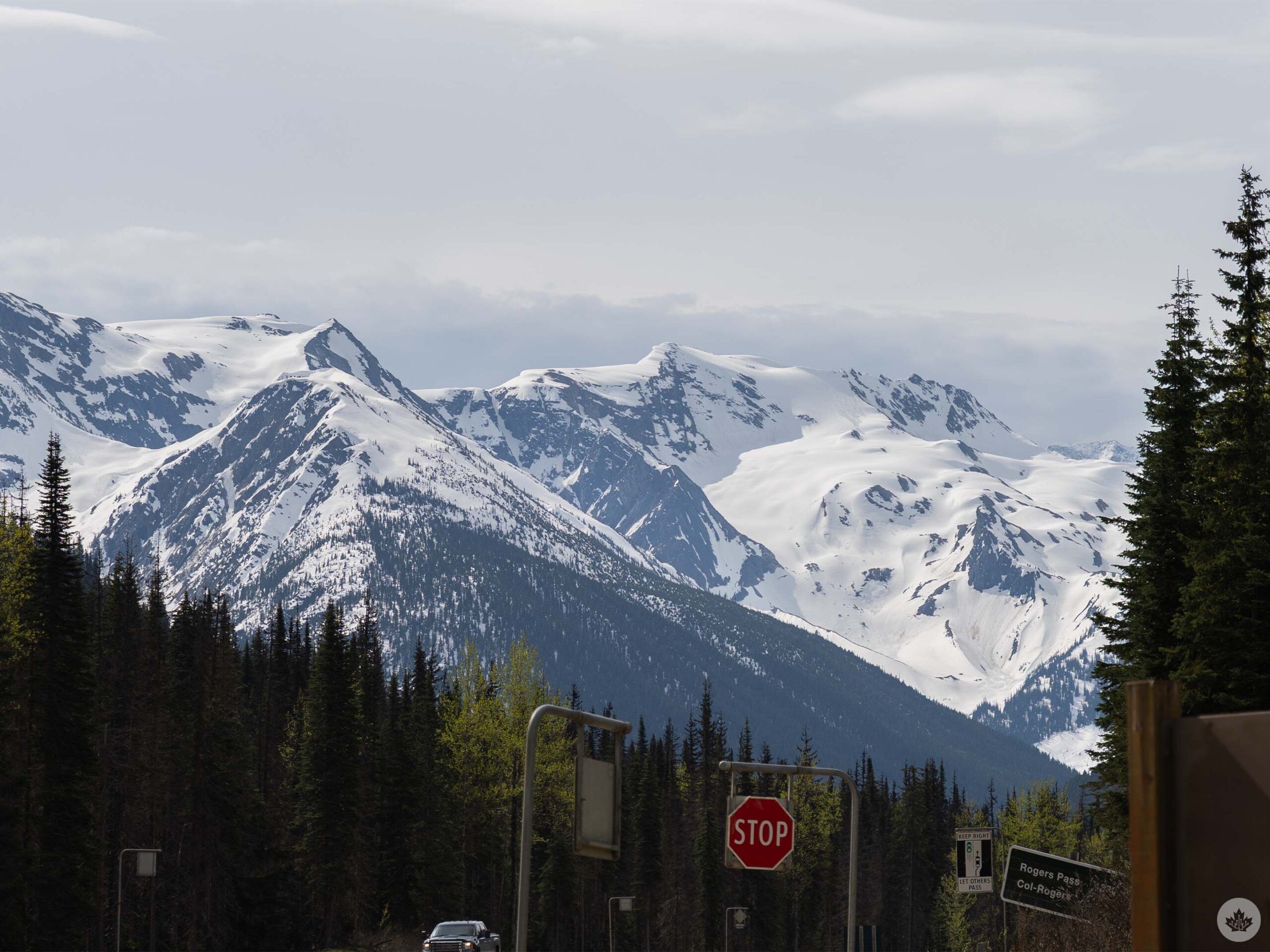
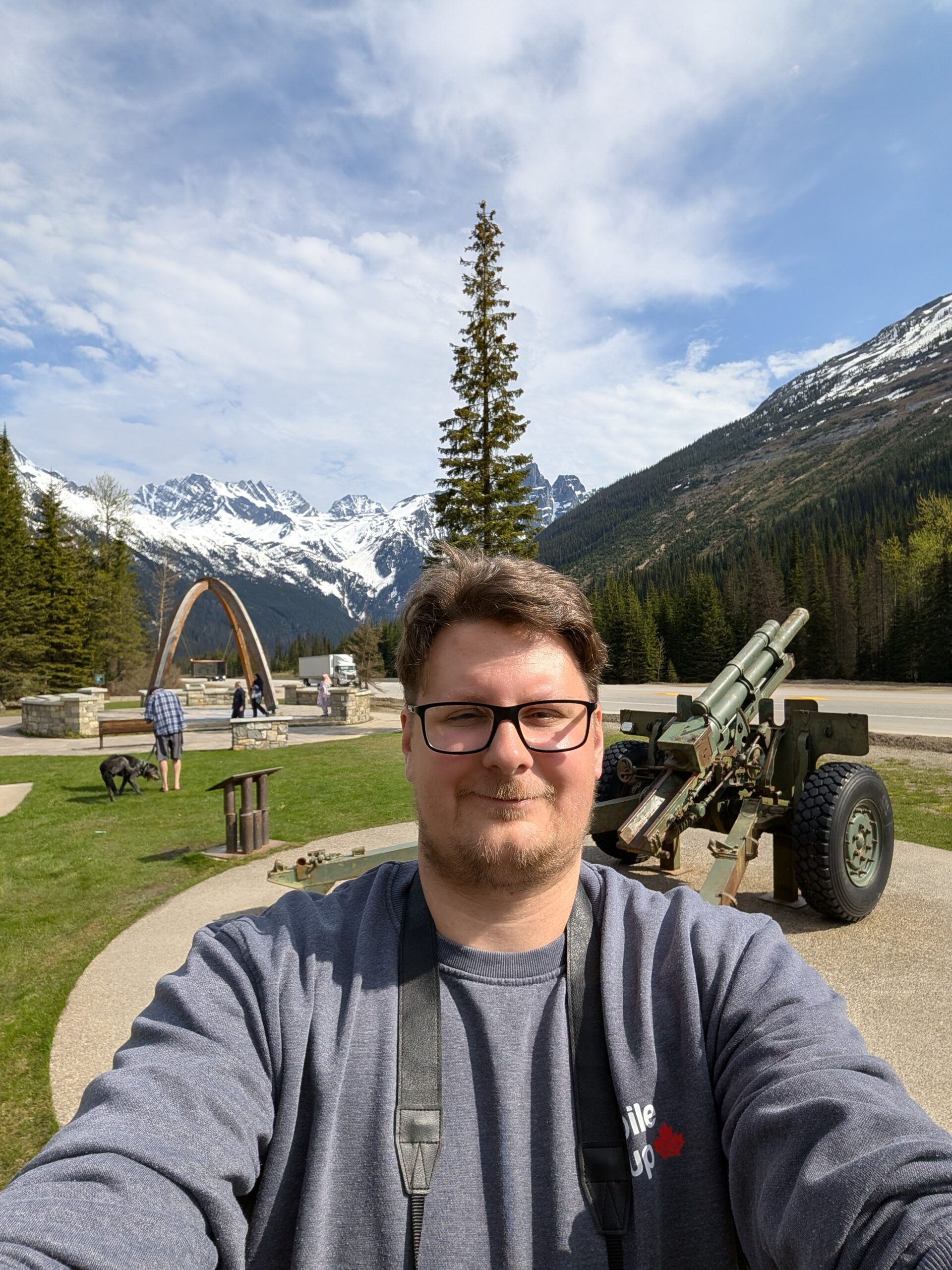
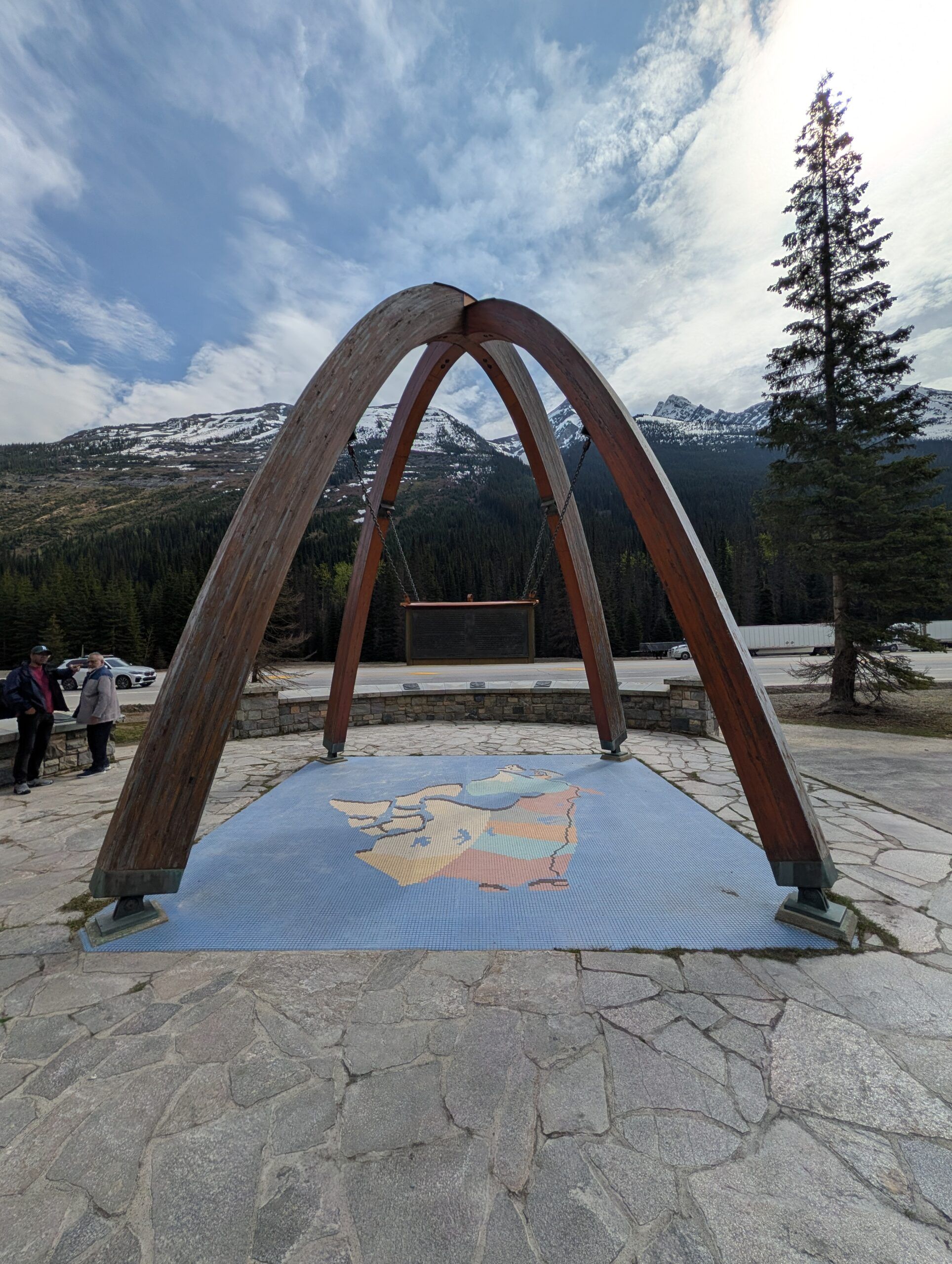
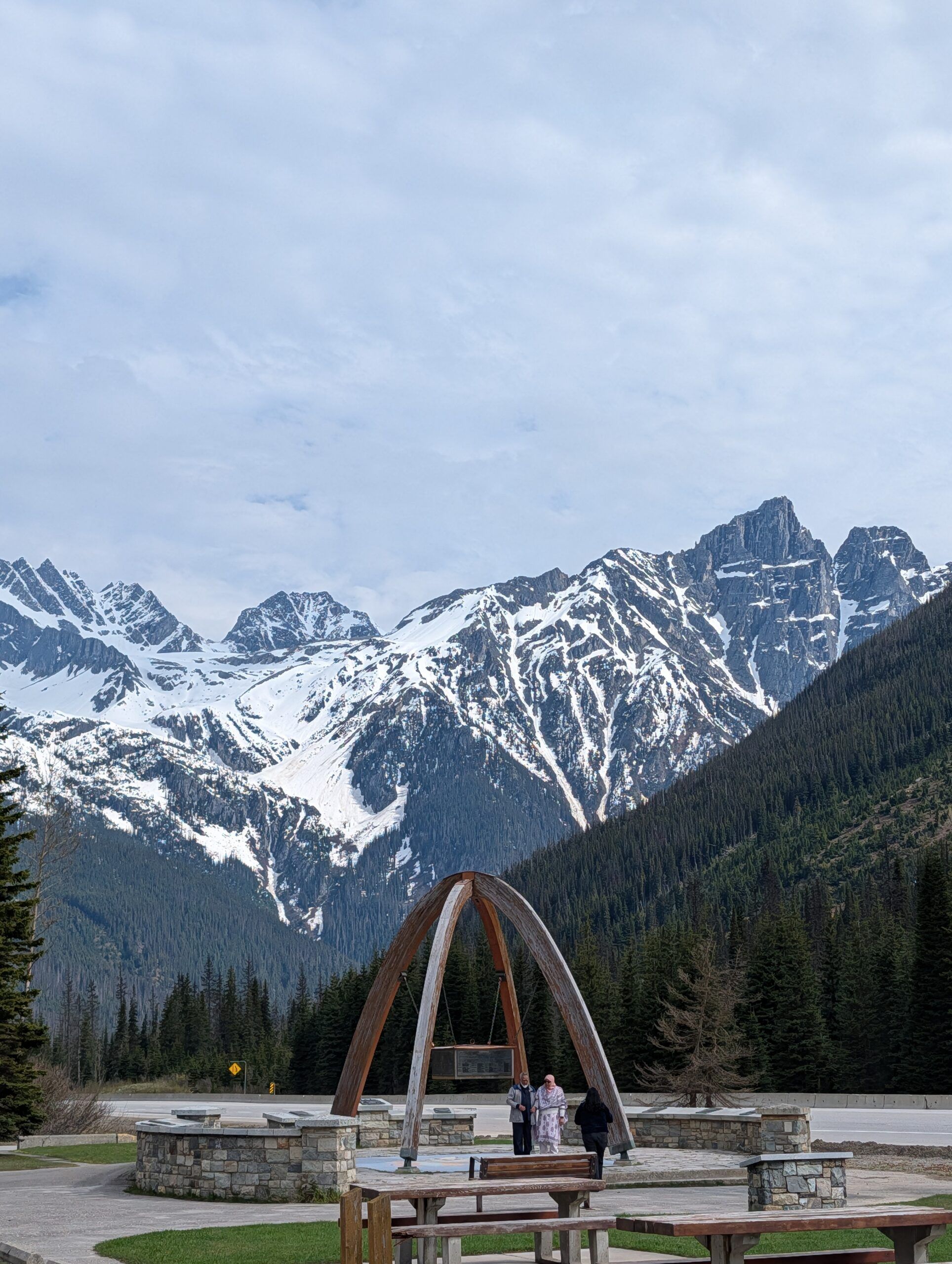
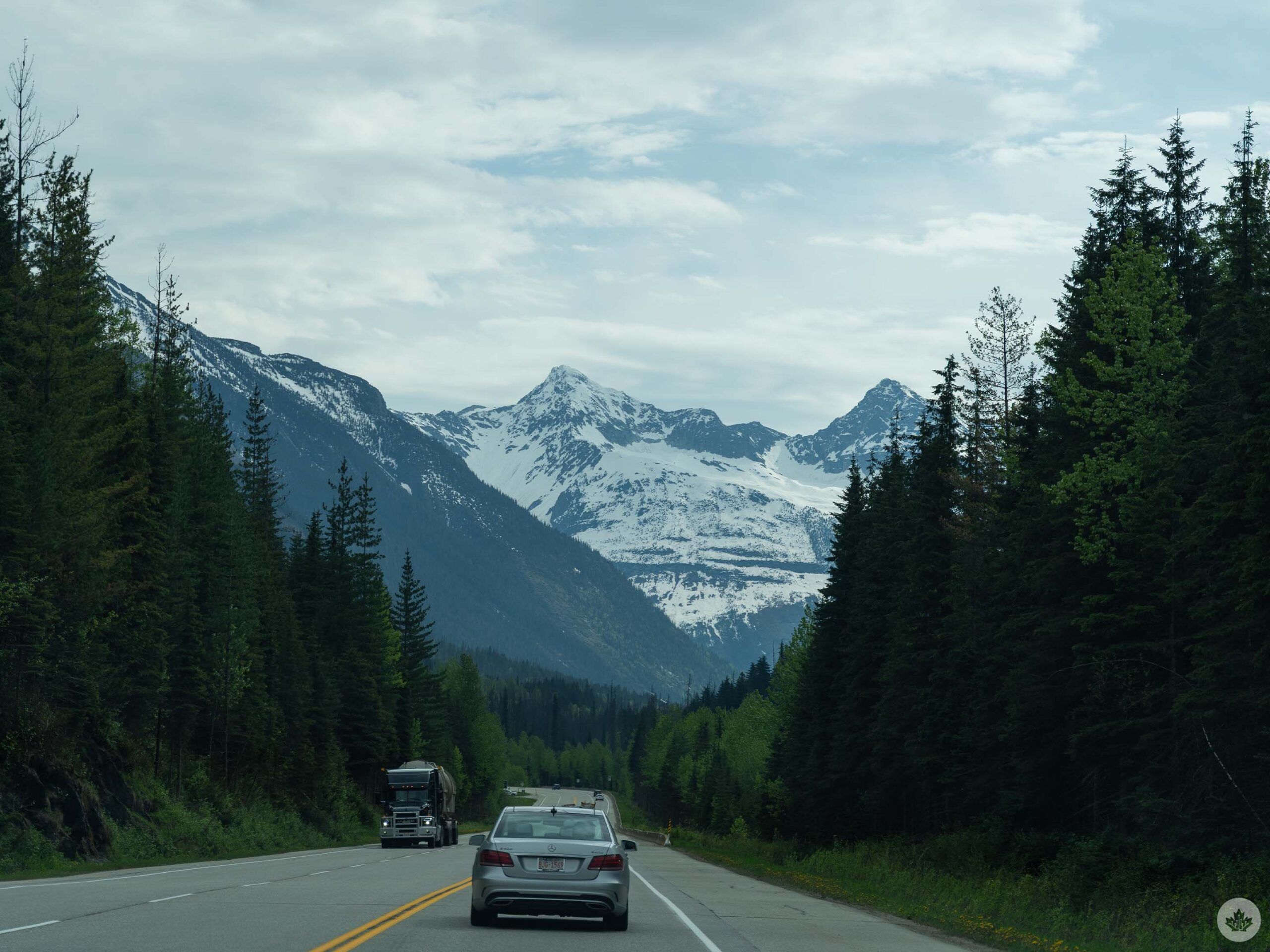
The morning stretch of drive took us through the northern end of the Selkirk Mountains into Glacier National Park. We stopped at Rogers Pass in the heart of the park, a unique National Historic Site in the midst of a National Park. Rogers Pass was how Canada was eventually able to break through the “impenetrable” Selkirks in order to complete the transcontinental railway and later the Trans-Canada Highway.
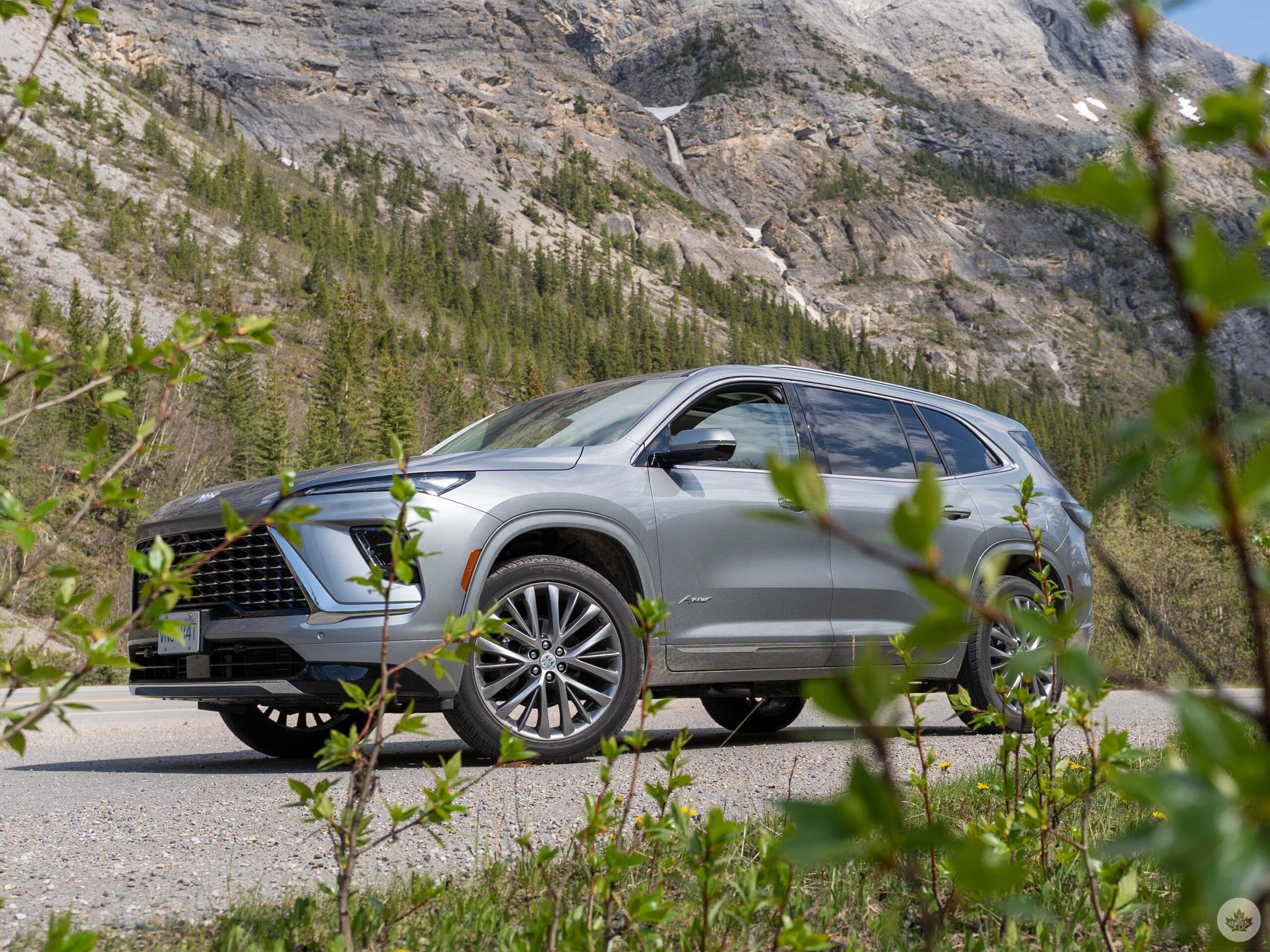
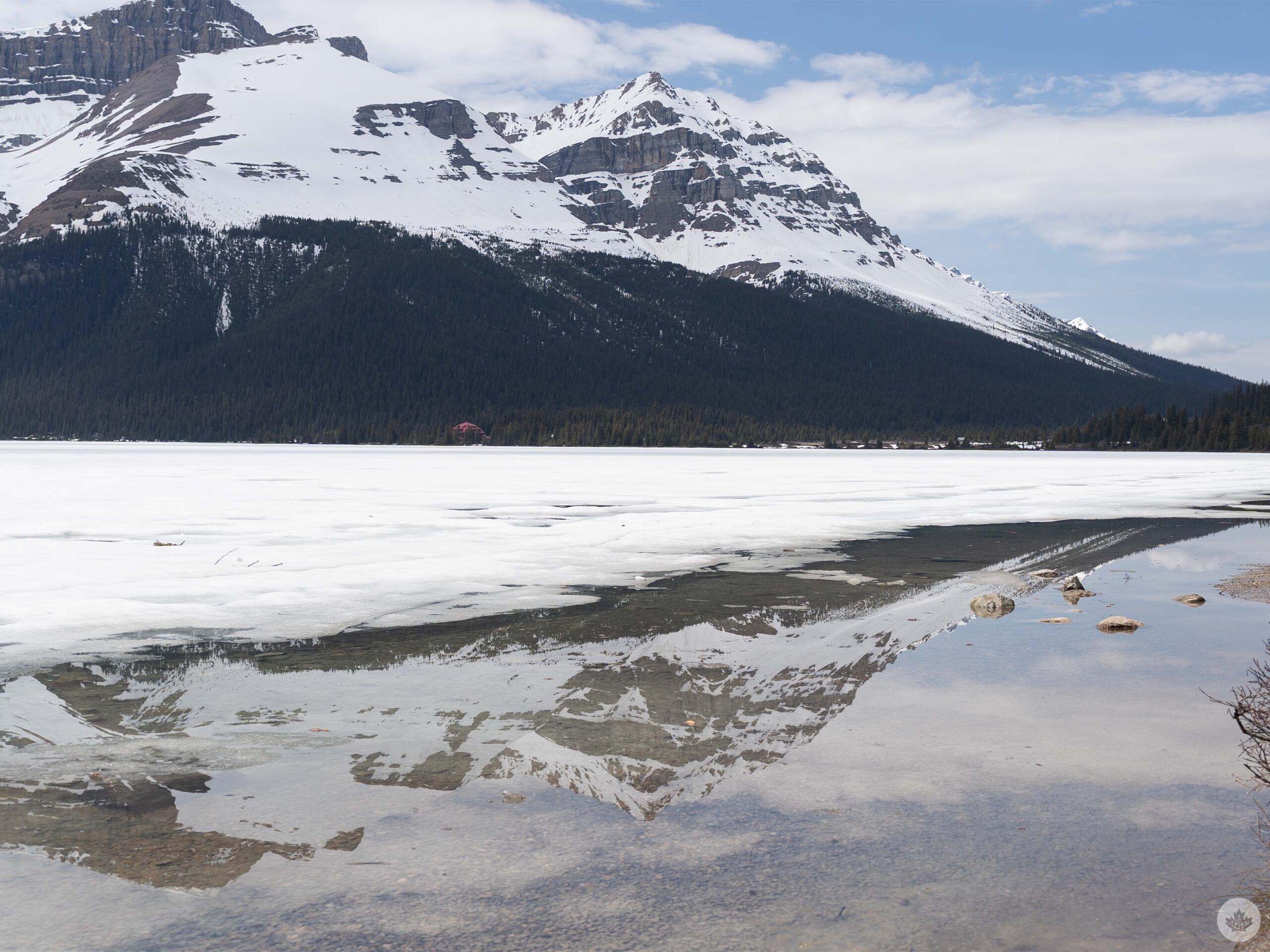
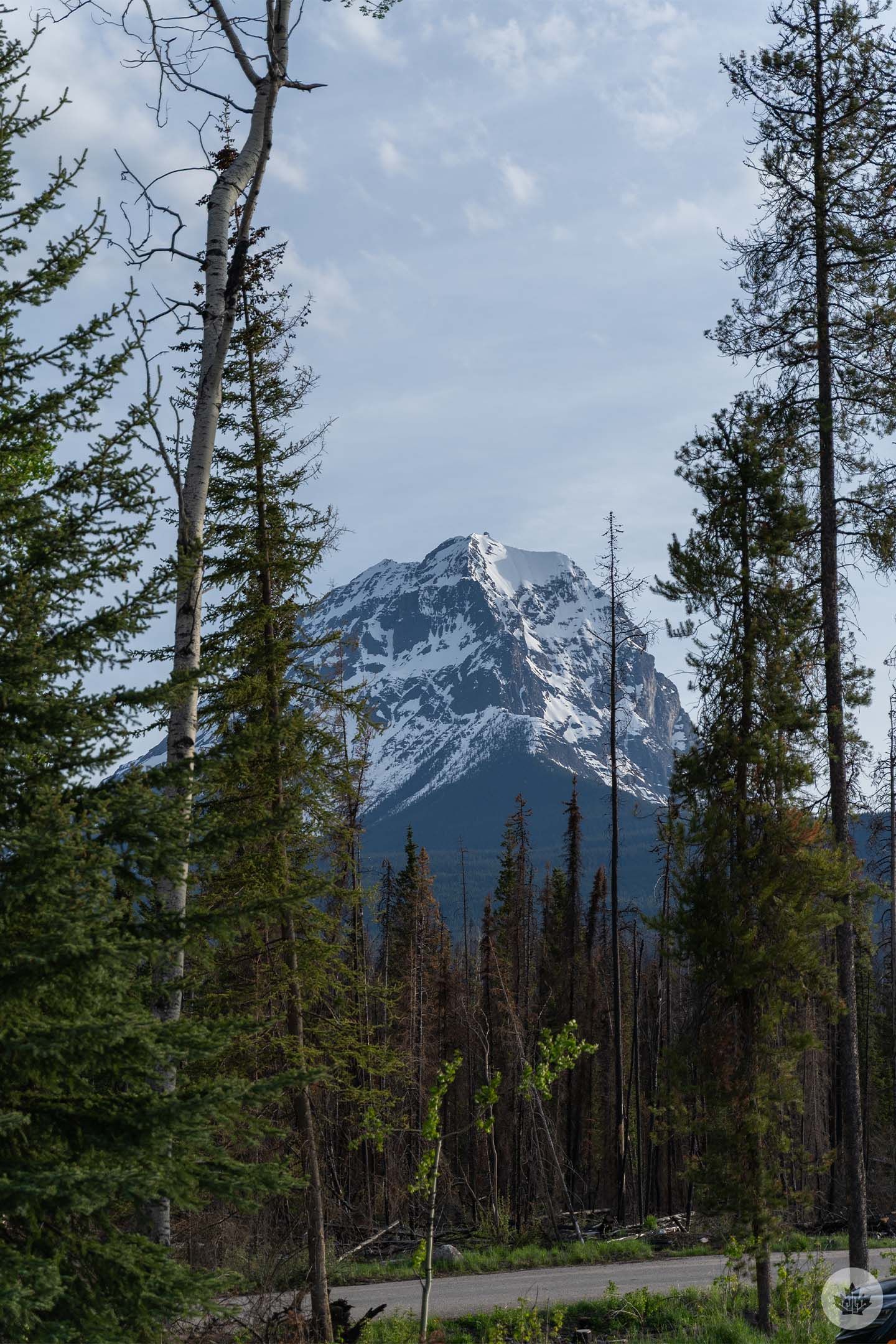
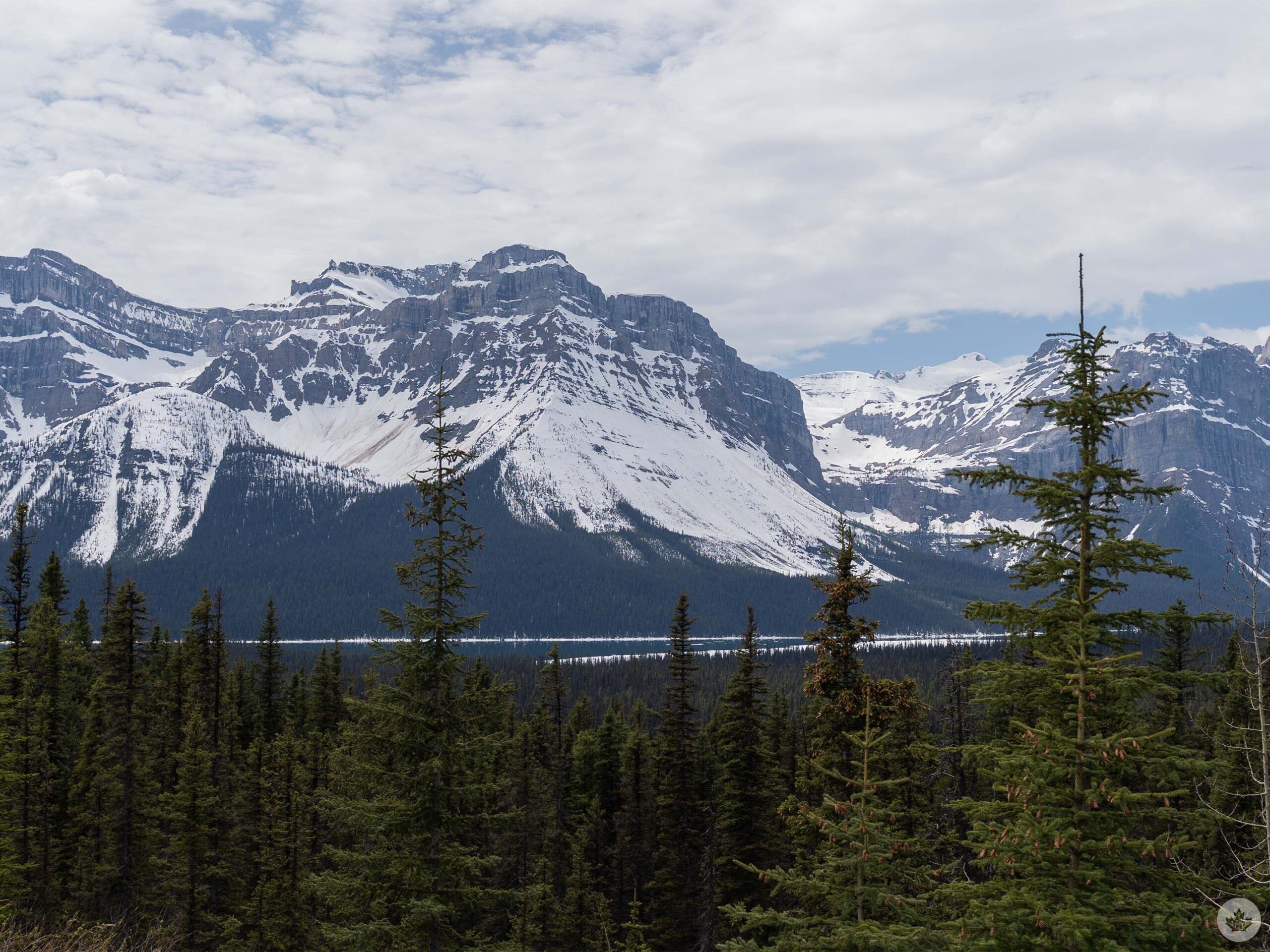
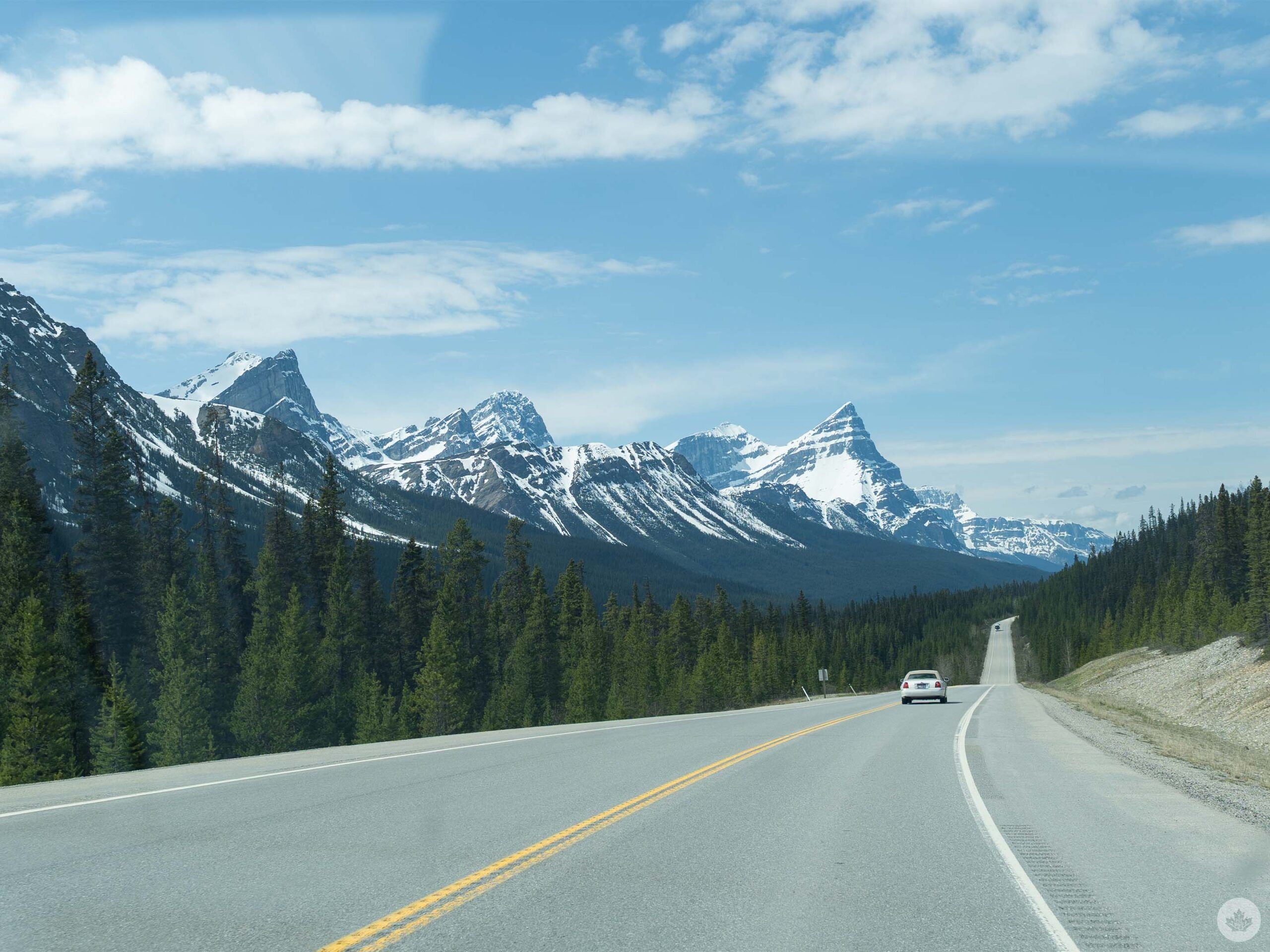
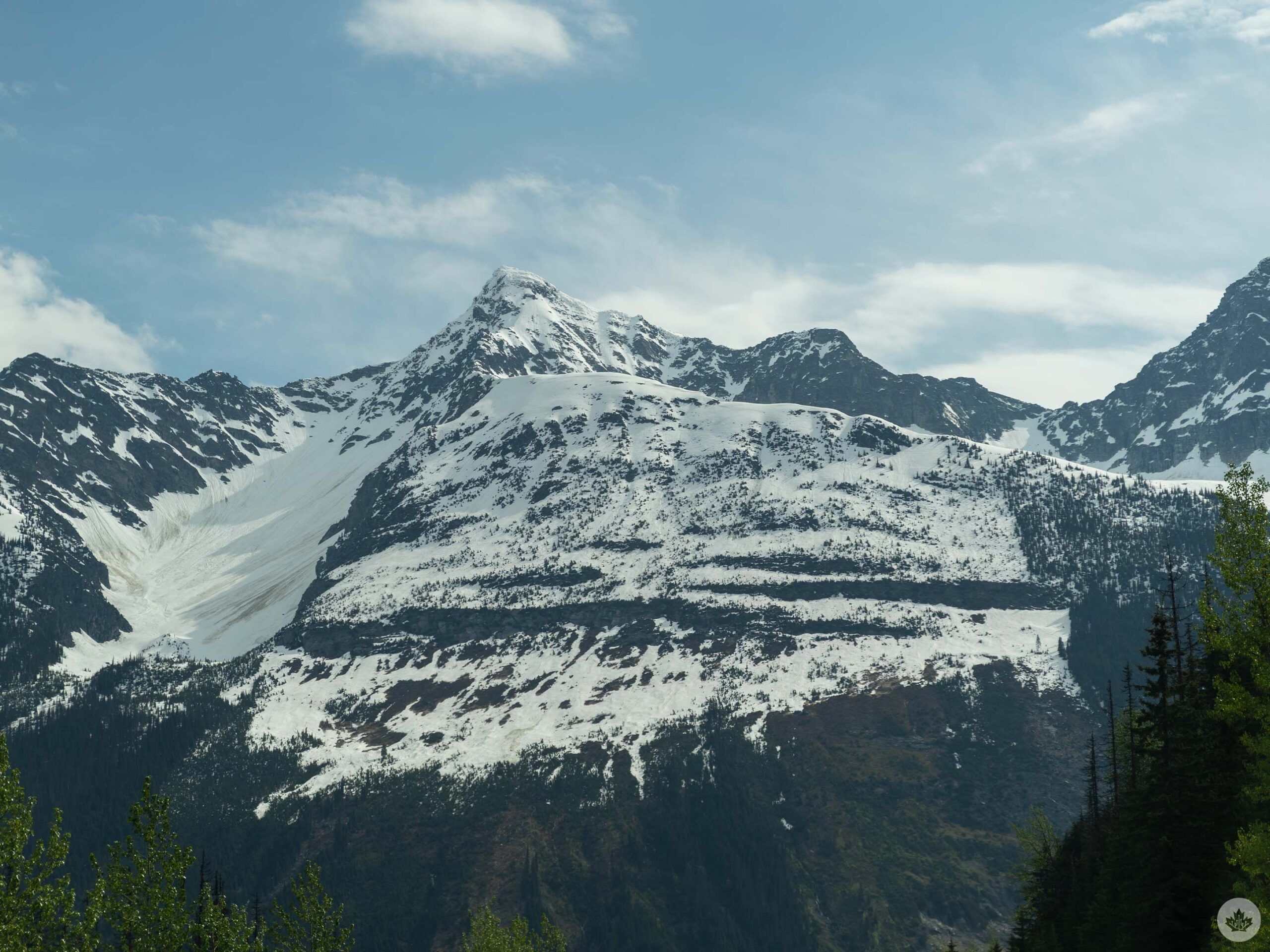
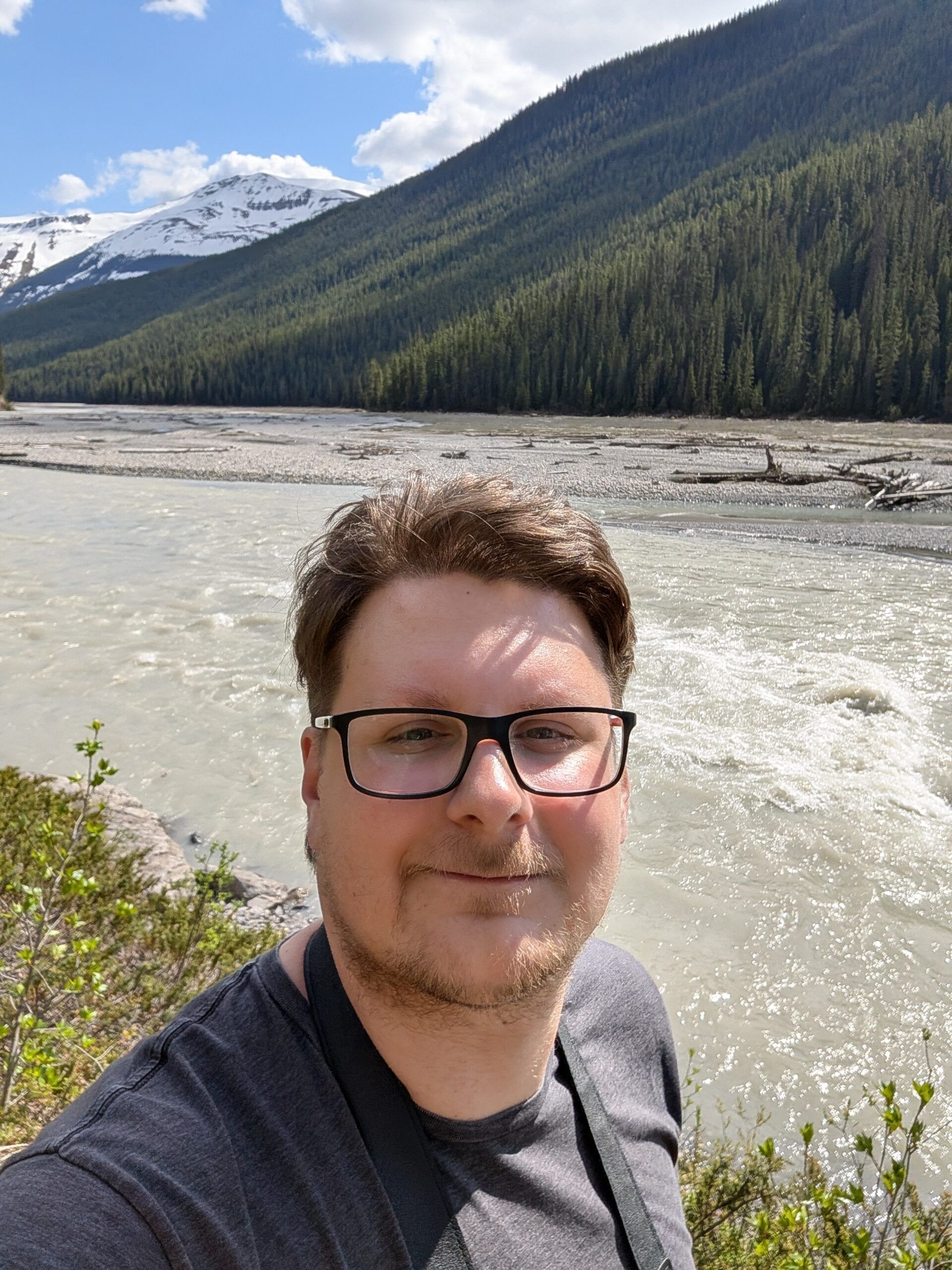
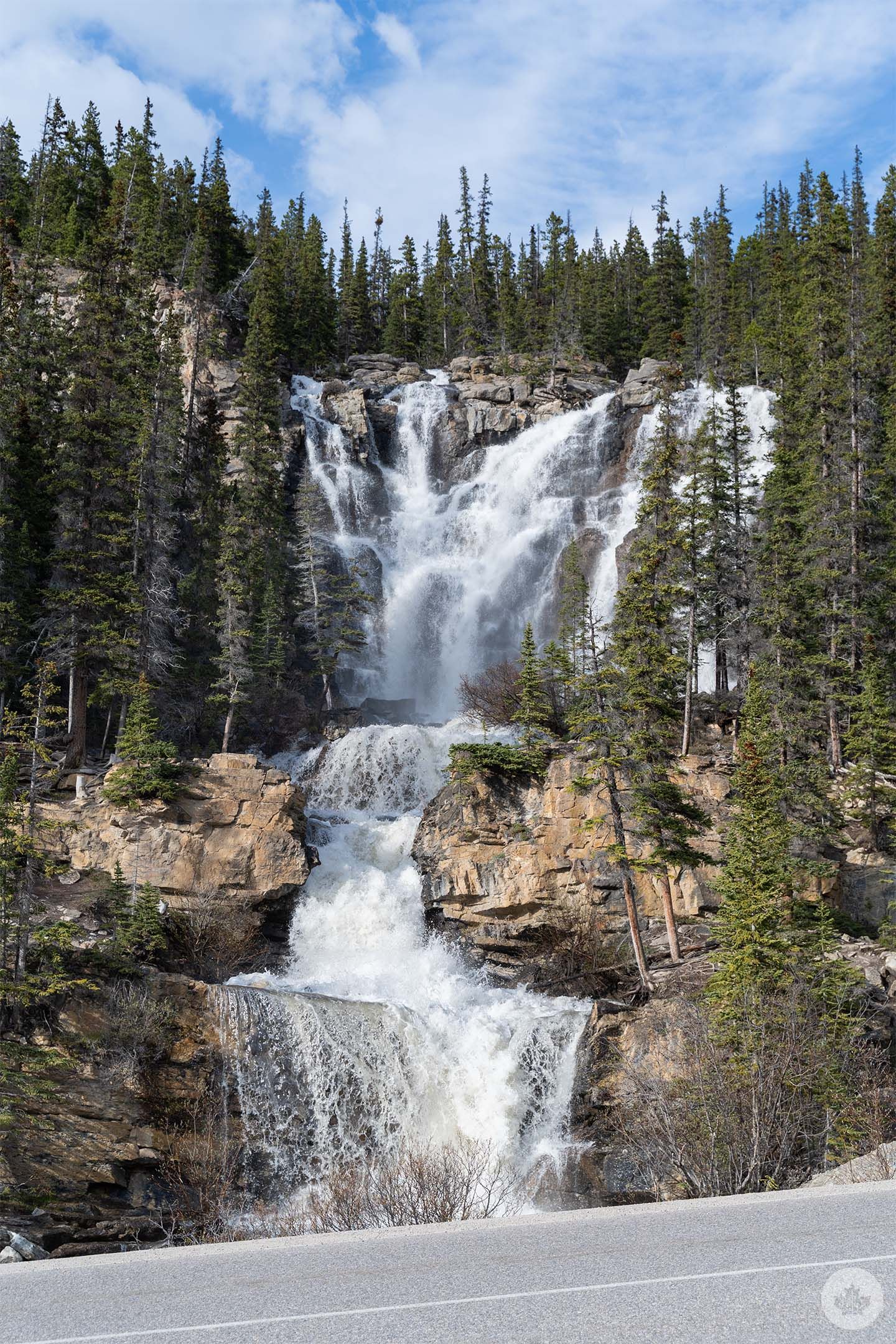
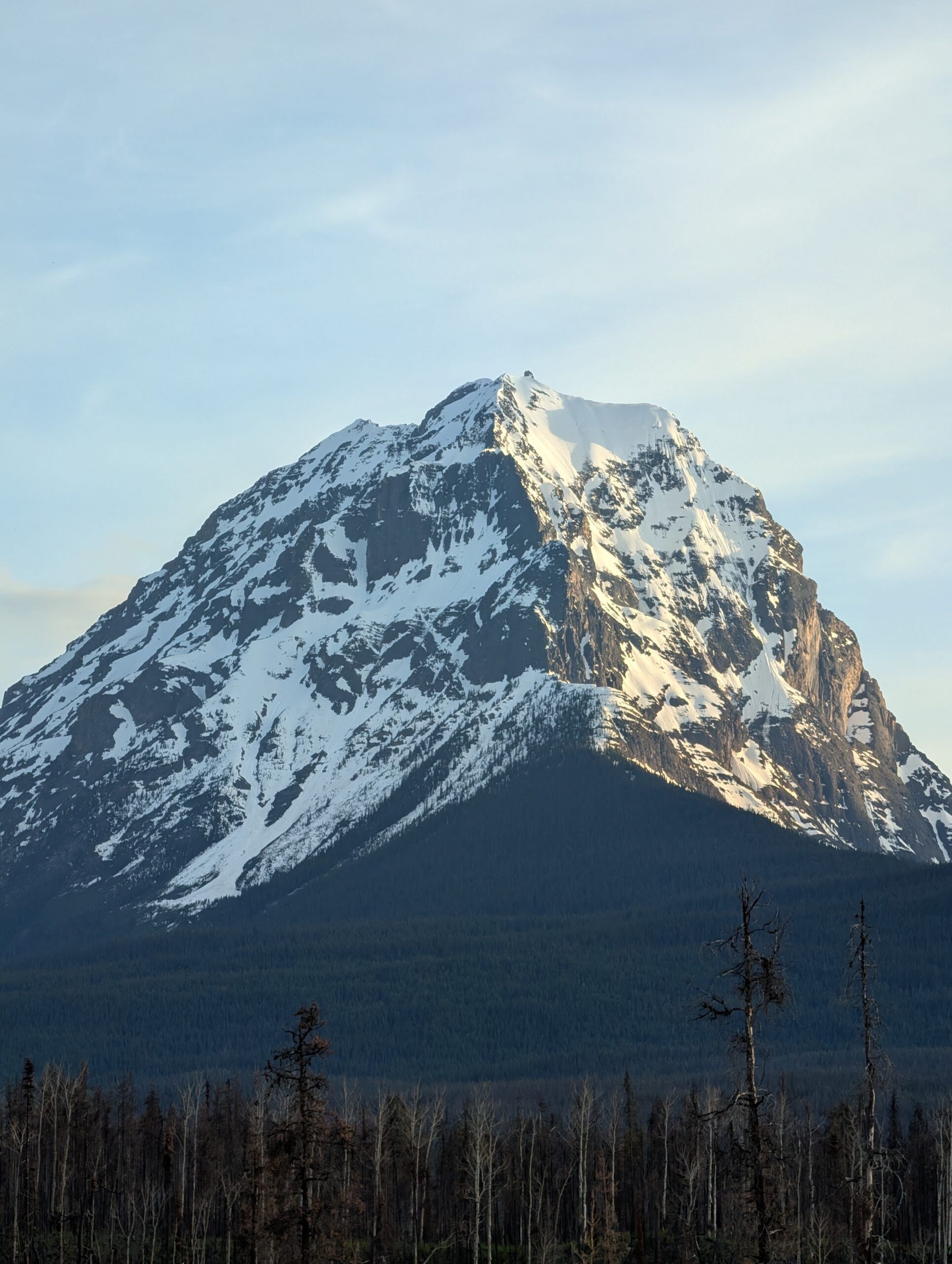
From there, we made our way to Golden, B.C., for lunch and then crossed over into Alberta and Banff National Park. We got on the Icefields Parkway, a roughly 230km stretch of double-lane highway that starts near Lake Louise and runs through Banff and Jasper National Parks, ending at the town of Jasper.
25 images
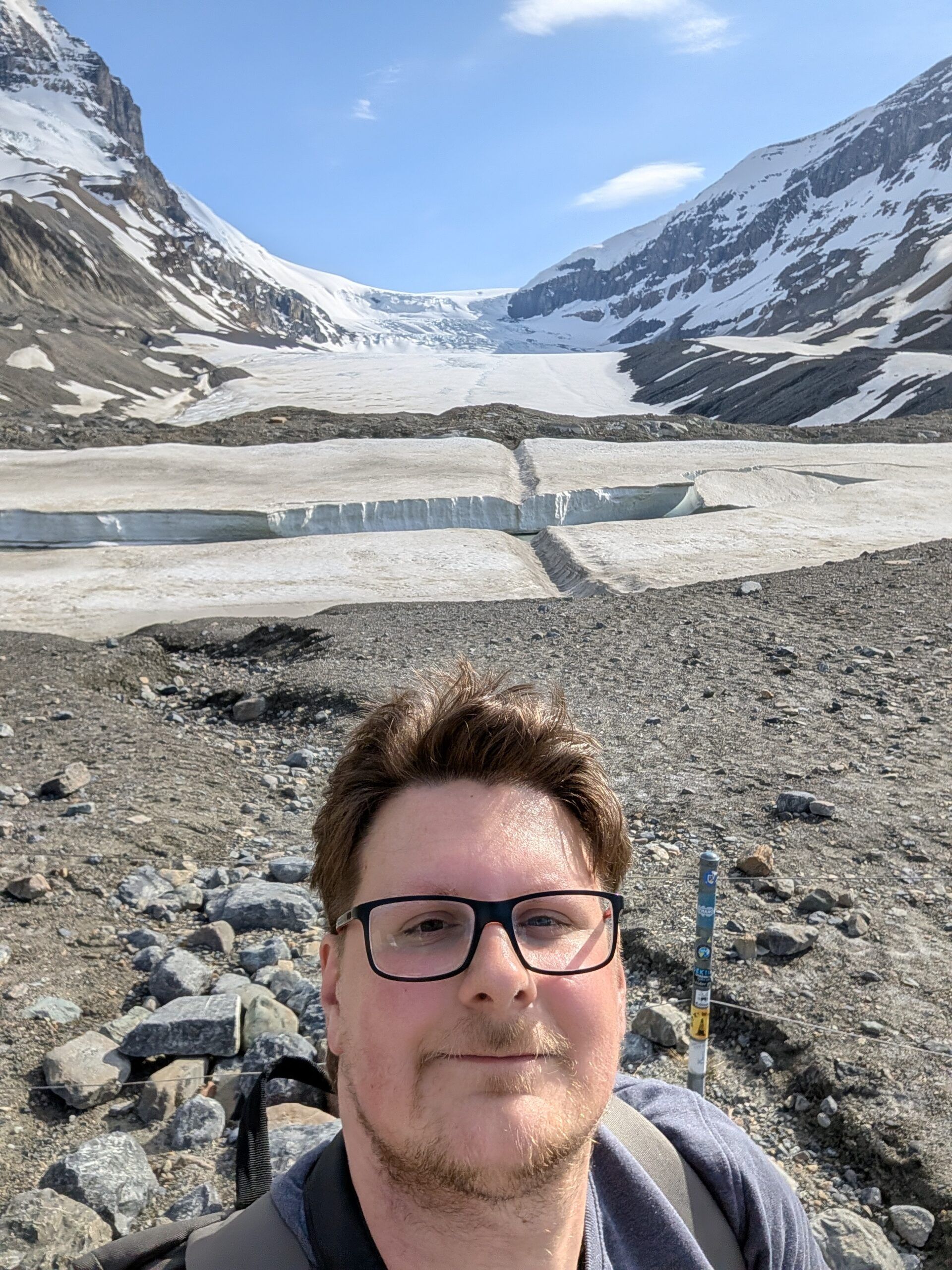
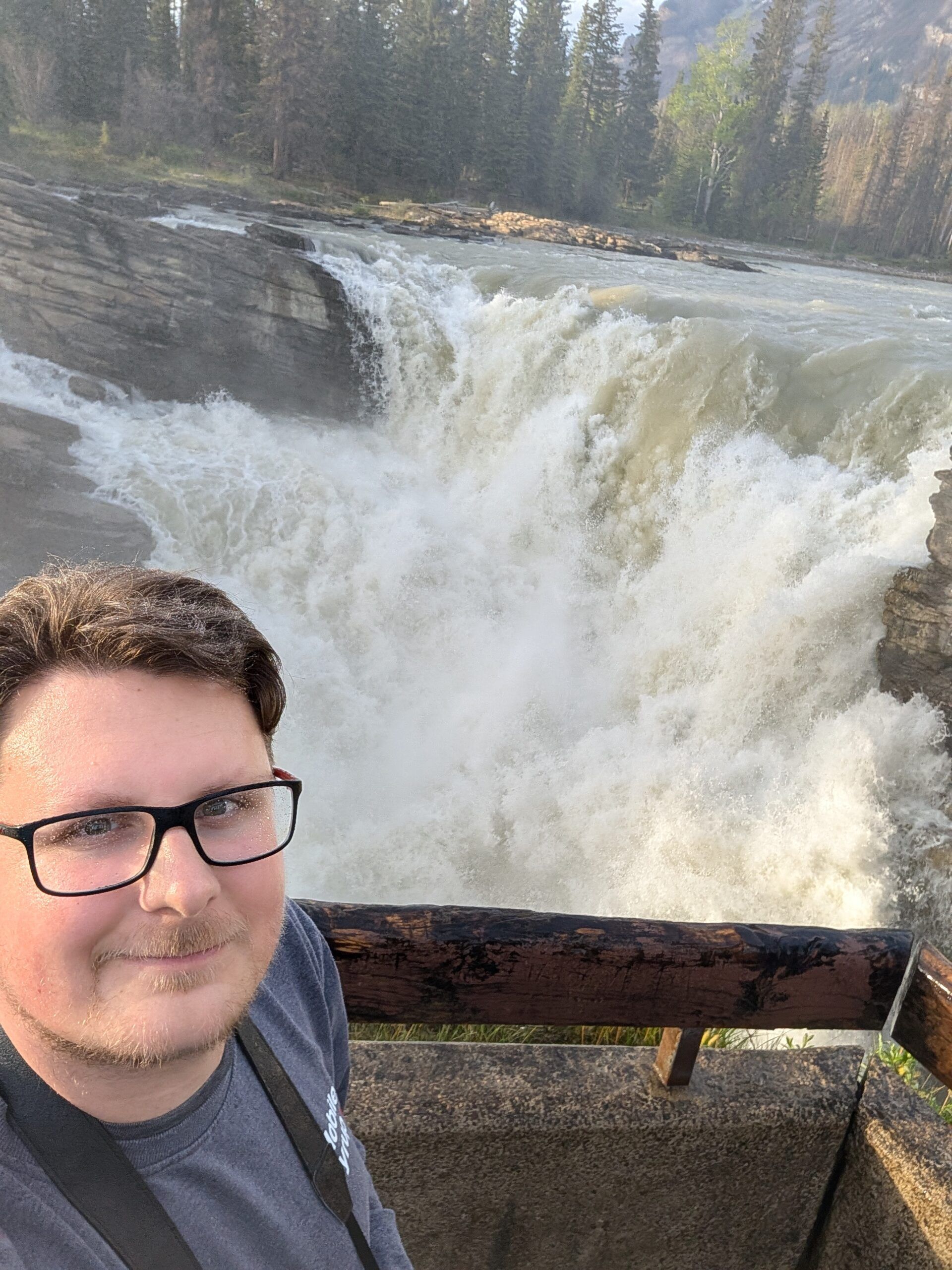
Kilometre after kilometre of eye-popping mountain views and gorgeous lakeside vistas. The drive eventually took us up to the Columbia Icefield, where I was able to hike out to the edge of the Athabasca Glacier. It was a phenomenal experience, and also profoundly sad, as I saw the various markers showing the glacier’s steady recession over the last several decades. It was also quite a learning experience; for example, feeling firsthand the phenomenon known as katabatic winds, which are caused by the glacier cooling the air. That cold, dense air then slides downhill, creating wind.
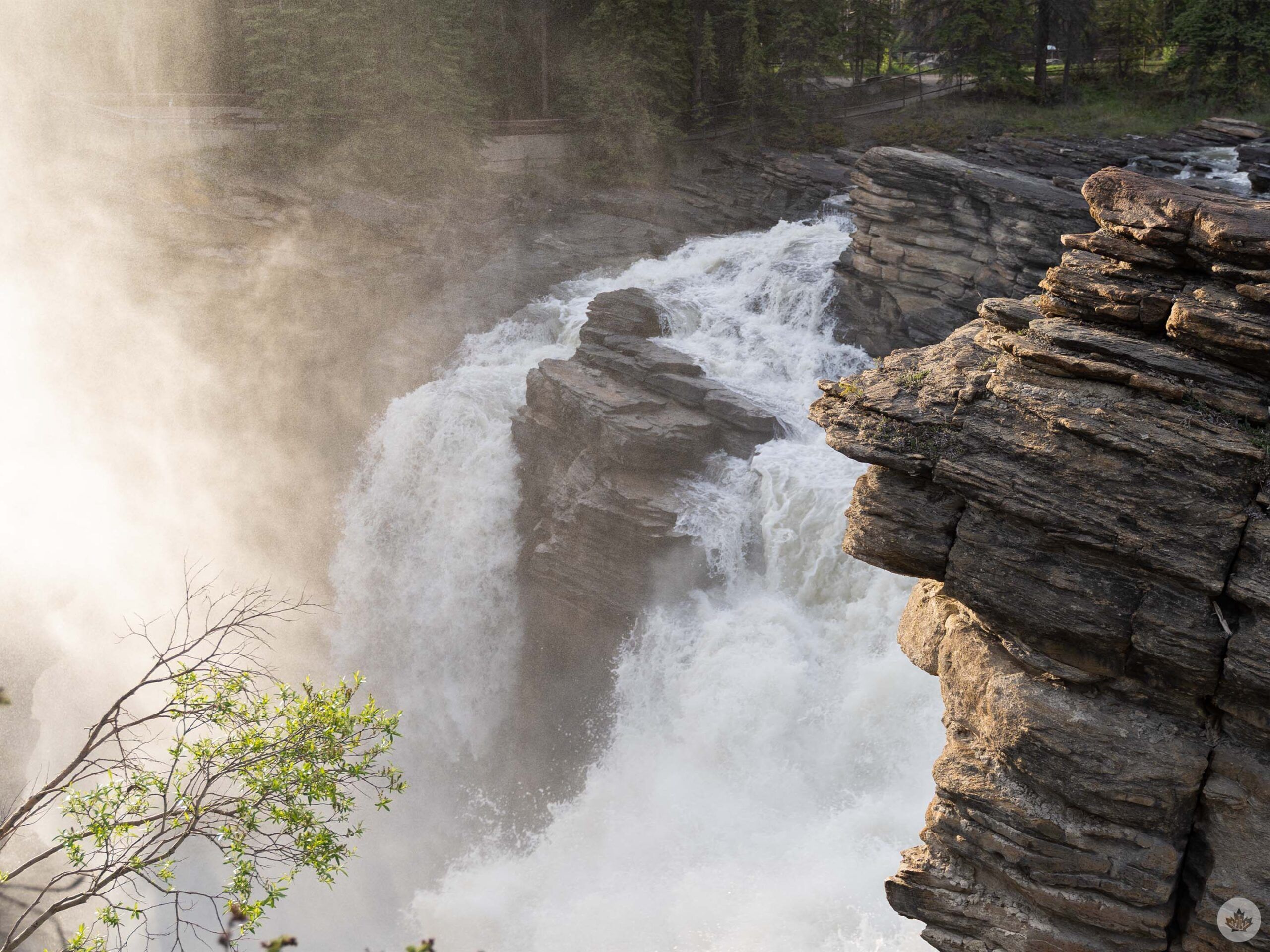
After the hike, we continued on our drive, stopping repeatedly to enjoy various spectacular waterfalls along the way, before finally stopping for the night at the Overlander Mountain Lodge just outside of Miette. While I didn’t get to experience much of the lodge thanks to our late arrival and early departure, I was a big fan of the rustic, homey feel — like visiting a Muskoka cottage but nestled in the heart of the Rockies.
Day 3: Jasper to Edmonton
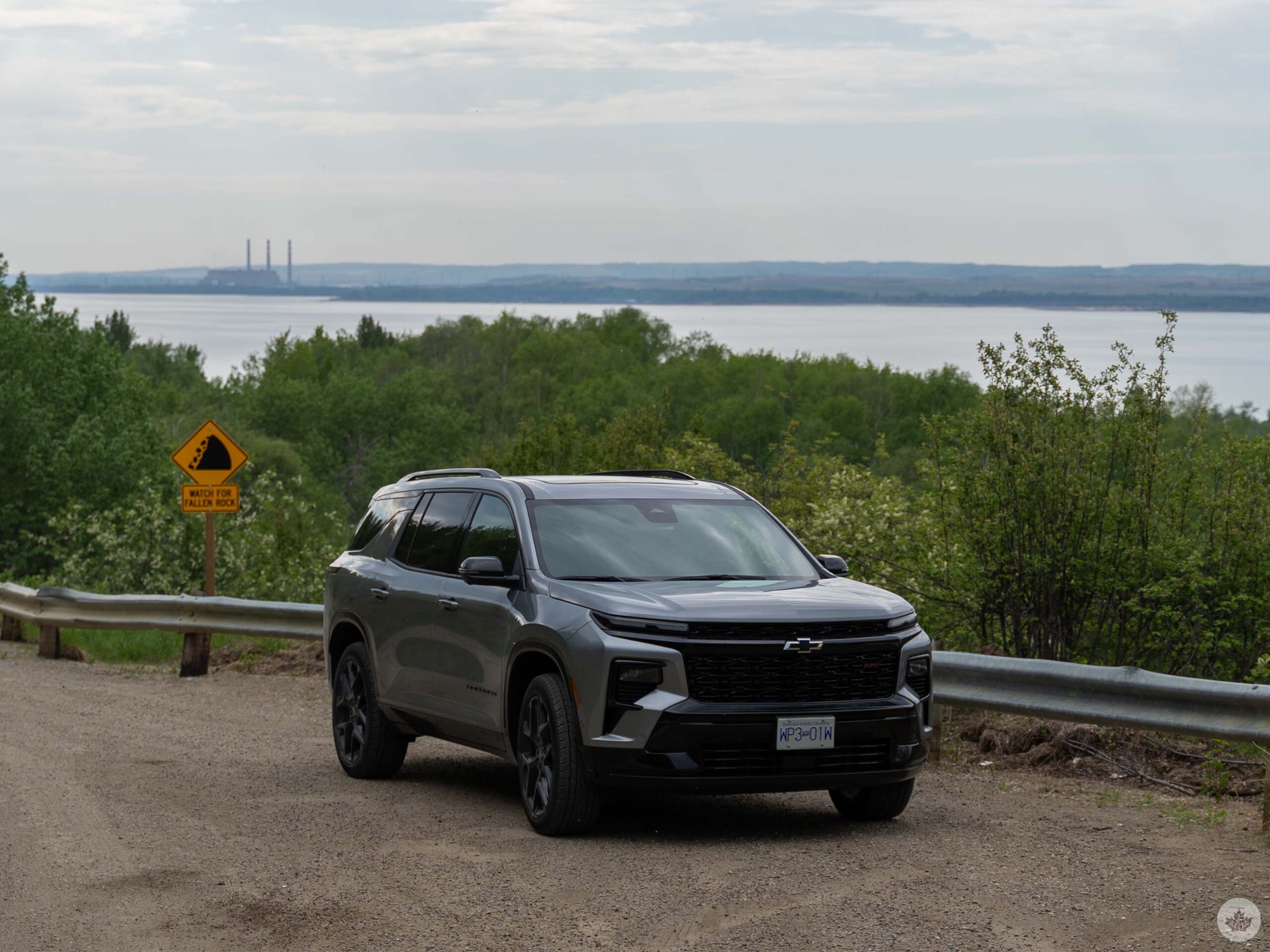
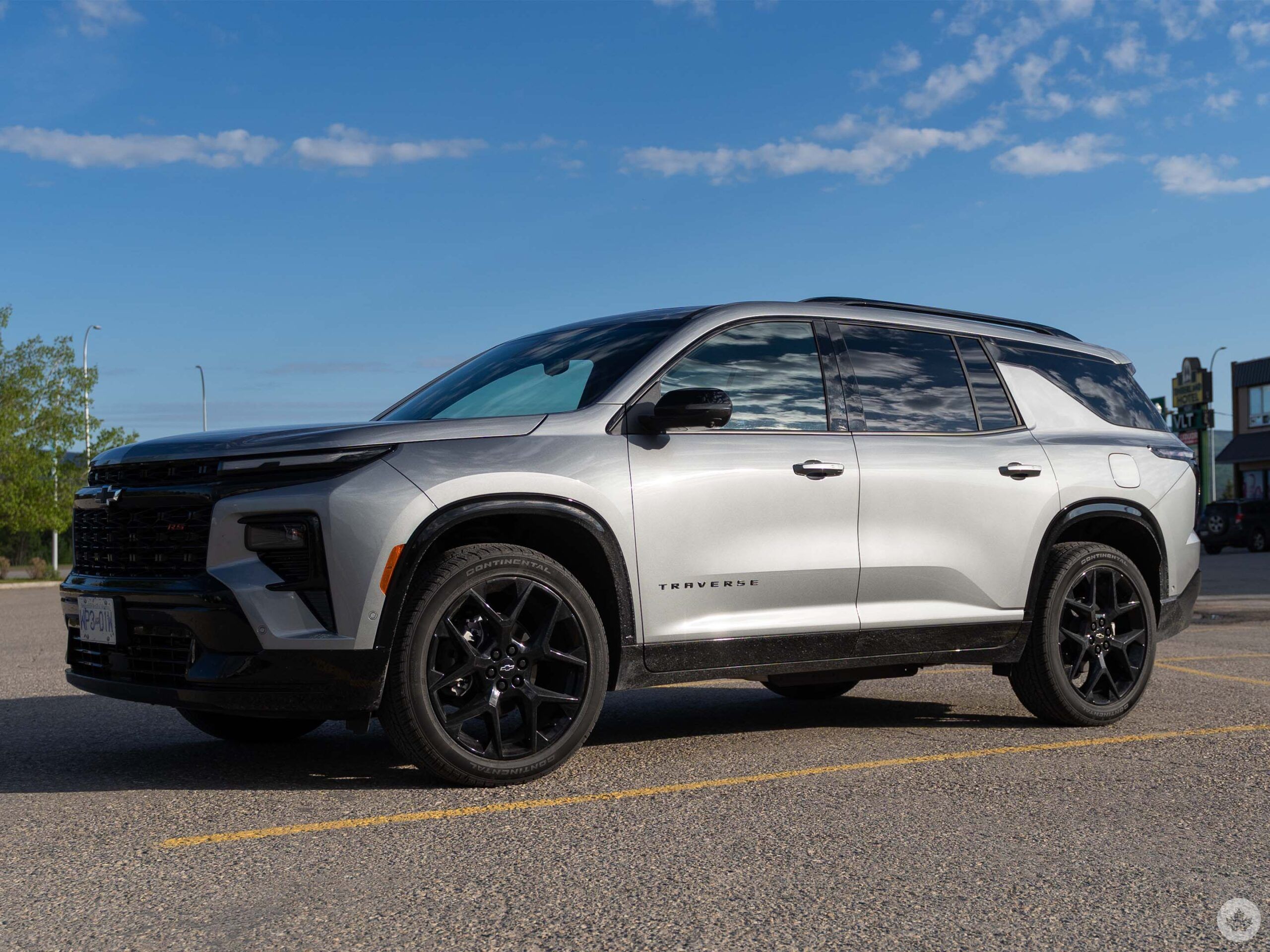
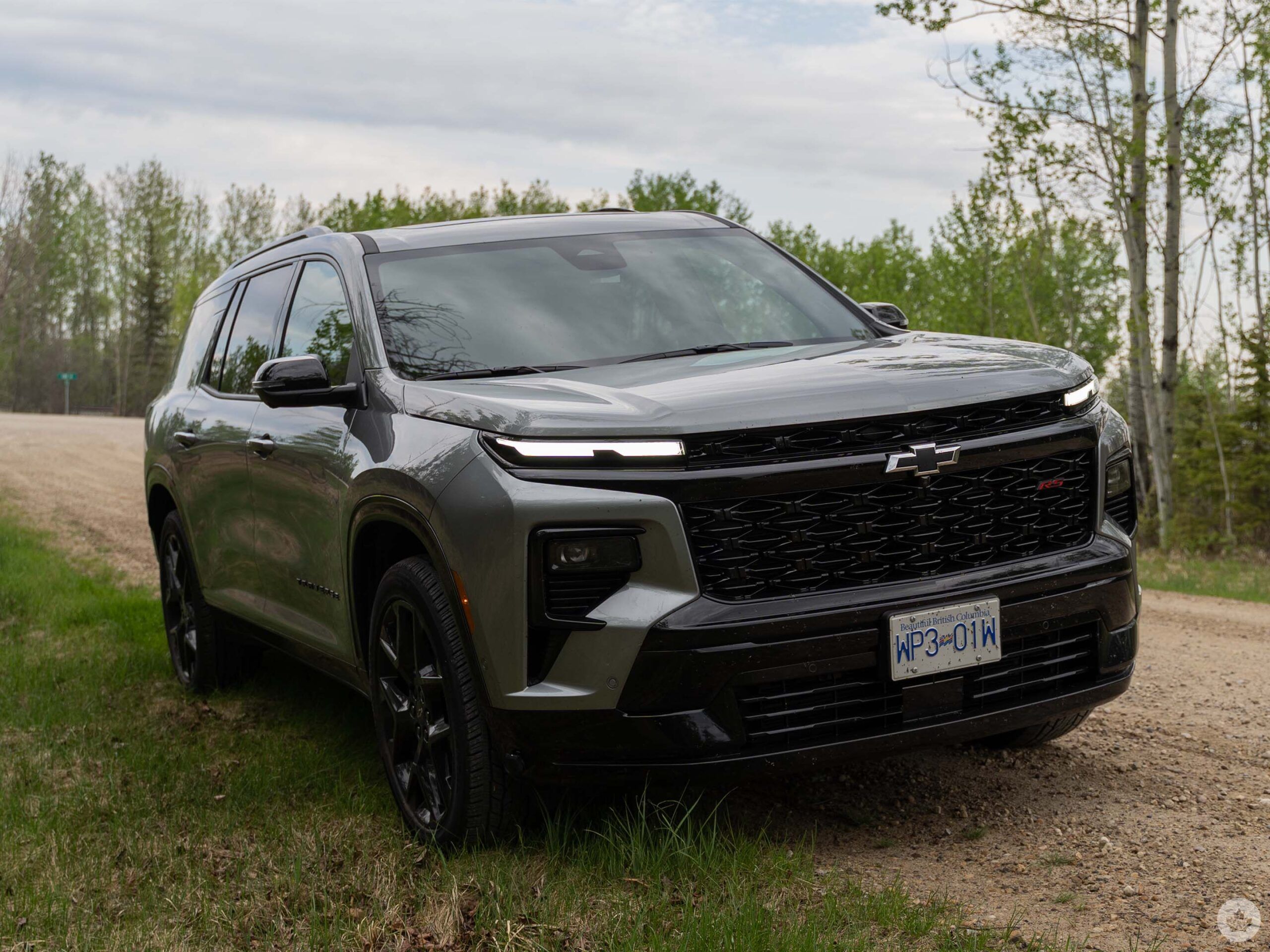
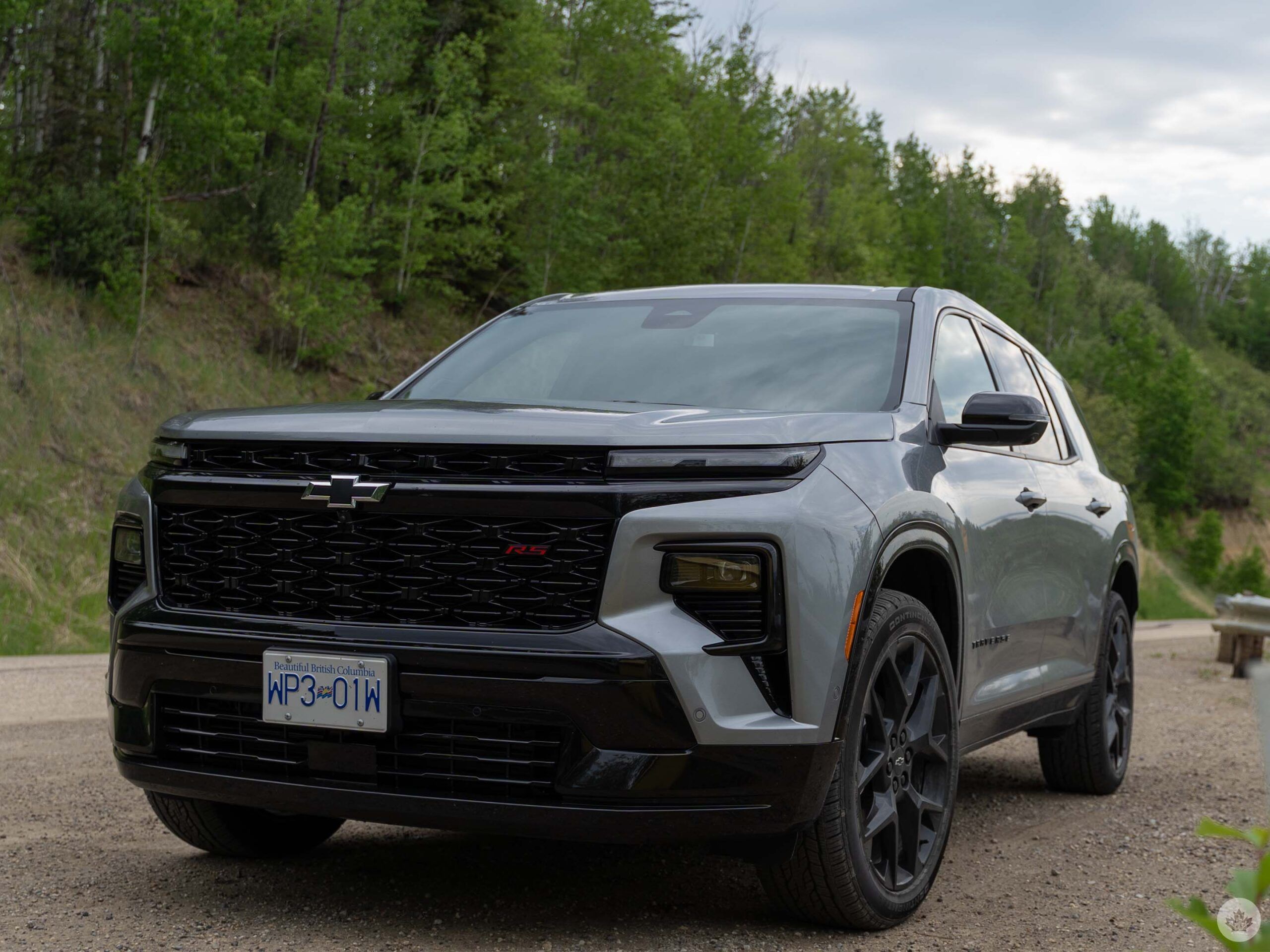
For the last day of the trip, I took the Chevy Traverse for a spin. For this leg of the trip, I rode solo, and unfortunately, it was the least exciting leg.
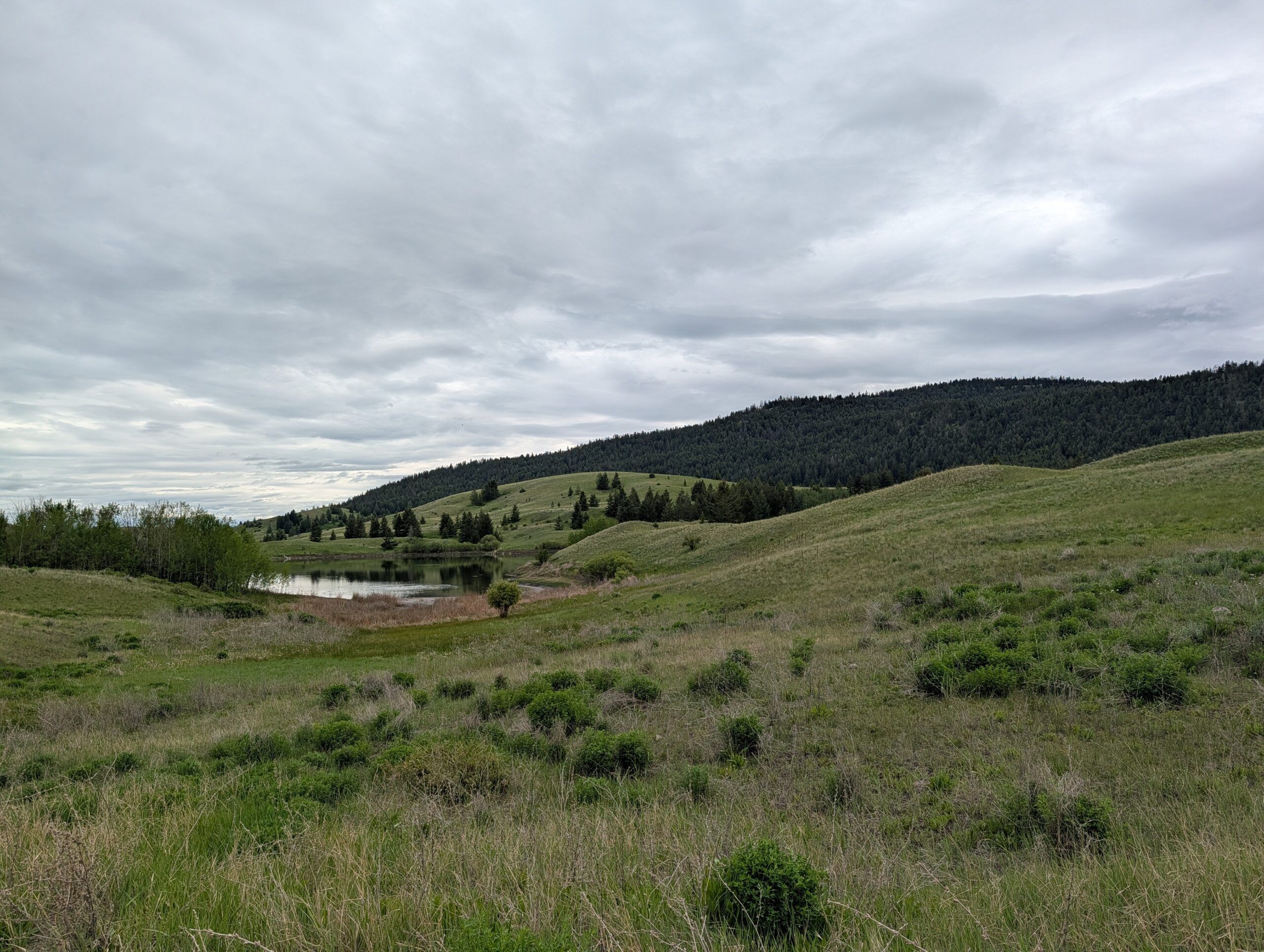
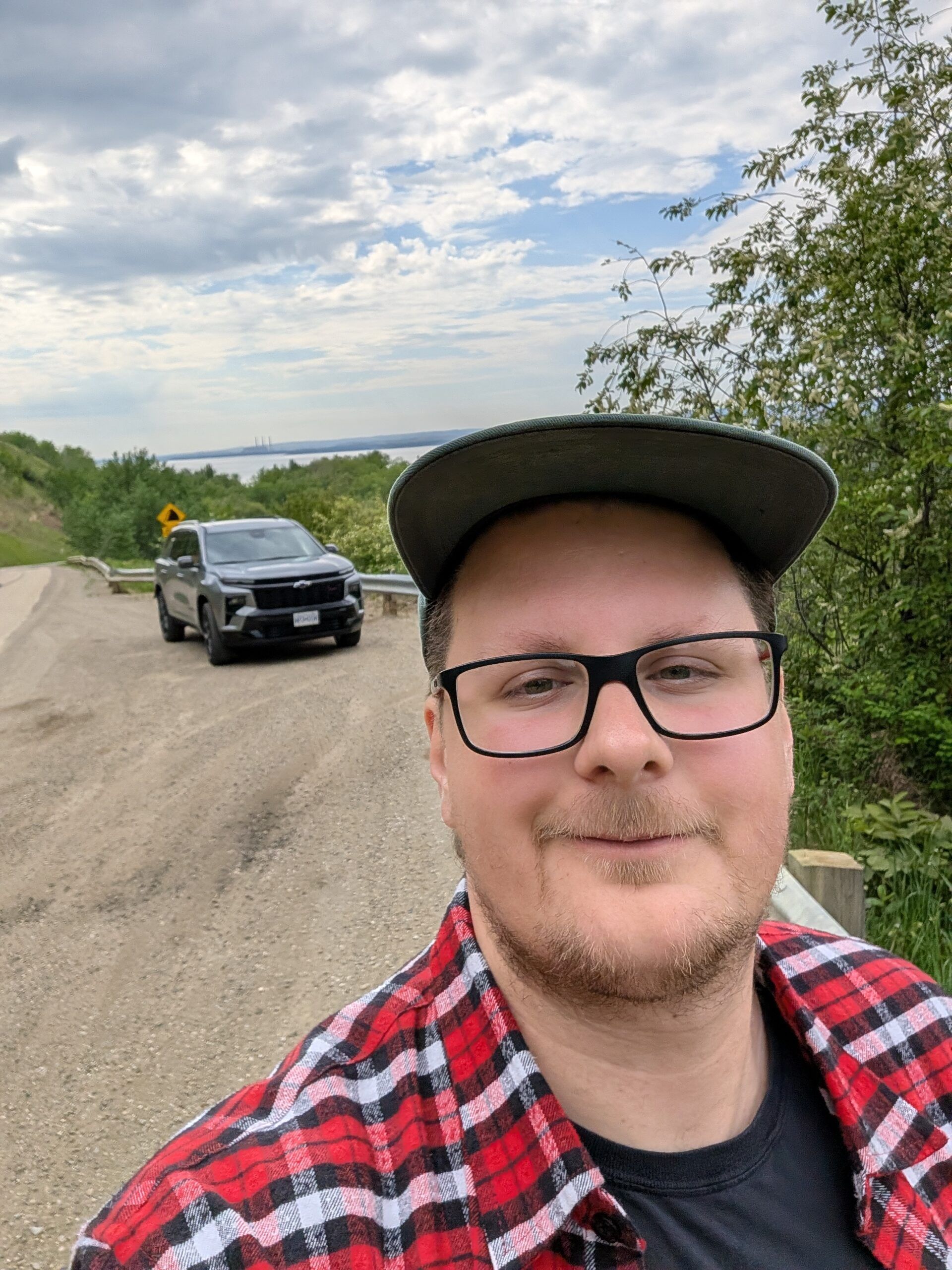
Not long after leaving Jasper, the ground levelled out, and I found myself zipping across a fairly flat landscape. I discovered a few spots to stop with some nice views, like the above hillside overlooking Wabamun Lake, but for the most part it was fields, farms, and not much else.
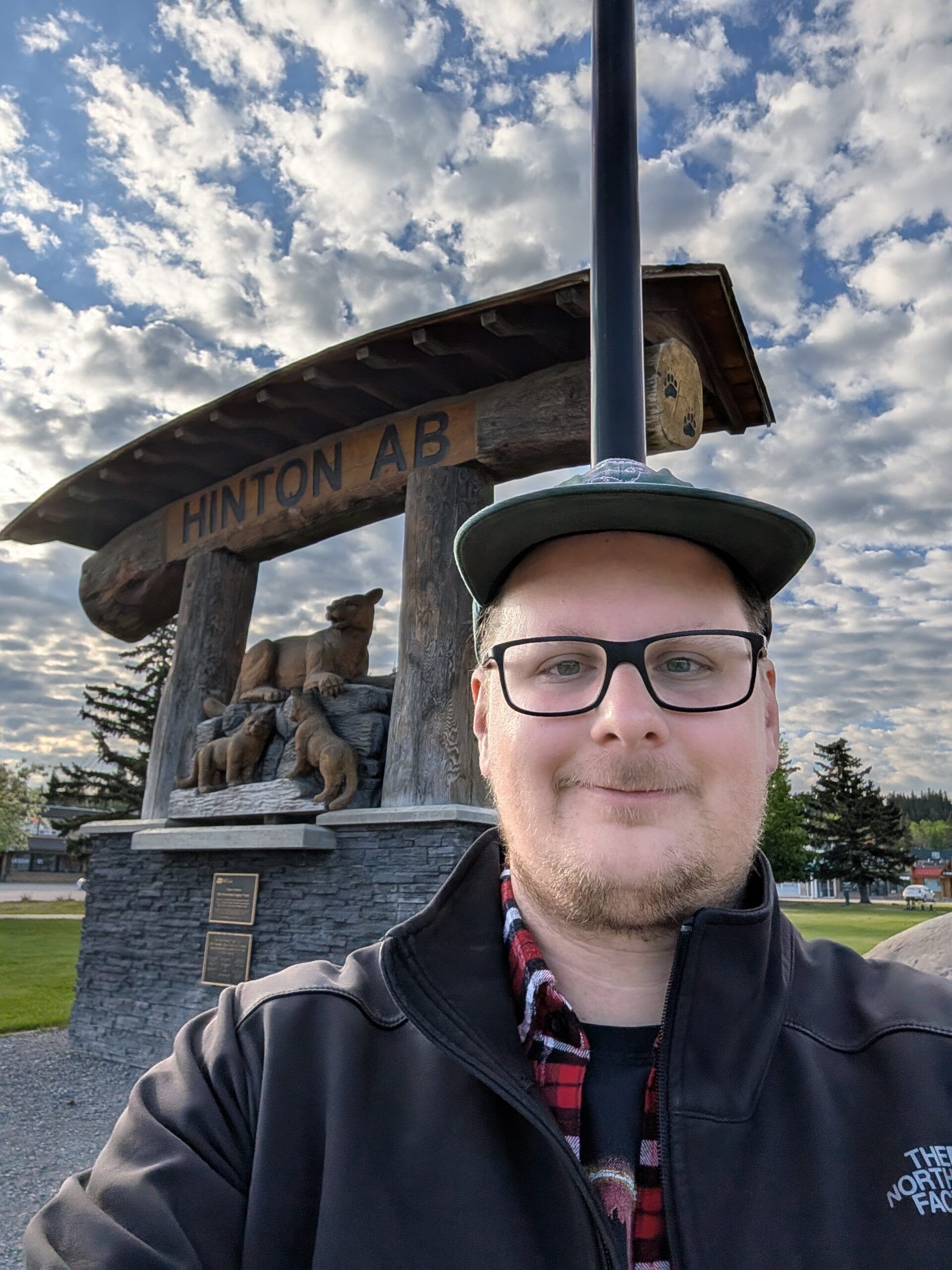
7 images
Coincidentally, that also made it a great stretch for Super Cruise. I used it for almost the entire three-hour drive from Hinton to Edmonton with no issues. It made what would otherwise have been a fairly boring drive much better. I put on some great tunes, grabbed some snacks, and settled in for the long haul.
The ultimate road companion
After taking this incredible trip, I’ve got a much better feeling about driver assistance tools and, particularly, GM’s Super Cruise. I was definitely apprehensive about self-driving, but Super Cruise felt incredibly safe and reliable during my testing.
To be clear, Super Cruise isn’t a fully autonomous system and absolutely still requires drivers to pay attention to what’s going on. And honestly, I think that’s a great spot to be in. Used responsibly, Super Cruise can help make long drives easier and less stressful.
I’ve been in the market for a new vehicle for a bit, but this Super Cruise experience now has me considering GM for my next car.
 Features
  Features
  Features
  Features