


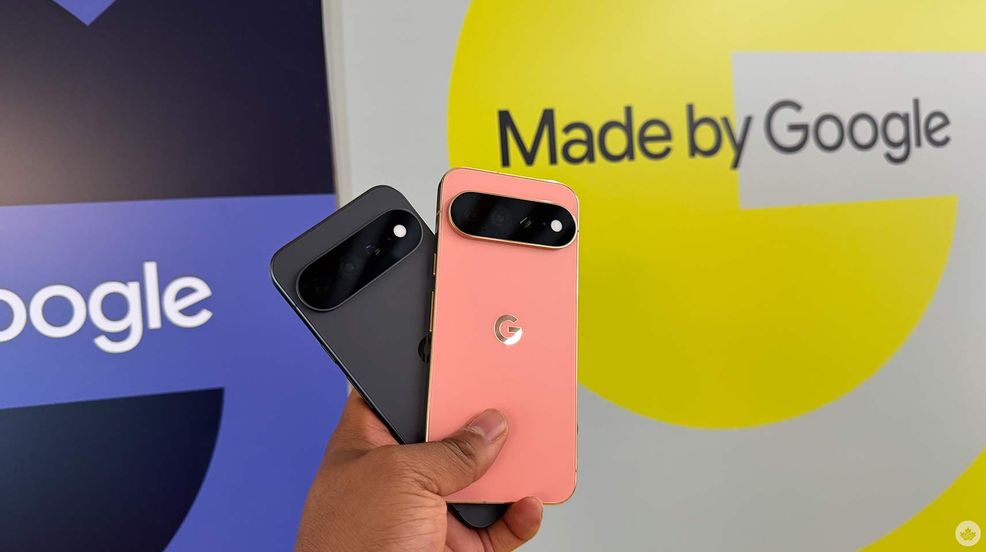
Google has just shown off six new products for its Made by Google event: the Pixel Watch 5, the Pixel Tag, and the Pixel 11, Pixel 11 Pro, Pixel 11 Pro XL and Pixel 11 Pro Fold. Ahead of the event, I got the opportunity to go hands-on with each of these devices (except the Pixel Tag), but definitely focused a lot more on the company’s latest smartphone offerings — despite the lack of evolution from last year to this.
The Mountain View, California-based tech giant’s Pixel 11 series is another small iterative step, with the devices showing minimal updates versus the previous iterations. In fact, in some cases there were downgrades between the Pixel 10 series and the Pixel 11, and now the handsets unfortunately come with a higher price tag. Of course, with RAM shortages, most devices are more expensive this year, but it’s not a great time for it considering the lack of upgrades.
Don’t get me wrong, the Pixel 11 series isn’t an exact replica of its predecessor, as the Pro series comes with new hardware, called HiLight, replacing the old LED flash.
Hi, Light 👋
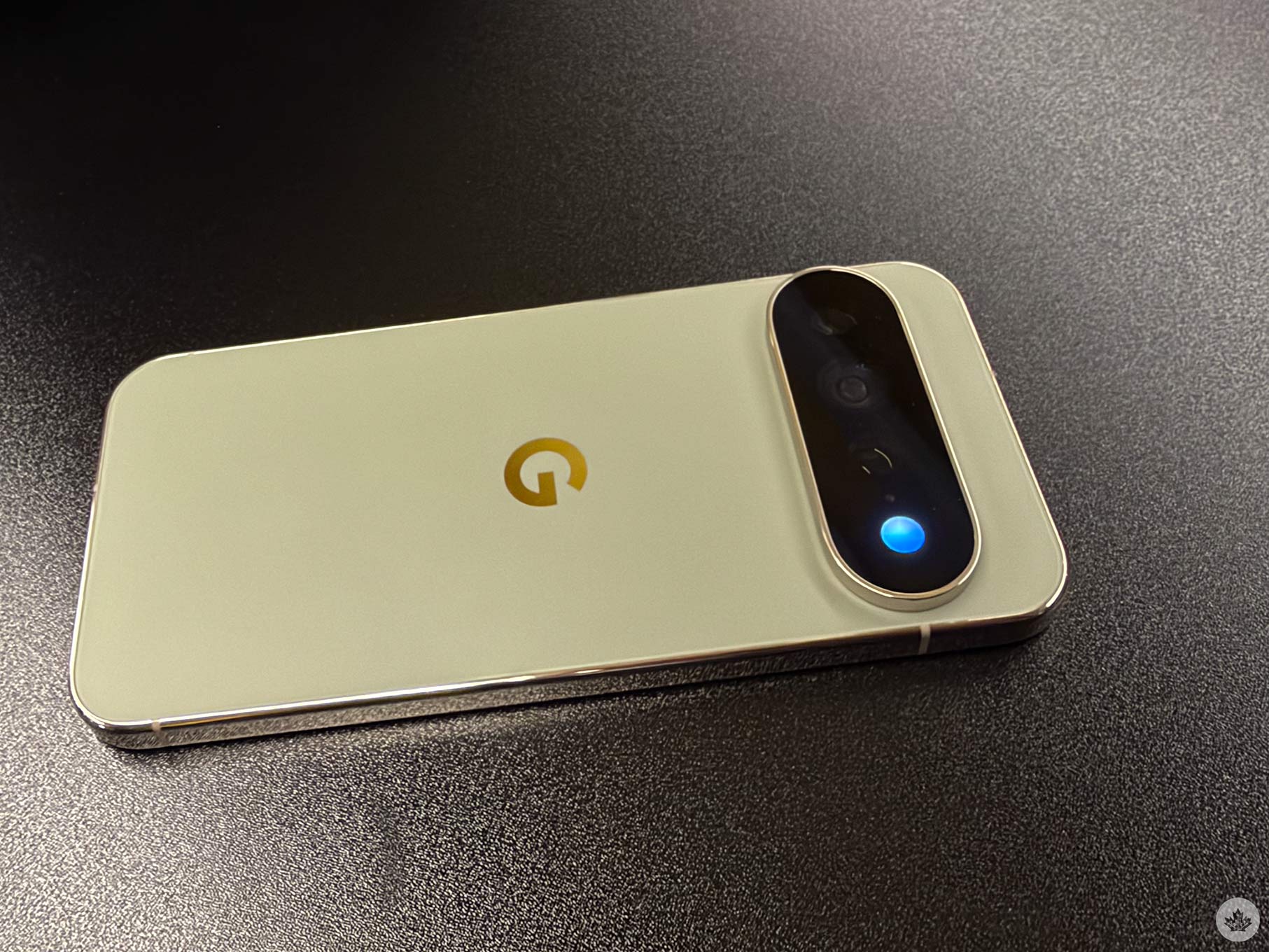
HiLight, available only on the Pro models, is the company’s replacement for the LED flash with some cool tricks up its sleeve. HiLight is an array of ambient LED lights built around the camera’s flash and offers a visual cue when you need to pick up your phone.
You can get a customized colour glow for incoming calls from your favourite contacts. Google has integrated this functionality with the Phone app and WhatsApp.
HiLight also works with Gemini, offering a visual cue whenever Gemini is listening, thinking and responding. I watched this feature in action, and it works fine, with Gemini changing colours as you speak to the phone.
HiLight is a nice touch. I always thought that it was weird that companies got rid of notification LEDs, and this is a fun, gimmicky way of bringing them back.
However, I think it’ll take me a while to get used to the big white circular LED that’s now featured on the camera bar. I was talking with my partner about it, showing him the leaks, and he thought this LED light is far better than the standard, so it’s probably just my own bias.
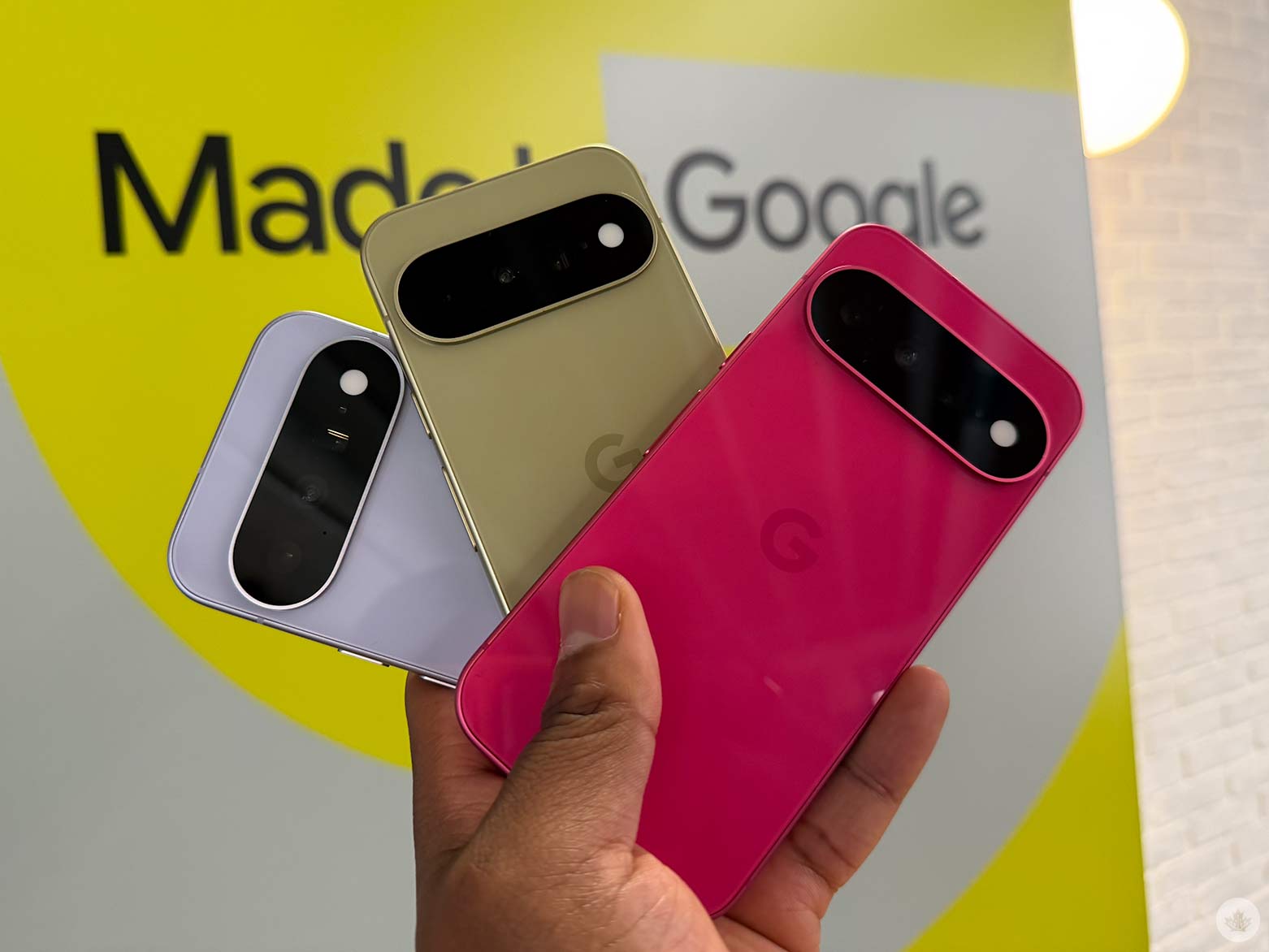
It’s also weird that the base Pixel 11 also has the HiLight-like LED without the actual feature. I guess there’s a case for uniformity and keeping the same look between all the Pixel 11s, but it could also mislead people into thinking the base Pixel 11 sports HiLight.
HiLight seems like a feature that some people will love, but unfortunately I’m not one of them. I’ll appreciate it for sure, especially when my phone is lying on its front and I want to speak with Gemini, but otherwise it’s definitely something I can see myself eventually forgetting about.
Pro performance?
The Pixel 11 series all include the Tensor G6, which offers an upgraded CPU that delivers up to 20 per cent more battery power efficiency, 25 per cent faster browsing and 15 per cent faster app loading.
I’d love to see the Tensor G6 outperform other devices, but Tensor has been lagging behind. I’m hoping this year things change, but only by going through the paces will I be able to see how Tensor is doing compared to the competition.
Google says that Tensor G6 should improve on-device Gemini experiences, as well as improve the Imaging Signal Processor (ISP) for better photography.
Magic Capture
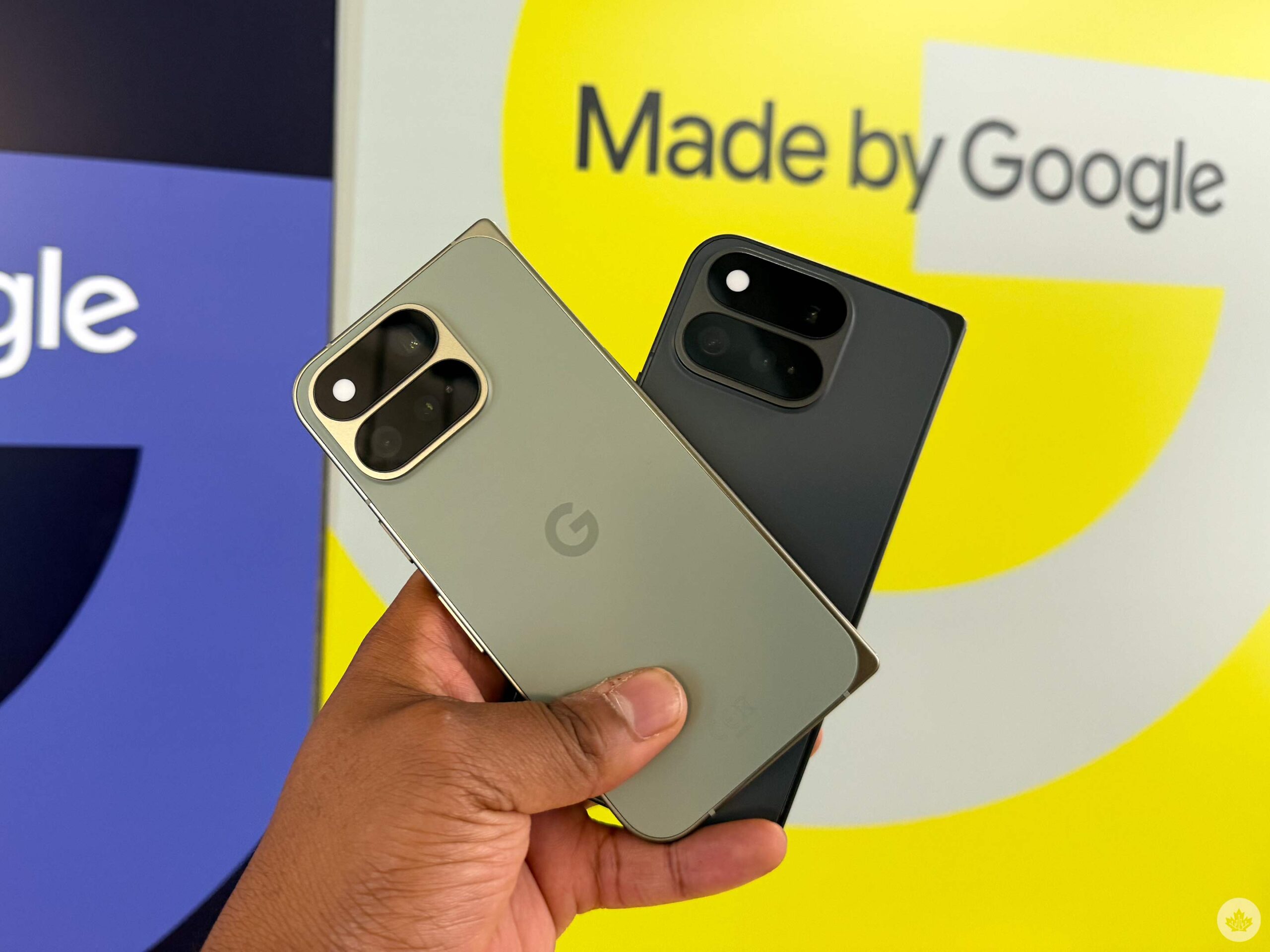
Speaking of the ISP, I haven’t played with the cameras yet, but Google didn’t really do anything here in terms of specs. The 11 Pro now offers 120x Pro Zoom, which is interesting because the camera specs haven’t changed from last year, and you’re still getting 5x optical zoom. But the company is using its software to get up to this magnification.
There’s also a new feature called Magic Capture, which takes little videos with one tap. Then Magic Capture pulls out high-quality photos that have been automatically cropped and unblurred. As of right now, Magic Capture only takes pictures from the captured content, but this might change in the future.
Google also promises that Night Sight has improved due to a 50 per cent faster TPU from the Tensor G6. The Pixel 11 Pro series also offers ‘Instant Night Sight,’ which captures night photos without having to wait.
Strangely, all of the Pixel Pro devices have smaller batteries. Not by a lot, but it’s a strange move on Google’s part. However, now that the Tensor G6 offers better power efficiency, your handset’s battery might be similar to its predecessor, but it’s unlikely that it’ll be better. The base Pixel 11 has a slightly larger battery, so I’d expect better battery life on that device.
Canyon
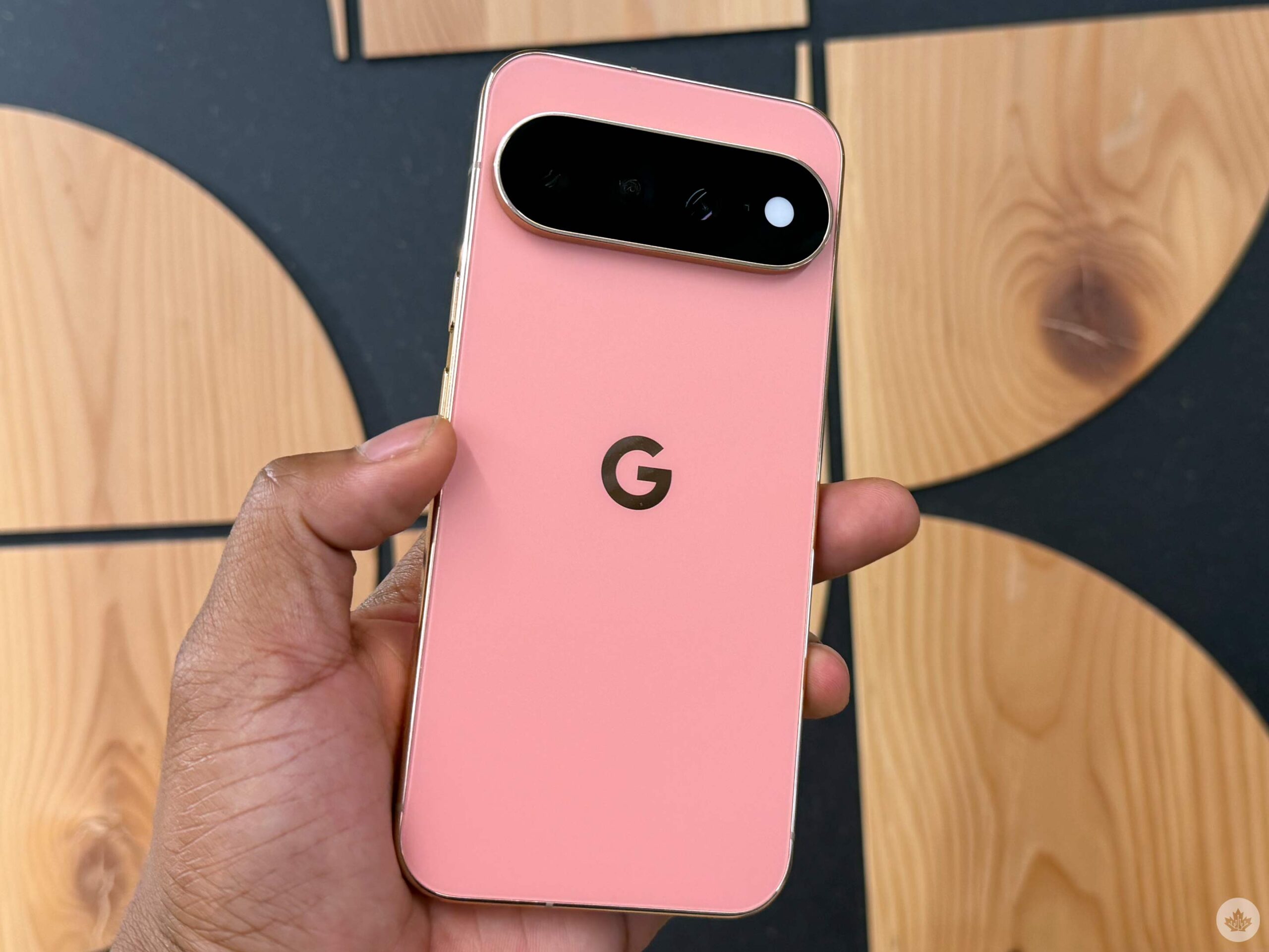
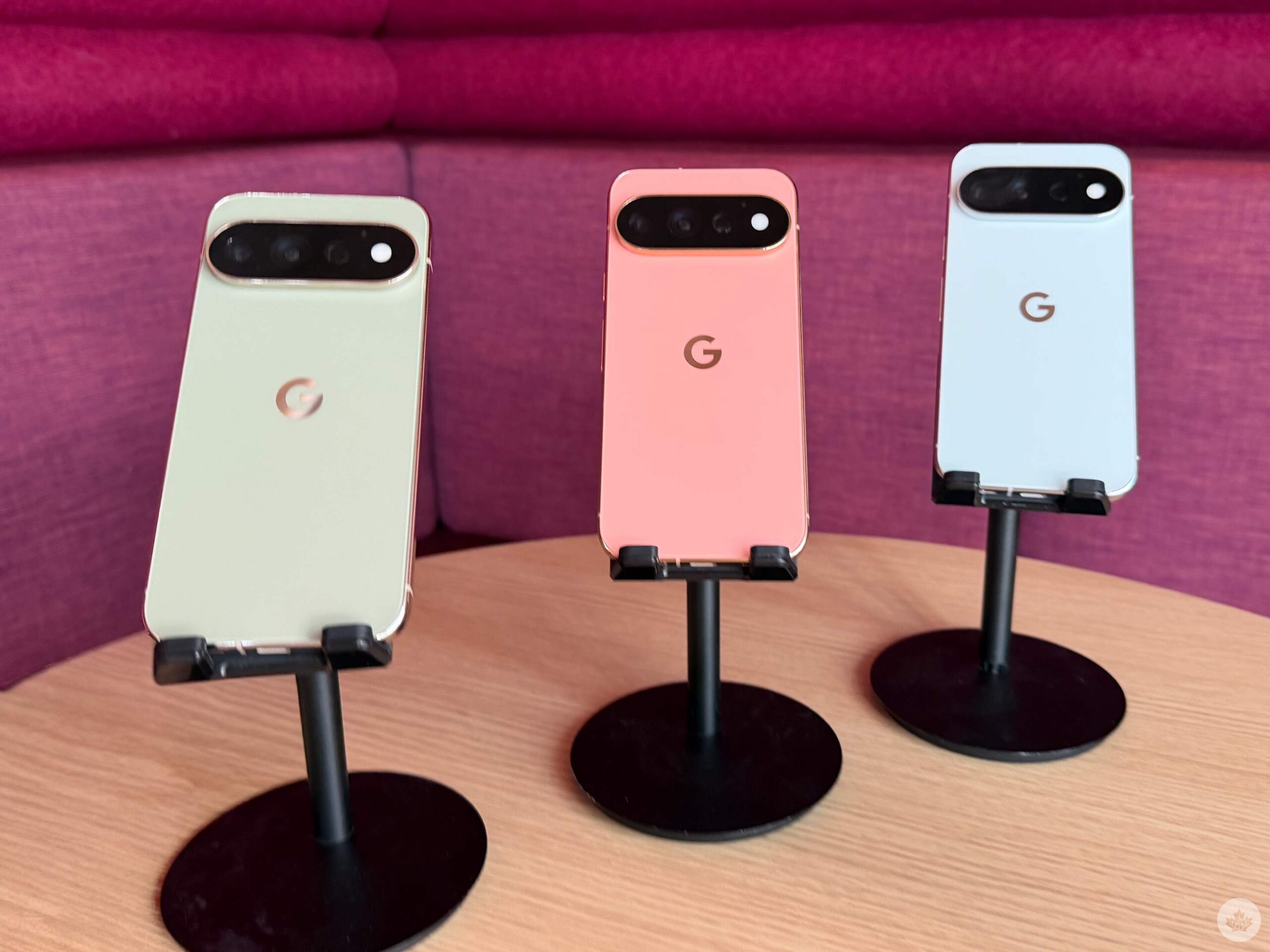
One of my favourite things about the Pixel 11 devices is the colour options. The base Pixel 11 comes in Pistachio and Hibiscus variants that look good, but the Pixel 11 Pro’s colour variants are great.
The 11 Pro’s Canyon colour variant is essentially a pink with gold-ish accents that can change in the light. I was immediately drawn to this colour variant, and it continues my theory of 2026 being the year for pink phones. However, I was also quite impressed by the Obsidian Pixel 11 Pro that’s matte all around, including the frame. I think this device looks so sleek and is very reminiscent of the matte black iPhone 7.
I still like the design of the Pixel devices. I was hoping that they would be slimmer, especially considering the other handsets on the market. Though it’s worth noting that each of the devices is slightly slimmer and lighter, but I couldn’t tell just by holding them. In fact, I was pretty surprised by this when I was working on the spec sheets because they felt nearly the same as their predecessors.
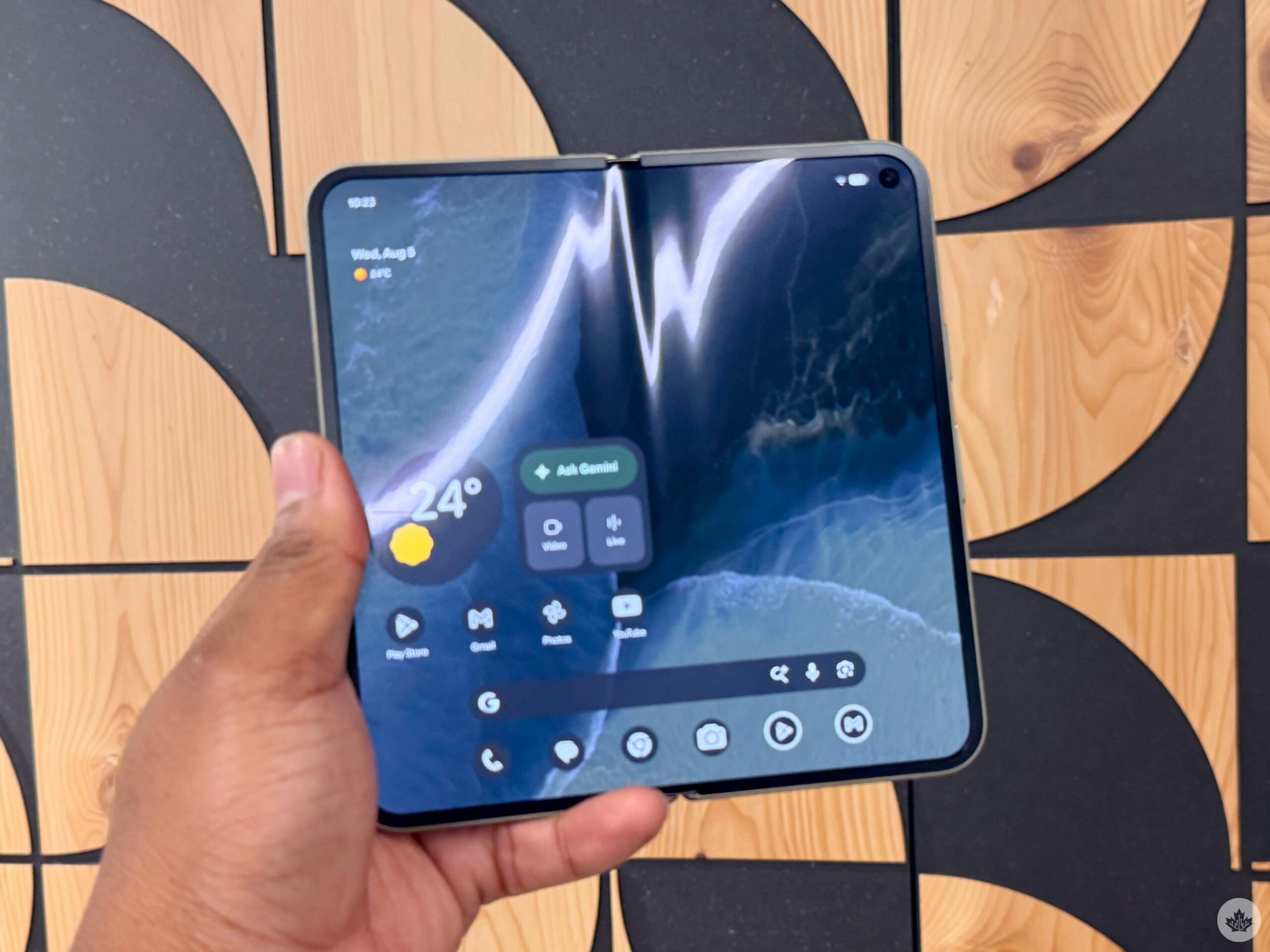
The Pixel 11 Pro Fold’s crease seems pretty noticeable, especially coming from the Samsung Galaxy Z Fold 8.
In comparison to Samsung’s Z Fold 8 or Z Fold 8 Ultra, the Pixel 11 Pro’s crease can be seen from a variety of different angles. It’s nice that the 11 Pro Fold is IP68 water- and dustproof, though.
Not enough
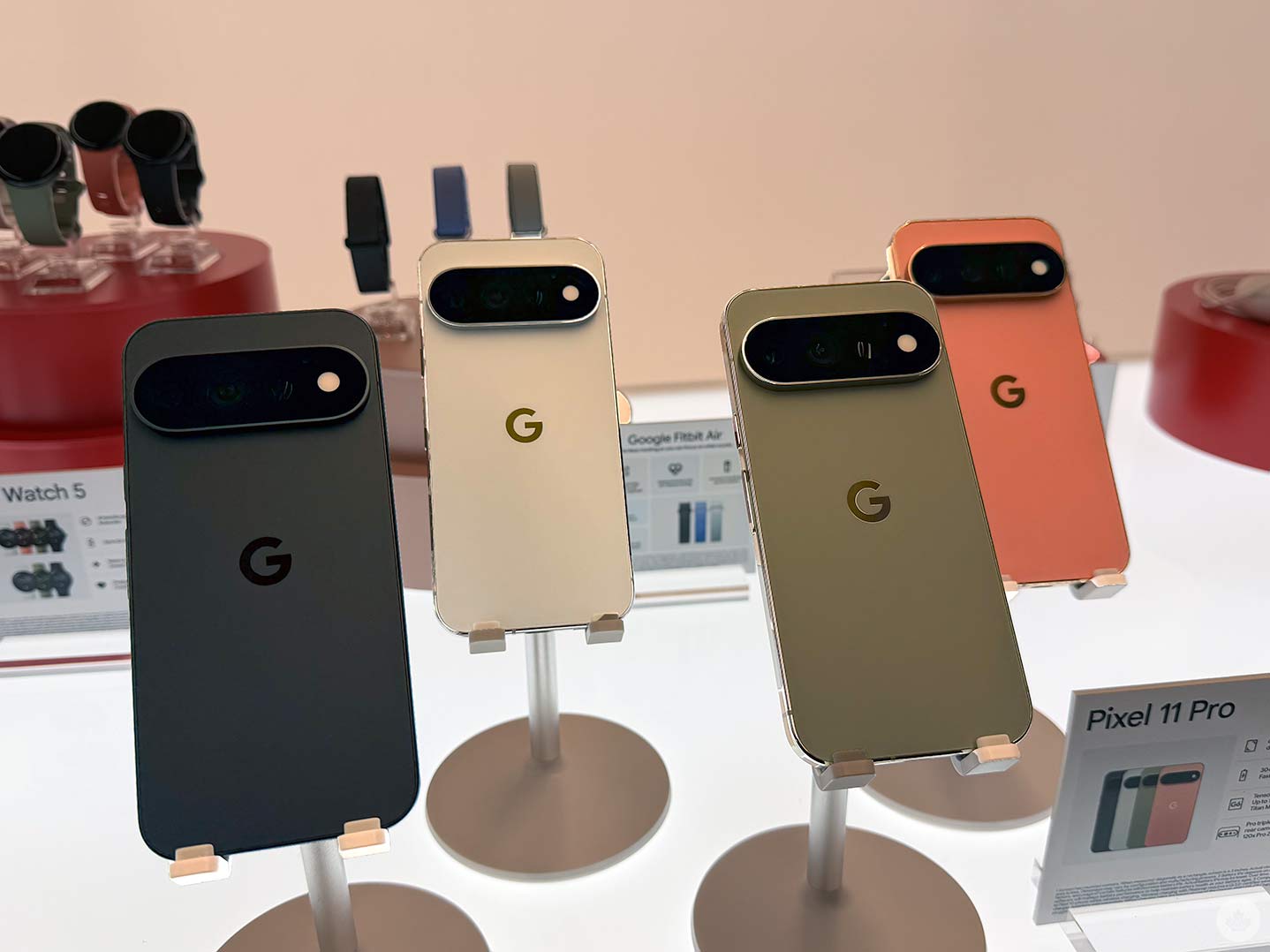
I think the differences between the Pixel 11 and 10 series are pretty minimal. I definitely would prefer if we saw some bigger changes this year, but unfortunately that isn’t the case.
I’ve always been a big fan of Google’s devices, but lately the Pixel makers have been playing it too safe for hardware and going all in on AI. But with many of the AI features making it to other Android handsets, it makes the Pixel 11 series a hard sell for this year.
I still need to put the Pixel 11 series through its paces, but if they’re anything like the Pixel 10 series, they’ll be solid choices.
However, the devices are more expensive than we expected. The Pixel 11 starts at $1,249, the 11 Pro at $1,499, the Pro XL costs $1,799, and lastly, the 11 Pro Fold costs $2,269.
For the Pixel 11, the cost is pretty much the same as the 10, going up $20. It’s worth noting that the price disparity between the Pixel 10 and 11 looks great, but that’s because it started at 128GB of storage. This is similar to the Pixel 11 Pro and the Pixel 10 Pro, which started at 128GB and now go up to 256GB. However, there is still a pretty big price jump, such as the 10 Pro XL that cost $1,629 at launch, and now the 11 Pro XL costs $1,799.
The Pixel 11 series is now available for pre-order, and you can purchase the devices on August 20.
 Reviews
  Reviews
  Reviews
  Reviews