


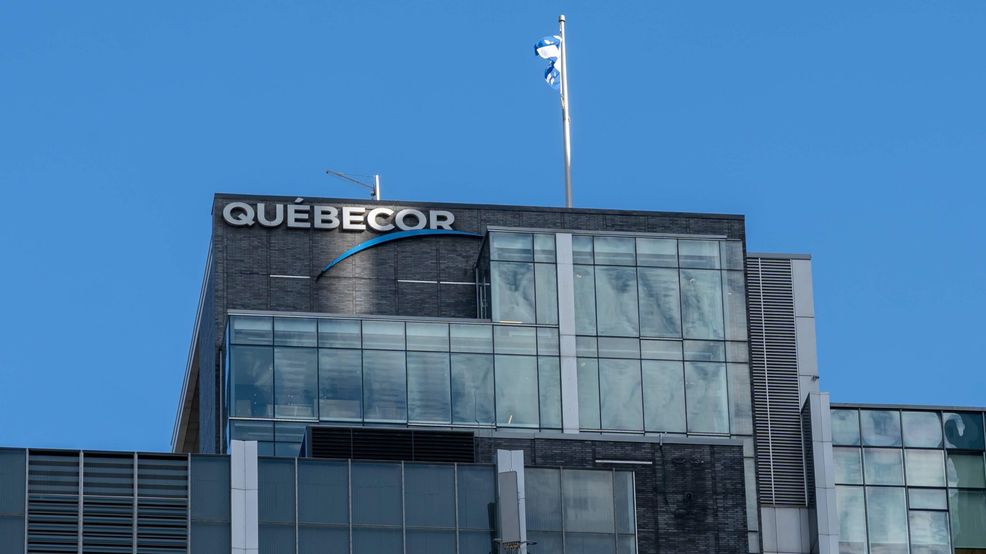
Comments are coming out from key figures across the country following reports of a proposed merger between Quebecor and Telus.
For context, Montreal-based Quebecor, which owns the telecom brands Videotron, Fizz, and Freedom Mobile, sent Telus a proposal to purchase the company in a cash-and-stock deal valued at $19.45 per share, or $31 billion.
Quebecor initially proposed the merger in June 2026, and sent a revised proposal to the company on Nov. 9.
In a statement issued by the Canadian Government on Monday, Industry Minister Melanie Joly said that the government has “taken note” of Quebecor’s proposal to Telus, and that “the transaction will be independently and rigorously reviewed by the Competition Bureau and the Canadian Radio-television and Telecommunications Commission and will follow regulatory processes under the Telecommunications Act.”
“We will not predetermine the outcomes of the reviews related to this or any other specific transaction,” Joly added in the statement.
There is also considerable doubt about the proposal. Scotiabank analyst Maher Yagi spoke to BNN Bloomberg and noted that a potential deal would face significant obstacles, including the previously mentioned CRTC, Competition Bureau, and Innovation, Science and Economic Development Canada (ISED), as well as additional reviews or approvals that might be required “given the strategic nature of Canadian telecommunications infrastructure.”
Alongside this, Michael Phillips, the President of United Steelworkers Local 1944 (UNW1944), the largest representative for Telus employees, said that it “seems doubtful whether it would get approved by [the federal government] at this point,” pointing to the federal government’s priority of “keeping the industry competitive and affordable.”
Yagi also made a similar point to BNN Bloomberg, adding that this merger would “undo the competitive structure regulators set up when they required Freedom to be divested as part of the Rogers-Shaw approval.”
Phillips also noted that his biggest worry with the deal was instability, adding that “our members at this point are tending to want stability and security at Telus after many years of industry downsizing, and this is another thing for them to wonder about.”
UNW 1944 represented workers affected by Rogers’ lockout of Shaw employees and added that “we had never had a dispute in the many years that Shaw was running the operation, but we have to attribute some of the instability to the new management post-merger.” For context, UNW 1494 also represented Rogers workers who went on strike in Abbotsford, BC.
Canada already has some of the most expensive phone plans in the world. We should be breaking up the telecom monopolies, not adding another.
The Competition Bureau must block this sale.
www.cbc.ca/news/busines…
— Avi Lewis (@avilewis.ca) November 16, 2026 at 1:49 PM
Federal NDP leader Avi Lewis said in a post to Bluesky that Canada already has “some of the most expensive phone plans in the world,” while adding that “we should be breaking up the telecom monopolies, not adding another.”
Phillips also noted something similar, adding that “consumers have made it clear that they are looking for choice, and they’re looking for affordability.”
Header image credit: Shutterstock
 News
 Business
 News
 News
