


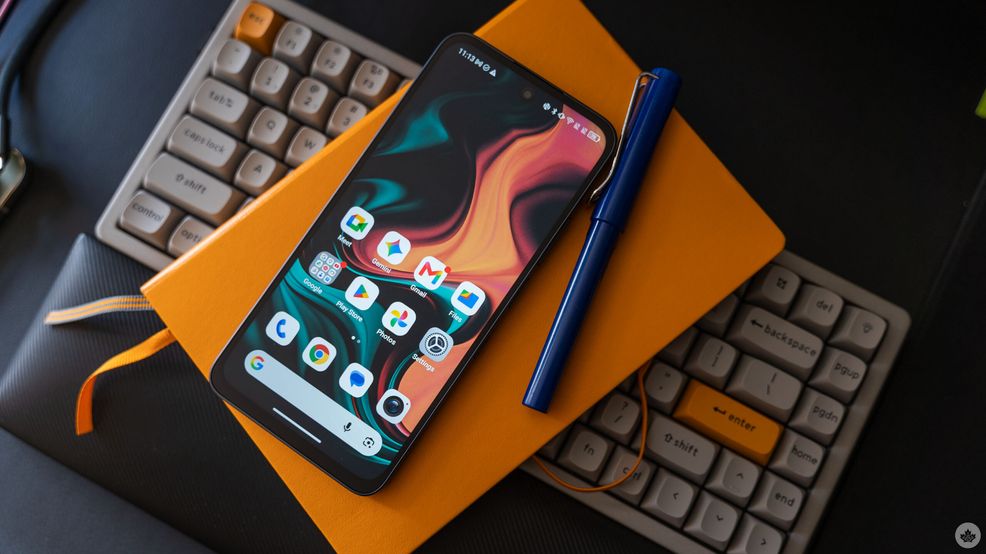
Bell’s Ahlo smartphone brand is back with a new device over a year after the debut of the Ahlo 1. But while the first Ahlo was a fairly boring, basic budget phone, the Ahlo 2 has a couple of tricks up its sleeve that might make it worth considering.
I’ve had a chance to play around with the Ahlo 2 for a few days, so I’ll weave some of my early impressions in here alongside details about the new phone. However, if you’re looking for a full review, you’ll need to wait while I spend more time testing the phone out.
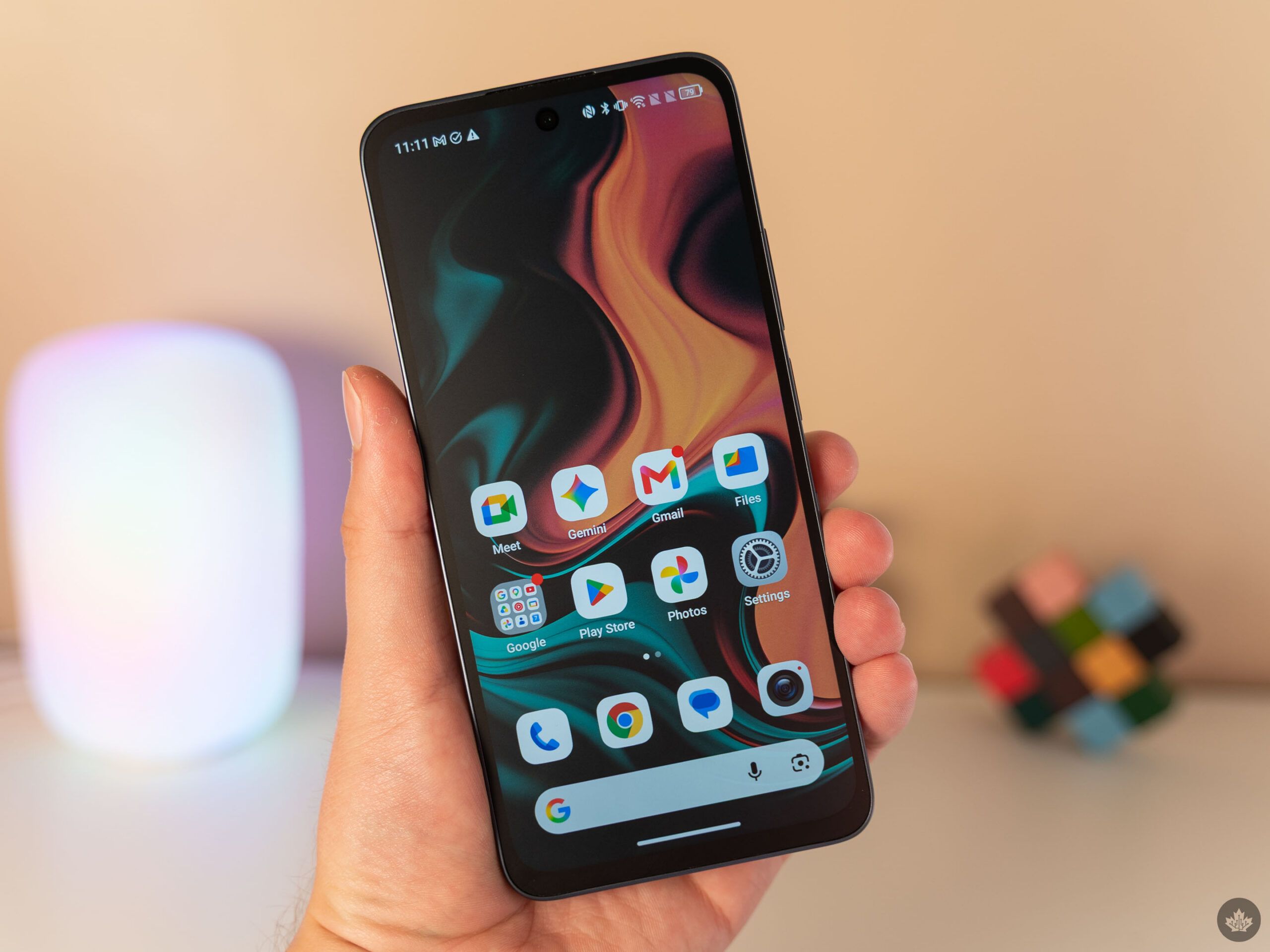
When I first took the Ahlo 2 out of the box, I was surprised by two things. First, the design is much improved over the original Ahlo. It’s not quite on the level of a premium flagship, which is more than fine for the price. I’m not totally sure about the materials used, but the Ahlo 2 appears to have a metal chassis and a plastic back, putting it in a similar league to mid-range phones like Google’s Pixel A-series or Samsung’s Galaxy A-series.
A surprising phone
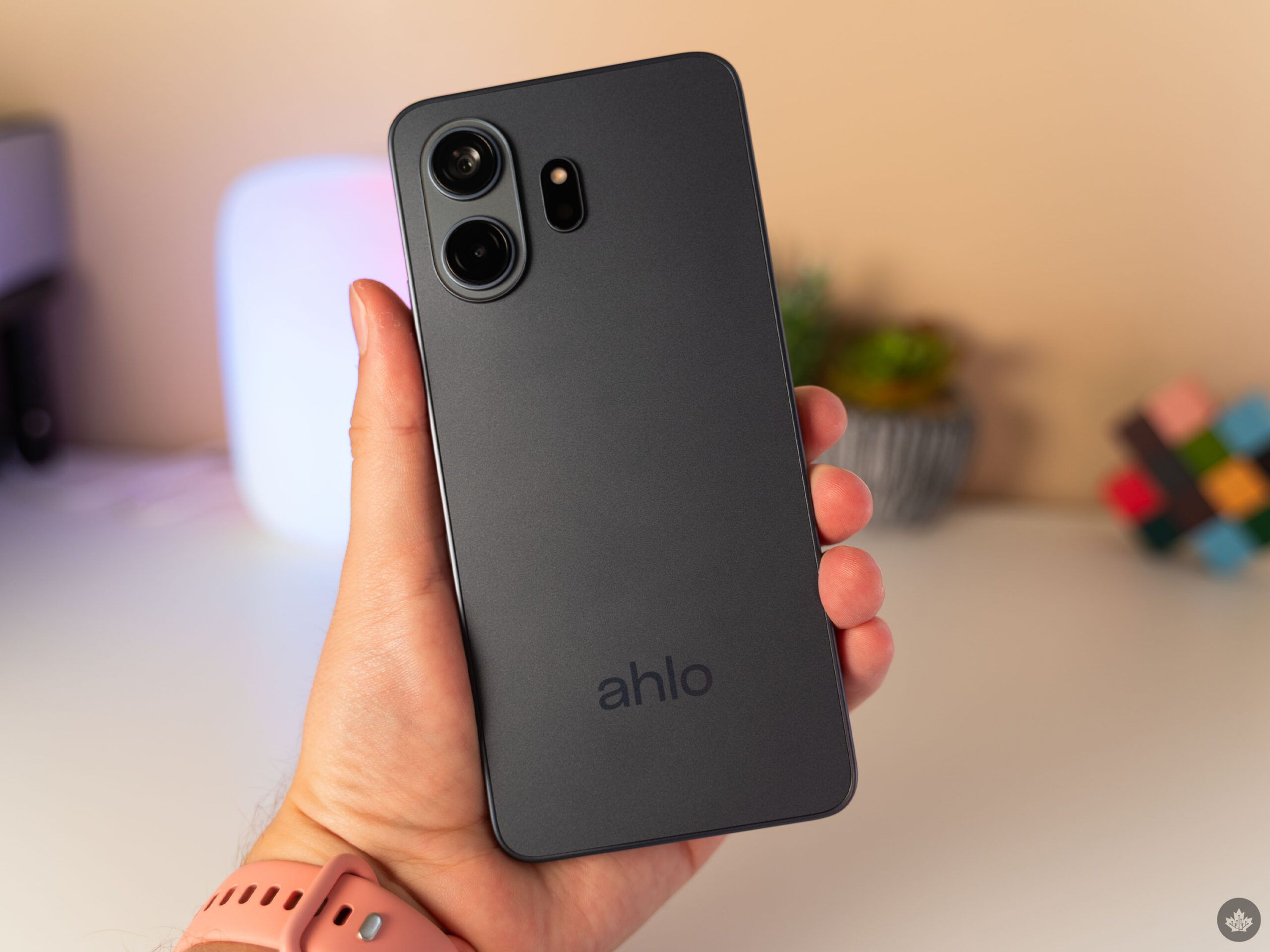
The other surprise was the display. It sports a matte finish I’m not used to seeing on smartphones, which makes it feel really smooth to the touch while also cutting down on glare and reflections. (It also seems to reduce the viewing angles slightly, which could be a good thing if you’re worried about people snooping on your screen.)
I initially thought there was a screen protector or something like that installed, but no, the screen is just like that. And once I turned the phone on, it all made sense — it’s a TCL phone sporting the company’s Nxtpaper display tech.
Nxtpaper, for those unfamiliar, is TCL’s attempt to combine a typical LCD panel with the benefits of an e-ink display like what you’d find on an e-reader. I haven’t tried it before, but after trying the Ahlo 2, I quite like it. There’s a physical switch on the side of the device to swap between display modes, allowing me to get a more eye-friendly reading experience when needed, then swap back to a more typical display experience when I want to watch a video or play a game.
Bell wouldn’t say which TCL device it is, but as far as I can tell, it’s the Nxtpaper 70 Pro unveiled earlier this year. The Ahlo 2 looks almost identical to the 70 Pro, and the phones have the same specs, so I’m fairly confident that anyone buying the Ahlo 2 is getting the 70 Pro by a different name.
The spec list
Speaking of specs, let’s dive into what’s on offer. The core specs include a MediaTek Dimensity 7300 chipset, 8GB of RAM, 128GB of storage (expandable up to 2TB with an SD card), and a 5,200mAh battery.
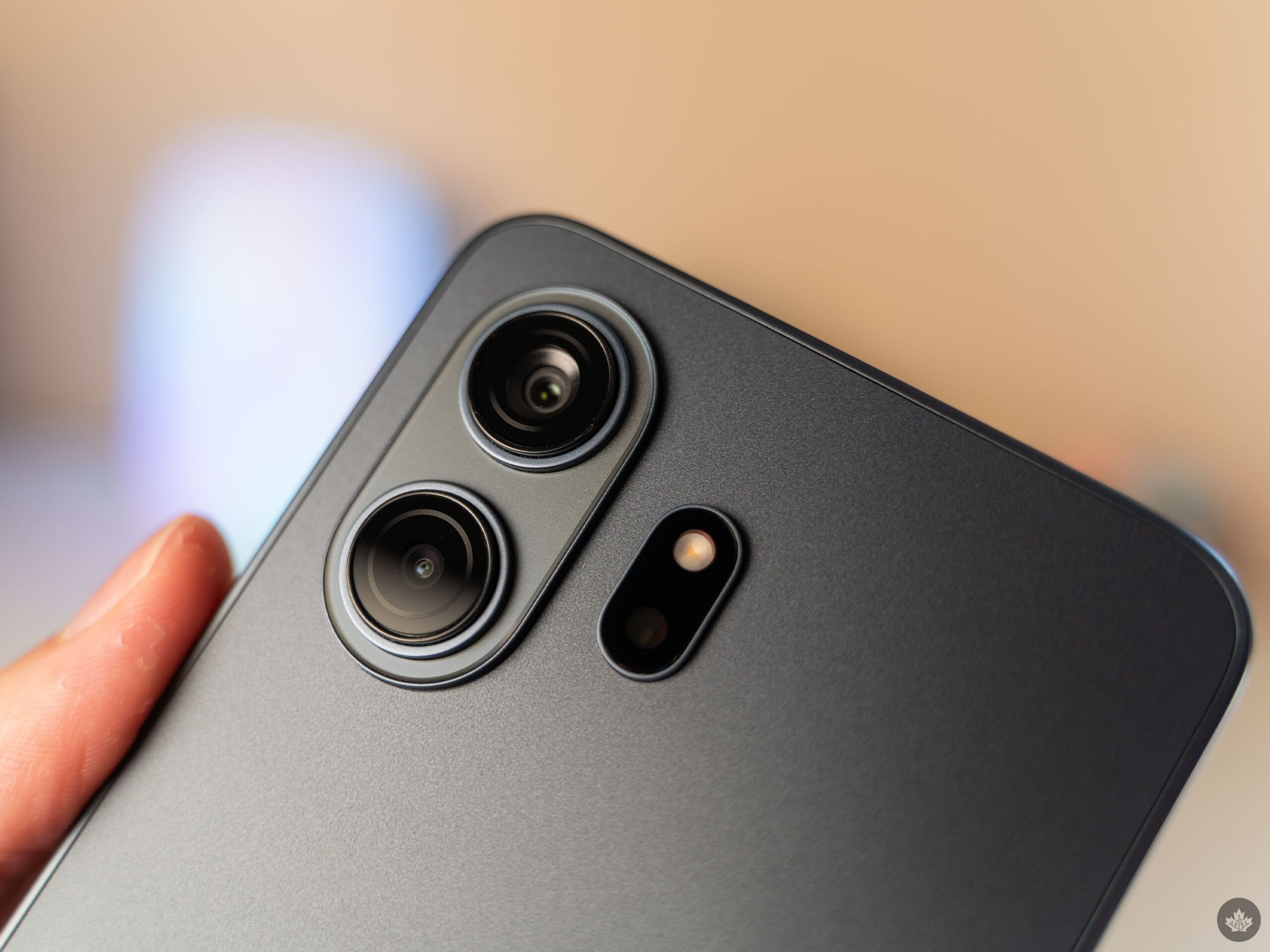
I’ll also point out that the Ahlo 2 sports a slight camera bump over the Ahlo 1, boasting a 50MP main sensor, 8MP ultra-wide camera, and a 32MP selfie camera. On paper, there doesn’t appear to be a ton of differences in the camera hardware compared to the Ahlo 1, but the handful of sample shots I’ve snapped so far look pretty good.
Check out the full spec sheet below:
Just from the specs, design, and my initial impressions, the Ahlo 2 seems like a significant improvement. More than that, I think it could actually be a decent budget option for Canadians (especially when my previous go-to budget recommendation, the Pixel 10a, just got a nearly $200 price bump).
But of course, I need to spend more time with the device first to see if we just got a pretty shell on an otherwise mediocre phone. I’m really curious to see how the camera performs as well. Typically, that’s one of the areas where lower-cost phones cut corners, but if the Ahlo 2 can take half-decent shots, I really think it can be a contender in its price range.
The price is right, the plans aren’t
Speaking of which, let’s talk about the price. Bell says the retail price is $335, and the Ahlo 2 is available from both Bell and flanker-brand Virgin Mobile. However, neither appears to offer the phone outright on their websites, which means you’ll need to finance it with a plan.
With Bell, financing ranges from $1/mo to nearly $14/mo, depending on the plan:
- $1/mo financing with min. $105/mo plan
- $10/mo financing with min. $85/mo plan
- $13.96/mo financing with min. $30/mo plan
While the $1 and $10 financing might seem like good deals, the associated plans, I think, make those non-starters for most people in the market for a budget phone. The $13.96/mo financing is the way to go here if you’re fine with a $30/mo talk and text plan (with autopay).
Virgin Plus is a little better with its plan options:
- $10/mo financing with min. $60/mo plan
- $13.96/mo financing with min. $50/mo data plan or $30/mo talk and text plan
Virgin’s options are more palatable, but I do wish there were more options for customers, such as something between the $30 and $50 plans.
 News
News  Gaming
  News
News  Sponsored