



At Snapdragon Summit 2026, which Qualcomm flew me out to, I got the opportunity to try out the new Snap Specs for about 25 minutes. While we still don’t know about Canadian availability, I definitely wanted to try out these new smart glasses that have a US$2,195 (C$3,107) price tag.
I’ve spent several years with a variety of smart glasses, such as the first three Meta audio smart glasses (besides the Meta Display), and played around with the Xreal Aura, RayNeo iO, the Even Realities G2 and more, so I was pretty surprised when I saw the Specs in person and saw exactly how big the device was. Just take a look at the photo below; the Specs look very large.

But these smartglasses are a standalone solution; a lot is going on within them. The Specs’ display is in full colour, the glasses lack a tethered charging puck, and they are controlled with hand gestures. It all explains why the glasses are huge, but despite the size, I think I look pretty good in them still.
The Specs experience was interesting: an augmented reality (AR) overlay on top of the real world. You use gestures in the air like Tony Stark to control the AR experience. Pinch to select what you’re seeing, and to go back to the homepage, check/change settings, or go back to the last page. Look at your palm, and you’ll see these options in circles, and you literally press on your hand to select. As someone who’s used the Vision Pro, Galaxy XR and XReal Aura, this was super easy to pick up and quite intuitive.
You’re easily able to move the display area, and if you’re looking away, an icon will show you where you’re supposed to look. The display will try to pin itself to walls and surfaces, but it’s not necessary. You’re also not able to expand the viewing area, but that makes sense considering two displays in front of your eyes.
The demo area was pretty crowded and loud, and the Wi-Fi was iffy, so I wasn’t able to use the AI assistant, but I took a look at some of the other experiences the glasses offer.
That included opening the map and checking to see where a close-by restaurant was, and it showed the map with a guide to the selected restaurant. I also played chess against the computer, and happy it was an AR experience because I couldn’t flip the table when I lost my bishop. It took me a second to understand how to play chess on the Specs, but you literally need to pinch each piece, so if your queen was on the other side of the board, cleaning up some pieces, you’d have to reach to the other side of the board, almost like you’re playing actual chess.
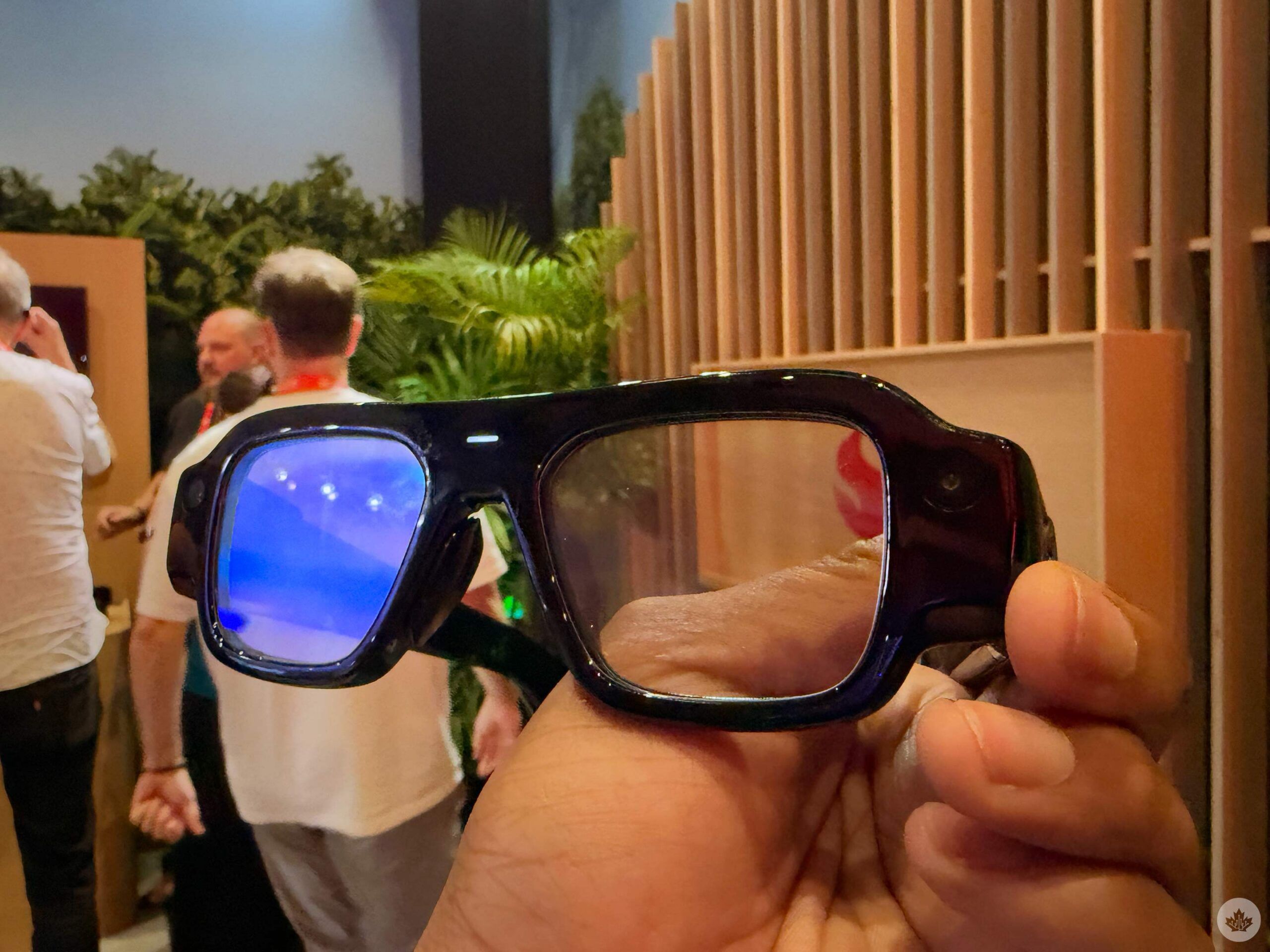
I also tried out a Harry Potter experience that Snap worked on in partnership with HBO for the upcoming TV series. You’re able to grab a wand and make things float, but I did have a bit of issues using this experience – although I think it had to do with the lack of space around me.
Though I couldn’t use the AI assistant, I did try out some translation features. Everything I said in English was well translated into French (I understand enough French, so I could easily verify). There was an Apollo 11 experience that showed me how a rocket takes off into space, and another that showed how to properly hold a golf club and hit a hole.
Whether Snap Specs eventually land in Canada or remain an expensive developer tool, they offer an interesting look at where AR hardware is heading. Packing standalone processing, full-colour waveguide displays, and reliable hand tracking directly into a frame without tethering you to a puck or phone is a technical achievement—even if it comes at the cost of looking like you’re wearing oversized glasses from a sci-fi TV series.
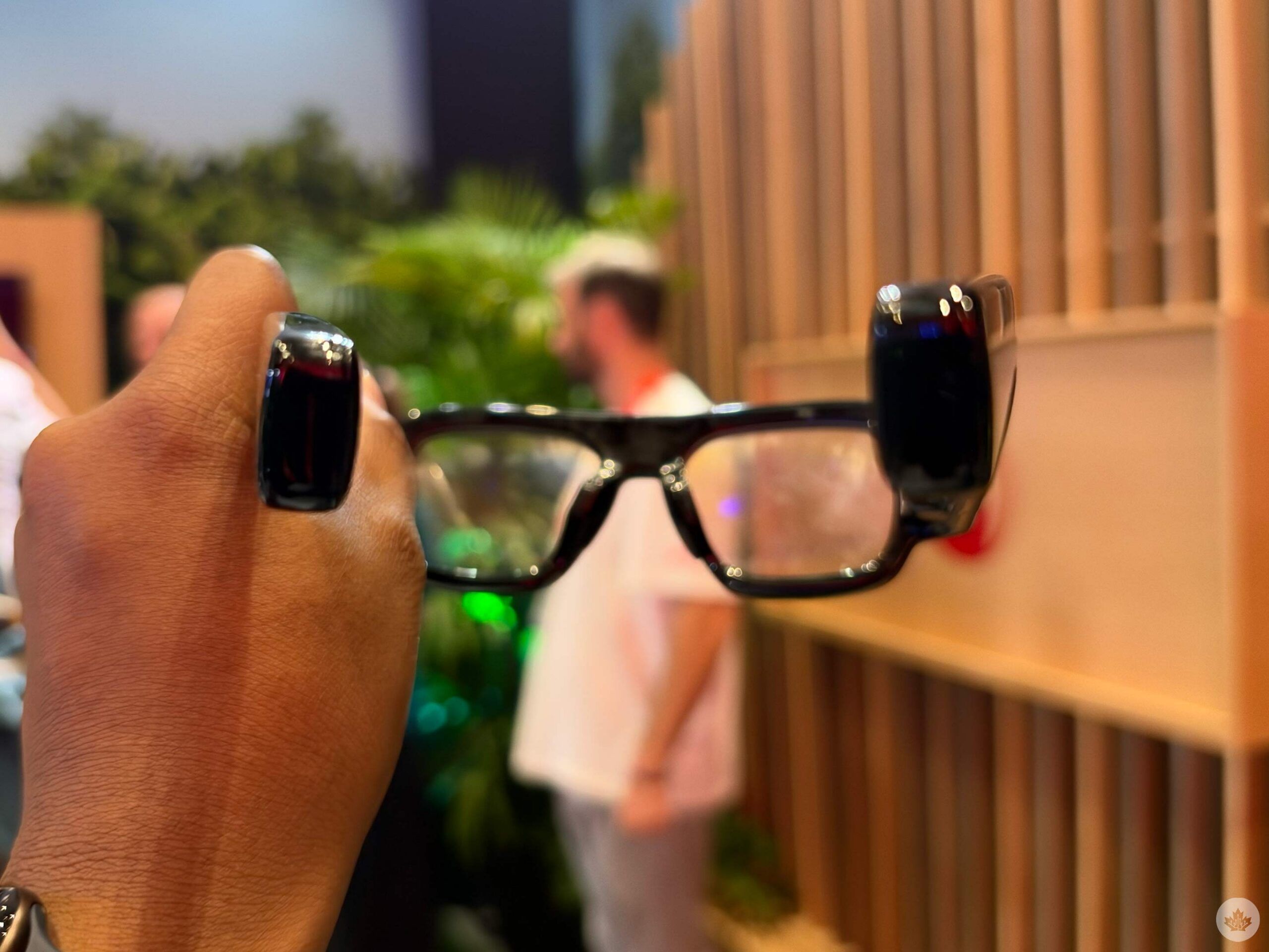
For US$2,195 (C3,107), Snap Specs aren’t aimed at average consumers looking to replace their Ray-Ban Meta glasses anytime soon. But as a proof-of-concept for untethered spatial computing, they show that gesture control and spatial AR can feel natural on a standalone wearable device.
If Snap can shrink the form factor in future iterations while keeping the internal hardware intact, this could easily set the baseline for what we expect from wearable tech.
 Gaming
  Reviews
  Reviews
  Reviews