


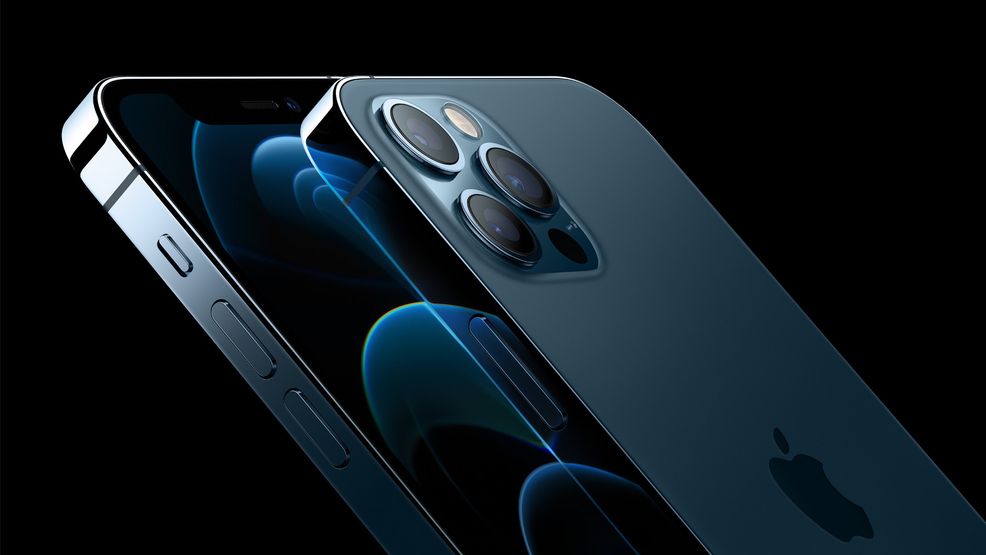
During Apple’s recent streamed keynote, the tech giant finally showed off the 6.1-inch iPhone 12 Pro and 6.7-inch iPhone 12 Pro Max, its next two high-end smartphones.
Along with a new iPad Pro-like design with more squared-off edges, marking the first significant aesthetic change to Apple’s smartphone since the release of the iPhone X, Apple also revealed that its new high-end smartphone features the same LiDAR sensor as the iPad Pro (2020).
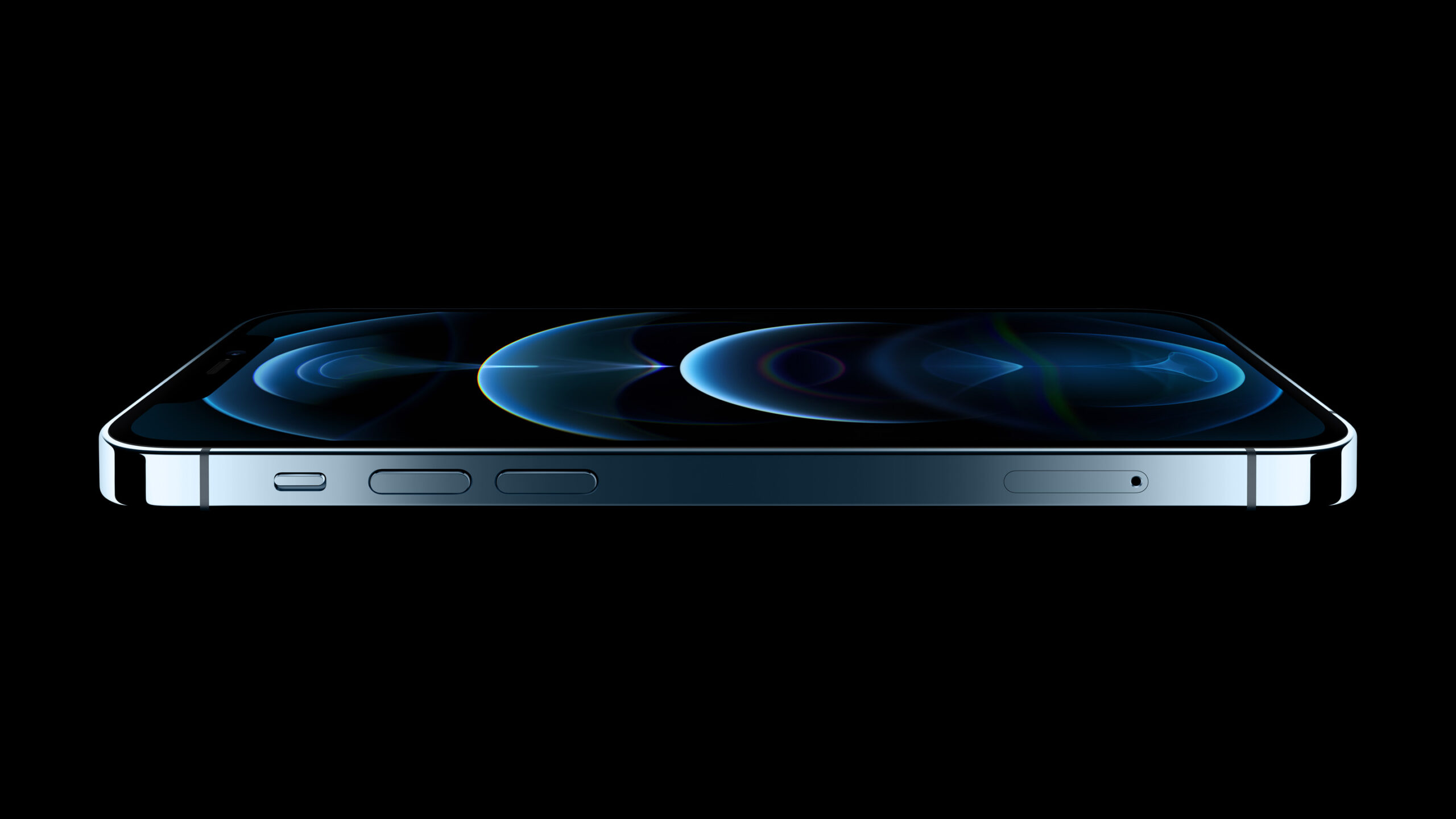
In several ways, the iPhone 12 Pro and 12 Pro Max look like a bigger, slightly shinier and more high-end version of the iPhone 12 and 12 mini thanks to its stainless steel edges and new ‘Ceramic Shield’ technology that Apple says features four times better drop performance.
As has become expected with the release of every new iPhone, Apple placed a significant emphasis on the smartphones’ photography capabilities during its keynote. Though the iPhone 12 Pro and 12 Pro Max still feature three cameras — a 12-megapixel wide-angle, ultra-wide and telephoto lens — each lens is now capable of Apple’s Deep Fusion processing, which the company says improves colour vibrancy.

Further, the primary wide-angle camera now features an f/1.6 aperture, which Apple claims offers 27 percent better low-light performance, while the telephoto lens now features 2x optical zoom. The telephoto camera on the iPhone 12 Pro Max, on the other hand, sports 2.5x optical zoom.
The tech giant is also finally embracing RAW photography with its own format called Apple ProRAW, giving iPhone users far more post-production flexibility when it comes to editing photos. Apple says that the smartphone’s new LiDAR sensor will be used for AR effects but also to improve the smartphone’s low-light camera performance, resulting in autofocus being up to six times faster.

The sensor also enables portrait photography shots with Night Mode. Finally, Apple says that it’s entirely revamped the smartphones’ entire optical image stabilization (OIS) system.
Other new features include 5G connectivity across every Canadian carrier’s network, its 5nm A14 Bionic chip that Apple claims is 50 percent faster than any other smartphone processor, the return of ‘MagSafe’ charging technology that magnetically attaches the phone to Qi chargers and accessories, 4K HDR 10-bit Dolby Vision video recording at 60fps and more.

Regarding the iPhone 12 Pro Max’s screen, Apple says the smartphone’s new Super Retina XDR display features a 2,000,000:1 contrast ratio, a resolution of 2778 x 1284, 1200 nits of peak brightness and 458ppi. The iPhone 12 Pro offers 2532 x 1170 pixel resolution and 460ppi in comparison.
It’s also worth noting that Apple is removing the USB bricks and wired EarPods from the box of all of its iPhone models moving forward.
During the keynote, Apple also revealed the lower-end 5.4-inch iPhone 12 mini and iPhone 12.
The iPhone 12 and iPhone 12 Pro are available to pre-order on October 16th and will launch on October 23rd, while the iPhone 12 Pro Max and iPhone 12 mini are available to pre-order on November 6th and launch on November 13th.
The iPhone 12 Pro and iPhone 12 Pro Max are available in ‘Graphite,’ ‘Silver,’ ‘Gold,’ and ‘Pacific Blue,’ while the iPhone 12 and iPhone 12 mini are available in ‘White,’ ‘Black,’ ‘Blue,’ ‘Green,’ and ‘Product Red.’
The iPhone 12 Pro starts at $1,399, and the iPhone 12 Pro Max costs $1,549. The iPhone 12 starts at $1129, and the iPhone 12 mini costs $979.
Update 14/10/2020: Optical zoom for the iPhone 12 Pro is 2x while the iPhone 12 Pro Max comes in at 2.5 times. Apple misleadingly lists a “4x optical zoom range” and a “5x optical zoom range” on its official spec sheets for both devices, but this includes the “zoom-out” of the wide-angle, the zoom-in of the telephoto lens to get to the “zoom range” number that has been widely reported.
 News
News  News
News  News
News  Gaming