


On my 7th birthday, I was gifted the PlayStation 2, my first ever console. However, instead of being introduced to iconic games like Metal Gear Solid 2, Final Fantasy X or Kingdom Hearts, my first game was X2: Wolverine’s Revenge. This game utterly scared me as a kid with its difficulty, dark soundtrack and Wolverine’s bloodcurdling death scream.
One of my other early PS2 games that served as a much needed palette cleanser was Need for Speed: Hot Pursuit 2, introducing me to the world of racing games at the time. It was focused on racing with exotic brands like Ferrari, Lamborghini and Aston Martin and the concept of nitrous, body kits and other car customizations weren’t even thought of.
However, the racing game that really piqued my interest in street racing was Need for Speed: Most Wanted (the proper 2005 version). In the way that people often attribute The Fast & the Furious: Tokyo Drift as their introduction to the world of street racing and JDM (Japanese Domestic Market) culture, Most Wanted was my gateway to this phenomenon that blew up in the early 2000s.
Yes, I loved the poster cars like the Ferrari Enzo or Lamborghini Murciélago when I was growing up. But Most Wanted helped me discover tuning culture, creative freedom and this rebellious mindset of going against the norm. It also kickstarted my love for arcade racing games, motorsports and just cars in general.
At its peak, this JDM-influenced car culture captured the interest of many young car enthusiasts in the mid-2000s. Those who owned cars were modding it with body kits, flame liveries and loud exhausts while kids and teenagers looked forward to embracing these modifications once they got their first car.
My childhood love of street racing and motorsports is why the Forza Horizon series is so endearing. Each iteration is treated like a festival that celebrates not only motor-racing but the host country as well. Whether you’re a hardcore automotive enthusiast, arcade racer or simply enjoy virtual tourism, the Horizon games can appeal to these demographics.
There was always one dream that I had ever since I was a kid: an open world racing game set in Japan. Now, Forza Horizon 6 has finally made this come true.
Take me back to Tokyo
The Horizon series has often complemented its arcade-sim racing gameplay with virtual tourism. Horizon 6 takes it a step further in their version of Japan.
Horizon 6’s approach to its overworld is recreating Japan with various distinct landmarks from all across Japan (Kyoto, Shizuoka and Okinawa to name a few) rather than remaining geographically accurate. For example, the well-known Arashiyama Bamboo Forest in Kyoto is less than a five-minute drive away from downtown Tokyo, when in reality, the trek is over 450km long (taking more than three hours even with the bullet train). While some may decry its lack of accuracy, it creates a better racing game that balances authenticity, character and most of all, enjoyment.
As someone who has been very fortunate to visit Japan multiple times in the last five years, I felt almost sentimental seeing familiar sites that I recognized in real life, except that I was driving in my shoddily-modded JDM sports car. It has also inspired me to try recreating road trips in Japan during my next visit so I can have scenic drives on the Irabu Ohashi Bridge or the Izu Skyline.
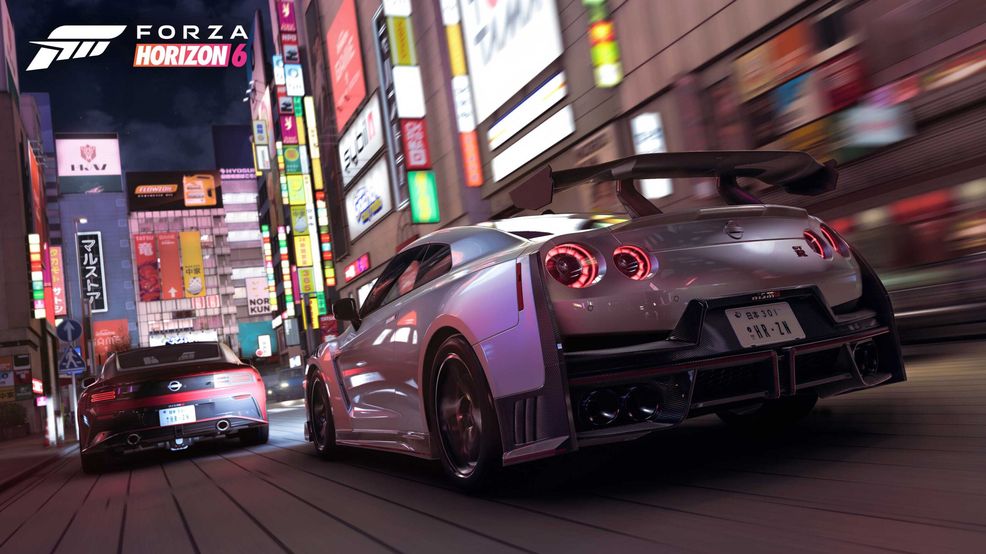
One of my complaints with Horizon 5 was that despite Mexico having a rich, vibrant culture, its overworld wasn’t memorable except for a few locations. In Horizon 6, Japan feels like its own character that you drive around in, similar to Cyberpunk 2077’s Night City. During the day, it’s a joy to cruise on the highway overseeing Mt. Fuji, leisurely driving in the countryside or assuming the role of an Uber driver (yes, this is a side mission) near Shibuya Crossing. In the night, you’re living out your Tokyo Drift dreams by showing off your car at the iconic Daikoku PA car meetup spot, tearing up the highway like in Wangan Midnight or racing downhill on one of the many touge (mountain pass) routes.
Like previous Horizon titles, there are always activities nearby, whether it’s the various races, side missions or road trips. However, the setting of Japan and its map design really adds to the ‘city that never sleeps’ motif without feeling like the game is egregiously shoehorning content because it needs to pad out the area (with the exception of the food mascots and XP/money billboards).
Earning back your stripes
Because of how refined the driving gameplay is in Forza Horizon 6, one highlight that takes more precedence this time around is the tweaked progression system.
In Horizon 5, you started off with really fast cars (i.e. Corvette Stingray), deterring players from experimenting with any of the lower-class vehicles. This lack of career progression stripped away multiple incentives in your playthrough, whether it’s the traditional loop of earning your way to drive faster cars, honing your driving skills or simply encouraging players to continue with the game. Horizon’s wheelspin system also doesn’t help this cause since it gives the player multiple chances to either win a really fast car or huge amounts of cash that would make even Mr. Beast jealous.
Horizon 6 takes a few steps forward in rectifying this issue with actual starter cars and racing events tied to your wristband level, which ties you to a specific class of cars. It means that you can’t tune your car to the max right from the get-go or immediately jump into a supercar. While the wheelspin system is still there, it felt like the game didn’t immediately throw multiple chances to earn supercars or huge cash (or my luck is abhorrent).
It’s not perfect, especially since this game still gives you lots of cash to some degree. However, it does encourage more experimentation with tuning, which makes sense given the locale.
It also helps that the Drivatars (or AI drivers) feel more challenging this time around, though that largely depends on how you play. During my playthrough, I decided to set the difficulty up to ‘expert,’ take off traction control and remove the driving lines completely.
For me, the most optimal way to get enjoyment from Horizon 6 is challenging yourself through its extensive difficulty settings. Sure, you can’t blitz through everyone in the first lap to get first. Instead, it allows you to really understand the map design, carve out your own driving line and really earn that podium or first place. It also teaches you that sometimes, you either need to change your car or its tuning setup. Once it all clicks, you wouldn’t believe how satisfying it is to win.
Creativity limited by complexity
While Horizon 6 has further refined its map design and racing, it is disappointing to see that car modifications continue to feel limited and not user-friendly.
One aspect that I enjoyed with past racing games was personalizing your car with its own livery and sharing it with the world. Horizon 6 does continue that trend and there are endless cool designs from the community that you can apply to your own cars. However, if you want to make a personalized design and struggle with using shapes to make your own liveries? You are completely out of luck.
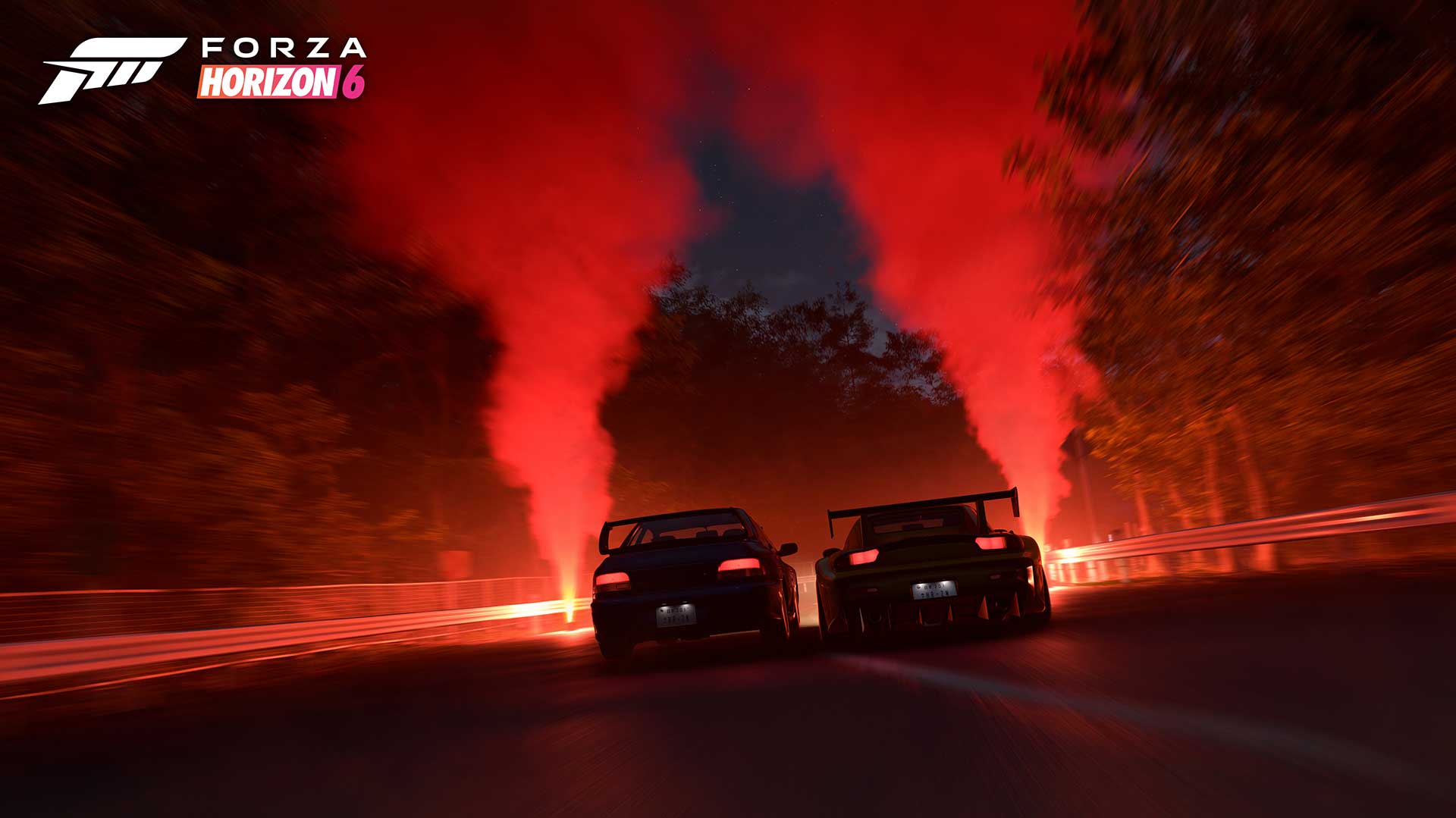
I’m not asking for a Need for Speed approach where you have pre-made liveries; I would just like more shapes and graphics to work with. For example, I wanted to add a viper to the side of my Mazda RX-7. Since there are no shapes that remotely resemble a snake, I would’ve had to make it essentially from scratch using basic shapes. As a result, I completely abandoned the idea and crappily made a branch with cherry blossoms instead.
Sure, there are various shapes available (some community-added), but I found that it wasn’t versatile enough to make your own liveries besides pinstripes and flames for the average person. Even stickers that would add to the JDM aesthetics like hiragana and katakana characters aren’t possible without making them by scratch using blocks.
This issue also extends to body kits, where you often only have three or four different designs if you’re lucky. If you don’t like any of the body kits available, there’s no other way to tweak the design. In some cases, there are front bumpers and rear spoilers that are tied to specific tuning modifications. This means that even though it’s not aesthetically pleasing, you might be forced to add it anyway so you can add more downforce and improve the handling of your car.
If this was the older Horizon games, I’d normally say this is a small criticism. However, Horizon 6 is actively encouraging you to show off your personalized car in both looks and performance. Having more sticker options would solve this issue by offering creativity without stripping away the complexity for those heavily invested with making detailed livery designs. My hope is that this will be implemented in the near future.
Celebrating and encapsulating a car culture that’s faded through time
One thought that I had during my playthrough was that Horizon 6 felt like a swan song to a car culture that continues to fade due to multiple factors.
Horizon 6 almost serves like a time capsule or alternate reality where car meets are still popular, people can actually afford to drive various cars and gas prices aren’t through the roof. It’s a reality where cruising aimlessly was therapeutic, road trips were more sustainable and driving actually felt enjoyable, all without breaking the bank.
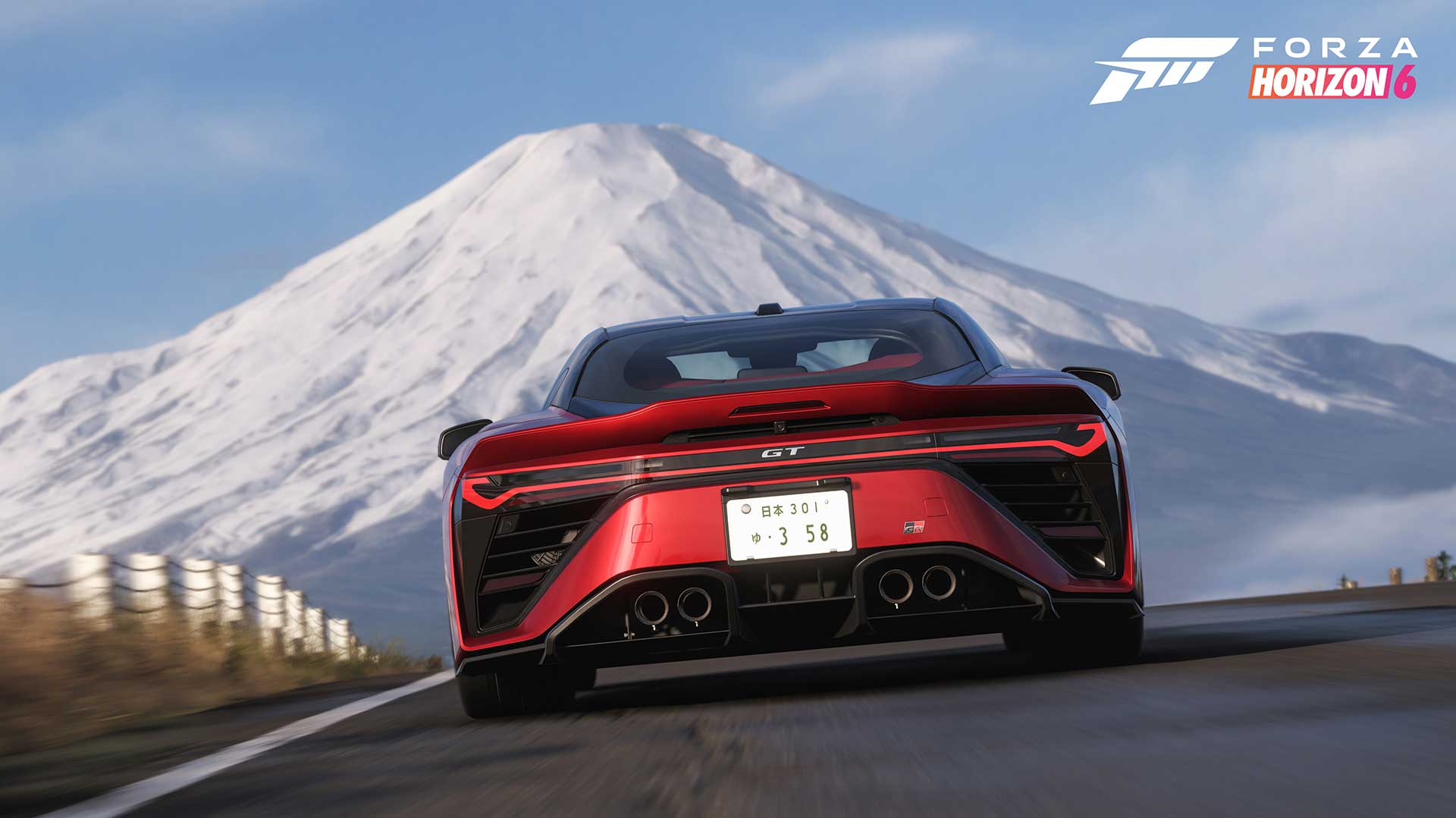
Then you have electric vehicles, the world’s answer to moving away from the traditional internal combustion engines that made iconic cars that were both beautiful to look at and amazing to listen to. These electric vehicles have no soul, reminiscent of an Apple Store that is sterile, minimalist, and lacks any distinct character in both aesthetics and driveability. And in this day and age, smartphones are so integrated in our lives that we have now replaced car infotainment systems with tablets, no interesting layouts and very few buttons in sight.
Over the years, and especially after COVID-19, we’ve continued to lose a sense of expression, sociability and willingness to venture. Forza Horizon 6, with the irony that it is a video game emphasizing virtual tourism, is a grand celebration of car culture that highlights creativity, exploration and, most importantly, the joy of driving.
It not only delivers an enjoyable driving experience but reminds us why we still love cars and the importance of keeping JDM car culture alive.
Forza Horizon 6 will launch on May 19, 2025 (May 15 for early access) on Xbox Series X/S and PC via Steam (played for review). The PlayStation 5 version will be released at a later date.
Image credit: Xbox
 Reviews
  Reviews
  Reviews
  Reviews