


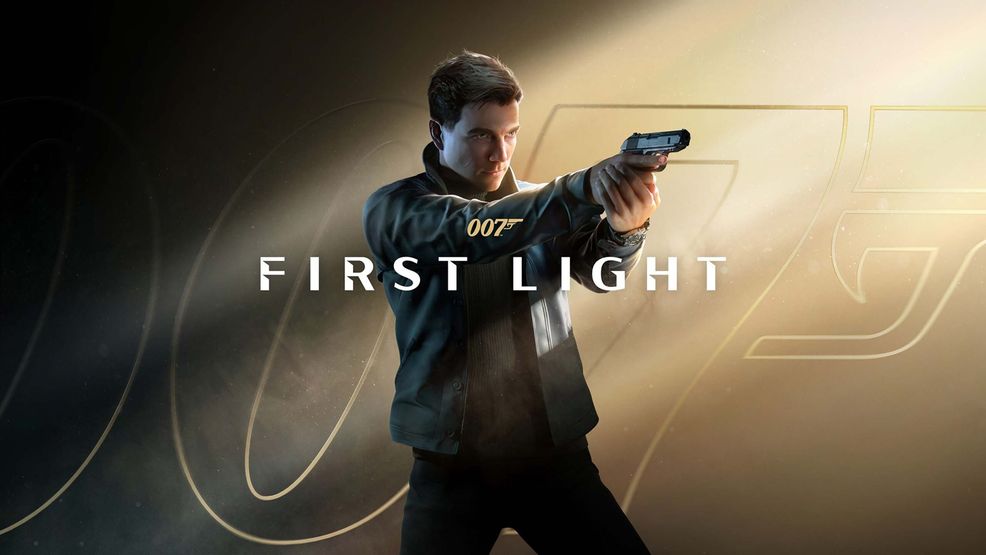
Jumping into 007 First Light literally one week after completing my 25-film Bond marathon was a pretty fascinating experience.
On the one hand, it made me appreciate all of the ways that developer IO Interactive has both leaned into and played around with the 60-plus-year Bond formula. But on the other hand, it made some of the studio’s particular choices regarding the iconic British spy feel decidedly… off. Fittingly enough, not unlike many of the films that inspired it, 007 First Light is overall well-crafted but messy in several areas, leading to an experience that occasionally feels conflicted in terms of its identity.
The man under the suit
First and foremost, IO Interactive should be commended for crafting an original and singular take on Bond, whatever issues I may have with it. This approach allows for a refreshing clean slate for Bond, especially after a glut of 007 games being forcibly connected to the Daniel Craig films, all the way down to his version of the character being retroactively inserted into various adaptations of older films like Sean Connery’s Goldfinger, Roger Moore’s Moonraker and, of course, Pierce Brosnan’s GoldenEye — sometimes even in the same game!
The premise and structure of 007 First Light also helps create a sense of progression and character development that’s often lacking in the series. Outside of the occasional reference to prior events (like the death of Bond’s wife Tracy in On Her Majesty’s Secret Service), the films have historically been standalone adventures. While that lack of continuity certainly feels novel in some ways, especially in this day and age of overly interconnected cinematic universes, it did result in Bond never having an emotional arc to track until the Craig era, starting with Casino Royale (the best film by far).
In First Light, however, we get a 20-hour story that follows a younger-than-ever Bond as he undergoes MI6 training and embarks on a deadly mission to obtain his 00 licence. Seeing him start out as a brash and rebellious aircrewman who must gradually develop his spycraft and learn what it means to become part of a team makes for a solid arc, and actor Patrick Gibson (Dexter: Original Sin) is simply excellent in the role as he deftly mixes charm and vulnerability.
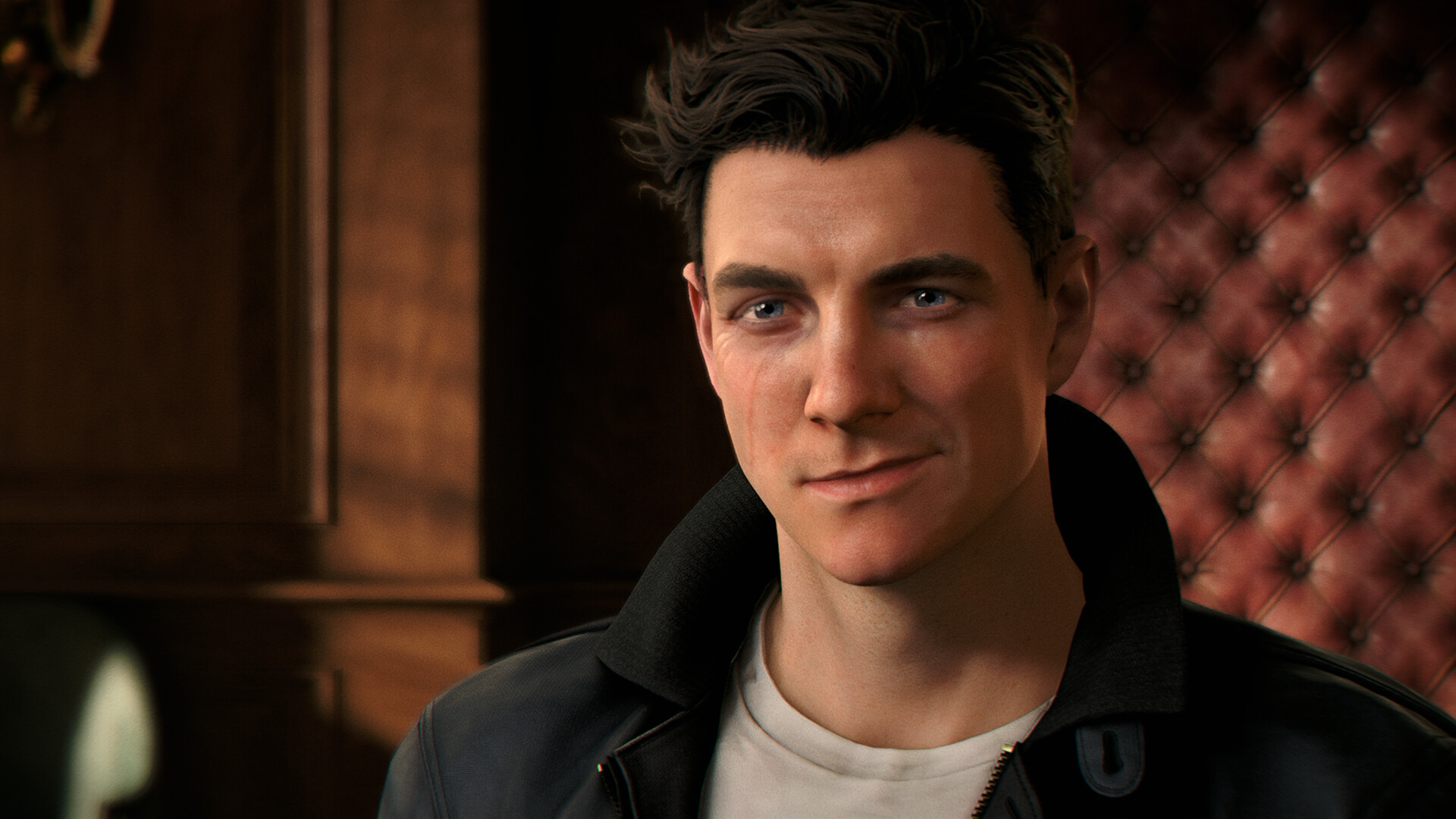
A particular highlight of the game is his relationship with John Greenway (The Walking Dead‘s Lennie James), an IOI-created MI6 mentor figure who clashes with Bond even though he has the (sometimes begrudging) backing of M (Steeltown Murders‘ Priyanga Burford). In fact, Greenway is the game’s best character, whose troubled and regret-filled MI6 past informs his ever-evolving relationship with Bond.
Outside of those original elements, I also appreciated how IOI drew inspiration from different Bond eras, with Moneypenny (Maigret‘s Kiera Lester) being a charming analyst and hacker who’s more involved in missions à la Naomie Harris’ version in the Craig films, or tech expert Q (Unforgotten‘s Alastair Mackenzie) being a “fun uncle” type like Desmond Llewelyn’s take was across a whopping 17 films. The latter character also provides the game’s best and most understated moment when Bond, having never learned decorum during his tumultuous orphan upbringing, is awkwardly fumbling with his tie until Q calmly walks him through it. While the villains and their larger AI-focused plot are underwhelming, First Light‘s narrative ultimately succeeds thanks to these rich MI6 character dynamics.
The name’s Drake… Nathan Drake
But while the overarching story and character banter are generally quite solid, the quality of the moment-to-moment writing for Bond himself can vary wildly. Often, he feels too much like Uncharted‘s Nathan Drake — or most other AAA protagonists, for that matter — due to his incessant jabbering. Indeed, as you’re playing, he’ll constantly narrate to himself in ways that don’t ever feel true to James Bond. Take a simple platforming section (one of many, which also doesn’t help beat the Uncharted comparisons). During this sequence, Bond will sarcastically remark, “Yeah, this is a good idea” as you leap, say “Easy does it, easy does it” as you ascend and then remark “Gravity’s just a suggestion” when you reach the top. After a fight, he’ll say “Could have played that one smoother, James.” When you glance upon a note in the environment that provides a tip to your objective, he’ll say “Thanks, Eugene!” in response to who wrote it.
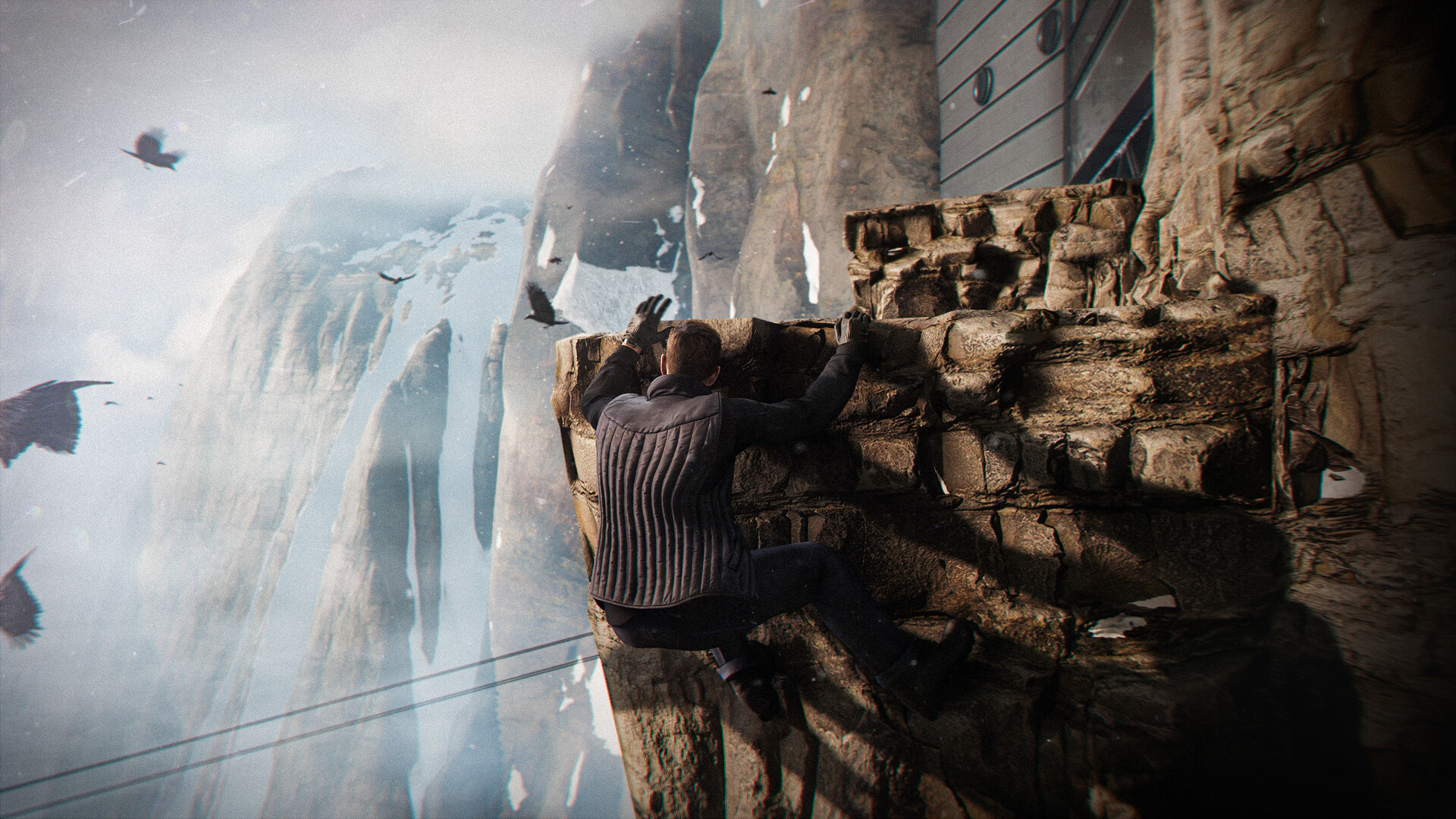
It’s the modern problem of characters in AAA games like Horizon‘s Aloy never shutting up, and it’s particularly egregious in First Light because it feels out of character for Bond. Sure, the spy is known for his corny one-liners, but they typically come at the end of a near-death experience in the form of a winking pun about the often crazy events that just transpired, like shooting an assassin with a harpoon and saying “I think he got the point” in Thunderball or literally blowing up the villain of Live and Let Die with compressed gas and remarking “He always did have an inflated opinion of himself.” A key part of comedy is timing, and the Bond films have historically understood this.
But a cunning linguist, First Light‘s Bond is not. There’s rarely anything of substance or wit in his monologues, thus breaking the illusion of him being this charming, suave spy. And that’s not even a bad thing, necessarily, if the game leaned more into him being some sort of a goofball, perhaps stemming from being a maladjusted orphan. It is an origin story, after all! But as it is, it just feels like a lack of confidence on IOI’s part to know when to be subtler about this Bond being more inexperienced and simply let the player intuit that for themselves through Gibson’s performance, character animations or fewer, but more impactful, lines of dialogue.
Because these inner thoughts offer no insight into Bond as a character, it has the unfortunate effect of making him a much more generic “AAA gaming protagonist.” (Ironically, IOI’s Hitman games better understood the potential of the occasional bit of dark comedy with the otherwise largely silent Agent 47.) First Light‘s interpretation of Bond as a whole still works due to Gibson’s sharp performance and Bond’s compelling relationship with Greenway, but I do wish our hero was handled better whenever he’s on his own.
On His Majesty’s Stealthy Service
That feeling of occasionally losing Bond’s sense of individuality extends to the gameplay loop of First Light. In the lead up to its release, many have drawn comparisons to the game’s mix of Hitman-style sandbox stealth and high-octane Uncharted-esque setpieces. While the former works just as well — and, in some cases, even better — than you’d hope, the latter leaves something to be desired.
But let’s get the good out of the way. IOI’s world-class level design, which mixes opulent, impeccably detailed environments with dense and lively crowds of NPCs and interconnected layers of verticality and unlockable paths, is in top form in First Light. A massive gala at a heavily guarded Slovakian hotel. A sweltering and almost claustrophobic Mauritanian market. An exclusive luxury resort tucked away in the jungles of Vietnam. Each level is a character unto itself, affording many options for Bond to pursue his objectives. These aren’t nearly as vast or sandbox-like as you’d see in Hitman due to this being a more linear and story-driven affair, but they’re still exquisitely staged.
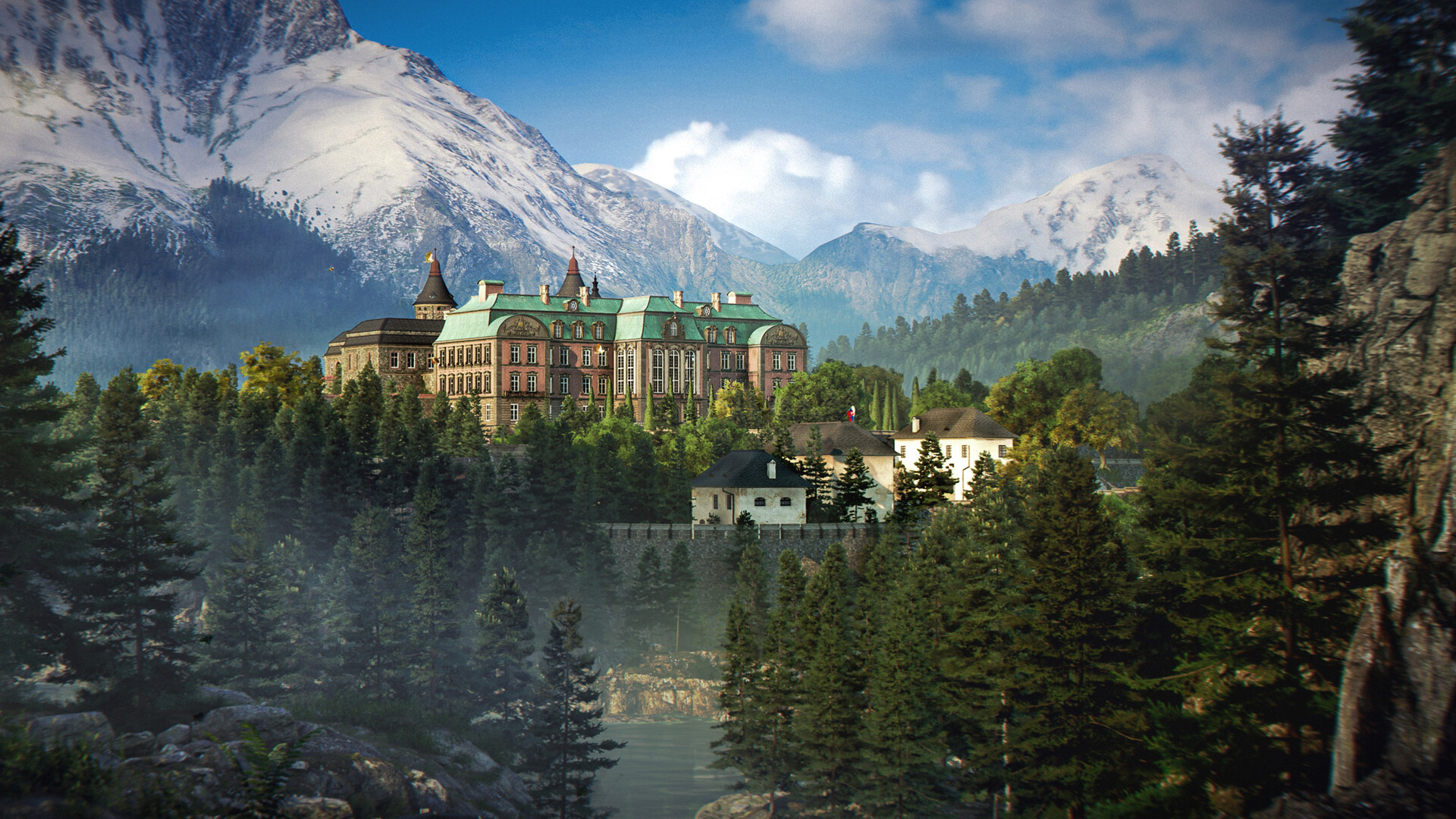
What’s more, First Light even meaningfully builds on Hitman‘s “Mission Stories” mechanic that offered guided sorts of subplots to help lead you to your target. As Bond, these opportunities are more naturally baked into the world, rewarding you for exploring every nook and cranny as you glean useful information by eavesdropping on entertaining and often exasperated exchanges between resort employees, hotel guests, shoppers and other NPCs. And because Bond is more of a smooth-talker than Agent 47, you can even bluff your way out of some encounters should you be discovered with a limited-use ability that recharges upon taking down enemies.
This is how the more open, sandbox-style areas play out, but stealth is similarly strong in closer, more linear quarters. Through Bond’s own physical abilities and his ever-handy Q-Watch, you’re able to manipulate and even hack into kinds of elements of the environment, sort of like in Watch Dogs. In some cases, this can be something as simple as sabotaging a laptop to distract an NPC or breaking a door’s handle to block anyone on the other side. But in more elaborate examples, you might fire a poisoned dart to make a guard leave his post to hurl or shoot your watch’s laser to break a latch on a vent to open up an alternate path. Because you can only carry a few gadgets on your Q-Watch at a time, you’ll have to choose a loadout that fits your playstyle, which even encourages some replay value in both the story missions and optional “TacSim” challenges. It’s all in service of creating a tremendously slick and satisfying spy fantasy. As Carly Simon once sang, “Nobody does it better.”
Licence to (sometimes) thrill
With all of that said, First Light does falter somewhat once you enter combat. It starts off promisingly, with deliberately minimal ammo counts for each gun refreshingly encouraging you to keep moving and picking up new guns as you go. But the gunplay is too simple due to relatively little variety in both enemy and weapon types, so it rarely feels rewarding or exciting as you use the somewhat finicky cover system to move around to retrieve one of a few kinds of firearms before Bond’s surprisingly tiny health bar depletes.
The melee combat likewise feels a bit shallow, with a Batman: Arkham-lite system of dodging and parrying colour-coded attacks. You’ve seen this in pretty much every AAA game, and it arguably feels worse here than usual because there’s a surprising sluggishness and lack of fluidity in the way Bond throws punches and kicks. It’s less of the visceral rawness of Casino Royale and more of the slow, laboured fisticuffs of geriatric Roger Moore in A View to a Kill. There’s also an ill-explained online component that occasionally disconnected as I played, leading to frustrating pauses — sometimes mid-firefight — of several seconds as I tried to resume the game offline. (Why is this even present in a single-player campaign?)
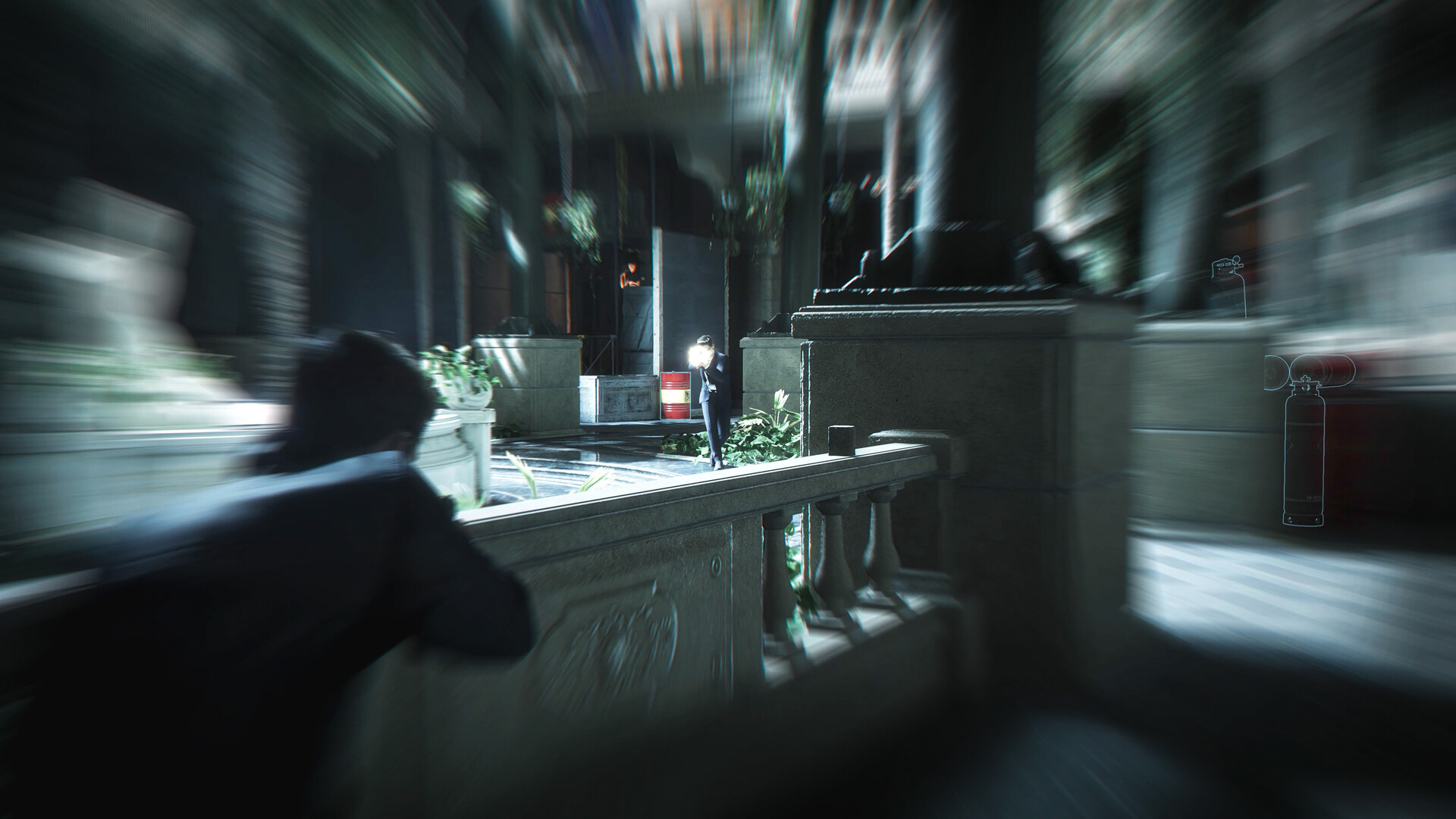
Thankfully, combat does eventually improve towards the end through both an expanded gadgets arsenal and more thoughtful level design. In one late-game multi-levelled facility, Bond has to juggle enemies between different platforms and stairwells, challenging you to make full use of environmental hazards while mixing fisticuffs and close-quarters guns with a long-range rifle and one particularly delightful gadget I won’t spoil. In another area, you’re surrounded by all kinds of technology that you can hack to turn the tables on hordes of enemies.
Unfortunately, the one thing that pretty much never gets better even by the end of the game is the more Uncharted-inspired cinematic, on-rails setpieces. All too often, these fall back onto oh-so dated quick-time events and driving remarkably stiff vehicles down the most painfully linear paths, like a garbage truck through the narrow streets of London. These intense, action-packed sections certainly align with many Bond movies, so it makes sense they’re included here, but I almost wish they weren’t since they ended up being so thoroughly listless. It made me yearn for the game’s tighter pacing and far better designed stealth sequences.
Ironically, the Uncharted games First Light so desperately wants to emulate actually thoughtfully built upon setpiece design over time to afford more agency, whether it was Uncharted 2 pushing you to constantly switch between the interior and exterior sections of a moving train or Uncharted 3 and 4 having increasingly involved chase sequences that incorporated multiple paths or even had you leaping back and forth between vehicles to take down enemies. First Light, however, affords you next to no interactivity in its more explosive moments. The one exception is a glorious, if all-too brief, section at the very end that had me grinning as a Bond fan, but First Light needed much more of this.
The Spy Who Somewhat Loved Me
Clearly, I have a lot of mixed thoughts on 007 First Light, both as someone who’s been so immersed in Bond lately and as a lifelong gamer. When First Light is trying so hard to be like Uncharted or other AAA action games, it can sadly feel too generic. But when IOI wisely leans into its strengths of sharp character dynamics and masterful stealth and level design, First Light soars. And if nothing else, that inconsistency is true to Bond’s sprawling filmography, so, in a way, it’s a pretty perfect. (To quote a famous rock song: “Live and let die.”)
All in all, First Light is a solid crack at Bond from IO Interactive, and the foundation is sound enough that I’d love to see the studio build on everything in a sequel.
007 First Light is now available on PS5, Xbox Series X/S and PC. A Nintendo Switch 2 version is coming later this year. And if you’re like me and have a hankering to watch some Bond movies, you can stream them all on Crave.
Image credit: IO Interactive
 Reviews
  Reviews
  Reviews
  Reviews