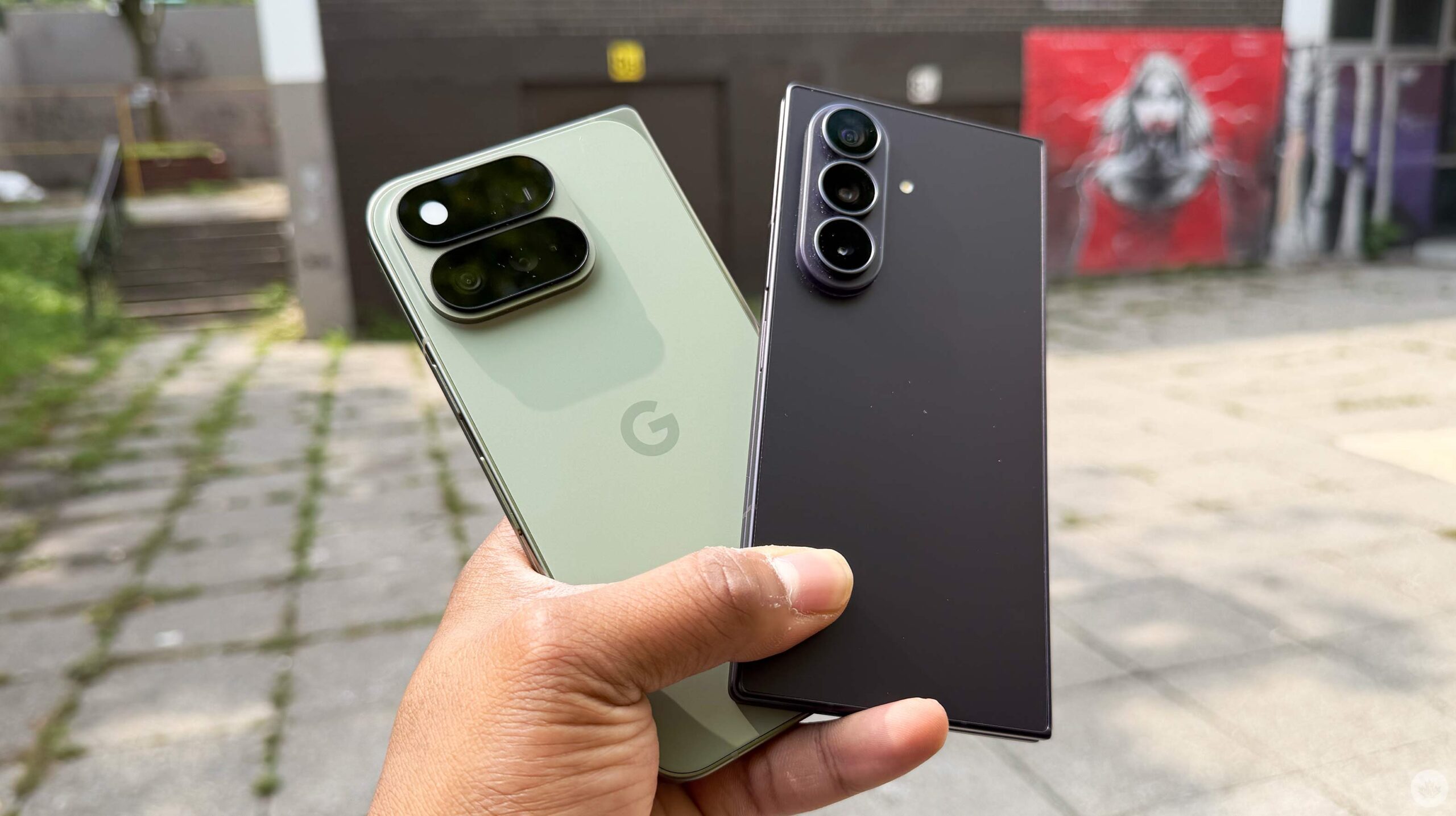
Samsung and Google put out two somewhat similar foldables one month apart, so there is no way you can’t compare the two.
Despite both being the same type of foldable, the Galaxy Z Fold 8 Ultra and the Pixel 11 Pro Fold are very different devices. The Fold 8 Ultra is sleek, slim and has sharp edges, while the Pixel 11 Pro Fold is bolder, thicker, with softer edges and has HiLight, Google’s replacement for the LED flash that changes colours when you speak with Gemini.
Though the phones are very different from one another, both are only a small design update compared to their respective predecessors. The Pixel 11 Pro Fold gains HiLight, as mentioned, and the Galaxy Z Fold 8 Ultra is slightly thinner than its predecessor. Otherwise, they’re practically the same phones. Both have great specs, can take fantastic photos and have display creases.
Pixel 11 Pro Fold
Samsung Galaxy Z Fold 8 Ultra
Display
6.5-inch Actua display, 1080 x 2364, 60Hz-120Hz / 8-inch Actua display, 2076 x 2152, 1-20Hz
Main Screen: 8.0 inches 120Hz AMOLED 2x, Infinity Flex Display (2176 x 1812) | Cover Screen: 6.5 inches 120Hz Dynamic AMOLED 2X Display (2316 x 904)
Processor
Tensor G6
Snapdragon 8 Elite Gen 5 for Galaxy
RAM
16GB of RAM
12GB of RAM, 16GB of RAM
Storage
256GB, 512GB
256GB, 512GB, 1TB
Dimensions (in.)
Folded 155.22 x 76.0 x 10.1 mm / Unfolded 155.2 x 150.4 mm x 5.0 mm
Unfolded: 158.4 x 143.2 x 4.1 mm | Folded: 158.4 x 72.8 x 8.9 mm
Weight
258g
215g
Rear Facing Camera
48-megapixel (f1.7) + 10.5-megapixel (f/2.2), 127-degre + 10.8-megapixel (f/3.1) 5x optical zoom
200-megapixel, f/1.7, 24mm (wide), 10-megapixel (telephoto), 50-megapixel (ultrawide)
Front Facing Camera
10-megapixel (f/2.2) + 10-megapixel (f.22)
10-megapixel (f/2.2) x2
OS
Android 17
Android 17, One UI 9
Battery
4750mAh
5,000mAh
Network Connectivity
LTE/5G
LTE/5G
Sensors
Fingerprint (in-display), Face Unlock, accelerometor, gyro, proximity, compass
Fingerprint (side-mounted), accelerometor, gyro, proximity, compass
SIM Type
Nano SIM, eSIM
Nano SIM, eSIM
Launch Date
August 12, 2026
July 22, 2026
Misc
Colours: Olive, Obsidian
Green Shadow, Violet Shadow, Graphite and Cream
Display
Pixel 11 Pro Fold
6.5-inch Actua display, 1080 x 2364, 60Hz-120Hz / 8-inch Actua display, 2076 x 2152, 1-20Hz
Samsung Galaxy Z Fold 8 Ultra
Main Screen: 8.0 inches 120Hz AMOLED 2x, Infinity Flex Display (2176 x 1812) | Cover Screen: 6.5 inches 120Hz Dynamic AMOLED 2X Display (2316 x 904)
Processor
Pixel 11 Pro Fold
Tensor G6
Samsung Galaxy Z Fold 8 Ultra
Snapdragon 8 Elite Gen 5 for Galaxy
RAM
Pixel 11 Pro Fold
16GB of RAM
Samsung Galaxy Z Fold 8 Ultra
12GB of RAM, 16GB of RAM
Storage
Pixel 11 Pro Fold
256GB, 512GB
Samsung Galaxy Z Fold 8 Ultra
256GB, 512GB, 1TB
Dimensions (in.)
Pixel 11 Pro Fold
Folded 155.22 x 76.0 x 10.1 mm / Unfolded 155.2 x 150.4 mm x 5.0 mm
Samsung Galaxy Z Fold 8 Ultra
Unfolded: 158.4 x 143.2 x 4.1 mm | Folded: 158.4 x 72.8 x 8.9 mm
Weight
Pixel 11 Pro Fold
258g
Samsung Galaxy Z Fold 8 Ultra
215g
Rear Facing Camera
Pixel 11 Pro Fold
48-megapixel (f1.7) + 10.5-megapixel (f/2.2), 127-degre + 10.8-megapixel (f/3.1) 5x optical zoom
Samsung Galaxy Z Fold 8 Ultra
200-megapixel, f/1.7, 24mm (wide), 10-megapixel (telephoto), 50-megapixel (ultrawide)
Front Facing Camera
Pixel 11 Pro Fold
10-megapixel (f/2.2) + 10-megapixel (f.22)
Samsung Galaxy Z Fold 8 Ultra
10-megapixel (f/2.2) x2
OS
Pixel 11 Pro Fold
Android 17
Samsung Galaxy Z Fold 8 Ultra
Android 17, One UI 9
Battery
Pixel 11 Pro Fold
4750mAh
Samsung Galaxy Z Fold 8 Ultra
5,000mAh
Network Connectivity
Pixel 11 Pro Fold
LTE/5G
Samsung Galaxy Z Fold 8 Ultra
LTE/5G
Sensors
Pixel 11 Pro Fold
Fingerprint (in-display), Face Unlock, accelerometor, gyro, proximity, compass
Samsung Galaxy Z Fold 8 Ultra
Fingerprint (side-mounted), accelerometor, gyro, proximity, compass
SIM Type
Pixel 11 Pro Fold
Nano SIM, eSIM
Samsung Galaxy Z Fold 8 Ultra
Nano SIM, eSIM
Launch Date
Pixel 11 Pro Fold
August 12, 2026
Samsung Galaxy Z Fold 8 Ultra
July 22, 2026
Misc
Pixel 11 Pro Fold
Colours: Olive, Obsidian
Samsung Galaxy Z Fold 8 Ultra
Green Shadow, Violet Shadow, Graphite and Cream
TL:DR
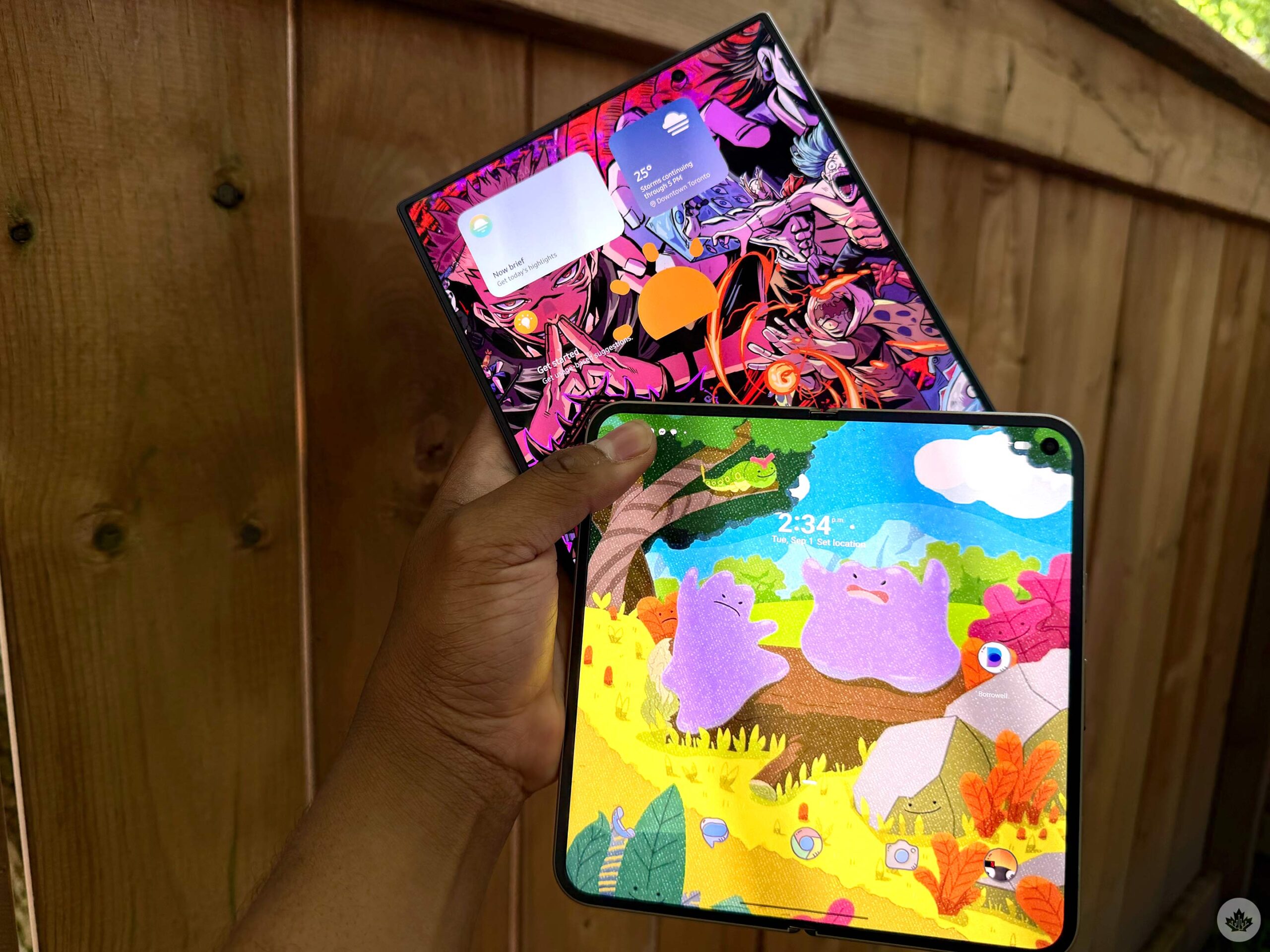
The Z Fold 8 Ultra is definitely more productivity-focused with more features that take advantage of the phone’s size and DeX capabilities. It looks more premium, thin and sleek like a fast car. But it’s very expensive. Like really expensive, costing $2,979.99. So you’re definitely paying for that premium, business experience.
The Pixel 11 Pro, on the other hand, some people prefer this stockier design as it looks more durable and it’s IP68 water- and dust-proof, which is great considering the hinge. I think a general consensus is that people prefer the Pixel’s Material UI compared to One UI (although I’m not among the many). And when closed, the device has a slightly wider aspect ratio, so it feels more akin to a normal phone compared to the Z Fold 8 Ultra. However, the Z Fold 8 Ultra’s 21:9 aspect ratio has been adopted by various devices in the past, so it’s really not too far off.
It’s worth noting that they both have creases, and after a few weeks, it’s visible on both devices. However, the Z Fold 8 Ultra took a longer time before it was completely visible when unfolded, versus the Pixel 11 Pro Fold, where it became completely visible within the first couple of folds. The Z Fold 8 Ultra crease is still a little easier to ignore, as it doesn’t seem as big, but if you want the best crease foldable, check the Galaxy Fold 8 review.
Titans
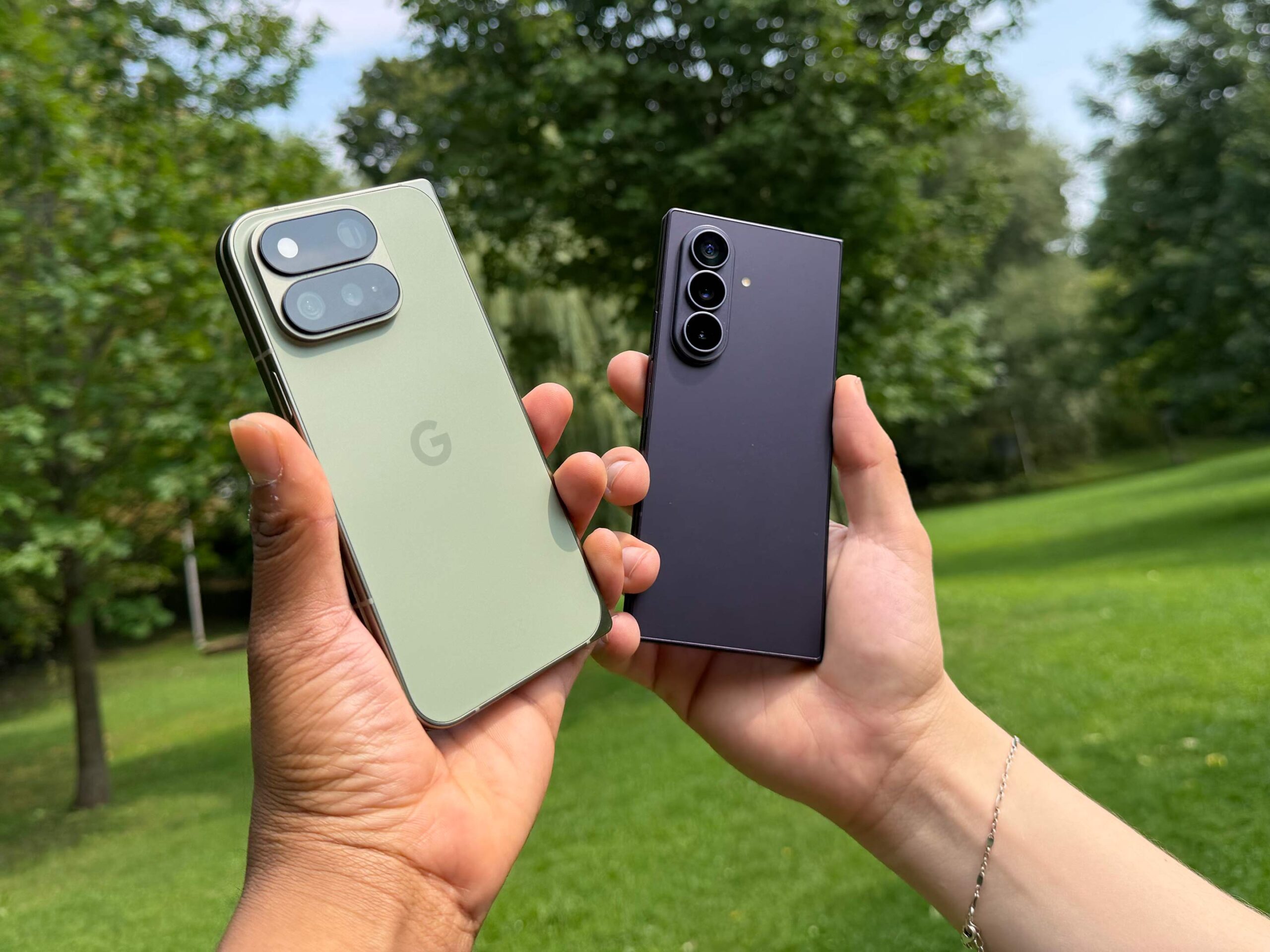
Either phone you pick, you’re winning in some way or another. Both are very capable phones; if you’re someone who just likes to play a couple of mini games (like Marvel Snap for instance) on your phone, scroll through social media, take the odd photos when you’re out and about, and like watching YouTube, you’re good.
However, the Pixel 11 Pro is unfortunately a little limited by the Tensor G6 chip. Whereas the Galaxy Fold 8 Ultra’s Snapdragon 8 Elite Gen 5 is a powerhouse capable of playing hardcore games without issues or making the device uncomfortable to hold due to warmth. The Pixel warms up much quicker for tasks like downloading apps or when gaming online, and can cause a significant drain on the battery.
Though the Pixel doesn’t have issues with running too many apps at once, in the background or even opening two apps simultaneously when using the larger screen, it’s not really the best at taking advantage of the screen. Though you can have more apps open with the floating bubble conversations, the Fold 8 Ultra can easily have five apps all open on its display at once; I don’t know if anyone would ever need that, but it’s cool.
And just to finish off productivity, the Z Fold 8 Ultra’s DeX capabilities, which allow your phone to turn into a computer when connected to a monitor, are far superior to the Pixel’s native desktop mode, which is too bare-bones.
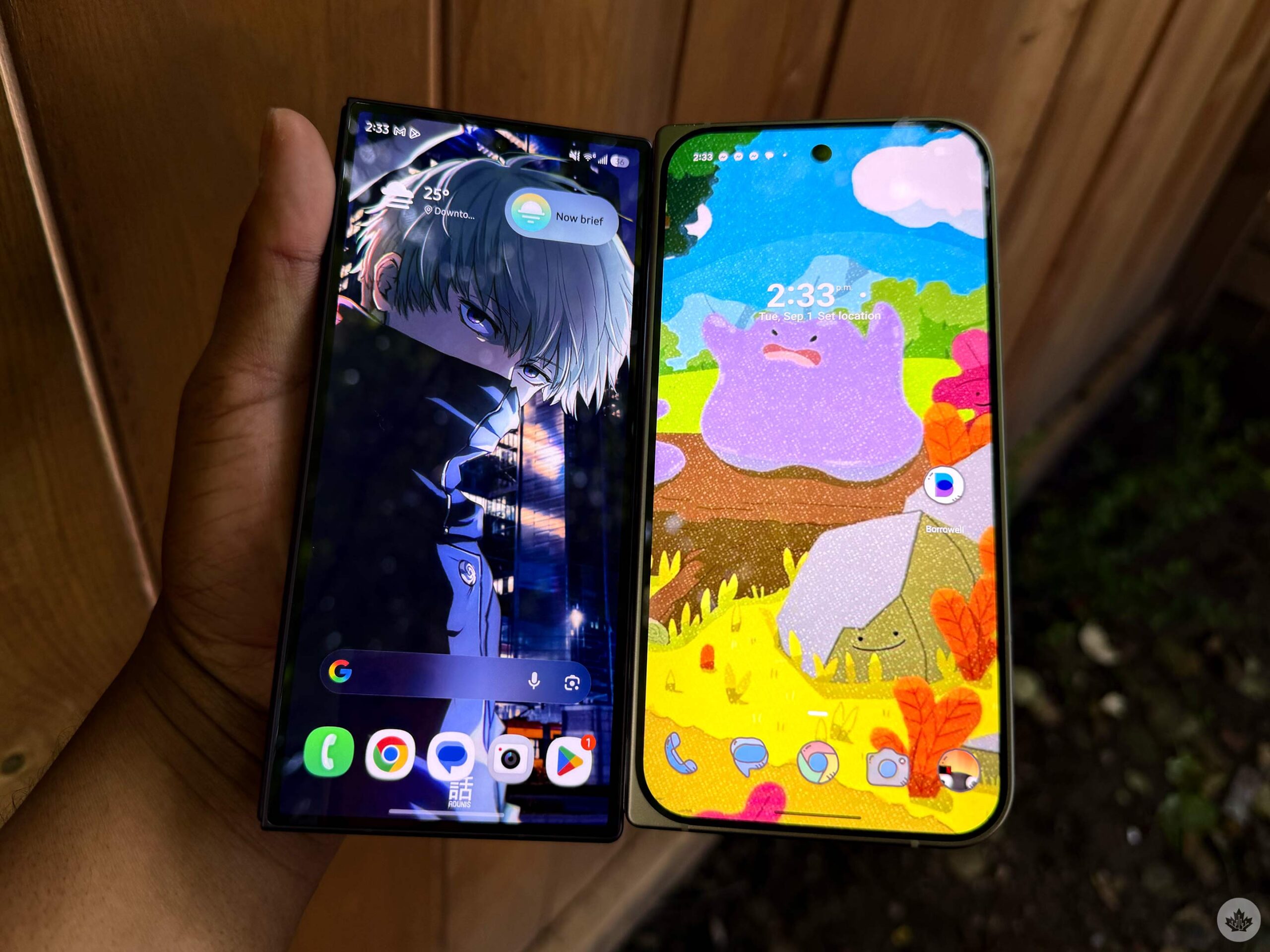
We also have to compare batteries. The Fold 8 Ultra makes a battery bump from its predecessor, finally cracking the 5,000mAh battery mark, whereas Google went backwards for some reason, and the 11 Pro Fold has a 4,806mAh battery, a 200mAh drop from its predecessor. The 11 Pro Fold suffers for this, as the Z Fold 8 Ultra has far more reliable battery life than the 11 Pro Fold.
The 11 Pro Fold chipset is unfortunately not power-efficient enough, so on days with heavier use, like taking pictures, playing games, or hotspotting, the phone won’t last the entire day. The Z Fold 8 Ultra is more reliable, and you’re able to use the device without worrying whether your battery is going to die. Still, the Z Fold 8 Ultra isn’t flawless; a lot of pictures and videos can definitely drain this device too, but it’s the more reliable of the two.
PS: Not included in this comparison, but if you want a foldable with a stellar battery life, the Razr Fold would be the best of the three. Also note, the Z Fold 8’s battery also edges out the Z Fold 8 Ultra and Pixel 11 Pro Fold – Z Fold 8, phone of the future.
Also, the Z Fold 8 Ultra charges faster than the Pixel 11 Pro Fold, so you’re definitely getting an overall better battery experience. Unless you consider PixelSnap, which allows users to have a magnetic battery pack attached to the back of the Pixel 11 Pro Fold. The Samsung handset lacks magnetic charging unless you put a case on, which defeats the purpose of the phone’s slim design.
Eye of the beholder
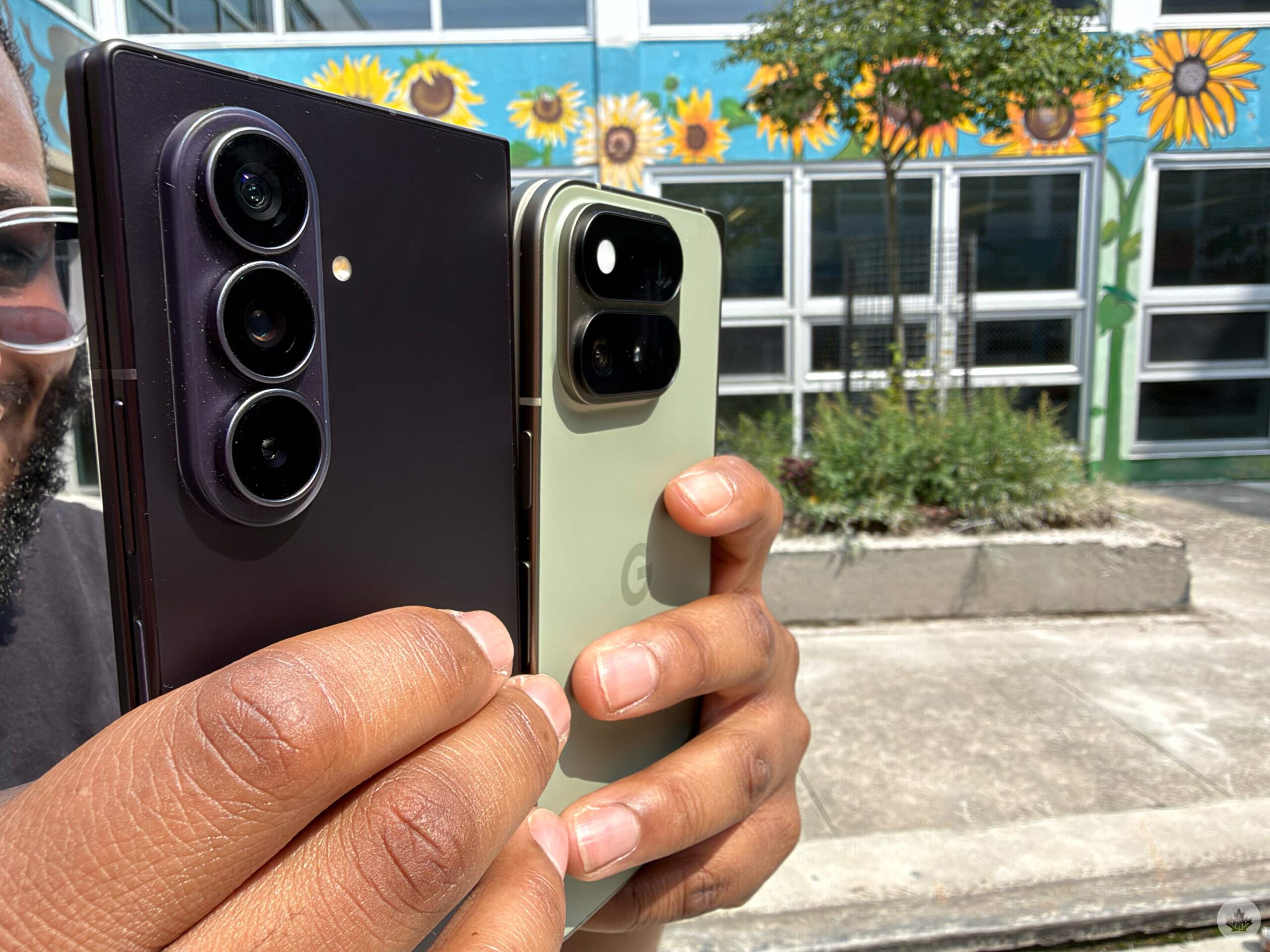
As they always say, beauty is in the eye of the beholder, and both phones take pictures that look great. Despite having the smaller 50MP shooter compared to the Z Fold 8 Ultra’s 200MP camera, the Pixel makes up for it in its post-processing, helping boost photos and videos that may not look as good. Though it’s worth noting, Samsung does a lot of post-processing as well. You can typically watch the phone make changes live.
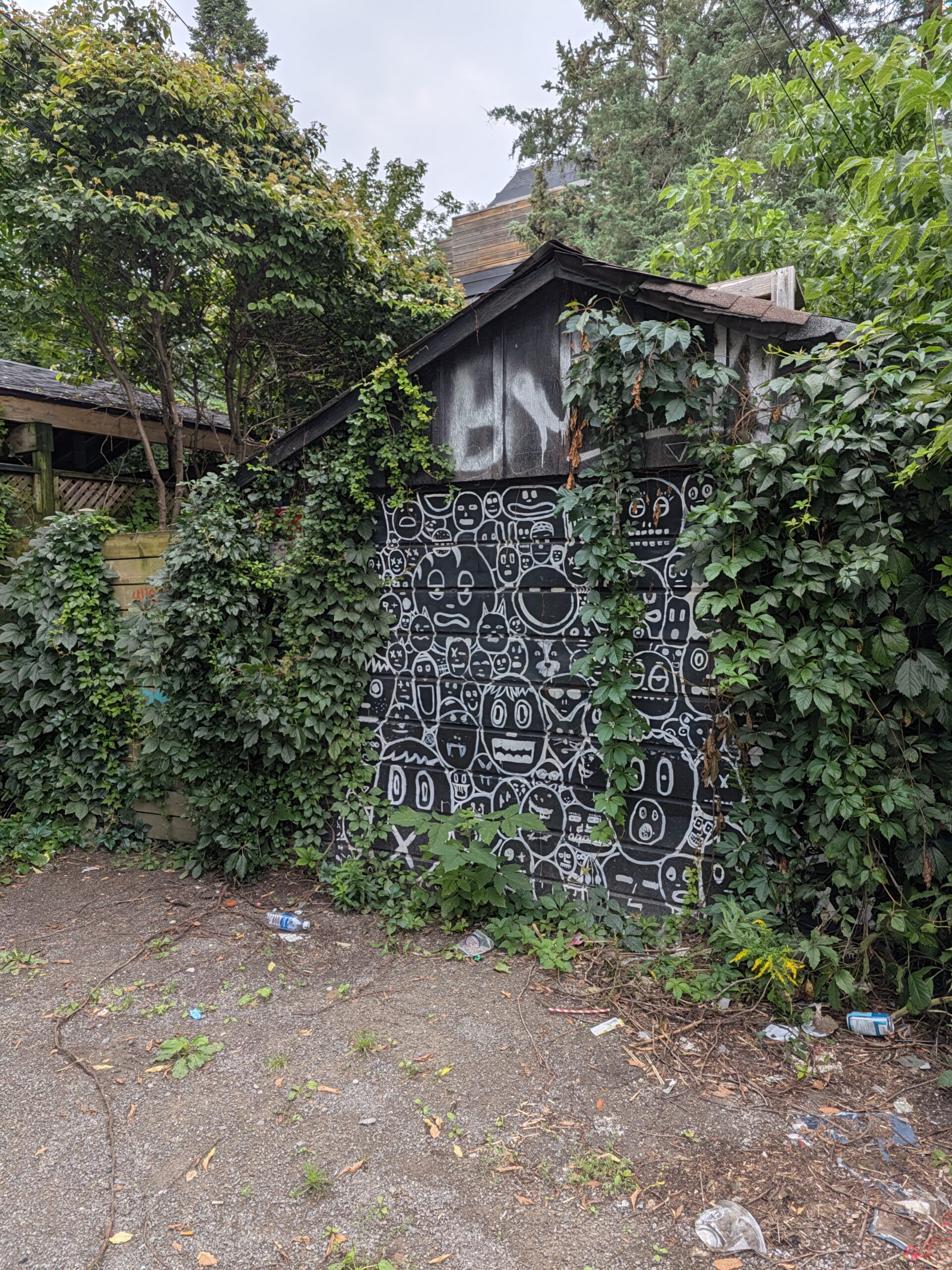
In standard photos, both phones show detail, beautiful colours, a great sense of contrast and lighting. The Pixel 11 Pro Fold takes more vibrant photos, while the Z Fold 8 Ultra’s photos are a little bit dull, but more true to life. But the Pixel 11 Pro Fold’s vibrant shots can definitely look more appealing to some. Although it’s worth noting that Samsung’s post-processing makes certain things pop, becoming oversaturated compared to Google, like graffiti on someone’s garage
-

- Z Fold 8 Ultra
-

- Z Fold 8 Ultra
-

- Z Fold 8 Ultra
-

- Z Fold 8 Ultra
-

- Z Fold 8 Ultra
-

- Z Fold 8 Ultra
-

- Z Fold 8 Ultra
-

- Z Fold 8 Ultra
-

- Z Fold 8 Ultra
The Pixel 11 Pro Fold has Magic Capture that takes a video and then finds the best moments from the video as still photos. The Z Fold 8 Ultra has FanCam, which locks in and frames one person in a video, making them the star. Both of these new features are pretty cool. I haven’t really needed to use either of them, but I could see myself using FanCam more than Magic Capture. However, I think both features are pretty useful for parents trying to make memorable moments of their kids.
However, if you’re looking to take high-quality videos, the Z Fold 8 Ultra has Samsung LOG in its Pro video mode, letting you colour-grade and contrast yourself. And on the flip side, the Pixel 11 Pro Fold tries to make up for this with AI, with Video Boost, a tool that uses cloud-powered AI to enhance videos, improving colour, range, stabilization and lighting.
-
- Pixel 11 Pro Fold
-
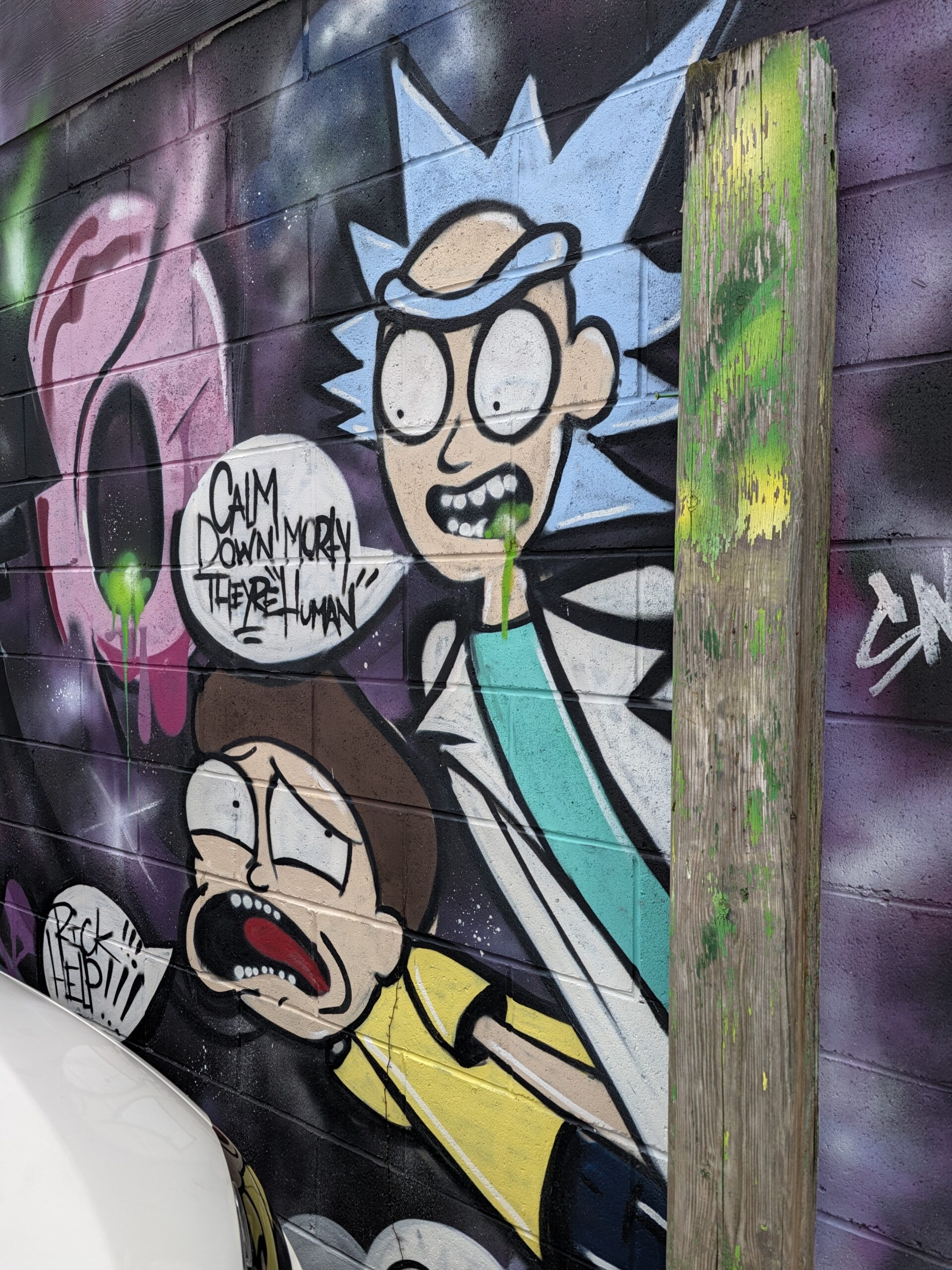
- Pixel 11 Pro Fold
-

- Pixel 11 Pro Fold
-

- Pixel 11 Pro Fold
-

- Pixel 11 Pro Fold
-

- Pixel 11 Pro Fold
-

- Pixel 11 Pro Fold
-

- Pixel 11 Pro Fold
-

- Pixel 11 Pro Fold
The Z Fold 8 Ultra can offer a higher amount of detail with the 200MP camera, so it can take pictures with far better quality than the 11 Pro Fold, which is mostly useful if you’re planning on blowing up the picture. But if you pay very close attention, you can see this when looking at clouds in the sky on an overcast day, where the Pixel has issues showcasing this.
My point here is that both take great photos; they have some cool features, although one offers way more detail in 200MP photos (which you have to be very still when shooting). It honestly comes to preference, unless you need LOG video, but then you’re paying the Z Fold 8 Ultra premium.
On the Pixel 11 Pro Fold’s camera bump, there’s a new LED array flash dubbed HiLight, which kind of serves as a notification LED. It lights up different colours when you’re speaking with Gemini, and when one of your favourite contacts gives you a ring. HiLight is too limited in its current state, and Google should have waited until it was a little bit more baked.
Are either of them worth it?
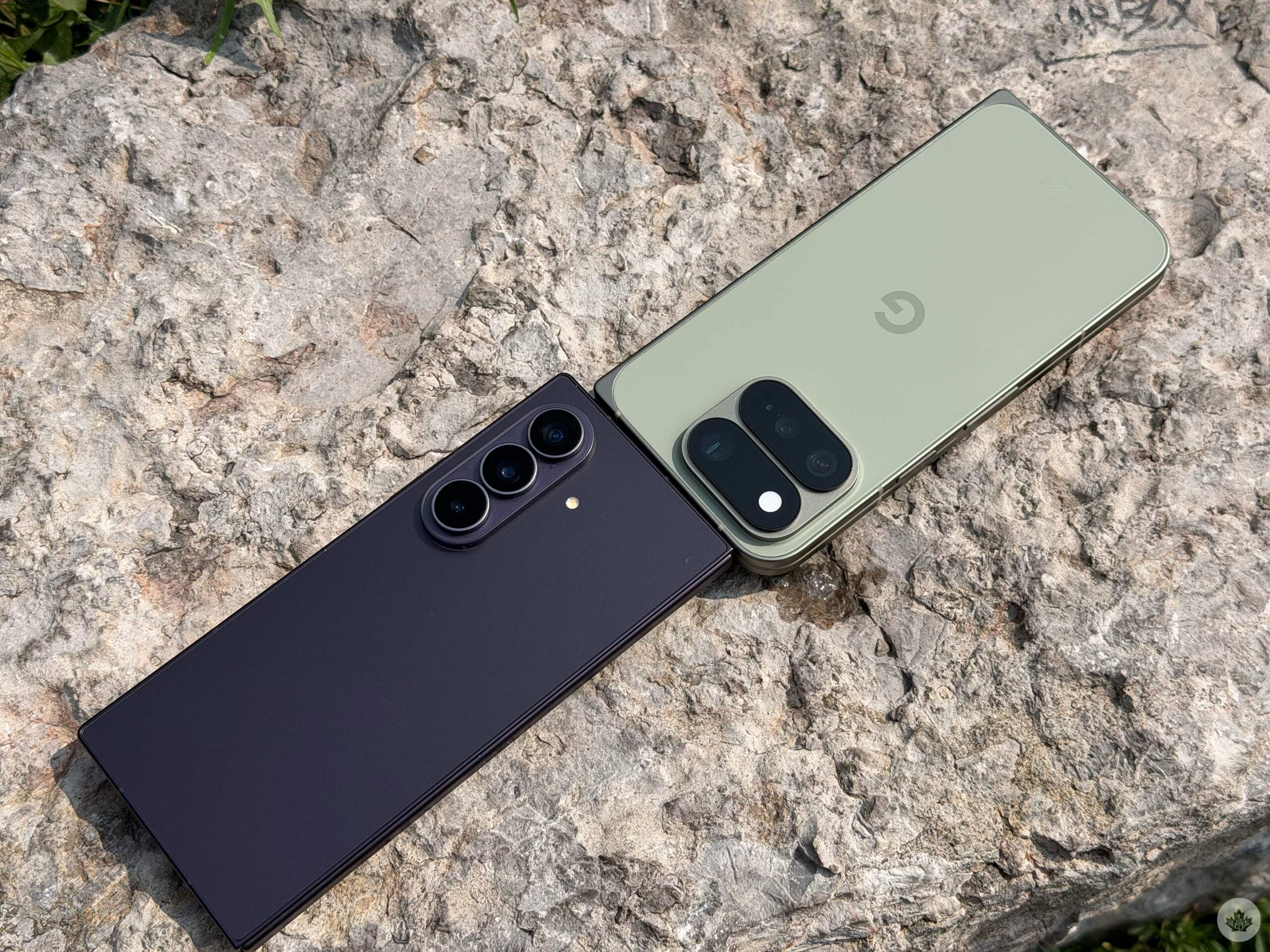
Both phones are good, but I’m such a fan of the Z Fold 8; I’d pick that over this form factor. But ignoring my biases, you win with either choice, but your pocket doesn’t. The Z Fold 8 Ultra’s $2,979 price tag is such a bigger pill to swallow compared to the Pixel 11 Pro Fold’s $2,499.99. But either way, both phones feel like pricey options.
You might like the Z Fold 8 Ultra’s slim, thin and sharp exterior, or the 11 Pro Fold’s bulky and sturdy design. One is definitely more suited for productivity; the other offers that Pixel user interface and an IP68 water and dust protection.
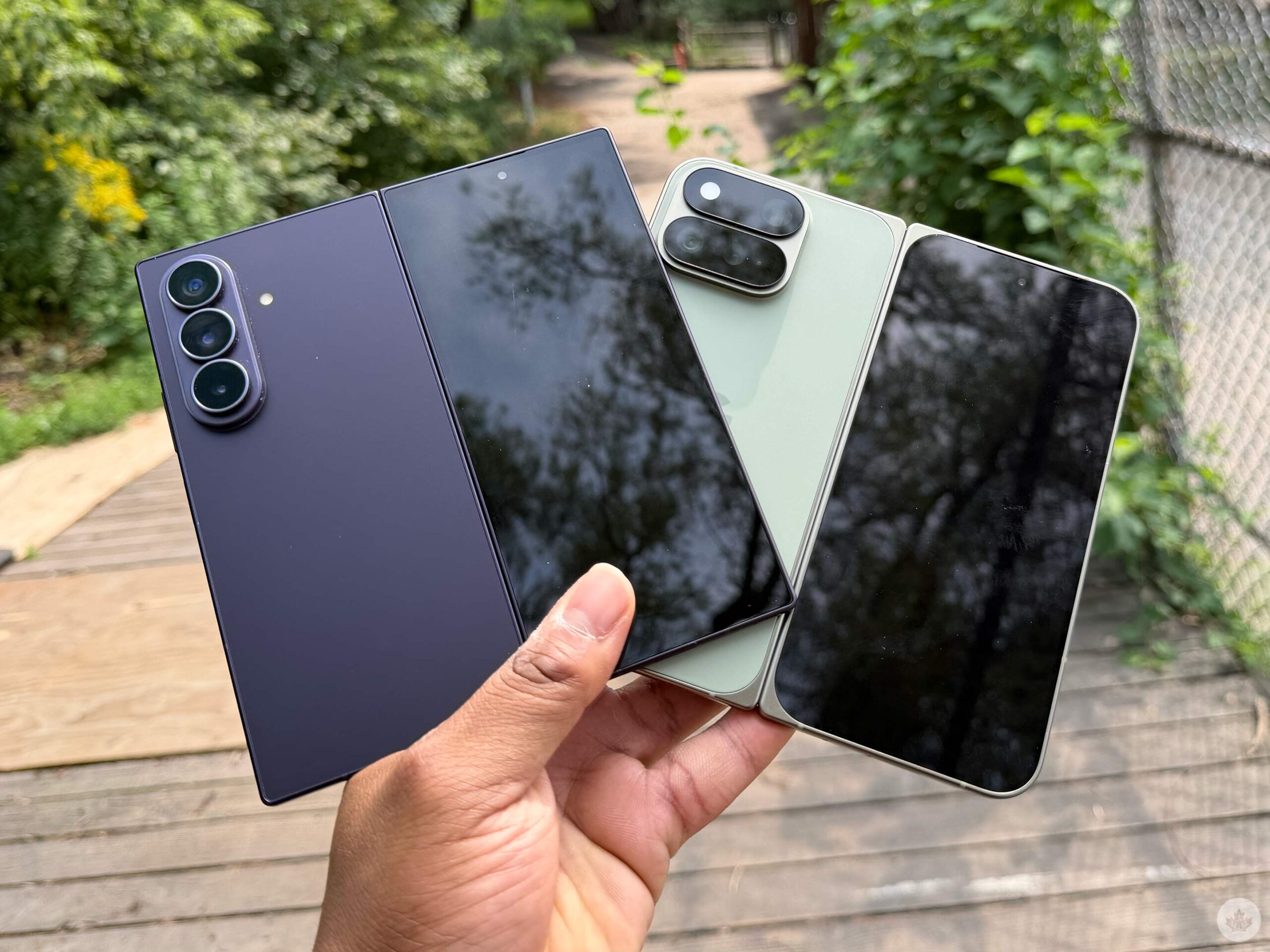
Honestly, I’m a bigger fan of the Z Fold 8 Ultra; I like how premium and slim it feels, and I like writing articles on my phone, and the experience is smoother on this device. But my partner loves the Pixel 11 Pro Fold’s design, the olive colour variant, and can’t stand One UI.
Also worth checking out is the Razr Fold, which offers a powerful processor like the Z Fold 8 Ultra, or the Z Fold 8 that has a new form factor that I love. And in less than a month, Apple will unveil its new foldable, which should offer a similar vibe to the Z Fold 8, but with an iPad experience when unfolded.
The Pixel 11 Pro Fold and the Samsung Galaxy Z Fold 8 Ultra are both available from their respective websites and at Canadian carriers.
MobileSyrup may earn a commission from purchases made via our links, which helps fund the journalism we provide free on our website. These links do not influence our editorial content. Support us here.