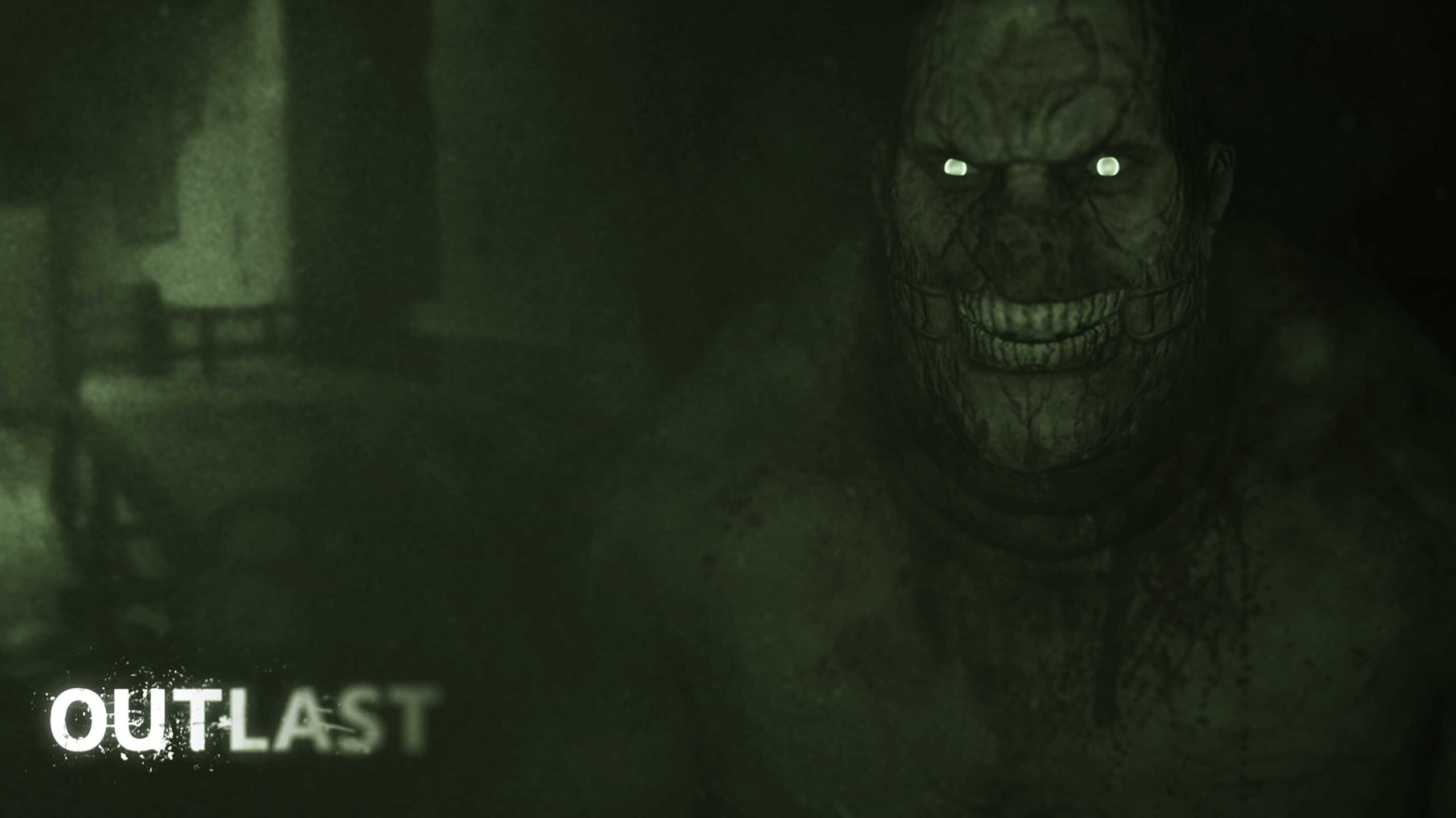
Of the many studios within Quebec’s massive, world-class gaming industry, Red Barrels is arguably one of the most standout.
The Montreal-based developer is behind Outlast, an original survival horror series that has amassed over 50 million players across three games since 2013. That’s a significant achievement for any game maker, and it’s especially impressive considering that Red Barrels has remained relatively small and independent ever since, even after making two increasingly different sequels.

Philippe Morin. (Image credit: Red Barrels)
The studio is also celebrating another milestone this year: its 15th anniversary. It’s something that Red Barrels co-founder Philippe Morin still can’t quite wrap his head around.
“It’s weird. We never thought we’d make it this far. I don’t even think it was on our minds that we were going to reach 10 years, 15 years,” he admits. “Back then, we were just trying to ship a game, then survive and try to ship it before running out of money, and then hope we can make enough to keep going. It has, by far, exceeded our hopes and dreams.”
Morin credits Red Barrel’s success to having a small team led by three co-founders — himself (game designer), David Chateauneuf (game/level designer) and Hugo Daillaire (art director) — who took what they learned having worked at Ubisoft on massive projects like Assassin’s Creed, Splinter Cell and Prince of Persia.
“The studio was founded by devs, and we were mostly looking for a context in which we could make the games we wanted to make without interference or too many opinions around us,” says Morin. “We didn’t want to lose our independence […] We could have taken deals to make licensed games. We could have sold [the studio]. There were a lot of opportunities, but we decided to stay small enough so that we can manage with our own revenues.”
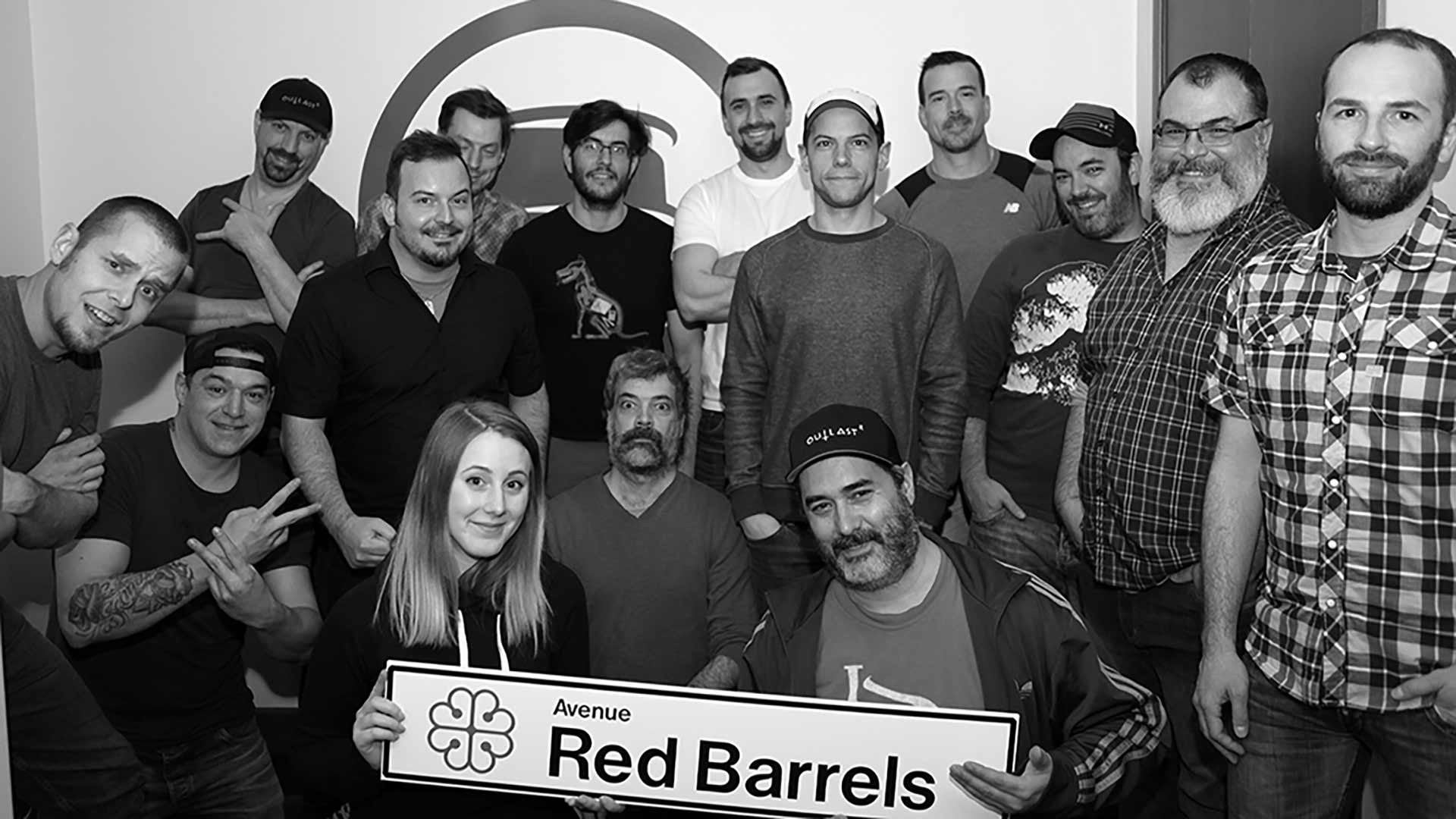
Red Barrels in 2017. (Image credit: Red Barrels)
La Guilde du jeu vidéo du Québec, the non-profit cooperative that represents the province’s gaming sector, says Red Barrels’ commitment to its vision and independence has made all the difference.
“We know Red Barrels is not a unicorn studio by chance. They were meticulous, they had a strong vision and they were strategic about their business model,” says Émilien Roscanu, principal director of communications and operations of La Guilde. “They also strongly felt about retaining the control on their company and creative vision. They stayed independent, in a world where MNAs [mergers and acquisitions] are legion and an exit can be appealing.”
For Paul Fogolin, the president and CEO of the Entertainment Software Association of Canada, Red Barrels’ success speaks not only to the scale of Canada’s $5.1 billion gaming industry, but also its versatility and creativity.
“What Red Barrels represents is something a bit different. It’s a reminder that the story isn’t just about how big the industry is. It’s about the quality and ambition of what’s coming out of it. The conditions that made Red Barrels possible – the talent, the development community, the funding mechanisms that exist for Canadian creators – those don’t just appear,” he says. “They’re the result of sustained investment in an ecosystem. And when that ecosystem works, you get a studio that can build something like Outlast, grow it over a decade, and do it entirely on their own terms. That’s the kind of Canadian success story I think we should be telling loudly, and often!”
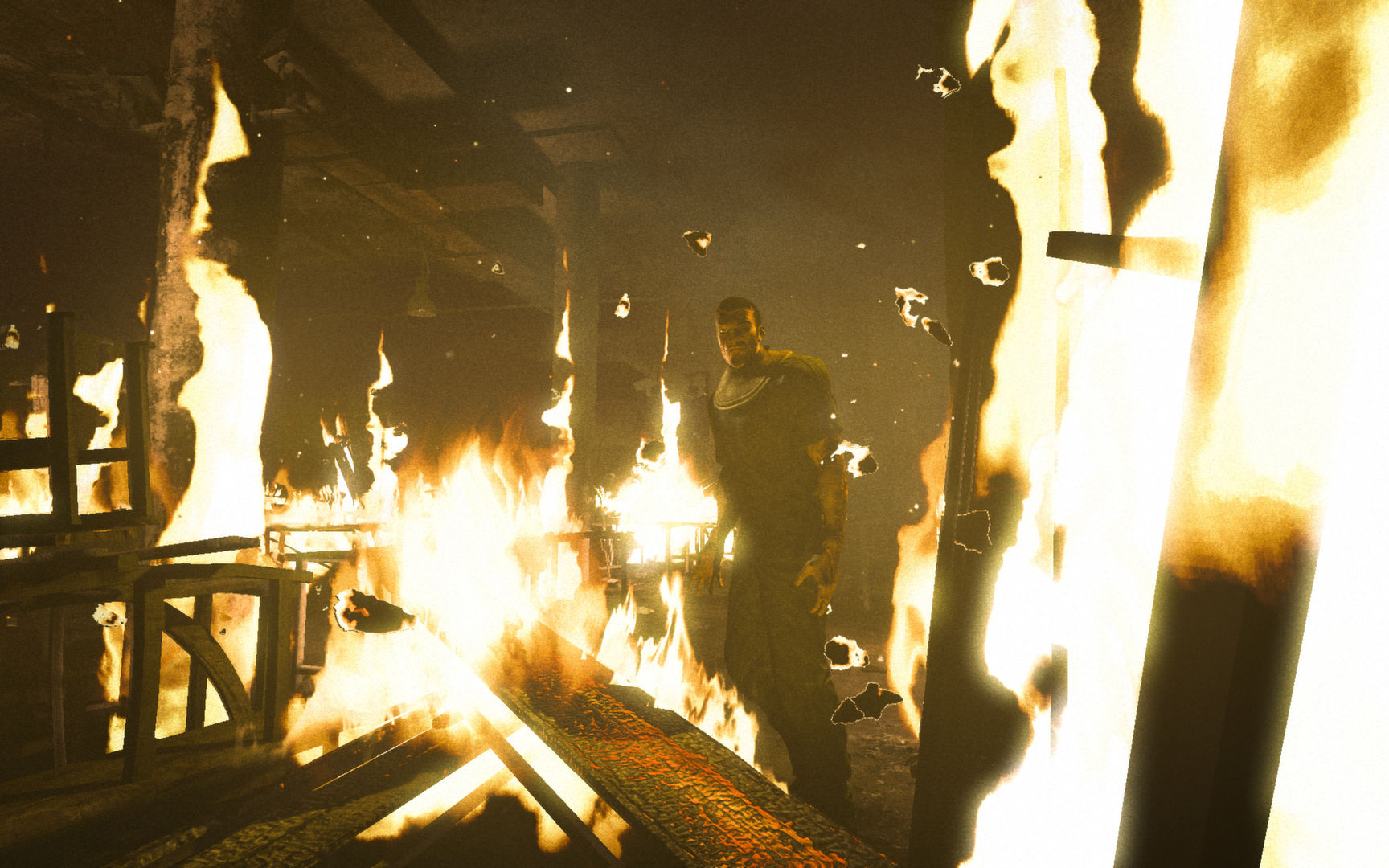
The original Outlast. (Image credit: Red Barrels)
But of course, none of that was easy. In particular, Red Barrels has been very candid about the fact that it spent a year-and-a-half struggling to find investors, which put the game at serious risk. However, the team credits the $1 million in Canada Media Fund (CMF) funding for ultimately allowing it to stay afloat and develop the game plus its Whistleblower DLC. Many Canadian developers have praised this kind of government funding, especially considering many other countries don’t have an equivalent.
“Access to funding remains the top business challenge for Canadian-owned interactive digital media (IDM) studios. Over the past five years, funding has shifted significantly—particularly from publishers, who are signing fewer deals and at smaller amounts,” says Janine Steele, CMF director of Interactive, Digital, and Emerging Media.
She notes that CMF is one of the largest funding programs in the world, with $57 million being invested into Canadian-owned games and other digital media between 2026 and 2027 alone. This funding is used to help in everything from the prototyping phase to getting projects over the finish line.
“Business-wise, we were able to ship the game without any additional funding, which meant we basically shipped the game in 14 months. We had a year-and-a-half of conception and a bit of pre-production while we were looking for money. But really, the production started once we had the go-ahead from the Canada Media Fund,” says Morin of Outlast‘s tight development cycle.
“So we had to work extremely hard to reach that deadline, because otherwise we would have needed additional funding to add months. When we shipped the game, we had less than 100,000 in the bank account — a couple of months of payroll, that’s it. We needed the revenues. So we were able to ship and keep our independence.”
The game that started it all
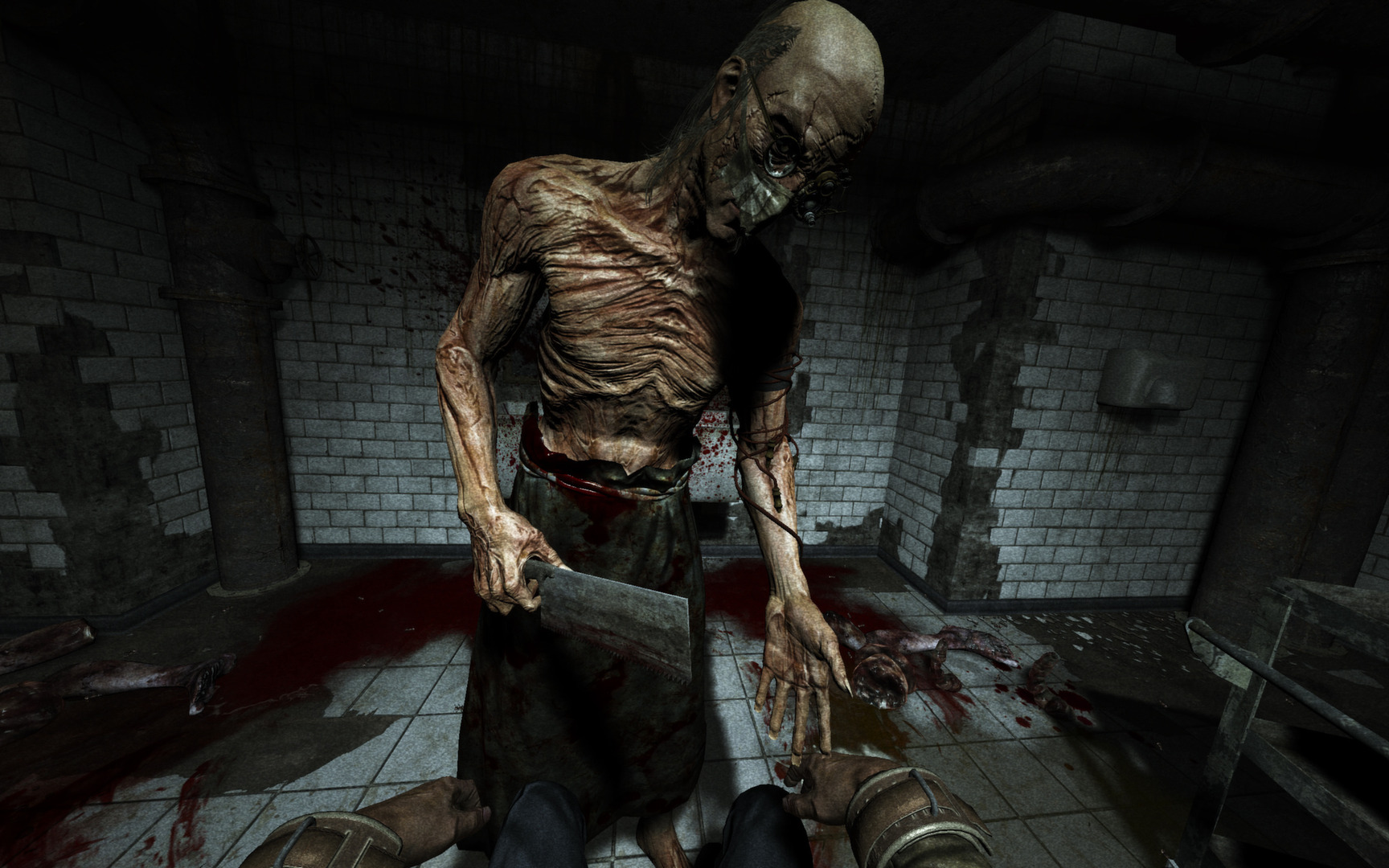
A key part of Outlast‘s success is because the game creates horror by making players feel deeply vulnerable. (Image credit: Red Barrels)
Of course, it helps that the original Outlast‘s foundation was strong. When it was released in 2013, it garnered rave reviews and, eventually, millions of players — in no small part due to its availability in the PlayStation Plus catalogue. The game follows Miles Upshur, a freelance investigative journalist who must investigate an asylum. Crucially, Miles isn’t able to fight back at all, like one would in many other horror games, forcing players to instead hide or run away from deadly enemies in the darkened asylum as they use limited batteries to power a camcorder as their only source of light. Naturally, this design philosophy only heightened the scares.
“There’s a lot of different variations, a lot of different iterations, of horror. I think in our case, we were just really committed to making players suffer and not giving players anything that would make them feel comfortable, rewarded or in control,” says Morin. “It’s almost as if we dare players to keep on playing.”
He mentions that the average playtime on Steam is around 90 minutes, even after more than 12 years. While many developers would likely be a tad bit disappointed that people aren’t finishing their game, Morin says Red Barrels actually takes this as a sign that they did something right with the horror.
“It’s kind of funny to say, but it’s almost like a badge of honour — like, we made people quit the game because they were too scared. Might not be as good for business, but hey, what the hell?” he says with a laugh.

Outlast was a response to how many games, like Resident Evil 6, had been prioritizing action over horror. (Image credit: Capcom)
No conversation about Outlast‘s success would be complete without also considering the original 2011-2013 context in which it was made. While horror games have seen a resurgence in recent years through the likes of Capcom’s Resident Evil, Konami’s Silent Hill, and Montreal-based Behaviour’s Dead by Daylight, the early 2010s saw companies make controversial pivots to more action-oriented experiences, like Resident Evil 6 and EA’s Dead Space 3. Red Barrels, however, smartly understood all those years ago that there’s an audience for a traditional survival horror experience.
“When we released the first Outlast, there was definitely a lot of room in the market for the horror genre. That was part of the business case, part of the pitch. There was Amnesia: The Dark Descent, which proved the genre could still be viable and profitable. But that was almost it for a period of maybe two years, three years,” he says. “There were no big horror games coming out. It was small games, some indies, so there was a lot of room on the market. And I think that’s sometimes what I see other studios maybe lacking that analysis of ‘Who am I trying to reach, and why would they care?'”
The art of the sequel — and building a studio
But of course, Red Barrels didn’t stop with its 2013 debut game. In 2017, the Canadian developer released Outlast 2, a standalone sequel focused on a different journalist, Blake Langermann, who must survive a deranged cult while searching for his missing wife.
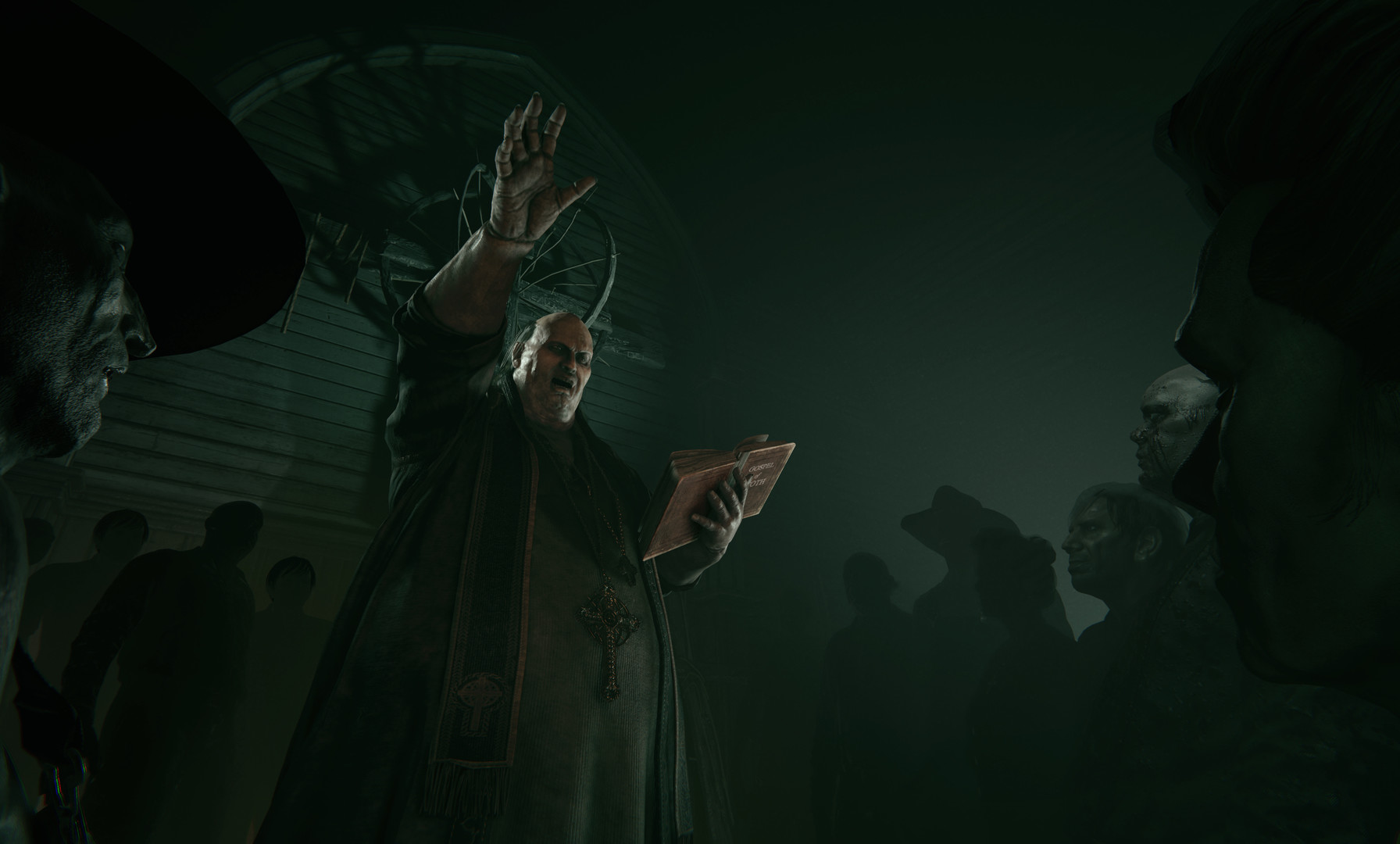
Outlast 2 was even darker than its predecessor — in more ways than one. (Image credit: Red Barrels)
Notably, the game had a budget roughly five times that of its predecessor’s, on top of a longer development cycle. A key reason for that, Morin says, was because the sequel features many rural wilderness environments that were much larger and more complex than the relatively confined spaces of the first game’s asylum.
Morin also says Outlast 2 taught the team a lot about balancing when it comes to addressing feedback from all players.
“That’s probably the biggest lesson we’ve learned: to listen more to fans, and then some of the critics. Yes, we did try to make it bigger. I think in some ways we succeeded; in other ways, [we were] less [successful],” he admits. “The game is probably more divisive, but it’s got some [fans]. When I read on Reddit or whatever, there’s generally consensus that the first game is better. But every once in a while, there’s a fan that appreciates the level of complexity we reached with Outlast 2 with the story and the themes and all that.”
On top of all of that, Morin says making Outlast 2 helped Red Barrels better form its sense of identity.
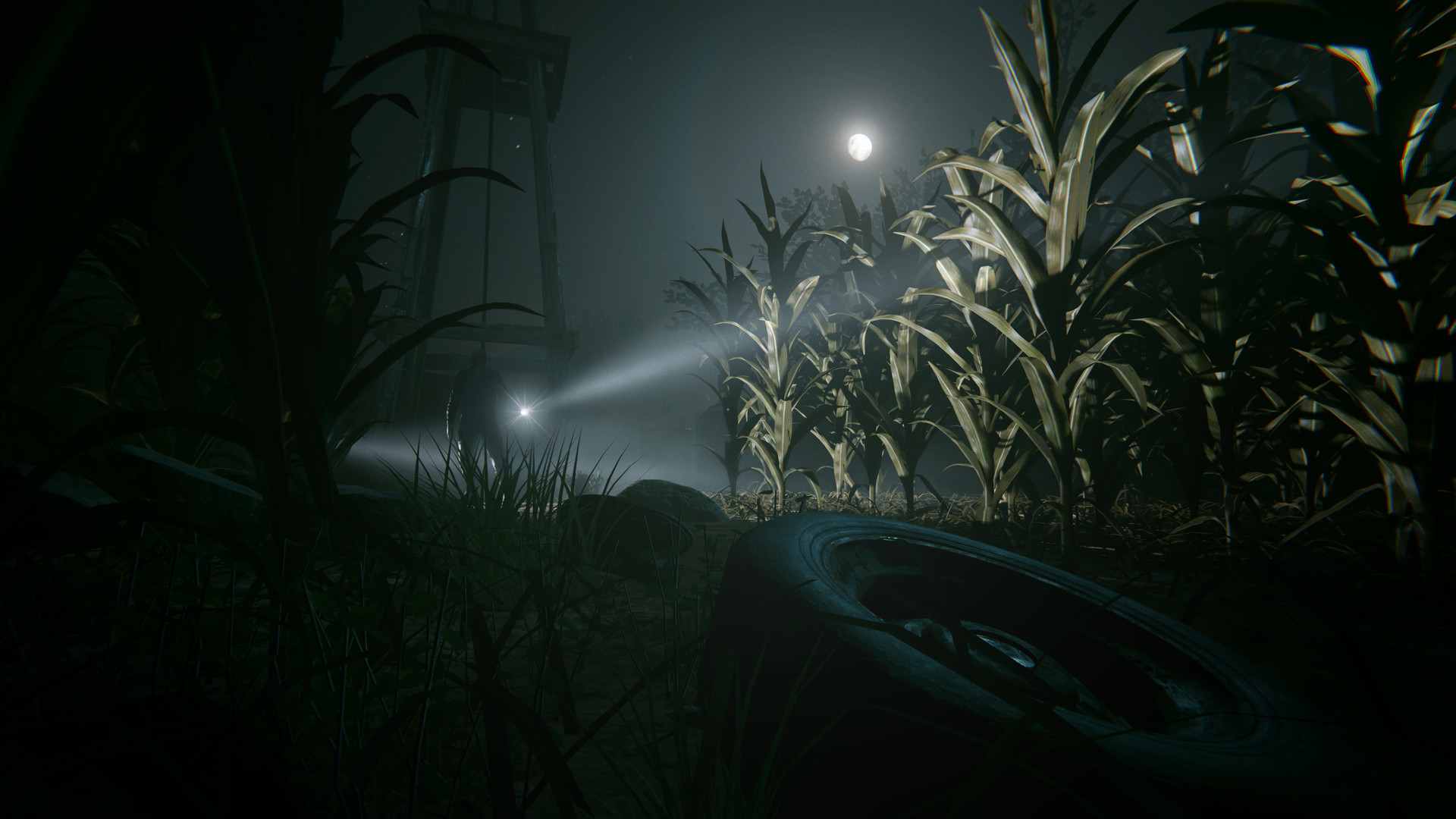
Morin says the more diverse environments of Outlast 2 were one of the biggest development challenges. (Image credit: Red Barrels)
“Honestly, when we shipped the first Outlast, we were not really a company. Yes, technically, we were a company, but everything was put together to ship that game, not necessarily thinking of ‘company stuff.’ Everything that had to do with the company was out of necessity to keep on making the game,” he says.
“But after shipping the first game, we needed to focus more on what’s the company about? How [do] we structure it? How far do we go with some things? […] At some point, especially when you grow — we’re now above 80 people — you’ve got to find the right pacing to retain your culture. Even though we’ve grown significantly from Outlast 1, we’ve been able to do it at a place that allows us to keep most of our cultural pillars that we had.”
The Outlast Trials and the future
While Outlast 2 is a much bigger game than its predecessor, it’s ostensibly still the same breed of single-player survival horror experience. But Red Barrels’ third game, The Outlast Trials, is a completely different kind of ambitious. Launched in early access in May 2023 ahead of a full release the following March, The Outlast Trials represented Red Barrels wanting to push itself further by making the series’ foray into the world of live service co-op multiplayer. It’s a Saw-esque scenario in which test subjects have to survive sadistic experiments during the Cold War.
“With Outlast Trials, we didn’t think we were going to make another Outlast game after Outlast 2. We really wanted to go somewhere else. But eventually, we found a way to come up with a concept that would excite us and give us a good challenge while still leveraging our IP,” says Morin. “Our challenge with this game was to see if we can make something as scary as Outlast, but in a group of four players.”
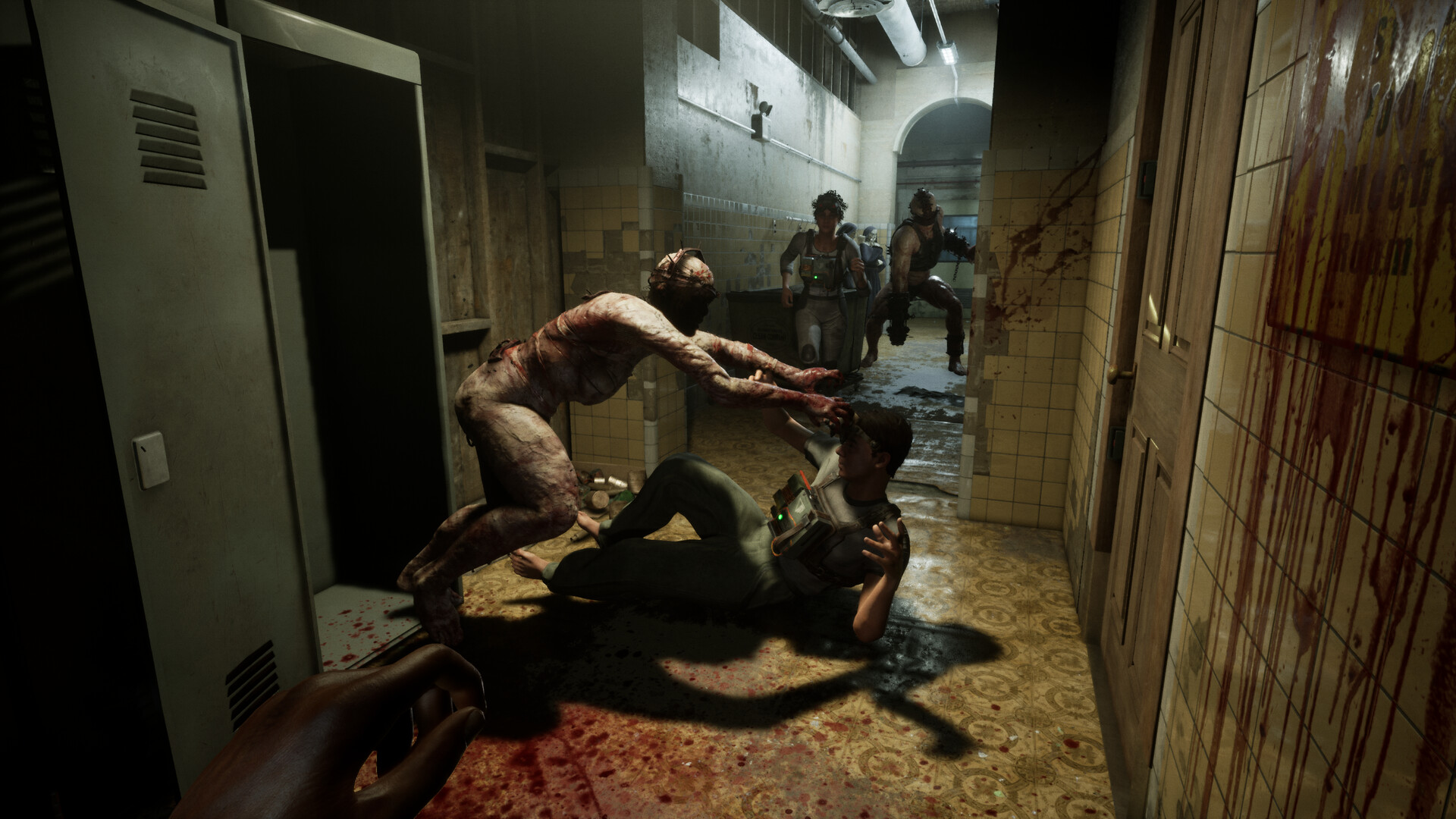
Red Barrels explores co-op horror in The Outlast Trials. (Image credit: Red Barrels)
While the game can still be played solo, that co-op approach naturally drove the team to rethink the way it designs horror. This meant that players have more tools at their disposal, like smoke bombs and barricades, while still keeping the experience about signature Outlast night vision-powered stealth. But of course, there was one small problem: the team’s expertise was still in single-player.
“All of us who made Outlast and Outlast 2, most of our experience was working on single-player games, so we needed to find people who had more experience with live games and that kind of progression system that works over periods of weeks, months and years,” says Morin. “So we hired the people who had previous experience in mobile games and free-to-play games just to get that kind of thinking in the studio. Because really, at first, even though we decided to make a multiplayer game, we were mostly focused on creating the best scary co-op experience that we could make.”
He says having a tiered release structure of a closed beta, early access and then full 1.0 launch really helped the team learn how to properly develop and market a live service Outlast.
“The first months after Version 1, where we launched on console, we had to learn quickly. ‘Okay, what are we doing wrong? What do we need to do to attract more attention? We see people are talking about this game and that game — why are they not talking about our updates, and what do we need to do [to change that]?'” he says.
“I think the most important thing when [this] happens to you is [to have] humility and admit what you don’t know and what you need to do better, and then simply look at what others are doing and learn from it. Very often, our ego gets in the way. So that’s something when you’re working with, especially when you’re working within a group, within the team — ego is your worst enemy.”
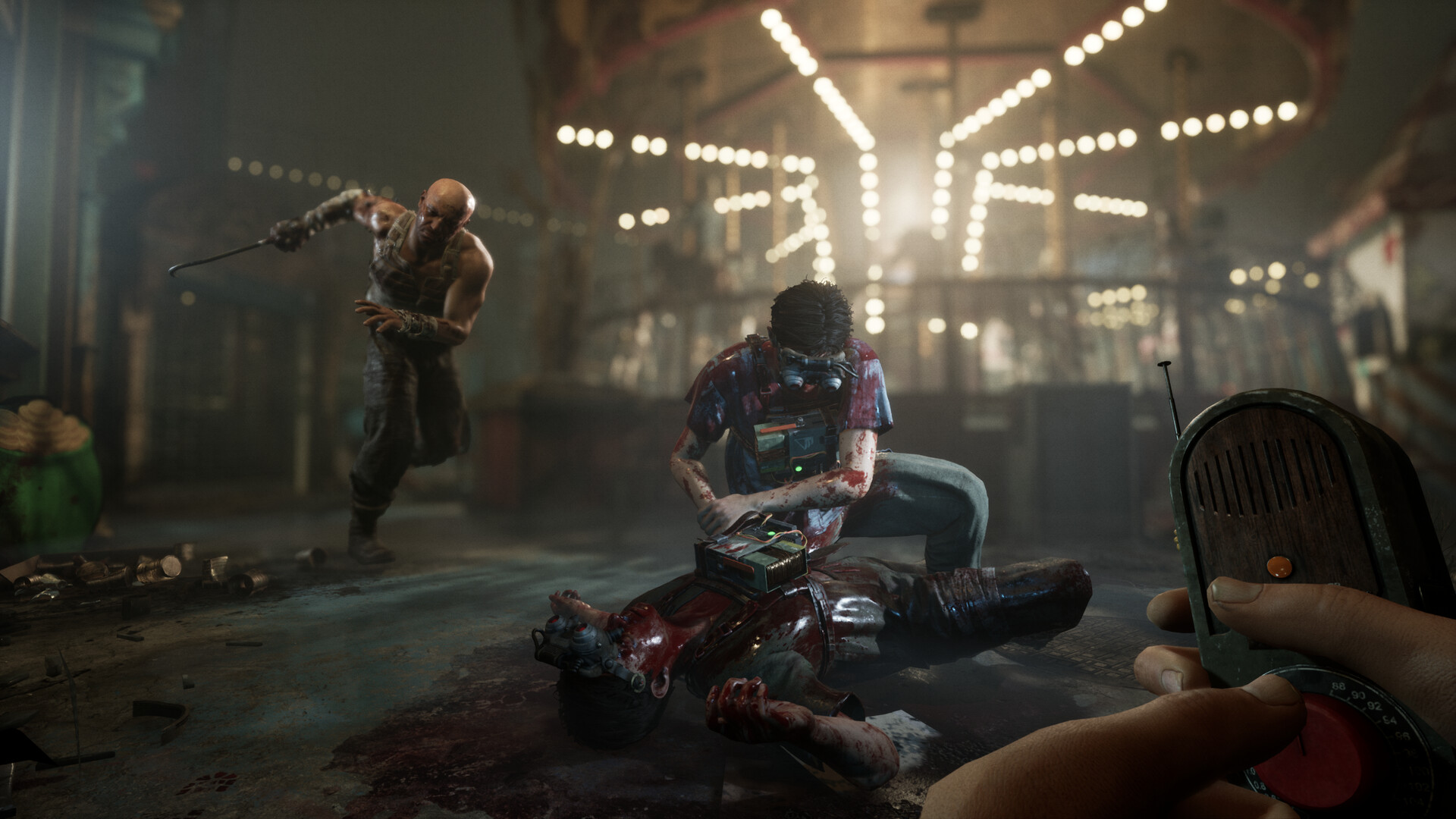
The Outlast Trials. (Image credit: Red Barrels)
In particular, he notes that the game’s playtests, which were already complicated by the COVID-19 pandemic, led the team to realize it “deviated too much” from what players were liking. This approach has clearly paid off, with many players praising the studio for its willingness to listen, communicate and execute on feedback.
“Audience engagement and retention are critical in today’s games industry. Companies that manage these relationships directly gain a clear competitive edge. Red Barrels’ success is rooted in its deep understanding of its fan base,” says Steele. “By building strong connections, listening to player feedback, and delivering on those expectations, the studio has created a compelling, enduring experience that keeps players coming back.”
La Guilde’s Roscanu also praises Red Barrels for staying true to the spirit of Outlast after all this time, even when taking some risks with the sequels.
“Red Barrels didn’t fall into the traps other studios fall into: they built and iterated on their first success. They doubled down on their niche. Studios sometimes try something completely different after their first hit, but they risk alienating their core fanbase,” says Roscanu. “Red Barrels found their niche and built a loyal community, the most valuable assets an indie studio can have in today’s market. The studio took its time to craft their universe, their community. Other studios should also build their IP, staying true to their identity and their fans.”
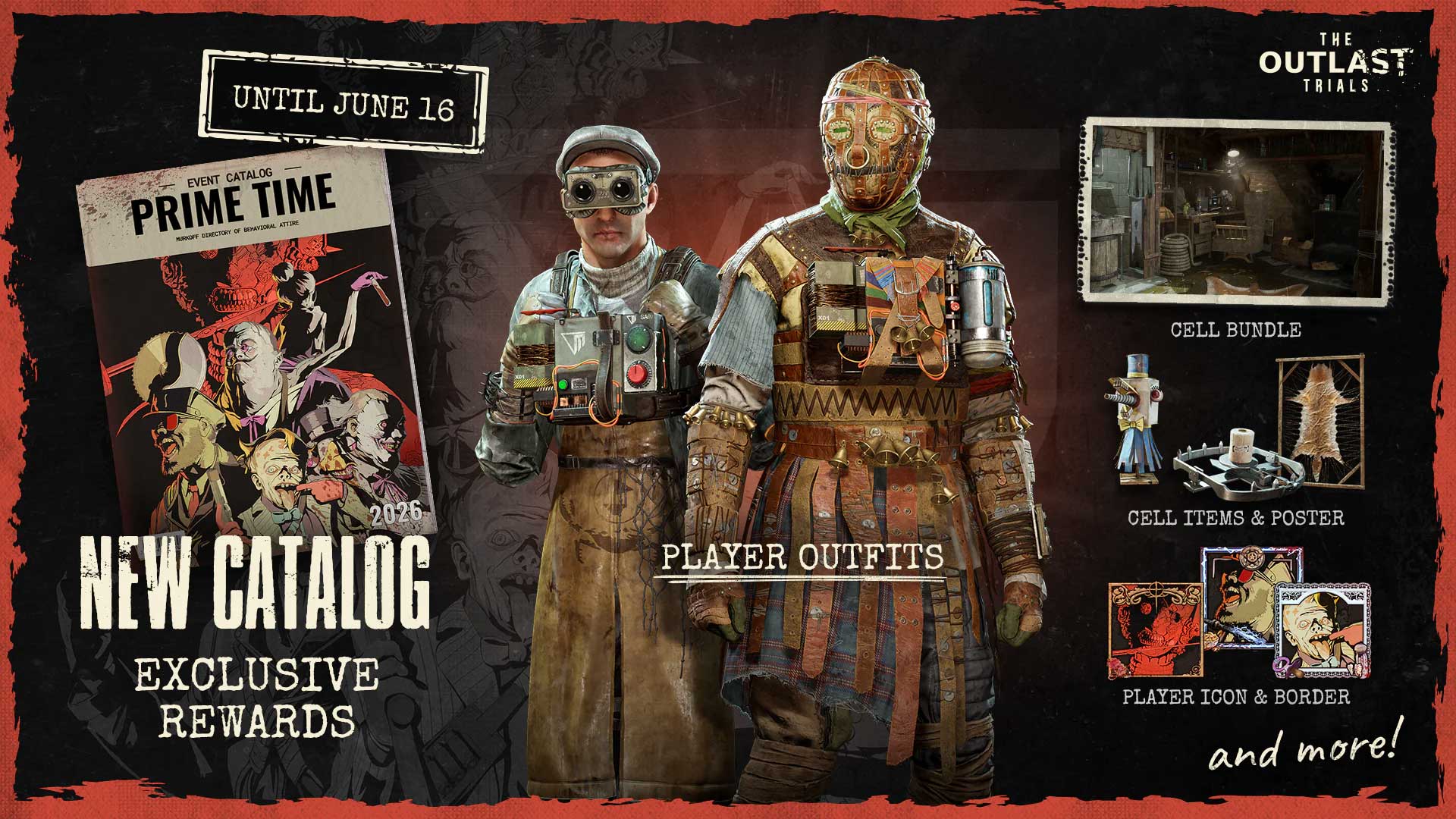
The Outlast Trials‘ latest update. (Image credit: Red Barrels)
Looking ahead, Red Barrels will continue to support The Outlast Trials with new updates, the latest of which, Season 6: Project Judas, launched in March and added a new Trial environment, Scavenger limited-time event and more. Morin also remains coy about a potential Outlast 3 that Red Barrels has publicly teased before, although he does say a bit more about the film adaptation that Lionsgate is making with producer Roy Lee (Weapons) and screenwriter J.T. Petty (who also wrote the games).
“They’re working on a story that comes from us. And like everything else we do, we make sure it’s complementary. It’s hard to answer without saying too much, but I think fans will really enjoy it. They get to find out stuff that is not in the game and could not be in the game,” he says. “It’s super exciting, it’s a lot of fun, and it was a good learning experience seeing how they do it. And it’s moving forward. That’s all I can say. It’s not on the shelf somewhere gathering dust. There are people actively working on it.”
Between The Outlast Trials, a potential Outlast 3, the film adaptation and other media, it’s clear that the series has a lot of life left in it. “We’re just trying to keep [The Outlast Trials] going with more content to keep players excited and keep building that universe,” says Morin. “We’re working hard to make sure everything stays coherent and fits together to create something that feels bigger than its parts.”
For now, though, Morin looks back on Red Barrels’ 15-year journey so far with a lot of Canadian pride.
“The studio was funded by the Canada Media Fund, and now, we are in control of what we are making. I don’t know if it’s Canadian, French-Canadian, or whatever, but I think that’s what created Outlast, and its flavour. It’s why the game is still, to this day, pretty popular. We’re still selling a good number of copies of the first game,” he says.
“And I think it’s because it’s got a flavour that’s different than other games on the market, and that has to come with our situation as French Canadians and our system over here.”
Outlast and Outlast 2 are available on PS4, Xbox One, Nintendo Switch and PC, while The Outlast Trials is available on PS4, PS5, Xbox One, Xbox Series X/S, and PC.
It’s also worth noting that a 15th anniversary celebration for Red Barrels will be held at the Canadian Game Awards on May 21. Those in attendance can check out a special Outlast activation, while a tribute to the developer will run during the awards ceremony itself.
Image credit: Red Barrels
MobileSyrup may earn a commission from purchases made via our links, which helps fund the journalism we provide free on our website. These links do not influence our editorial content. Support us here.