


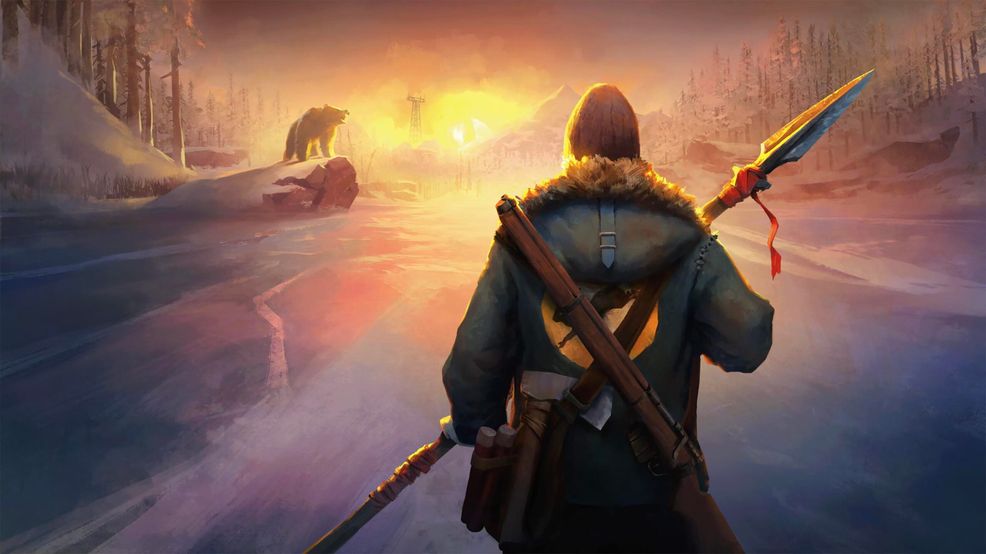
It’s rare to see a game remain popular for over a decade. It’s rarer still for one to come from a Canadian team.
But that’s exactly what Vancouver-based Hinterland has been doing with The Long Dark for quite some time now. After a successful Kickstarter campaign in 2013, an Early Access release in 2014 and an official launch in 2017, the independent developer has been diligently toiling away on its Canadian wilderness-set survival game and sustaining it with steady, well-received updates.
And this week, Hinterland put out a particularly noteworthy expansion to the game. In Episode Five: The Light at the End of All Things, Hinterland brings to a close the “Wintermute” saga that it began all those years ago. The free update follows protagonists Mackenzie and Astrid as they confront the elements and other threats to finally uncover the secrets of the Aurora. Already, the update has led The Long Dark to reach its highest-ever concurrent player count on Steam alone (to say nothing of what its performance might be on PlayStation, Xbox or Nintendo platforms) — a fitting milestone for this climactic chapter.
“It’s no secret to our players that we’ve been working on the Wintermute story mode for The Long Dark for a lot of years, and it was time to bring the story to its final epic conclusion,” says Raphael van Lierop, Hinterland’s founder, CEO and creative director. He notes that Episode 5 pays off a promise made during the original Kickstarter campaign to deliver five narrative episodes, and it comes after “the scope of the game increased massively” to include “a tremendous amount of custom effort” also going into the non-narrative Survival Mode.
The Light at the End of All Things, in particular, marks an evolution for the team in many ways thanks to its far greater focus on narrative and extended, 12-to-15-hour runtime. “Episode Five is the first time we really felt we could focus solely on the needs of the story. Marrying a systems-driven sandbox survival game with the needs of a more linear narrative has always been a challenge, and since we knew Episode Five had to pay service to all the work we’d done in the previous episodes, we gave ourselves the space to build an experience that is all about the narrative,” says van Lierop.
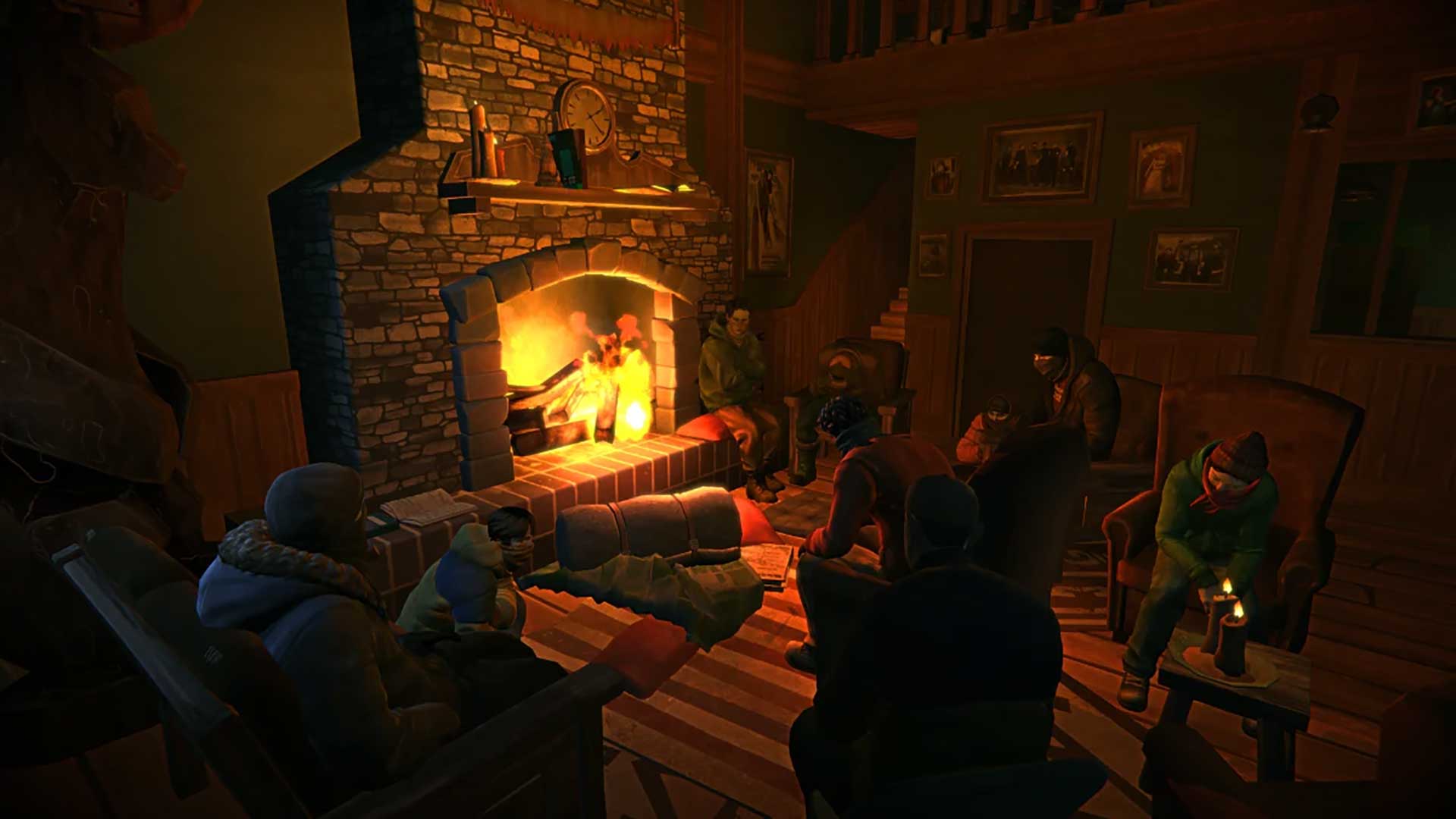
Episode 5.
“We’ve done our best work in storytelling, performances and cinematics, custom gameplay setpieces and original environments, and we’ve provided answers to the mystery of the Aurora, the contents of the ‘hardcase,’ and provided some hints of what the future of humanity might look like. We’ve poured all our lessons and learnings from the previous episodes, as well as our work on Survival Mode and Tales from the Far Territory, to craft our most ambitious episode yet.”
A longer dark
But he’s quick to note that Episode 5 isn’t the end for the world of The Long Dark. In addition to a sequel that introduces co-op, Blackfrost: The Long Dark 2, he teases that other related projects are in the works. “We’re hoping that after the long wait, our fans feel we’ve tied up all the loose ends, concluded the story in a satisfying way, and laid the groundwork for the future of The Long Dark in Blackfrost, and in other things we’ll make in the IP,” he says.
That’s quite a lot of output over a prolonged period of time, so it begs the question: how do you juggle supporting the original game and developing Blackfrost? For van Lierop, dividing Hinterland — most of whom has remained at work on Episode 5, while the rest shifted to Blackfrost — and making its first-ever sequel has become “a huge learning experience” for the team.
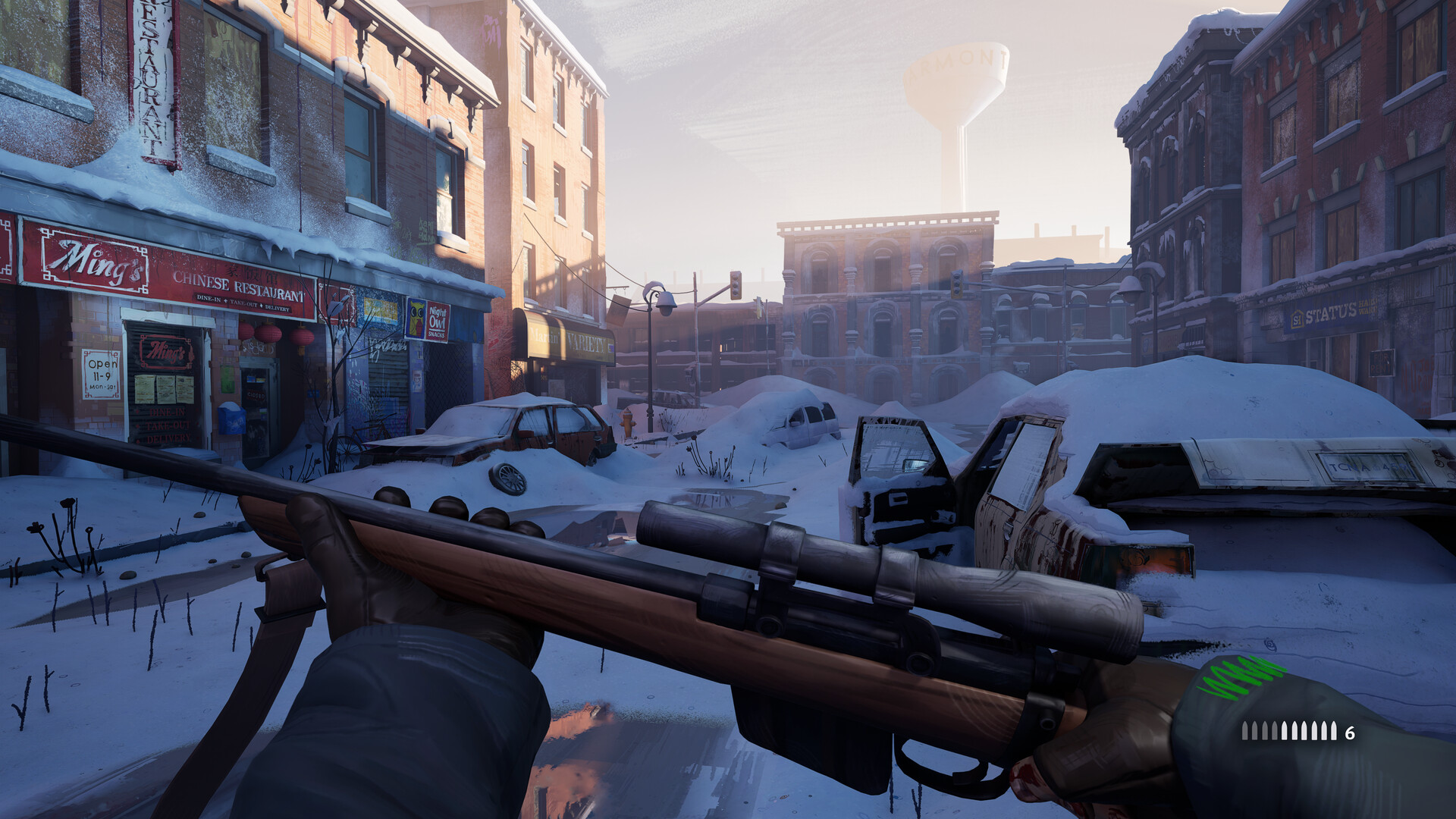
Blackfrost.
For one, he says the shift from Unity for the original game to Unreal Engine 5 for the sequel has “required a ton of learning” at Hinterland. “We basically had to relearn how to make a game. Then, we started with a concept for Blackfrost that was co-op only, and worked on that for a while. Then we felt we’d strayed too far from the TLD formula and realized we needed to retain the solo heart of the game but also needed co-op to evolve the experience of survival for our players,” he says.
“This is the first time I’ve worked on a sequel and to work on a sequel of your own work is a truly perplexing experience. So many things from the first game that you’d like to fix in the second, but should you? Everything you touch, you want to innovate and push forward somewhat. The art to it is in understanding how far to push things without breaking them. This is something we’re working on every day, striving to find that balance.”
Then, of course, there are logistical and bandwidth challenges to navigate when balancing multiple projects, which van Lierop says are “hugely complex and require a shift in culture and processes” within the studio. “We’re a team that puts a lot of stock in the importance of our culture and values and I’d say trying to push both of these projects forward at the same time has really tested us. But I think we’re getting closer every day. Our focus is on the notion of ‘constant exploration,’ and that applies equally to our work as it does to our games.”
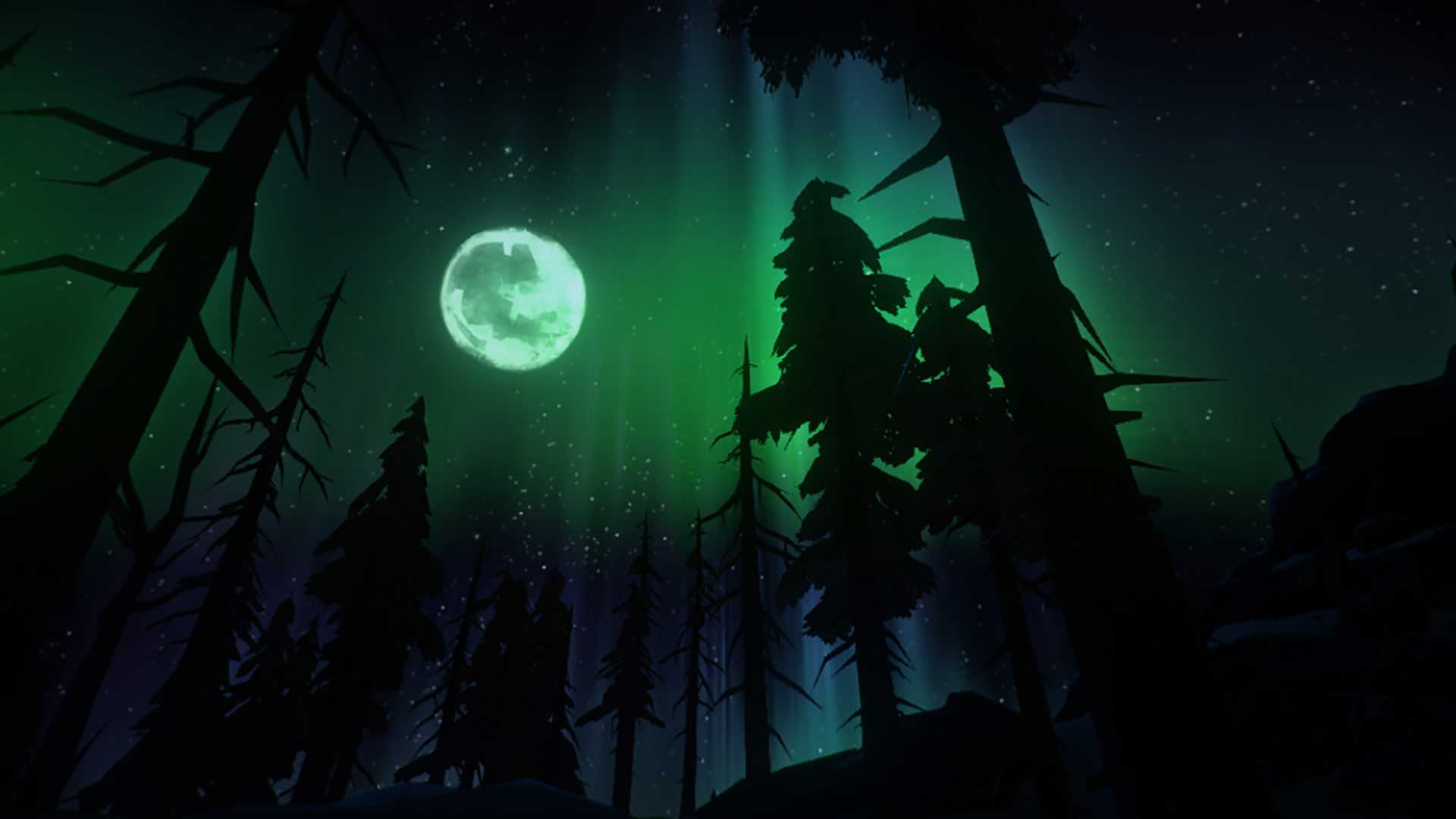
He says that focus on culture, values and exploration have helped the team navigate many obstacles over the years, especially those you wouldn’t generally see in a traditional single-player game where the developers move to another project after release.
“How do you keep people engaged and passionate about their work? How do you keep the player community invested and intrigued about what you are building now and what the future might bring? How do you ensure you don’t break your own game or alienate your player base, who is changing at the same time as they are growing, becoming more diverse in their tastes and interests? These are challenges that are unique to games that live and evolve for years and years, with super dedicated fans,” he says.
“I think ultimately it comes down to having a very clear vision for your game, the ability to communicate that direction effectively while involving others in the creative process, and being honest and forthcoming with your players so they never have a reason to doubt you. These are all pithy statements but each one on its own represents a tremendous amount of effort and requires a lot of courage. It’s a triumph of the team and of the player community both that we have made it this far together.”
Representing and supporting Canada
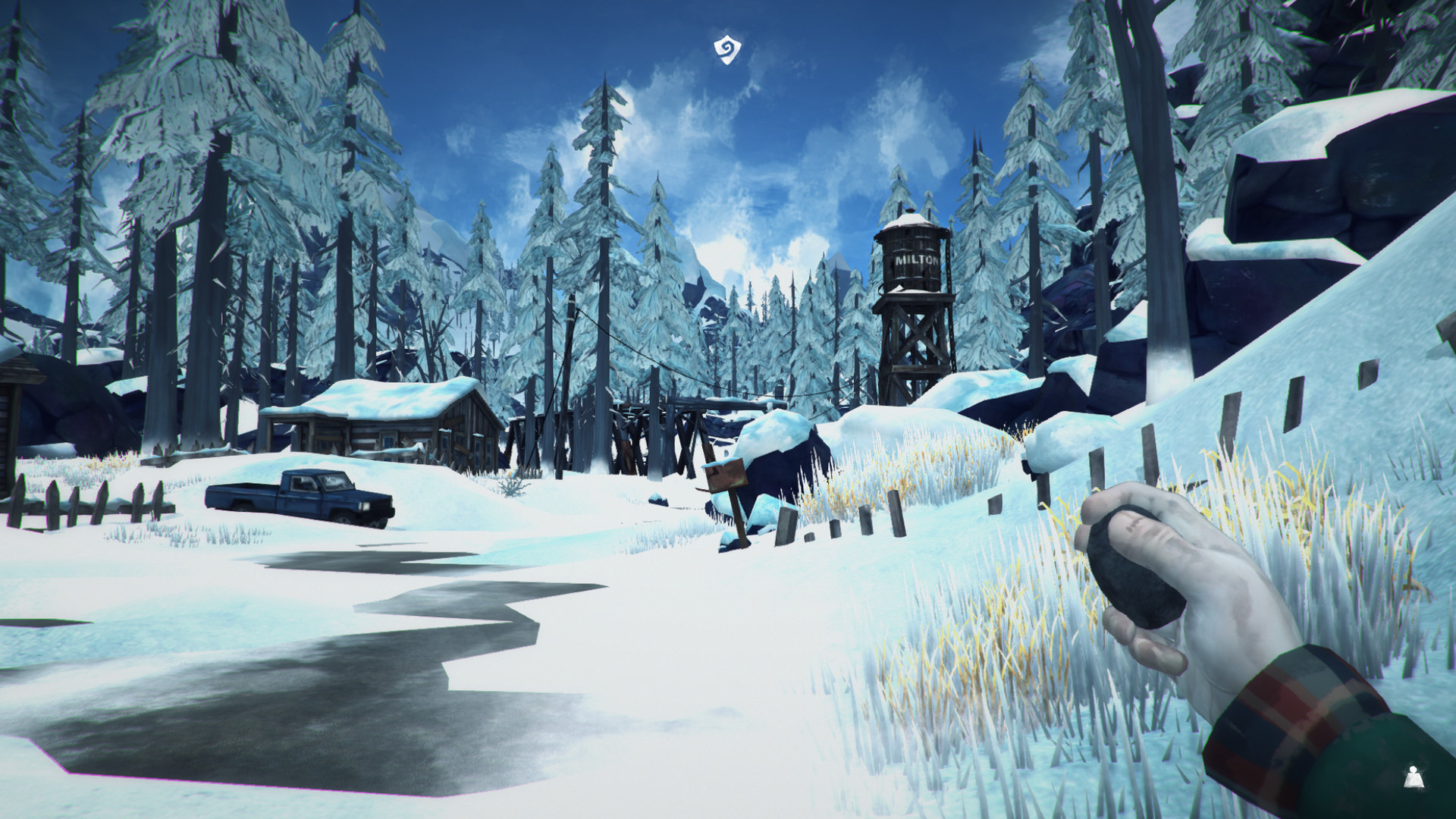
But above all else, what makes The Long Dark so notable is that it’s such a quintessentially Canadian success story. That’s because the team made the commendable — and all-too-rare — decision all those years ago to set the game on a fictional island off the north-western coast of Canada, even when, as van Lierop once admitted to CBC News, the more “marketable” move would have been to go with a setting like Alaska. It all stemmed from van Lierop wanting to capture the beauty of the nature surrounding Vancouver Island in a video game.
And in the years since, the game has featured a stellar all-Canadian cast that includes Mass Effect‘s Jennifer Hale and Mark Meer, Metal Gear‘s David Hayter, and Deus Ex‘s Elias Toufexis. Even amid all of the success, it was important for van Lierop to stay true to that Canadian identity. “When I started Hinterland, my first rule was that I wouldn’t make a game I didn’t believe in. Second was I would set a game in Canada, even if that made it less popular. Fortunately for The Long Dark, it didn’t make the game less popular. In fact, it gave the game a unique identity,” he says.
“Then working with as many talented Canadian actors as possible was just part of what felt right about a game that is deeply Canadian. All our actors are Canadian. I don’t know if wearing your ‘Canadian-ness’ on your sleeve would work for every game, and it might not even work for every game we make at Hinterland, but it sure works for The Long Dark. And as long as I’m making games and as long as Hinterland continues to exist, we’ll always find a way to weave some bit of Canada into our work.”
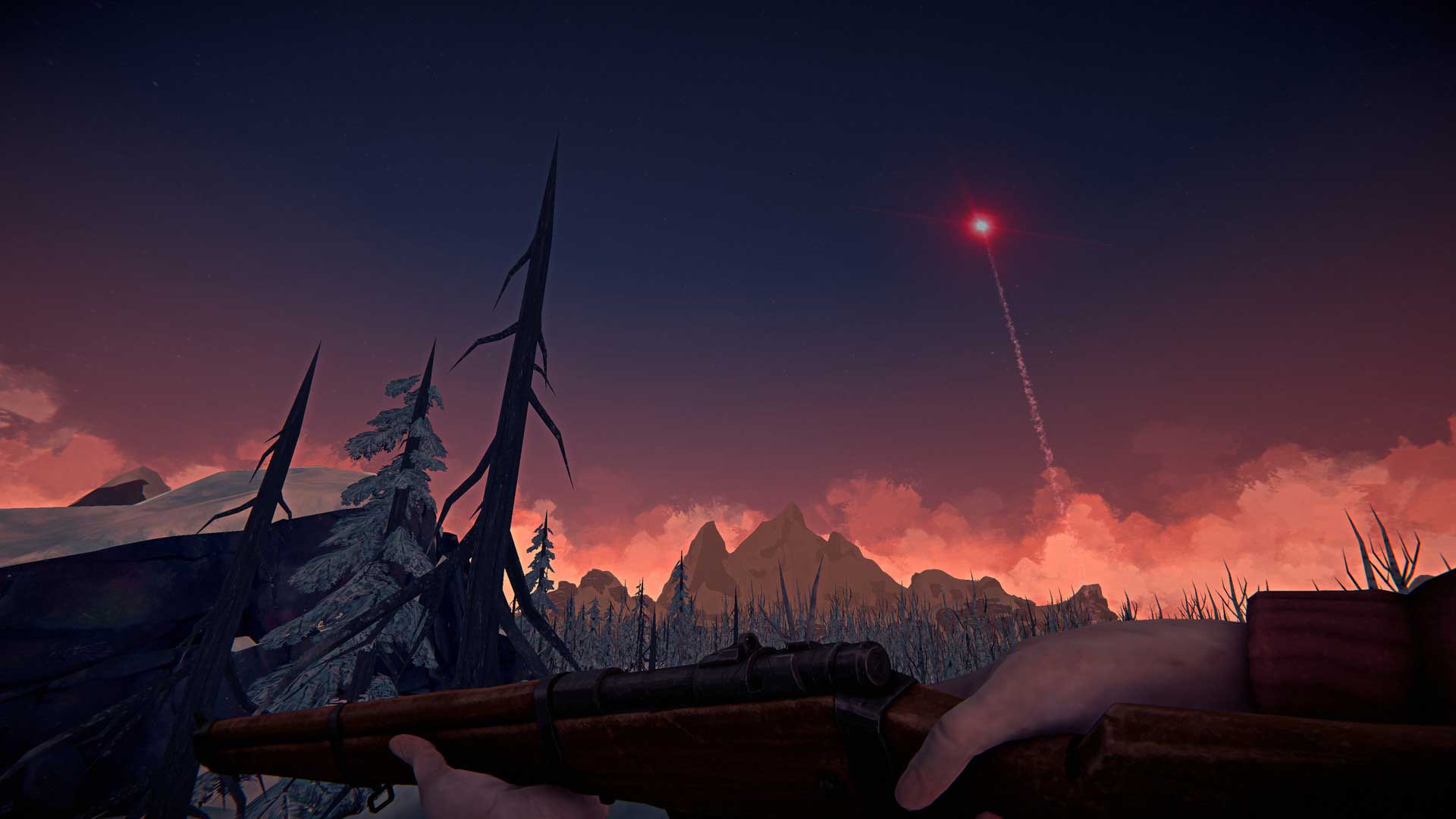
Over the years, he says he hopes players have taken away a few things about Canada through its depiction in The Long Dark. “That ours is a vast and beautiful country, much of it can kill you, and it’s only by working together and taking care of each other that we can ultimately succeed, and survive. You won’t make it alone,” he says.
That sentiment of Canadians working together extends to van Lierop’s work outside of games, where he’s been very vocal about supporting local talent and offering suggestions on where our $5.1 billion gaming industry can improve. In particular, he’s called for a Canada-centric games investment fund, given that the majority of the big players here, like Ubisoft and EA, are foreign-owned entities. He admits that the response to his outreach has been “pretty lukewarm,” which he attributes mostly to “ignorance” and a “lack of confidence or courage” from investors. Going forward, he says he’d love to see more examples like Behaviour Interactive, the Montreal-based Dead by Daylight maker that has remained independent for over 30 years.
“Behaviour is one of the rare success stories of Canadian studios competing on the global scale for money and growth ambitions. But we need ten more Behaviours to really move the needle, and they need to be dedicated to growing the Canadian industry,” he says. “We need a lot more publishers with less predatory business models to give our new and smaller independent studios a fighting chance without extracting all their value. We need to offer devs a viable path to keeping their games and studios within Canada. There’s still so much to be done.”
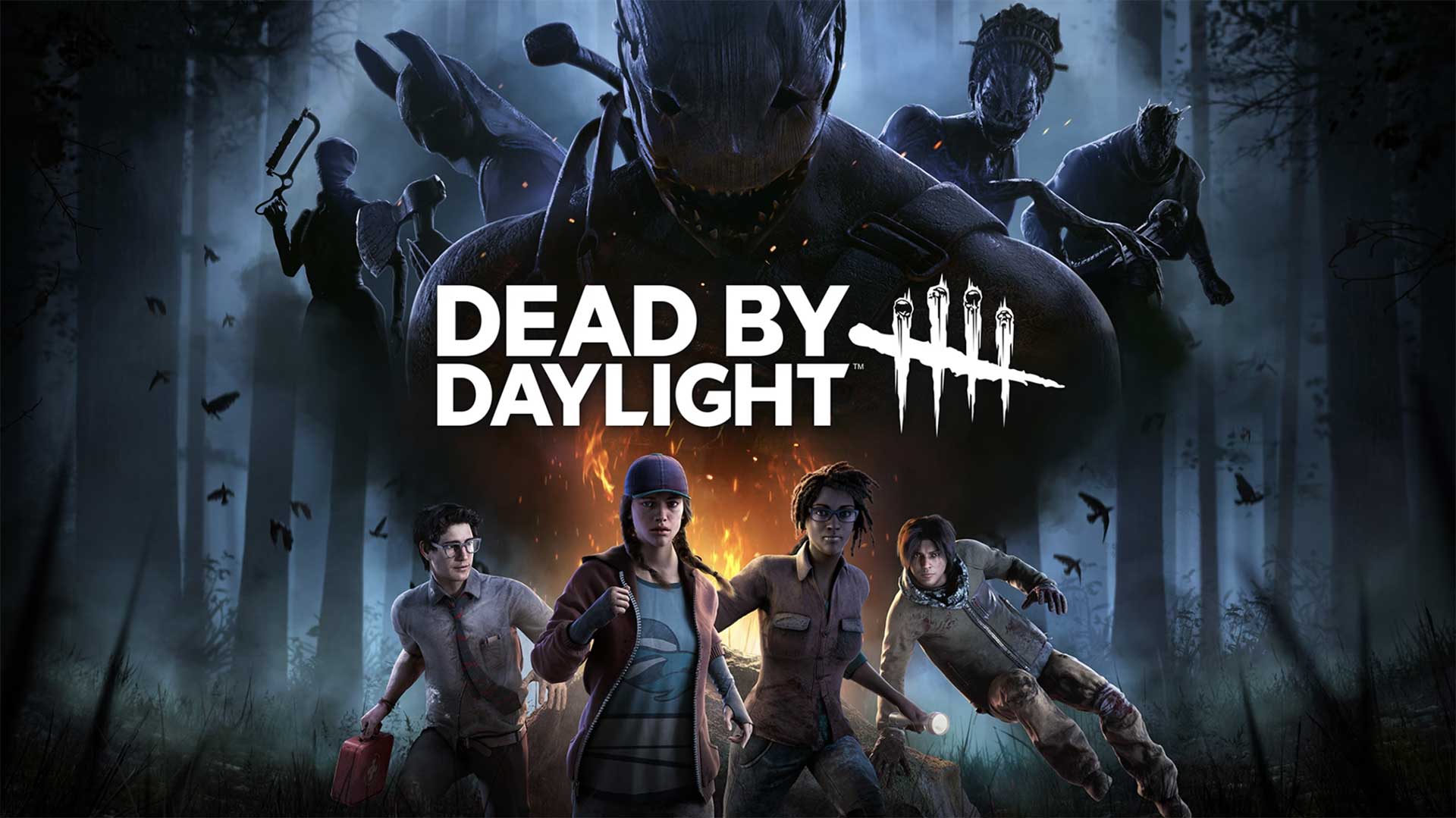
Dead by Daylight, developed by Montreal’s Behaviour Interactive. (Image credit: Behaviour)
But for now, at least, van Lierop says he’s encouraged by the growing trend of other developers besides Hinterland focusing on Canada in their games. Over the past couple of years, we’ve seen the games like 1000xResist, Venba, Scott Pilgrim EX, Capy Castaway, North Shore, and Retroronto being set in Canada, and he’s hopeful that more people will follow suit.
“We’re seeing more and more Canadian productions putting Canada front and centre, with stories and production values that rival anything else out there. And the level of quality and creativity in the independent game scene in Canada is just staggering […] Every platform you consume entertainment on will prioritize non-Canadian content first, so you have to go out of your way to seek these creators out and reward them by spending money on what they make. It’s the only way,” he says.
“Hopefully Canadians are waking up to the reality of how exploited and sidelined we’ve been, and how much we’ve been the architects of our own creative demise, and that we’re the only ones that can change it. And we will change it. But it won’t be easy. It needs to be done intentionally and with a sense of pride. I do think Canadians are starting to see themselves more distinctly in the world, and hopefully, that sense will start to permeate what you see from our creators. We definitely have the talent to do it. We just need the confidence and the willingness to put Canada out there.”
The Long Dark is available on PS4, Xbox One, Nintendo Switch, PC and Mac. Blackfrost doesn’t yet have a release date, but it’s set to launch first in early access. You can wishlist the game on Steam.
Image credit: Hinterland
 Features
  Sponsored
  Features
  Features