


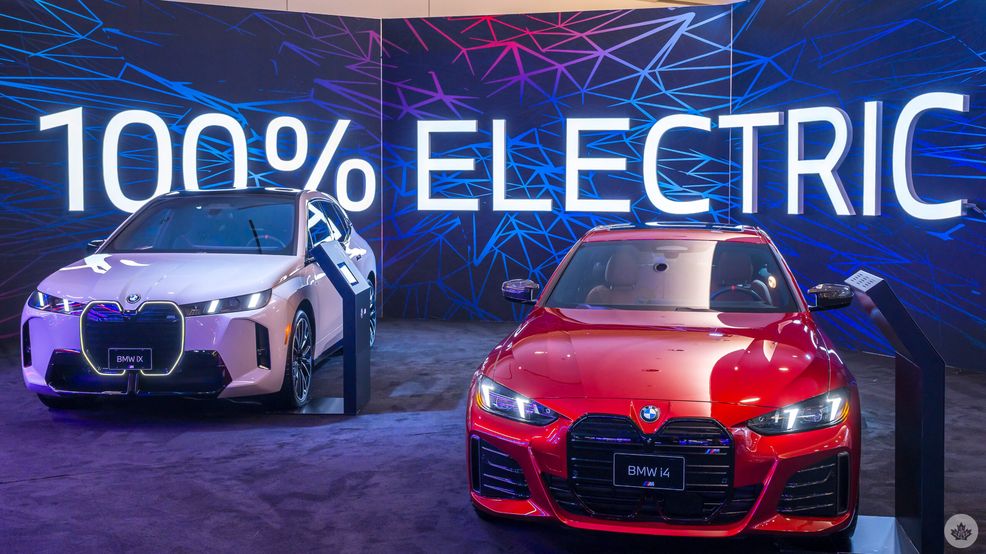
Electric vehicles continue to play a big role in what automakers are showing at the 2026 Canadian International Auto Show (CIAS) in Toronto from Feb. 13-22.
The timing comes soon after the federal government scrapped the previous EV mandate requiring all car sales to be electric by 2035 — a move automakers openly welcomed. In turn, a new rebate program offering up to $5,000 for EVs and up to $2,500 for plug-in hybrids is replacing that policy. The catch is that vehicles can only qualify if they cost under $50,000 and are manufactured by countries that have free trade agreements with Canada.
That includes the U.S. but not the incoming Chinese EVs, which won’t be eligible for the rebate. Yet another catch is that these figures are only available for 2026, as the policy states that rebates incrementally drop until the program ends in 2030. One benefit is that the government waives the $50,000 price cap if the vehicle is made in Canada.
Prime Minister Mark Carney announced the Liberal government is also launching a new $2.3-billion program to offer consumers and businesses purchase or lease incentives of up to $5,000 for EVs and up to $2,500 for plug-in hybrids.
These details form a backdrop for some of the standout EVs and technologies that will be on hand at the show.
Hyundai Ioniq 6 N
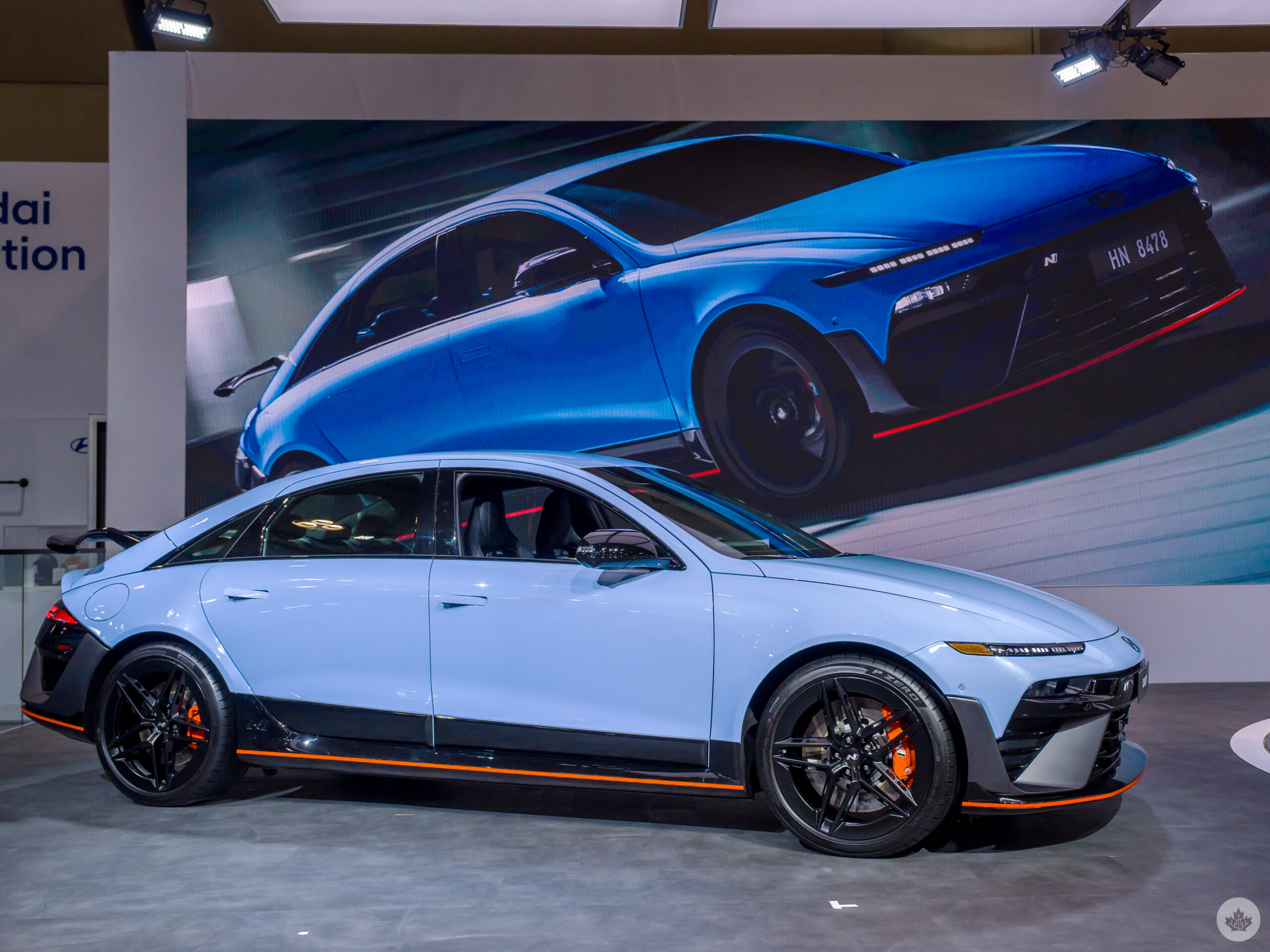
The Hyundai Ioniq 6 N shares the same underlying platform as the standard Ioniq 6, only the N model sports different front and rear bumpers, side skirts, and a redesigned rear end that ditches the full-width light bar in favour of distinct tail lamps. It’s also lowered with a subtly (and by subtly, we’re talking millimetres) longer wheelbase through revised front suspension components to improve stability for a smoother drive.
It also borrows the same dual-motor powertrain from the Hyundai Ioniq 5 N, going up to 641 horsepower when engaging N Grin Boost, enabling it to hit zero to 100km/h in just 3.2 seconds. To create that sense of speed, the N e-Shift system works with Active Sound Plus to give the car the impression of a sporty muscle combustion engine vehicle by simulating gear changes, revving and shift points. A new N ambient lighting system is supposed to complement all that. Other elements, like bolstered N bucket seats (heated and ventilated), a different N steering wheel, aluminum pedals and N-specific badges add to the unique differences here. It doesn’t appear Hyundai is changing anything in the infotainment system.
It’s also not clear if there will be any particular contrasts when it launches in Canada in Q2 2026, but based on known specs, the 84kWh battery can hit a range of up to 375km. That’s lower than the standard Ioniq 6, but that’s to be expected given the N model has more power. Plug it into an ultra-fast 350kW DC charger and you could go from 10-80 per cent battery life in 18 minutes. Finding those chargers is the hard part. The good news is brands are jumping on Tesla Superchargers through included adapters and network support.
The final unique element lies in the Performance Blue Pearl finish, a fresh take on Hyundai N’s signature colour, including pearlescent highlights visible under certain lighting.
Toyota C-HR
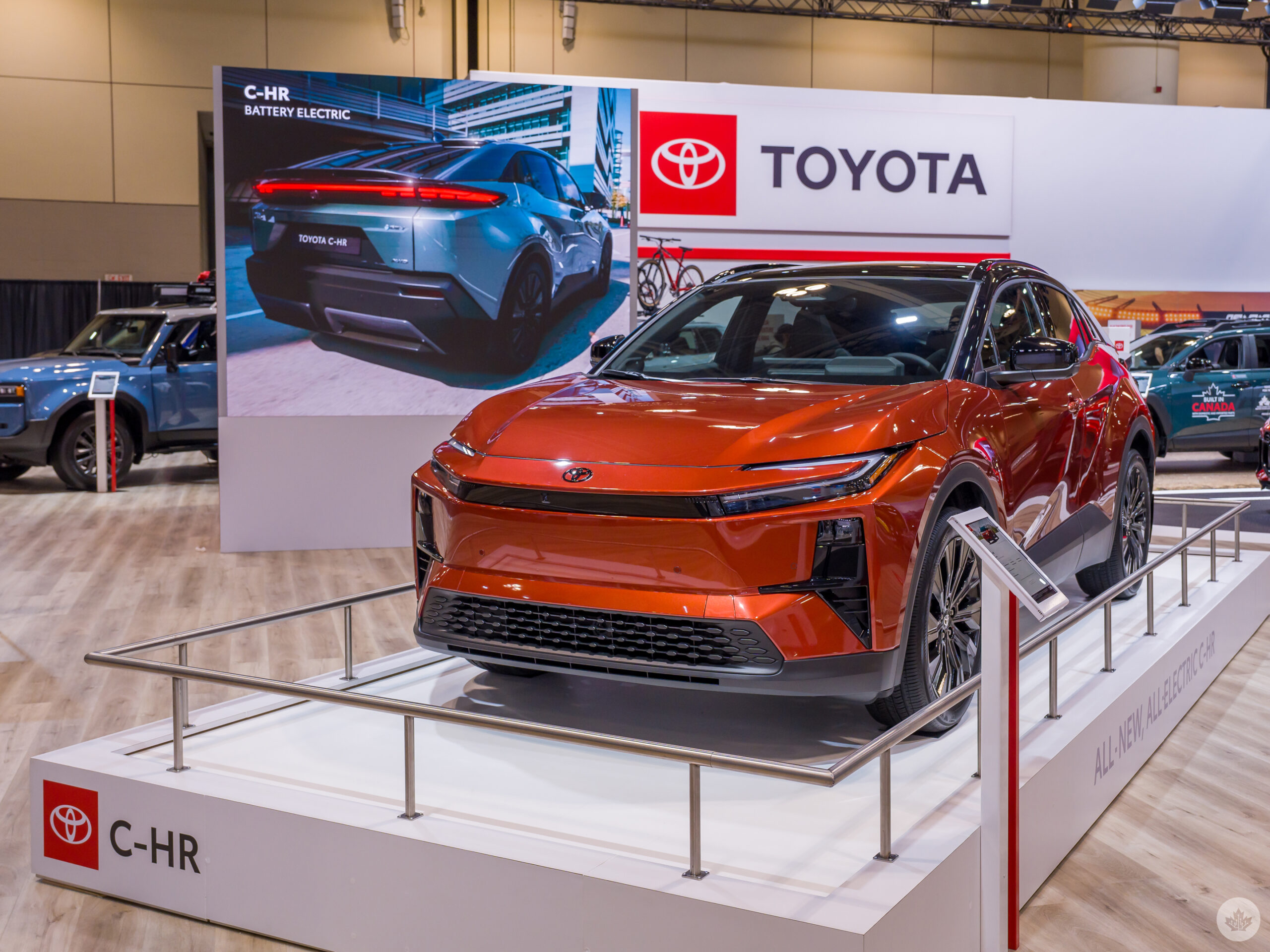
This one is interesting because it marks a change in direction for the 2026 Toyota C-HR. Previously built as a hybrid crossover SUV, it will return to the Canadian market as a fully-electric compact crossover built on Toyota’s dedicated e-TNGA EV platform.
Now, as an all-out EV, Toyota says it will offer the C-HR in both front-wheel-drive and all-wheel-drive configurations. As expected, the single-motor FWD version (221 horsepower) places more emphasis on efficiency, while the dual-motor AWD (338 horsepower) is more performance-driven. Range estimates for the 77kWh battery could hit as high as 496km for the FWD and 452km for the AWD. Naturally, those numbers shift based on extremes in Canadian weather.
The C-HR adopts the North American Charging Standard (NACS), opening up access to more DC fast-chargers. Ideally, that would mean a 10-80% charge in roughly 30 minutes, primarily driven by battery preconditioning to prepare it in colder temperatures.
Inside, a 14-inch touchscreen and digital gauge cluster will stand out on their own, with the infotainment system enabling wireless Apple CarPlay and Android Auto, plus dual wireless charging pads. It’s not entirely clear when Toyota will launch the vehicle in Canada, though it is set to happen sometime in 2026.
Kia EV4
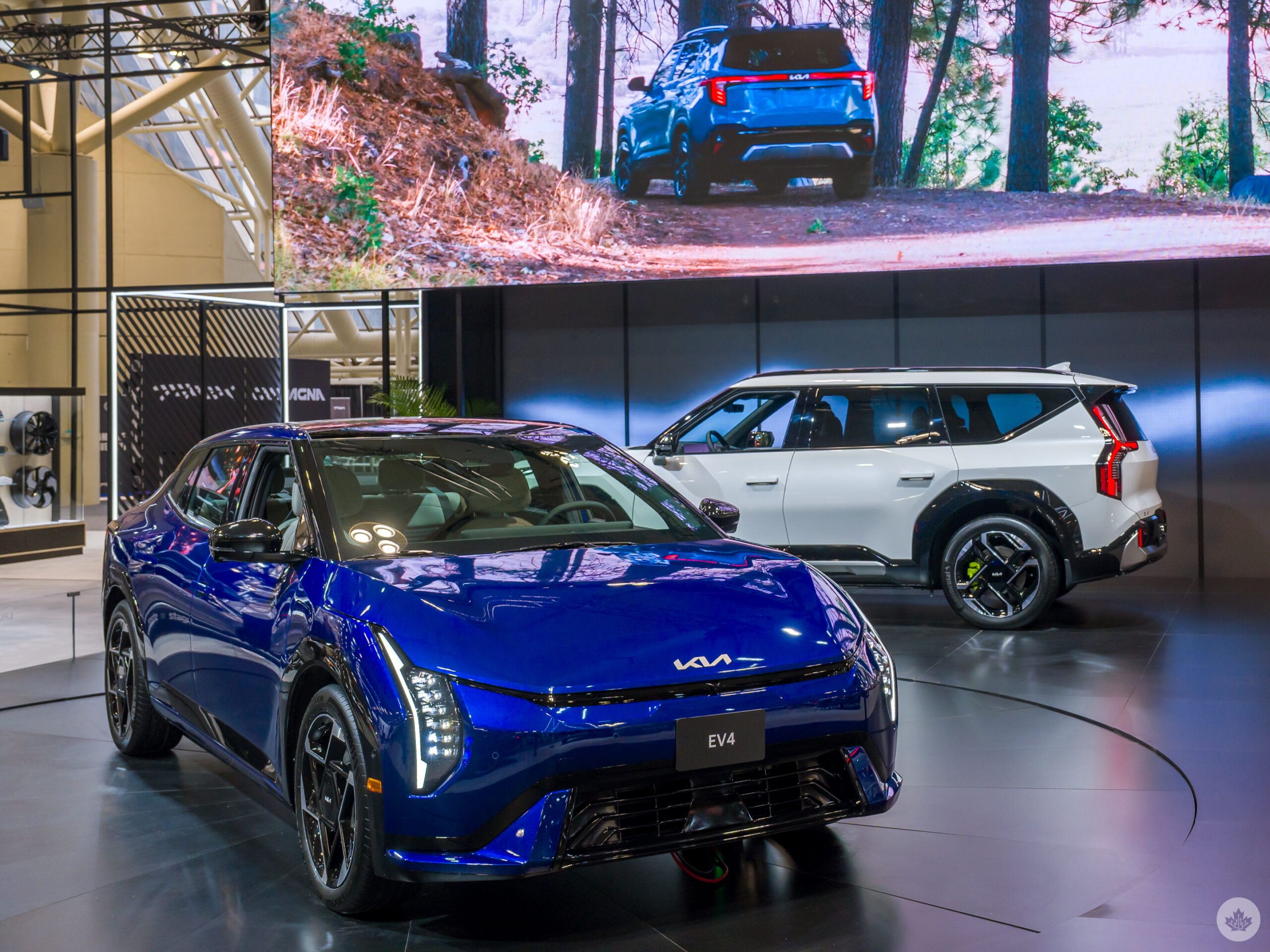
The 2026 Kia EV4 is more of a compact sedan (some markets are getting it as a hatchback) built on Kia’s E-GMP electric platform. Despite the nomenclature, this sets it pretty far apart from the EV6 and EV9, which are SUVs. It will come in two battery options. The entry-level Light trim has a 58.3kWh battery delivering an estimated 395km of range on a full charge, while the larger 81.4kWh battery trims like Wind and Wind Premium could go as far as 550km. There will be variances in trims and wheel size that can affect those numbers, so time will tell where all this lands. Regardless, every EV4 comes with the same NACS port for broad access to fast charging networks.
No major surprises in charging numbers, as the EV4 falls in the same 30-minute timeframe for recharging from 10-80% at a compatible DC fast charger, depending on battery size and conditions. Under the hood, the EV4’s electric motor produces around 201 horsepower for a front-wheel-drive model, which will come out first before an all-wheel-drive variant hits the Canadian market sometime later in 2026.
Inside the cabin, the 12.3-inch touchscreen serves as the infotainment centrepiece, with full access to CarPlay and Android Auto. The digital cluster is also a 12.3-inch display in front of the driver, plus a smaller 5-inch screen purely focused on climate control. As is now standard with other automakers, the system also supports over-the-air updates to fix bugs and bring in new features.
The EV4 is already available for pre-order and set to hit dealer showrooms in the coming weeks. Pricing starts at C$38,995 for the entry-level Light FWD Standard Range trim, going up with the other trims that will be available. The plan is to make as many of them eligible for the new federal rebate as possible.
Cadillac Optiq-V
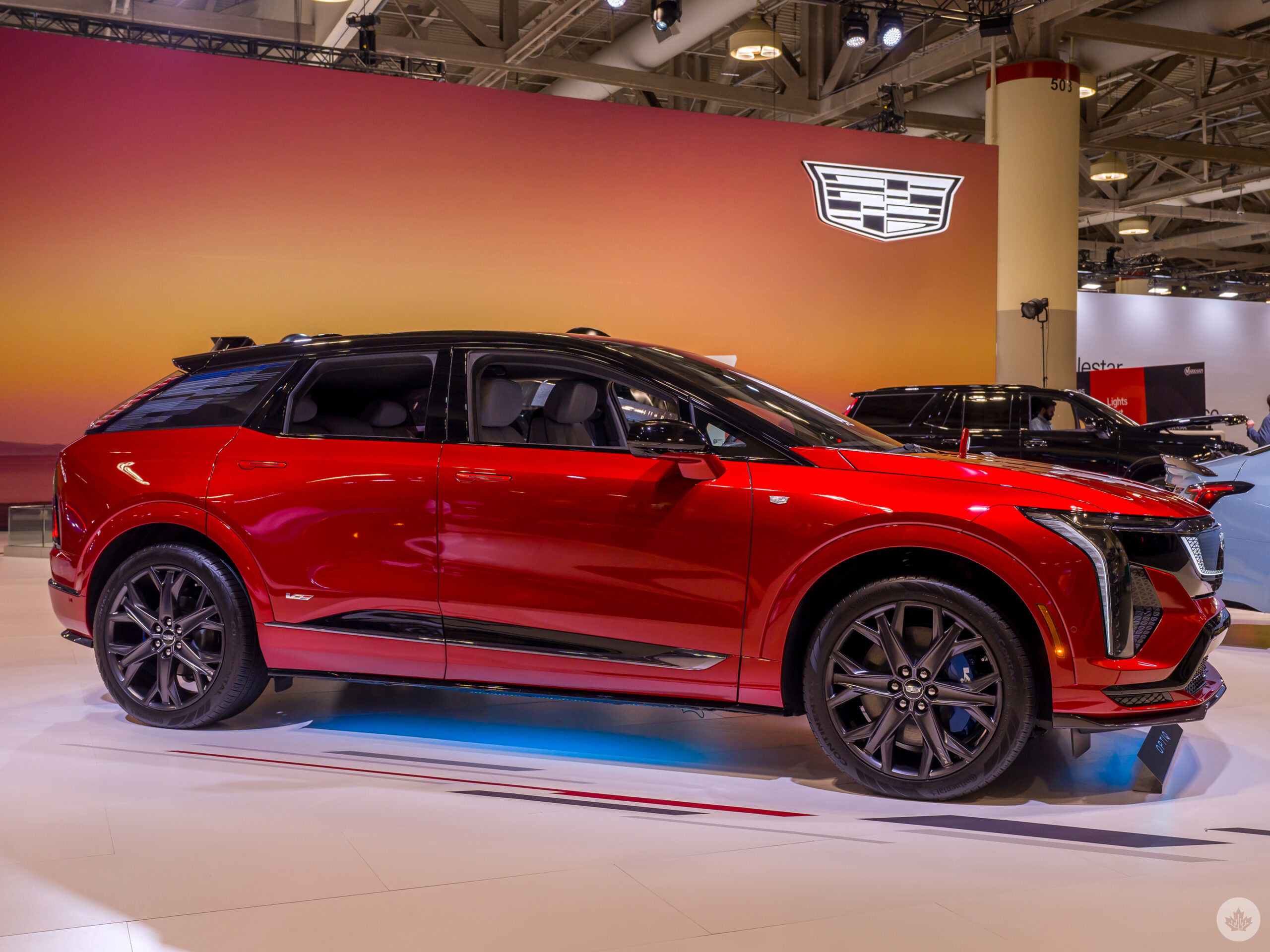
If the Escalade IQ is too much, the 2026 Cadillac Optiq-V is to stand out as an alternative. It uses GM’s Ultium electric architecture and an 85kWh battery with a dual-motor all-wheel-drive system tuned to deliver about 519hp and 650lb-ft of torque. That extra power comes through Cadillac’s “Velocity Max” mode to accelerate from 0–96km/h in 3.5 seconds, so the clear intention is to make this thing move quickly.
Despite that, the Optiq-V will run into stiff competition when it comes to range and charging performance. At an estimated 447km on a full charge, the overall number looks good but is lower than some competing electric SUVs — probably owing to the focus on speed and power under the hood. With full support for the NACS port, including Tesla Superchargers, the peak charging rate tops out at 150kW, which is also a very modest limitation at this stage. That translates to a 10-80 per cent charge in over 30 minutes. GM’s Ultium platform uses an 85kWh battery that actually limits the charging speed due to lower voltage, so it’s unclear how long it can maintain the peak charge.
Inside, there’s a monstrous 33-inch display system that spans much of the dashboard, along with a 19-speaker AKG Studio Audio System with Dolby Atmos. As expected, the brand’s Super Cruise Level 2 autonomous driver-assist system is on board, so one of the most effective self-driving platforms comes standard here. Interior trim options include unique V-Series cues, carbon-fibre accents, and ambient lighting tied to driving modes to highlight the vehicle’s sport-luxury positioning.
Pricing starts at $82,242, and manufacturing won’t be based in Canada, but rather in Mexico. Thus, rebates may not apply to this one. Availability started late in 2025, though the rollout into Canada is continuing into early 2026.
BMW iX3
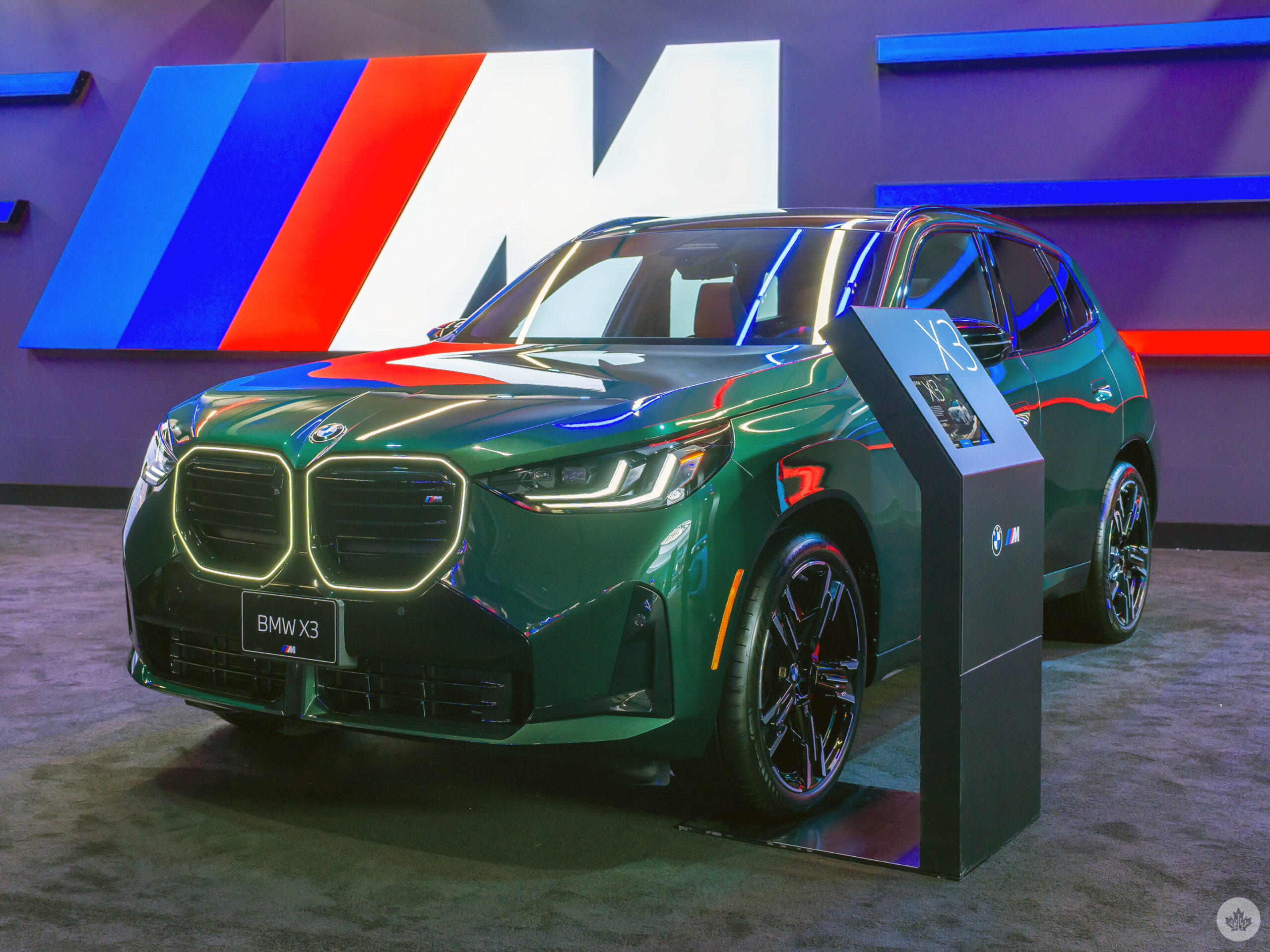
As part of the brand’s new “Neue Klasse” generation, the BMW iX3 is a flagship built on BMW’s 800-volt architecture with sixth-generation eDrive technology. That means dual electric motors in an all-wheel-drive configuration producing 463hp and 476lb-ft of torque, so it should be fast and smooth.
BMW estimates range of up to around 650km on a full charge, placing it quite high among the longer-ranged EV SUVs available today. Ultra-fast charging support allows for peak DC rates up to 400 kW, theoretically recharging the battery from 10-80 per cent in roughly 21 minutes through a high-power charger capable of doing that — still a rare find in Canada.
Inside, the iX3 debuts BMW’s Panoramic iDrive infotainment system, which merges a driver-focused digital cluster and interface with advanced connectivity and intuitive controls. Supporting this is something BMW calls the “Heart of Joy.” Plus, the iX3 is among the first vehicles globally to integrate Alexa+ in the cabin for a unique driver experience tied to Amazon’s newest voice platform.
It’s expected in Canadian showrooms in mid-2026, with pricing and full trim details to be announced closer to launch.
Ford Mustang Mach-E California Special
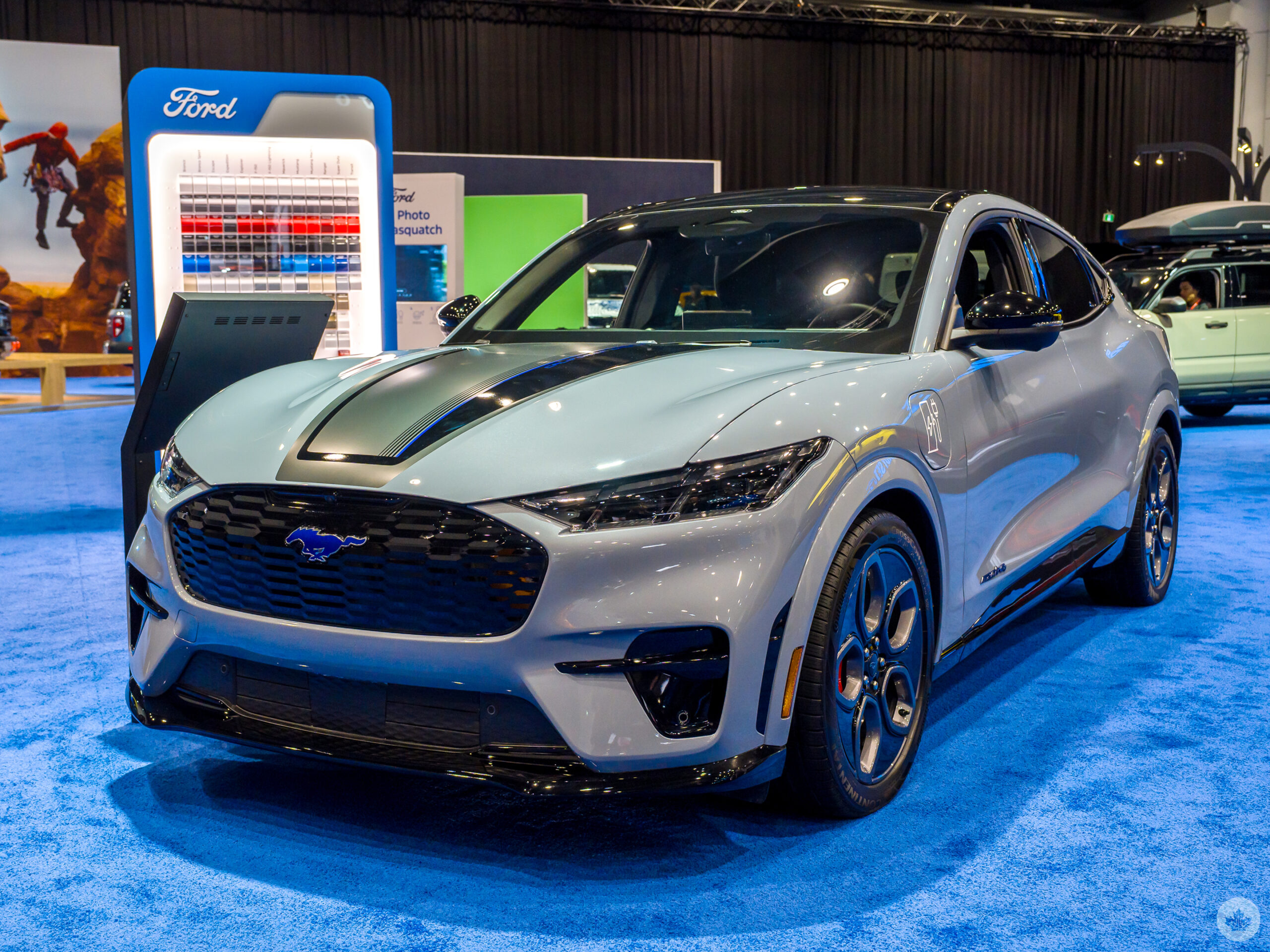
The Ford Mustang Mach-E GT is already available, but the California Special takes that into a heritage-inspired package that brings the most recognizable Mustang name into the electric era. The California Special badge goes back to classic Mustangs from the late 1960s released at the time as a way to celebrate the car’s popularity on the West Coast. This model takes that premise and applies it exclusively to the all-electric Mach-E GT trim.
Unique 20-inch wheels in a dark finish carry special GT/CS branding, and the hood features a graphic treatment inspired by layered sunset tones. An illuminated front pony emblem adds a subtle but modern lighting signature that clarifies this is very much an EV. Inside, Navy Pier ActiveX seating features blue trim and silver accent striping, along with other ancillary interior details to make it just a little sportier and more bespoke without changing everything.
Under the hood, the California Special doesn’t introduce anything new in performance. It has the same dual-motor all-wheel-drive setup, hitting 480 horsepower and up to 700lb-ft of torque when equipped with the available performance package. The 450km range remains in line with the standard GT as well.
More an ode to Mustang lore than a different take on the brand itself, the California Special seems more about proving that this unique Mach-E GT can stand in as a limited edition EV muscle car that looks the part.
Hyundai Crater Concept
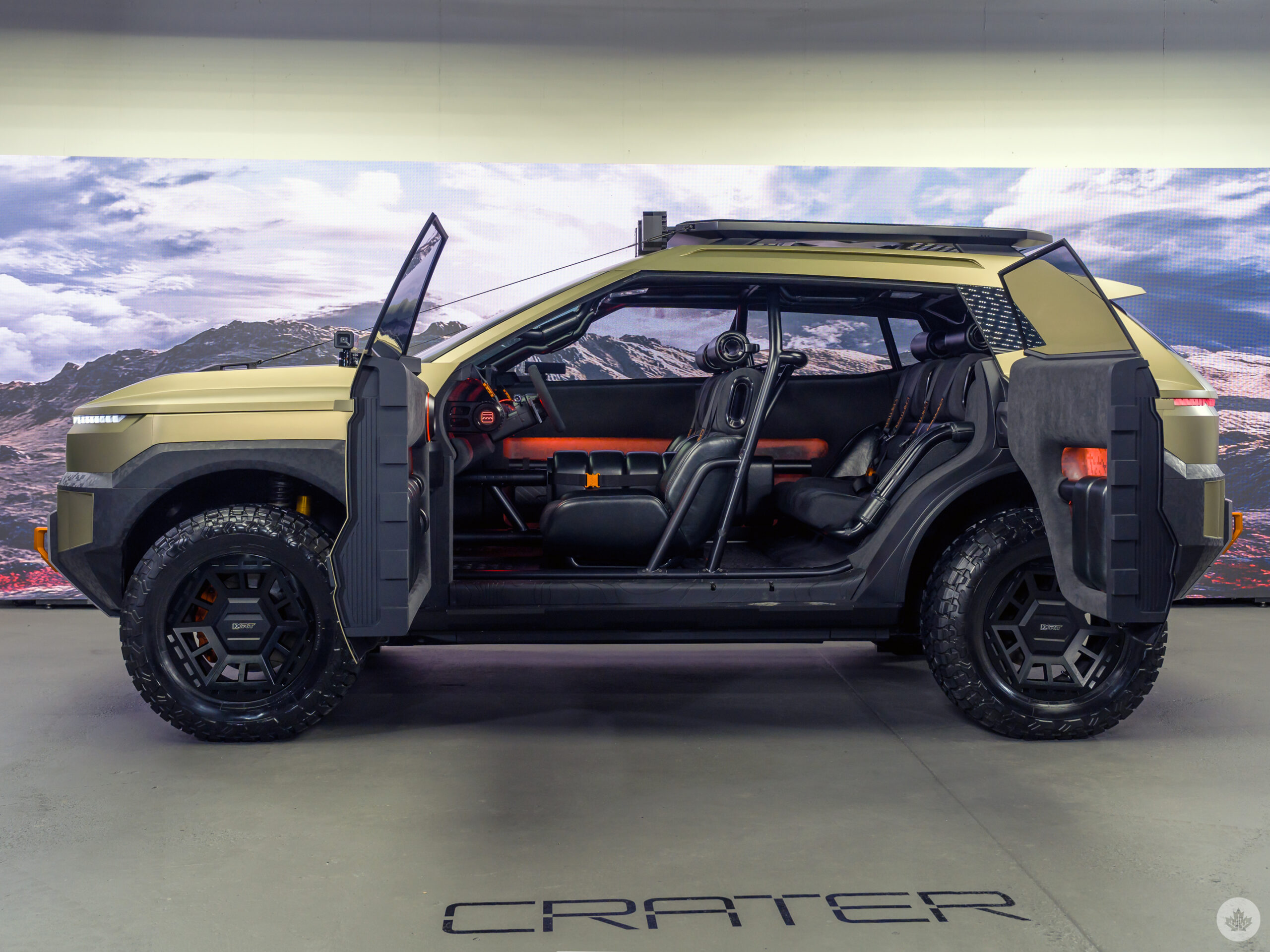
The Hyundai Crater Concept is exactly that — a concept off-road vehicle within the brand’s XRT family and built at the Hyundai America Technical Center in Irvine, California. Up close, it’s an interesting design that almost looks like a cross between a dune buggy and a smaller, armoured personnel carrier. Hyundai calls this the “Art of Steel” body. The vehicle’s green-gold matte finish and anodized orange accents give this a distinctly outdoor look.
Its 18-inch hexagon-faceted rims and 33-inch all-terrain tires give it plenty of ground clearance for all sorts of terrain, while a wide functional skid plate and detailed roof platform hint at trail capability and support for adventure gear.
Inside, the Crater Concept takes a very different approach by eschewing a traditional fixed screen in favour of a “Bring Your Own Device” (BYOD) setup. There are removable small screens that show different informational details, but the idea is to integrate phones and tablets in ways that aren’t entirely clear yet. Otherwise, there’s a full-width head-up display that projects key information directly into the driver’s line of sight.
The interior takes plenty of cues from off-road vehicles, like an integrated roll cage, exposed grab handles, and wraparound supportive seating to give it a rugged personality. The orange accents and lighting all over the interior make for a nice aesthetic inside, punctuated by the “Crater Man” symbol laid out playfully in different sections.
Even the side mirrors are removable cameras that function as flashlights for outdoor use, plus the recovery hooks on the bumper that double as bottle openers. Hyundai has no confirmed plans to actually produce the Crater Concept, but its XRT sub-brand seems to be rolling into some level of fruition in the coming years.
Project Arrow 2.0
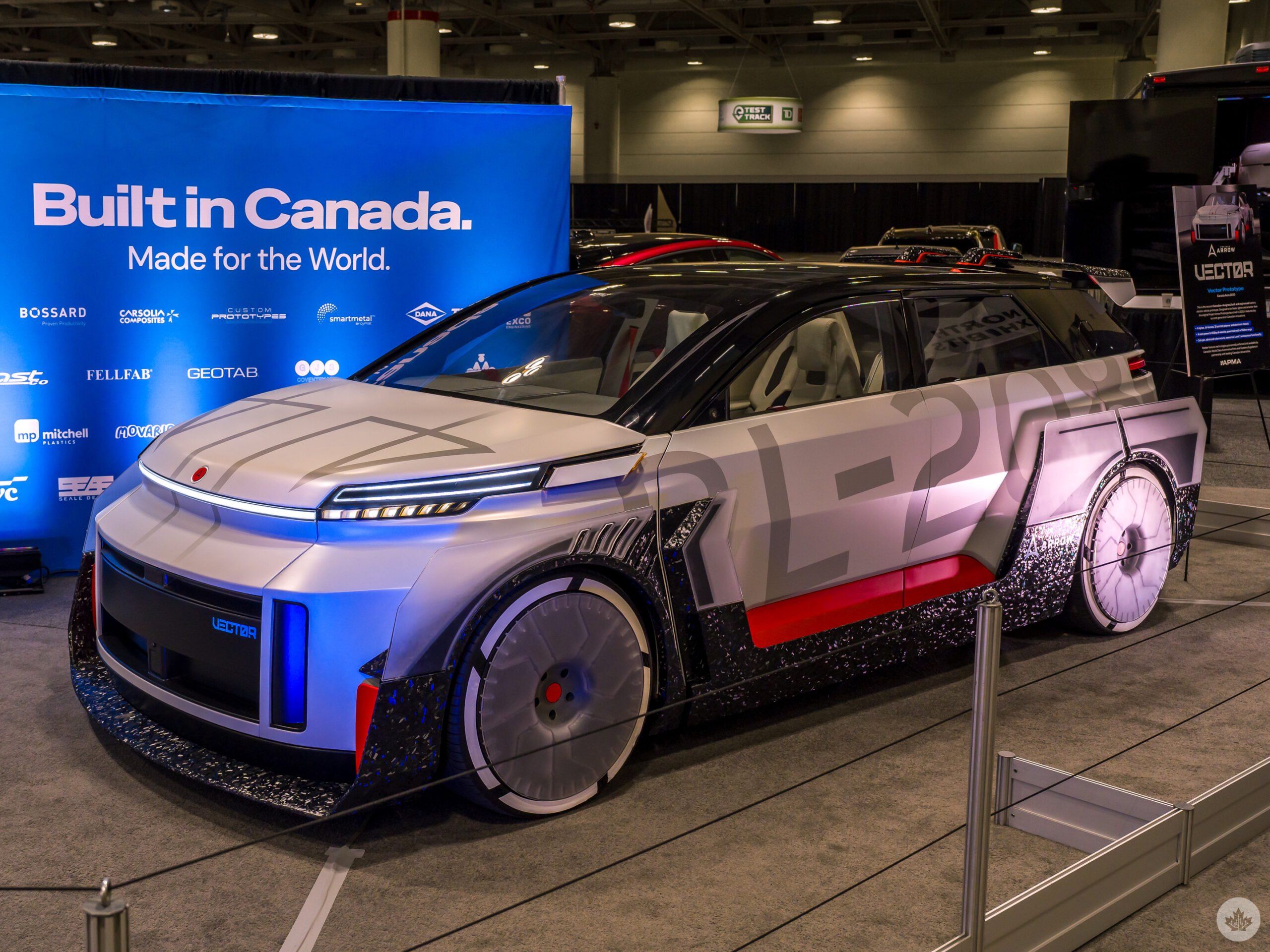
Like the original version, Project Arrow 2.0 is the latest effort to demonstrate Canada’s capabilities in the global EV industry. Like its predecessor, this is a fully Canadian-designed, engineered, and built zero-emissions concept vehicle publicly introduced at the CIAS Media Day. Instead of one, the Automotive Parts Manufacturers’ Association (APMA) revealed two next-generation prototypes called Project Arrow Vector (pictured above) and Project Arrow Borealis (below).
Vector serves as a near-term platform intended to showcase commercially scalable Canadian innovation and automotive technologies aligned with the 2030 mobility landscape. Made of a lightweight 3D printed chassis, a powerful all-electric drivetrain with approximately 650horsepower (estimated 550km range), and Level 3 autonomous driving capabilities, it’s essentially a collection of advanced parts and systems coming from Canadian suppliers.
Borealis looks further ahead, acting as a research and design platform exploring Canada’s long-range mobility vision for the 2040s. Hence, this is Level 5 autonomy rolling with smart city connectivity, AI-designed metal alloy structures, and an anticipated range of around 1,500 km.
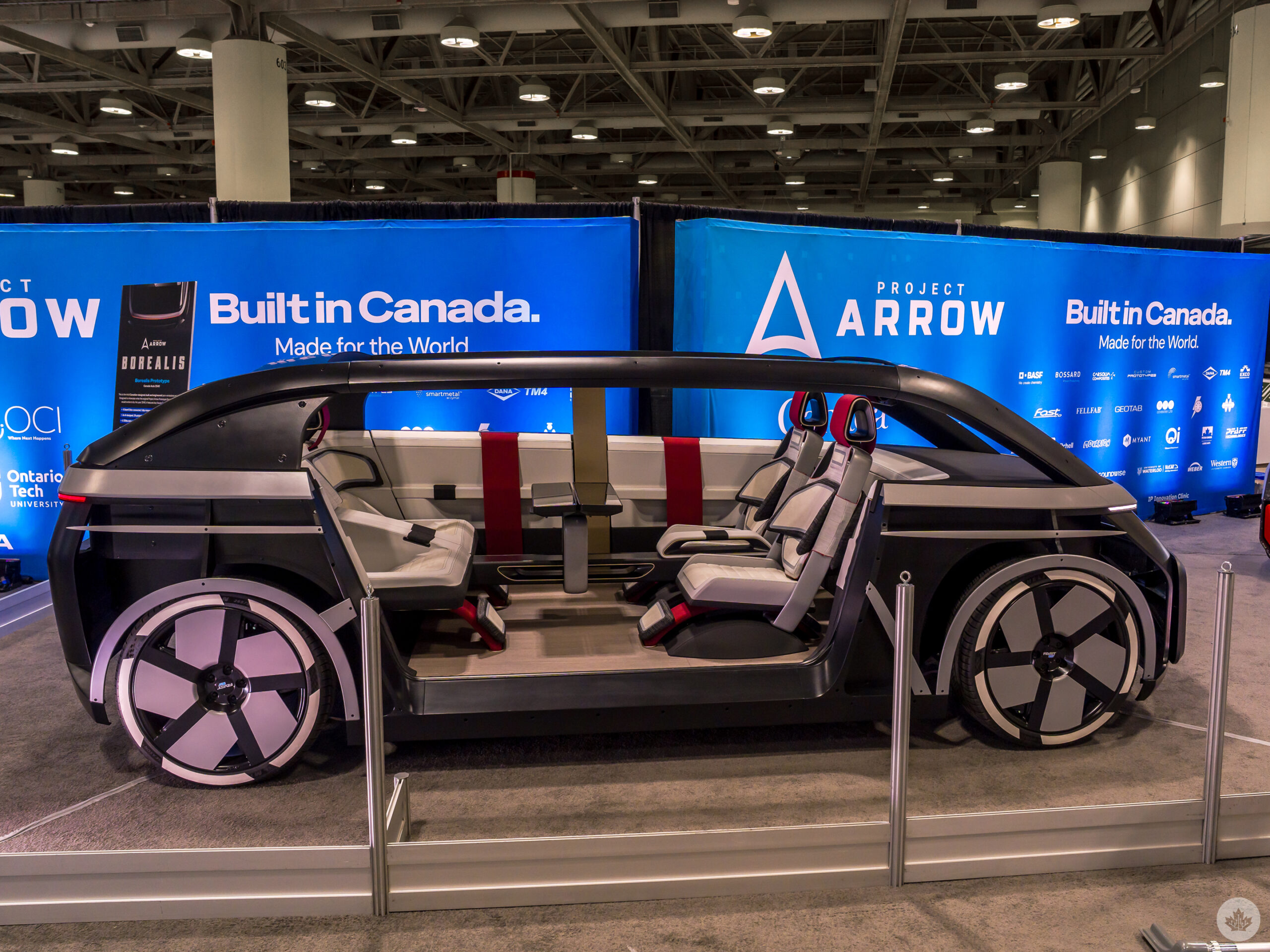
Ontario Tech University played a central role as the lead build and research partner, putting together the engineering and assembling the prototypes. Federal and provincial funding support the initiative, including backing from the Federal Economic Development Agency for Southern Ontario (FedDev Ontario) and the Ontario Vehicle Innovation Network (OVIN). As before, this isn’t an attempt to jumpstart a homegrown Canadian vehicle, but rather physical examples of what the industry can deliver through innovation and support.
As always, the Canadian Auto Show circuit kicked off in Montreal in January, and after Toronto from Feb. 13-22, moves on to Quebec City from March 3-8, Calgary from March 12-15, Vancouver from March 25-29 and Edmonton from April 9-12.
 Features
  Features
  Features
  Features