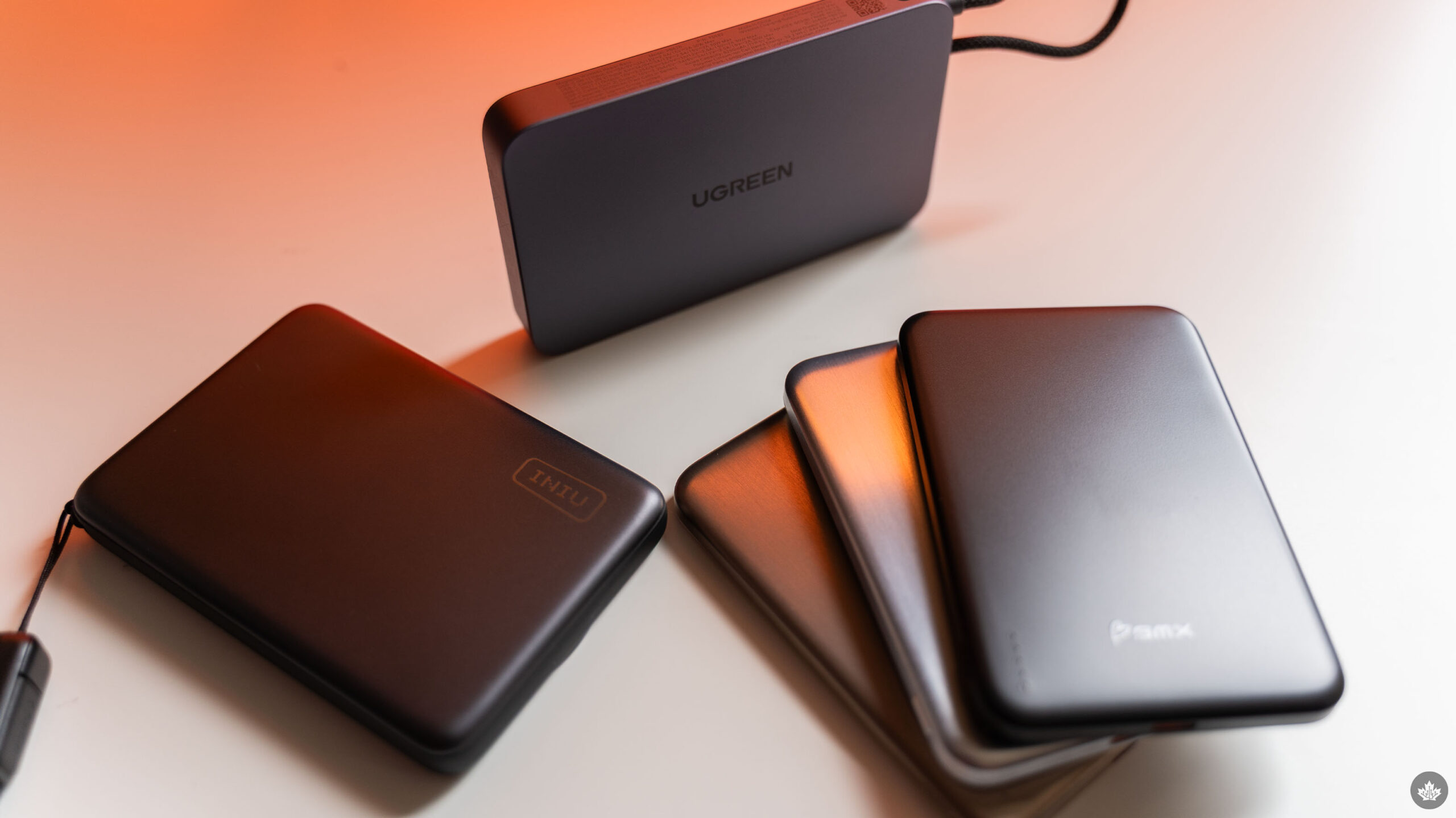
I spent the last couple of months testing out a few different portable battery chargers that all have one common feature: MagSafe support.
Or Pixelsnap support if, like me, you also live in the Google ecosystem instead of the Apple ecosystem.
But whether you use MagSafe, Pixelsnap, or some other secret third thing, chances are you’ll eventually need to charge your phone when you don’t have an outlet nearby. And it’s those times when these battery packs come in handy.
I tested out the Iniu SnapGo Air, BMX (no, not that BMX) SolidSafe Air, and Ugreen’s Magflow Air with my Pixel 10 Pro, and I’ve got some thoughts about each. I’ll also note that there isn’t a “best” option here, with each battery offering its own set of strengths and weaknesses that I’ll go over below.
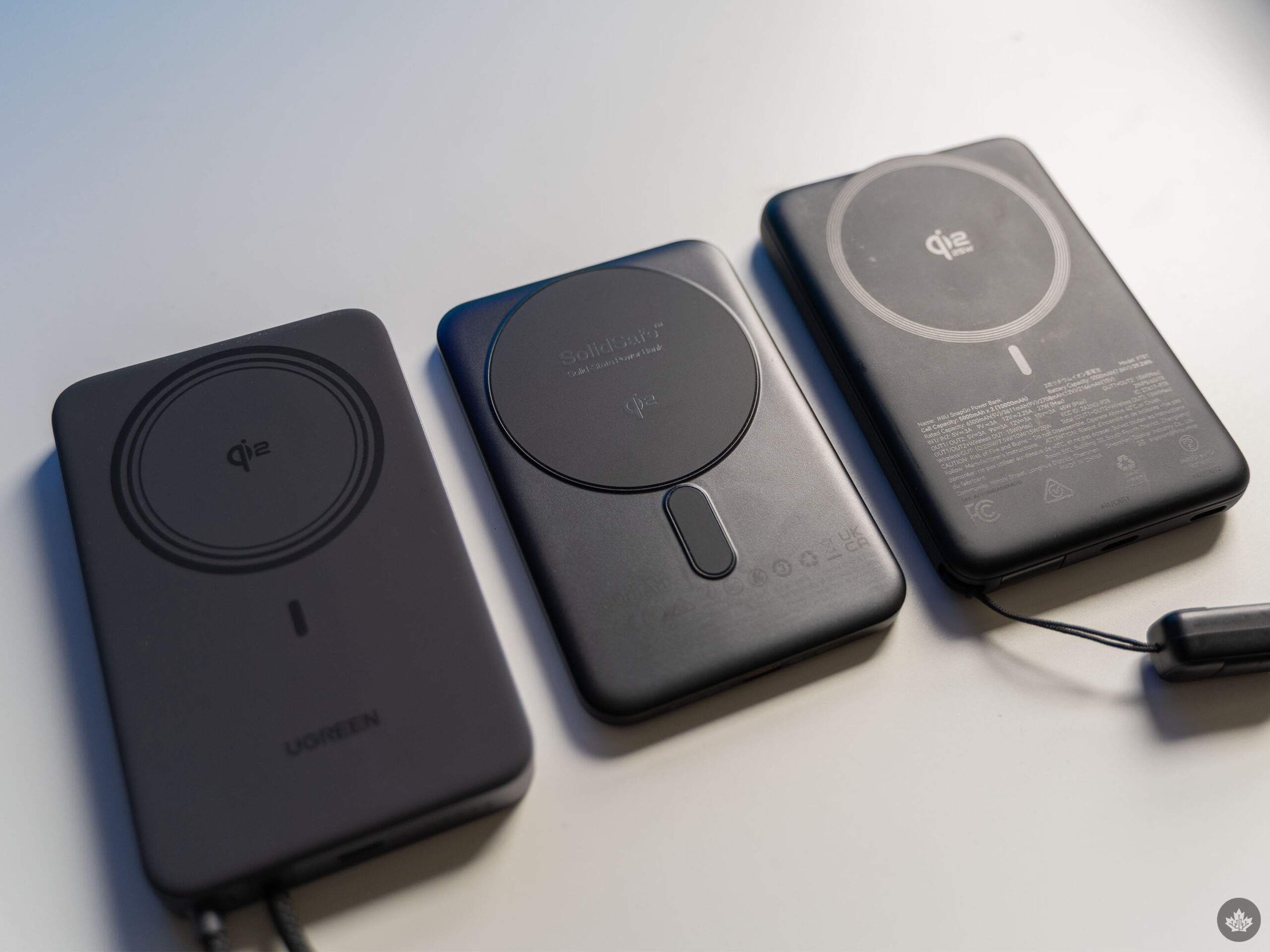
From left to right: Ugreen MagFlow Air, BMX SolidSafe Air, Iniu SnapGo Air.
First, let’s look at what they’ve got in common. They’re all batteries with support for MagSafe and wireless charging over the Qi2 standard. That means if you’ve got a phone with a ring of magnets in it, be that MagSafe or something like that, these portable chargers will stick to the back of your phone and charge it.
Of course, they all have at least one USB-C port for charging the battery, which you can also use for wired charging if you prefer — which you might, since wired is more efficient than wireless charging. The upside to going wireless, and more importantly, MagSafe, is that it means you can stick the battery to the back of your phone and keep using it while it charges with no awkward wires dangling out the bottom.
Unfortunately, that’s about where the similarities end, so let’s dive into each of the batteries’ respective benefits.
BMX SolidSafe Air — Slim, sleek, sweaty ($85)
BMX, or Better Mobile Xperience (yeah, that’s how they spell it), was relatively new to me when they offered to send me a charger to test. But when I saw the SolidSafe Air, I knew I had to test it.
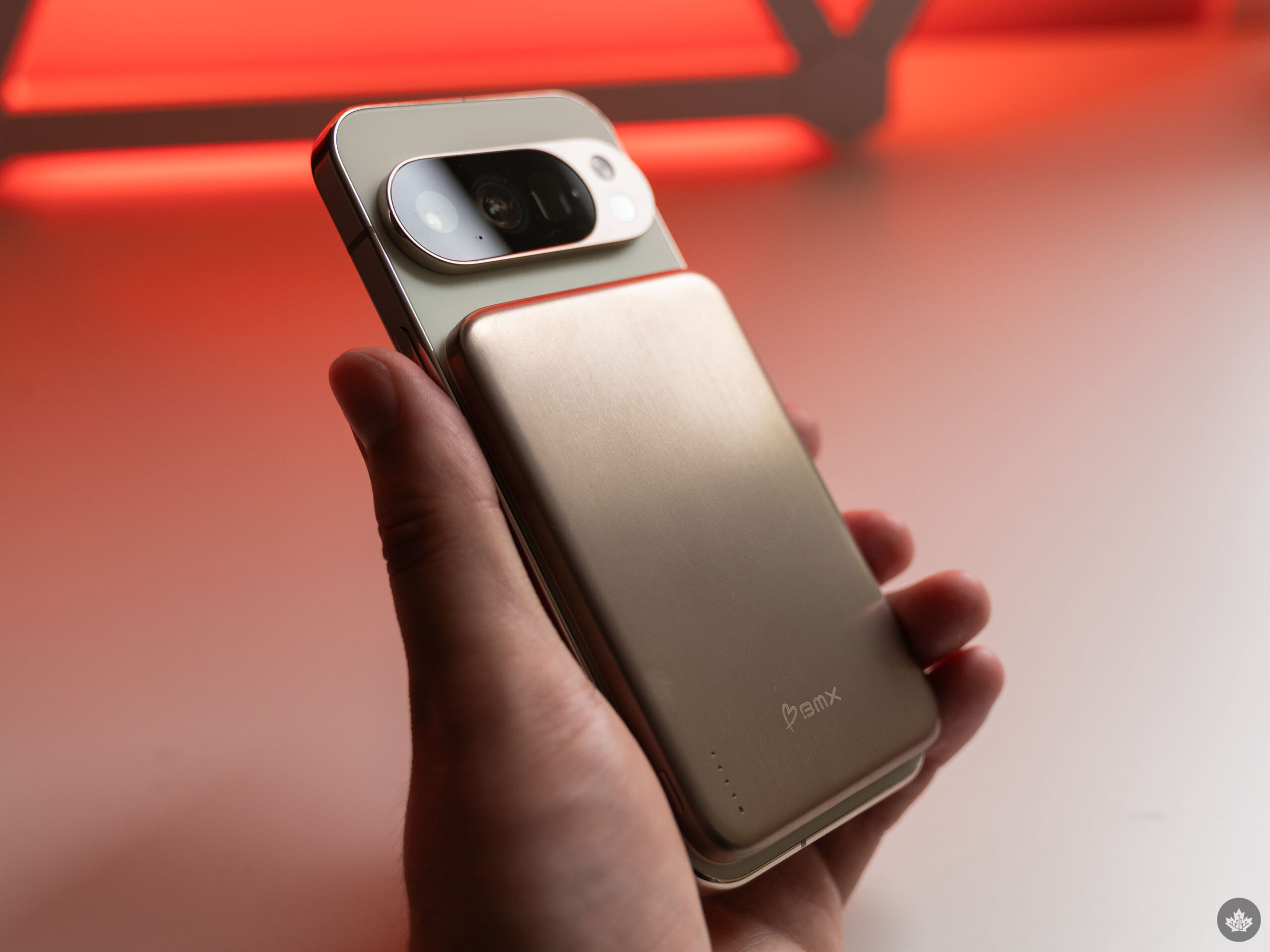
The SolidSafe is the only battery pack on this list that lives up to the ‘air’ moniker thanks to its light weight and slim profile. At just under 7mm thick, it barely added to the profile of my Pixel 10 Pro when attached. It basically filled out the back as if there were no camera bump, which was great.
The SolidSafe is actually slightly thicker than the camera bump, but it was close enough that I didn’t mind, especially since BMX very clearly designed the SolidSafe for use with the iPhone Air. (BMX uses the iPhone Air in most of its marketing materials and even matched the three SolidSafe colour options to the iPhone Air, though the gold option pretty closely matched the edges of my Pixel 10 Pro as well.)
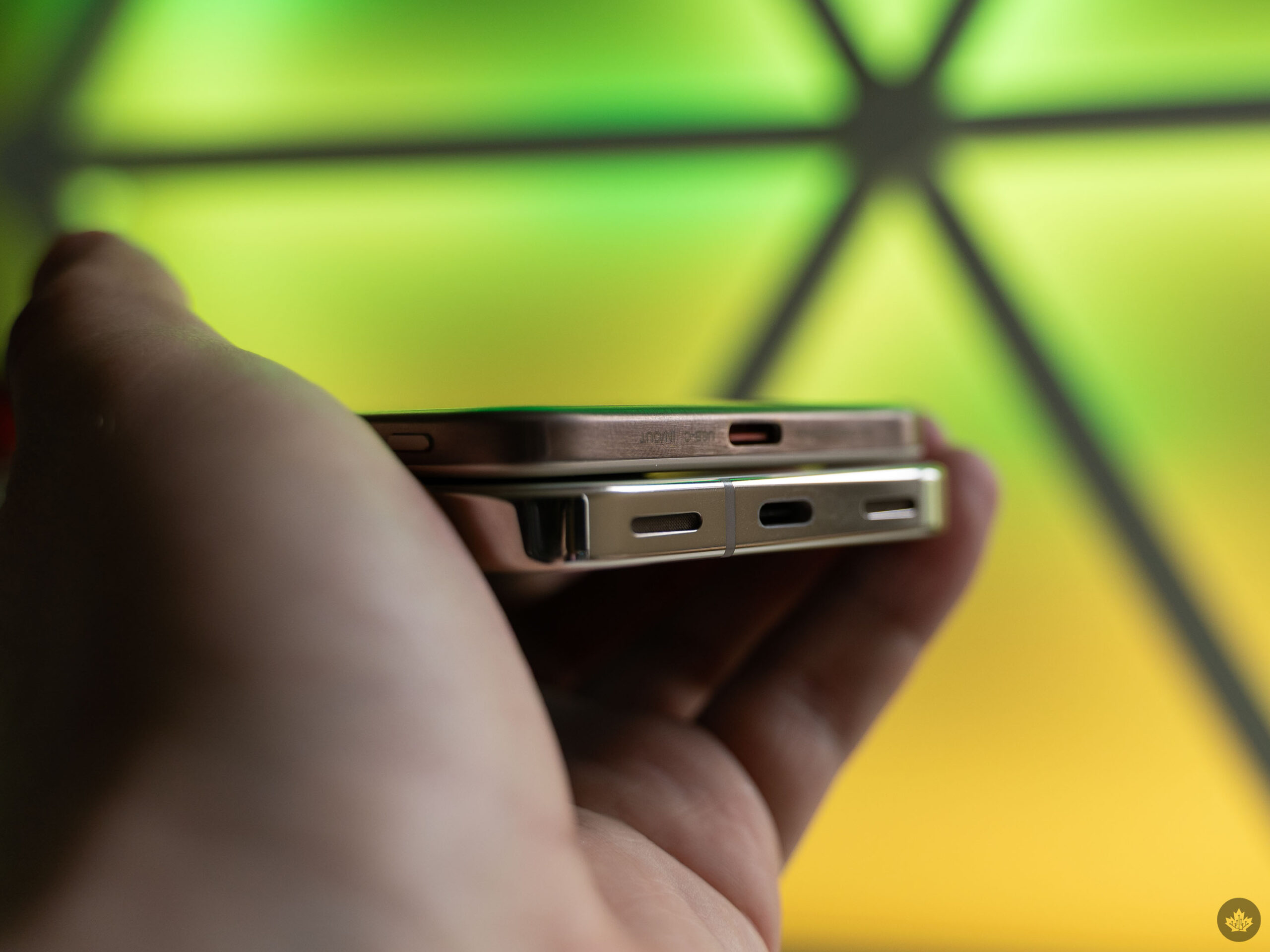
Unfortunately, the thinness of the SolidSafe comes with some tradeoffs. First, it’s the smallest of the three MagSafe batteries I tested, coming in at only 5,000mAh, or enough to recharge most popular phones at least once.
The SolidSafe can handle 15W Qi2 wireless charging speeds. However, as I mentioned above, wireless charging isn’t the most efficient, and it can generate quite a bit of heat. In my testing, the SolidSafe consistently felt the warmest of the three, though I’m not sure whether that’s related to the thinness, which meant my hand was closer to the source of the heat, the materials (the SolidSafe is made of metal, which conducts heat more), or some combination of the two.
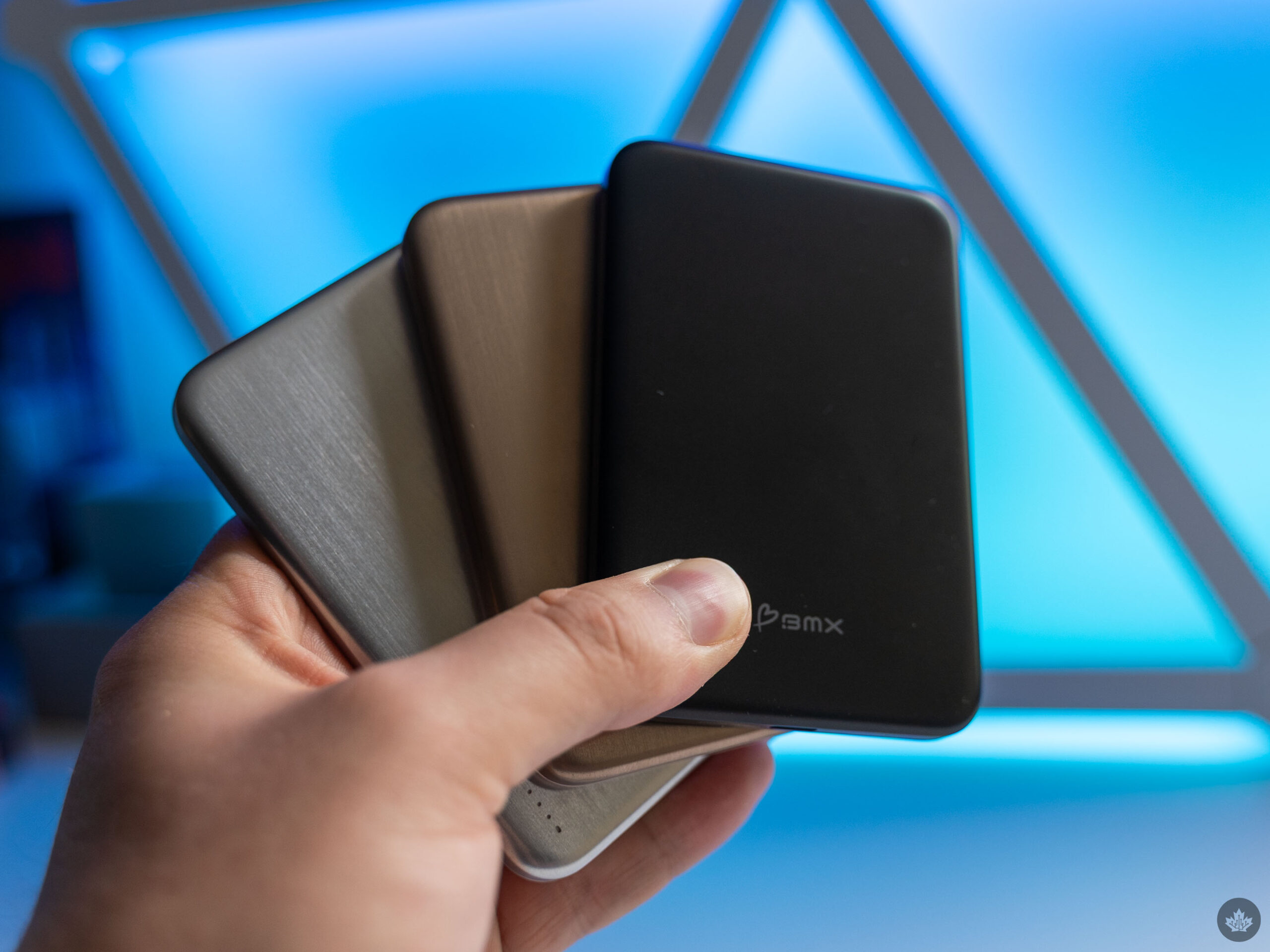
Regardless, it definitely got really warm when charging my Pixel 10 Pro. It was never painful, but it did make my palms sweat while holding it, which contributed to it feeling pretty slippery. I also found the SolidSafe magnets weren’t the strongest, so it felt like it slid on the back of my phone more than the other batteries I tested. The SolidSafe has these clear, plastic pads over the magnets to prevent scratching or scuffing the back of your phone, which is nice, but as you’ll see below, the other batteries opted for a more rubbery material. I think that choice helped anchor the batteries to the back of my phone better.
One other note I’ll make about the SolidSafe is that one of the three batteries BMX sent me didn’t work at all. The other two worked fine, but it’s not clear what went wrong with the third. I’m working with BMX to try and get an answer, and I’ll add it here if and when I get it.
Ugreen Magflow Air — Big, bold, and cold ($66.49)
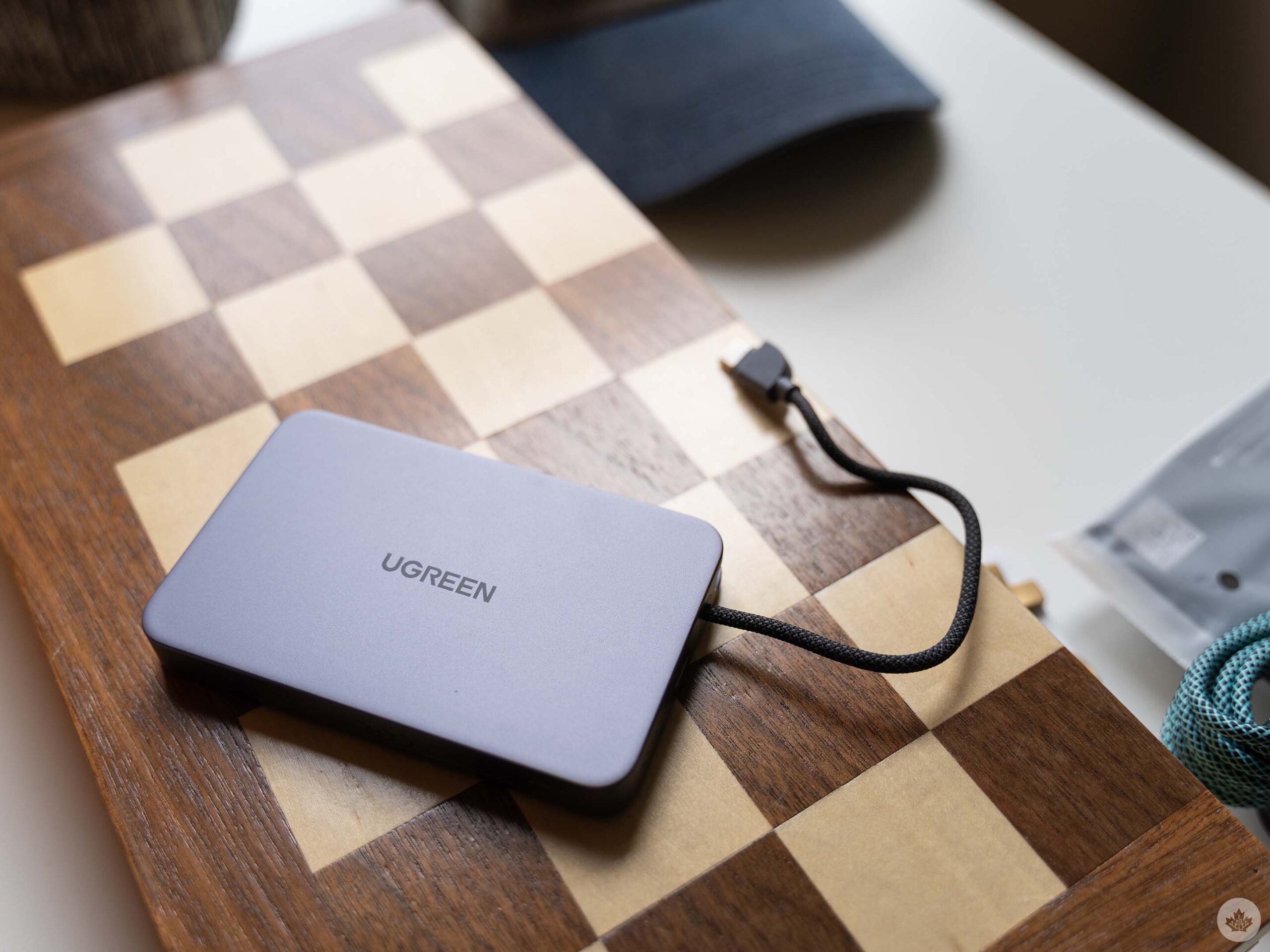
Next up, we have Ugreen’s MagFlow Air battery. It was the biggest of the three I tested, for better and worse. Ugreen included a larger 10,000mAh battery in the Magflow Air, but the physical size is still larger than the Iniu SnapGo Air, which is also 10,000mAh.
The Magflow Air can handle up to 15W Qi2 wireless charging, but it can also put out 30W over the built-in USB-C cable. Speaking of, the Magflow Air’s cable is attached and can’t be removed, unlike the one included with the Iniu. It’s not a huge deal in my eyes, but the built-in cable can get in the way sometimes, so having the option to remove it entirely would be nice.
However, what you lose in portability with the Magflow’s large size, you make up for in function. In my testing, the Magflow remained consistently cool even over long periods of wireless charging. I found that, despite the extra bulk, it was actually more comfortable to hold than the slimmer SolidSafe Air that would get quite warm.
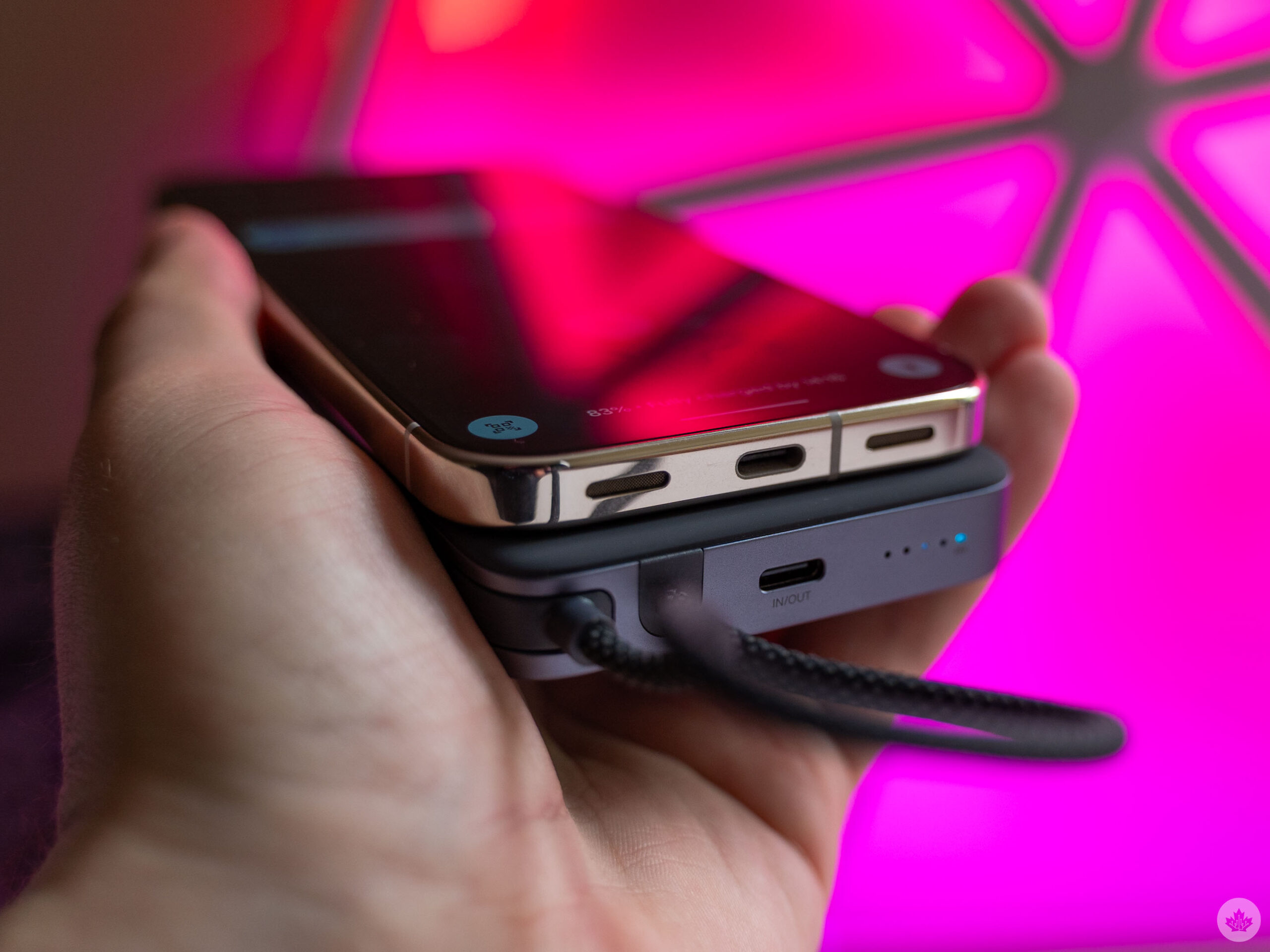
Ugreen says the Magflow includes its ‘Thermal Guard’ feature, which automatically adjusts output based on temperature to help keep things cool.
I’ll also point out that the Magflow Air sports a rubber-like material on the side that makes contact with your phone. It’s soft to the touch, so there are no concerns about scratches here. However, lint sticks a lot to the rubber material, so just be aware that you’ll need to wipe it down frequently if that bugs you.
Finally, the Magflow Air sports a button on the side and a series of LEDs to communicate charge status, just like the SolidSafe Air. Interestingly, I noticed you have to press-and-hold the button to initiate wireless charging; it won’t actually charge a connected device. While probably a safety consideration, in practice, it was annoying to constantly have to turn on wireless charging, especially when the other chargers would just work when connected.
Iniu SnapGo Air — the Goldilocks option ($69.99)
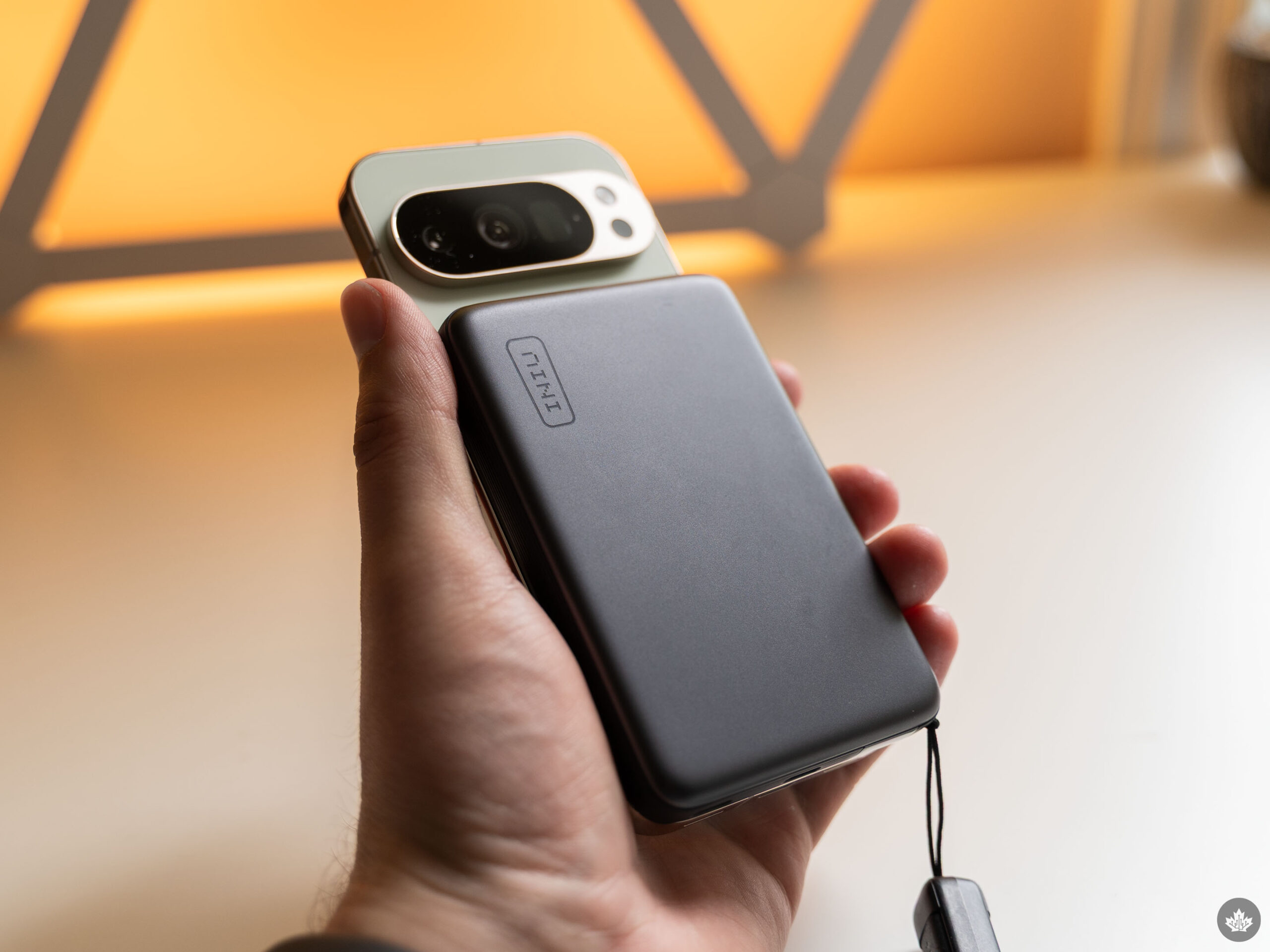
Finally, there’s the Iniu SnapGo Air, which blends the best of the Ugreen and BMX options. The SnapGo Air is slimmer and lighter than the Ugreen Magflow, while offering a larger 10,000mAh battery than the BMX SolidSafe.
In my testing, the SnapGo Air also stayed fairly cool even during longer charging sessions, making it comfortable to use. It did warm up more than the Ugreen battery, but it didn’t get as hot as the BMX. Plus, unlike the other two batteries I tried, the SnapGo Air has a tiny digital display to communicate the exact charge percentage instead of a few dots.
Another area where the SnapGo Air sets itself apart is charging speed. With Qi2.2 compatibility, the SnapGo Air can handle up to 25W charging, making it faster than the others — if you’ve got a compatible device. (The Pixel 10 Pro I used for testing only supports up to 15W wireless charging, so I didn’t notice a speed difference myself.)
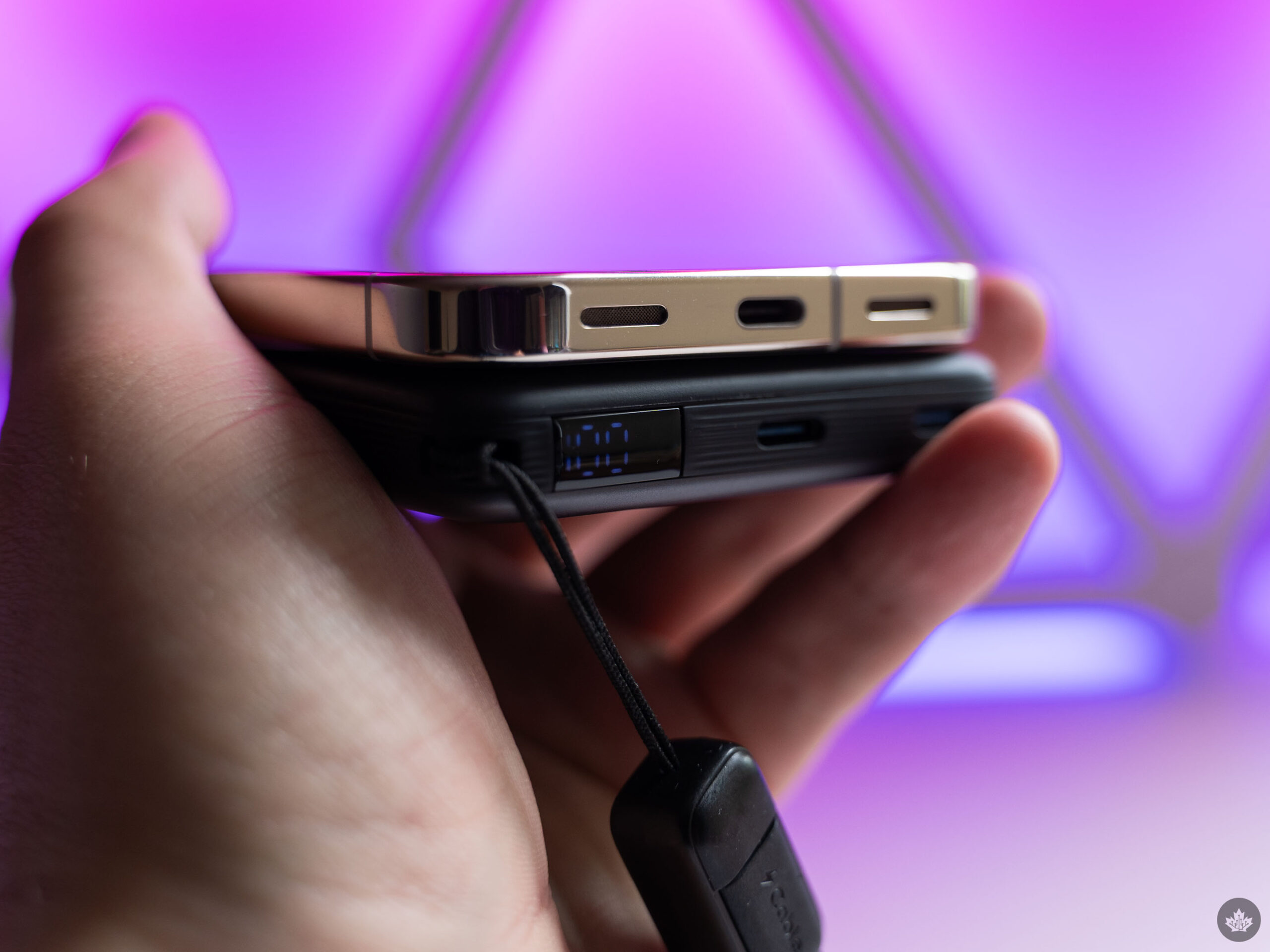
I also really like Iniu’s cable solution. The company includes a small USB-C to C cable with its power banks that doubles as a lanyard. It’s easy to stow away when not needed, and it doesn’t get in my way like the built-in cable on the Magflow.
Finally, Iniu offers multiple colour options, ranging from the dark grey I tested to pink, orange, and more.
Which to buy?
As I said up top, I don’t think there’s a single “best” option here, with battery offering several tradeoffs depending on what you’re looking for. That said, after testing, I do think the Iniu SnapGo checks the most boxes overall.
I really like the BMX SolidSafe Air’s slim profile as it adds very little bulk to my phone while still letting me top up the battery on the go. It’d probably be my favourite for that reason alone, but I don’t love how hot it can get during use.
The Ugreen Magflow Air, on the other hand, is a great option for people who want more charging. The larger battery is great as long as you don’t mind the extra bulk, and the build quality is solid, making for a compelling option overall.
But Iniu’s smaller SnapGo Air gives you similar charging in a smaller package. It doesn’t feel quite as premium, but I think it’s a worthwhile tradeoff for more battery in a slimmer profile. Plus, that little digital display is a great addition.
However, price is an important factor to consider here. The Ugreen Magflow actually comes in at the cheapest, while the BMX costs the most. Iniu maintains its Goldilocks status with pricing between the others, but it can be a bit tough to find. Check out the full price breakdown below:
- Ugreen Magflow Air: $66.49 on Amazon (at time of writing, on sale for $59.99).
- Iniu SnapGo Air: Available for $54.99 on Iniu Shop, launching June 11 / $69.99 on Amazon.
- BMX SolidSafe Air: $85 on BMX website / Not listed on Amazon.
A few notes on the above pricing. First, Ugreen’s website shows the Magflow Air, but the ‘Shop’ button just points to the Amazon page. Iniu doesn’t list the SnapGo Air model I tested (model P781) on its website yet, but the company plans to add it soon. It is on Amazon, however. Finally, BMX doesn’t seem to have any batteries listed on Amazon Canada, instead only offering products through its website. Pricing is a bit confusing; it seems to be mostly listed in USD, but converts to CAD when you add a product to your cart.
MobileSyrup may earn a commission from purchases made via our links, which helps fund the journalism we provide free on our website. These links do not influence our editorial content. Support us here.