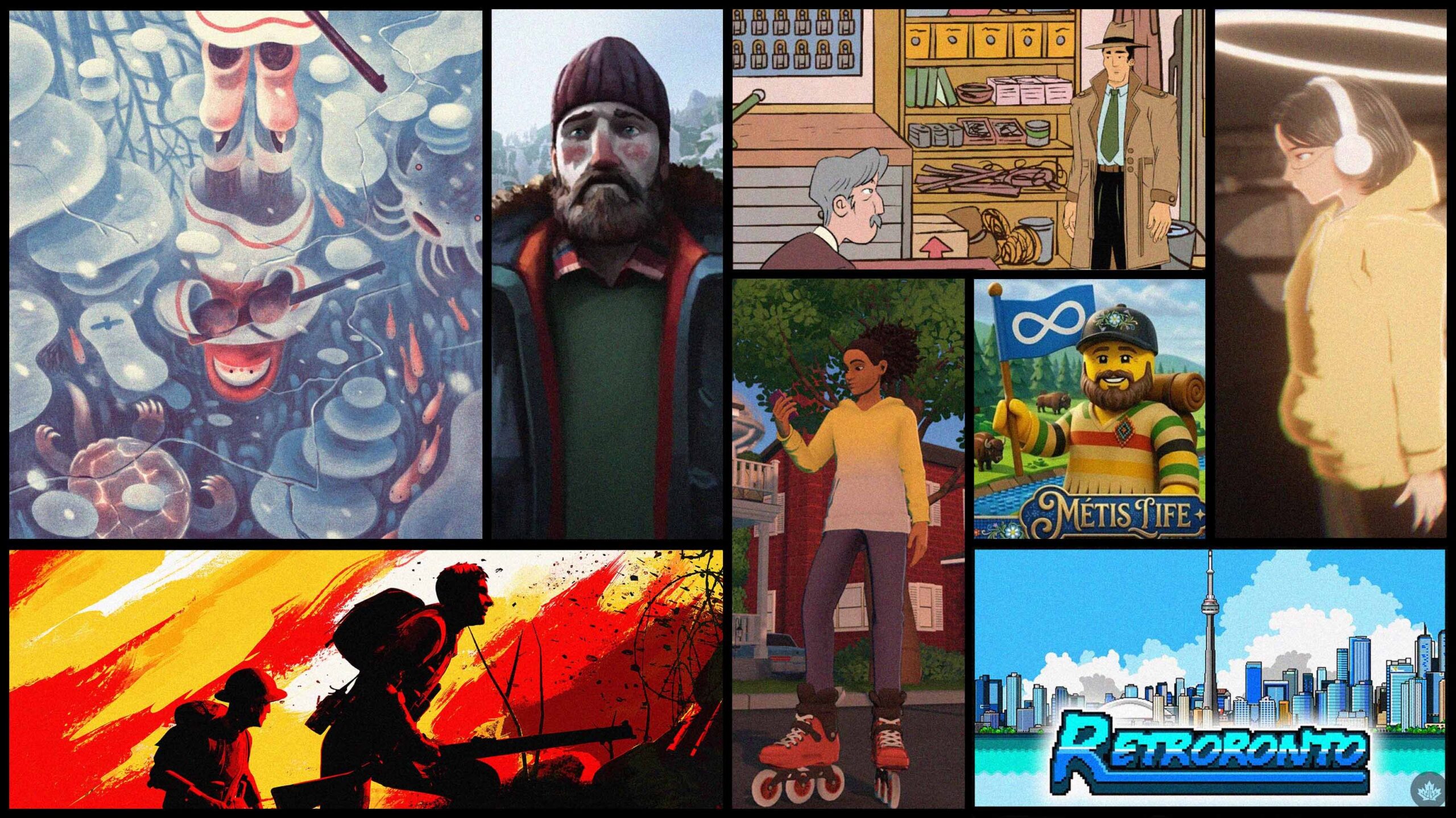
One of the neatest recent trends in the Canadian gaming industry has been a rise in games that take place in Canada. Over the past several years, many of our incredibly talented developers have commendably pushed to include the country in their games, representing everything from nature and cityscapes to Indigenous and immigrant narratives.
To celebrate this, MobileSyrup recently published a massive museum-inspired piece spotlighting nearly 20 games that heavily feature Canada alongside commentary from each of their developers. Because that feature ended up being so big, though, we’ve produced this companion piece to include some additional insight that we gleaned from our conversations. In particular, we asked each developer whether they’re optimistic that this trend of Canada-set games will continue and, more importantly, what can be done to help encourage that to happen.
Here’s what they said:
Saffron Aurora (CEO of Toronto’s Kitten Cup, creative director of Capy Castaway): “I think for a long time, Canada has been portrayed as the ‘weird’ version of the North American representation in mainstream Hollywood media. A reputation was built on being the butt of the joke; using the ‘wrong’ pronunciations and milk storage methods, and perceptions are hard to shake without real turning-point events. I think we’ve undergone several intense societal shifting events over the past six years that demanded authenticity and sustainable community, which is exactly what we needed to nurture the existing passions and representations we have as Canadians. All of this is to say that despite the usual pitfalls of the games industry, things feel incredibly hopeful in the games community, to be seen and recognized for ourselves, and to celebrate the weird on our own terms.”
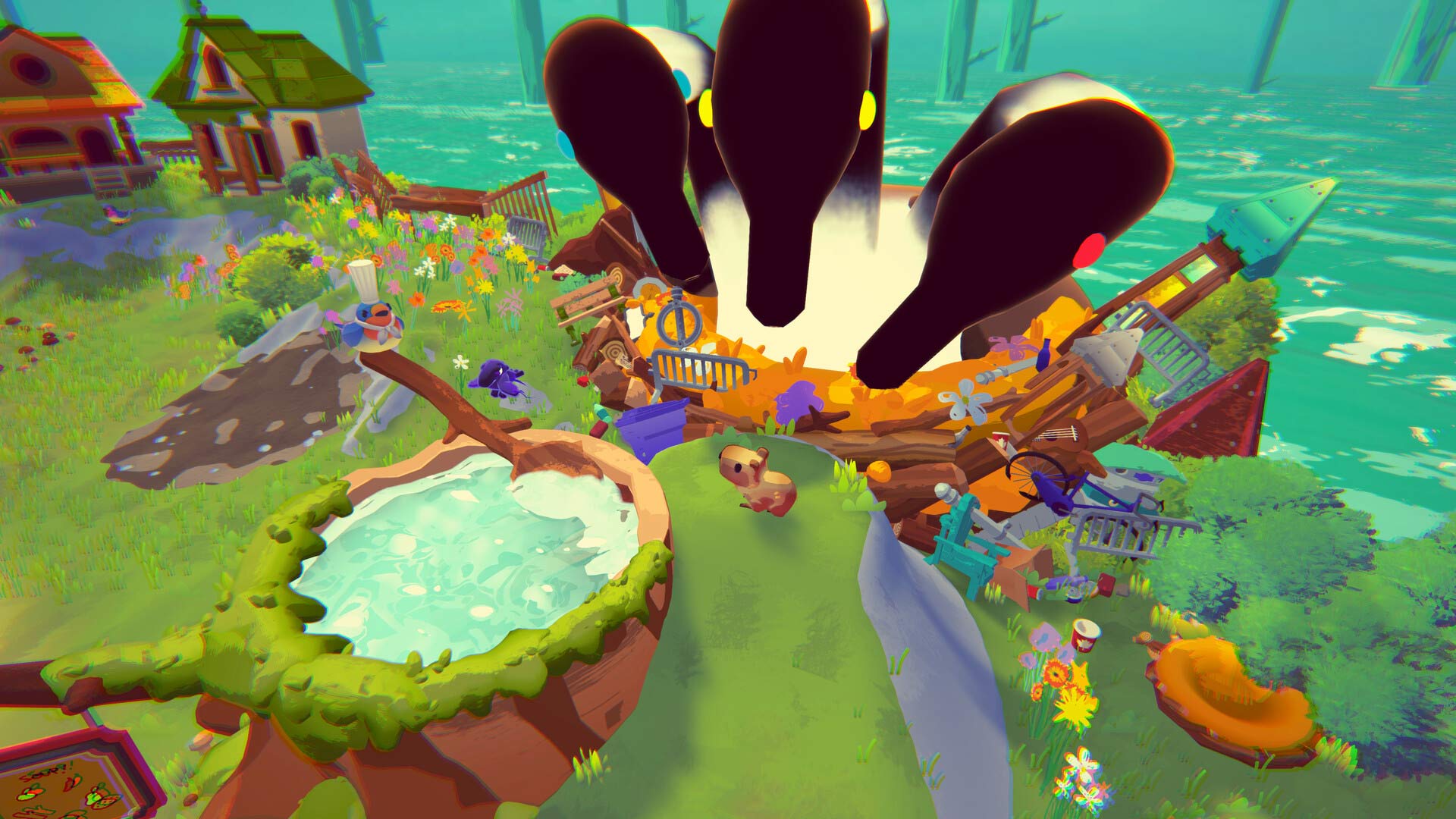
Capy Castaway follows a capybara and crow as they navigate Toronto after a big flood. And yes, that is indeed a three-headed Cerberus-esque goose. (Image credit: Kitten Cup Studio)
Yannick Belzil (Montreal’s Tribute Games — narrative director of Scott Pilgrim EX): “We can only make stuff that feels like it has a part of our identity and our point of view and our culture and what we like, and hopefully, that takes off. [Heated Rivalry and Nirvanna the Band the Show the Movie] are taking off right now, and hopefully, our game will as well. But you can only do it sincerely and truthfully, and people will pick up on that. And within that truth and that sincerity, there will be that Canadian culture or identity or point of view. But I feel like going at it too much with front-loading that [Canadian angle] is not useful as a first creative idea. Like, your beat ’em up has to have a fun engine that draws people in before it has this wonderful sheen of Canadiana over it. It has to raise the game first. So I think that it’s really just making something that’s really good at first but then also sincerely has that Canadian identity or energy to it.”
Lazlo Bonin (founder of Montreal’s Impossible, director of Été): “I’m optimistic about the trend of local representation in the sense that it empowers creators and audiences to discover more unique realities from across the world, to ‘travel,’ so to speak, via games or any other medium, and I do hope efforts and investments the governments of Canada and Quebec in local culture not only endure, but inspire other countries to do the same.”
Sean Browning (founder of Toronto’s Starspray Studios, director of Retroronto): “Nowadays, especially with indie games coming into vogue, and with Canada growing, much like [Toronto], I think people are getting a little bit bolder and more willing to really let Canada shine a little bit. Being an animator, a lot of animation and a lot of really cool stuff come from Canada. Even video games, we bring in so much money to add to the GDP of our country. And even with animation, with Sheridan College and stuff, there’s Turning Red [co-writer and director Domee Shi is an alum of the school]. You’ve got that Overwatch map. Obviously, Scott Pilgrim.
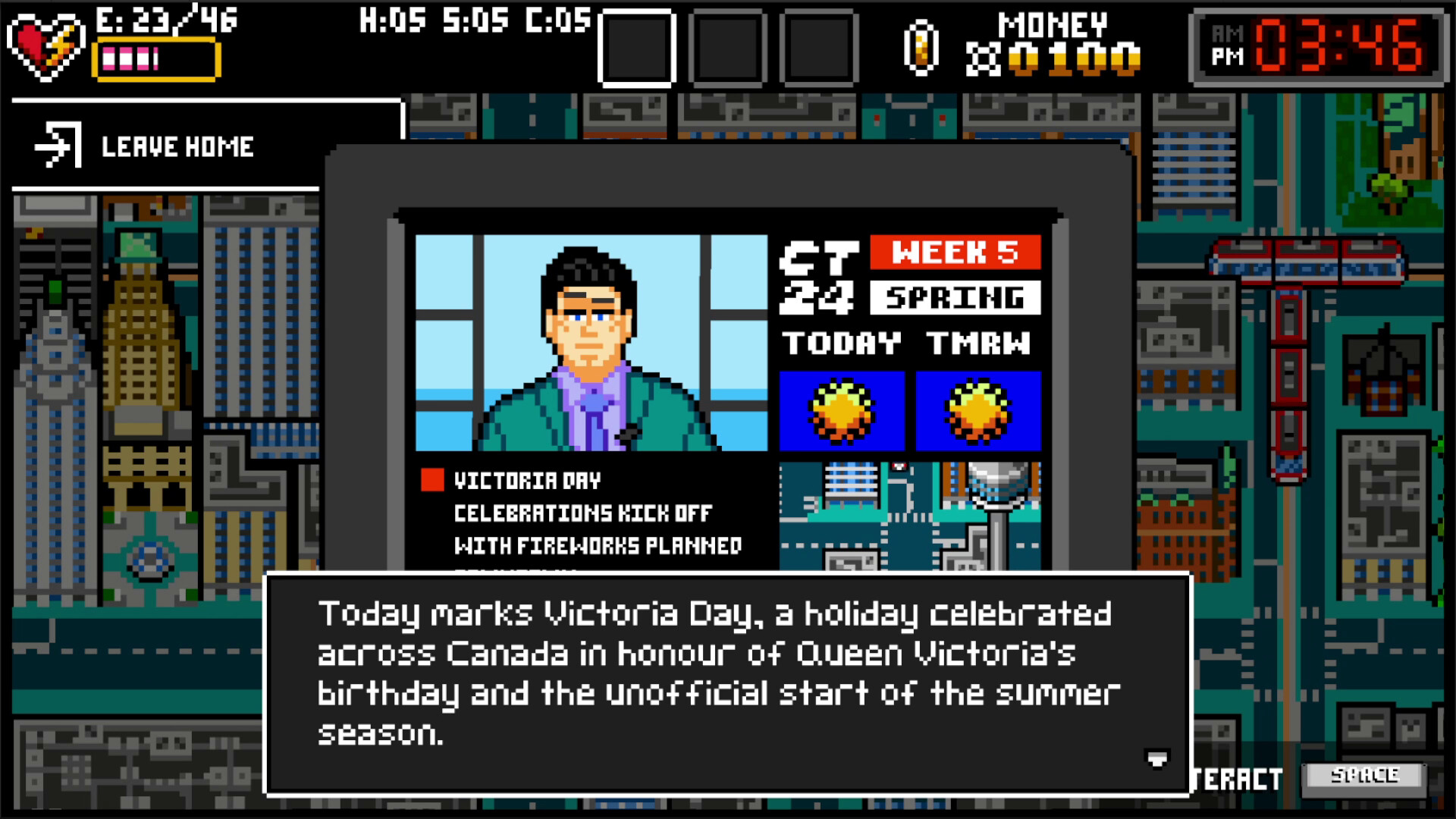
Retroronto is a pixellated life sim set in Toronto. Does this newscast look familiar? (Image credit: Starspray Studios)
Even just from an artist standpoint, people want to represent their home in a loving way. And I think it brings a lot of authenticity to do that. And Canadians are as authentic as you can get. We’re very apologetic as the stereotype is, or very polite, but so much art and cool stuff comes from Canada. And I think it’s just only a matter of time now that it’s kind of bled through where people are now trying to make games that are from or set in Canada. And I just want to be part of that movement. It’s kind of a trend that is something that we can be really proud of as game developers here […] And I think because Canada’s growing in size and popularity, especially in today’s geopolitical landscape, I think people are going to show a little bit more interest in the country, especially young adults or millennials and Gen X and stuff. We all grew up playing video games, and I feel like a really good way to represent the country and learn about it is to play games about it.”
Dante Camarena (co-founder of Toronto’s Ravine Studios, programmer on North Shore): “Even just being able to share an office with Behold [Deep Dish Dungeon] has been really cool. Just having them be like, ‘Yo, here are things that are happening with us.’ We had a get-together [with other Toronto developers] where we got to sit with not just Behold, but Alientrap‘s Lee Vermeulen and Computechnosoft (Hello, Cave Monster!) and Julia Minamata (Crimson Diamond). They came over here and were just chatting. And I think it’s that proximity to all of these interesting people that is going to keep happening. And I don’t think that is possible if we’re all struggling to kind of make a friend, but that’s getting better now. So maybe the trend of more content set here, more artists being able to work out here, will resolve itself [this way].”
Nick Counter (co-founder of Toronto’s Ravine Studios, creative director of North Shore): “We just got back from Washington, and we were talking to a lot of locals, a lot of people from around that area, and they are trying to get indie games off the ground, and they have to just hustle, hustle, hustle. They don’t have funding support at all. We still have to hustle here [in Canada], but the options that we have are just so much greater to some extent. Now, there’s going be politics in all those different funding structures, but the fact that we seem to really care about it, that different layers of governments, care about it… And also, there’s such a strong community.”
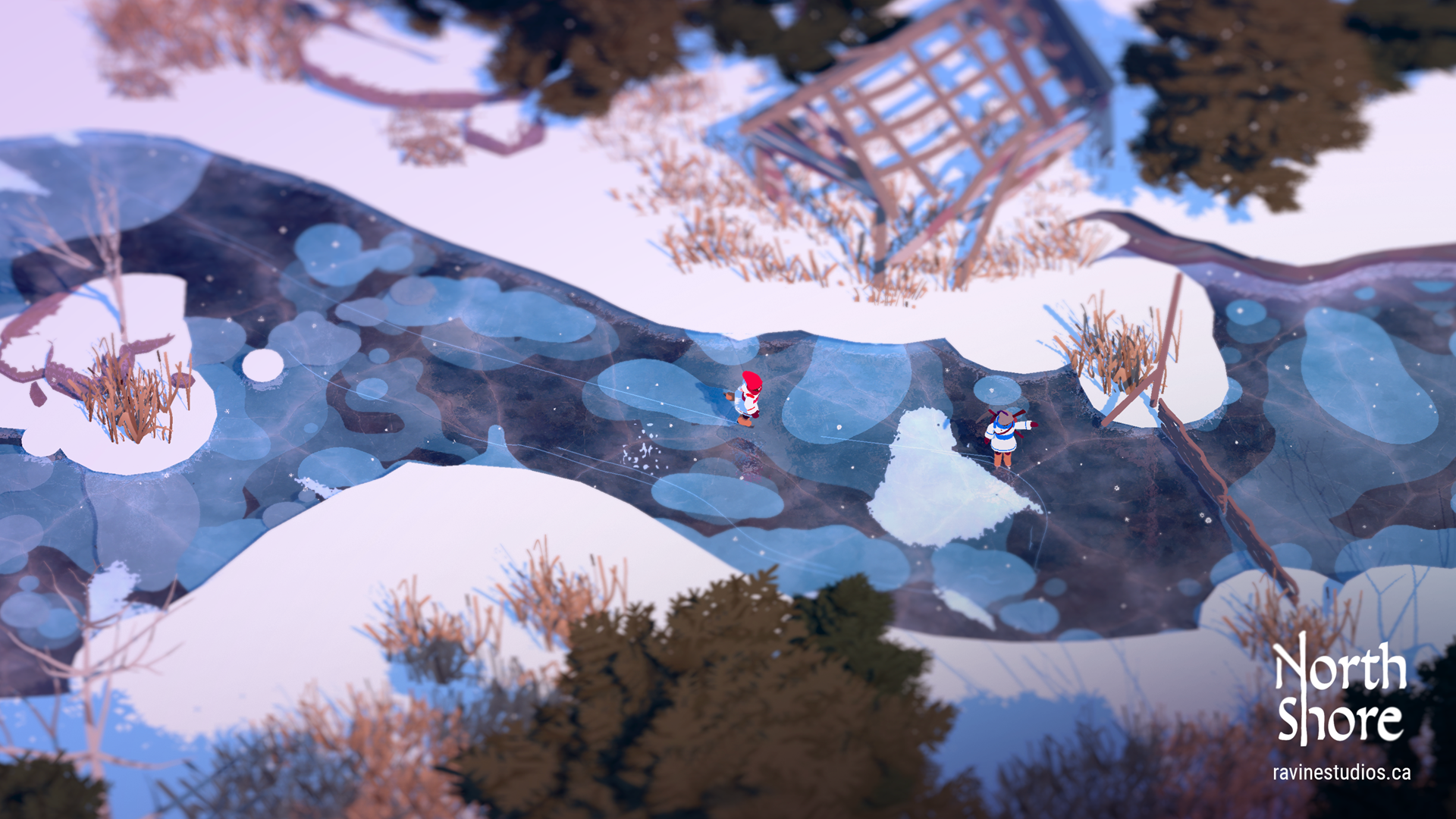
Inspired by Canadian art and nature, North Shore is an ice skating exploration game set in the beautiful and dangerous outdoors. (Image credit: Ravine Studios)
Nikita Danshin (co-founder of Vancouver-based Eggnut, game designer and composer on Tails Noir): “I don’t think that we need any specific encouragement. I am optimistic because the small teams pop up here and there, through the pressure of economy, world, and the current complicated state of video game development. There are plenty of devs and experience in the country – just give them space and resources.
Our government interactive media funds are not functioning the same way the industry funds do, and that is a significant problem to me. They are a great opportunities for the teams, and we are more than grateful for them, however at times they all feel like a tease. The people making decisions are more often government analysts rather than people with development or publishing experience, so the criteria and submissions are rather alien to a general developer. There are plenty of devs who decide to go to the industry funding instead because of that. The solution is not to make more guidance resources, but instead invite business developers, game scouts and publishers who know the process of making/funding/releasing games, and letting them adjust the needs and processes, so it fits both government and the actual breathing industry.
There are a lot of well-known Canadian leaders. The people who make sustainable teams, the people who make impactful projects, the people who bring us out there. The people who make the games you mentioned [like The Long Dark, Venba, 1000xResist and Scott Pilgrim EX]. Our government needs to ask them what they need instead of telling them what to do. Then we will have our games and culture out there.”
Indigo Doyle (founder of Toronto-based Pushing Vertices, creative director and writer on RollerGirl): “I’m definitely optimistic that there’s a trend going upwards for Canadian media. I think as we get more of that recognition and that traction of games like Venba doing super well — when it’s a small team of like four or five people — and games like that showing we can show up and compete on a larger market just sort of adds to more people being like, ‘Oh, hey, I didn’t know they existed.’
And to continue building that, I think having programs like CMF and Ontario Creates and stuff like that is very helpful. Like, recently, I was travelling and talking to people outside of the country and everyone is always very surprised that the government supports us, and we’re always reminded that we’re incredibly fortunate to have support like that. So I think they definitely play a large role in making sure that we’re we’re all able to keep doing what we’re doing. And hopefully, it just keeps going full circle, back and forth, until we gain more attraction as well.”
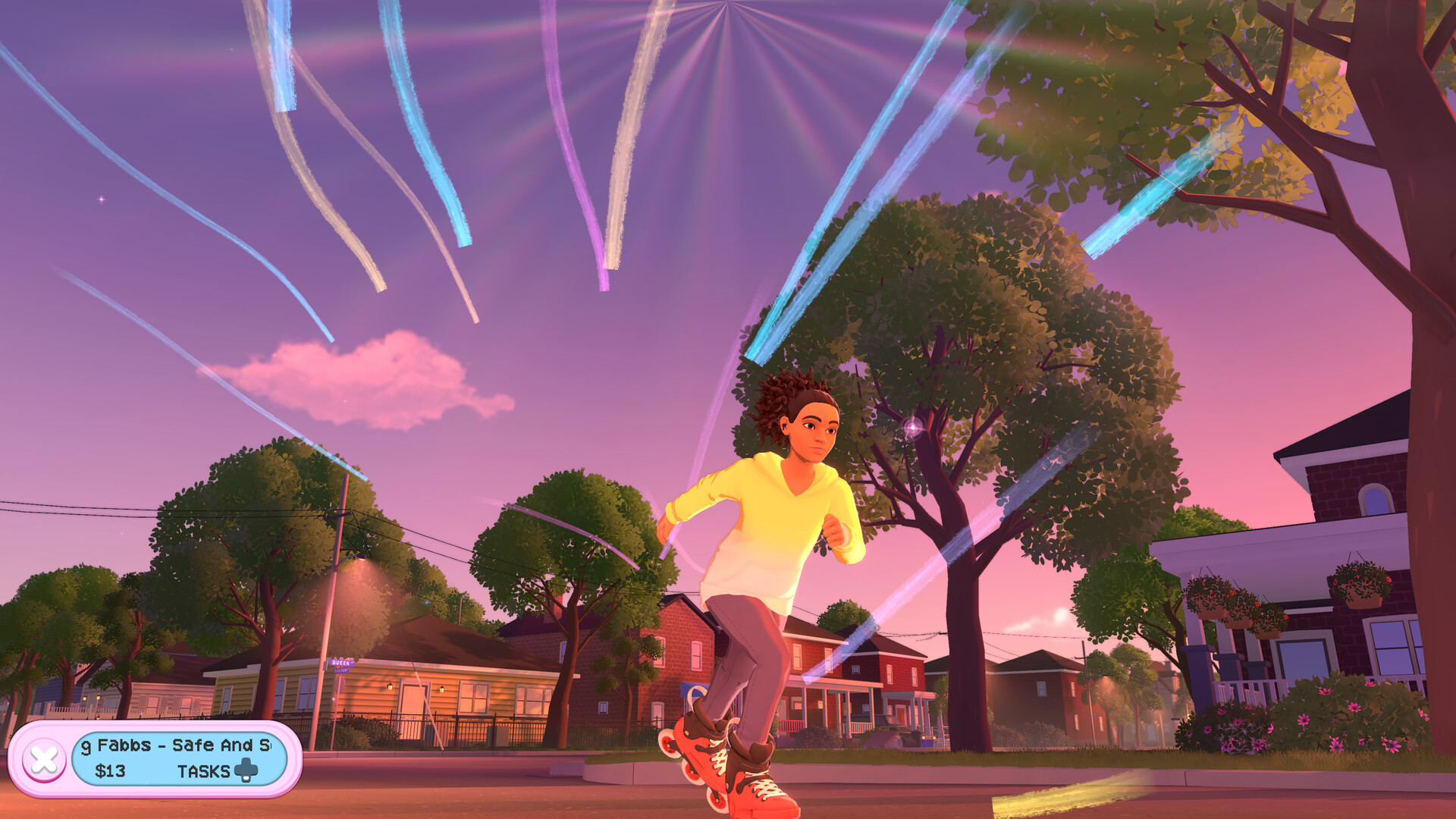
RollerGirl is a slice-of-life skating game set in a small Ontario town inspired by Belleville and featuring music from Canadian artists. (Image credit: Pushing Vertices)
Marie LeBlanc Flanagan (Montreal-based creator of Loser Lane, co-organizer of Toronto Games Week): “I think we have to fight harder culturally against whatever is the brightest, brightest light in the room. I used to have a music blog called Weird Canada, and we only wrote about music we liked, and we only wrote about music that was made in Canada or by Canadians. I didn’t do this because I’m a nationalist; I’m not. But I did this because we live right next to this country that’s so loud and so bright that our own voice can be overpowered and overshadowed, and so I wanted to push and make a little bit of space against that. And I feel like in games, Canadians and people could do some of the same.
But I just want to say I’m very hesitant to talk about Canada in this way. We have a really complicated history and present related to colonialism, and I don’t want to imply that we should be patriotic, but just that there’s value in people seeing themselves where they are, and seeing themselves as the main character in their own stories, and seeing the land around them as the land that they’re walking on, and not through some kind of imported filter.
[…] To encourage more local content, like hyper local content, there’s high-level laws, there’s infrastructure and bylaws about, say, how much Canadian music you have to play on the radio. There are laws about funding — what funding goes to people who are from where. There’s also the intermediary level, like the [Weird Canada] blog, for example, or an event that I run with Jim Monroe called Toronto Games Week, where we try and amplify the voices of creators in Toronto. So we work with all the different local organizations who do stuff around games to make events and celebrate games. […] Bringing people together in online spaces or offline in person so that they get to know each other and then can celebrate and champion each other’s work, I think is really important.
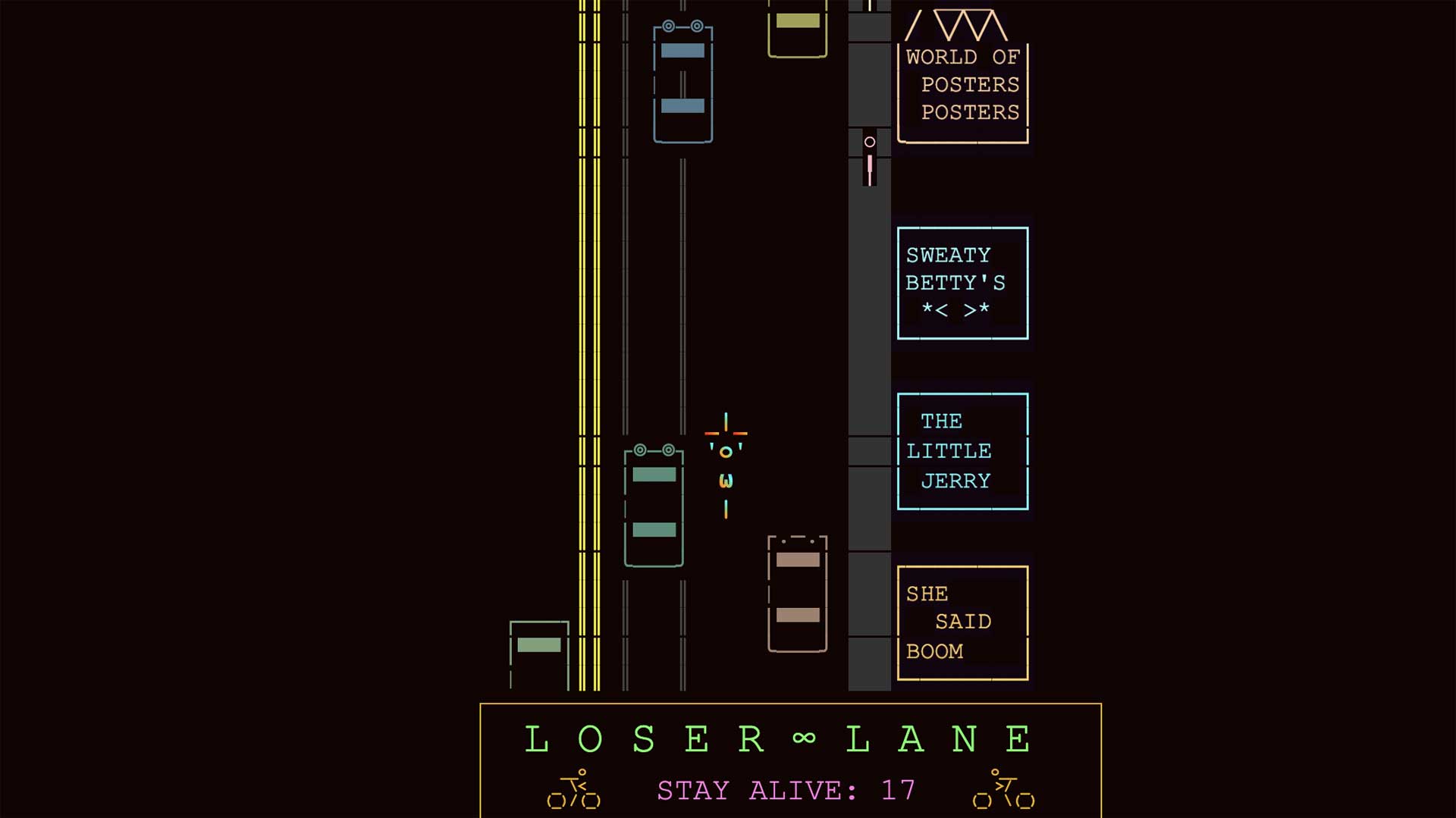
Loser Lane features endless runner-style gameplay to demonstrate the need for more biking infrastructure in Toronto and Montreal. You will die within seconds, and that’s very much the point. (Image credit: Marie LeBlanc Flanagan)
And then down to the lowest level is just inside the self. It’s like, ‘Okay, where am I? What country am I in? What province am I in? What city am I in? What community am I in?’ So just focusing on the actual place where we are, when we’re making things and telling stories that only we can tell, the kinds of personal stories that only we can tell because we’re actually in it, rather than generic stories that anyone could tell because they’re the miasma of the pop-culture at the time.”
Paul Fogolin (president and CEO of the Entertainment Software Association of Canada): “What’s happened in Canadian indie game development over the past five or so years feels like a cultural reset. When you look at games like Venba, 1000xResist, Kona, The Long Dark, Été, these aren’t just games that happen to be set in Canada — they’re games that couldn’t have been made anywhere else. They’re expressing something specific and true about what it means to live here, grow up here, and belong here. It’s a lived experience you can feel in every frame.
To sustain the momentum, I think a few things matter. First, accessible funding for Canadian creators. The Canada Media Fund’s interactive digital media stream is a genuine lever, and we were very pleased to see the government’s recent announcement of an increase to the interactive digital media stream. Second, visibility and recognition. Every time a success story like Venba or 1000xResist gets major coverage or award recognition, it proves to other developers that these stories have an audience. And that matters enormously. The more Canadian developers see games set in Canada succeeding both critically and with players around the world, I think it will empower Canadian game makers to lean further into their identify as Canadians.
What Schitt’s Creek demonstrated, and what Heated Rivalry and Nirvanna the Band the Show the Movie are showing in their own distinct ways, is that leaning into Canadian specificity rather than away from it is precisely what creates something universal and enduring. The genericness doesn’t make stories more relatable; the specificity does. The Rose family’s fish-out-of-water experience in a very Canadian small town [in Schitt’s Creek] resonated globally because it was so particular. That’s a lesson the games industry is learning in real time.
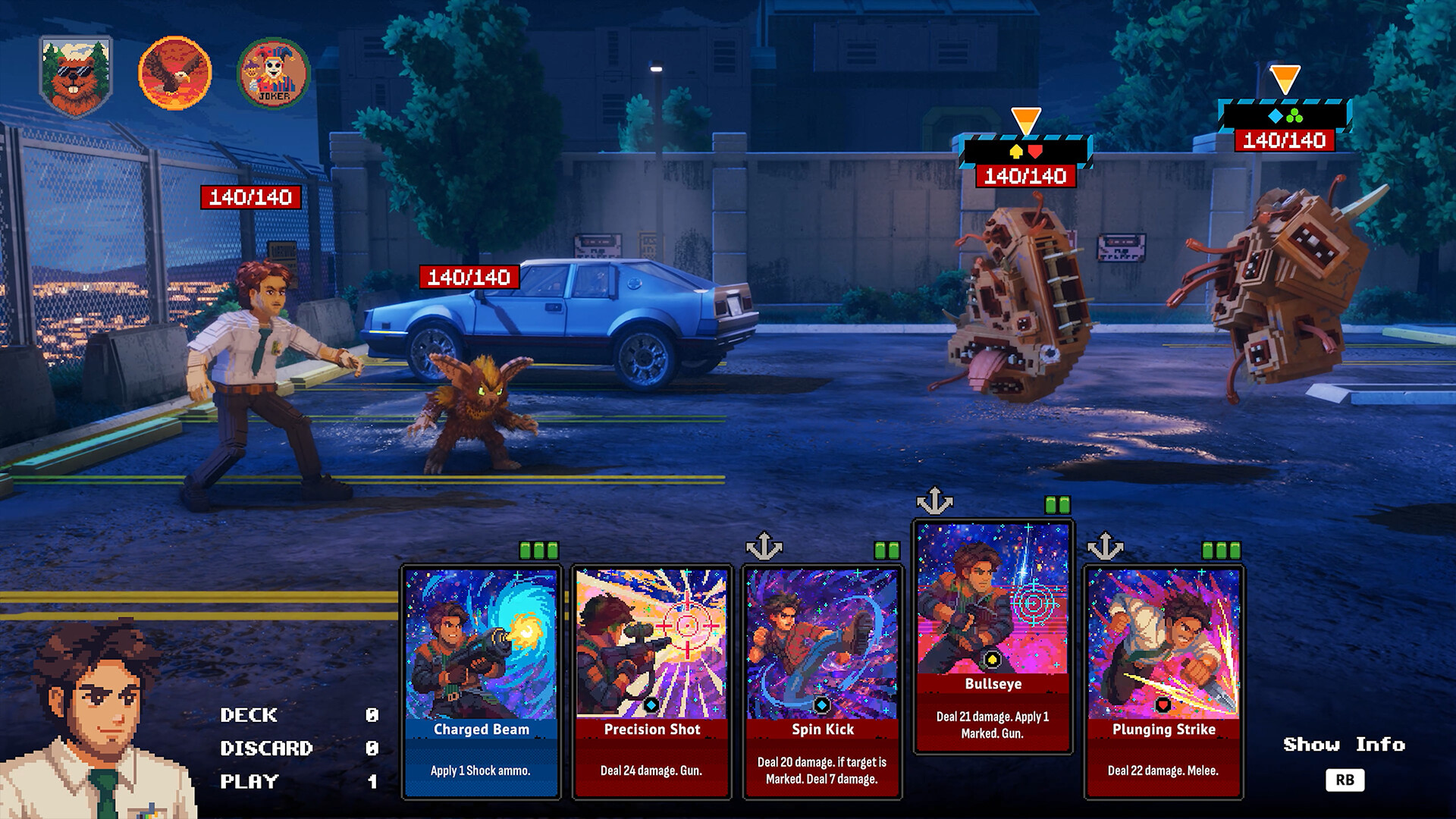
Part sequel, part prequel, Echo Generation 2 is a sci-fi turn-based deck-building RPG set in Maple Town, Ontario. (Image credit: Cococucumber)
Martin Gauvreau (Toronto’s Cococucumber co-founder, game director of Echo Generation 2): “A movie that was just released, Nirvanna the Band the Show the Movie, [was set] in Toronto. So I think it’s starting to change, and definitely the talent is here; the storytelling talent and the technical talent is in Canada […] But maybe one [challenge] is promotion of it and [another] is the audience resistance sometimes. But I hope that the same way that people stopped going [as much] to Las Vegas or to Fort Lauderdale and said ‘Oh, let’s go to a park or let’s go visit Nova Scotia,’ they say, ‘Hey, why don’t we try to watch some more Canadian movies or a TV show or play Canadian video games?’ So it’s just a matter of changing how we perceive it. Because the quality is there.
Even going back to literature and all that in Quebec, some writer at some point started to write how people talk in Quebec, and not like the ‘perfect’ French from France. And it was a bit of a revolution in the sense that you’re not supposed to write like we talk here. You’re supposed to write only in ‘French’ French. But you can read stories about how people live in Montreal and talk in Quebecois — that the street talk is quite different than the ‘perfect’ French. So [don’t be ashamed that this is the way we are; let’s just create our own stories and talk the way we talk, and show the things we do. This is [being] ourself and embracing our identity and maybe sometimes not being ashamed. America is such a giant steamroller for culture and everything, so sometimes it’s easy to be intimidated because they’re next door. But with the latest developments, maybe it’s a chance to refocus or think about that differently.”
Ron Ismach (Styrax Studio founder, director of Button Man): “I am optimistic that the anger Canadians feel about the way they were treated this past year has sprouted out a movement to reclaim our national identity on the world stage, that includes in video games. I am hopeful that more games like the ones on the list and my own will pop up and I will keep doing my part to promote Canadian stories that show what we’re truly about. I hope the government will push for this future with aid and programs, and I hope those with funds allow for an easier time for indies and smaller studios to make their craft with less financial struggle.”
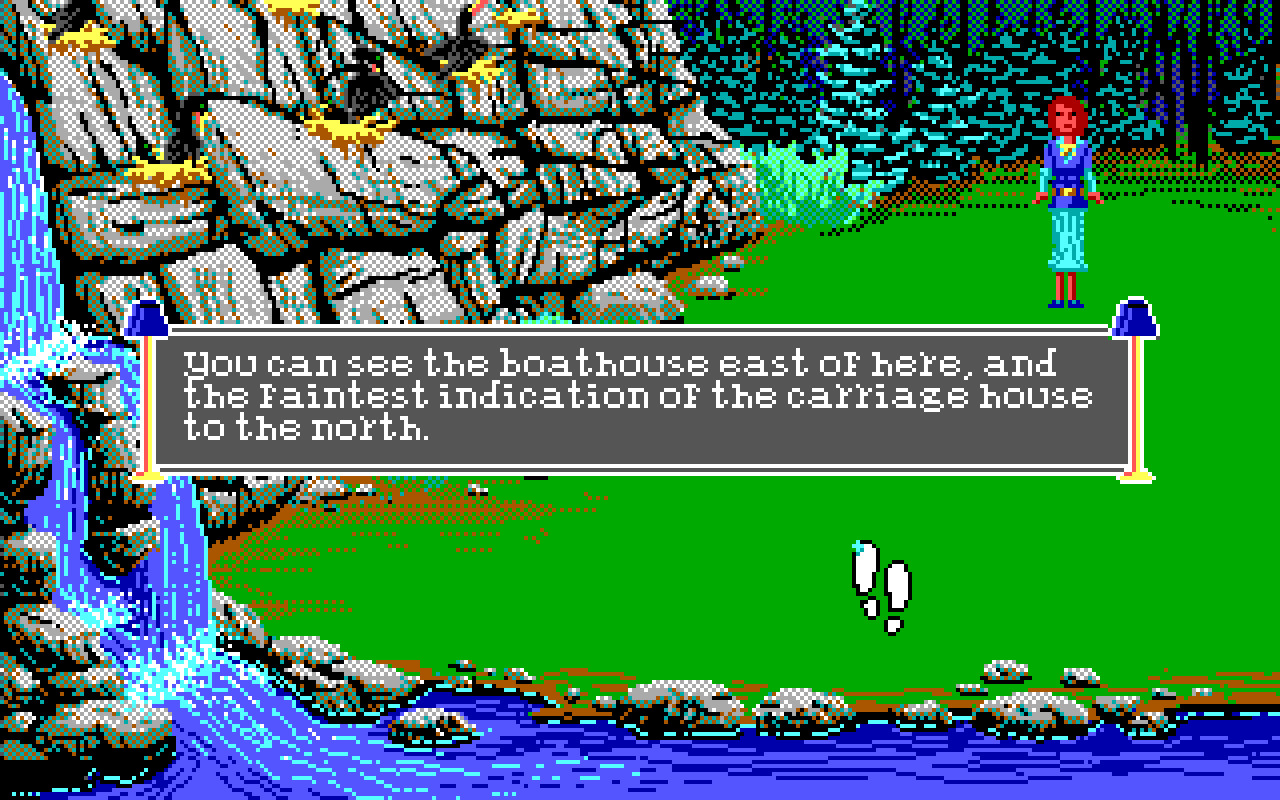
A loving throwback to classic adventure games, Crimson Diamond focuses on a mystery in the fictional town of Crimson, Ontario. (Image credit: Julia Minamata)
Ash Kamenska (Toronto’s Kitten Cup Studio — lead programer on Capy Castaway): “Coming to Canada, I didn’t have a lot of preconceptions about it from popular culture the same way you would about the U.S. (whether you like it or not). There’s a lot to love and a lot to have complicated feelings about here that a lot of people outside the country don’t know about and its exciting to share that! I live in Hamilton where Heated Rivalry was filmed and we’ve been giddy with friends to be the ‘hockey yaoi’ mecca of the world. Whenever we’re showing Capy at local events people get excited to see the places they care about being represented with so much love and silly details and history.
A part of it is wanting to share something I love and care deeply about with others who don’t know of it yet, and another part is making things I know will resonate with people in my communities! The indie community here has been supporting and uplifting each other and there’s a sense of camaraderie to it! It’s been amazing seeing both its history and how it’s grown and rebuilt in the recent years and I feel a lot of pride in contributing to that. I’m optimistic about Canadian representation in games in the future in large part because of it.”
Julia Minamata (writer-director of The Crimson Diamond): “Nurturing local talent is a great way to support authentic Canadian stories, made by Canadians. We are very fortunate to have government funding and support for the arts and for the games industry in particular. I would love to see more funding invested in Canadian developers, and more ways for us to showcase our work and to be recognized for our achievements. In 2019, The Crimson Diamond (demo) was a finalist in Ubisoft Toronto’s Indie Series. That was an incredibly validating, motivating moment for me. It would be great if more devs could get to experience moments like that.
I’m optimistic that we’ll hear, see, and play more Canadian games. There are so many amazing devs in Canada! I think the Canadian indie game dev scene is especially good. Unlike with film and television, there isn’t the same belief that ‘making it big’ means going to New York or Los Angeles. We can make the most amazing things, right here at home.”
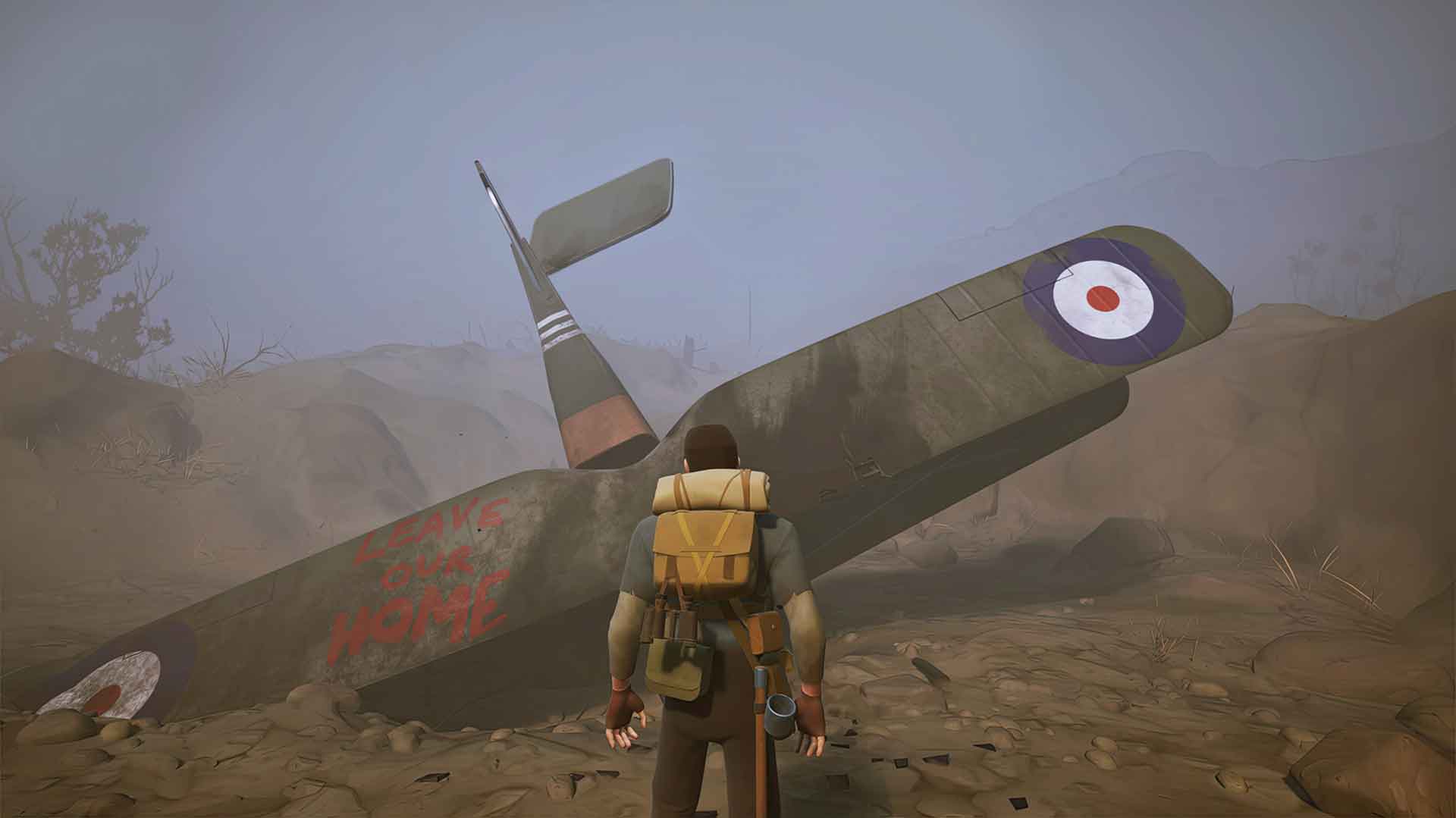
The Caribou Trail is based on the riveting true story of the Newfoundland Regiment during the Gallipoli Campaign of WWI. (Image credit: Unreliable Narrators)
Louis Nantel (Montreal’s Unreliable Narrators — designer on Two Falls and The Caribou Trail): “I think we’ve had favourable policies and economic developments here in Canada to really foster a highly diverse and skilled sort of workforce in the media space. Right here in Montreal, there are so many video game studios all over the place, and they’ve been making games for the American audiences, mostly because they’ve been financed and published by American publishers and financed by bigger international companies. But when some of these studios close down, or when other opportunities that are more local arise, these workers are already here. These skills are here, and they have lived experiences here, and they want to make art about the place that they come from. And so hopefully, by cultivating more of this, there will be more Canadian art that emerges from it over time naturally.”
Jeremy Nelson (Red River Métis, founder of Toronto-based Little Buffalo, designer and producer on Akiiwan: Relaxing Survival): “I definitely think it will continue and it’s something we’ve already seen to certain degrees in comedy and music [that] will continue in games and other media more and more. I feel like the content of the art and entertainment doesn’t have to be explicitly, ‘hit-you-over-the-head Canadian’ to be Canadian in the same way we wouldn’t expect Joni Mitchell to have included a mention of Canada in every single song for her to be Canadian. It’s similar to our game Akiiwan, which isn’t hitting you over the head with Indigenous themes every step you take, but also is clearly deeply inspired by them, in a way that makes the gameplay fresh and fun. I don’t think something has to be telling you it’s Canadian constantly to be Canadian.
The wonderful thing about games is that most games exist within a genre, and I think there are so many ways that Indigenous game designers could play with genre assumptions that would be both meaningful and really fun for players. The creator of Venba in his GDC talk said this really well where he spoke about how, when you come from a community that hasn’t been represented in games a lot, there can an internal and external pressure to be an encyclopaedia and basically make up for all missed representation in one title, which of course is impossible and also would make an encyclopedia, not a game. So the solution [for more Indigenous stories in games] really is just getting more Indigenous folks into games and give them the chance to do something new and fun with the genre and setting and mechanics.”
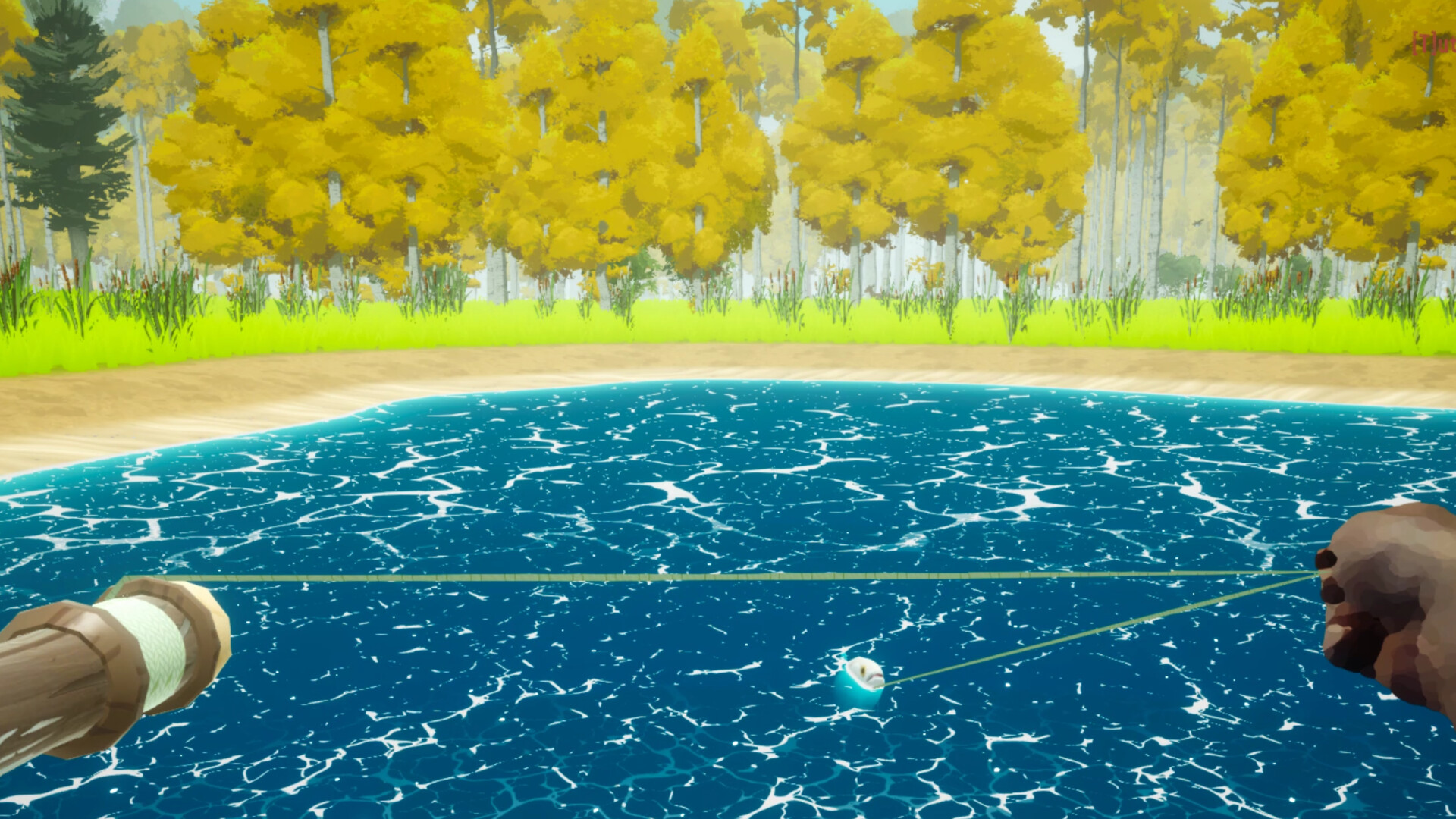
Akiiwan: Relaxing Survival is a cozy Indigenous survival game in which you explore, hunt and craft during the day and connect with spirits at night. (Image credit: Little Buffalo)
Joshua Nilson (Métis, founder of Vancouver-based Maskwa Games, director of The Métis Life): “You need to talk about where you are from, your weird little town and how you are different. I built a whole company on weird games founding East Side Games and now, we are doing this with Maskwa Games. We are helping to empower youth to build and launch games that are different. What I love about shows like Heated Rivalry is making something for underserved audiences, speaking authentically to their fans and taking a risk. It’s a killer show. Trailer Park Boys and before that FUBAR were my influences to do my own thing and not just follow the trends. If you are creative, don’t listen to the noise, find your audience and build something different. Be like The Muppet Show: be weird and yourself.
Our goal at Maskwa Games is to help empower 1,000 new Indigenous digital creators in the next two years. We will accomplish this by building digital spaces that are inclusive. We will provide training and support for them. We will help each other out building a platform that is easily shared and open to all. We can’t wait to see what Indigenous creators make in the Indigenous Interactive Media space. A big shoutout to all of the people and organizations that supported us as we get started. (Thank you, MNC!)”
Len Predko (Toronto’s Kitten Cup — producer on Capy Castaway): “To me the way in which games in Canada are choosing to internally reflect and depict the lived experiences of Canadians is a wonderful shift, as there’s no CanCon requirement for games. I think as the games industry and community has developed in Canada there’s a strong sense of togetherness and interest in everyone doing well, especially at a local level. I think the best way of encouraging that is celebrating each other’s wins. When Venba won in 2024 at the Independent Game Festival Awards most of the Ontario devs were all sitting together, and it was awesome how excited we all were celebrating in the crowd for them — getting to be like ‘that’s our folks!’ I think the best way to encourage folks to make the games they wanna make, and reflect themselves in their own work, is to take the time to foster spaces where we can celebrate each other.”
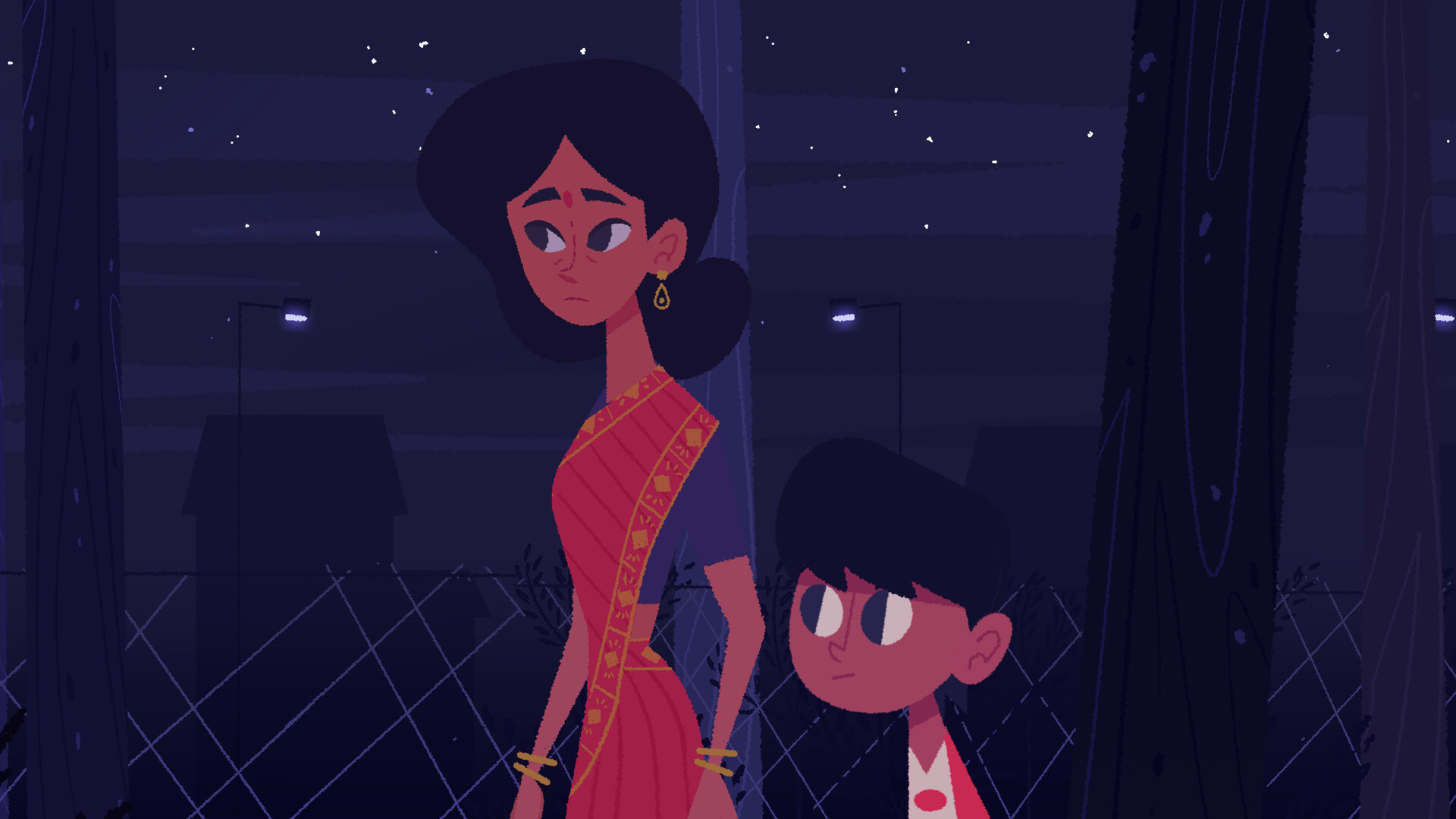
The award-winning Venba follows an Indo-Canadian mother in Toronto as she attempts to reconnect her family to their culture through food. (Image credit: Visai Games)
Francis Rufiange (Montreal’s Unreliable Narrators — lead designer on Two Falls and The Caribou Trail): “There’s a big shift in the video game industry right now, and there’s a lot of people that are moving away from AAA, forcibly or not. So there’s these studios that that pop up and that inject their own culture — and that’s not just true of Canada, but of all over the world — and they try to bring that to the video game landscape. So hopefully, it [will] change in that direction. And Canada right now, with the whole geopolitical situation, is getting a lot of press. [laughs] Any press is good press, as we say. So maybe people are going to take more interest in Canada, and they’re going to maybe steer away from their usual media consumption preferences. That’s the hope.”
Remy Siu (founder of Vancouver’s Sunset Visitor, creative director of 1000xResist): “I am optimistic! I often say that indie games is one of the places Canadians really get to shine and express themselves and export ‘Canadian culture.’ Why is that? We have a lot of really great supports for it, like the Canada Media Fund and the various tax credits. I also think that there are fewer gatekeeping opportunities in indie games, so a lot of Canadians get to make what they want. I don’t know if I could have stomached the kind of hoops I needed to jump through to make something like 1000xResist in a linear context. So I would say, the best way is to support Canadian developers is to let their imagination run free! Let them take interesting risks. Let them make games that go against the grain, and allow them to find their voice.”
Abhi Swaminathan (founder of Toronto-based Visai Games, lead designer and writer of Venba): “Yes! I think the Canadian game industry is one of the strongest in the world and one of the best places to develop games. There’s strong government support but also a tight-knit community of game developers. I think it’s inevitable that we only see more and more Canadian representation.”
Maddy Thorson (Extremely OK Games studio co-founder, creative director and writer of Celeste): “Yes, I feel optimistic, not just for Canada, but that the future of the world and art is more authentic and more local.”
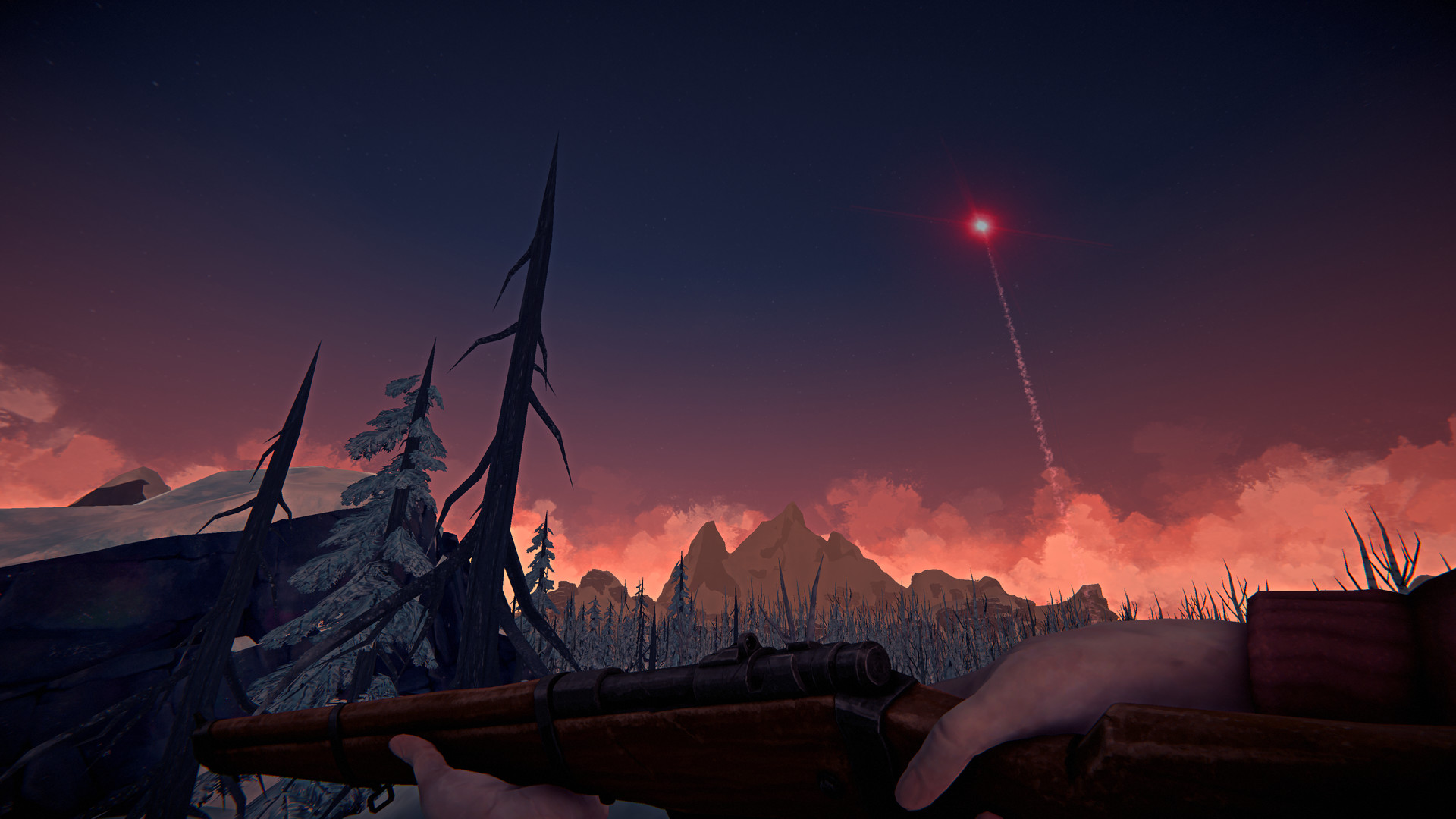
One of the earliest Canada-set games, The Long Dark is all about survival during winter off the northwest coast of B.C. (Image credit: Hinterland)
Raphael van Lierop (Vancouver-based Hinterland co-founder and CEO, creative director of The Long Dark): “We’re seeing more and more Canadian productions putting Canada front and centre, with stories and production values that rival anything else out there. And the level of quality and creativity in the independent game scene in Canada is just staggering. I absolutely see this trend continuing, but for it to succeed means Canadians need to make an effort to support these creations. Every platform you consume entertainment on will prioritize non-Canadian content first, so you have to go out of your way to seek these creators out and reward them by spending money on what they make. It’s the only way.
Hopefully Canadians are waking up to the reality of how exploited and sidelined we’ve been, and how much we’ve been the architects of our own creative demise, and that we’re the only ones that can change it. And we will change it. But it won’t be easy. It needs to be done intentionally and with a sense of pride. I do think Canadians are starting to see themselves more distinctly in the world, and hopefully that sense will start to permeate what you see from our creators. We definitely have the talent to do it. We just need the confidence and the willingness to put Canada out there.
We can see some great recent examples in TV of shows proudly set in Canada and which have resonated strongly with audiences outside of Canada. Heated Rivalry and Shoresy are both massively popular outside of Canada, but both proudly wear their Canadian identity on their sleeves. I recently started rewatching Cardinal, a wonderful crime series set in Northern Ontario. I’m also enjoying the Toronto iteration of Law & Order, which in my opinion is far superior to the American version. I think we have the stories and the quality of creators and producers, we just need the courage to tell these stories, and Canadian audiences need to reward these producers by taking a chance on their shows. It’s a virtuous circle.”
These responses have been lightly edited for language, clarity and length.
Image credit (clockwise from top left): Ravine Studios (art by Sean Lewis)/Hinterland Studio/Styrax Studios/Sunset Visitor/Starspray Studios/Maskwa Games/Pushing Vertices/Unreliable Narrators
MobileSyrup may earn a commission from purchases made via our links, which helps fund the journalism we provide free on our website. These links do not influence our editorial content. Support us here.