


Part of the interesting thing about the video game industry is learning about all of the ways that people break into it.
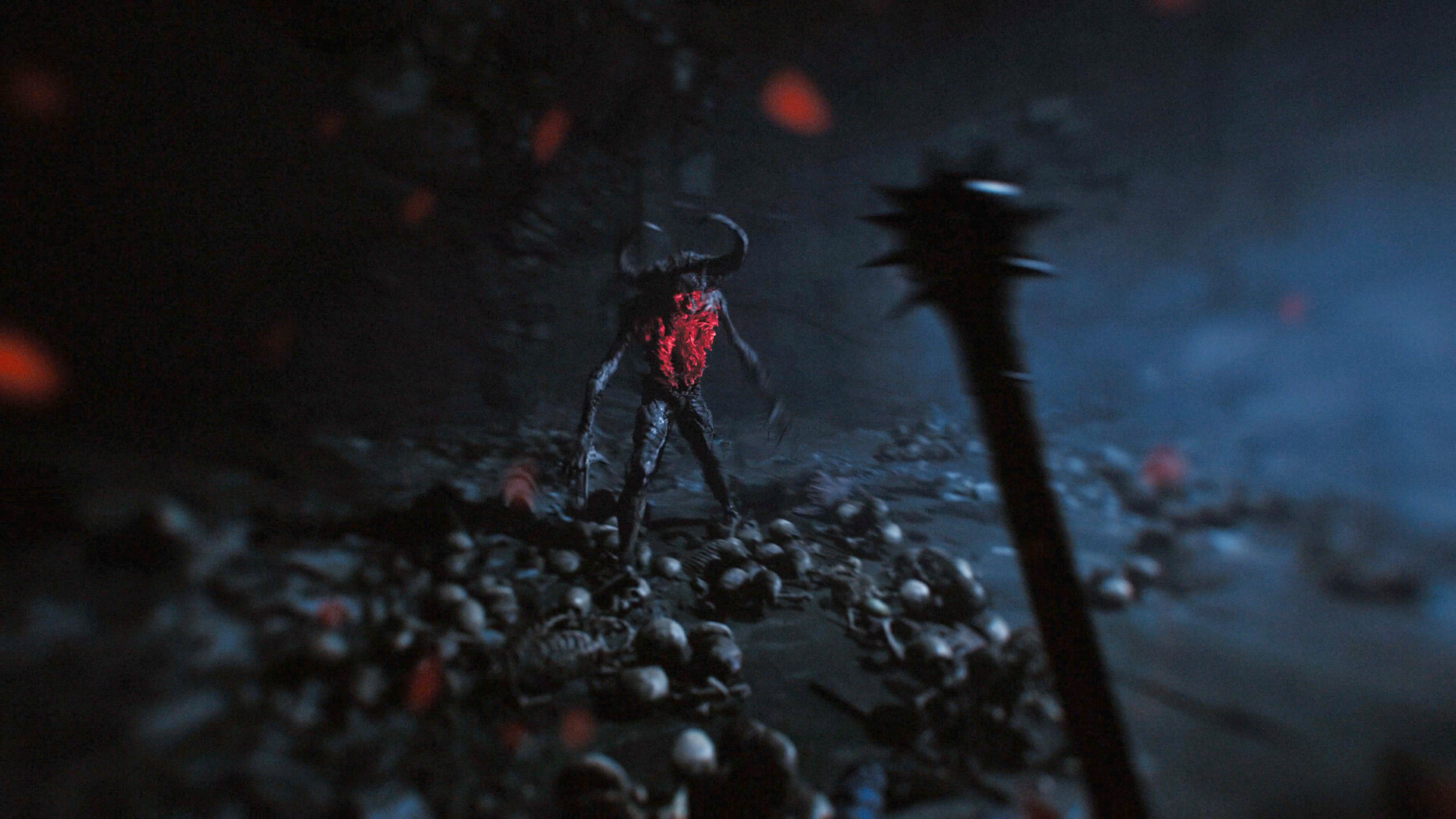
For Calgary-based Eldamar Studio, that journey has been particularly fascinating. Founded in 2018 as a web shop for photo effects, the studio has expanded its portfolio over the past few years to include game development. Enter Lucid Falls, a survival horror game that was actually featured during a Game Awards-adjacent stream last month by the prestigious Day of the Devs indie-focused non-profit.
To learn more about Lucid Falls, MobileSyrup sat down with Eldamar Studio’s Yurii Radkevych (founder, creative director and environment artist) and Jacob Foster (3D artist, programmer and animator). In a wide-ranging interview, they talked about making the change from photo effects to game development, the dream-like quality of Lucid Falls, avoiding a reliance on jump scares and the broader Canadian gaming scene.
You were founded in 2018 as a small web shop for photo effects. What led you to pivot to game development, and what have been some of the challenges in making that shift?
Yurii Radkevych: We started, as you said, in 2018 just as a workshop of photo effects. But we had a lot of different ideas even back then. Pretty early, we started to experiment with some other different things, like visual effects and game development assets, as well as musical assets. But also, since the beginning, we had a huge passion for video games, and I would say that Eldemar Studio, as a webshop, allowed us to basically fund game development and [run] experiments with games.
Once you knew you wanted to make that jump, how did you settle on the idea for Lucid Falls and this sort of horror experience?
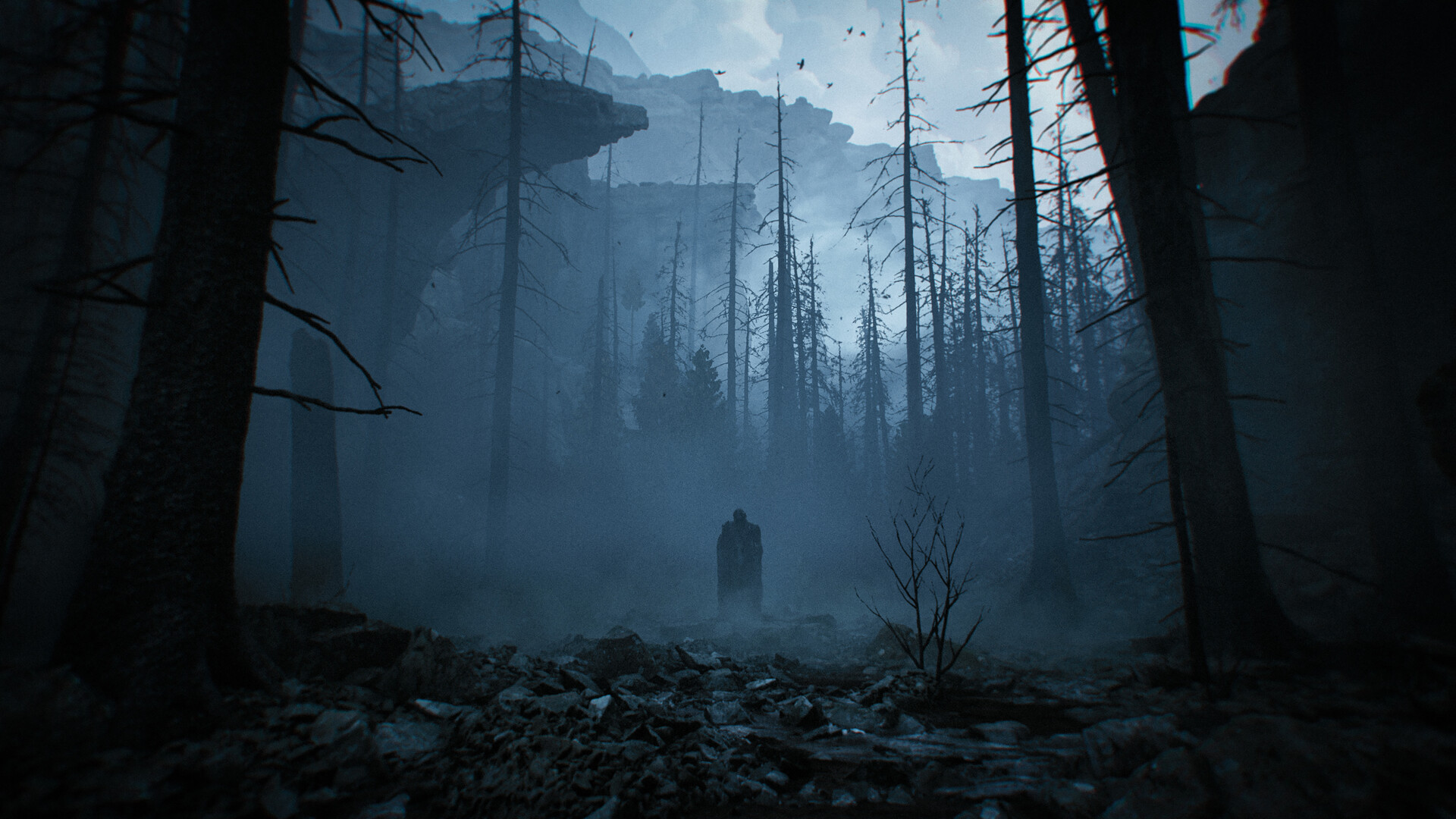
Radkevych: Actually, it was a pretty long journey. The first ideas for Lucid Falls came a pretty long time ago — I would say about 10 years ago. And funny enough, it was actually from [my] dreams. So I just started to write different ideas to explore more. Since the beginning, I knew that maybe someday we would start to work on some kind of project, and with time, I got a lot of different ideas. And in general, I really love the horror genre, and a lot of different games, movies, really inspired Lucid Falls.
Jacob Foster: I think it’s a bit of a passion project for you, really, isn’t it? It’s your dream game, right?
Radkevych: Yeah, it’s really a dream game.
So I’m curious, how did that experience of working with photo effects influence your approach to Lucid Falls? Because I imagine that kind of gives you a unique perspective in the sense of thinking about things in a more sort of cinematic and visual way.
Radkevych: Yeah, definitely, I agree. This kind of set of skills allowed us to, from the whole beginning, prepare more polished visuals for Lucid Falls. I would say the experience with visual effects allowed us to experiment with a lot of different things.
I’m not sure how much you can say, but I’m curious if you can tell me a little bit about the story. I know it’s set in the town of Lucid Falls, and then there’s obviously the horror elements to it, but is there anything you can say about the larger story that players are going to be experiencing?
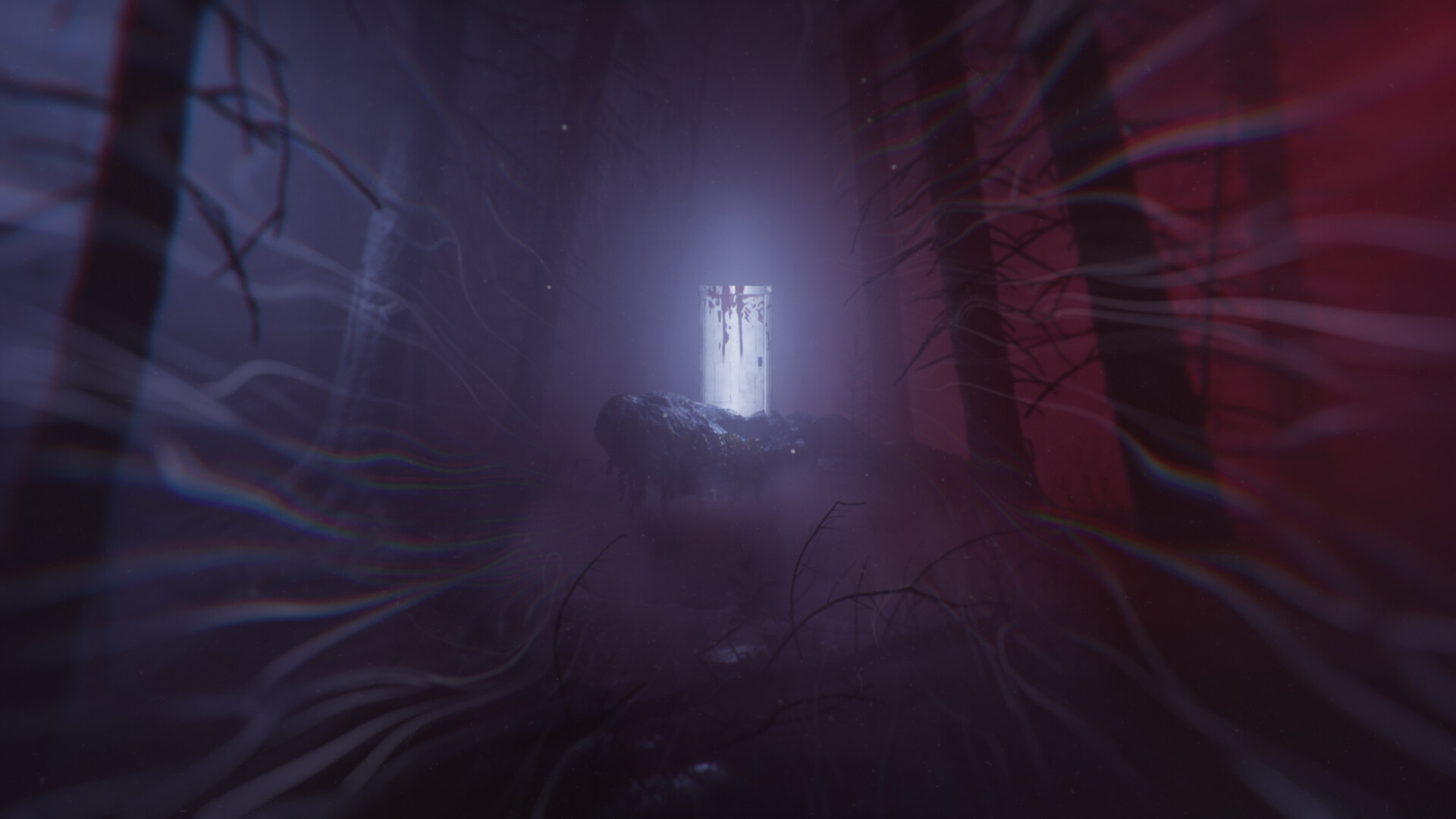
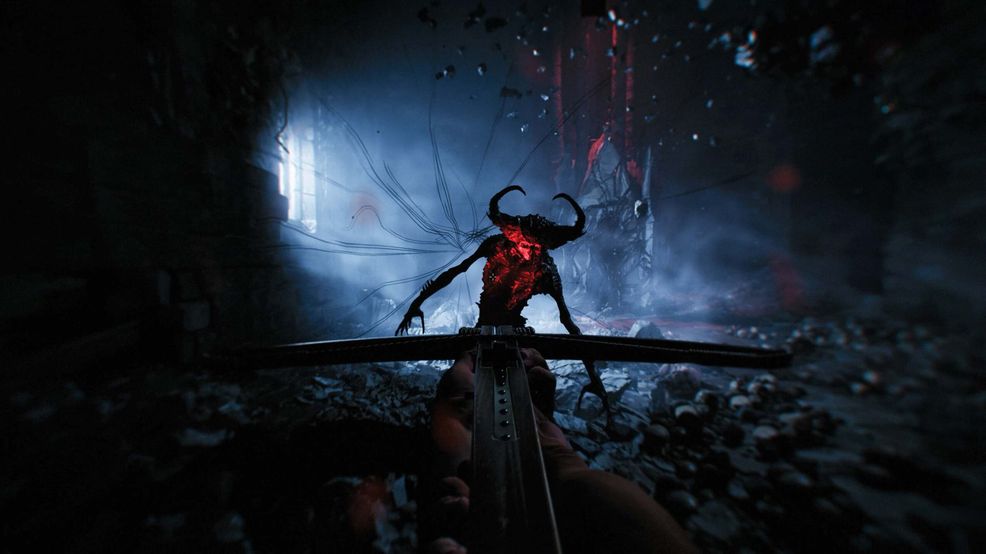
Radkevych: For sure. So essentially, Lucid Falls is a psychological horror adventure that, in lucid dreams, players can manipulate things like gravity, space and time. We don’t heavily rely on traditional jump scares. The game is very atmosphere-driven with a focus on how the world feels and the gameplay in general. But of course, there will be plenty of horror elements as well. I would say the psychological element is really important in Lucid Falls. It’s not only uncovering the story behind Lucid Falls, but also the story behind the main character who’s fighting his past and present with different twists.
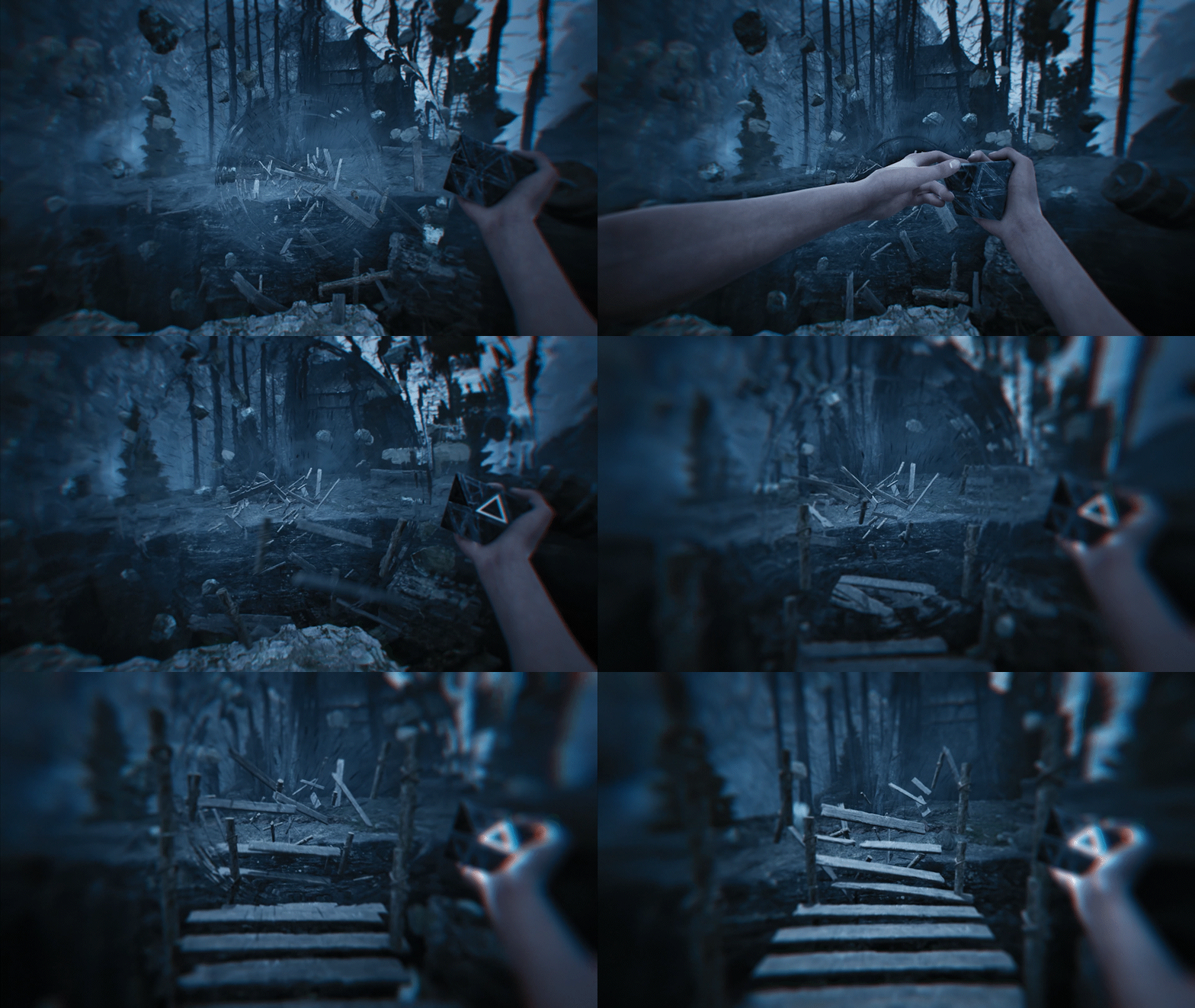
Elaborating on that manipulation of gravity, space and time… In the trailer, we see the protagonist recreating a broken bridge with those sorts of powers. So from a design perspective, what are some of the other ways that you’re kind of approaching this idea of manipulating reality?
Radkevych: I would say that there are a lot of different ways players can manipulate reality in Lucid Falls, as well as time. Sometimes the world would be twisted from the whole beginning, so you would have to navigate through the twisted world using different gameplay elements to make it pass forward or to overcome different puzzles. And sometimes, it’s just a really nice way to explore the world and to play with different elements. Jacob can probably explain better the technical part of it.
Foster: Yeah, so at the moment, we’re sort of redoing the movement system. We’re trying to refine that so you’re going to have several different artifacts in the game. So you’ve got a little pyramid that, when you rotate, shifts gravity. And then you saw in the trailer, there are some time-related things as well. And then what we were talking about last night is some of them are going to have really specific sort of set events or animations, like the bridge falling. We want each experience to be unique. So you might have something that sort of rewinds in a really nice way with lots of moving parts, and visually, I think it’s gonna be quite impressive.
I see both on the website for the game and the Steam page, you mention the goal behind the game is to “make a dream feel real.” So I’m curious, what goes into that process to manifest a dream and make it feel real to the player?
Radkevych: Yeah. As I said, the core idea for Lucid Falls comes from a dream, and I would like to capture some different elements from the dreams that play a huge inspiration role for Lucid Falls.
Foster: Yeah, we’re making everything slightly strange, so we’ll have a tree, but like all the trees and footage in the game, they’re going to be sort of twisted and not stylized, just misshapen in a way. And I think we plan to do the same to some of the buildings as well — change the scale, make them look really strange. And the gravity is shifting as well — sometimes when you’re in a dream, you turn around and everything looks different, then you turn back again and it’s changed. That’s the sort of feeling that we want to get across.
You mentioned in the Day of the Devs stream that the game is being built around “atmosphere, emotion and intention.” I’m curious if you could elaborate a little bit on that.
Radkevych: Instead of just relying on traditional jump scares, we are really interested to give the player the right kind of feel and emotion, ideally, in each moment of the gameplay of Lucid Falls. And I really believe — instead of just relying on jump scares, which are also important — that tension is a really important part of the horror. I would say it’s sometimes even more important than jump scares — the emotions, the tension building. So I really feel like by [finding] the right kind of setting, emotion and atmosphere, players can believe slightly more that this world is real and it would give us a much more, much more immersive experience.
My next two questions are more on the broader game development scene. We don’t often hear as much about Alberta developers other than BioWare. So what’s it like to be in that space? What would you say maybe makes the Alberta game development scene special or unique or different?
Radkevych: Essentially, we are a core team of three, with two of us in Alberta, and Jacob is located in the UK. We’re starting small, but definitely want to grow over time. I would say that it’s definitely a good experience. There are not a lot of game studios, and in general, it’s not really as developed as some other areas. But still, we’ve got some other gaming events in Edmonton. And still much, much more than [other] places where I am originally from. I came from Ukraine, and there is definitely not a big development scene in those places. So it’s definitely a good experience here.
That’s awesome, I love to hear that. Something I’ve always appreciated about the Day of the Dev streams is that they always highlight where the developers are. I remember Amanda [White, iam8bit co-owner and Ontarian expat] specifically mentioned you guys are in Calgary, which is what caught my eye. I think that’s a cool way to show how global game development is. And obviously, something that’s near and dear to my heart is games that are made in Canada. And I’ve long felt that while there’s a lot of great games that are made here, not a lot of people really know about them. So in that spirit, what are some of the other ways, whether it’s industry or government or media or whatever, that we can maybe better promote the fact that there’s games like yours being made in Calgary and elsewhere that are really cool and people should keep an eye on them, but maybe they don’t know about them?
Radkevych: Yeah, it’s a really interesting question. It’s hard to say. I know that there are some government funds available in Canada already. I’d say it’s already really good to see that kind of movement. There are also a lot of different festival showcases available in Canada, which is also really good to see. But yeah, ideally, I would say that showcases and festivals are a really, really is the best way to promote video games.
Foster: That’s sort of our goal this year. We’ve been looking at some events. It might even be that I’ll start organizing some like local events. So, yeah, we’re currently keeping an eye for places that we can go to and showcase Lucid Falls in 2026.
This interview was edited for language and clarity.
Lucid Falls doesn’t yet have a release window, but you can wishlist the game on Steam.
Image credit: Eldamar Studio
 Features
  Features
  Features
  Features