Recently, I have been covering the introduction of the federal government’s Electric Vehicle Affordability Program (EVAP), which came into effect earlier this year.
However, even with this, many people still struggle to access EVs, especially as automakers like Honda and General Motors scale back their efforts amid the current economic climate, raising profitability concerns for longstanding automakers.
That’s why Volvo is aiming to help people gain access to EVs.
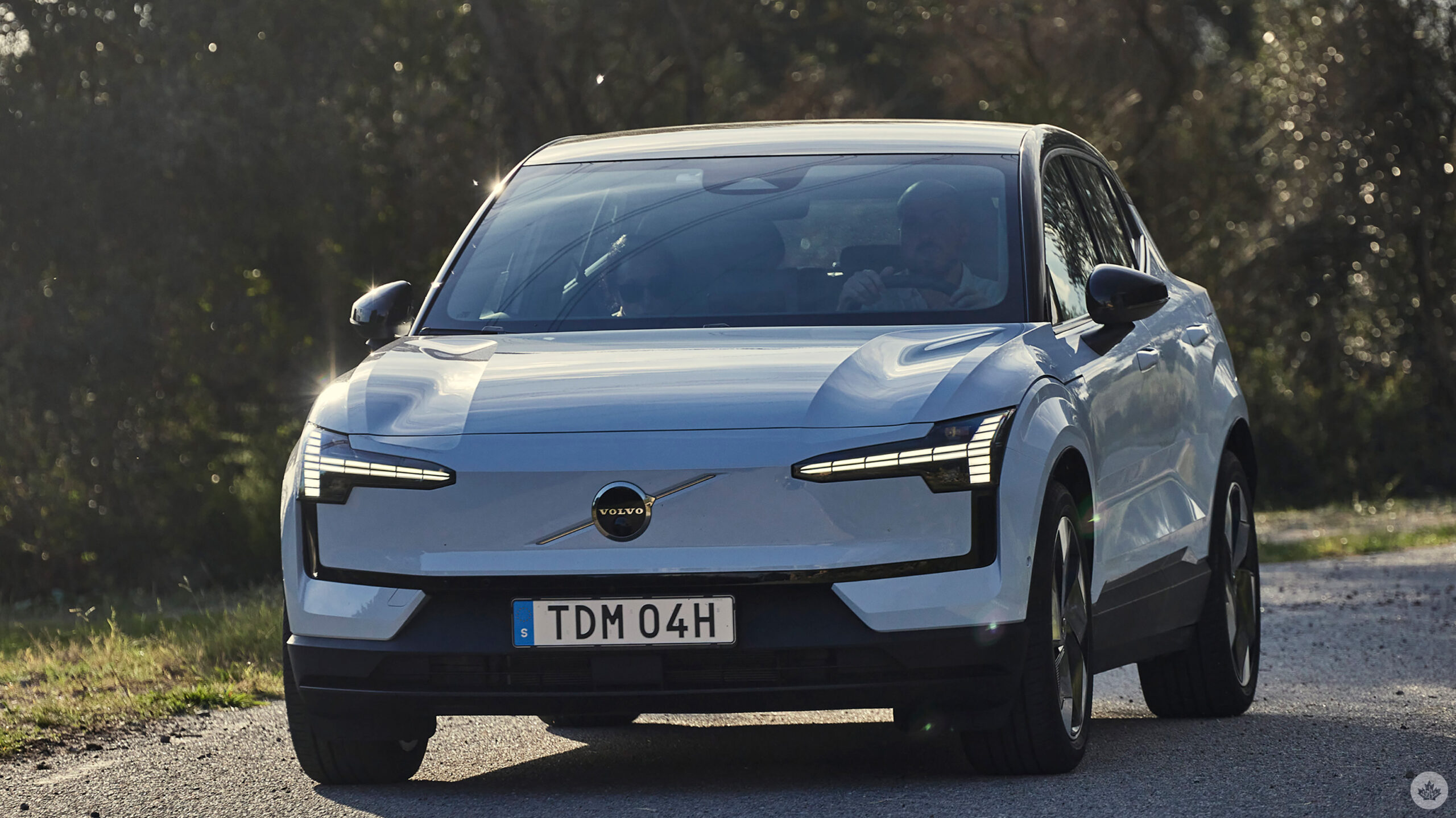
Essentially, the Swedish auto manufacturer has adjusted the price of its EX30 SUV to sit below the $50,000 threshold for rebates at $47,919, making it eligible for the $5,000 EVAP rebate.
A Volvo spokesperson noted that the EX30’s price adjustment is specifically designed to expand access to Volvo EVs, and support broader adoption of EVs in Canada.
Currently, this is the only Volvo product eligible for a rebate under the EVAP program. The next closest product in terms of price point is the XC40, but it is only a mild hybrid, which doesn’t qualify for the EVAP rebate.
However, Volvo believes that having better access to EVs in general is only half the battle.
“You need smooth integration with the ecosystem for consumers, you need participation from the government around incentives, you need an infrastructure that works, and you need to eliminate range anxiety — which includes faster charging [speeds],” said Matt Girgis, Managing Director of Volvo Canada. “You have to remove those barriers and lean in, and also get the government to lean in so that we can accelerate the transition.”
That belief has been heard somewhat in recent months, with the federal government releasing the previously mentioned Electric Vehicle Affordability Program and investing $1.5 billion in EV charging, partnering with companies like FLO, Parkland, and JOLT. Even the Toronto Parking Authority has noted in the past that currently, 80 per cent of Torontonians live near an EV charger.
However, as Girgis noted, more infrastructure is still needed for EVs to work. One 2024 report prepared for Natural Resources Canada noted that the country would need approximately 447,000 public charging ports and 11.9 million at-home charging ports by 2035. Currently, Natural Resources Canada reports 16,207 charging stations and 45,781 EV charging ports.
MobileSyrup may earn a commission from purchases made via our links, which helps fund the journalism we provide free on our website. These links do not influence our editorial content. Support us here.