


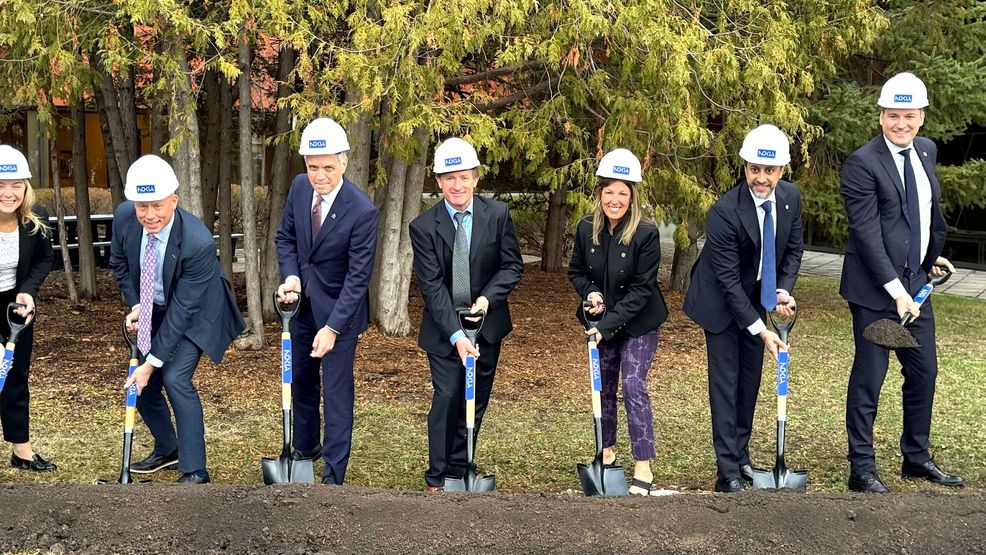
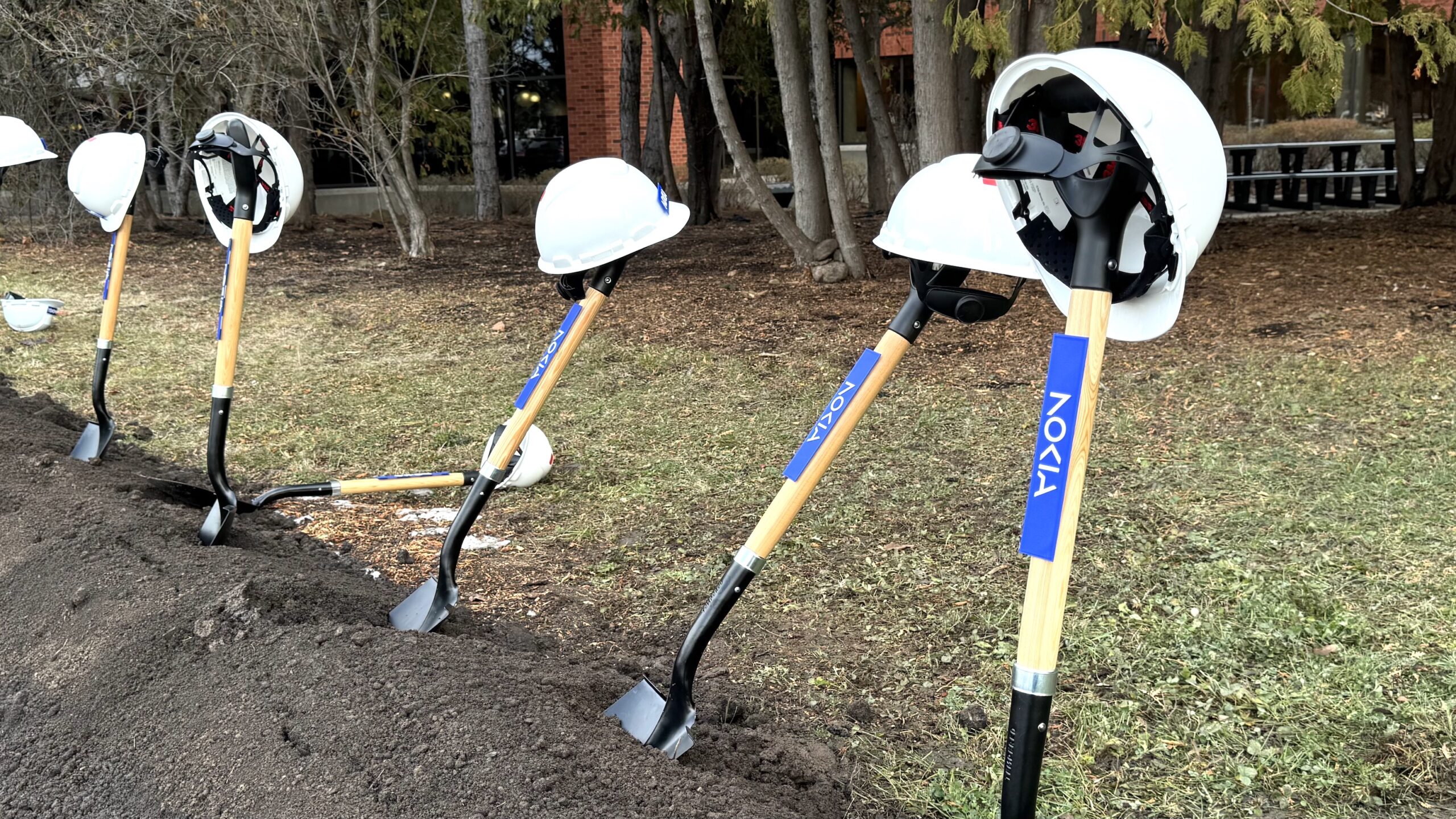
Nokia began construction on its new Ottawa innovation campus on Tuesday morning. About 150 people filled the main lobby of Nokia’s Kanata campus as federal leaders, Ottawa Mayor Mark Sutcliffe and Nokia executives stuck shovels in the ground to launch the largest research and development (R&D) build in Canada.
The scale alone signals this is not a routine corporate expansion. The new campus will span nearly 750,000 square feet and include research labs, data infrastructure and wireless systems development. Nokia says it employs more than 1,900 R&D workers in Ottawa and more than 2,500 across Canada. This site will add nearly 400 more.
AI and quantum infrastructure
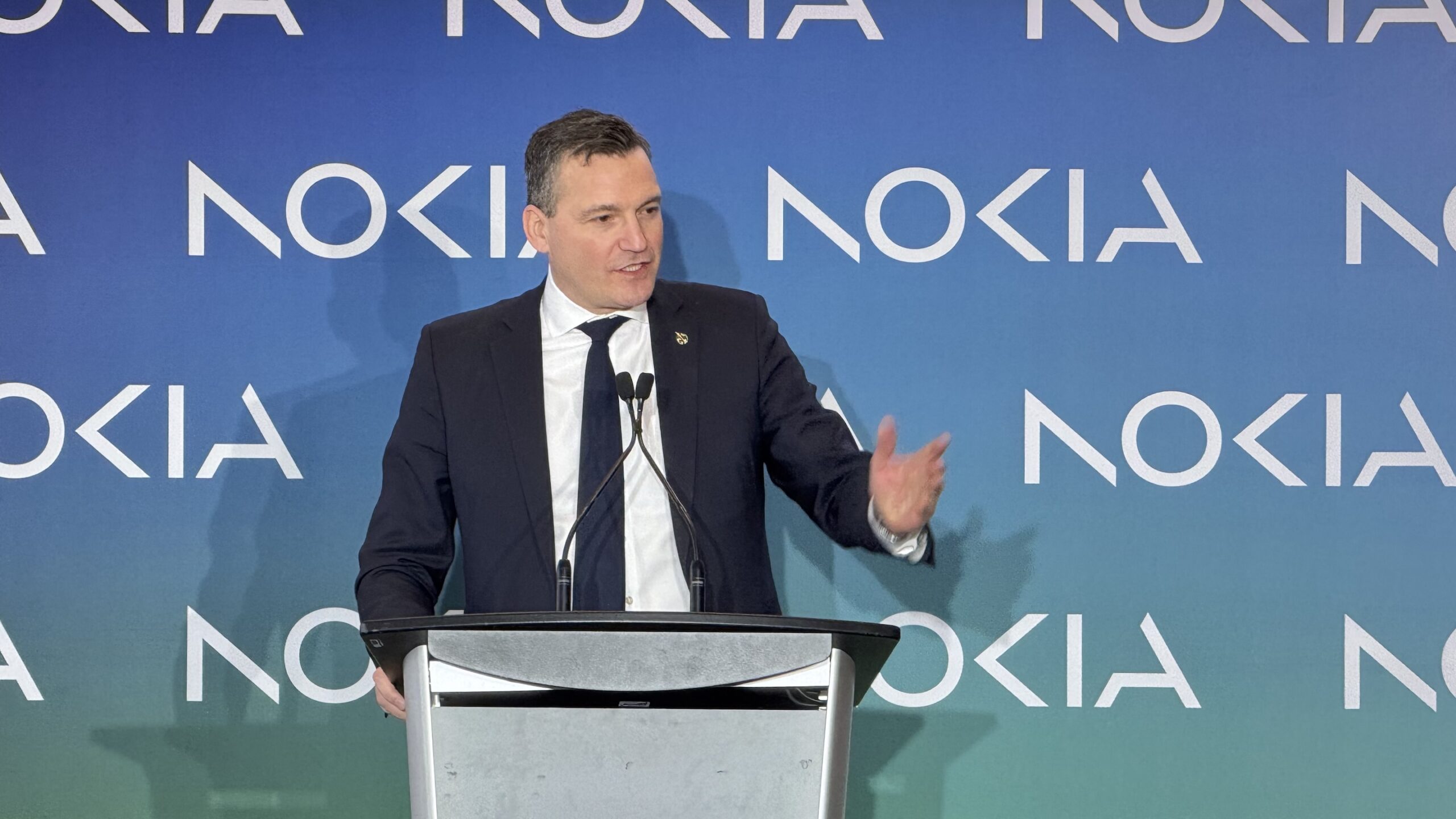
Digital Innovation Minister Evan Solomon explained how the new site fits into Canada’s long-term strategy for digital sovereignty. Nokia is developing the systems that will carry AI data across Canadian networks.
“Nokia is building the infrastructure that powers AI right here in Ottawa,” he said. “AI RAN technologies are absolutely critical. Quantum-safe networks are absolutely critical. 800G optical systems are all engineered in Canada and deployed globally.”
AI radio access networks (RAN) systems can improve the performance of mobile networks during peak usage by creating smooth handoffs between towers. They reduce latency and intelligently prioritize needs. Quantum-safe networking, meanwhile, protects data flows from future quantum decryption threats that could target banking, government and health services.
Nokia says the campus will house labs for AI-driven network automation, quantum-related networking, data and cloud networking and work on 6G.
Canada is taking the lead in 6G
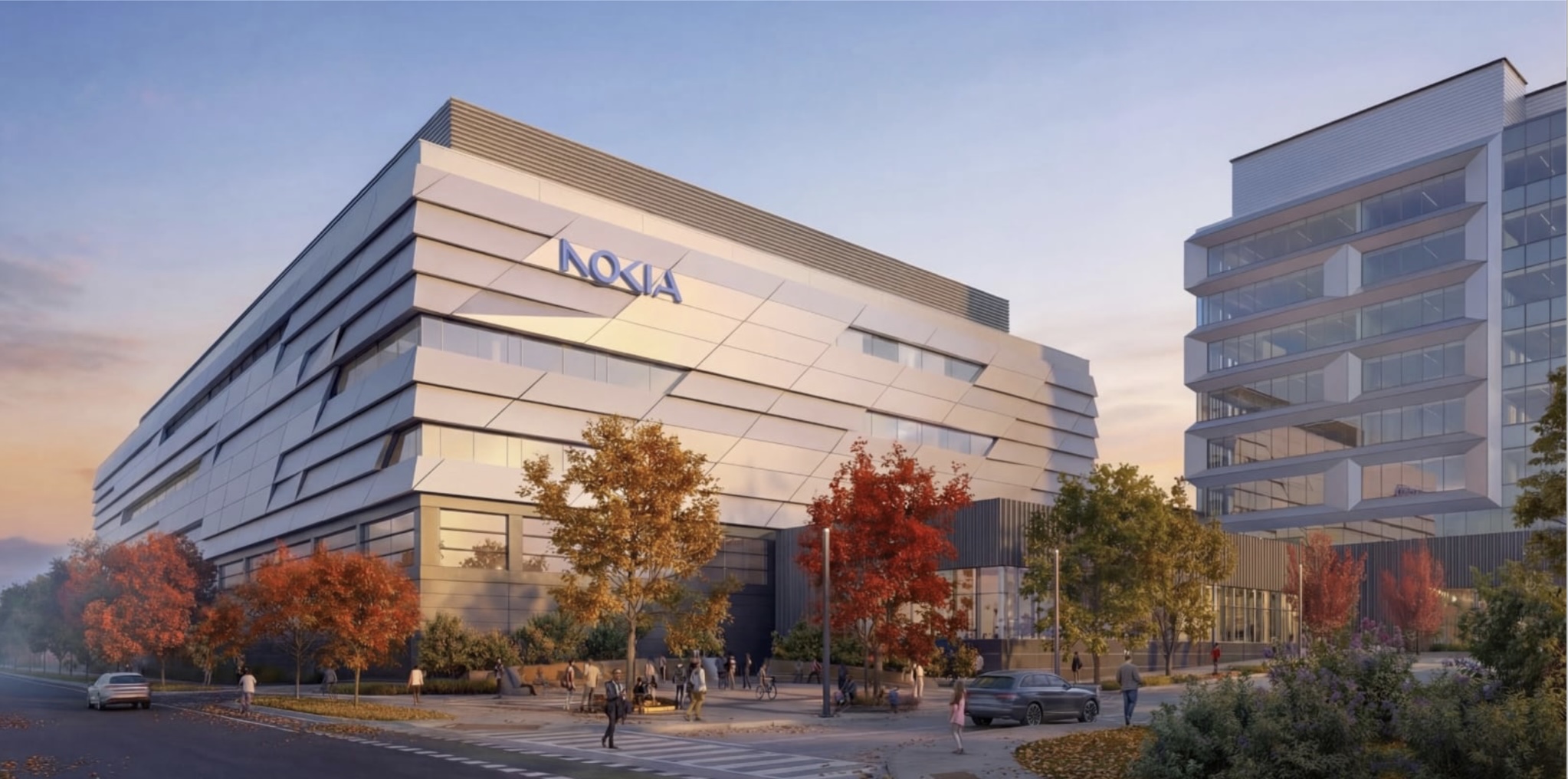
Official Nokia render of the Kanata North campus.
The new building forms part of an innovation super cycle shaping future connectivity. 6G is still years away from mainstream deployment, but its research phase has begun in labs around the world. Nokia just linked its research into 6G with Canada, a partnership that gives Canada a huge leg up.
“The expanded facility, which will be nearly a million square feet of Canadian innovation, will be one more example of Canadian sovereign innovation,” Minister Solomon said. “The world wants what Canada makes.”
Why Nokia chose Ottawa
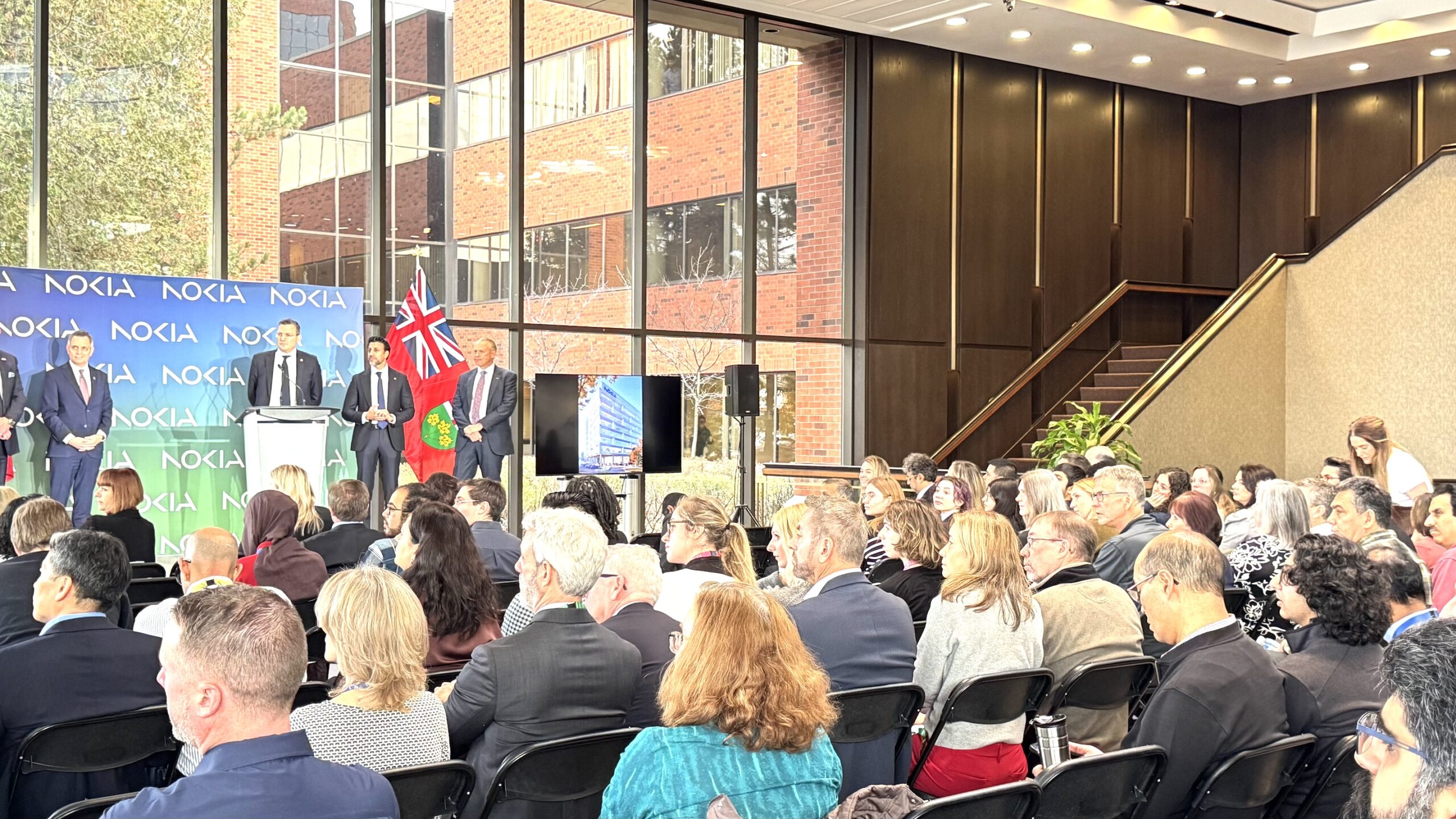
Nokia’s cluster in Ottawa’s suburb of Kanata has been a strategic location for Nokia for years. David Heard, Nokia’s President of Network Infrastructure, described the reason for the expansion.
“One of those reasons is people,” he explained. “It’s the talent you go after. We operate in a very high-tech, high-paced world. If you miss the technology wave, you are a smudge on the windscreen. People give you the advantage.”
Heard explained how Nokia has shifted its business mission.
“We used to be about connecting people,” he said. “Now we are about connecting intelligence.” This shift demands capacity and purpose-driven work and strong partnerships with government. Heard said Nokia’s relationship with the federal and city governments is close, one of the reasons the company chose Ottawa for its new site expansion.
“This is not about a building,” Heard said. “It’s about people, passion, the products, the purpose of what we’re building.”
Nokia says the next few years of construction will bring the campus online in phases. The company plans to move its Ottawa teams into the new site as it expands.
The national impact
Nokia invests about $285 million per year into Canadian research and development, according to company records. Federal and provincial governments will contribute another $72 million to support the expansion. Minister Solomon said the combined investment positions Canada as a global hub for the next generation of connectivity.
“This is an investment into thousands of jobs, into one of the great tech hubs in the country,” he said.
The systems built at this campus will flow directly into national carriers like Rogers, Telus, and Bell. These companies already deploy Nokia optical systems and RAN components. The research teams in Ottawa will now work on AI optimization for these networks, which will be deployed across Nokia’s infrastructure around the world.
The construction site on March Road looks like the first step in a long build, but Nokia and the government see something larger; a national testbed for AI-driven networks, quantum infrastructure and development of 6G. The future of Canadian technology just began in Kanata North.
Update Nov. 25, 2025, at 3:49 p.m. ET: The article was updated to correctly attribute quotes to Nokia’s David Heard instead of Andy Thompson.
 Business
  Sponsored
  Business
  5G & Infrastructure