Chinese-made electric vehicles (EVs) are finally starting to arrive in Canada.
These cars will be the first imported into the country under a deal signed back in January that allows as many as 49,000 Chinese EVs in a 12-month period at a tariff rate of about 6 per cent. Previously, Canada had a 100 per cent tariff on the EVs, making them effectively worthless to import into the country.
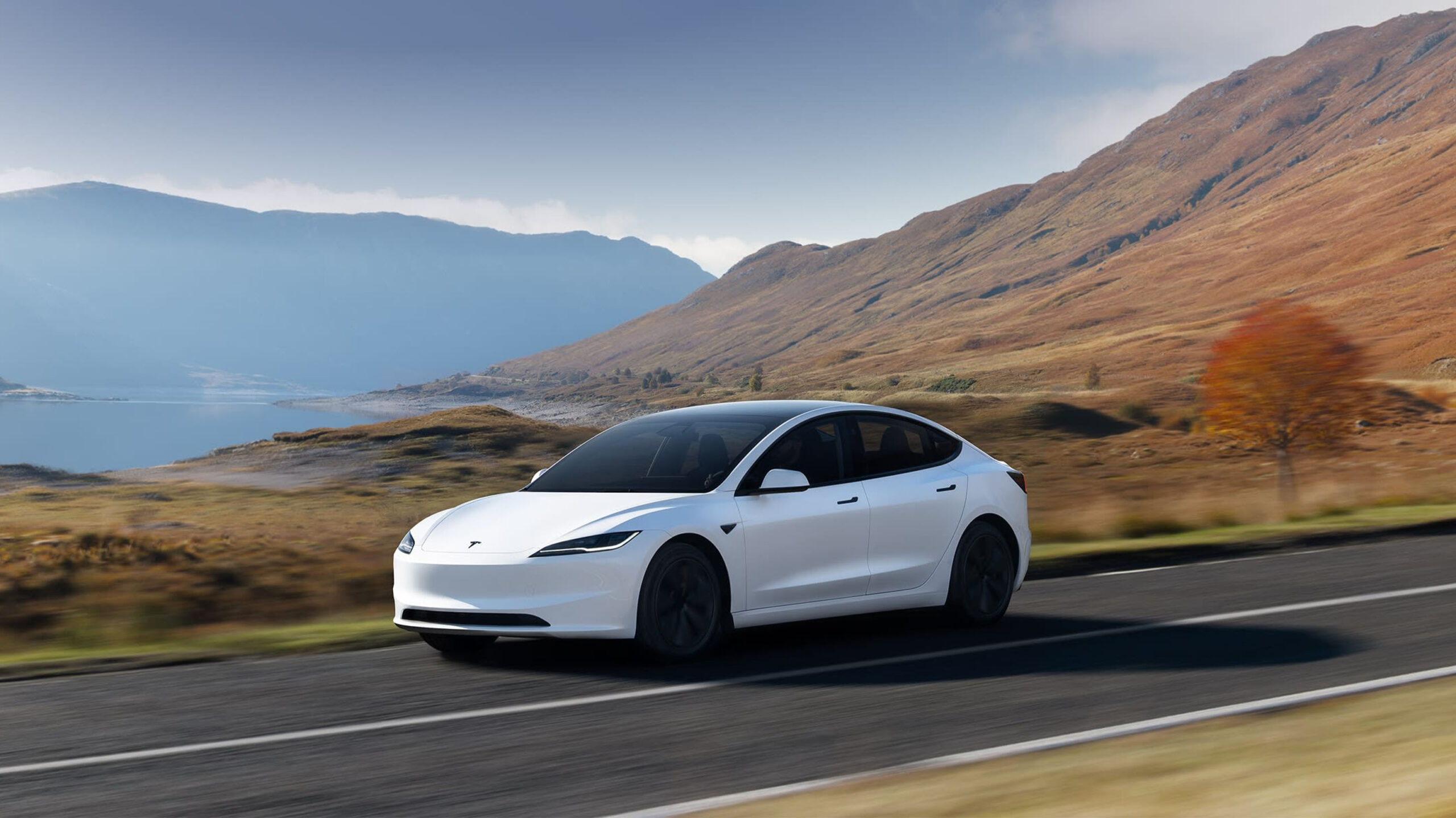
Interestingly, Chinese brands aren’t the ones dominating imports. According to The Financial Post, hundreds of Tesla vehicles made at the company’s Shanghai factory have started to show up in Canadian ports — and even Mark Carney remarked at the Economic Club of New York that it looks like most of the cars shipping over will, in fact, be from Tesla.
Interestingly, Geely-owned Lotus shipped 18 Eletre SUVs bound for Canada on May 7, and the vehicles have been moored outside the Port of Vancouver since Sunday.
It was also noted that the Canada-China deal will be closely watched by American automakers, with General Motors chief executive Mary Barra questioning the Canadian government’s decision to ease tariffs. The U.S. government (including President Donald Trump) has also been very critical of the Canada-China tariff deal, with U.S. representative Haley Stevens and Senator Elissa Slotkin (who are both from Michigan) having announced a proposal to ban “Chinese connected vehicles” from entering the country — applying to drivers in both Mexico and Canada.
I should also mention that the quota of 49,000 cars allowed into the country each year represents less than three per cent of Canada’s new-vehicle market — which is similar to the pre-October 2024 pace dominated by Tesla.
On the topic of dominating, Canadian officials have debated whether to divide up the Chinese EV quota, which includes if there should be a cap as to how much of it each company can use, so that the small allowance isn’t dominated by any particular manufacturer (BYD, for example). Starting in 2027, a portion will be reserved for vehicles that cost $35,000 or less, and it will reach 50 per cent by 2030.
Image Credit: Tesla
Source: The Financial Post
MobileSyrup may earn a commission from purchases made via our links, which helps fund the journalism we provide free on our website. These links do not influence our editorial content. Support us here.