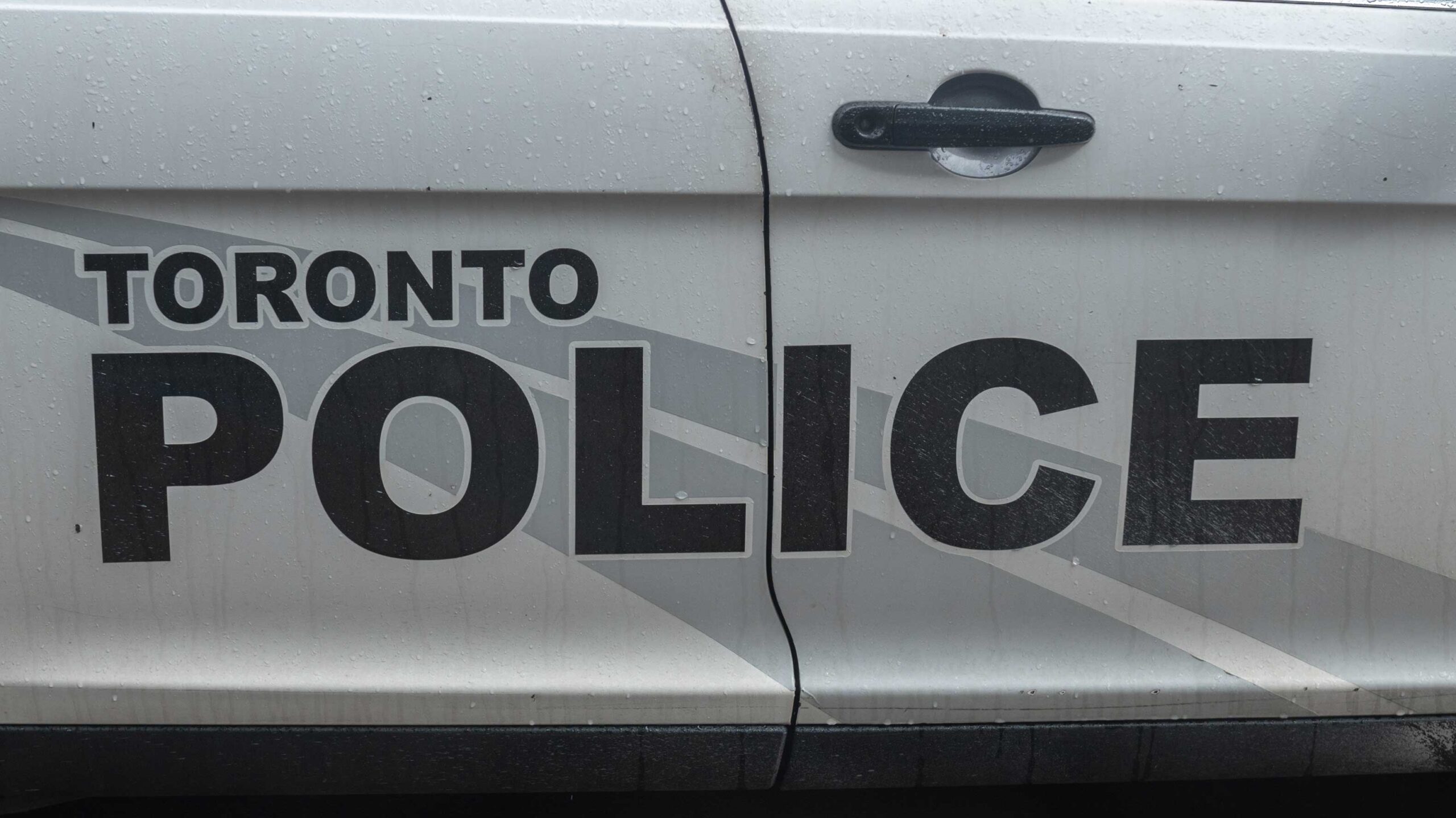
Toronto Police Service (TPS) will soon use AI to handle non-emergency calls.
At a board meeting earlier this week, TPS confirmed plans to roll out the technology in February. During the meeting, TPS chief transformation officer Colin Stairs said it’s leveraging AI to reduce caller wait times, which has been one of its main priorities.
Speaking to Toronto Today, TPS spokesperson Nadine Ramadan confirmed that about one third of the roughly 1.9 million annual calls that the service receives are for non-emergencies. In 2025, Torontonians waited an average of six minutes and 11 seconds for non-emergency calls.
TPS says it’s using tech from Hyper, a Canadian AI voice call startup, to power this initiative. Hyper told TechCrunch last year that data from real 911 calls is used to train its AI tool. How it works is that once someone is on the line, the AI will confirm key details with the caller, including their location and whether someone was injured. It will then provide instructions accordingly.
Late last year, The Globe and Mail wrote about a demonstration it was given of the technology. In one mock situation, Hyper co-founder Damian McCabe told the AI he had been in “a bit of a fender bender.” The AI agent then asked a series of questions, including whether he was in the vehicle, whether a driver failed to remain on the scene and whether the accident occurred on a 400-series highway. As it processed information between questions, the AI agent would play keyboard typing sounds in an effort to get the caller to not keep talking.
Ultimately, the AI agent told McCabe to report the issue and texted him a link to do so. The Globe says the process went “smoothly” overall, minus one instance of “brief lag” as McCabe “pursed his lips anxiously.” Meanwhile, Winnipeg police, which has also been using Hyper’s tech, told The Globe that the percentage of hang-ups has been reduced by 10 per cent since implementing the AI agent. The department also claimed that the AI “has actually been fairly well-received from the public.”
That said, The Globe also outlined other areas in which the AI can struggle. As the publication notes, Halton Regional Police Service fully incorporated Hyper’s AI tech into its non-emergency calls system in October. Per The Globe, one Halton incident saw Hyper telling a man whose parked car had been struck by someone else that it wasn’t necessary to report the incident. The bot came to this conclusion because the man said he wasn’t in the vehicle, but as a human operator told The Globe, it should have still been reported because the caller owned the vehicle. However, this wasn’t something that the bot ever asked about.
And outside of non-emergency phone calls, we’ve seen other instances of AI negatively impacting police work. For instance, the chief of England’s West Midlands police department apologized this week after it was revealed that MPs banned Tel Aviv football fans from a game over fake Copilot-produced evidence that he provided them. Over in Utah, an AI-generated police report over a routine traffic stop earlier this month actually claimed that an officer had transformed into a frog. And in Brandon, Mississippi, last year, police rushed to a home believing someone had been shot and two others were being held hostage, only to discover they’d been swatted by an AI caller.
It remains to be seen how Hyper will go. When the AI platform rolls out next month, it will be used for TPS’ non-emergency 811 line. The service says the emergency line will continue to handled by human operators.
Image credit: Shutterstock
Source: Toronto Today
MobileSyrup may earn a commission from purchases made via our links, which helps fund the journalism we provide free on our website. These links do not influence our editorial content. Support us here.