


A Canadian law firm is looking to sue video game publishers over what it calls “video game addiction.”
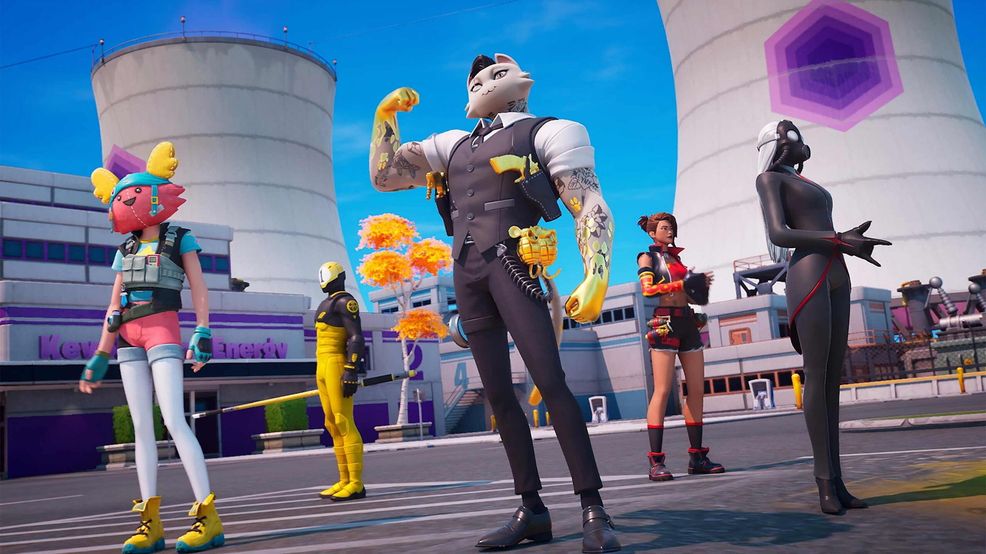
Earlier this month, Montreal-based Consumer Law Group (CLG) published a notice expressing its intent to investigate a class-action lawsuit against a variety of video game giants on behalf of Casey and Thomas Dunn in Arkansas. Some of the defendants include Microsoft (Halo) and its subsidiaries within Activision Blizzard (Call of Duty), Epic Games (Fortnite), EA (Apex Legends), Ubisoft Montreal (Rainbow Six: Siege), Nintendo (Super Smash Bros. Ultimate) and Sony (Helldivers 2).
In the proposed lawsuit, CLG asserts that the plaintiffs’ child, a minor referred to as ‘G.D.,’ suffers from “gaming addiction.” According to G.D.’s parents, the child plays 12-14 hours a day and spends hundreds of dollars on games every month.
The firm claims that this has caused him to experience “severe emotional distress, physical injuries, diminished social interactions, a drop in grades and inability to attend school, depression, lack of interest in other hobbies and sports, withdrawal symptoms such as rage, anger, and physical outburst, and diagnoses of ADHD and Dyslexia.” This addiction has also reportedly had “negative effects” on G.D.’s relationship with their father.
According to CLG, the defendants “have long been aware of the addictive and debilitating consequences of video game addiction and work with behavioural scientists, neuroscientists and other medical professionals to develop the predatory and addictive nature of their video games to maximize their profits.” The firm also cites the World Health Organization’s classification of “video game addiction” as a “mental health disorder.”
CLG argues that “action must be taken for the millions of people suffering from video game addiction and who the proposed class action defendants have and continue to intentionally target with predatory video games they know are responsible for causing significant and irremediable harms and a mental health epidemic among minor and young adults and neurodivergent players.”
The firm says it’s seeking “compensatory damages for the psychological, physical and financial harm incurred by persons who purchased and/or played or otherwise used video games, platforms or hardware in which the proposed defendants are involved, as well as punitive damages and all other relief that consumers are entitled to under the law.”
The full proposed lawsuit can be found here.
Of course, it remains to be seen how well CLG’s case would stand up in court. For instance, there have been multiple proposed lawsuits in Canada arguing that Fortnite is deliberately addictive to their children, and each time, developer Epic Games has responded by outlining the game’s many parental control features. To that point, it would have to be determined if G.D.’s parents took enough steps to curb their child’s supposed game addiction.
It should also be noted that the WHO’s classification of “video game addiction” as a mental health disorder has also been controversial within the scientific community. Many experts have argued that research is inconclusive on the matter. That’s to say nothing of how the general perception of games, especially by mainstream media, is still woefully outdated.
In general, video games have often been used as scapegoats for larger issues, like gun violence in the United States, without examining more direct causes for them. These sorts of conversations also ignore gaming’s many substantiated benefits beyond their entertainment value, from forging social connections and fostering empathy to innovating in other sectors and boosting global economies. That’s not to say video games are perfect (they have a rampant toxicity problem, for instance), but they’re certainly often unfairly maligned.
Anyway, if you’re interested in following along with CLG’s proposed lawsuit, you can do so here.
Image credit: Epic Games
Source: Consumer Law Group Via: BlogTO
 Features
  Gaming
  Features
  Features