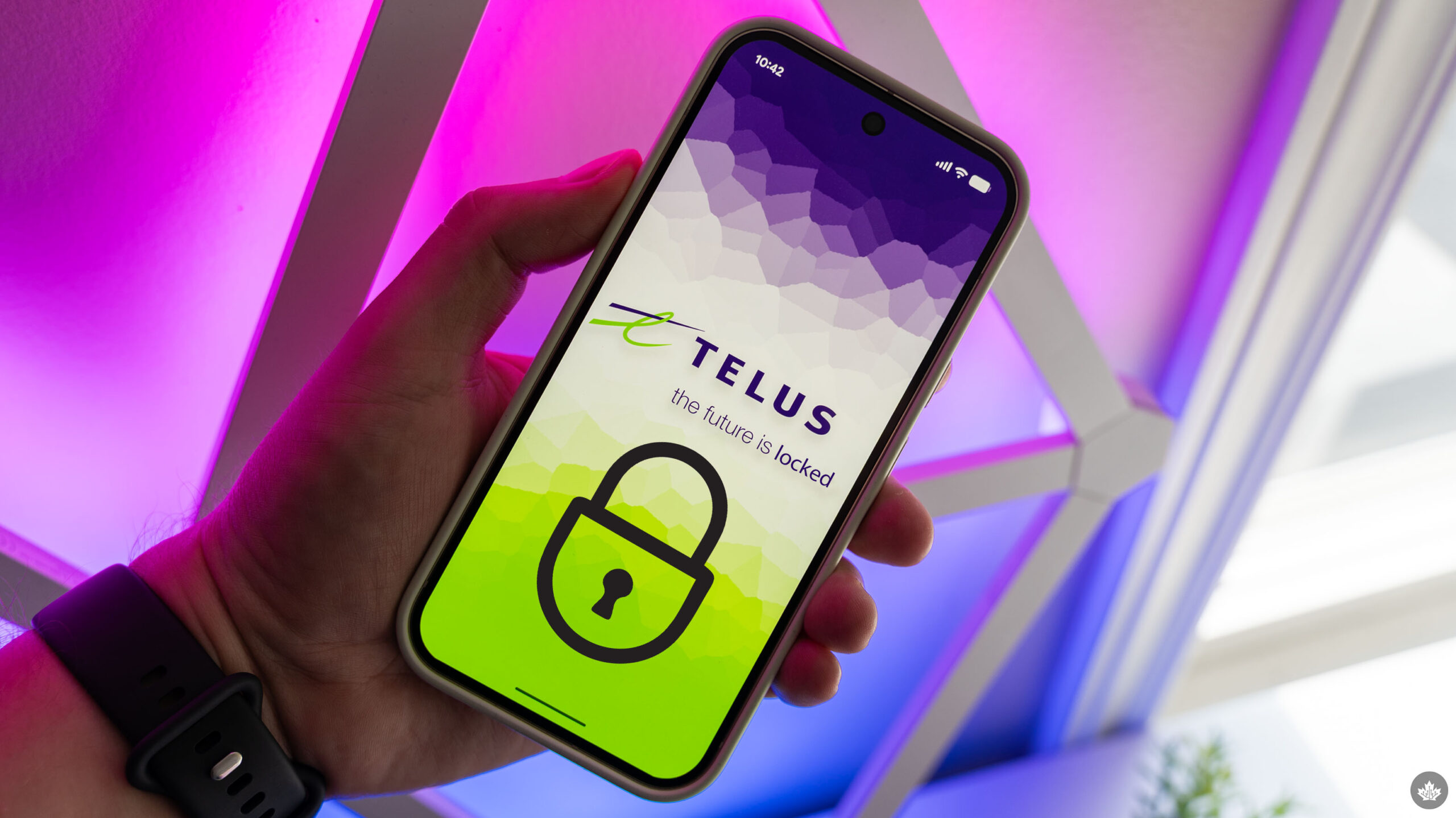
Vancouver-based national telecom Telus wants the Canadian Radio-television and Telecommunications Commission (CRTC) to bring back device locking to prevent fraud and theft.
Telus filed an application with the commission in May 2026 seeking a review of Canada’s Wireless Code to add a new, temporary 60-day device locking period for smartphones and other mobile devices. While the carrier ultimately wants a permanent change to the Wireless Code, it also requested a temporary allowance to lock devices until the code can be amended. Further, Telus said it will start locking devices on July 30, 2026.
However, the CRTC banned device locking practices back in 2017 and eliminated unlocking fees as well. Abolishing device locking and associated fees made it easier for people to switch wireless providers, as their device wouldn’t be locked to a single provider.
In its application, Telus said it wants devices to be locked for 60 days starting on the day the device is activated, and for the lock to only apply to “subsidized or financed devices provided in conjunction with a wireless services term contract.” Further, Telus wants devices to automatically unlock at the end of the 60-day period, as long as customers’ accounts remain in good standing. It also outlined exceptions for customers who need to unlock a device early for legitimate reasons, such as travel, switching carriers, and more.
Why lock devices at all? Telus says it’s because of theft and fraud.
A tale as old as time 2017
Even back in 2017, when the device locking prohibition came into place, carriers were bemoaning the risks of theft and fraud, and it’s been a common argument ever since. That includes last year, when Bell violated the Wireless Code by locking devices for 60 days. The move spurred the CRTC to order Bell to stop selling locked devices. Prior to that, Bell had locked devices in its stores up until the point of activation.
In its application to the CRTC, Telus reiterated many of these same complaints. The carrier claims unlocking rules “inadvertently transformed smartphones into a highly liquid currency that drive violent robberies.” Telus also says that device-related fraud is on the rise, saying “bad actors use stolen identities to open new wireless accounts, damaging the credit scores of victims,” and also take over existing accounts to engage in unauthorized activities.
Telus device locking application to CRTC – July 9, 2026 by jon
Interestingly, Telus also calls out Bell’s 60-day device locking, saying that since Bell started locking its devices, it’s seen more theft and fraud. “Bell’s device locks make stolen Bell devices far less feasible for resale, which diverts criminal activity toward competitors,” Telus said.
The return of locked devices?
For now, though, the rules remain in place. The CRTC responded to Telus in a letter on July 8, noting that the current Wireless Code rules “remain in effect unless and until the Commission makes an express decision otherwise.” However, the commission did say it would consider Telus’ request for a temporary authorization to lock devices for 60 days, though it would leave time for Telus and other interested parties to comment on the matter.
Moreover, the CRTC noted that it’s in the process of reviewing consumer protection codes, and directed Telus and other interested parties to bring the device locking requests to that proceeding, which is already looking at amendments to the codes.
It’s a stark difference from the CRTC’s response to Bell last year, when it denied Bell’s request to temporarily allow phone locking. In response to Bell, CRTC’s secretary general and executive vice president Marc Morin wrote that “locking cellphones is not in the best interest of consumers and that this practice has not been shown to be necessary to address any increase in crime and financial loss experienced by the wireless industry.”
And there are other issues with allowing locked devices. While Telus laid out exceptions for early unlocking, in practice, those don’t hold up. With Bell, many customers have complained that the carrier failed to unlock devices within the 60-day window — implementing new phone locking rules could lead to more customers stuck with locked devices.
It remains to be seen if Telus will abide by the rules or follow Bell’s lead and lock devices regardless of what the CRTC says.
MobileSyrup may earn a commission from purchases made via our links, which helps fund the journalism we provide free on our website. These links do not influence our editorial content. Support us here.